Miyoji Okabe Analyzes the Core of Michiko Fujiwara, a Charismatic Figure (Part 2)
Miyoji Okabe x Michiko Fujiwara
The Core of a Charismatic Person: Michiko Fujiwara, Analyzed by Miyoji Okabe (Part 2)
In the previous installment, "The Core of a Charismatic Person," Miyoji Okabe dissected Michiko Fujiwara's "Core of Inspiration."
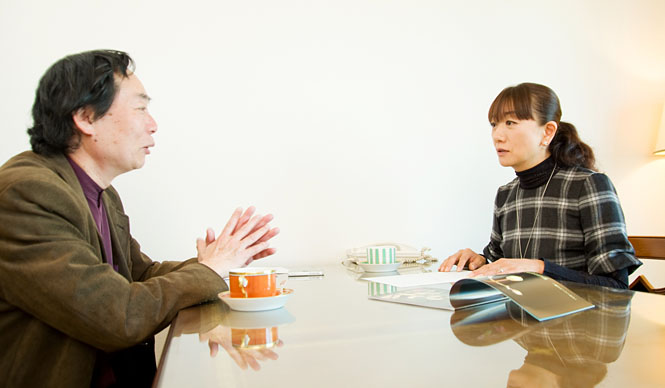
During a meeting to plan the OPENERS series, beauty scientist Miyoji Okabe expressed a strong desire to interview Michiko Fujiwara.
With Ms. Fujiwara's gracious acceptance, the interview became a reality. The theme Okabe proposed for their discussion was:Why do some people become more captivating as they age?
The second part of "The Core of a Charismatic Person" dissects the "Core of Openness" in Okabe's unique style.
Text by Miyoji OkabePhotos by Emiko Hara
The Core of Openness
Meeting Ms. Fujiwara again after some time, I felt she possessed a certain transparency of spirit. And with every conversation, her heart seemed to shine in full color.
Perhaps this sense of transparency stems from Ms. Fujiwara's open-minded approach.
From Her Mother: The Spirit of Diligence
I asked Michiko Fujiwara about the people who have influenced her most.
"First and foremost, my mother. My mother was a hairdresser, and when she decided on something, she would throw herself into it with all her might."
She still runs her hair salon, but she also continuously takes on new challenges, from hula dancing to Japanese traditional dance. In fact, she obtained a teaching license for Japanese dance and now has students.
Growing up watching her mother's dedicated efforts, that influence has clearly become an integral part of Ms. Fujiwara today.
From Her Mentor: A Sense of Aesthetics
Ms. Fujiwara says she learned a sense of everyday aesthetics from her first makeup artist mentor, Takako Matsunaga.
"For example, she'd say, 'Pouring this much juice makes it look more delicious, doesn't it?' or 'Arranging flowers like this makes them look more beautiful, right?' or 'Even the way chairs are arranged can look better this way.' I was always so impressed, thinking, 'Wow, wow, wow.' I feel incredibly fortunate to have had a teacher with such an aesthetic sensibility when I first entered the professional world."
This fortunate relationship between mentor and protégé seems to transcend mere luck, hinting at a fated bond. I felt that something must have sparked the connection with Ms. Matsunaga.
Crucially, Ms. Fujiwara's own open nature allowed her to embrace these detailed aesthetic instructions without finding them overbearing. It is this receptiveness that made the relationship flourish.


Taught and Refined by Her Staff
"Who else comes to mind... Ah, perhaps all the assistants who have trained me," Ms. Fujiwara said, expressing her gratitude for what she has learned from her staff. She likens this relationship more to that with children or grandchildren than with a mentor and student.
"Even when it comes to how I scold someone, I find myself thinking, 'Maybe I should have said it this way.' My staff might think they are being taught, but in reality, I am the one learning." This suggests that it is precisely Ms. Fujiwara's open heart that allows for such a reciprocal learning environment.
"I feel that I too have been nurtured by so many assistants over the years," she added, her words conveying a deep affection for her staff.
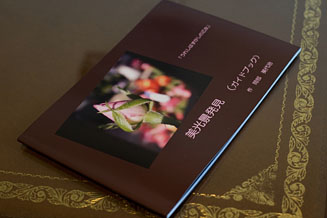
Miyoji Okabe's Photo Collection "Discovering Beautiful Scenes"
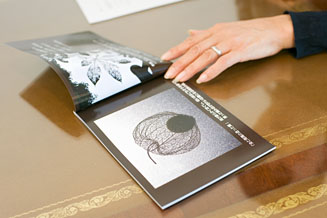
Because She is Open: Like Sand Absorbing Water
It seems that individuals who can continuously cultivate and amplify their charm are those who can openly embrace beauty and absorb it, adapting it to their own style.
Like sand absorbing water, she absorbs anything she perceives as positive, weaving it into her own unique allure. I am convinced this is another core aspect of Ms. Fujiwara's charisma.
Finally, she laughed heartily, "My dogs really teach me a lot. After all, they never do exactly as I want!" Perhaps Ms. Fujiwara absorbs her charm not only from people but also from animals, plants, and all of nature.
Listening to her, I found myself excited about the kind of charm she will cultivate in the future.
Michiko Fujiwara's "Core of Timing."