Yasuhiro Mihara | Japanese Craftsmanship Vol. 5: TASAKI Jewelry (1)
Part 5: TASAKI Jewelry (1)
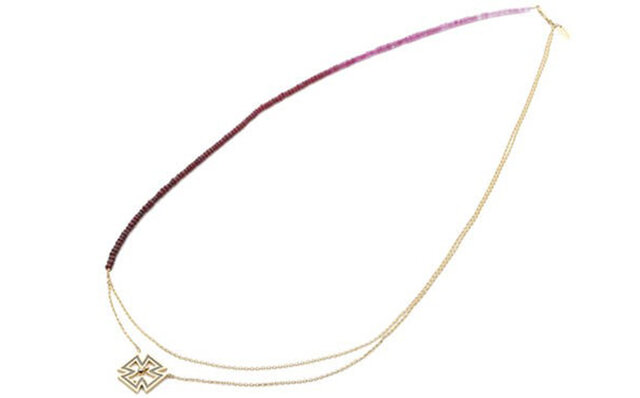
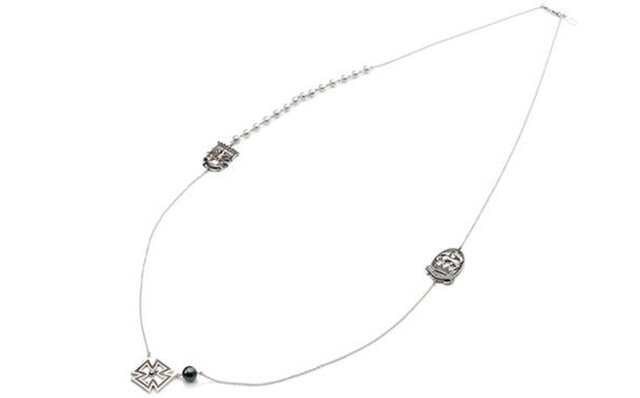
MIHARAYASUHIRO × HUSAM × TASAKI
Fashion designer Yasuhiro Mihara visits Japan's proud factories and artisans for "MEANING MADE IN JAPAN MIHARAYASUHIRO," a groundbreaking series that creates new things only possible in Japan, commonly known as MMM. This time, we feature TASAKI, a comprehensive jewelry manufacturer. The collaboration on men's jewelry, "MIHARA YASYHIRO×Husam el Odeh×TASAKI," presented in the Spring/Summer 2010 collection, earned high acclaim from this titan of the Japanese jewelry world. First, we asked Mihara about his reasons for choosing TASAKI to create the men's jewelry he envisioned, and his passionate thoughts behind it.
Text by Kotaro Hosomura, Photos by Kaoru Mizobe (HAWK EYE WORKS)
Thoughts, Passion, and Awe for TASAKI
Mihara had previously handled accessories under the "MIHARA YASYHIRO×Husam el Odeh" brand, and was familiar with the process and know-how. However, as he pondered the difference between accessories and jewelry, the simple question, "What is the jewelry I truly desire?" arose in his mind. While jewelry is often imagined to have gemstones, this isn't always the case. Is it a difference in the artisan's skill, or perhaps in history? He wanted to learn about the people who make jewelry and see their workshops.
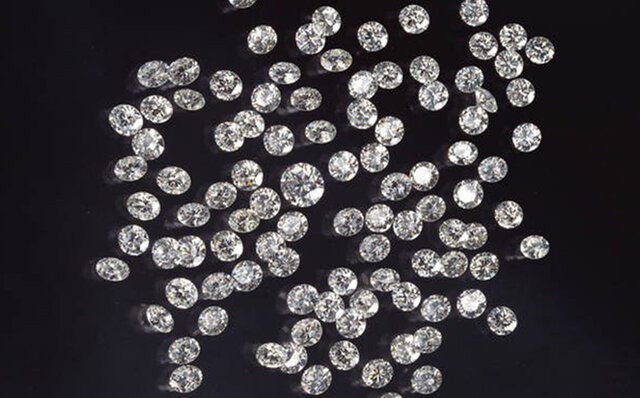
Thus, he chose Tasaki Pearl, the only company in Japan holding the De Beers Group's DTC Sightholder status (the right to receive rough diamonds directly), and they readily accepted. As their name suggests, they are renowned for pearls but are also a leading comprehensive jewelry manufacturer in Japan dealing in gemstones, including diamonds. They recently rebranded from "Tasaki Pearl" to simply "TASAKI" both domestically and internationally. Immediately, Mihara and his accessory-making partner, designer Husam el Odeh, flew to Tasaki Pearl's headquarters in Kobe, which also houses their own factory. Upon witnessing the jewelry-making process firsthand, the two were astonished.
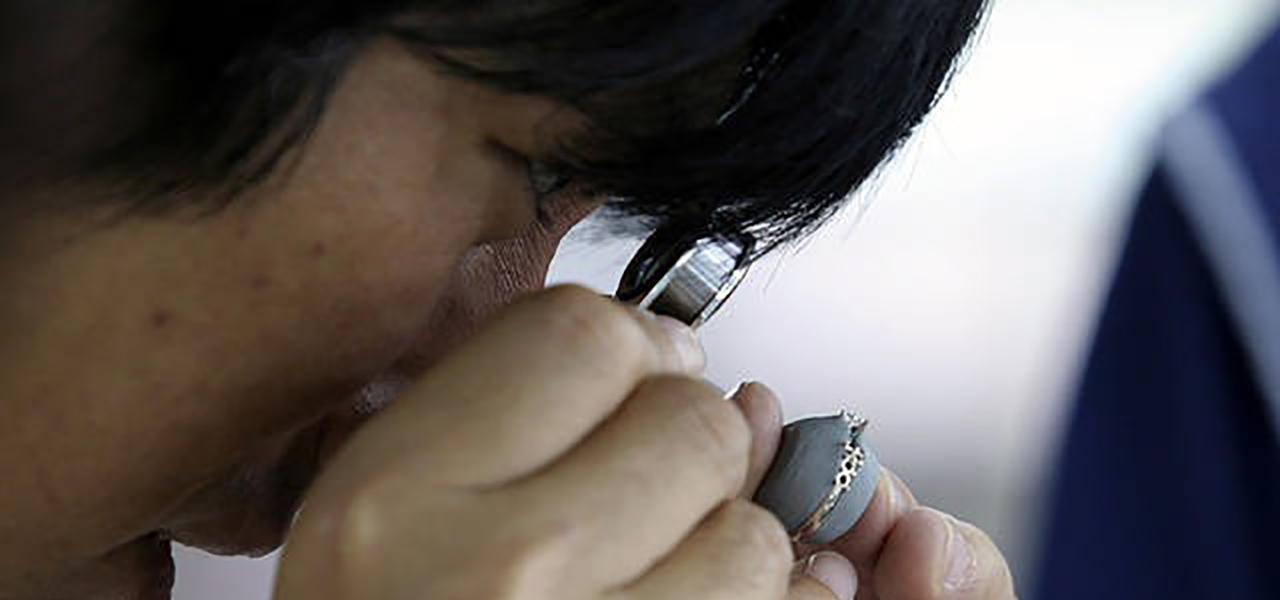
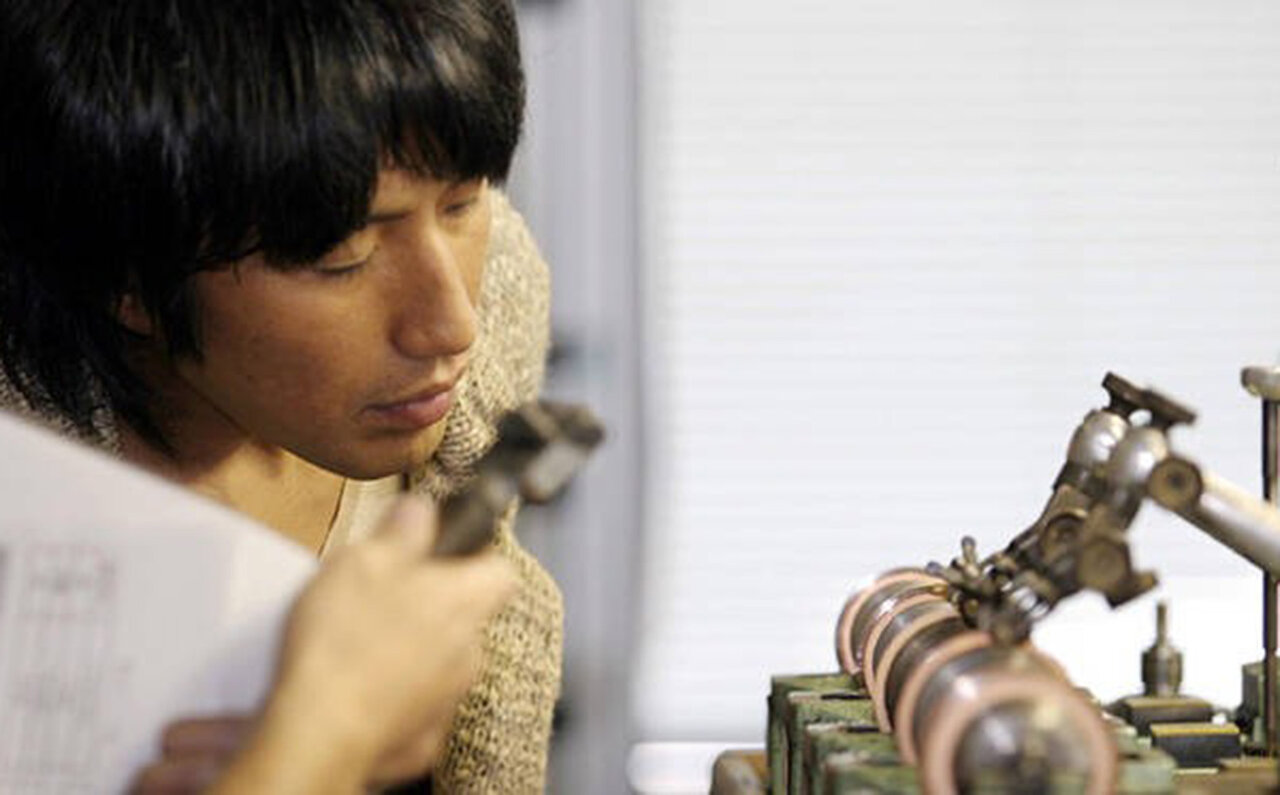
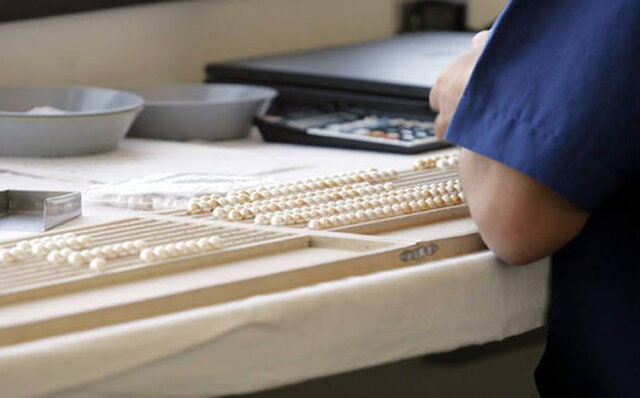
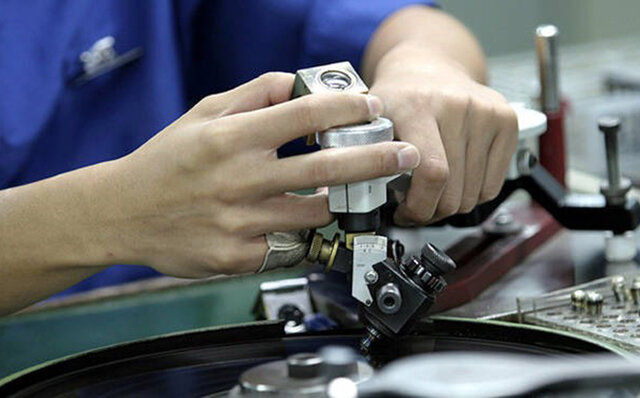
"Honestly, I was overwhelmed. I understood the value of jewelry, and why it's so expensive. They employ far more artisans than I imagined, and each one silently performs their specialized task. It's both industrial and artisanal; machines handle what they should, and hands handle what they must. They pursue integrated in-house production without any compromise. I witnessed precise work, like diamond cutting and pearl sorting, that only those who have reached a certain level can perform. Even with our fashion-oriented input, the essence remains unchanged, anchored by an 'absolute value' of technical skill. Their direction is always consistent, constantly striving for the highest techniques. Their organizational control is also superb. From material selection and rough processing to polishing and engraving, all involve high-level expertise."
While a certain roughness can be an asset in accessory making, there is none at "TASAKI." The atmosphere was entirely different from any workshop Mihara had seen before, imbued with an intensity akin to rigorous training.
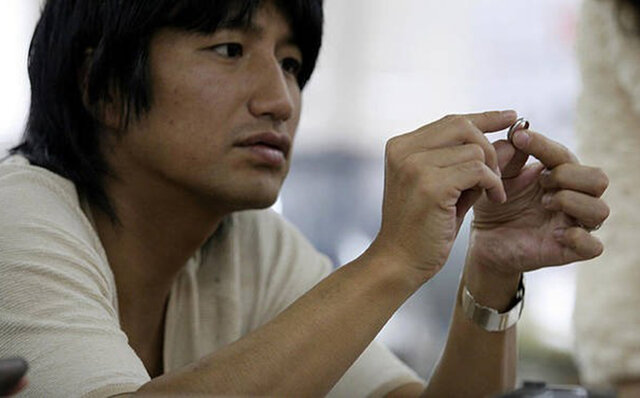
"For example, adjusting the angle of a diamond set in platinum to be perfectly horizontal—a task measured in fractions of a millimeter, yet they are meticulous. This is because the angle of light incidence changes, altering the brilliance. In other words, value lies in a level of dedication beyond the ordinary. Perhaps it's a form of love," Mihara mused as he observed the work.
What is their ultimate goal? The continuation of uncompromising technical skill? Maintaining that is no small feat. They are also well aware of the drawbacks of a specialized division of labor. If one person loses focus, the entire creation can be compromised.
"That's where they are absolute. I felt something overwhelming. It's incredible that this has been preserved from the previous generation. Normally, once machines are introduced, efficiency takes precedence, and manual artisans are phased out, but that's entirely absent here."
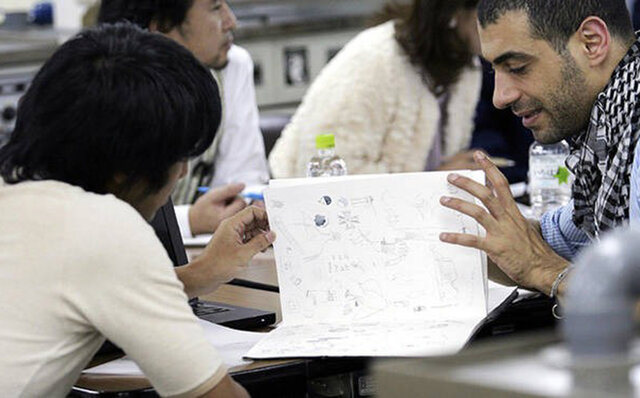
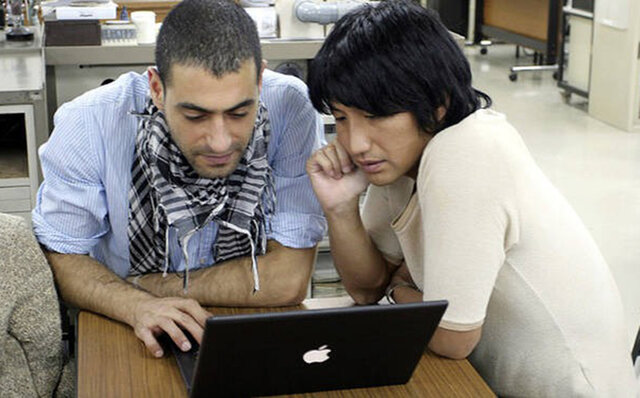
That same day, at a desk in a corner of the workshop, Mihara and Husam sketched designs for nine models. After discussing with Katsuya Shinonaga, the general manager of the Craftsmanship Processing Section in the Production Engineering Department, they meticulously determined what was feasible and what was not. Mihara explains his immediate decision to collaborate with "TASAKI":
"It's simple. The skill level of the creators is different. I think Husam probably understood the high standard even better than I did. In any case, it's astonishingly beautiful. The quality is such that you'd handle it with trembling hands; it has that kind of aura. We've always sought quality by relying on specialists, like 'the baker bakes bread,' but with jewelry, this is the first time I've felt such an overwhelming difference."
The goal was "men's jewelry" as showpieces for men. Mihara believes that 90% of men's aesthetics remain unchanged. He wanted something to fill the remaining 10%. Accustomed to the language of clothing and shoes, he approached accessory designer Husam, with whom he had a long-standing relationship. Both shared a common philosophy of craftsmanship, and having graduated from art universities, their studies were similar, leading to a strong rapport. While the design process was collaborative, it was remarkably smooth, built on an existing unspoken understanding.
"First, I told Husam let's work relaxed, without forcing it, just like we always do. When you force it, your metaphors and ironic sense become stiff. And for this collaboration, I decided to rely on TASAKI, to let them take the lead, entrusting ourselves to an absolute master. Knowing the other party is key to finalizing the design."
The theme was Antoine de Saint-Exupéry's "The Little Prince." However, the focus was on the author's ironic spirit. Motifs included the sky, airplane parts, and birds. Modern creations and Japan's highest level of technical skill—the chemistry between the three resulted in a magnificent outcome, receiving high praise. "The motifs are contemporary, but the craftsmanship is impossibly good," says Mihara. The collection was planned for release at stores like Joyce in Hong Kong, Leclaireur in Paris, and Browns in London. Domestically, it would be available at Isetan Shinjuku Men's Building (from December 2, 2009) and TASAKI Ginza Main Store (from April 22, 2010). All eight models would be available on the web shopping site "Lumore."