Part 1 of a Short Series: Tahiti, a Primal Paradise with Open Arms, is a Joy Even for Non-Honeymooners
Tahiti
In the summer of 2024, I traveled to Tahiti for the first time on a press tour organized by the Tahiti Tourism Board and Hawaiian Airlines. I will report on the experience in three parts.
An Adventure to Stimulate Intellectual Curiosity in a South Pacific Paradise
I wonder how many Japanese people have been to Tahiti. Curious, I searched and found that about 8,000 Japanese tourists visit Tahiti annually.
I know roughly where it is and can imagine it must be wonderful. However, strong images like 'Isn't that a honeymoon destination?' or 'It seems expensive' made it difficult to find an opportunity to visit. Now that I've actually been, I think, 'It truly is a place one must visit at least once in a lifetime!' Yes, even if it's not for a honeymoon.
First, please allow me to give you a brief overview of Tahiti. Its official name is 'French Polynesia,' but as you know, it is more commonly called 'Tahiti.'
Located about 9,500 km southeast of Japan, it is at the center of the 'Polynesian Triangle,' connecting the Hawaiian Islands, New Zealand, and Easter Island. It consists of 118 large and small islands in the South Pacific. We Japanese often hear about Moorea, Bora Bora, and Tahiti Island, where the capital, Papeete, is located.
Polynesian history is said to have begun with people living in Southeast Asia migrating south, passing through Tonga and Samoa, and settling here in prehistoric times. Later, in 1767, the Englishman Samuel Wallis became the first European to discover Tahiti. In 1842, it became a French protectorate, and in 1946, an overseas territory of France.
Subsequently, its autonomy expanded, and in 1957, it became 'French Polynesia.' The most significant recent event was the surfing competition for the 2024 Paris Olympics, held at Teahupo'o on Tahiti Island, over 15,000 km away.
First, I arrived on Tahiti Island, the gateway to Tahiti. After staying one night there, I then stayed at resorts on Taha'a Island (accessed from Raiatea Island) and Moorea Island. After that, I returned to Tahiti Island, toured its attractions, and then headed home. Although my stay was just over a week, I reaffirmed my previous impression that it is 'perfect for honeymoons,' while also feeling that 'it is perfectly enjoyable even for non-honeymooners!'
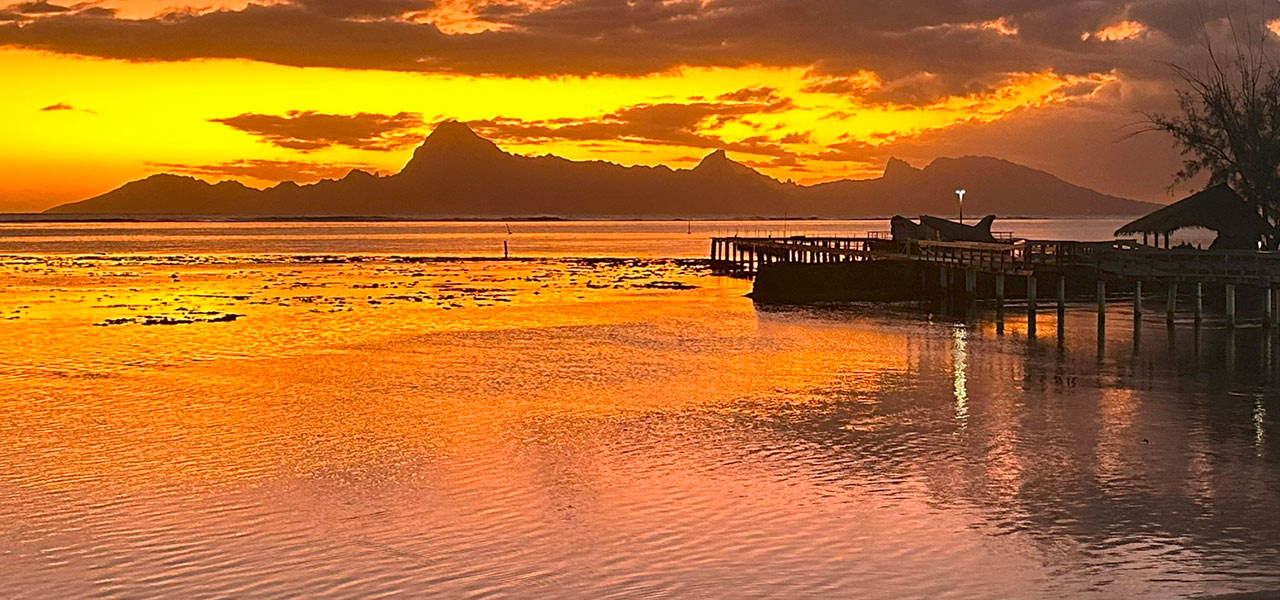
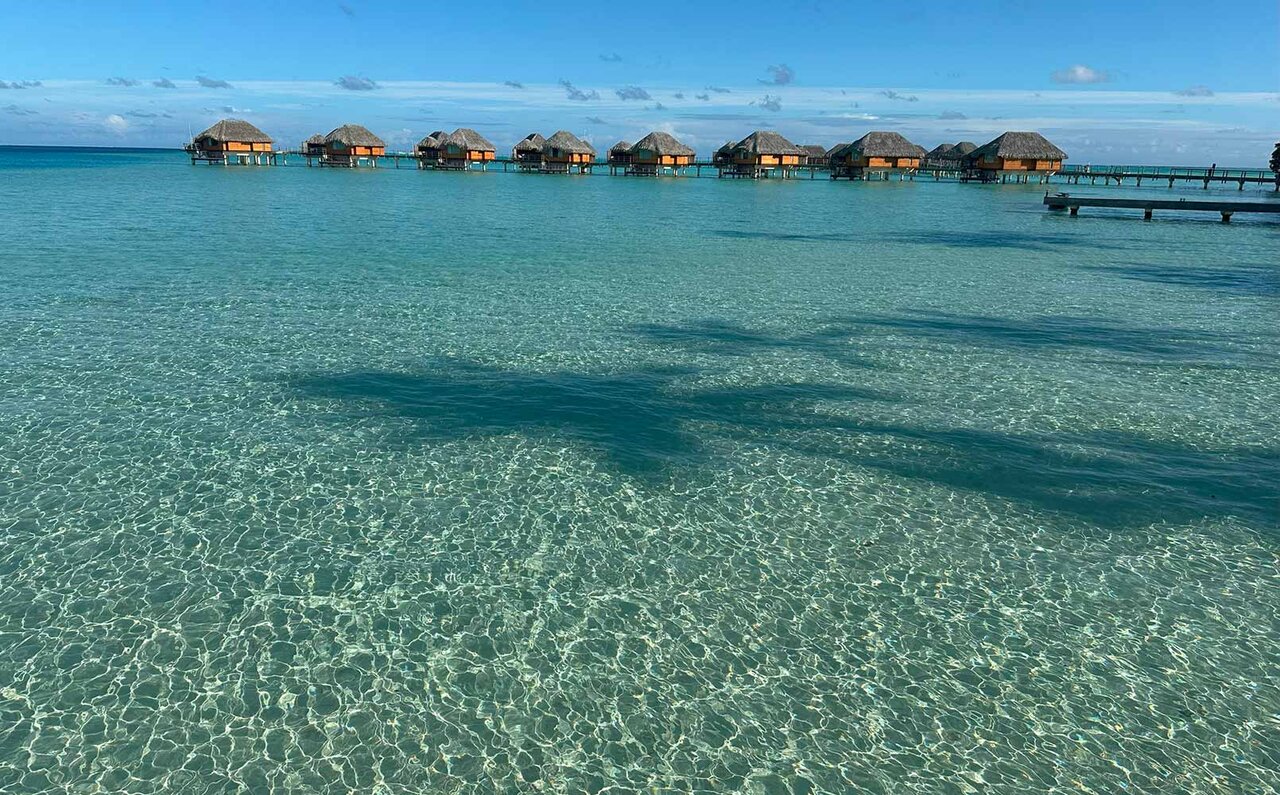
The diverse landscapes, from the sea—an impossibly mysterious blue, neither emerald green nor cobalt blue—to beaches of various colors like white and black, and majestic volcanoes, possess an overwhelming presence and mystique that surpasses what can be seen in photos or videos. The phrase 'the last paradise on Earth,' which I've heard countless times, feels incredibly fitting.
On this trip, I arrived in Tahiti at night and went straight to my hotel. The next morning, the color of the Tahitian sea, which I saw for the first time, was mesmerizingly beautiful and full of life, leaving me speechless. At the same time, I thought, 'Is this what they mean by "primal"?' I haven't tried it, so I can't say for sure, but I don't think I'd get tired of looking at it for two or three days.
The hotel I stayed at on my arrival day was 'Le Tahiti by Pearl Resorts,' about a 20-minute drive from the airport. It refreshingly subverts the conventional image of beaches being white, with its cool black sand beach. The coexistence of untouched nature and sophisticated resort is wonderful... I wished I could have stayed longer than just one night, but with a heavy heart, I hurried to the next island.
Tahiti is, after all, a place that captivated Gauguin and Matisse. It goes without saying that it is wonderful, and I don't need to elaborate. Staying in an overwater bungalow, fully enjoying the beautiful island with a loved one—that's the height of romance, how enviable! (laughs) But I also thought that solo travel is perfectly fine. If your spirit is feeling weary, spending a week in Tahiti should purify your soul considerably.
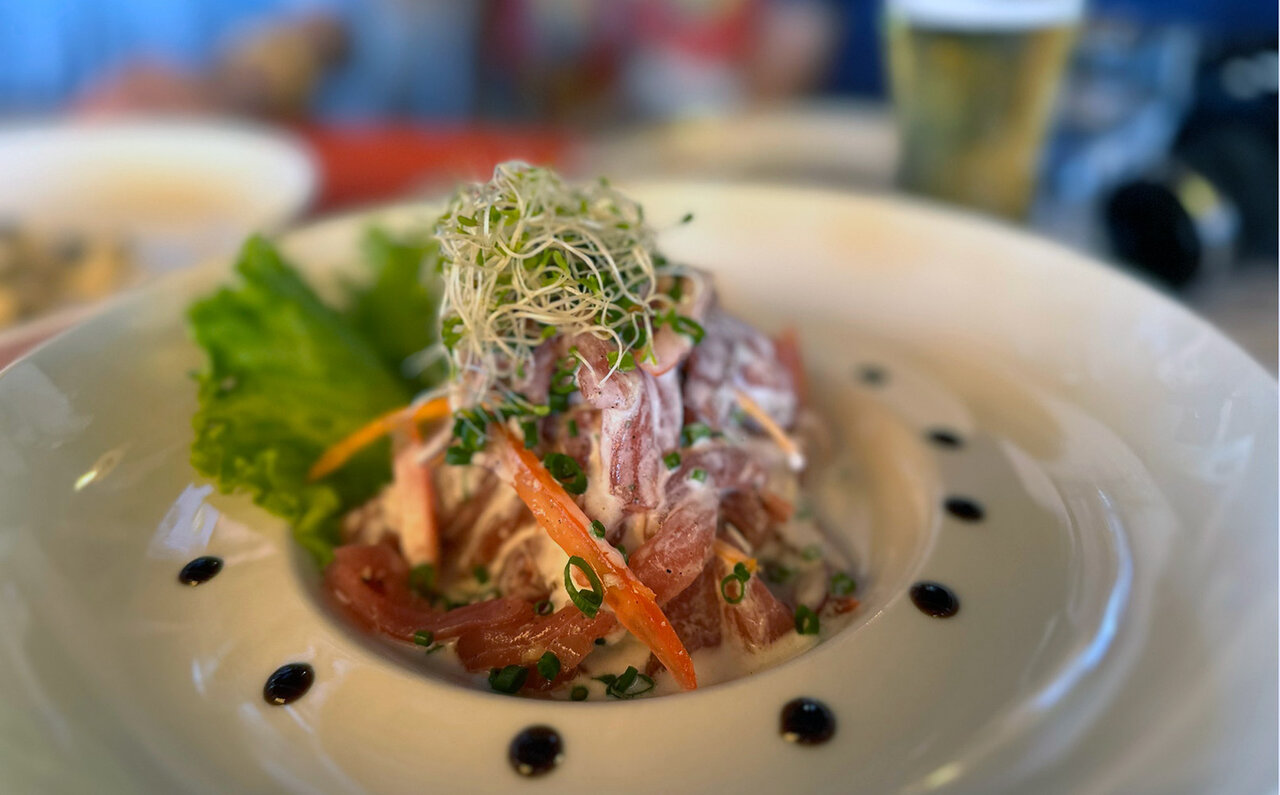
The cuisine, centered on seafood, also suits the Japanese palate well. French cuisine is, of course, delicious too. Among them, I became addicted to 'Poisson Cru.' It's a dish that can be called the soul food of the Tahitian people, made by mixing tuna sashimi and vegetables with coconut milk and lime.
It's often included in the breakfast buffet at many resorts and is on the menu at most restaurants. It's a simple dish, yet the taste varies depending on where you eat it, which is interesting. Like ordering a gin and tonic at a new bar, I ordered it to see how their Poisson Cru tasted.
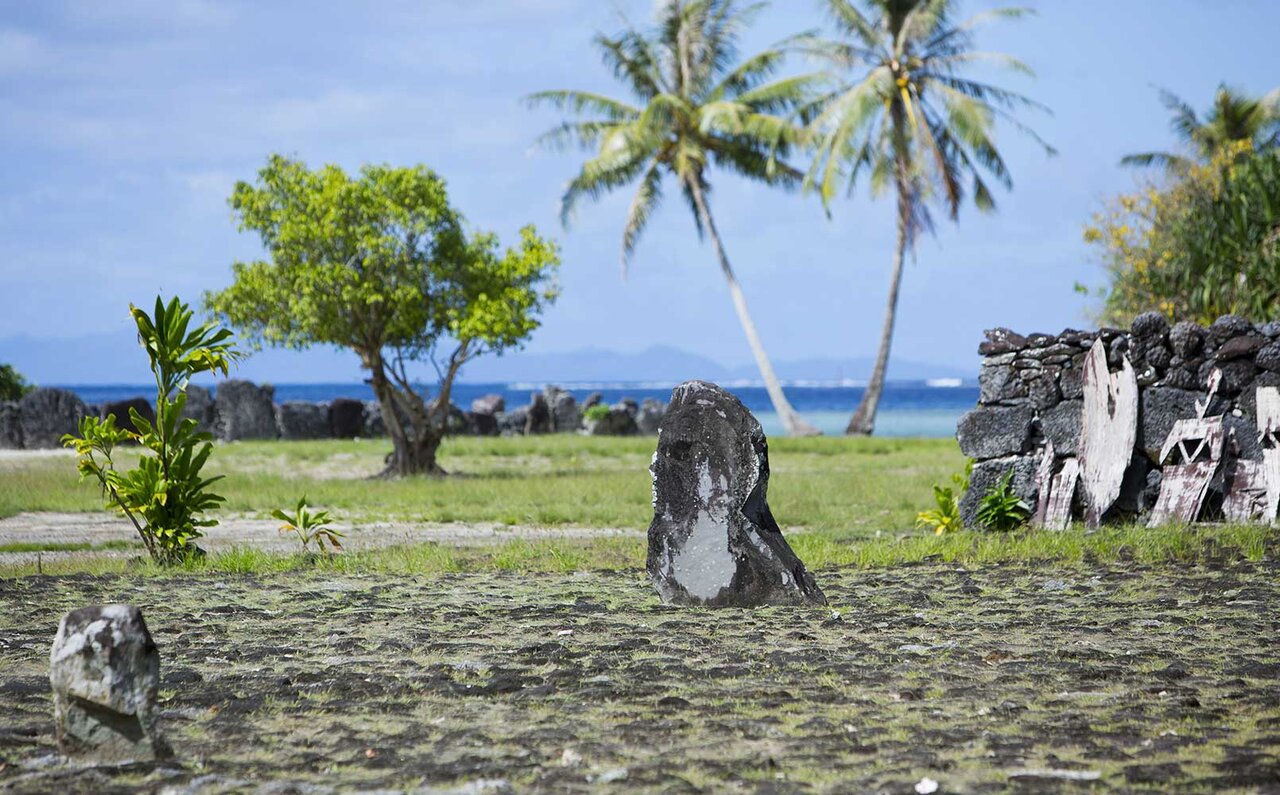
The unique culture inherited from the indigenous Maori people is also one of Tahiti's irreplaceable characteristics. In Tahiti, the word 'marae' is used daily. A 'marae' is a sacred place where stones are arranged, believed by the Maori to be imbued with mana, the source of spiritual power. In the past, religious ceremonies, rituals, and village ceremonies were held there. Many 'marae' still remain in Tahiti today, and in July 2017, the 'marae' of Taputapuatea on Raiatea Island was registered as a UNESCO World Heritage site.
While staying in a nice resort is appealing, experiencing Tahiti's unique nature and culture firsthand will surely create lasting memories. There are countless ways to spend your time in Tahiti.
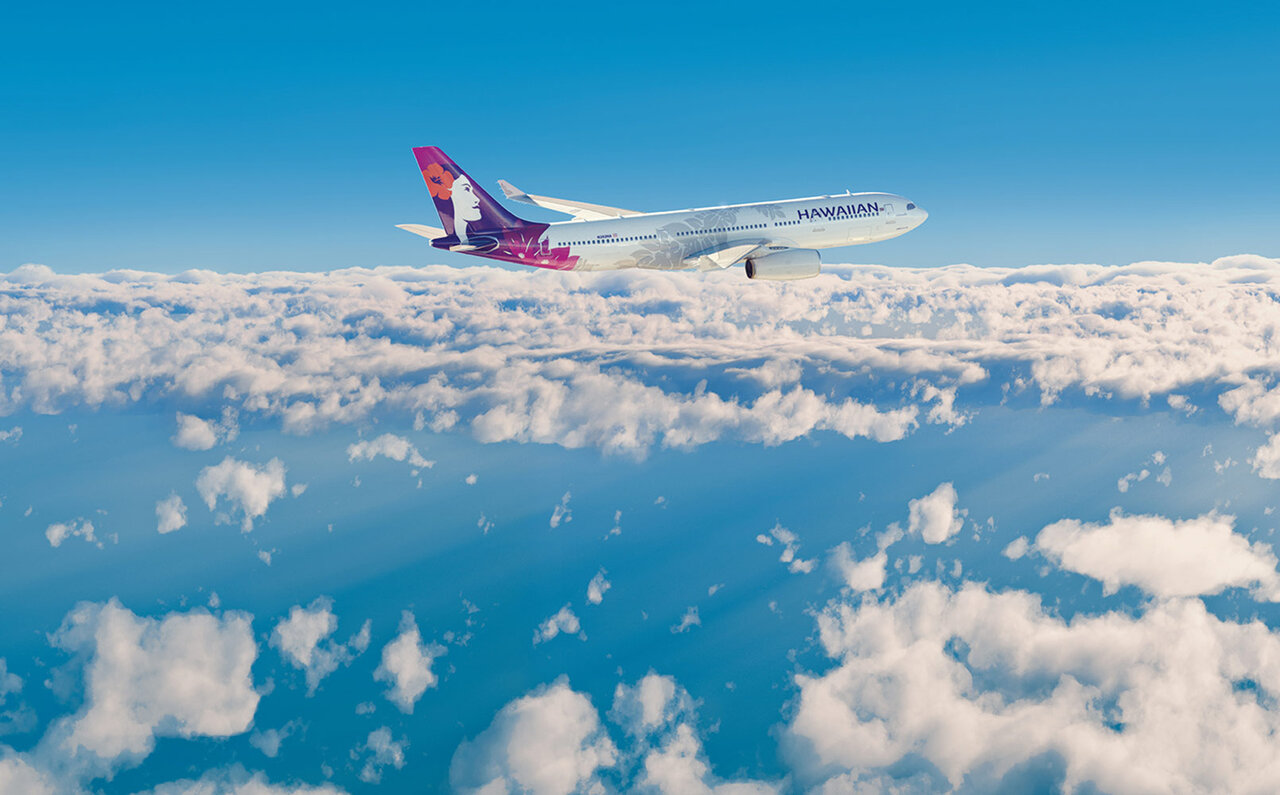
Do you know that besides direct flights, there's also the option of flying via Hawaii with Hawaiian Airlines? This time, I flew to Tahiti via Honolulu, Hawaii, and it was quite a nice choice. Hawaiian Airlines operates one round trip per week between Daniel K. Inouye International Airport in Honolulu and Faa'a International Airport in Papeete.
Of course, you can also indulge in a greedy trip like 'Why not enjoy Hawaii too, while you're at it?' you might say. 'Aren't they both beach resorts?' No, they are completely different. In fact, I stayed on Oahu for two nights on my return journey, and the culture and food are different. If time permits, you should definitely enjoy both Tahiti and Hawaii.
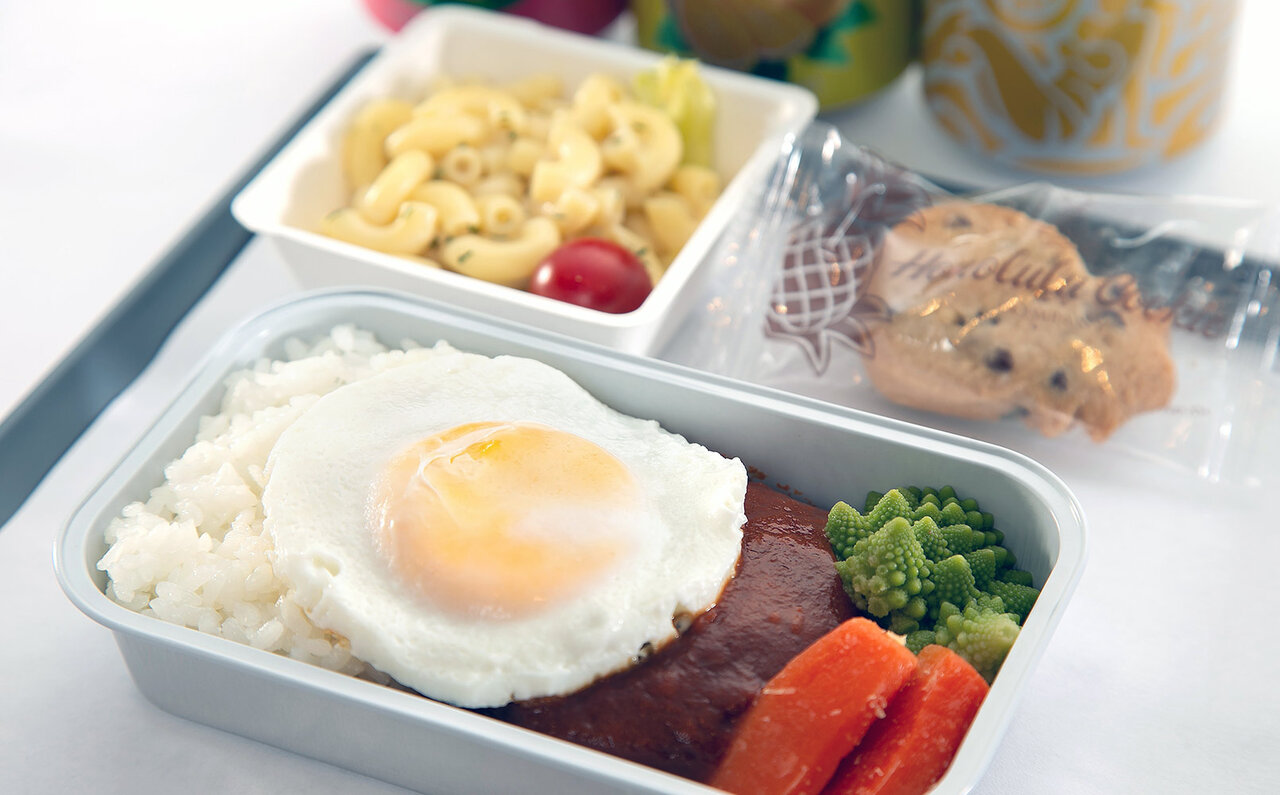
And the biggest reason I recommend Hawaiian Airlines is its concept: 'The Hawaiian experience begins the moment you board.' Once you're on the plane, you're already in a tropical resort, with Hawaiian music playing! I got carried away and ordered a Hawaiian beer (laughs). Be sure to try their original blend of Lion Coffee too. It's fragrant and delicious~
The flight from Papeete to Oahu on my return journey was on an aircraft equipped with high-speed in-flight Wi-Fi (Starlink). Since it was a night flight, I planned to sleep right away, but the speed was so good that I ended up getting a surprising amount of work done (laughs). And the best part is, it's free. It was truly impressive.
Hawaiian Airlines completed the installation of Starlink on all its Airbus aircraft connecting the US mainland, Asia (including Japan), and Oceania in September 2024. It's great that it's free, and the speed is more than satisfactory. It was so fast that paying for in-flight Wi-Fi on other airlines felt ridiculous.
There's also the option of Extra Comfort seats, positioned between Economy and Business Class. They offer slightly more legroom for a more relaxed experience and come with a power outlet. Although categorized as Economy, the price is reasonable (varies by season and route). It's also a nice little perk to receive amenities that aren't provided in Economy Class.
In the second article, I will introduce the resorts where I stayed during this trip.
With the cooperation of Hawaiian Airlines and Tahiti Tourism.