“Nostalgic and Cherished” Savor the essence of Japanese culture and hospitality – Kominka Neru | TRAVEL
TRAVEL | “Nostalgic and Cherished”: Savor the Essence of Japanese Culture and Hospitality at Kominka Neru
Kominka Neru's Pure Dedication to Its Guests
Omotenashi – Providing heartfelt hospitality and service to others.
The concept of "omotenashi," which gained international recognition as a cultural spirit of Japan when an ambassador introduced it on stage during Tokyo's bid for the 2013 Olympics and was subsequently chosen as a buzzword of the year, derives from "motenasu" and "omote nashi." The meaning of "motenasu" itself is "to achieve by bringing things," where "things" refer to both material objects and the heart. "Omote nashi" means "no front, no back," implying interaction without distinction or pretense. Omotenashi is closely related to the tea ceremony, which demands special etiquette, behavior, and treatment. It is believed that this spirit spread as the tea ceremony developed from the Heian to the Muromachi periods. Sen no Rikyu, a prominent figure in the tea ceremony world, is said to have considered providing the ultimate time and space for each individual guest as "omotenashi."
Text & Photography by IJICHI Yasutake
A New Yet Familiar Retreat, 40 Minutes by Car from Fukuoka Airport, Nestled in Serene Nature
While "omotenashi" is frequently used in conversation today, its actual realization and embodiment can be surprisingly difficult. It requires acting with respect and careful consideration for the other person, while adhering to minimum rules and manners to avoid causing offense, and ultimately ensuring their satisfaction. The relationship is not one-to-many, but strictly one-to-one. Furthermore, since a person's feelings, condition, and preferences can change with time and circumstances, "omotenashi" must be heartfelt and tailored specifically for "this moment," "this place," and "this person." Crucially, it also requires mutual respect and appreciation from both the host and the guest to ensure a comfortable experience for everyone.
The spirit of "omotenashi" is deeply ingrained in Japanese "ryokan" (traditional inns). While the number of accommodation facilities in Japan is increasing, the growth is primarily in city hotels and resort hotels. Ryokan are declining. Hotels have their merits, but so do ryokan. Hotels exist worldwide, but ryokan are unique to Japan, essentially embodying Japanese culture itself. Instead of deteriorating with age, ryokan gain character and depth over time. While adapting to modern trends and evolutions, they preserve their unchanging essence. The charm of a ryokan lies in its deep connection to Japanese culture, spirit, history, and tradition.
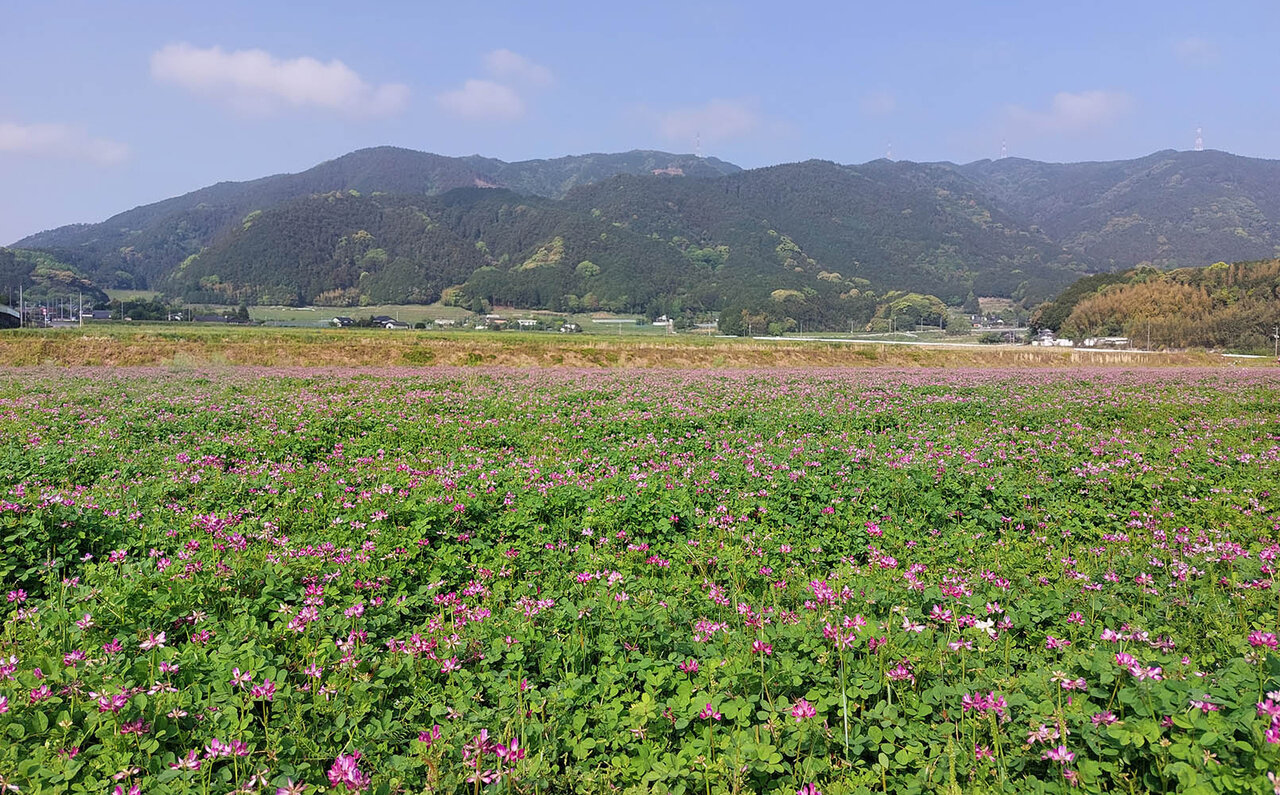
My visit to "Kominka Neru" (Kominka Neru) felt like a profound encounter with the very essence of the ryokan. Located in Miyako-shi, Fukuoka Prefecture, it's about a 40-minute drive from Fukuoka Airport. Shortly after leaving the airport, the urban landscape gives way to a familiar scenery of mountains and rice paddies, drawing you in.
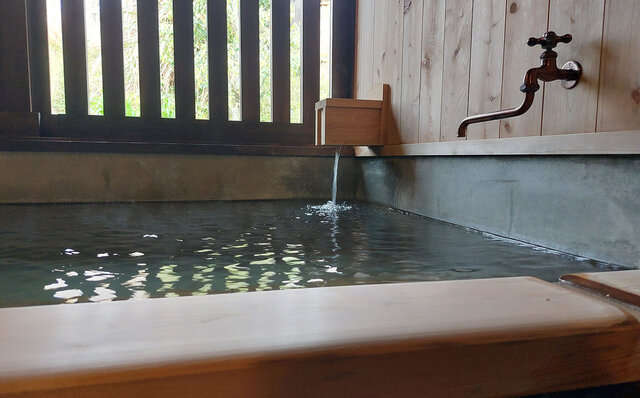
While travel often inspires visits to famous local restaurants, traditional inns, historic sites, temples, shrines, museums, art galleries, sake breweries, or wineries, this place offers something different. Here, you can appreciate the changing seasons through the trees and flowers, be enveloped by the sounds of insects and birds, inhale the scents of tatami, paper screens, and wood, be captivated by exquisite plates combining seasonal ingredients with the chef's passion and skill, savor fine sake and wine, find solace in hot springs, and enjoy soft, responsive service tailored to your immediate expectations and preferences. Kominka Neru is a place to fully embrace the "omotenashi" of a Japanese ryokan and delight your senses with the finest time and space.
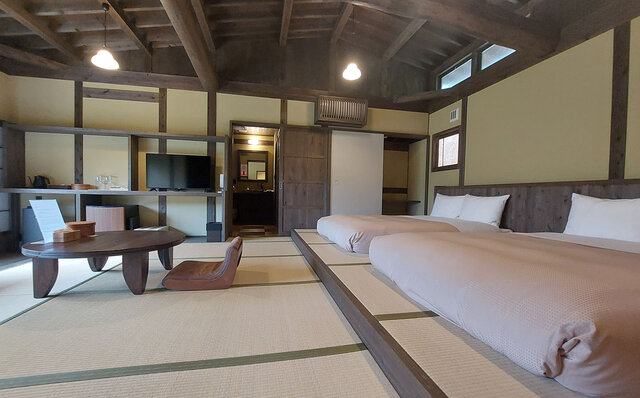
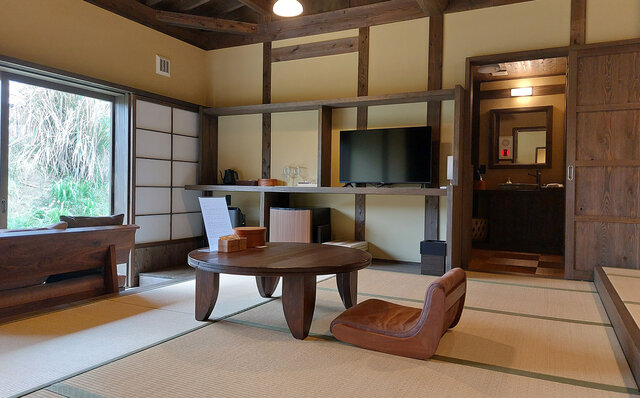
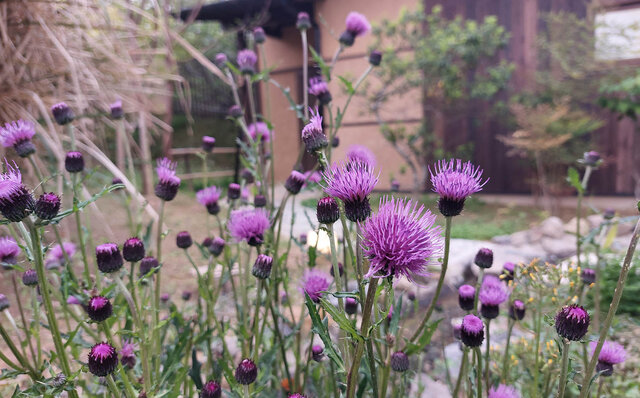
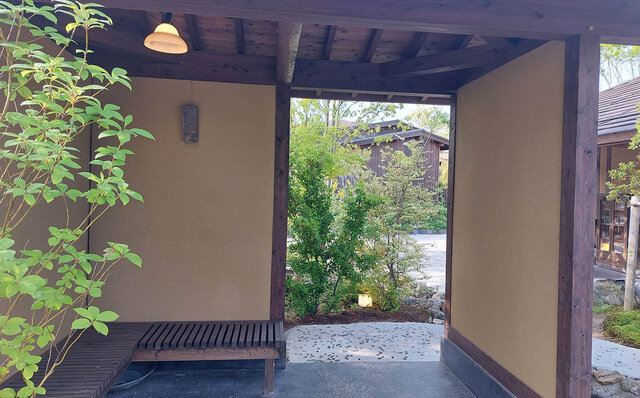
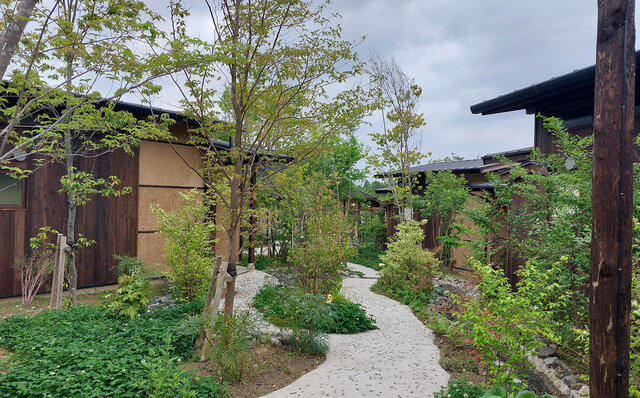
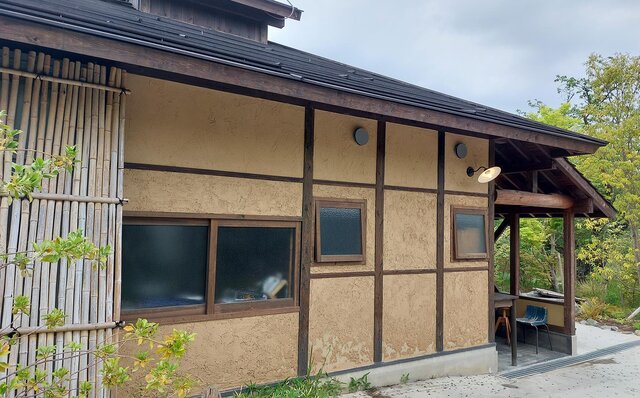
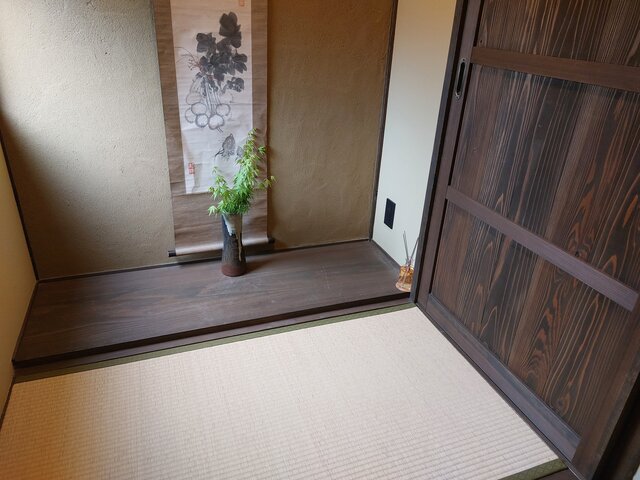
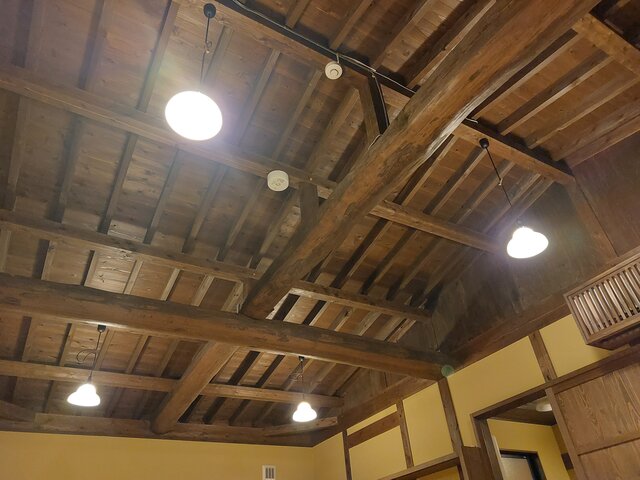
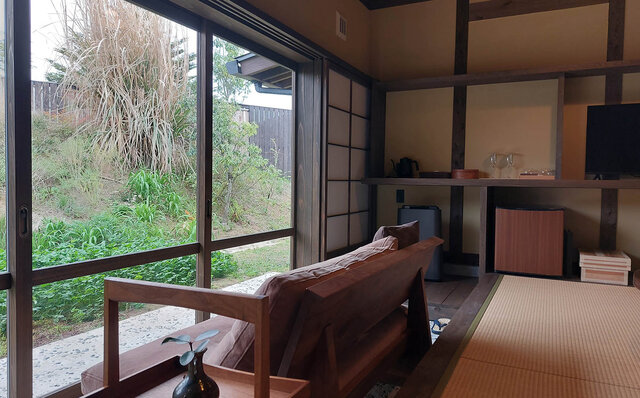
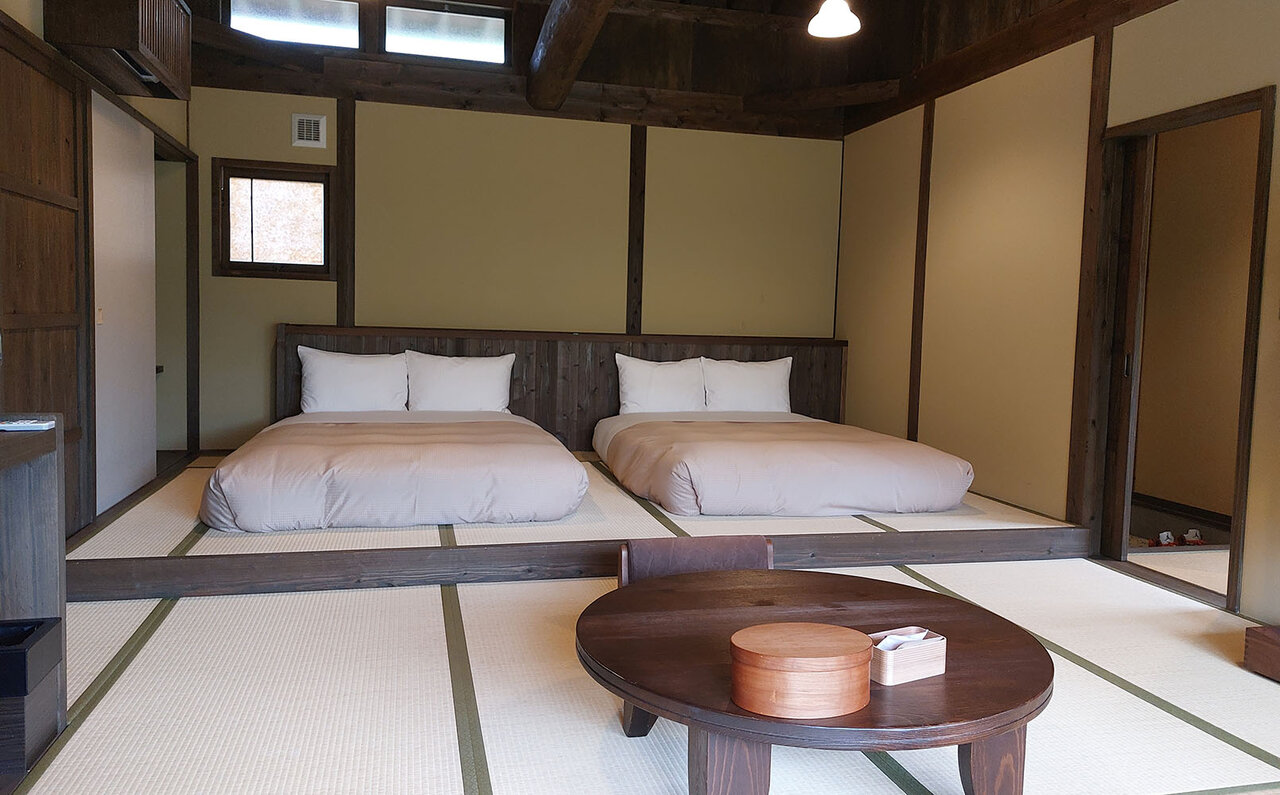
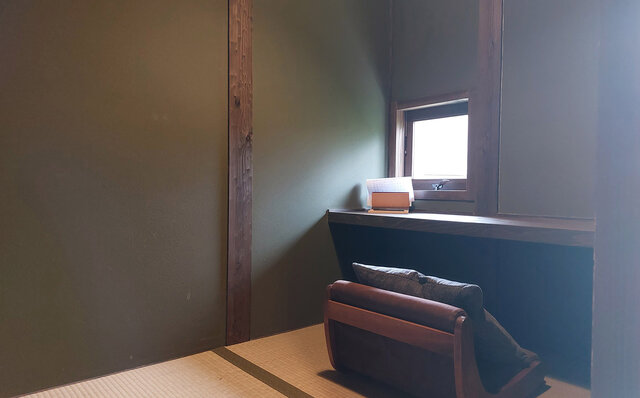
Opened in July 2021, its concept is "Nostalgic and Cherished." There are six detached rooms, each a separate dwelling. While it might seem like a renovation of an existing old house, it was actually built from scratch using salvaged timber from disused structures. Stepping into a room upon opening the door, the gentle aroma of tatami fills the air. Why does the scent of tatami bring such a sense of calm? Is it rooted in a unique Japanese DNA? At Kominka Neru, scent is a crucial element; not only are the aromas of tatami, paper screens, and wood present, but even the shampoos and conditioners are made with igusa, the raw material for tatami. Stepping into the garden, one is greeted by the fragrance of grass and flowers, and after rain, a uniquely refreshing scent permeates the air.
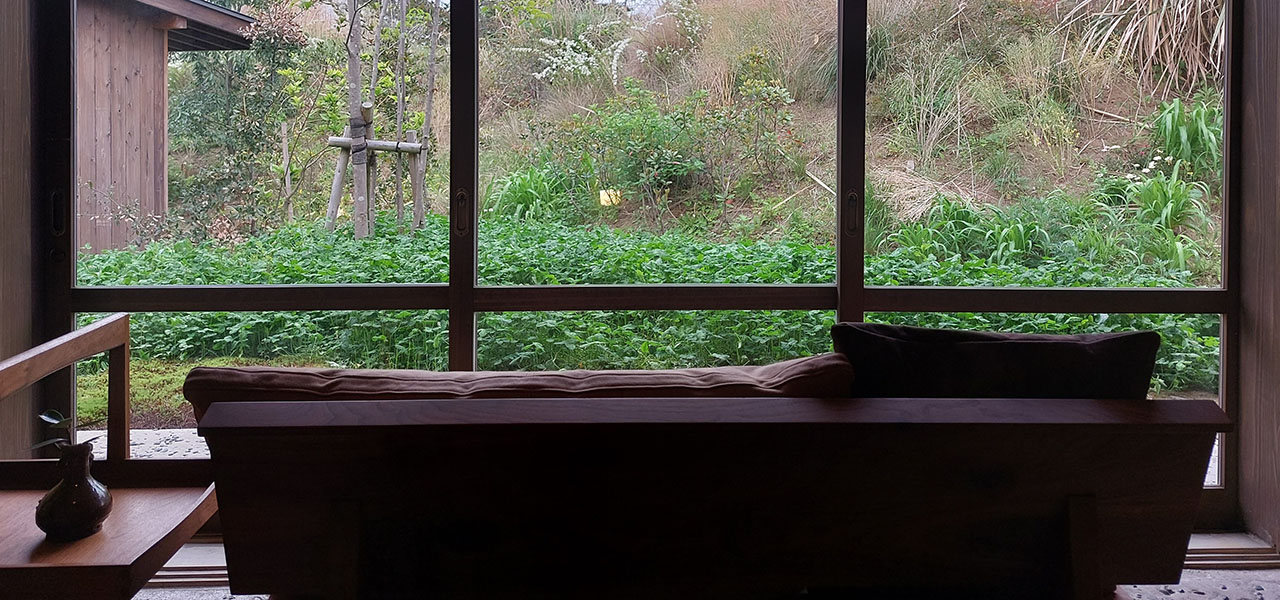
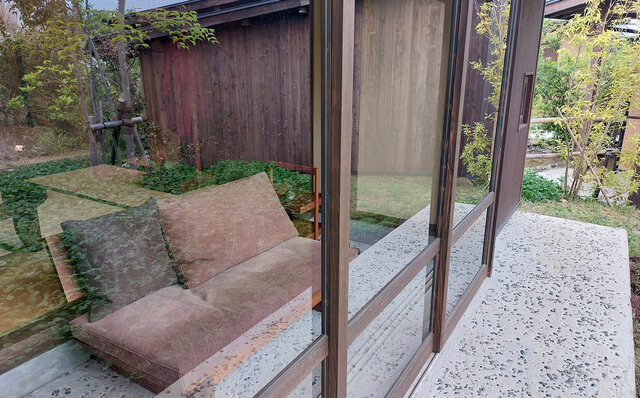
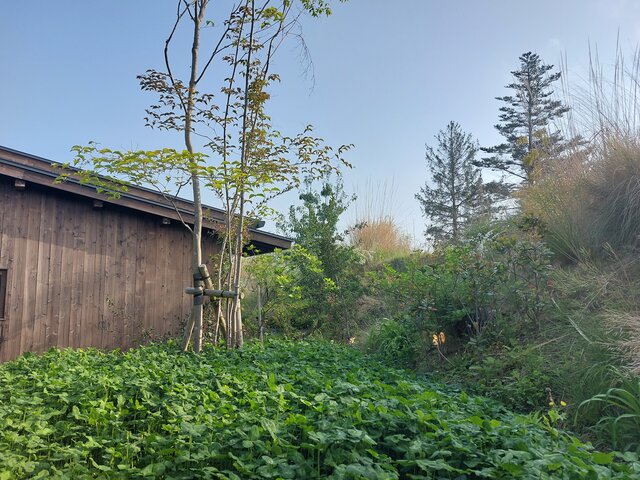
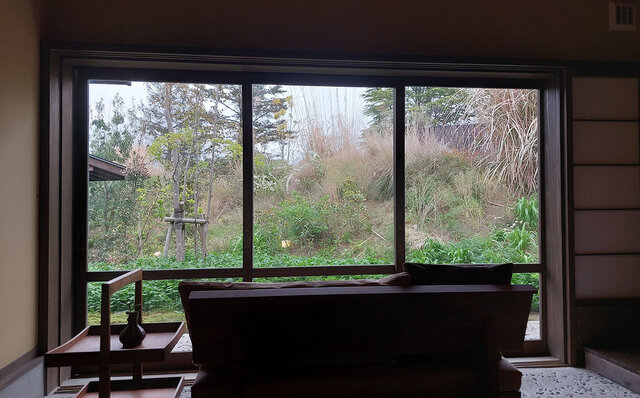
The garden, visible through the large windows, is meticulously maintained by the Kominka Neru staff themselves, who brought in the soil, planted trees, greenery, and flowers, weed daily, and care for the moss. You might even spot lizards and frogs playing. At night, you are lulled into a peaceful sleep surrounded by the chirping of insects, and in the morning, you awaken to bright sunlight and birdsong. As time passes and the years go by, this garden will undoubtedly become even more rich and evocative.
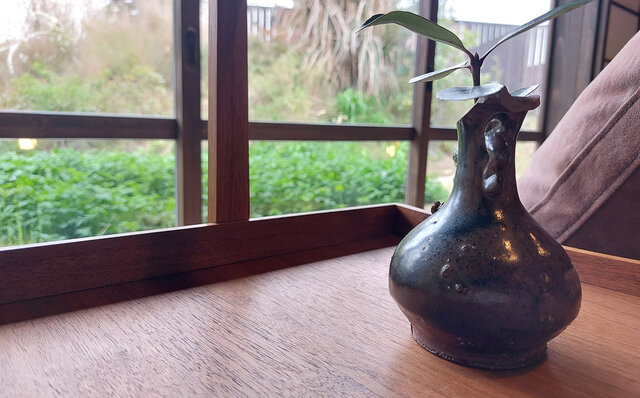
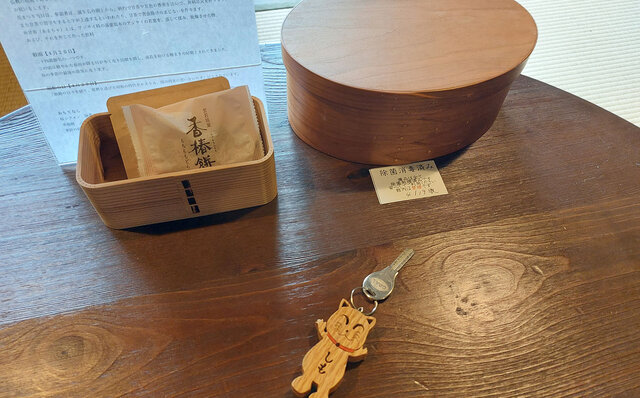
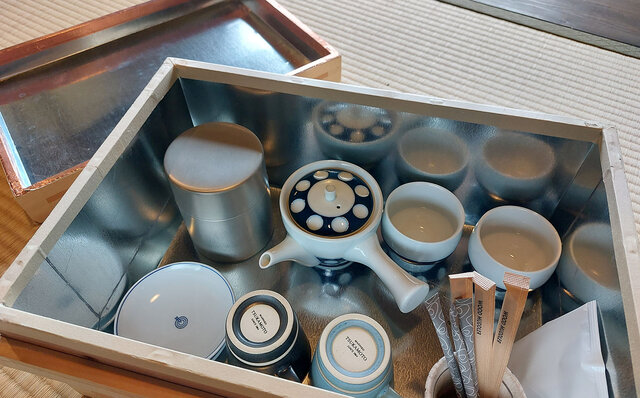
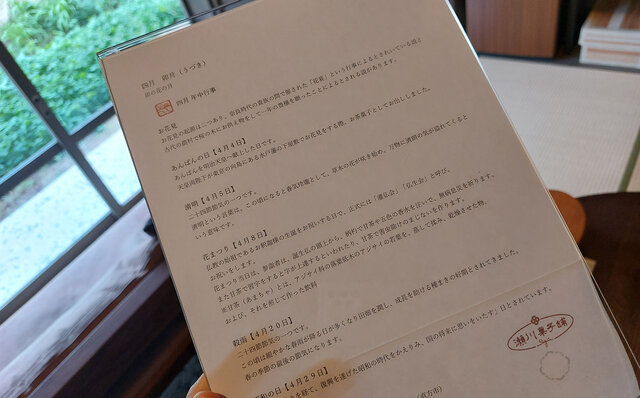
True to Kominka Neru's embodiment of Japanese culture in every aspect, the decor changes with the distinct seasons of Japan. For instance, ceramic vases used in winter are replaced with glass ones in summer. The tea sweets are changed monthly, and seasonal baths, such as yuzu-yu (winter solstice) and ayame-yu (Dragon Boat Festival), are never missed. The low table typically found in rooms is replaced with a heated kotatsu in winter. This even extends to the timing of its introduction: the kotatsu is brought out from "i no hi" (the day of the boar), a tradition rooted in the Edo period when boars were considered divine messengers protected from fire, leading to "i no hi" being designated as the day to start using the kotatsu.
What Kominka Neru values above all is "omotenashi." They say, "If there are six rooms, there are six patterns of omotenashi." If they perceive a first-time guest is tense upon arrival, they work to ease their apprehension. By discerning their interests and preferences through conversation, they flexibly adjust the pace and content of their interactions. For returning guests, they might modify the room layout or amenities based not only on data but also on insights gained from individual staff conversations.
While the exact origins of the "ryokan" are unclear, it is said that during the Edo period, inns that served as precursors to modern ryokan, known as "hatago" and "toji-ba" (hot spring inns), existed along the five major highways connecting the shogunate and the imperial court in Kyoto. A ryokan is a place where Japan's traditional lifestyles and the expressions of its four seasons are sublimated and can be fully enjoyed. Whether one grew up in the city or in the countryside, a ryokan offers a sense of familiarity and a place of deep, instinctual comfort. Although Kominka Neru has been open for less than two years, it has already welcomed many repeat guests. This is because, as a ryokan, they maintain a clear vision of what they wish to convey to guests, without succumbing to trends, while also genuinely attending to each guest's feelings. It is this accumulation of small insights and diligent execution that earns them the affection of so many guests. Naturally, this spirit of "omotenashi" is also intricately woven into the cuisine, a topic I will delve into further in the latter part.
Kominka Neru
Location | 667-3 Otano, Miyako-shi, Fukuoka