A new breeze that transforms the island. An island with a high standard of cuisine, boasting numerous Michelin-recognized restaurants. | TRAVEL
TRAVEL | Iki Island
Iki Island Report: Part 2
The island is changing. A new breeze is blowing through. We introduce new spots revitalizing Iki Island. Iki Island is also rich in seafood, Iki beef, and agricultural produce. The cuisine, which makes the most of the island's abundant ingredients, is of a high standard everywhere. The fact that there are six Michelin-recognized restaurants on this small island is a testament to its quality.
Text by KITAHARA Toru
New Charms Embracing Modernity
The island's appeal lies in its rich nature, abundant ingredients, and pastoral landscapes that are said to be like a sacred forest. Within this, there is a tradition and history of constantly embracing new things and ideas. A fresh wind is always blowing through Iki Island.
We visited "MOKUYONN BLD.", "LAMP Iki", "ISLAND BREWERY", "Crossport Mushouzu", and "Miraika Kazoku Nouen".
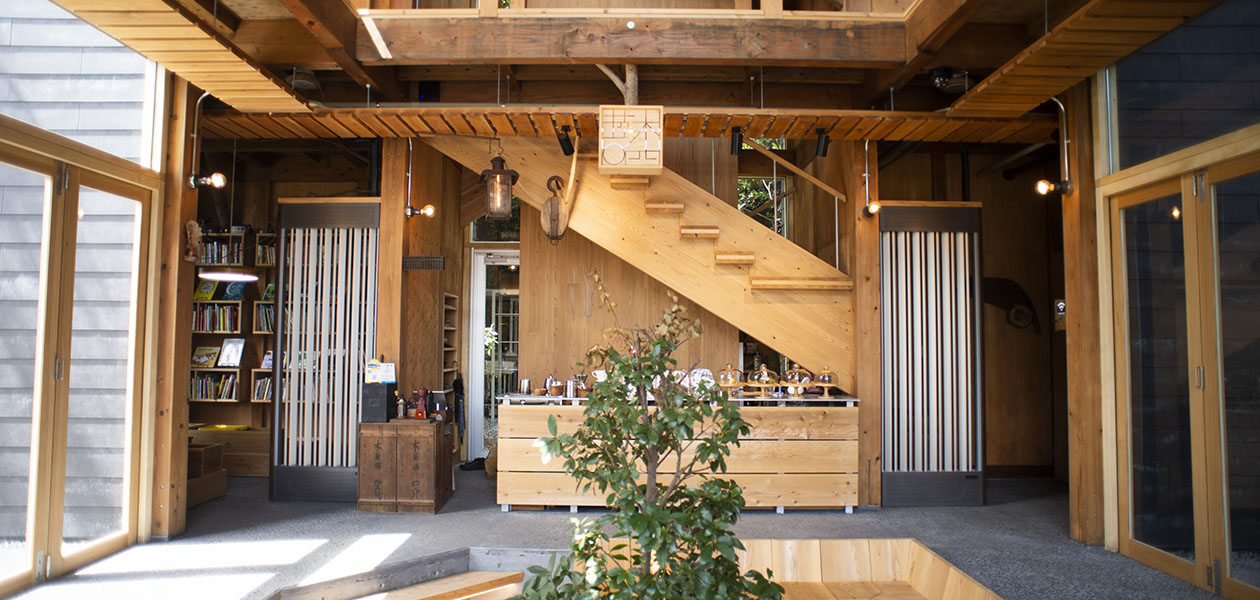
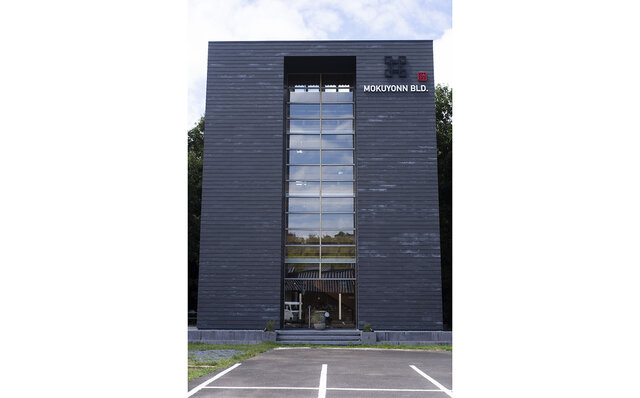
"Mokuyonn Bldg." is a rare four-story wooden building with a central atrium. It feels like a place where something is about to happen.
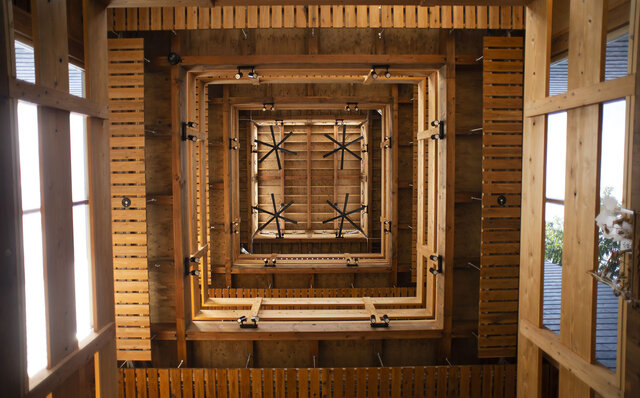
Looking down from the top floor to the first.
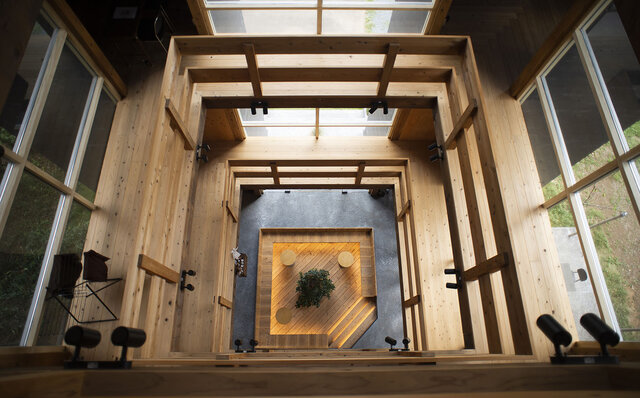
Looking down from the top floor to the first.
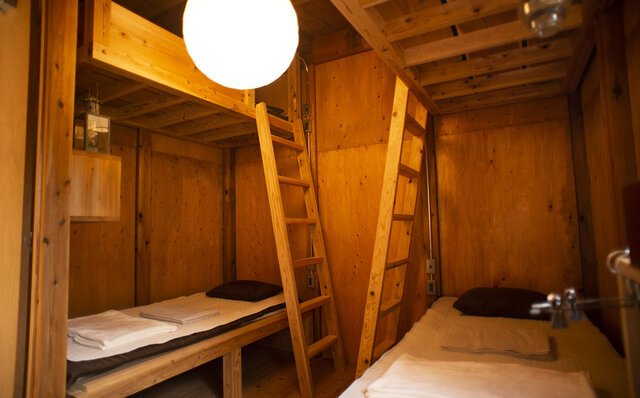
The accommodation facilities are compact yet highly functional.
"Mokuyonn Bldg." is a four-story wooden building. A wooden structure with a central atrium spanning from the first to the fourth floor is almost unheard of in Japan. The novel "Katen no Shiro" (by Kenichi Yamamoto) tells the story of Akechi Mitsuhide's construction of Azuchi Castle, and it is said that Nobunaga's command to "build a castle second to none, reaching high into the sky" led to the construction of a five-story pagoda with an atrium. While this is a novel, and its factual accuracy is unknown, it suggests that such a high atrium might be a rare feat since that era.
Upon entering, the atrium creates a sense of openness. The natural wood grain throughout the building is visible and seems to have a calming effect on people. The luxurious spatial design, which makes you want to walk barefoot (and indeed, shoes are removed on all floors except the first), is likely due to the emphasis on natural wood. The first floor houses a cafe, with accommodation and co-working facilities on the floors above.
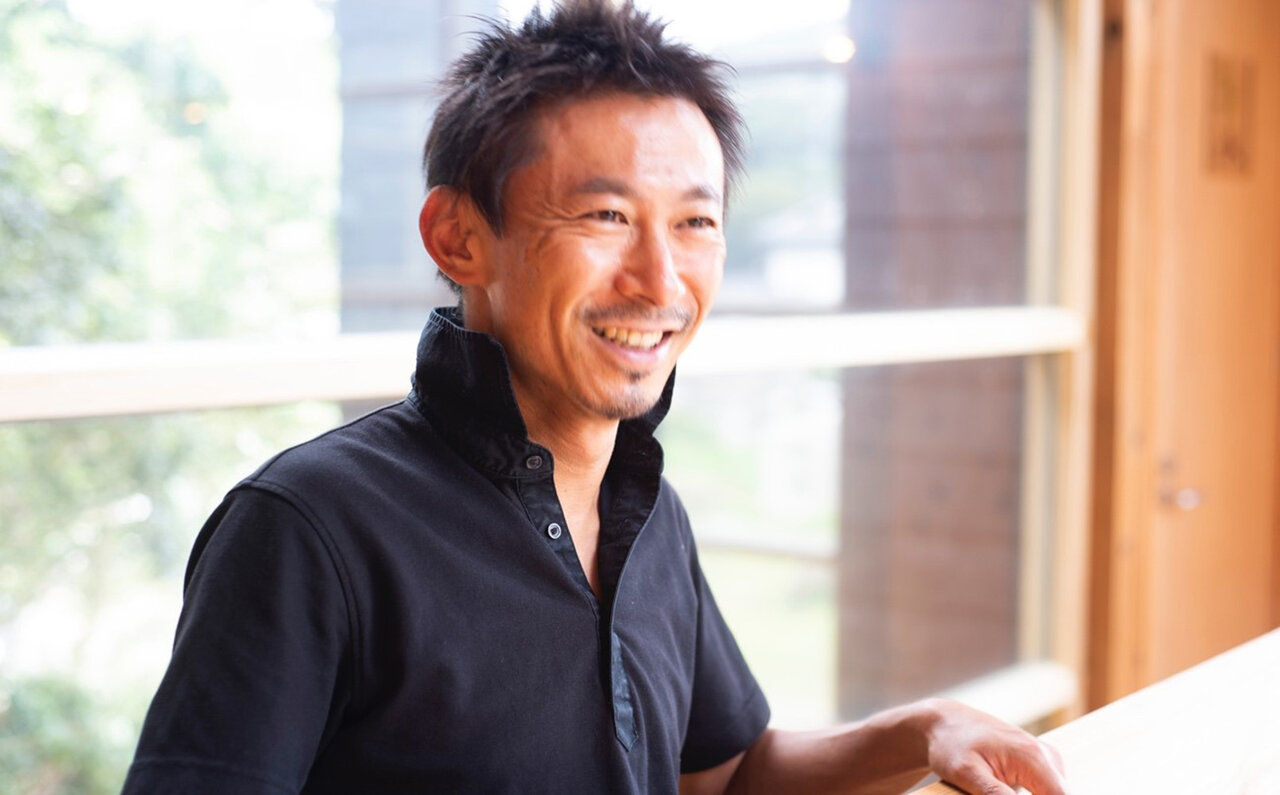
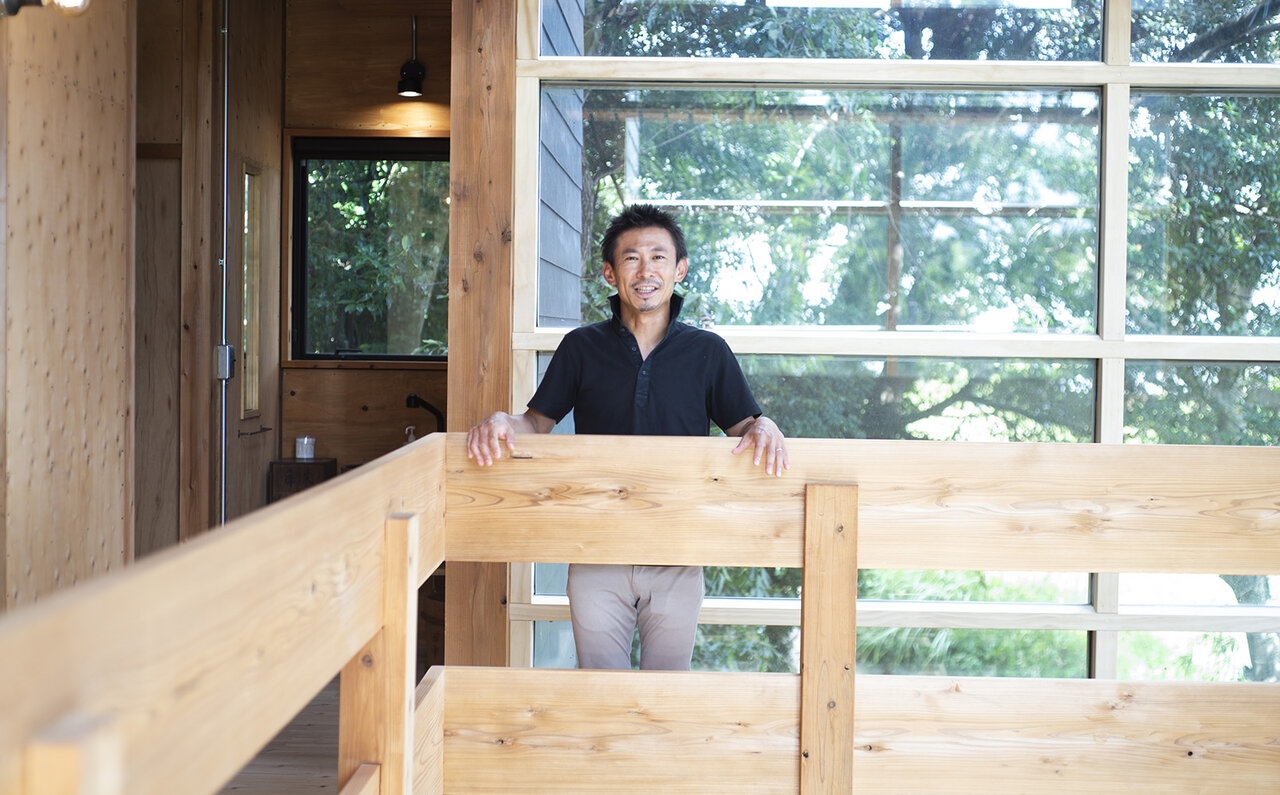
Takayuki Matsumoto, owner of "Mokuyonn Bldg.". His commitment to wood and approach to a circular economy have led to new business encounters.
Takayuki Matsumoto, who developed "Mokuyonn Bldg.", states, "When considering designs with a low environmental impact, we arrived at simply expressing solid wood, milled from logs." He is planning a research facility for an organic farm on approximately 4,000 tsubo of land. While figs, blueberries, and strawberries are currently cultivated, further expansion is expected. There are also treehouses and a children's play area, but the aim is to create a space that is constantly evolving.
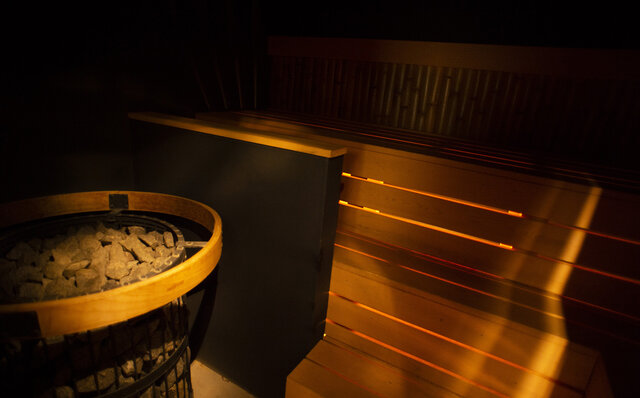
"LAMP Iki" is a renovated three-story inn, originally built in the early 1900s. It features six private rooms, dormitory beds, a co-working space, and a popular sauna in a separate annex on the fifth floor. The sauna is particularly sought after, with a sauna room adorned with Iki bamboo and a Finnish sauna stove, the "Harvia Legend." The 200kg of sauna stones provide deep warmth. After cooling down in a water bath made from sake barrels, guests can enjoy outdoor bathing while gazing at the magnificent sea and the retro port town.
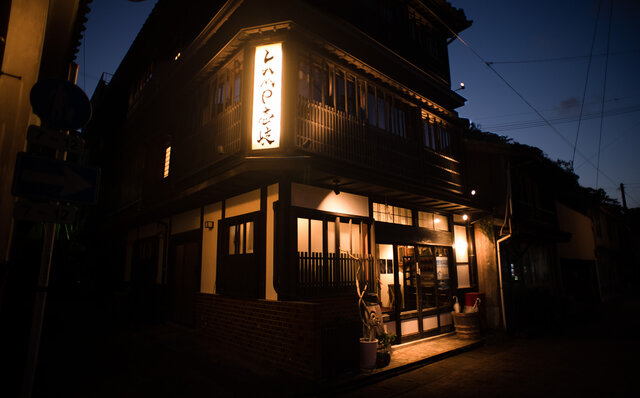
"LAMP Iki" - a three-story wooden inn that was once popular for its wooden architecture.
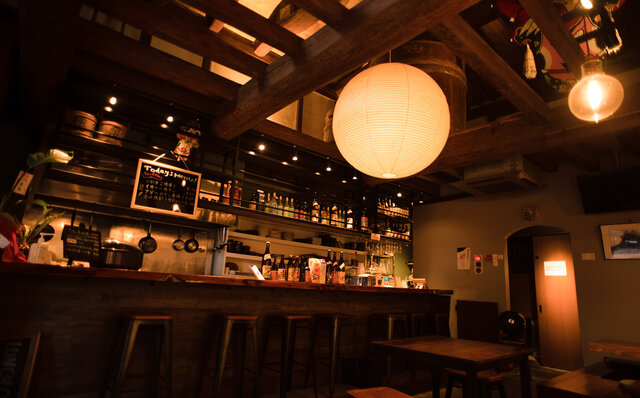
It has a bar-like atmosphere, but at night it becomes a gathering place like an izakaya, and in the morning it serves breakfast to guests.
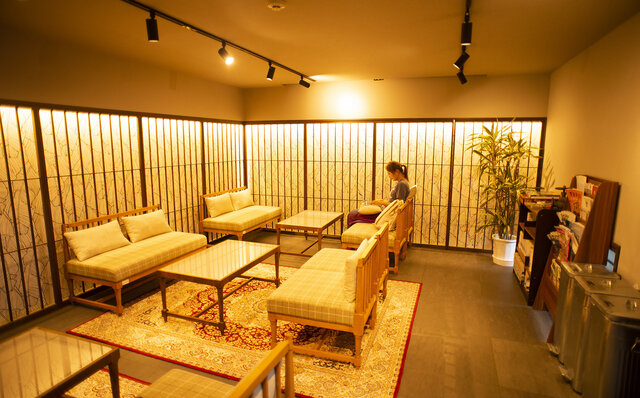
The co-working space has a lounge-like atmosphere. It's a space where you can balance work and travel.
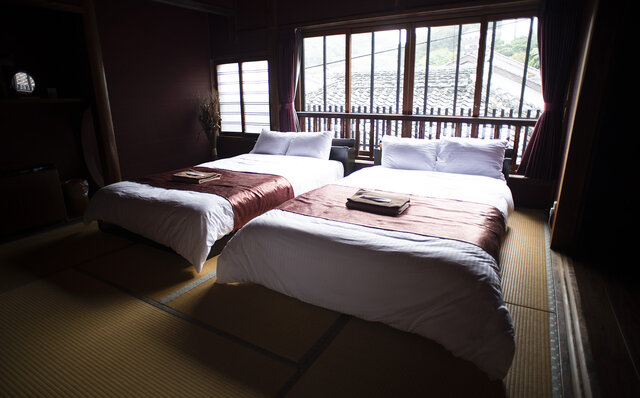
The private rooms have been renovated while retaining the atmosphere of the original Japanese inn.
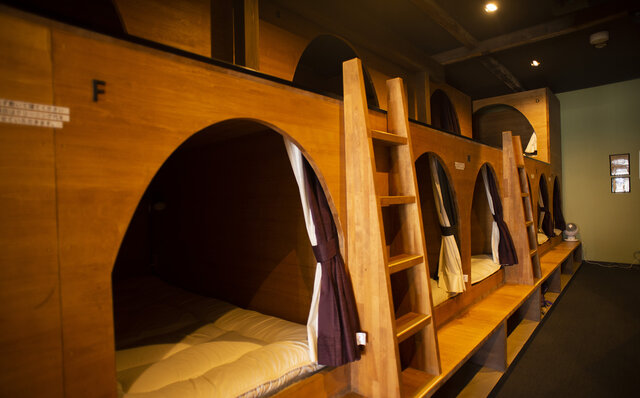
The dormitory beds are designed for ease of use, ensuring privacy for each individual.
The adjacent building, a renovated sake brewery, houses a dining hall. In the morning, guests can enjoy grilled dried fish purchased from the Katsumoto morning market. Akio Ide, the manager, says, "We felt the value in the three-story wooden structure. As it's an old building, there are creaks and shakes, but we call that 'stylish.' We want LAMP Iki to be a driving force in creating a new Katsumoto." Ide is also a recent transplant to the island. "The island's charm lies in its openness, kindness, and lack of prejudice. I don't feel any inconvenience at all, so please come and see Iki."
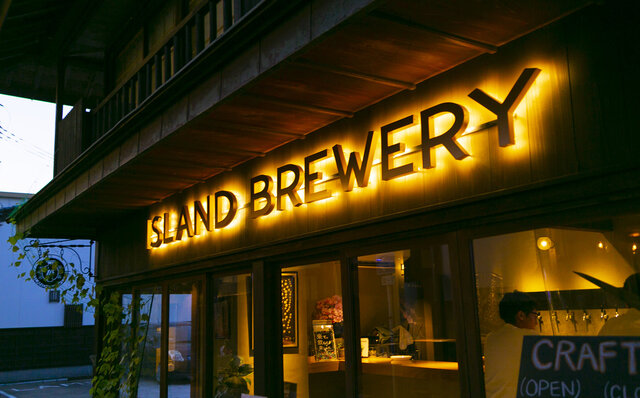
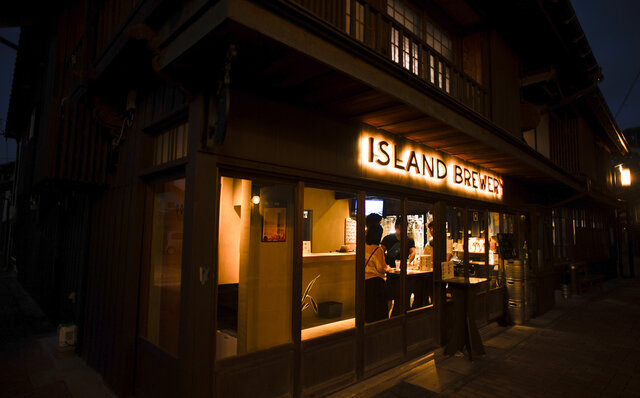
The renovated former sake brewery has an appearance reminiscent of a pub in a British port town.
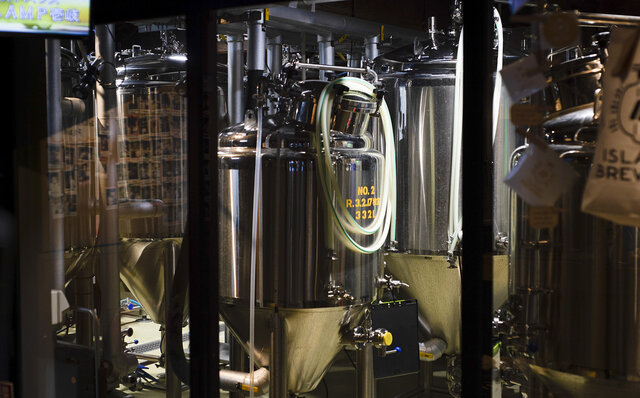
Beer is actually brewed inside. The brewing process skillfully brings out the acidity, complementing the fish.
Next to "LAMP Iki" is "Island Brewery." This is a sake brewery that has long produced barley shochu and sake. The fifth-generation owner renovated the historic brewery to produce craft beer. The concept is "beer that pairs with fish." By using white koji, the same used in Iki Island's signature barley shochu, the natural acidity created by the koji spreads gently through the mouth, making it a popular spot on the island. Many restaurants on the island now have draft beer servers, and it has become a new local specialty.
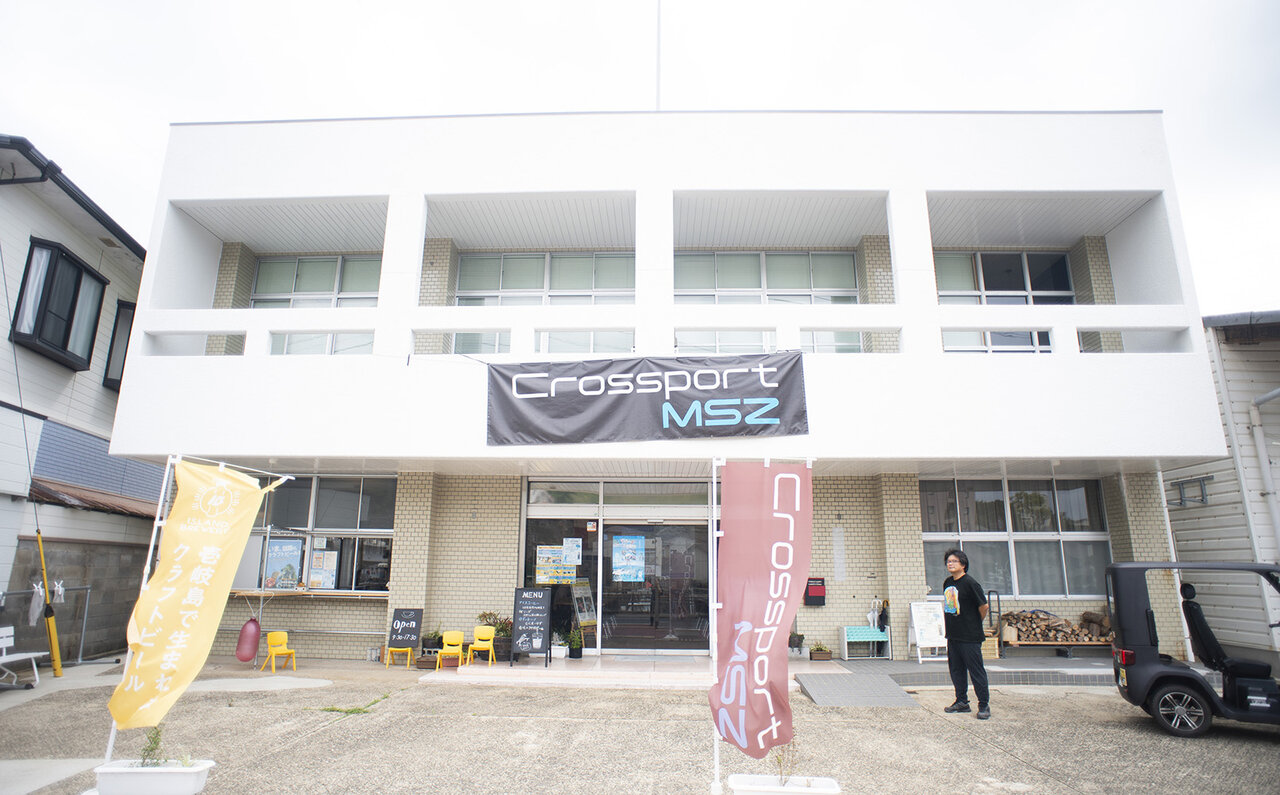
Opened after renovating a JA branch office building, approximately 50 years old.
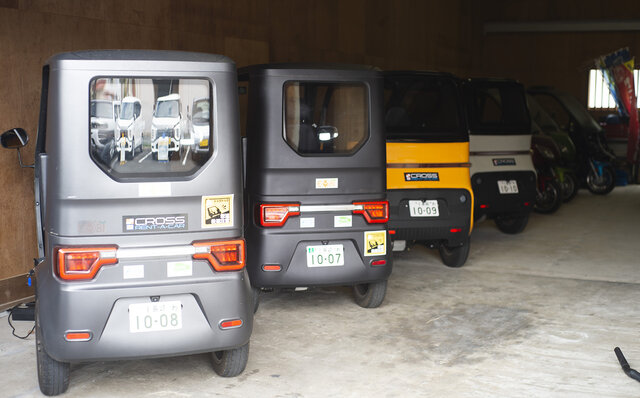
The electric tuk-tuk rental service is a perfect match for the compact island and has become popular with tourists. In addition to offering co-working spaces, cafes, and hosting events, they also launched a beach house and guesthouse operations this summer. What is "Crossport Mushouzu," the company behind these diverse ventures?
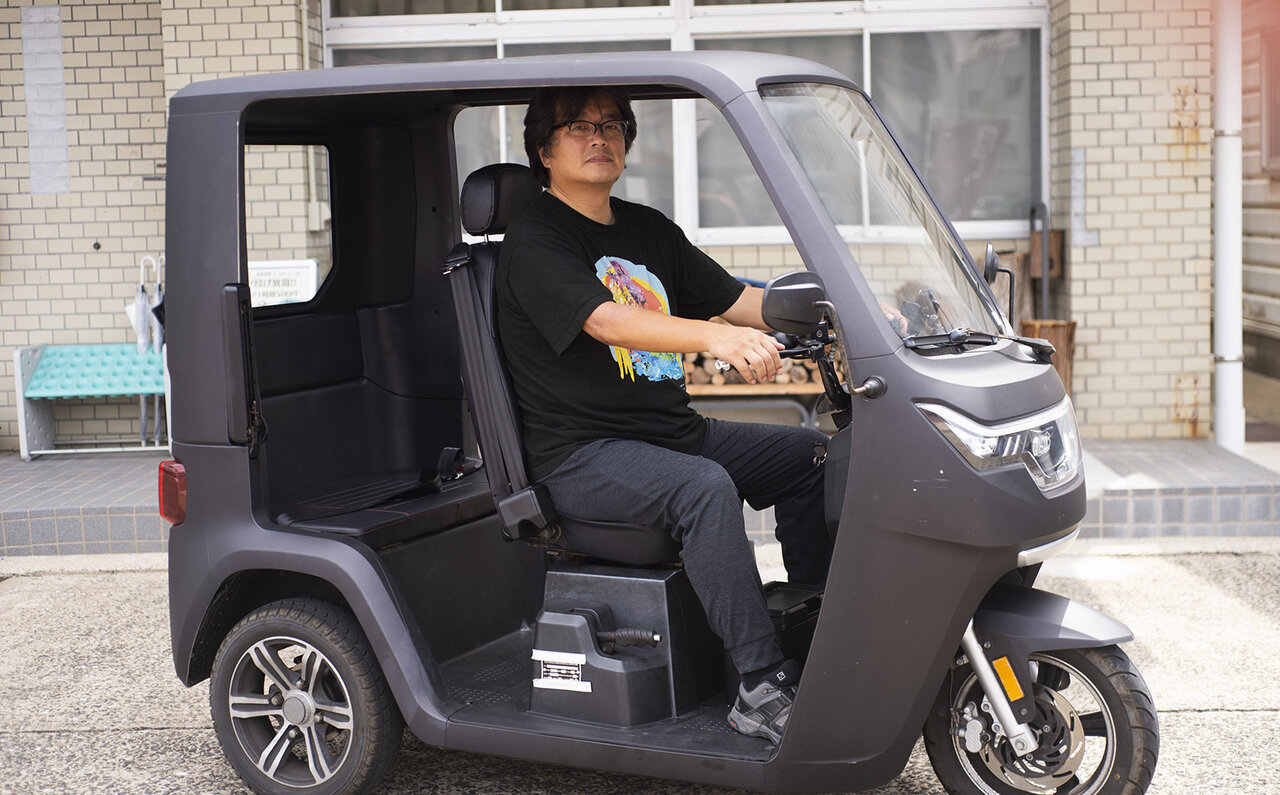
Tuk-tuk and representative, Takatsuka Akiyama.
"My uncle, who loved fishing, was considering moving to a remote island at the time. I came to Iki for a visit on his behalf, partly for sightseeing, but I never imagined that it would lead to me moving here myself," says Takatsuka Akiyama, the representative of Crossport. In 2020, he and his wife had just moved to Fukuoka from Tokyo.
"Initially, I planned to base myself in Fukuoka and visit Iki about once a month for workations and bonfires. However, as I spent more time on the island, I found myself wanting to do things that could only be done here. That's how I started with the electric tuk-tuks. They have a low environmental impact and are well-suited for remote islands, and I hope they will eventually become a daily mode of transport for islanders." While searching for a base for these tuk-tuks, he discovered the former JA branch office building, Crossport, and began renovations in the spring of 2021, moving to Iki.
"There are many vacant buildings from the Showa era, around 40 to 50 years old, scattered across Iki. I hope this can serve as an example of giving these buildings a second life." Since opening Crossport in April 2022, he has received various consultations and proposals. "People ask if we can host events, or if the space can be used for cram school classrooms. Similarly, the beach house and guesthouse were brought to us as projects. When I talk to various people, I realize there are countless things that remain untouched due to a lack of manpower. Iki is a rare island where food and energy can be self-sufficient, so I believe it could become a model case for new regional capitalism if more people with pioneering spirits were to gather here."
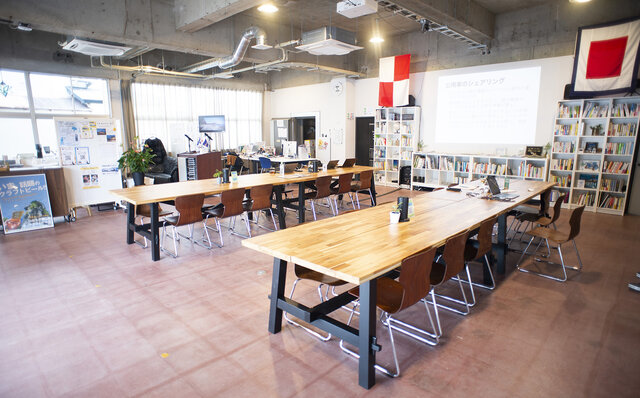
A co-working space with an attached cafe. Events are also held here.
In addition to the co-working space on the first floor, which can also be used for events, the second floor is equipped with meeting rooms and private single rooms.
Touring the island by tuk-tuk is a very enjoyable experience.
Crossport is the gateway to a "new frontier" on a remote island.
Iki Island boasts six Michelin-recognized restaurants! A symbol of the island's rich culinary scene.
Finally, I would like to share some astonishing facts about the quality of accommodation and dining on the island.
There are few restaurants on the island that focus on dining (excluding places with karaoke or snack bars), numbering around 100 in total (with a population of approximately 24,000). In the "Michelin Guide Fukuoka, Saga, Nagasaki 2019 Special Edition," five of these were featured, and there is also a highly acclaimed "5 Pavilion Inn" in the "Michelin Guide."
Given that six out of the limited number of dining establishments are featured in Michelin, the overall quality of the unlisted restaurants is also high. Even a randomly chosen restaurant offers excellent value for money.
The Michelin 5 Pavilion Inn, "Iki Retreat Umi no Kaze Murakami by Onko Chishin."
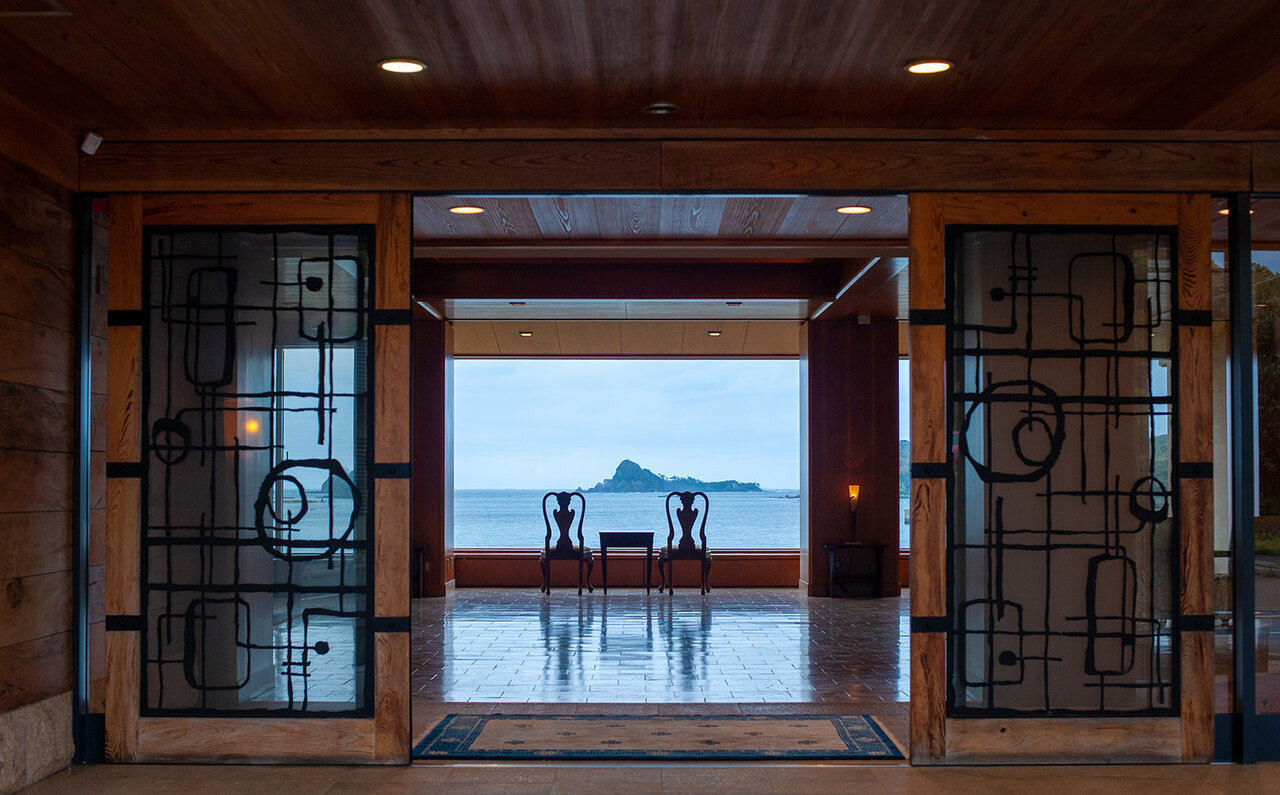
"Iki Retreat Umi no Kaze Murakami by Onko Chishin" is a hot spring inn that was the first on a Japanese remote island to be featured in the "Michelin Guide" as a "luxurious and top-class 5 Pavilion Inn." Upon entering, guests are greeted by a breathtaking panoramic view of Iki Island's rich natural sea through three large windows. The overwhelming scenery, or rather, the picturesque presentation, is stunning. The spacious design throughout the accommodation creates a luxurious atmosphere that makes you forget the everyday. It's a place to relax and enjoy a luxurious time doing nothing, finding charm in simply gazing at the ever-changing, tranquil seascape.
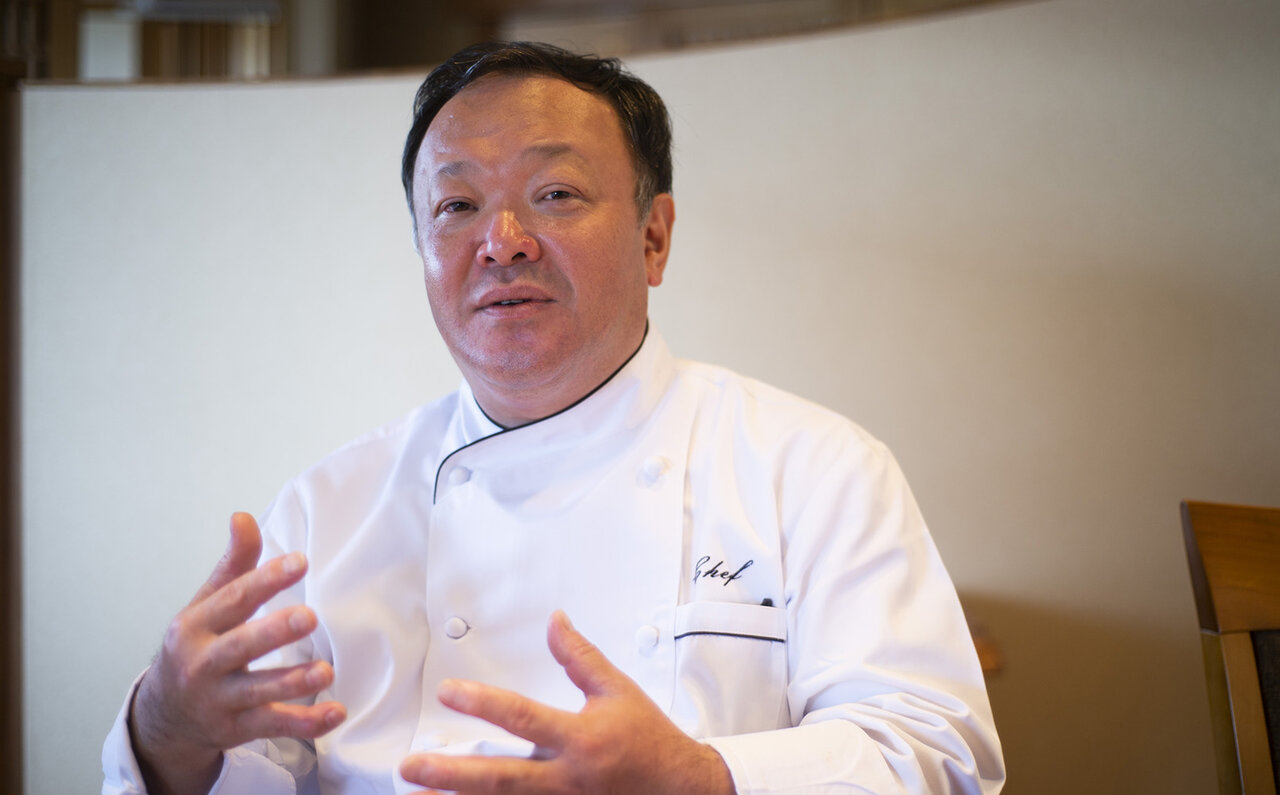
Seiichi Ota, the head chef and general manager, was born and raised on Iki Island.
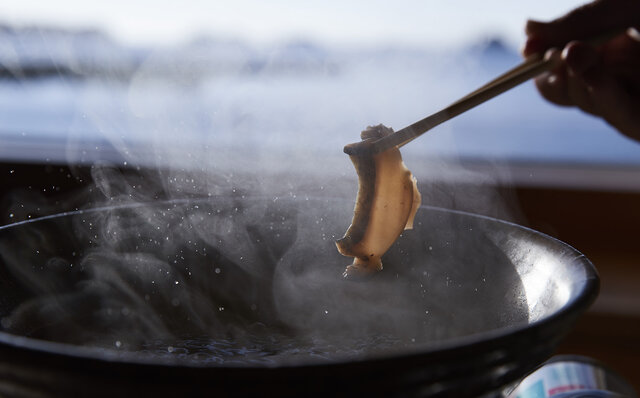
Abalone shabu-shabu. Utterly luxurious!
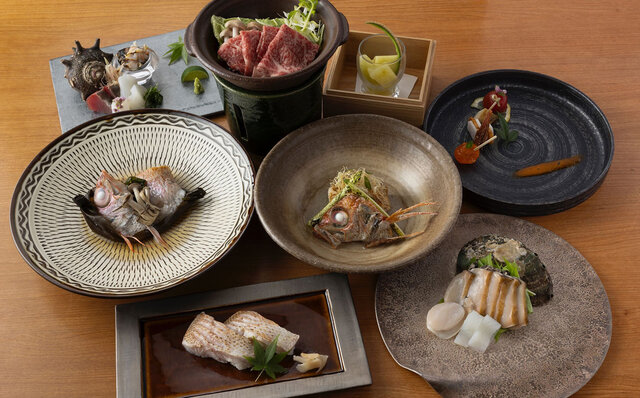
An exquisite dinner that makes full use of the island's ingredients, prepared at Umi no Kaze Murakami. Pictured is a kaiseki meal featuring nodoguro (blackthroat seaperch).
Seiichi Ota, who serves as both general manager and head chef, was born and raised on Iki. As a child, he helped with raising cattle. Consequently, he has a deep affection for Iki beef.
"Iki has wonderful scenery, unique hot springs, delicious food – it has everything. Our aim is to create a place where guests can connect with nature. We want visitors to come to the island, relax, and enjoy the hot springs and sightseeing. The ability to source ingredients locally is unique to Iki. Even without actively seeking ingredients from elsewhere, this island is surrounded by rich natural seas and mountains, offering a variety of produce. At "Iki Retreat Umi no Kaze Murakami by Onko Chishin," we offer dishes that can only be enjoyed here. In fact, we keep the core menu the same throughout the year. We are grateful that many customers want to visit us because of the familiar dishes we offer," he says.
Incidentally, the hot springs in the Yumoto area, where "Iki Retreat Umi no Kaze Murakami by Onko Chishin" is located, are natural hot springs, which are becoming increasingly rare.
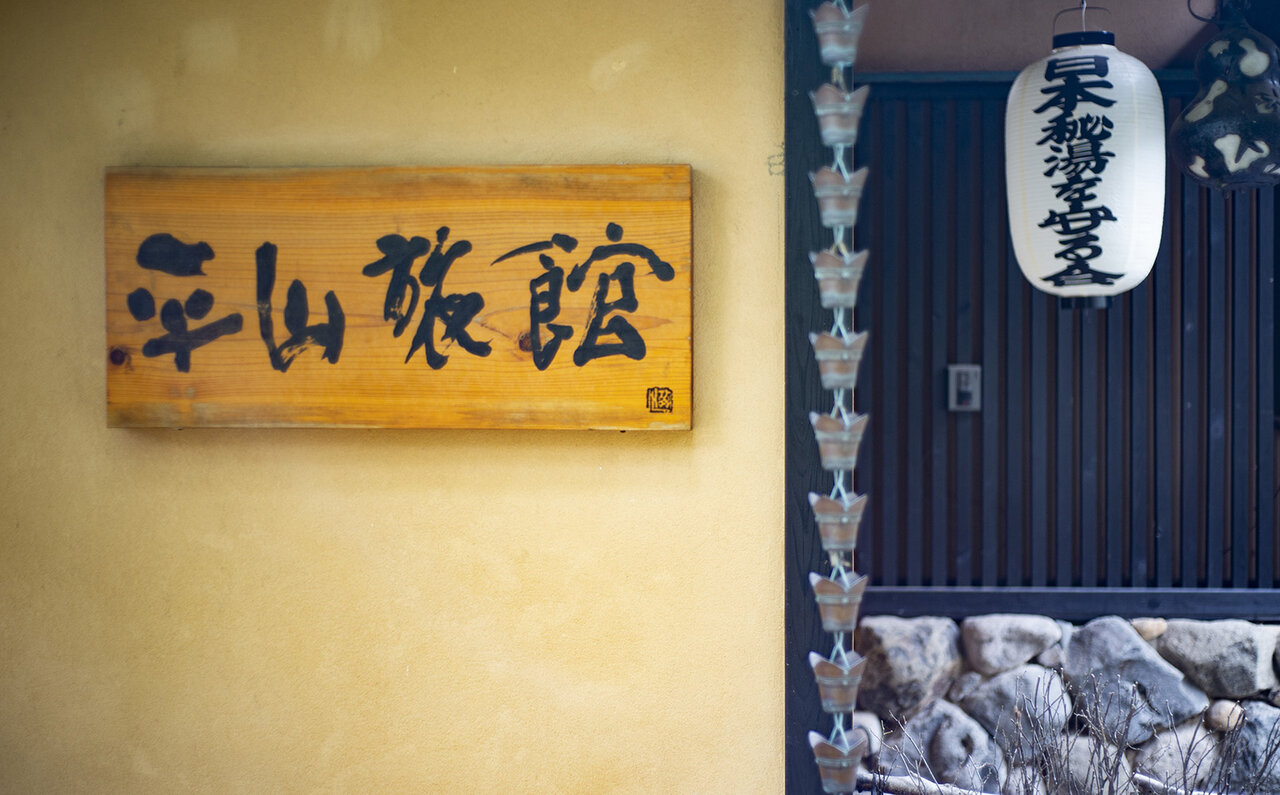
Iki's representative, "Hirayama Ryokan," a tranquil Japanese inn.
Hirayama Ryokan was featured in the "Michelin Guide Fukuoka, Nagasaki, Saga 2019" in the inn category. Its appearance evokes a sense of tranquility, reminiscent of an inn favored by literary masters. Maki Hirayama, the proprietress of Hirayama Ryokan, welcomed us with a smile. What sets Hirayama Ryokan apart is that nearly 100% of its ingredients are sourced from Iki, and they procure as much as possible themselves. Furthermore, the commitment to a circular economy has been carried on from the previous generation.
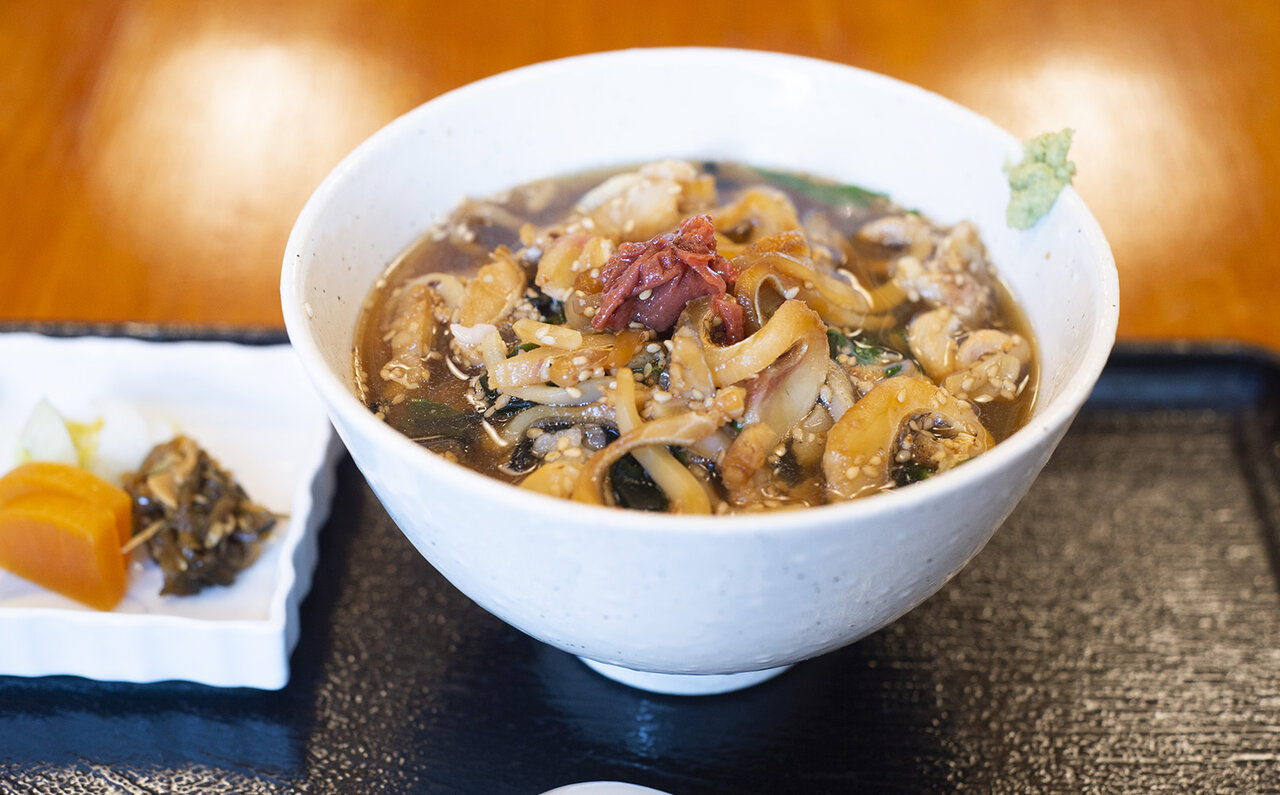
Hirayama Ryokan's signature "Island Ochazuke." The chewy squid and the flavor of the soy-marinated fish are irresistible. It was originally created as a late-night snack for guests.
"The vegetables and fruits used in Hirayama Ryokan's cuisine are primarily grown in-house. Furthermore, we personally gather seafood and wild vegetables from the sea and mountains, raise poultry and horses, and even keep bees. The previous proprietress began organic vegetable farming over 20 years ago, and in 2023, we obtained Organic JAS certification. We raise over 100 birds, including Nagoya Cochin, Ukokkei (Silkie), and Guineafowl, and we also keep horses. These animals consume vegetable scraps and leftovers from the inn, so no food waste is generated. The delicious eggs laid by these well-fed birds are served to our guests. The manure from the poultry and horses, along with sea urchin shells from meals, is returned to the fields as fertilizer, thus realizing a natural circular economy within the inn." This commitment to the environment is truly commendable. As a result, they also operate "Iki Monoya," a website selling the cuisine, pickles, honey, and vegetables offered at Hirayama Ryokan.
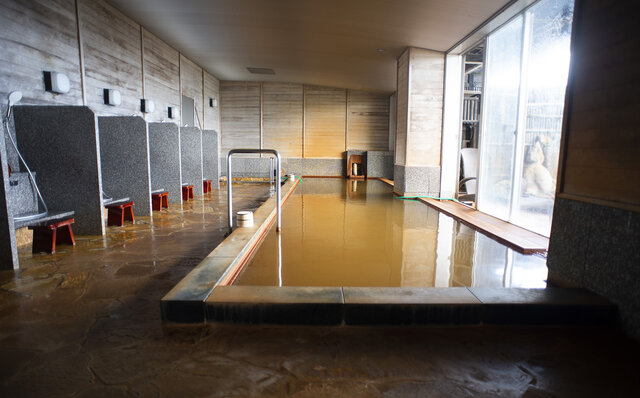
The hot springs of Yumoto are also unique to Iki Island! With a concentration approximately 15 times the recommended therapeutic level!
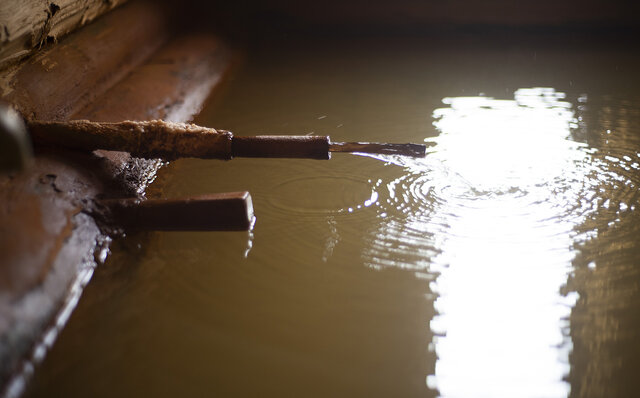
The source water flowing into the indoor bath at Hirayama Ryokan. A constant stream of rich hot spring water.
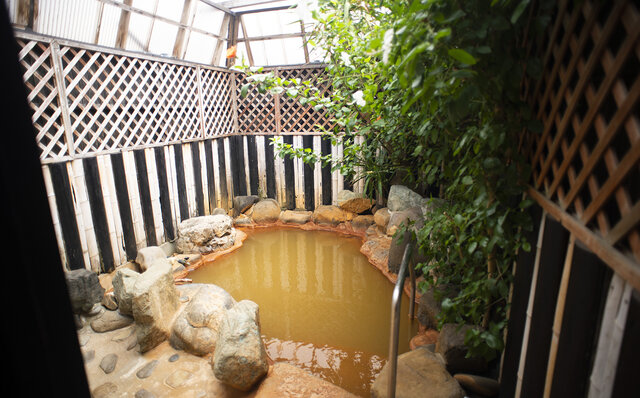
The open-air bath at Hirayama Ryokan.
The indoor bath at Umi no Kaze Murakami. Relaxing in this spacious area is also a luxury.
A brief digression: I want to emphasize the incredible appeal of Iki Island's hot springs. We spoke with Maki Hirayama, the proprietress of Hirayama Ryokan and a hot spring sommelier, about the charms of Yumoto Onsen.
"According to legend, the hot springs of Yumoto were discovered by Empress Jingu during her expedition to the three Korean kingdoms in the 5th century, and the water was used for the first bath of Emperor Ojin, her son. Boasting over 1,700 years of history, it is one of Japan's oldest hot springs, and many have conceived children after bathing in its waters, making it popular as a 'fertility hot spring.' Yumoto Onsen is a renowned hot spring with four distinct characteristics: it is a reddish-brown, cloudy hot spring, with a source temperature exceeding 60 degrees Celsius, and its "Chitose-yu" (thousand-year hot spring) is over 15 times the regulated concentration of minerals. The water quality is classified as 'sodium-chloride spring,' also known as a saline spring, containing a complex mixture of numerous minerals. Compared to household bath additives, the mineral concentration is over 90 times higher. Furthermore, all hot spring facilities in this area use their own natural hot spring water, flowing continuously. Additionally, all hot spring facilities have a hot spring sommelier on staff."
It turns out to be a hot spring destination that would impress even the most discerning hot spring enthusiasts.
You can understand the appeal of Yumoto Onsen. The rich mineral content is evident just by dipping your hand in the water.
Additionally, the restaurants "Miyuraya," "Marutatsu," "Furin," "Pizzeria Potto," and "Umeshima" were listed in the "Michelin Guide Fukuoka, Nagasaki, Saga 2019."