"Let's go to Kyoto." Rediscover the extraordinary, special "healing" of the ancient capital in summer | TRAVEL
TRAVEL | Kyoto
It's hard to imagine someone born and raised in Japan who hasn't visited Kyoto. It's a staple destination for school trips, and a top-of-mind choice for domestic travel with friends, partners, or family.
Text & Photographs by IJICHI Yasutake
Kiyomizu-dera Temple *Photo taken during a private visit
Kitano Tenmangu Shrine *Photo taken during a private visit
Kyoto: A Place You'll Want to Visit Again and Again, No Matter How Many Times You've Been
With over 3,000 temples and 1,700 shrines, the list of iconic sites like Kiyomizu-dera, Kinkaku-ji, Ginkaku-ji, Chion-in, Yasaka Shrine, Fushimi Inari, and Byodo-in is endless. Add to that Kyoto's unique culture and scenes, such as Gion, Pontocho, the riverside dining (kawadoko), Shinkyogoku, and Nishiki Market, and the list is inexhaustible. Beyond the city center, there are charming areas throughout Kyoto Prefecture, including Arashiyama, Uzumasa, Kibune, Kurama, Takao, Yamashina, Uji, and more recently, Tango and Ine. Yet, even the city itself is brimming with enough attractions to fill more than a single day. Kyoto is undeniably Japan's premier tourist destination in both quality and quantity, a place that makes you want to return soon, no matter how many times you've visited. If possible, I'd like to go two or three times a year.
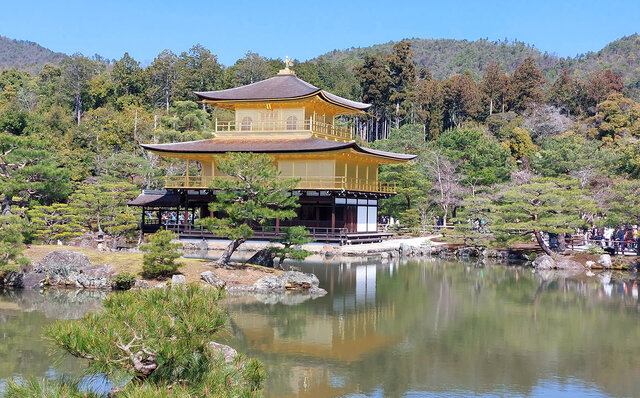
Kinkaku-ji (Golden Pavilion) *Photo taken during a private visit
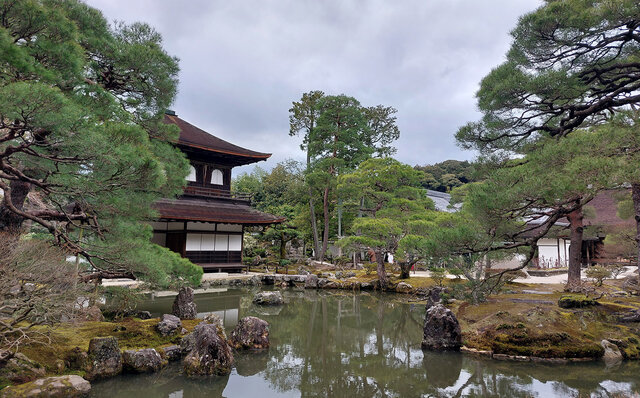
Ginkaku-ji (Silver Pavilion) *Photo taken during a private visit
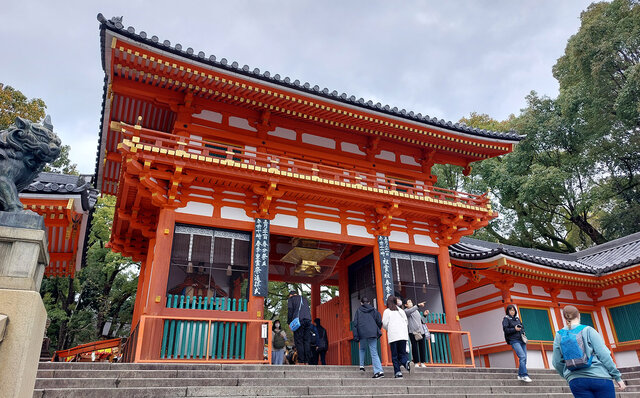
Yasaka Shrine *Photo taken during a private visit
Kyoto served as Japan's capital for over a thousand years, from 794 when Emperor Kanmu moved the capital from Nagaoka-kyo to Heian-kyo, until the Meiji Restoration when the capital returned to Tokyo. During the Heian period, the foundations of Japan's unique culture were laid. Masterpieces like "The Pillow Book" by Sei Shonagon were created, and sects such as Shingon and Tendai, which would later develop into Japanese Buddhist denominations, were established. In the Kamakura period, it flourished as a commercial center, attracting merchants and artisans and achieving economic development. In the Muromachi period, Ashikaga Yoshimitsu built Kinkaku-ji, and Yoshimasa built Ginkaku-ji. Furthermore, the Ashikaga clan greatly contributed to the development of the arts, with Noh and Kyogen theater emerging around this time. Following the Onin War and the transition into a period of conflict, tea ceremony and Gagaku court music developed. Thus, Kyoto has exerted various influences on Japan's politics, economy, and culture, making it natural that it possesses countless historical and storytelling contents symbolizing these aspects.
Byodo-in Temple *Photo taken during a private visit
Ryoan-ji Temple *Photo taken during a private visit
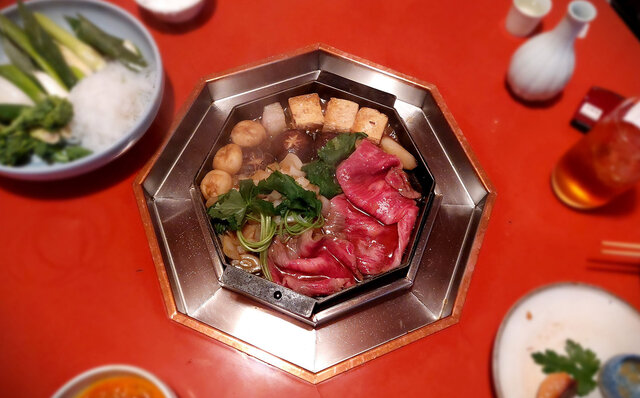
Mishimatei *Photo taken during a private visit
While today we have numerous ways to learn about such content through the internet and social media, before the year 2000, television had a significant impact. What greatly influenced us through TV was likely the "そうだ 京都、行こう" (Sōda Kyōto, Ikō - "Let's go to Kyoto") TV commercial campaign. The commercials, which introduced the charms of Kyoto through the changing seasons with their memorable narration, copy, and background music, have been vividly etched into our minds through sight and sound since childhood. Many times, seeing those commercials inspired a desire to visit Kyoto. Even now, as adults, when we casually turn on the TV and our eyes catch a beautiful scene, it might be a "Sōda Kyōto, Ikō" commercial. "Sōda Kyōto, Ikō" is a campaign launched by JR Central in 1993 to promote tourism to Kyoto, marking the 1200th anniversary of the capital's move to Heian-kyo in 794. This year, celebrating its 30th anniversary, the theme is "The Healing Kyoto Offers."
Senyū-ji Temple *Photo taken during a private visit
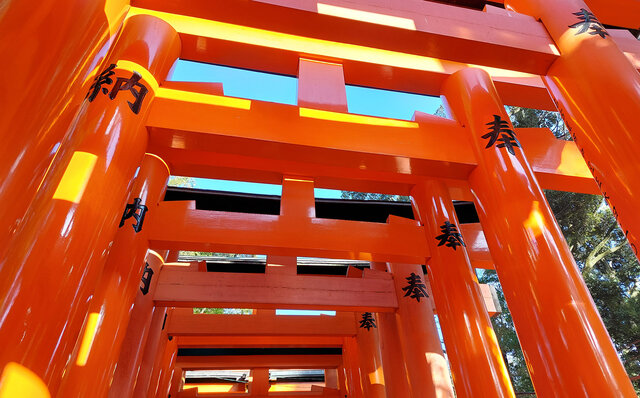
Fushimi Inari Shrine *Photo taken during a private visit
On this occasion, I was able to fully experience the special "healing" that can be felt through Kyoto's townscapes, cuisine, temples, shrines, and historical buildings during a press tour.
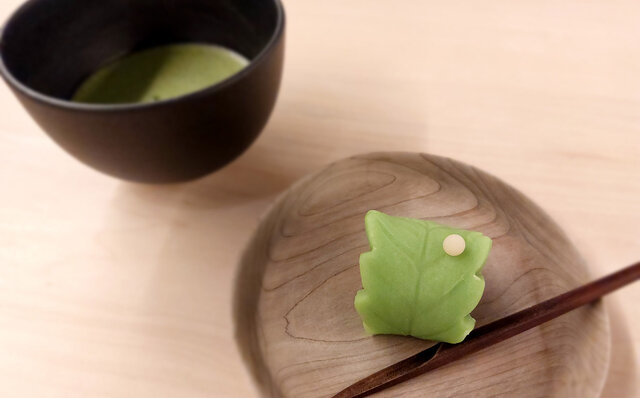
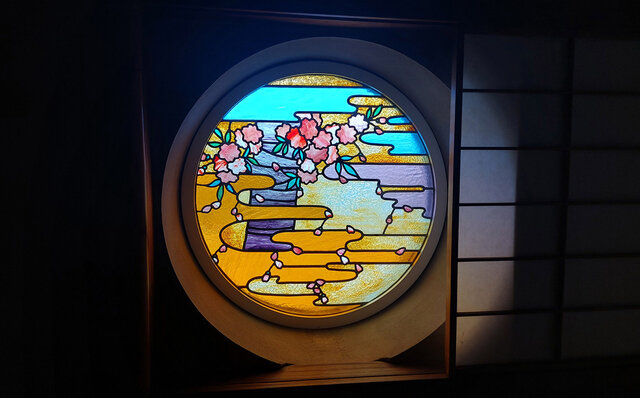
Cafe Don by Sphera
The Modern and Culturally Rich Healing of Cafe Don by Sphera
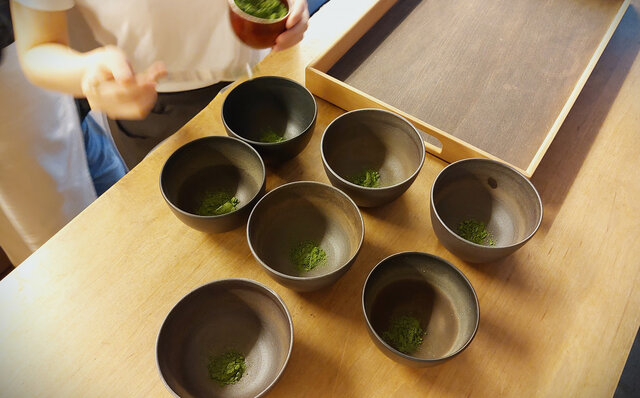
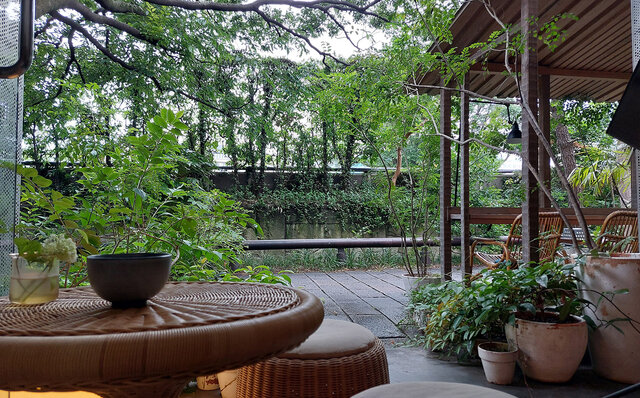
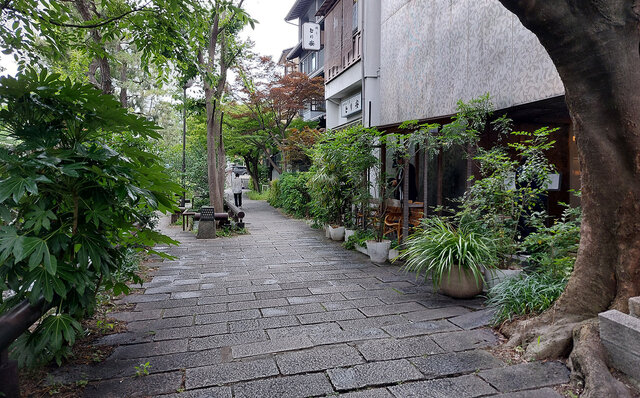
At "Cafe Don by Sphera," located on the promenade connecting Sanjo and Shijo Kawaramachi, you can enjoy matcha and traditional Japanese sweets (jōgashi). It's a season where the weeping willows, lush and green, exude a profound sense of atmosphere. In this tranquil space, where attention to architecture and interior design is evident, you can savor the clear air. It's a luxurious setting that feels both modern and deeply cultural, offering a time of healing.
Chōraku-kan
The Nostalgic and Enduring Healing of Chōraku-kan
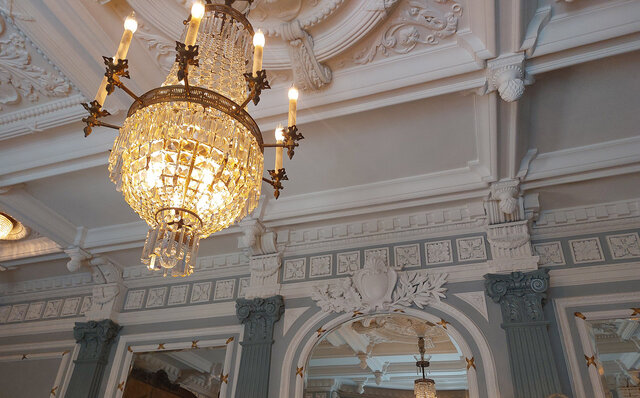
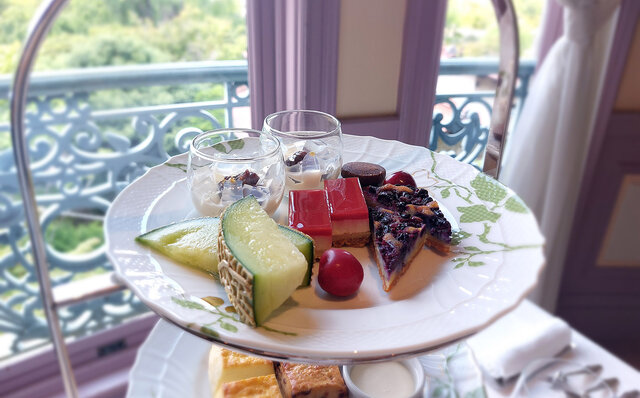
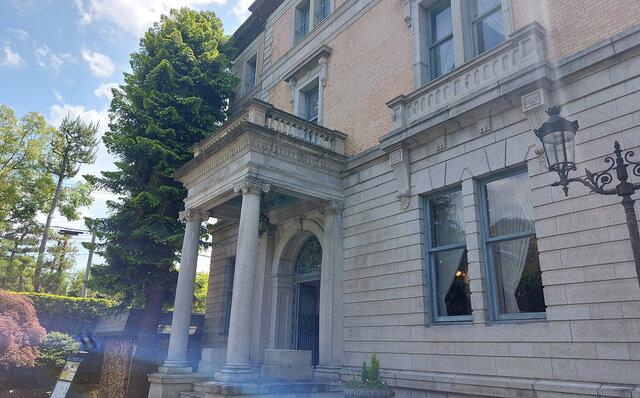
Built in 1909 by the industrialist Jihei Murai, known as the "Tobacco King," Chōraku-kan has since been known as Kyoto's guesthouse. Here, one can enjoy lunch. It's not only suitable for special occasion lunches and dinners but also for afternoon tea, allowing you to experience the classical ambiance of this "Kyoto City Tangible Cultural Property." The new building features six private guest rooms. The solid wood and the warmth of the fireplace with its flickering flames are truly inviting. Located directly behind Maruyama Park, it is surrounded by the trees of Higashiyama, offering both tranquility and serenity. Within this elegant setting, you can feel a sense of healing, enveloped by Japan's history of rapid modernization and Westernization since the Meiji Restoration, which championed civilization and military strength.
Tōka Kan
The Nostalgic and Enduring Healing of Tōka Kan
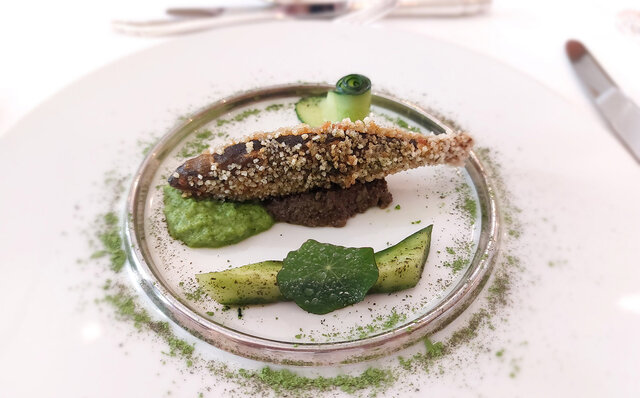
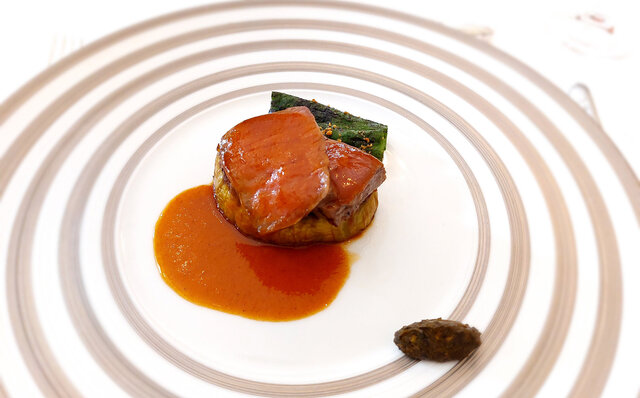
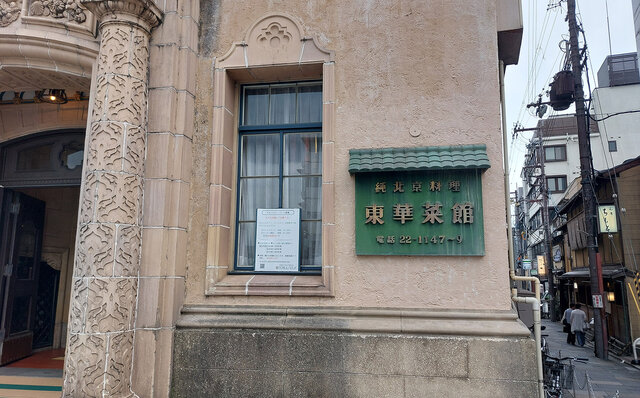
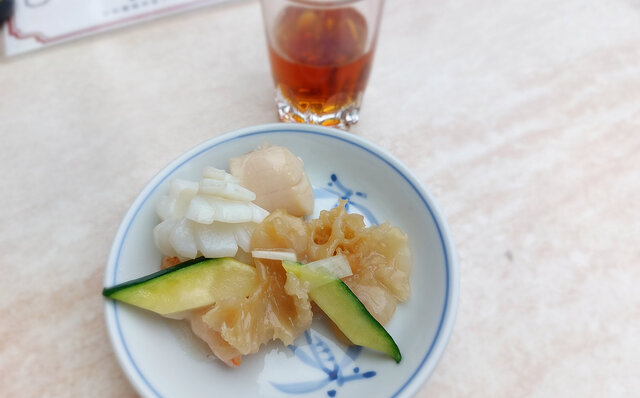
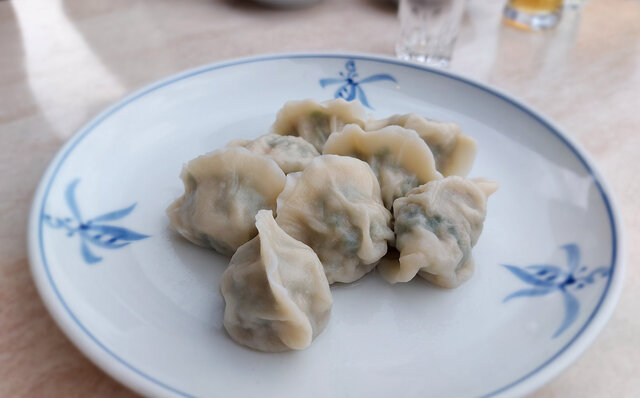
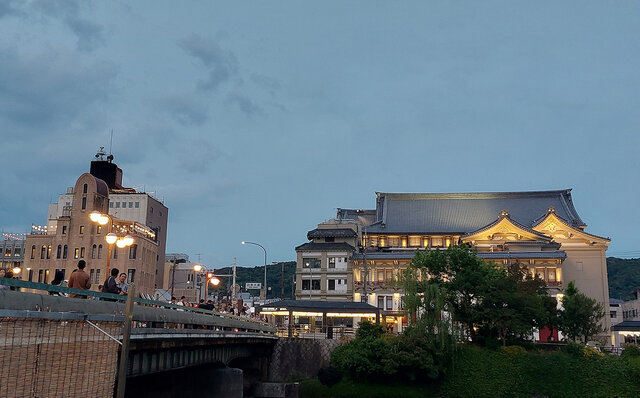
Tōka Kan, known for having Japan's oldest elevator, was originally a Western restaurant designed by William Merrell Vories, who designed many Western-style buildings in the Kansai region during the Meiji and early Showa periods. It was built in 1926. The restaurant's origins trace back to when continuing operations became difficult during wartime, and it was taken over by a chef specializing in Beijing cuisine. Standing on the Shijo Ohashi bridge, a symbol of Kyoto's central Shijo Kawaramachi area, it offers authentic Beijing cuisine. In summer, you can enjoy Kyoto's traditional riverside dining (kawadoko), with a view of the Kamo River and the Minamiza Theatre across the way, creating a somewhat nostalgic atmosphere. I've visited many times since childhood, and it's a place I never tire of.
The Grand and Solemn Healing of Tōfuku-ji Temple
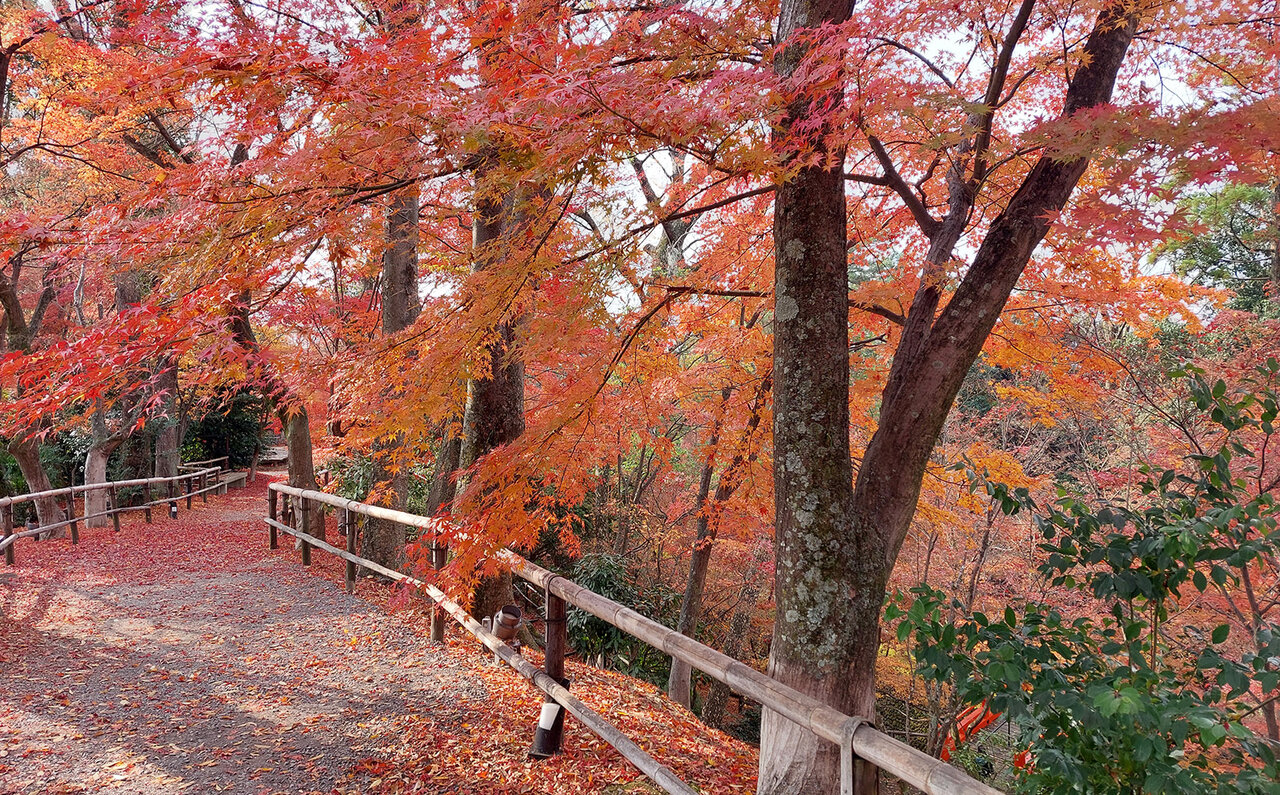
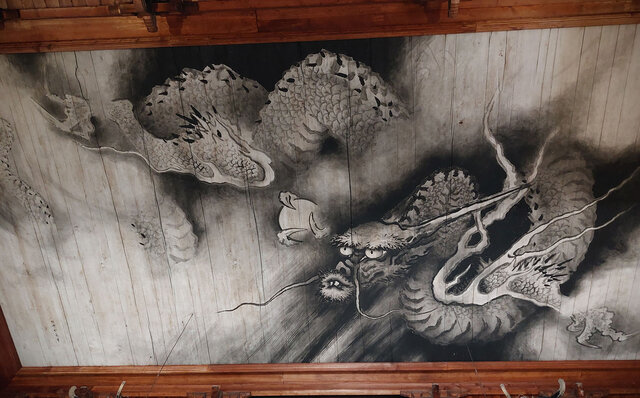
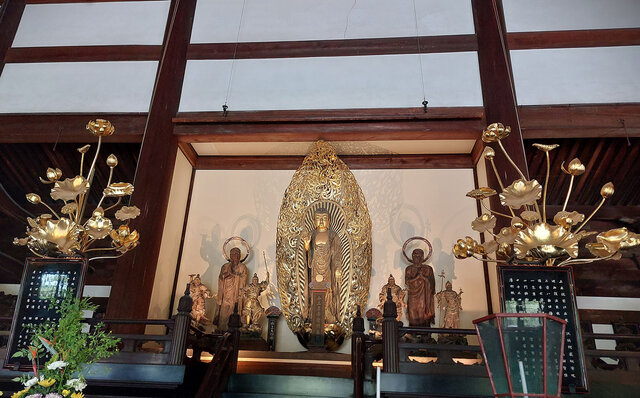
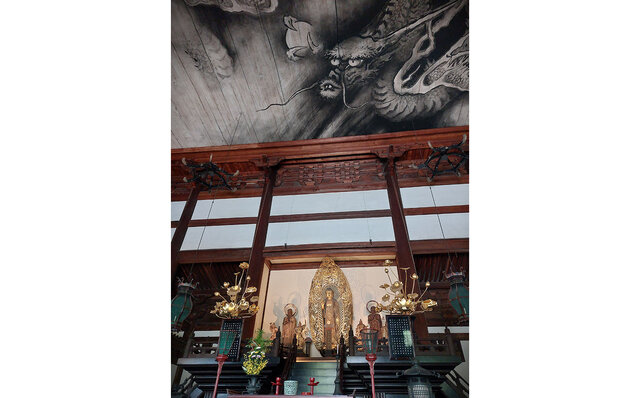
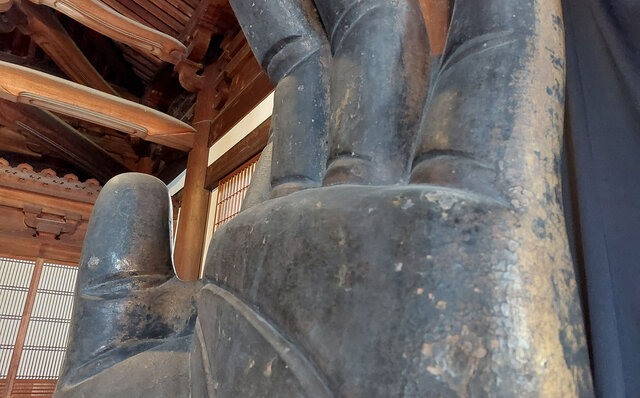
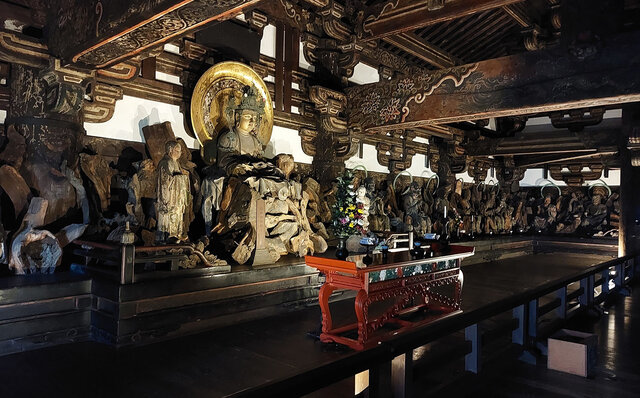
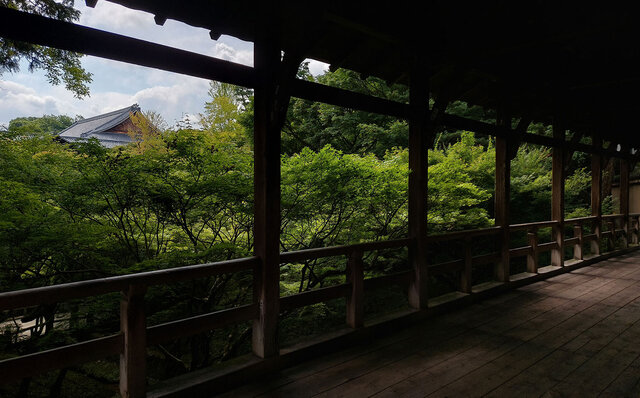
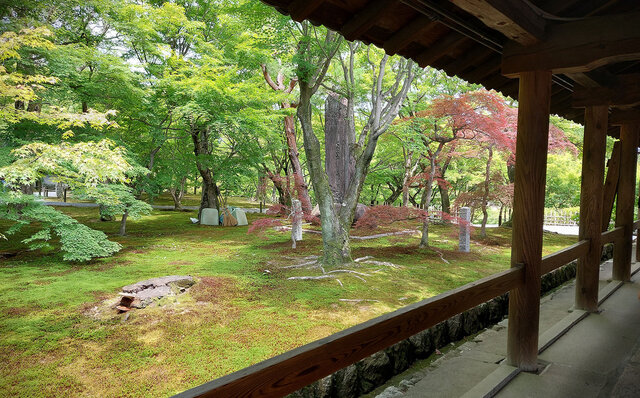
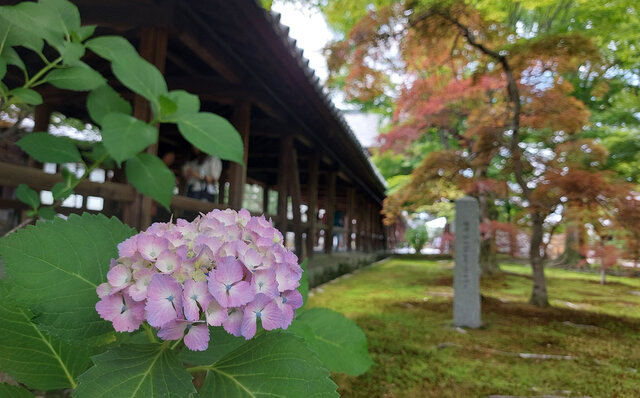
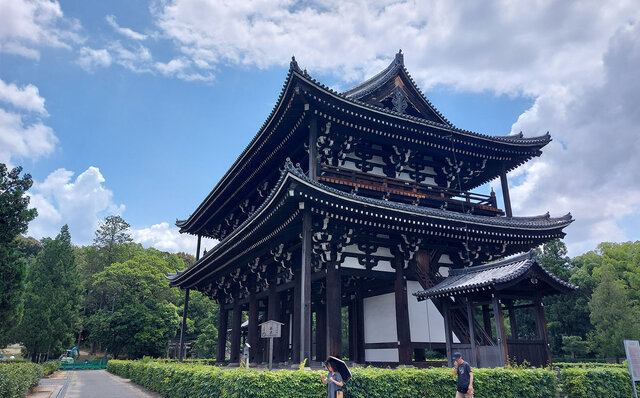
Founded in 1236, Tōfuku-ji is a Zen temple and one of the Kyoto Gozan (Five Great Zen Temples of Kyoto). It received the characters "東" (Tō) from Nara's largest temple, Tōdai-ji, and "福" (Fuku) from Nara's most prosperous temple, Kōfuku-ji, to become Tōfuku-ji. The view spreading below Tsūten-kyō Bridge, colored by the changing seasons, is one of Kyoto's finest, particularly breathtaking during autumn foliage. The main hall houses a seated statue of Shakyamuni Buddha, approximately 15 meters high, with a ceiling covering 150 tatami mats adorned with a magnificent dragon. The Sanmon gate, the oldest and tallest at 22 meters in Japan's Zen temples, and the Tōsu (toilet), the largest and oldest existing in Japan, are just some of the highlights.
*Photography is prohibited in the garden and main hall (photos taken with special permission).
The Serene Healing of Renge-ji Temple
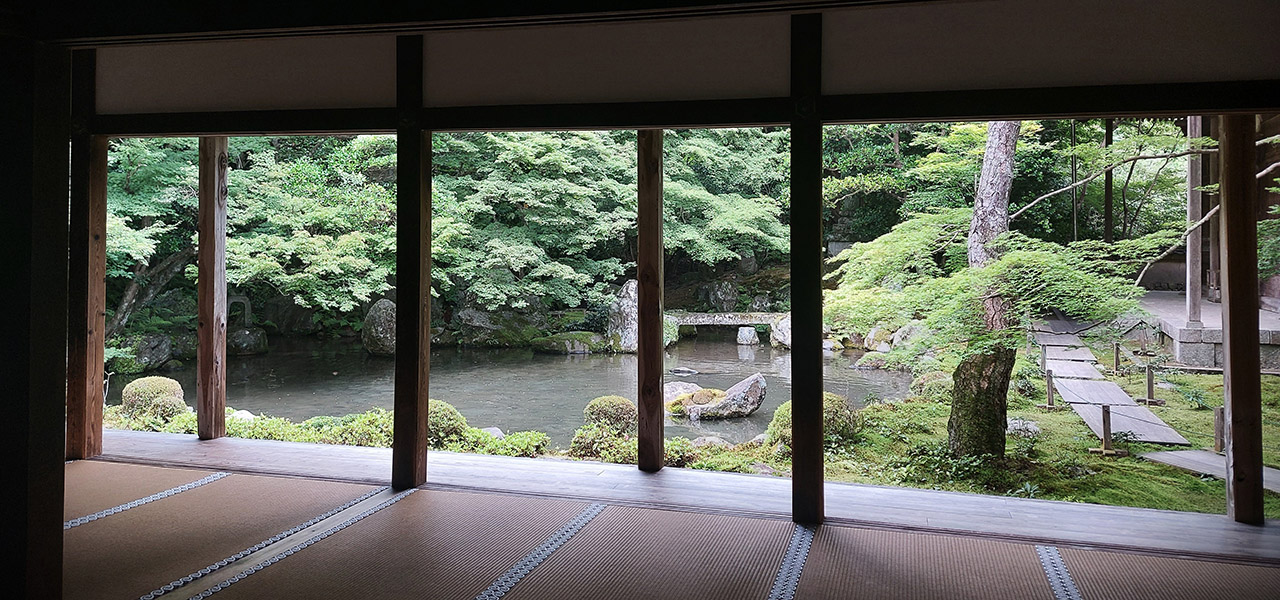
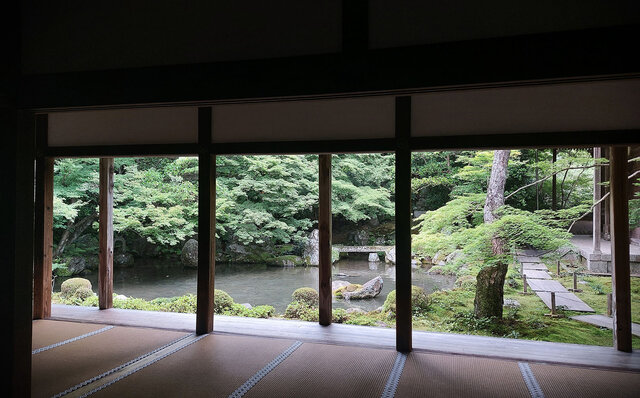
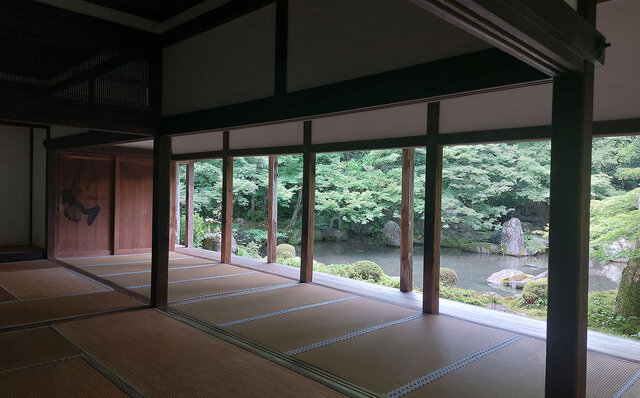
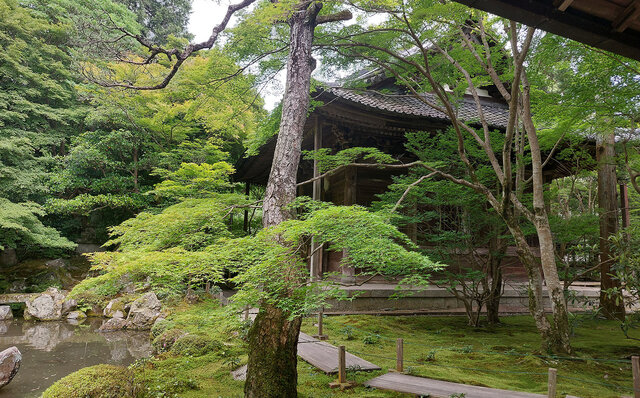
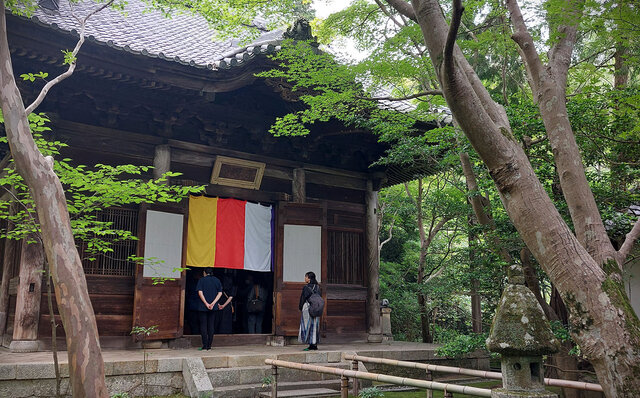
Nestled on the banks of the Takano River at the foot of Mount Hiei lies Renge-ji Temple. Originally located near the present-day Kyoto Station, it was devastated during the Onin War. It was rebuilt and moved to its current location in the early Edo period by Chikayoshi Imaeda, a chief retainer of the Maeda clan of Kaga. Although situated in a quiet area slightly outside the city center, upon entering the gate and walking the approach, the atmosphere changes dramatically. It's difficult to describe, but it feels as if various energies converge and flow not chaotically, but within a taut membrane of peaceful, clear air. The vice-abbot explains that the garden in a temple is an environmental representation of the Buddhist world, a place for self-reflection and acceptance. This garden is arguably the highlight of this campaign. Facing the garden and closing your eyes, you can hear only the sounds of water, insects, and wind. Without effort, you will naturally confront yourself.
The "Sōda Kyōto, Ikō" campaign for summer 2024 is scheduled until September 30th. Even everyday activities like eating, drinking, walking, or browsing shops, when enveloped by the ancient capital's atmosphere, transform into an extraordinary experience and offer "healing." Why not consider visiting Kyoto again this summer?
*Photos include those taken with special permission. Please refrain from secondary use or reproduction.