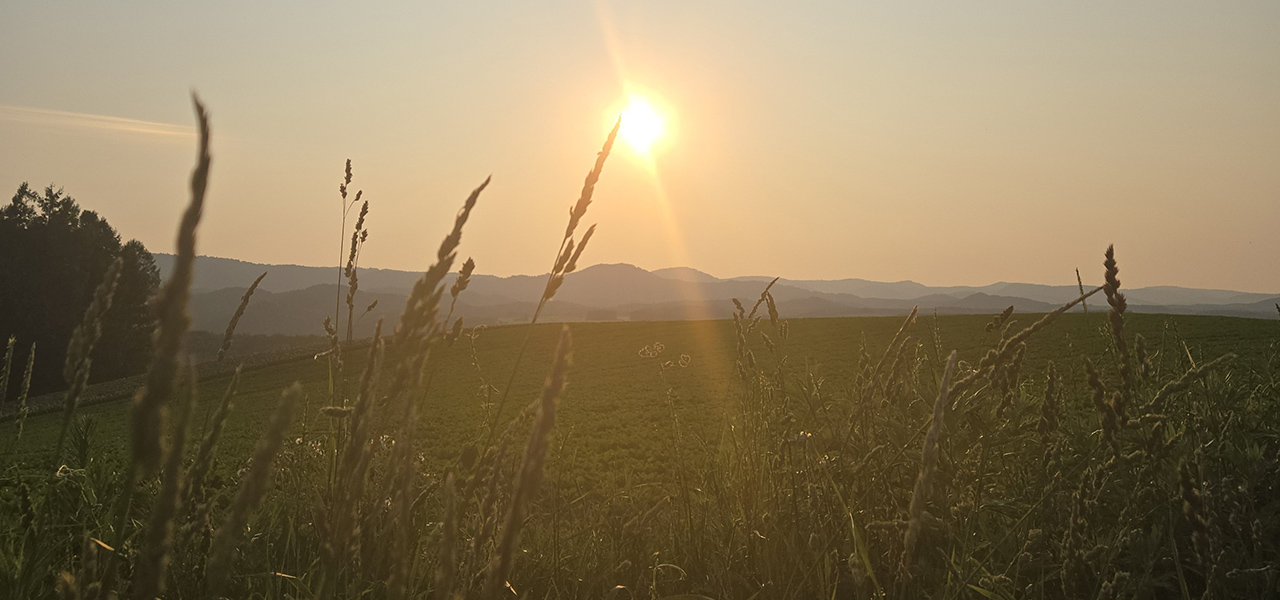
Furano's strength and richness, as seen from Nozomi Hotel.
Nozo Hotel
When Furano is mentioned, most people likely think of "Kita no Kunikara." The story of a simple family living and growing in a vast natural landscape, as depicted by So Kuramoto, catapulted Furano to fame and drew countless tourists. However, it has been over 40 years since that drama aired. Is Furano today still the same as it was then?
Text & Photographs by Yasutake IJICIH
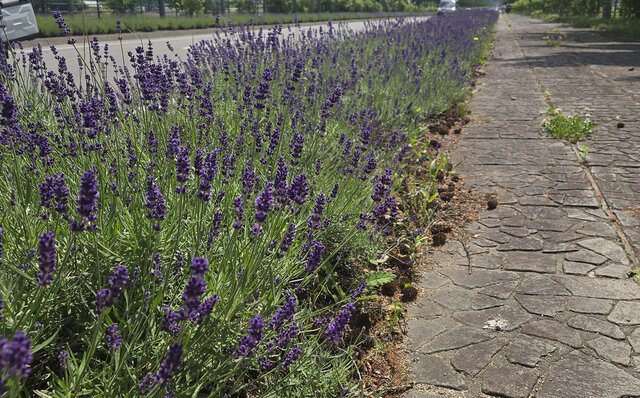
The reality is quite complex. I myself visited two summers ago, and I feel that even in the past two years, things have changed dramatically. The recent surge in inbound demand has also impacted Furano. Flights to Furano from Asahikawa are fully booked, and most of the customers in convenience stores are foreign tourists. Small shops, once quietly run by locals, now display English signs and menus, transforming into international tourist destinations. The sight of foreign tourists flocking to the lavender fields has become an undeniable symbol of summer.
However, I believe it is too hasty to dismiss this commercialization as purely detrimental. Furano's true charm remains unshaken by these superficial changes; rather, I surmise that these changes are a testament to the city's fundamental appeal.
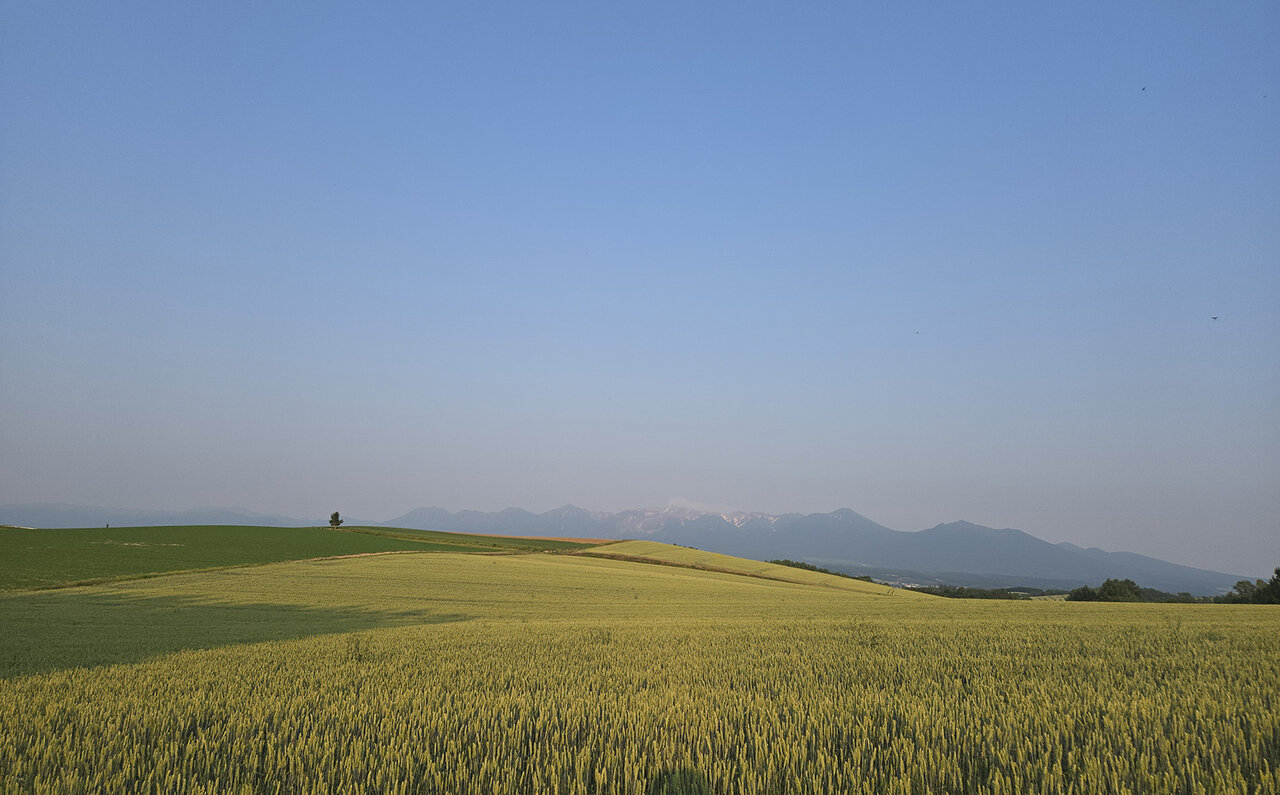
The vast rolling hills spread out from the Tokachi mountain range. In spring, meltwater flows, and in summer, flowers like lavender paint the land. Autumn brings the harvest, and in winter, world-class powder snow covers everything. This overwhelming natural cycle remains steadfast, no matter how much time passes.
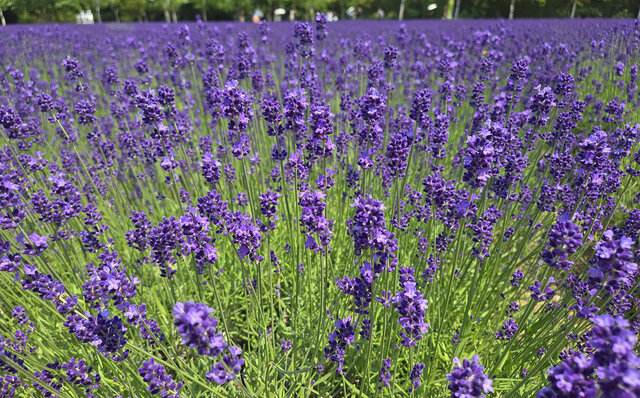
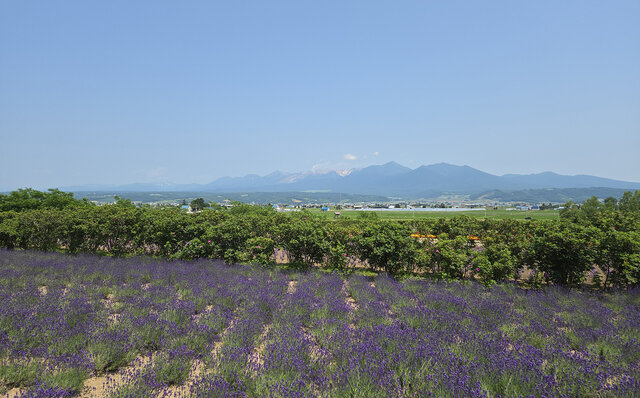
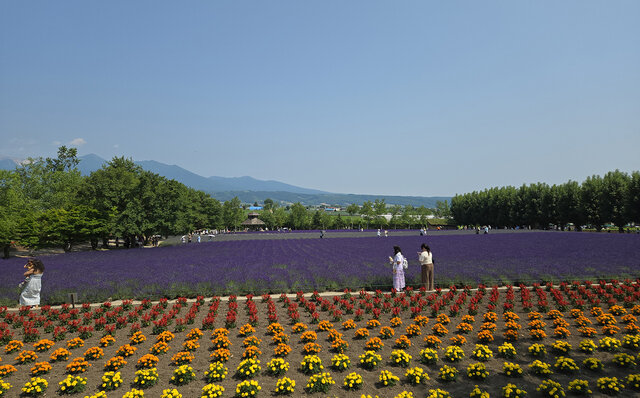
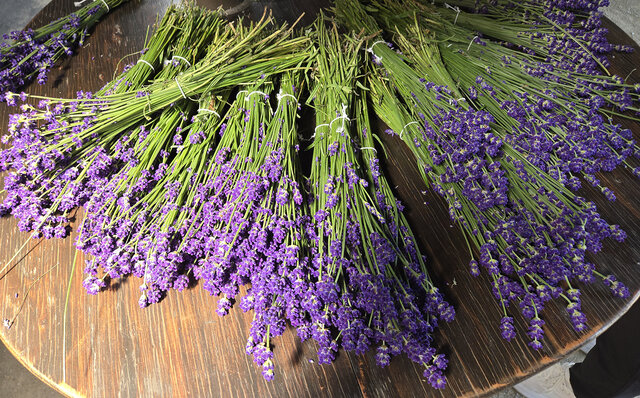
Of course, no discussion of Furano is complete without mentioning its iconic purple carpet. The lavender fields of Farm Tomita are the very definition of Furano tourism. While the reality involves a constant stream of tour buses and crowds of tourists with smartphones, the breathtaking waves of purple stretching out from late June to early August are undeniably beautiful, regardless of whether one calls it harmony with nature.
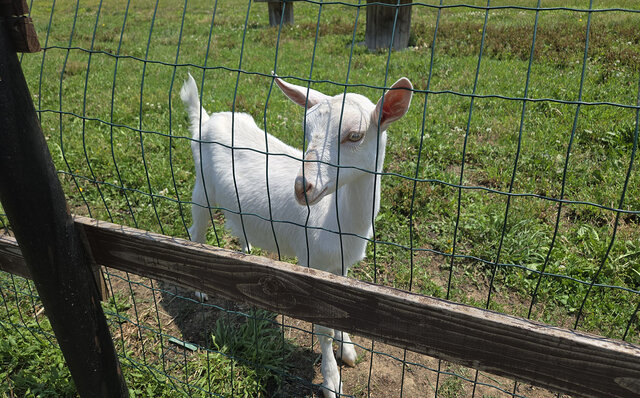
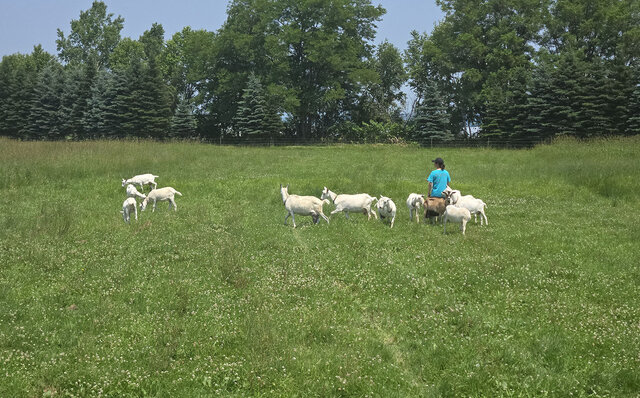
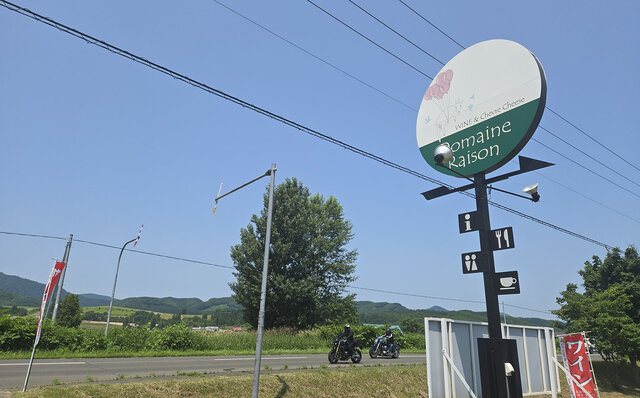

Domaine Raison is another must-visit. This winery, which began brewing in 2019, is the Hokkaido outpost of the Maruki Winery group from Yamanashi, and it has a unique backstory. The parent company raised sheep, and while considering what else to raise, they encountered goats in Hokkaido and decided to raise them. This, too, is a story rooted in human coincidence and intuition, rather than solely in harmony with nature.
The goats' droppings become fertilizer for the grapes, and the pressed pomace from winemaking serves as food for the goats, creating a truly sustainable cycle. Although they briefly ventured into goat cheese production, they were forced to abandon it due to labor shortages and the COVID-19 pandemic. These trials and errors convey the authenticity of their endeavors in this land.
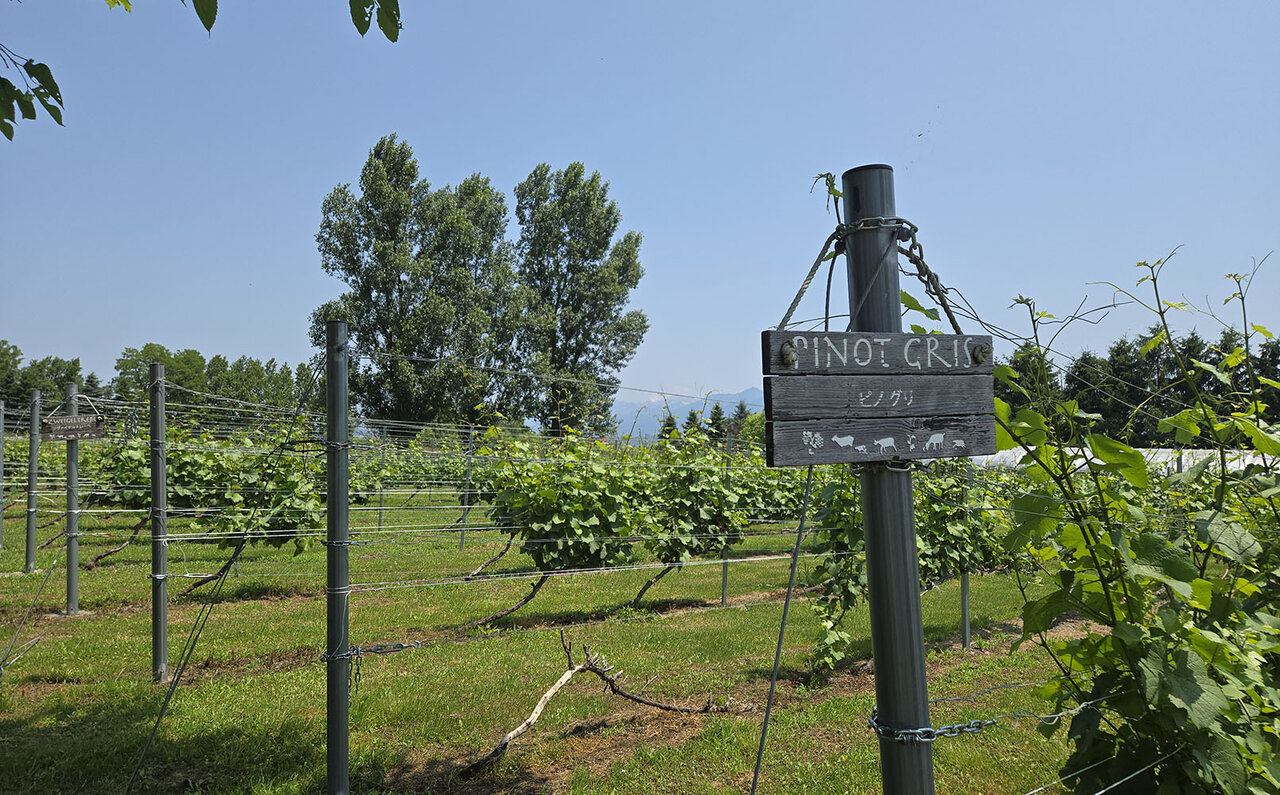
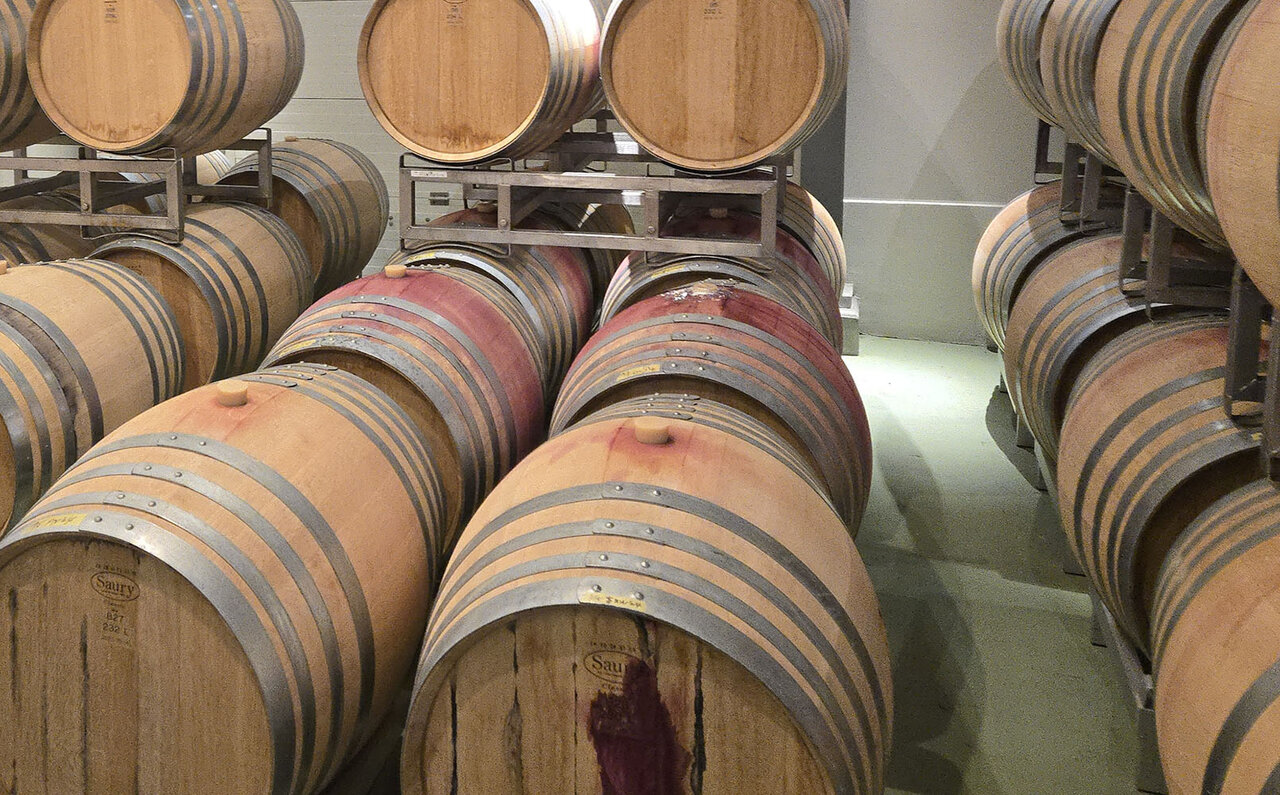
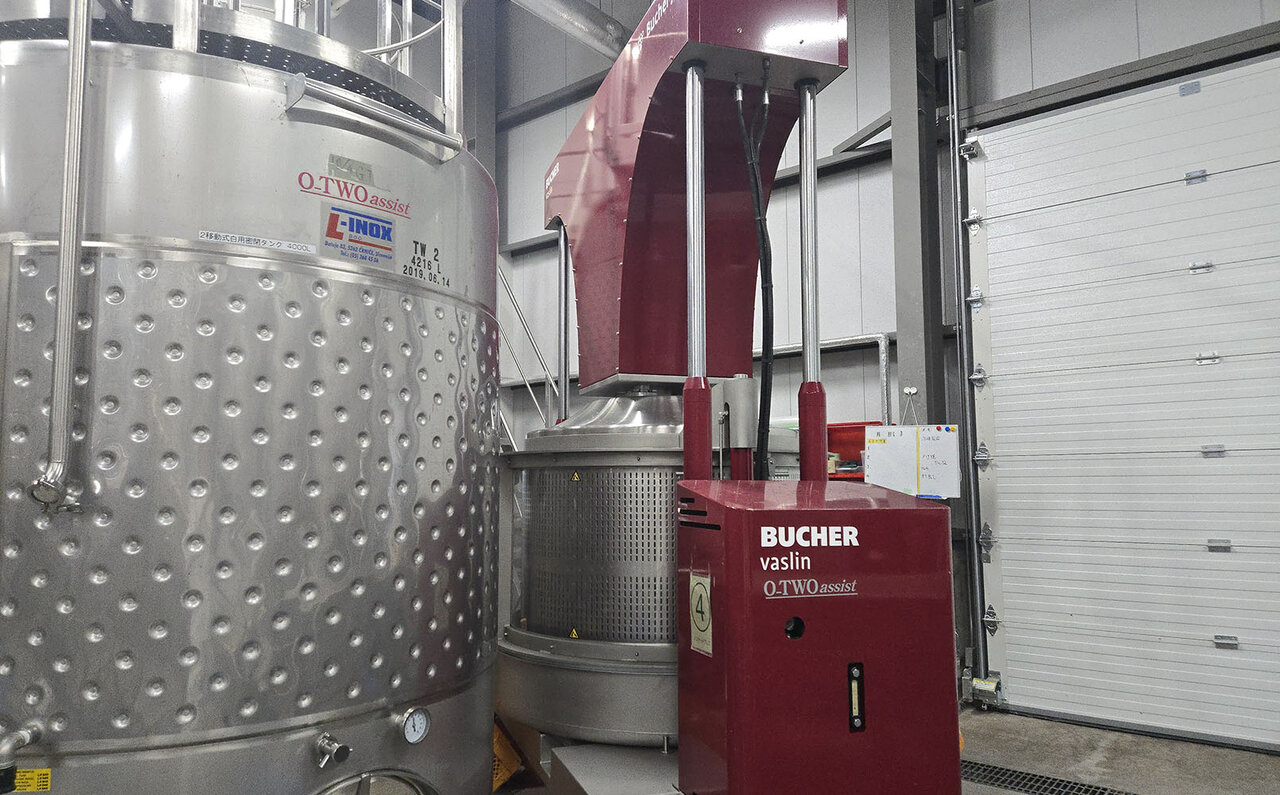
Domaine Raison cultivates ten types of grapes on its own 40-hectare vineyard, aiming for an annual production of 100,000 bottles. Using a unique winemaking machine, one of only two in Japan, they gently crush the grapes while allowing them to slowly aerate, producing soft-tasting red wines. It is a place where one can savor goat milk soft-serve ice cream on a terrace overlooking the Tokachi mountains, truly experiencing the land's profound richness.
Furthermore, the abundance of ingredients nurtured by this land is exceptional. From asparagus, potatoes, onions, carrots, and tomatoes grown in fertile soil, to wheat, milk, cheese, and high-quality beef. Though the phrase "Farm to Table" has become somewhat overused and simplistic, there are few places where it fits as perfectly as here. The deep flavors, imbued with the scent of the earth, are distinctly different from the vegetables in urban areas, which take longer to reach distribution.
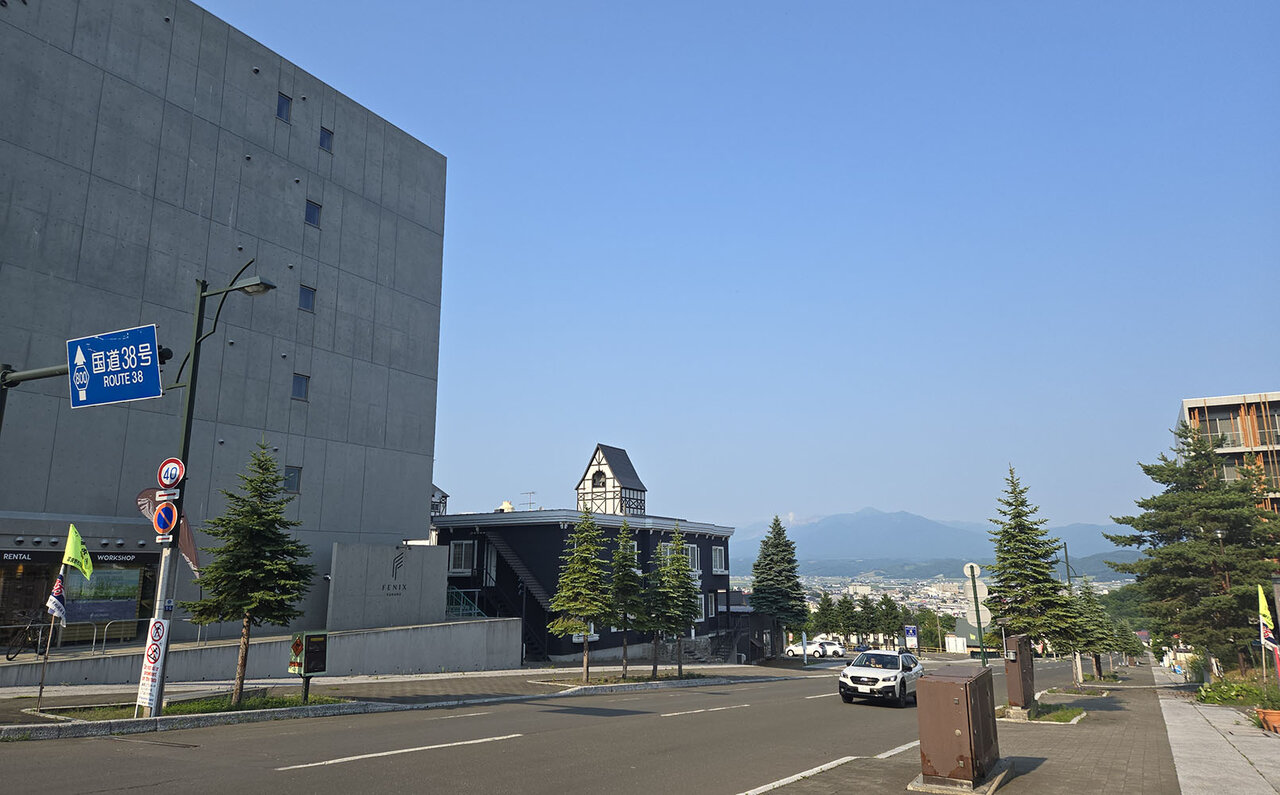
The Kitamine area offers an excellent location to fully savor Furano's charms. Perched on a hill overlooking the Furano Basin is an intriguing accommodation called "Nozo Hotel." The hotel actively collaborates with various spots and events in Furano to showcase the town's appeal and attract visitors from both Japan and abroad.

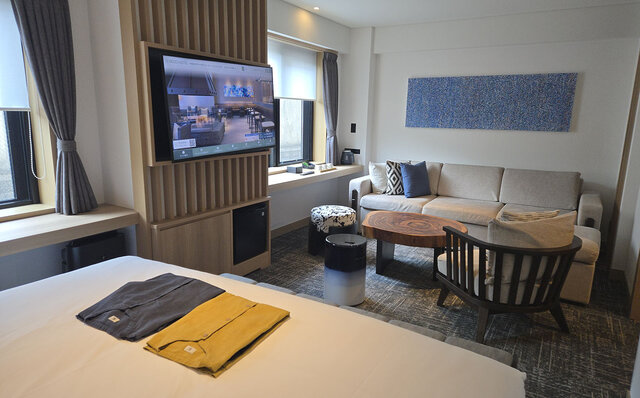

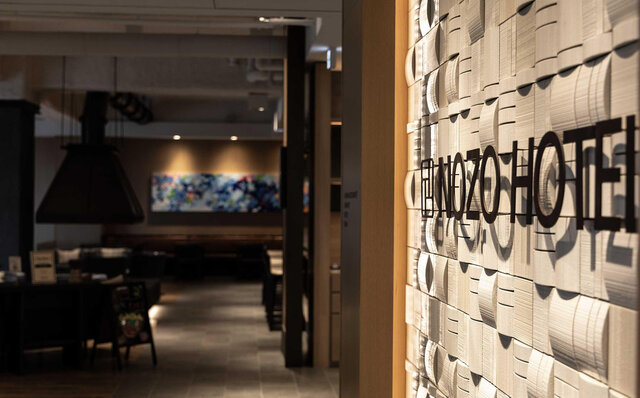
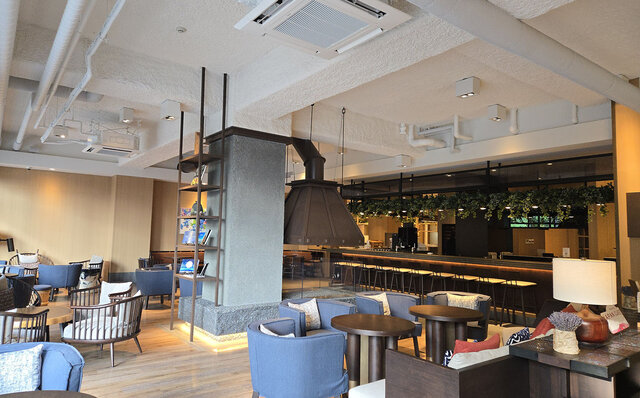
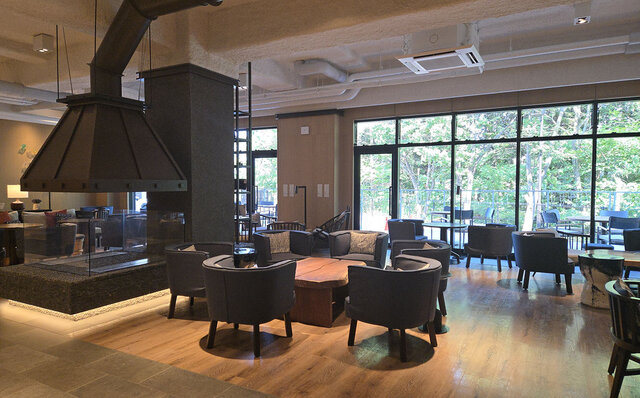
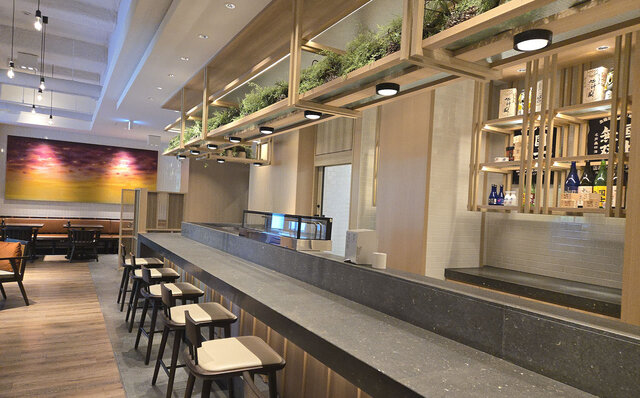

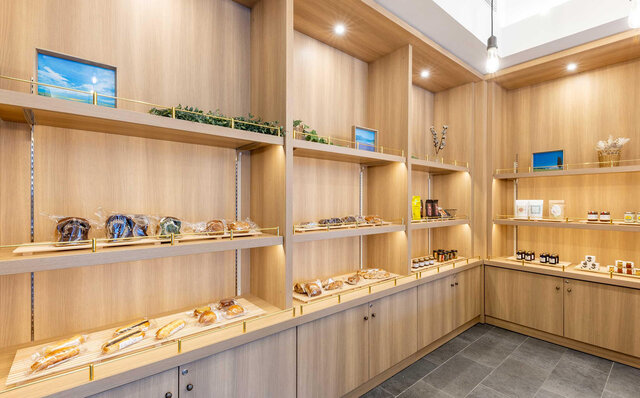
The appeal of Nozo Hotel lies not in ostentation or luxury. The guest rooms are simple and functional, with interiors based on bright Hokkaido timber. All facilities, including the restaurant, bar, spa, and gym, are named after trees native to Hokkaido. The hotel's name, "Nozo," derives from "Nozomi" (hope). Above all, the concept of "Collect Moments" is superb. Whether you're enjoying outdoor activities, exploring gourmet delights, or simply relaxing on the terrace, the hotel offers a space to curate your own experiences.

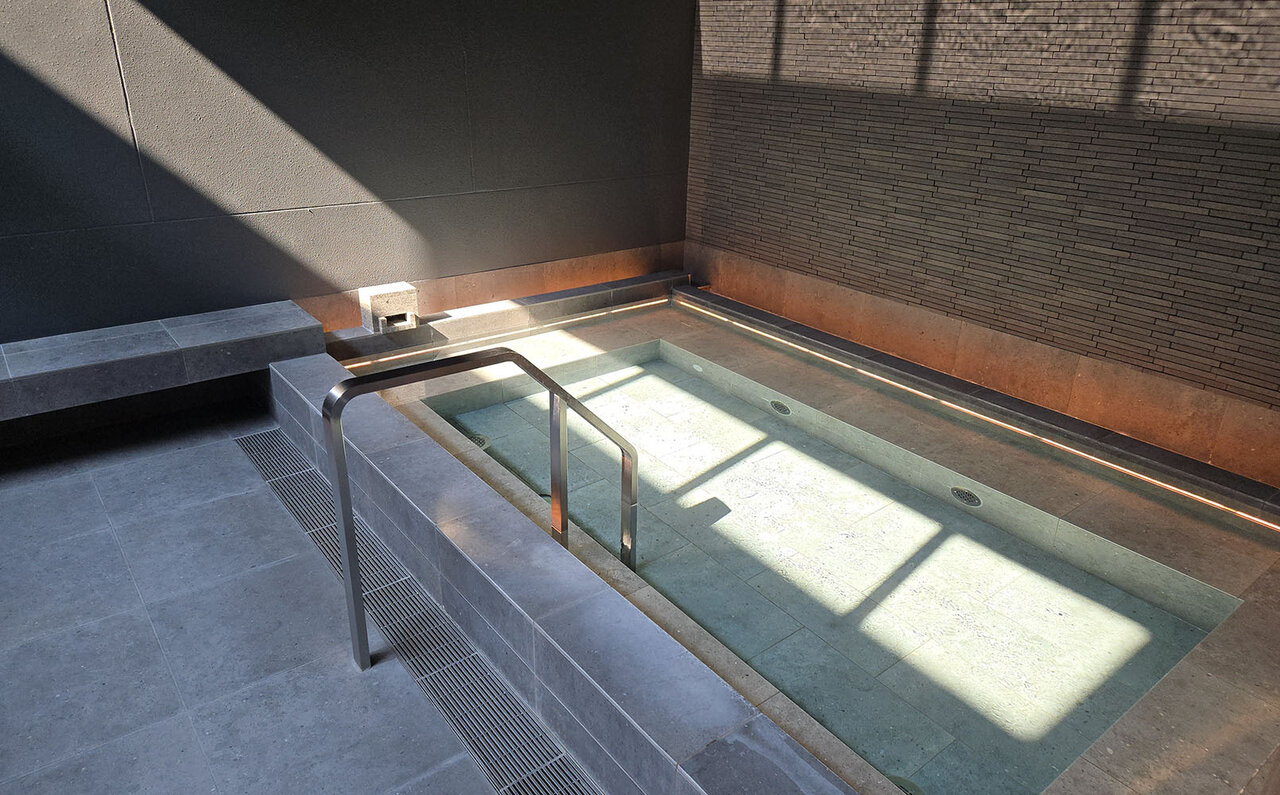
The Sugi Spa within the hotel is also not to be missed. The large public bath, filled with natural light, is equipped with a sauna and cold plunge pool. After a day of activities, the time spent healing your body in this tranquil space offers a luxurious rejuvenation for both mind and body.
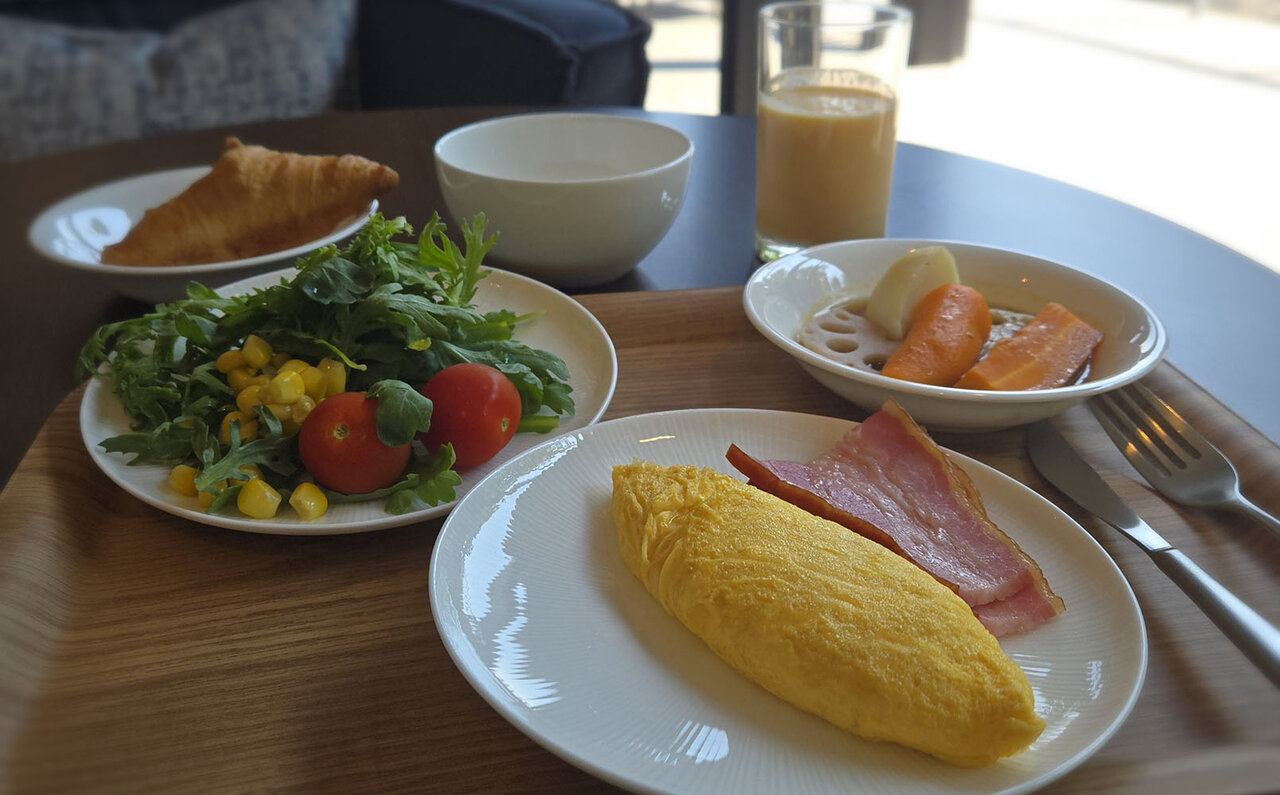
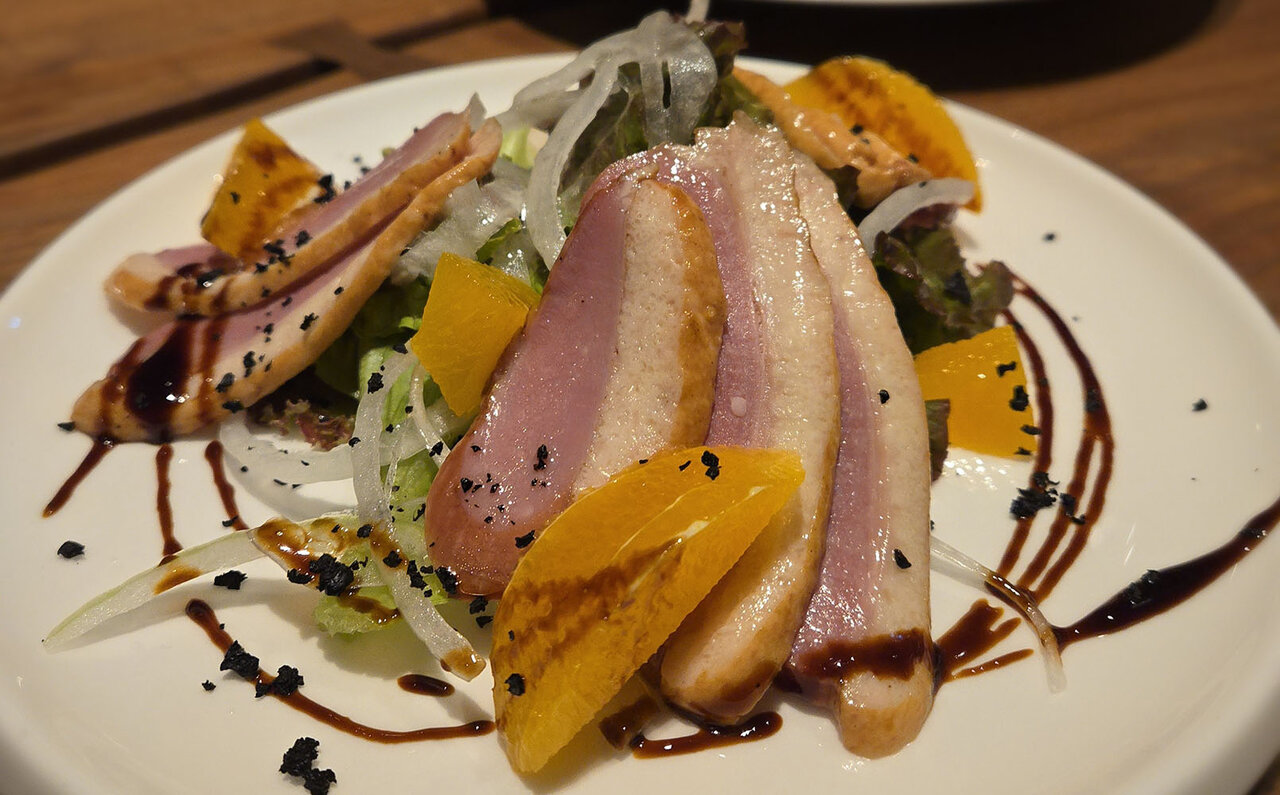

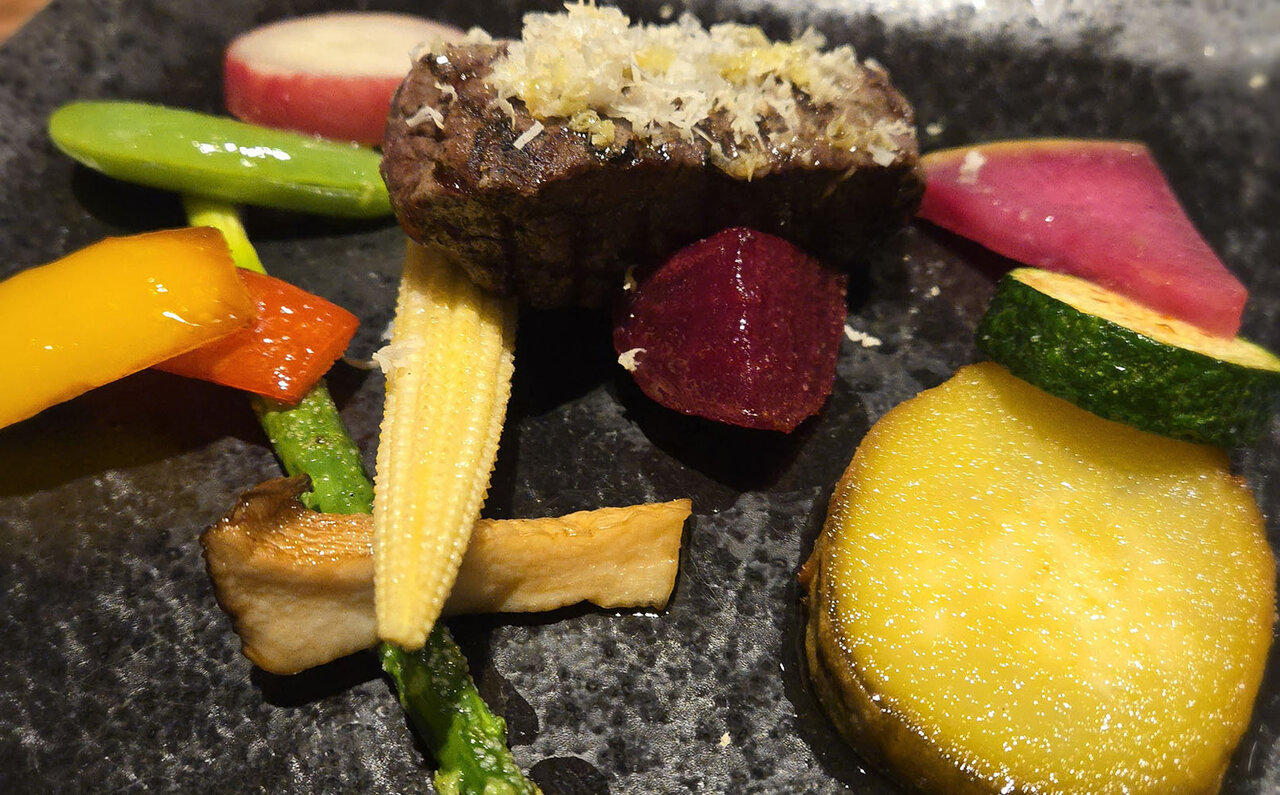
The restaurant offers international cuisine that makes the most of local ingredients. Notably, Domaine Raison wines have also been available since around last year. The bakery serves freshly baked bread from Boulangerie Raffine every morning, its aroma alone making the start of the day special.
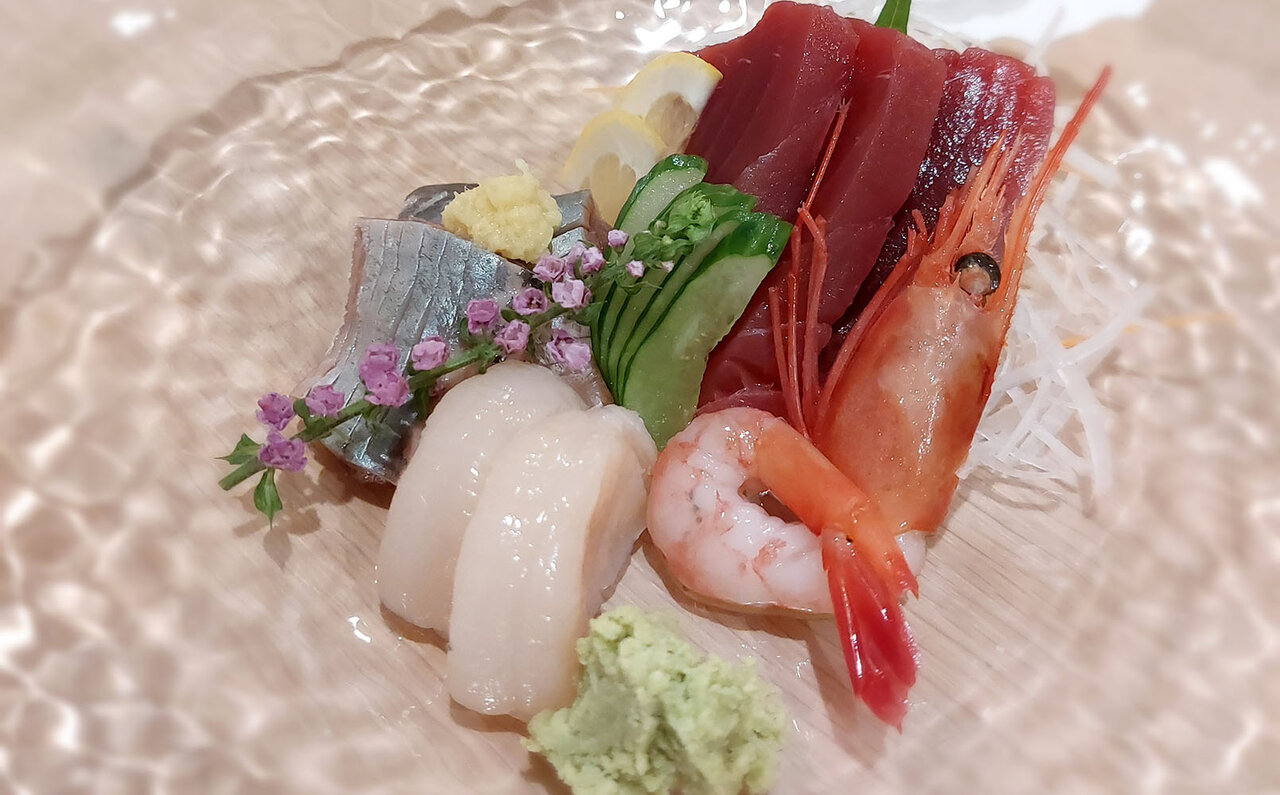
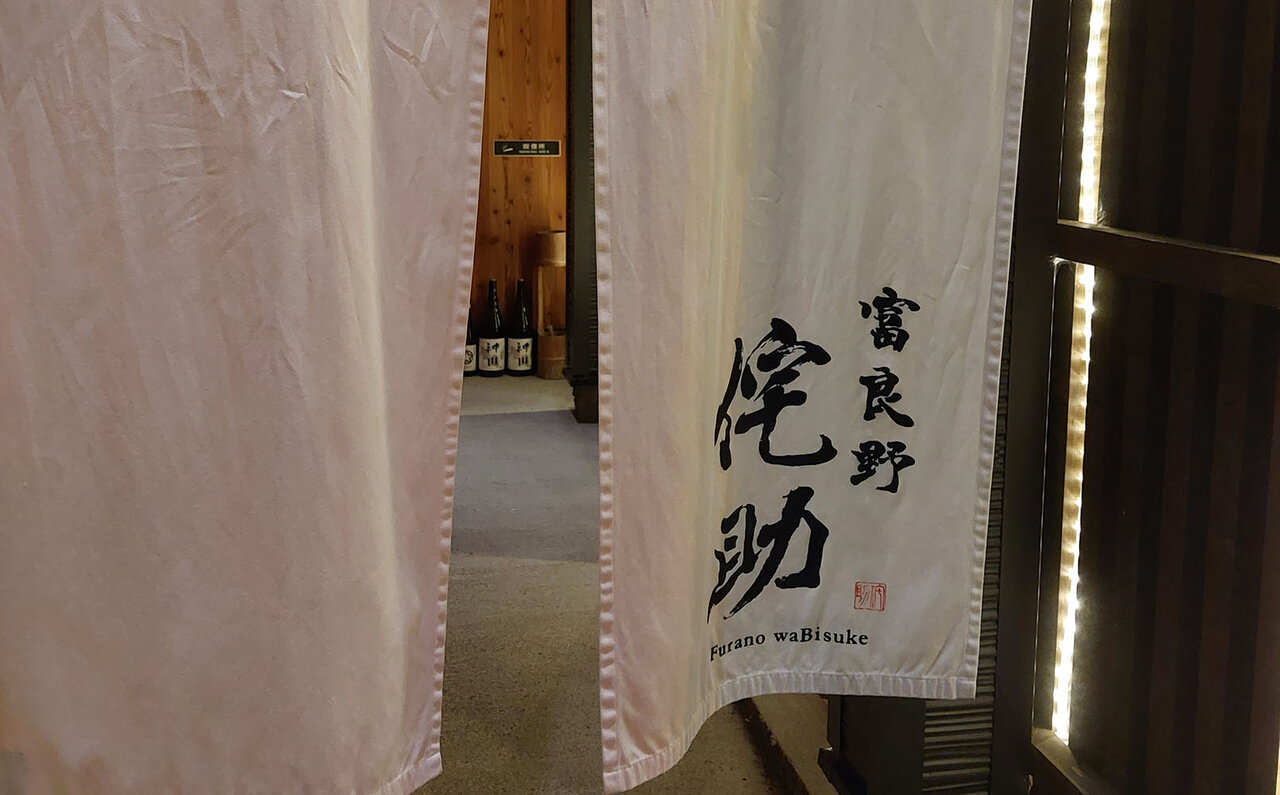
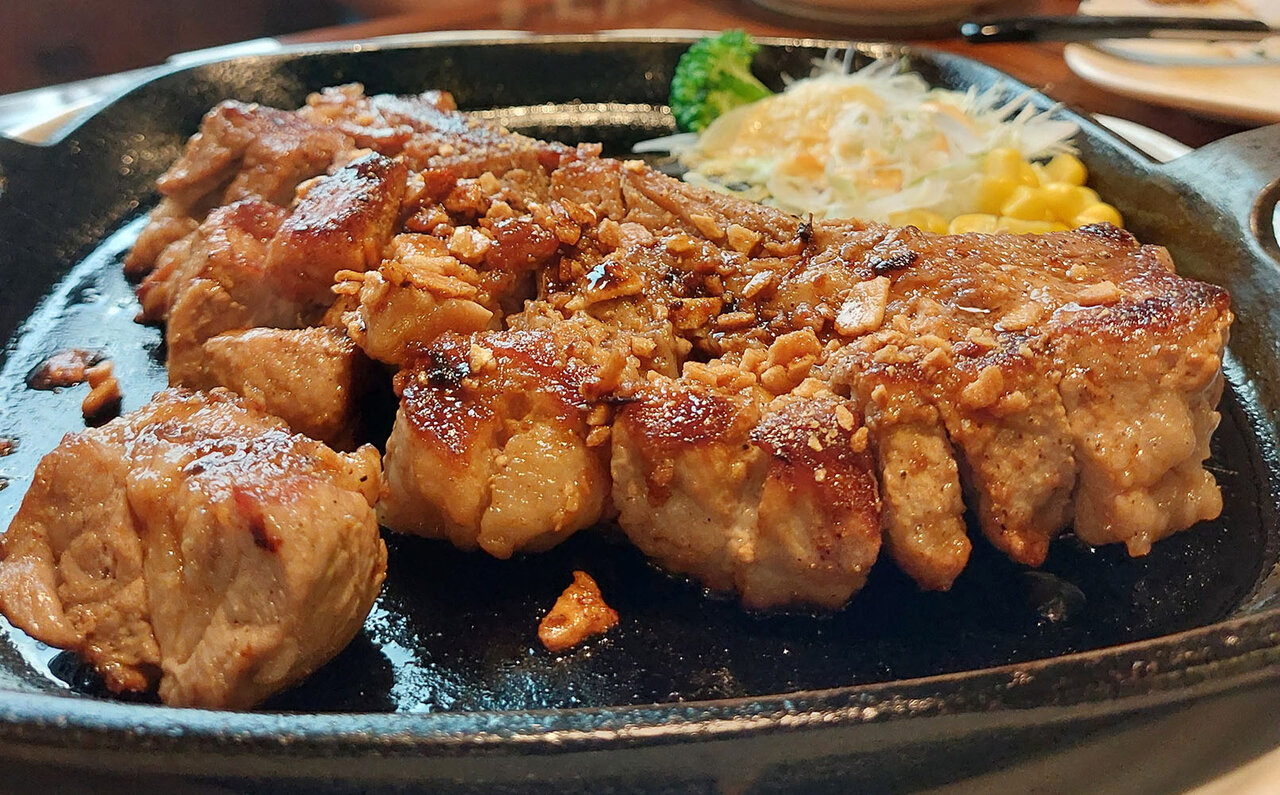
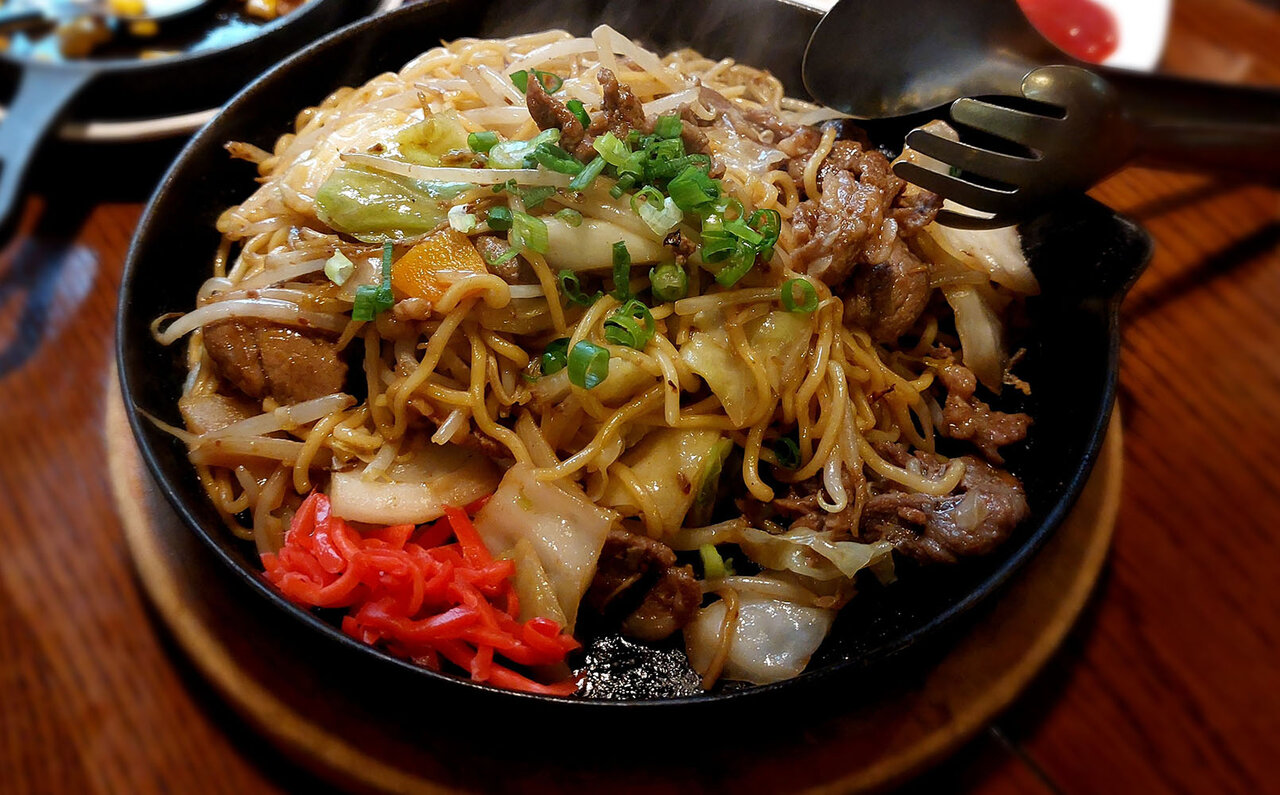
If you wish to glimpse another side of Furano, a stroll through the town at night can be quite interesting. The area around Furano Station has a surprising number of bars and eateries, offering a feel for the local pulse distinct from the town's tourist-centric facade. There are places like "Wasuke" for a quiet Japanese dining experience, and others like "Masaya" where you can enjoy a lively time around the teppan grill, truly showcasing Furano's depth.
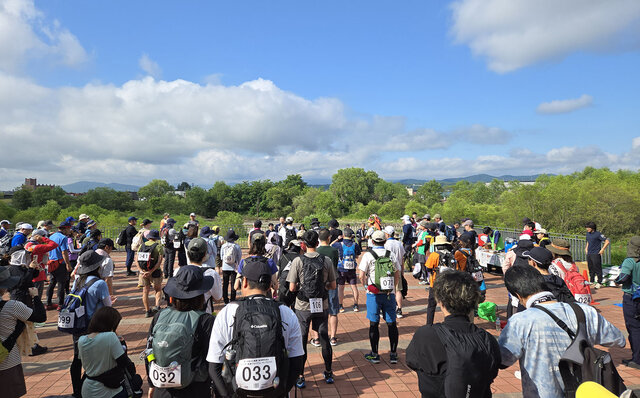
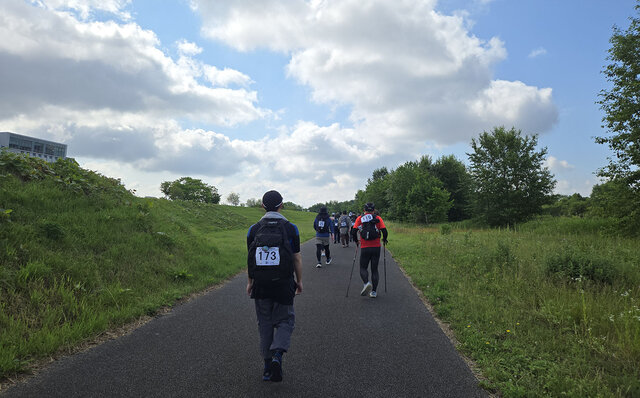
And if you want to understand Furano more deeply, the best way is to explore it on foot. The "Furano Ultra Walking" event offers an immersive experience of Furano's charms. This was actually the first year for the event, and Nozo Hotel offered a special accommodation plan for participants. I decided to join.
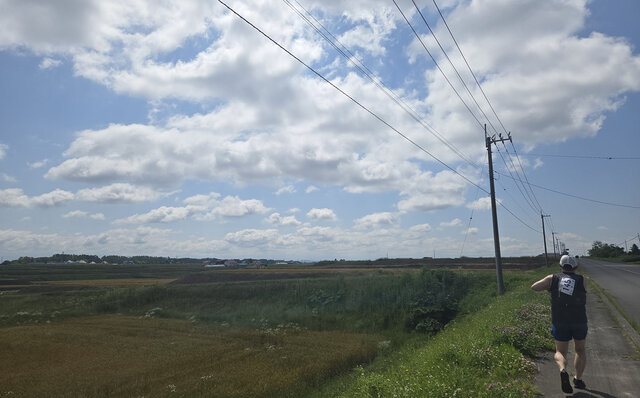
The entire 65km course winds through pastoral landscapes, with distant views of the Tokachi mountain range, allowing participants to proceed at their own pace. It's not a race to compete for rankings or times, but rather a journey to connect with the land of Furano and feel its pulse. Nevertheless, the course is not without its challenges. Ultimately, it becomes a solitary and demanding battle, a quiet confrontation with oneself.
The start was at 8 AM in Asahikawa. I had driven from Asahikawa Airport to Furano, a journey of about an hour, approximately 12 hours earlier. Even though it's only an hour, the scale of Hokkaido, with its long stretches of road with few traffic lights, is vastly different from that of Tokyo. A distance of 65km is comparable to the distance from Tokyo's Minato Ward to Mishima in Shizuoka, and completing it on foot is no small feat.
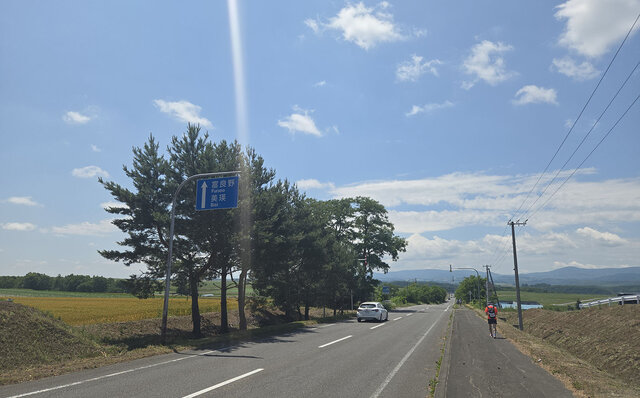
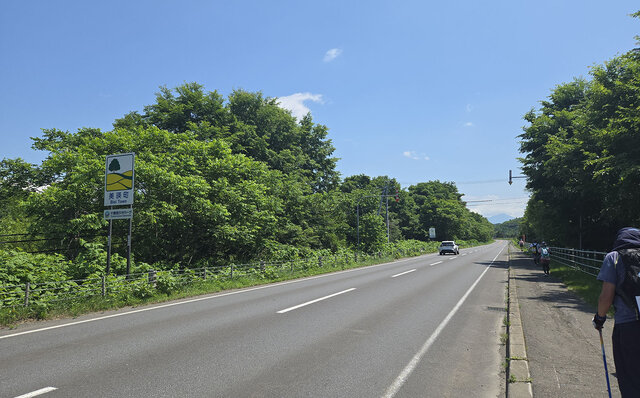
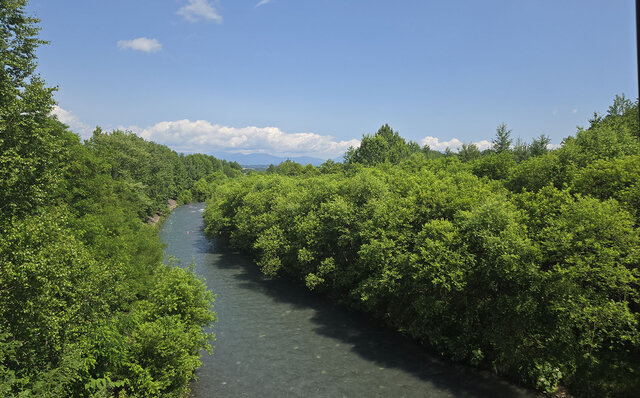
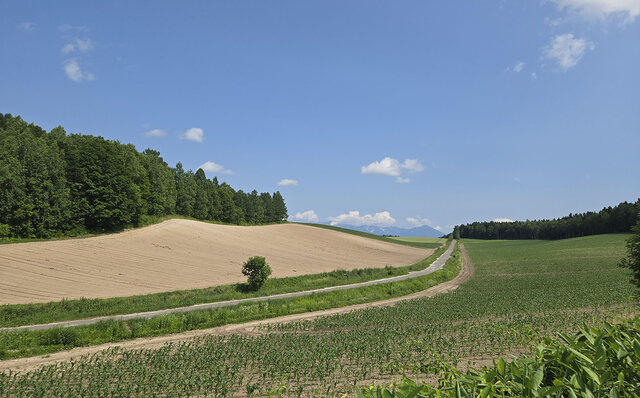
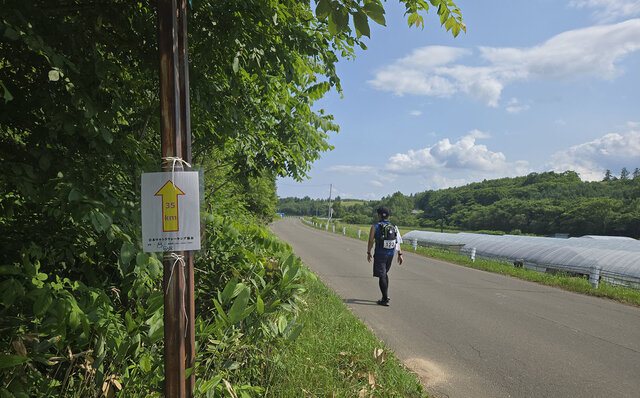
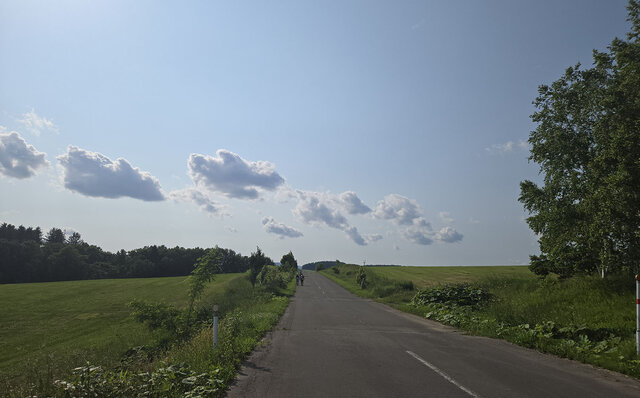
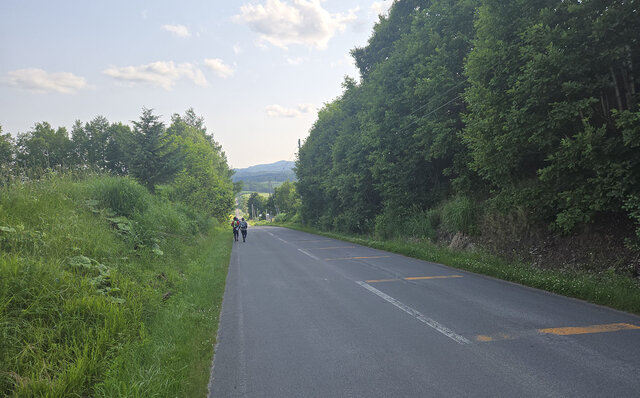
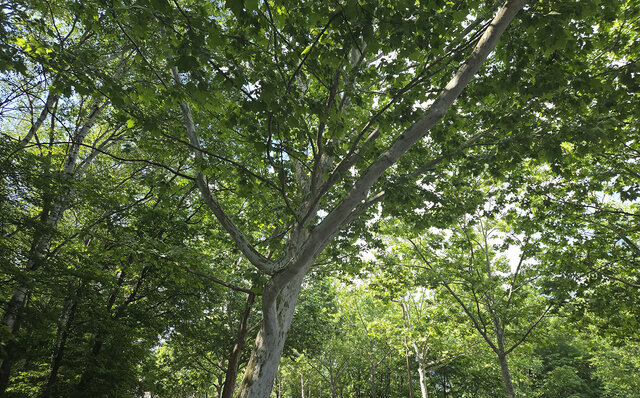
Gazing at the smoking Tokachi mountain range in the distance, the path led through endless fields. At the three aid stations along the way, local curry and castella cake were served, offering moments of pleasant interaction with fellow participants and staff. The fresh scent of trees, the sounds of birds and insects, and the murmur of water enveloped me. Despite the physical fatigue, my consciousness gradually drifted into a state of emptiness. Immersing myself in nature seemed to wash away extraneous thoughts, leaving my mind remarkably quiet.
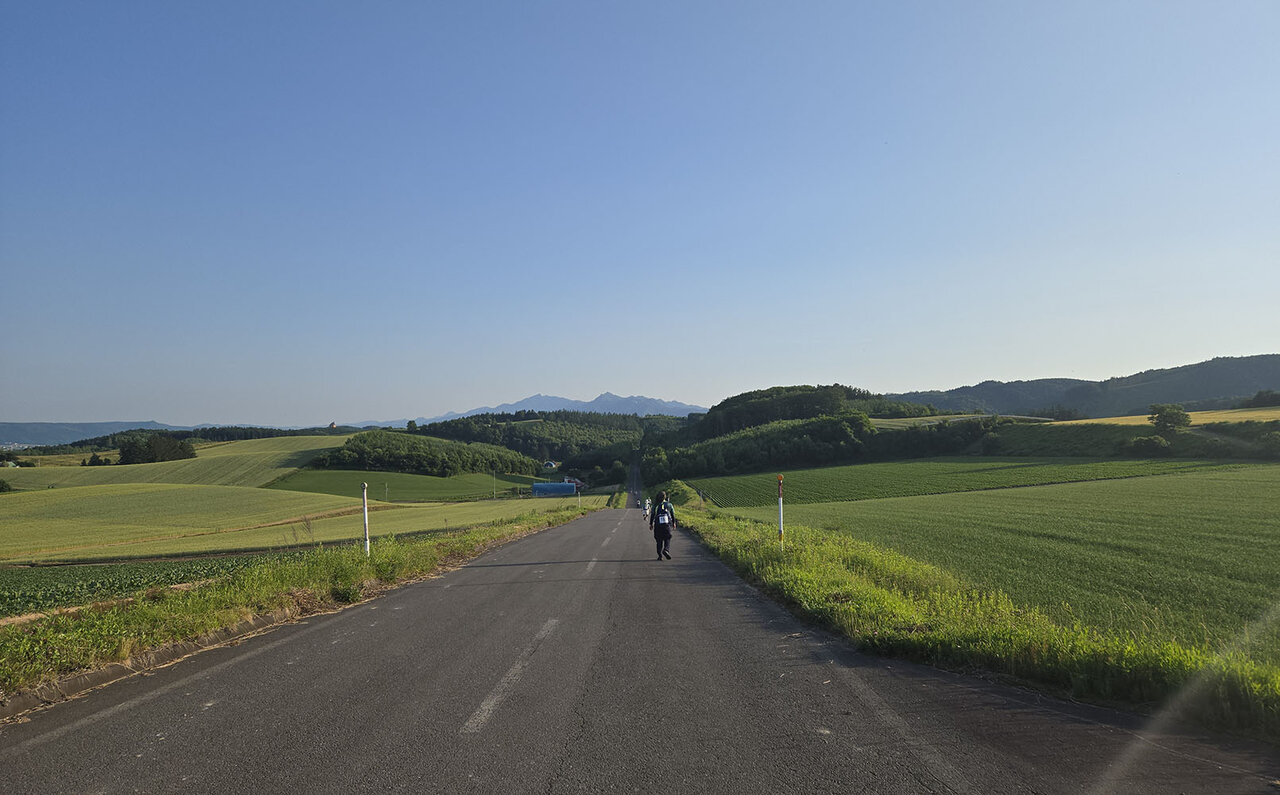
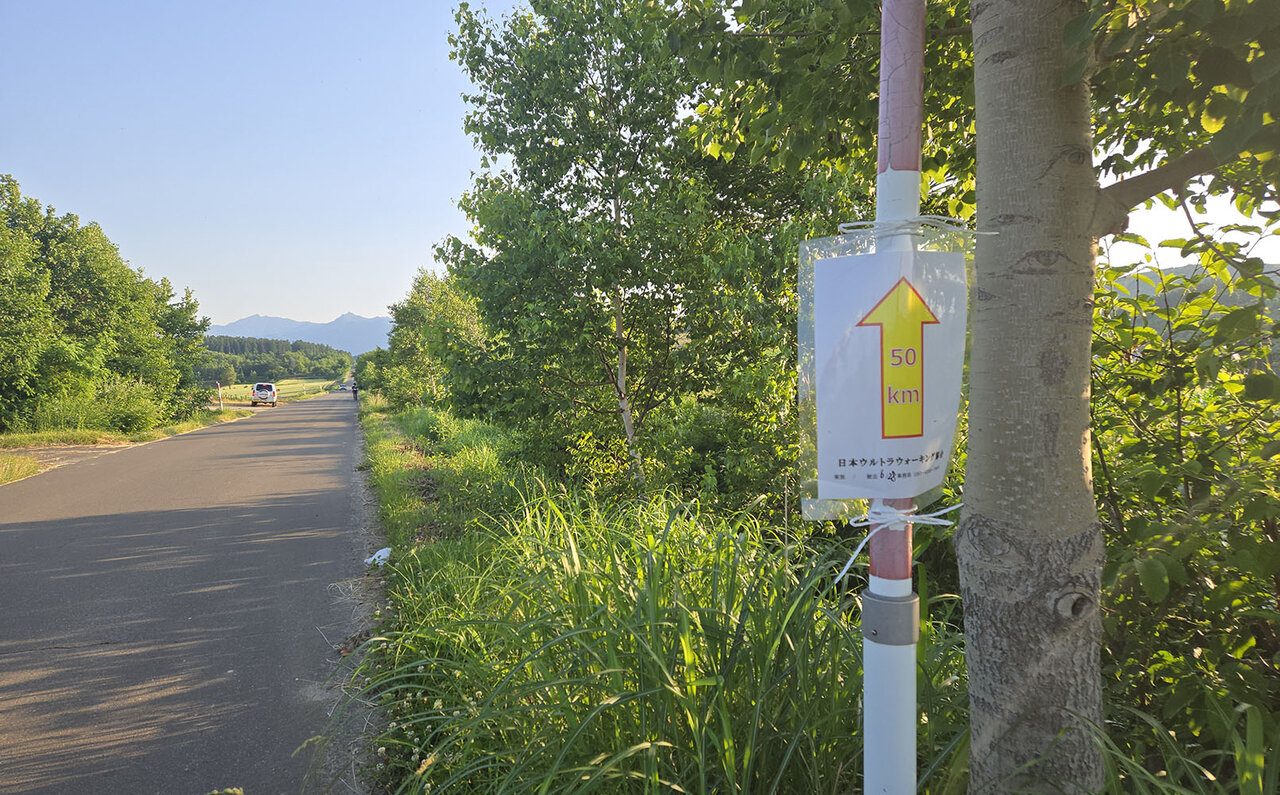
In the final stretch, the intense ups and downs of the so-called "Roller Coaster Road" took their toll, and I had to abandon the walk at the 50km mark. However, the sense of fulfillment I gained in the process was ineffable. Along the way, by embracing all of Furano's elements—earth, trees, wind, water, and sun—with my entire being, I was reminded of the certainty of life.
Although I didn't reach the finish line, the subsequent experience of relaxing my body at Nozo Hotel's Sugi Spa, savoring a meal rich with local ingredients at the Shirakaba restaurant, and then drifting off to sleep was a moment that reaffirmed the feeling of being a part of nature.
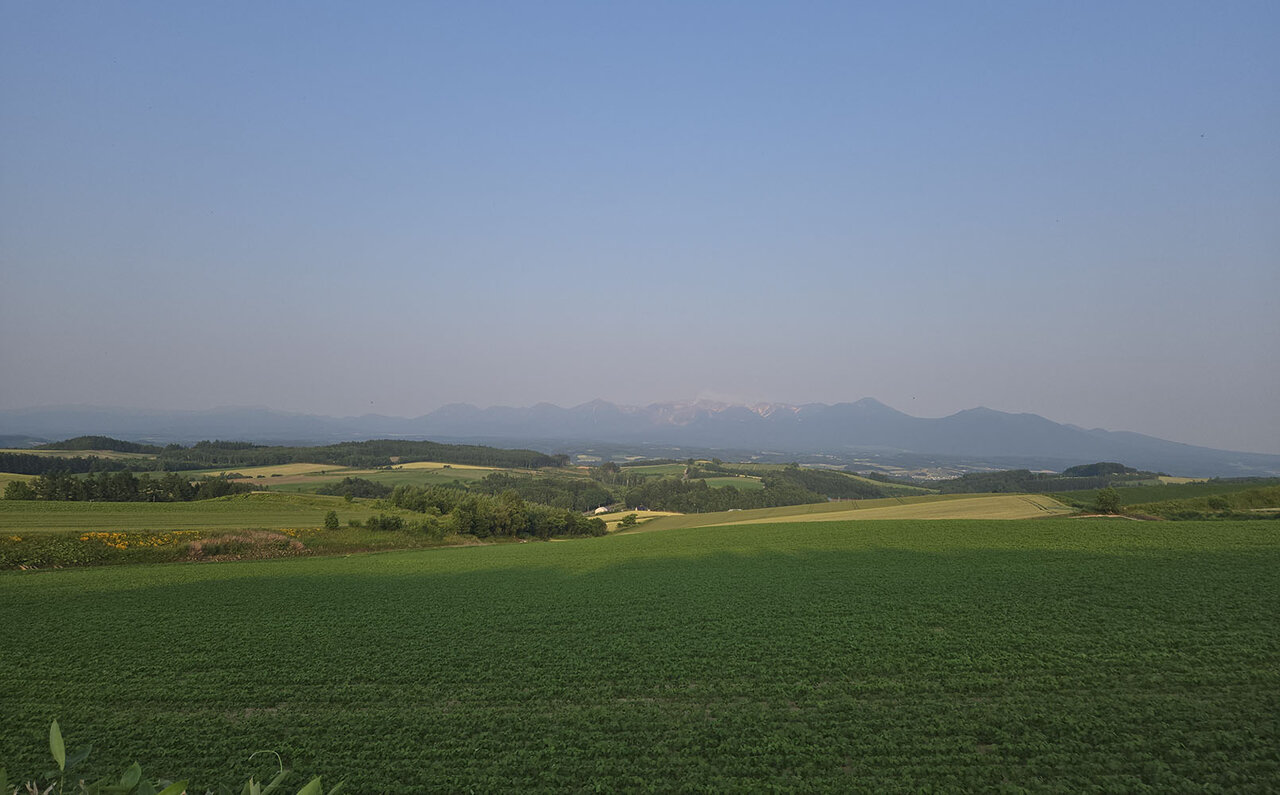
Walking through Furano is not merely about moving or exercising. It is an act of being embraced by this land, of being challenged by it, and yet, of touching its inherent richness. I strongly felt this. With the Furano Trail Run 2025 scheduled for September, why not consider participating?
Furano is undoubtedly being swept by the tide of tourism. However, the underlying philosophy of coexistence with nature remains timeless. Perhaps, as people from all over the world experience the essential charm of this land, cultural exchange will flourish, leading to the discovery of new facets of Furano.
Furano is by no means a purely idyllic land. It is a resilient and abundant place, possessing a strength that allows it to maintain its identity amidst the winds of change.
Nozo Hotel
Address | 14-38 Kitamine-cho, Furano City, Hokkaido
Address | 14-38 Kitamine-cho, Furano City, Hokkaido
Inquiries
Nozo Hotel
Tel. 0167-23-1088
https://nozohotel.com/