Contemplating Earth's Future in a Coral Village: A Coral Planting Experience | Sustainable Okinawa
What is Coral and Why is it Essential for the Sea?
The location for the coral planting experience is the sea in Onna Village, Okinawa Prefecture. Onna Village is a representative resort area in Okinawa. Coral farming began in 1999, and the planting of farmed coral into the sea started in 2003. In 2018, the village declared itself "The Most Coral-Friendly Village in the World."
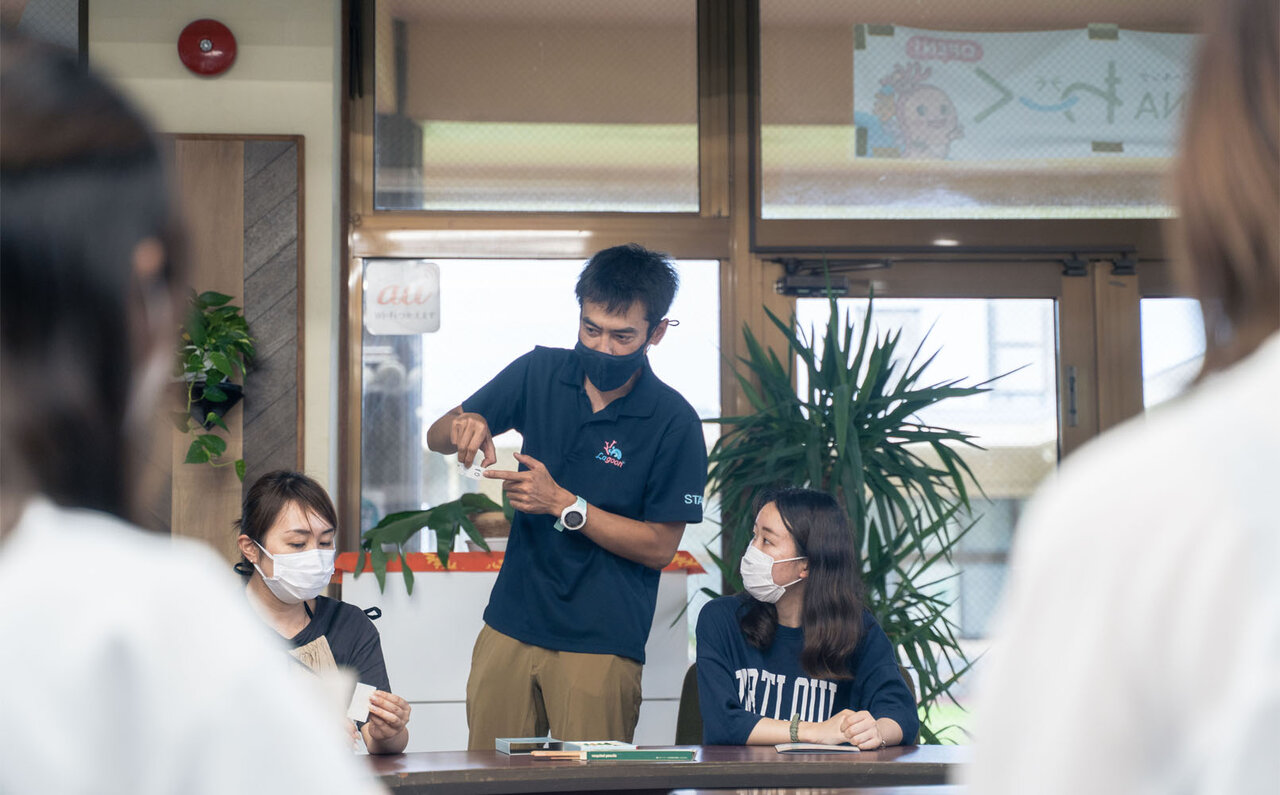
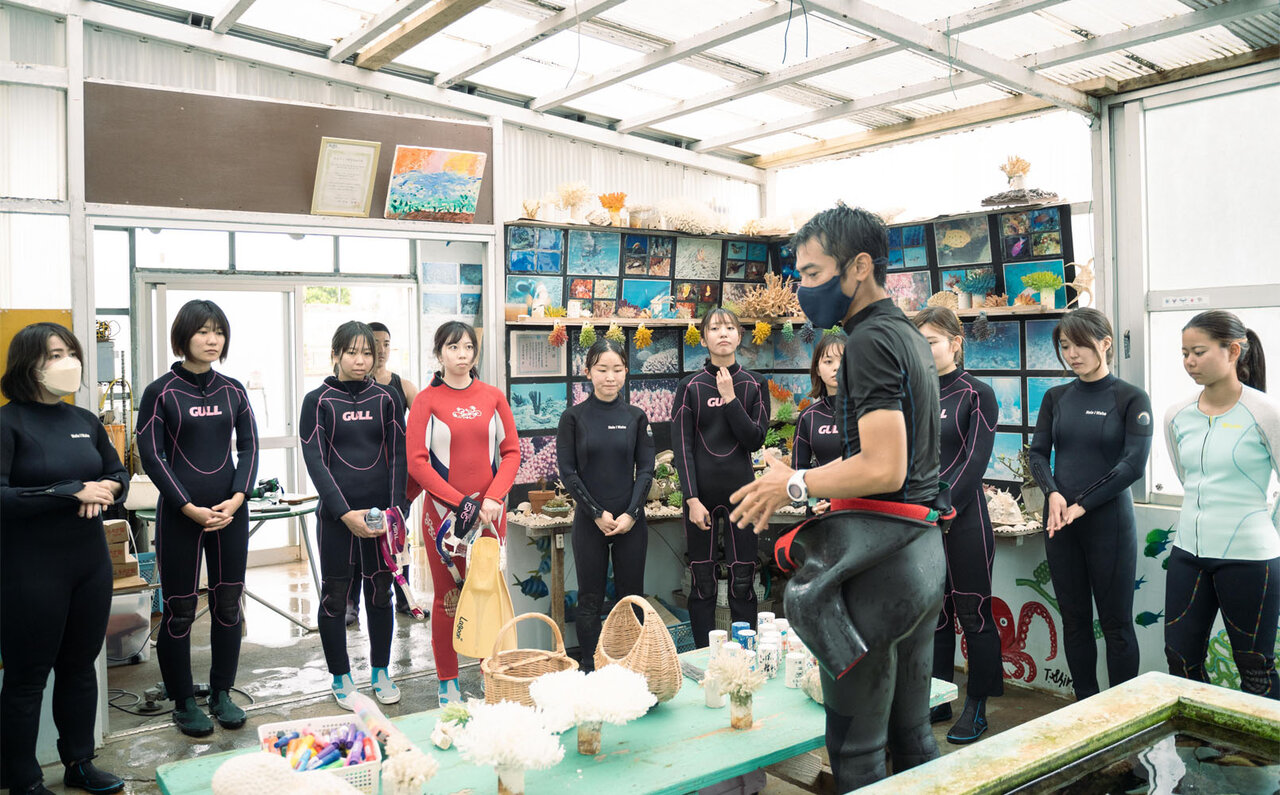
The coral planting experience is guided by Okinawa Diving Service Lagoon, a local business that has been involved in coral conservation activities in Onna Village for a long time. They provide support for the experience with their extensive knowledge and passion.
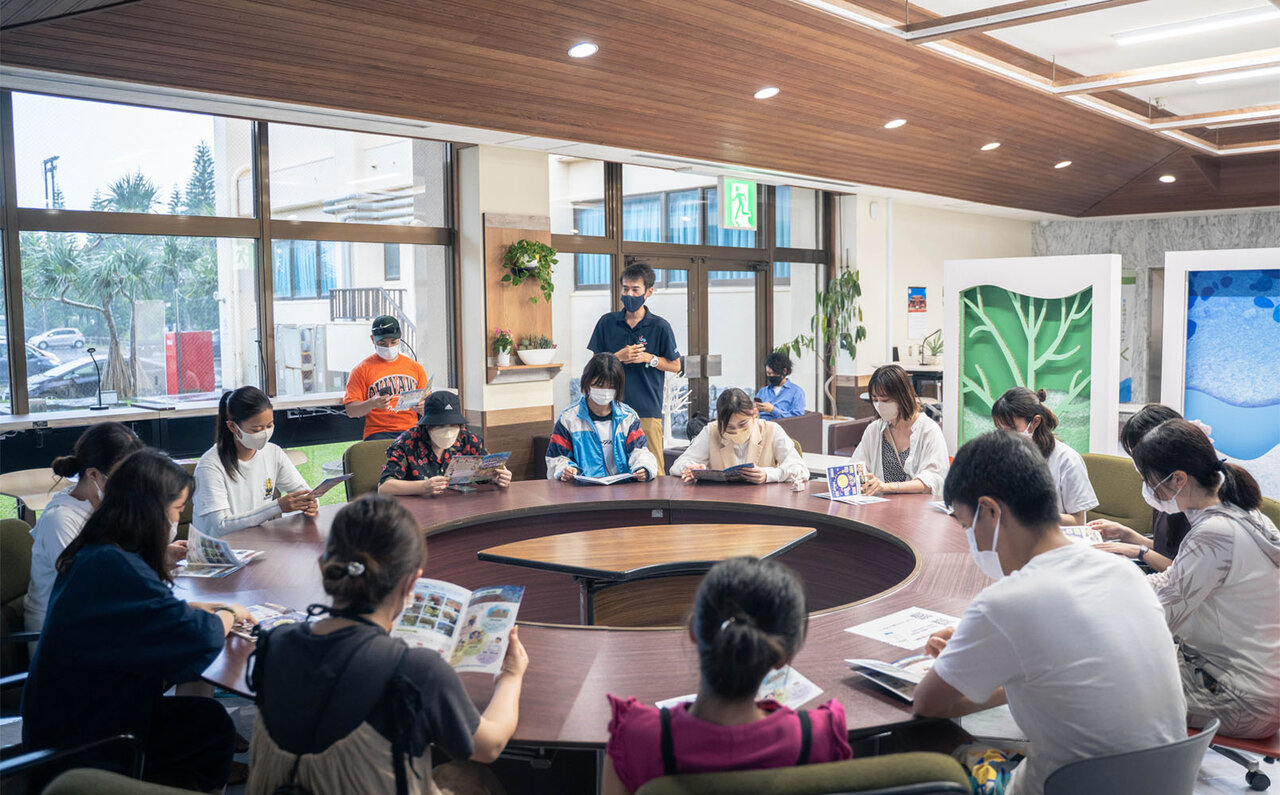
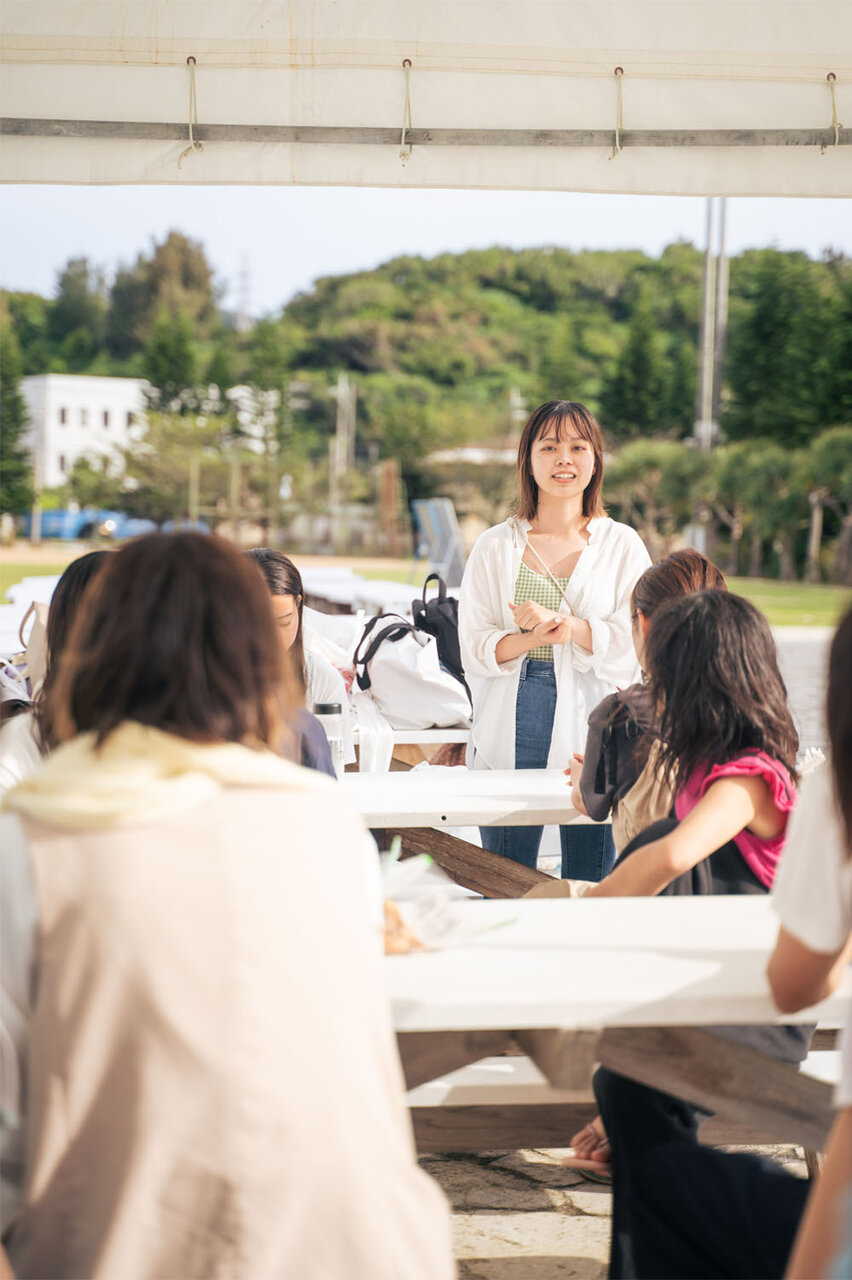
Before actually interacting with the coral, participants were carefully taught what coral is, why it is essential for the sea, and the current situation surrounding coral and the oceans in Okinawa.
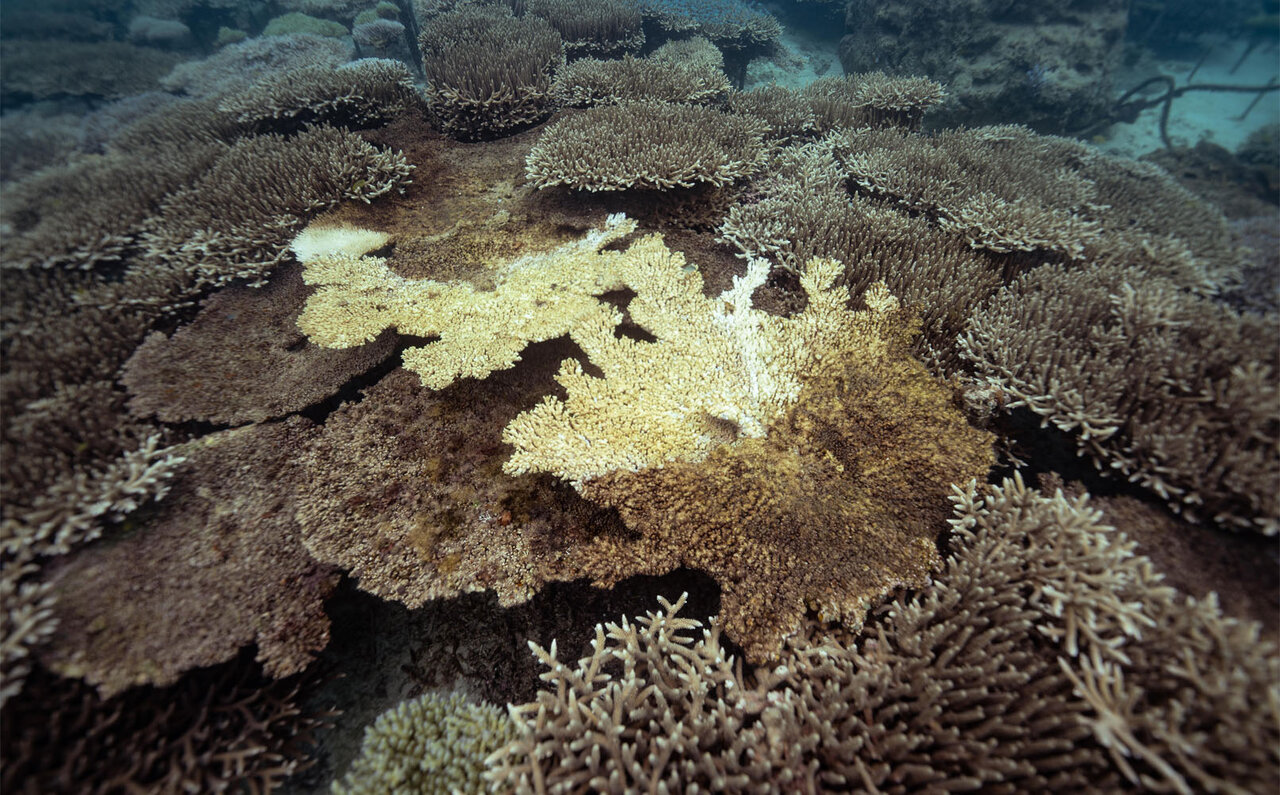
Specifically, "coral bleaching" occurs when corals and the symbiotic algae (zooxanthellae) that provide their main energy source experience stress due to extremely high seawater temperatures. If this condition persists, the corals gradually weaken and eventually die. This is a major global issue, and Okinawa has experienced three severe coral bleaching events in the past.
Due to various factors, coral reefs are in danger. Raising awareness about this situation among many people and changing their environmental consciousness is one of the goals of this journey.
After thoroughly learning about coral and expanding their knowledge, participants then had the opportunity to interact with the coral.
Onna Village has been cultivating coral for a long time, and this experience involved planting the cultivated coral seedlings into the sea.
Each participant selected a coral seedling they felt a connection with and secured it to a base using wire. As coral is sensitive to temperature, there was a palpable tension in their handling. Messages from the participants were written on the bases, creating unique coral seedlings.
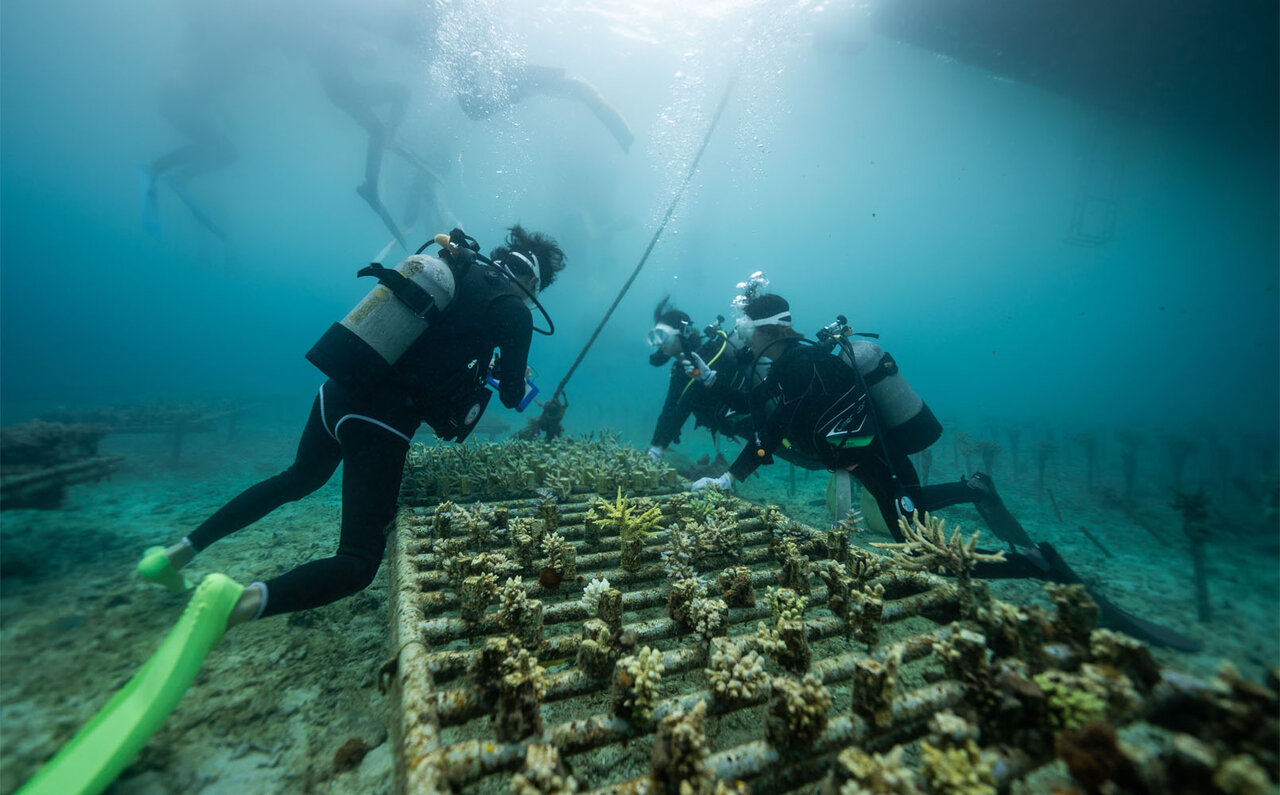
Afterward, participants moved by boat to a point with underwater facilities, where the actual planting began.
The seedlings created in this session will be nurtured in underwater facilities for a certain period, allowing them to integrate with the base and prepare for growth into magnificent coral reefs. The underwater facilities already contain seedlings planted by participants from six months prior, which are then retrieved to make way for new seedlings.
In this way, over many years, these small seedlings will eventually return to the natural environment.
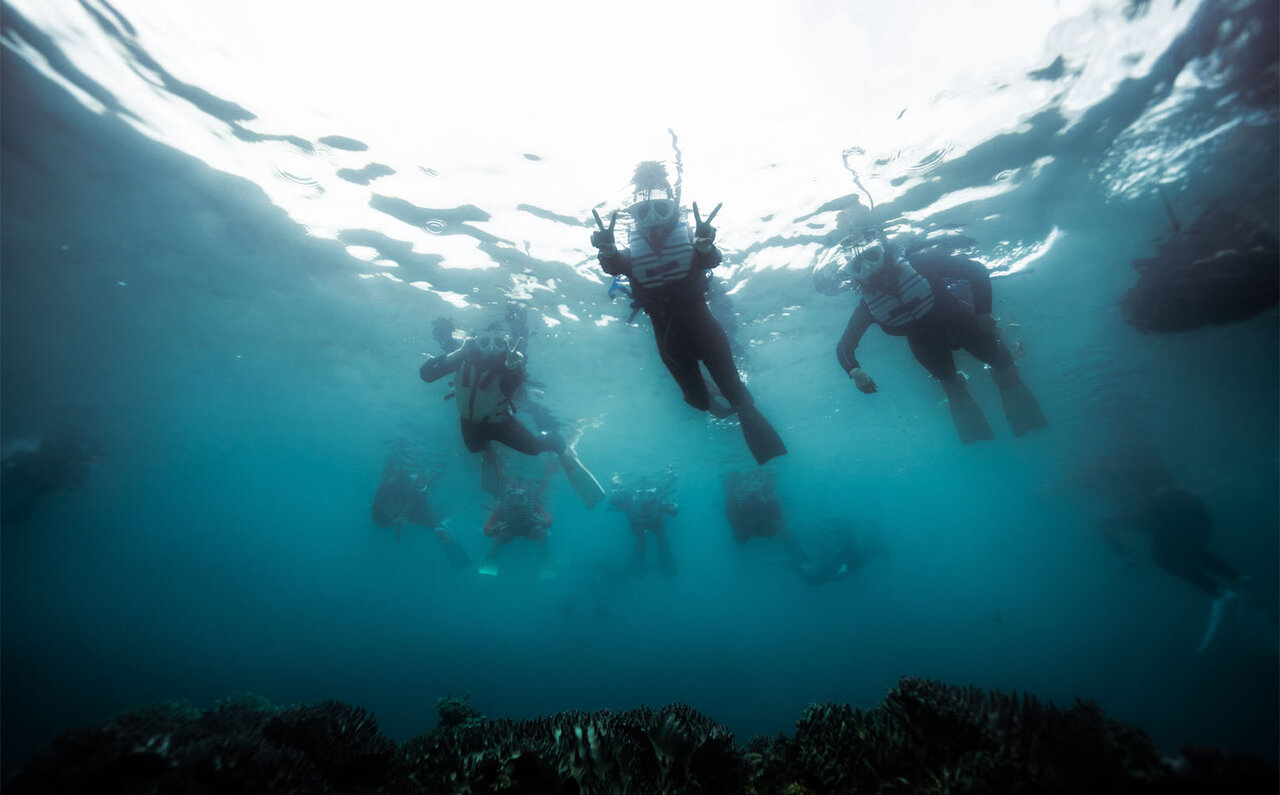
The Uchinaa students and participants were divided into two teams: one team for diving and planting, and another for snorkeling to observe the planting from above.
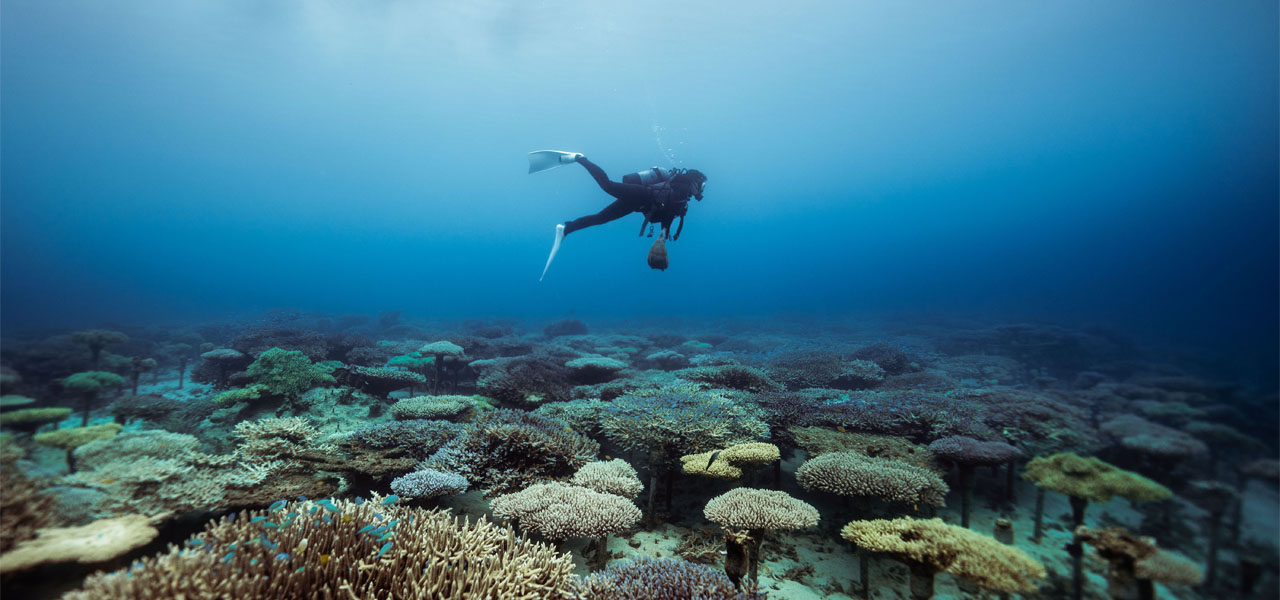
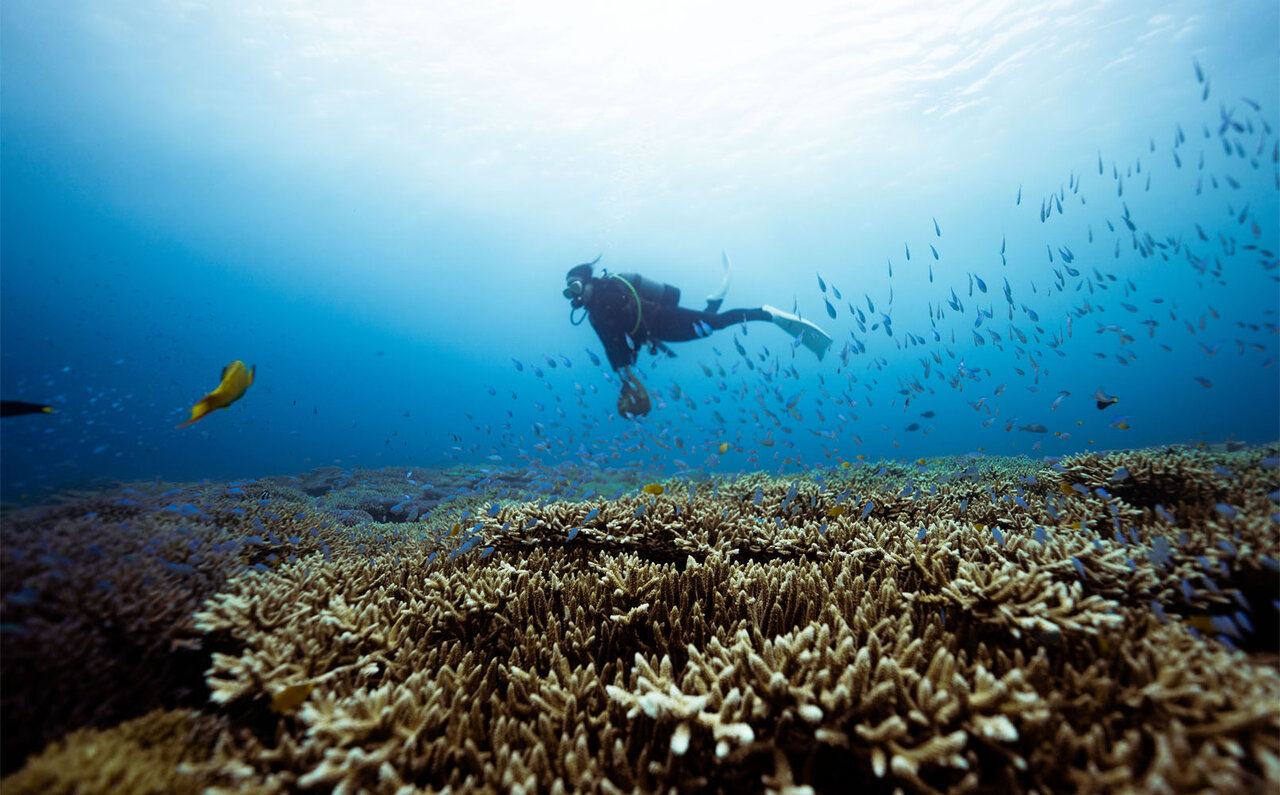
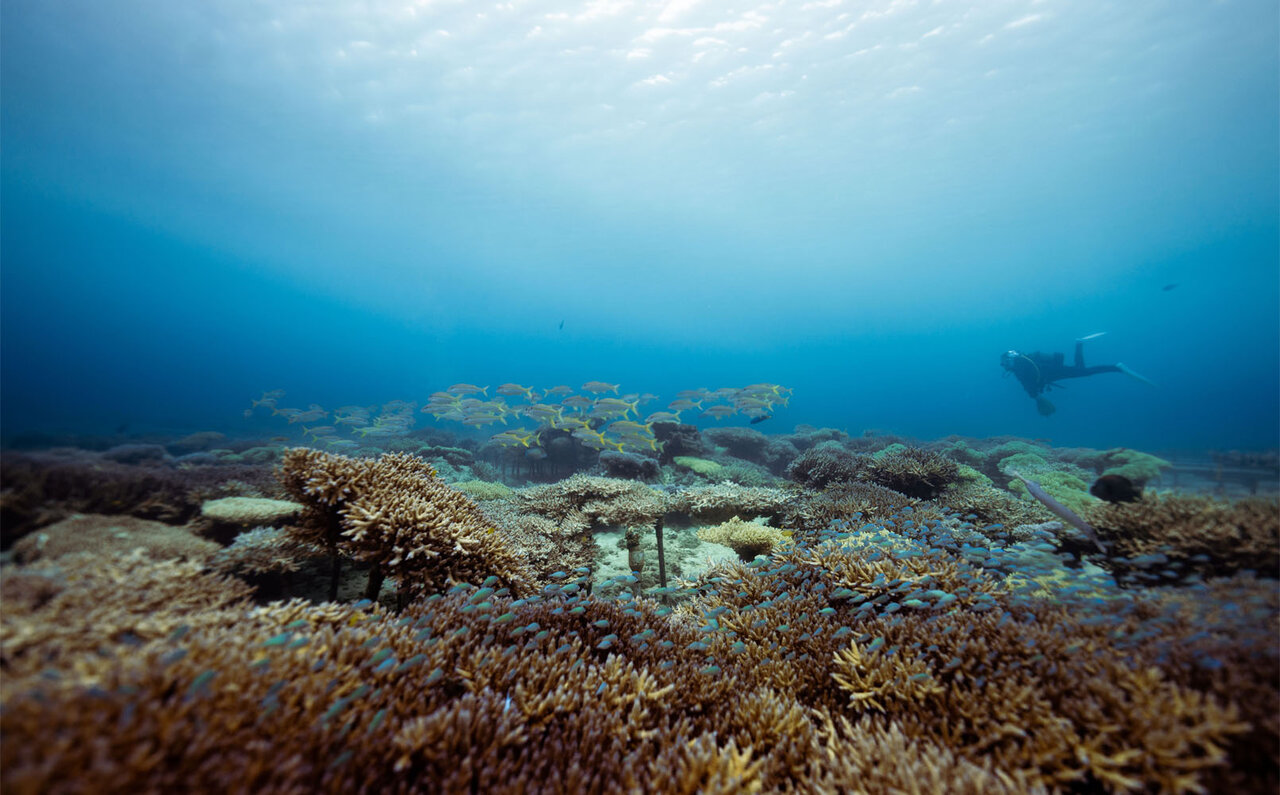
Entering the water revealed a fantastical world filled with various types of coral reefs and the fish that inhabit them.
The coral reefs in Onna Village were also once in a critical state, with the seabed resembling a barren wasteland. Recognizing the severity of the situation, local residents initiated efforts, leading to the spread of cultivated coral and its gradual regeneration over a long period. Today, it is beautifully integrated with nature.
Furthermore, the natural coral reefs, which have grown over decades, are awe-inspiring – a landscape truly worth preserving for the next century.
At the end of the experience, a group session was held with the Uchinaa students and participants to share their feelings from the day. By presenting and exchanging their thoughts, new insights emerged, deepening their reflections on the future.
Participants shared sentiments such as, "Coral that takes a long time to grow can disappear in an instant. We want to take action so that it doesn't end with our generation," expressing a tangible shift in their environmental awareness.
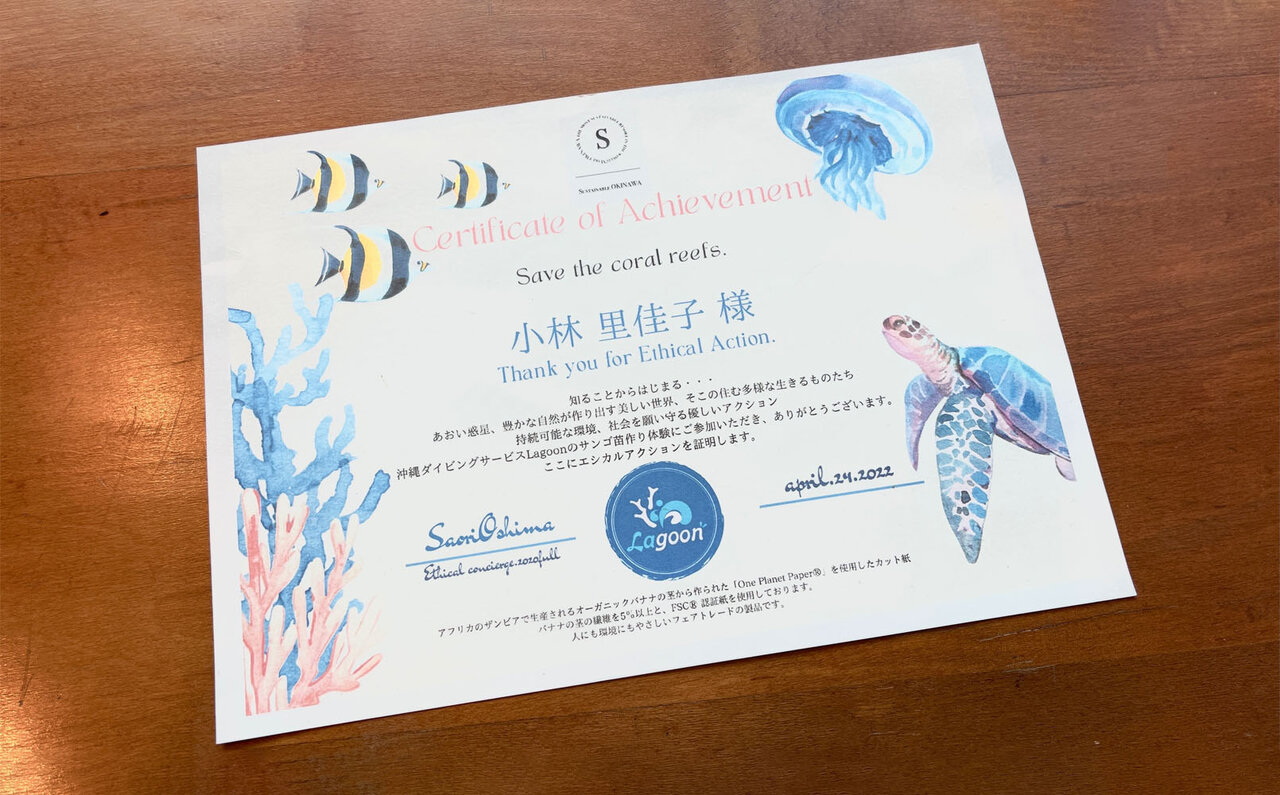
Finally, participants received a handmade "Coral Seedling Certificate" from Lagoon, marking the end of the coral planting experience.
Hitomi Muto, Representative Director of Sustainable Okinawa, established the organization with the intention of "realizing sustainability through more direct approaches," as exemplified by this event. She expressed her hope that the Uchinaa students and participants from across the country would continue to share their experiences from this journey with others upon returning home, and to keep taking action.
She also mentioned that they are planning various approaches for future activities, aiming to create a system where the actions of students who learn more about Okinawa and take action for it can become a proper part-time job.
For sustainability to be realized in the long term, the relationship between "environment, society, and economy" is fundamental. It is necessary to achieve sustainable economic growth while maintaining and enhancing the environment and society.
Muto explained that to create a sustainable future for Okinawa, adults must prepare the environment. This includes initiatives like collaborating with travel agencies to promote the "Uchinaa Journey" planned by university students as school trips, and establishing systems where Instagram activities can generate income.
This journey provided a powerful opportunity to feel strongly about what must be protected in the future by actually going, seeing, and touching. We encourage everyone to participate in an Uchinaa Journey and experience the "Local Good" of Okinawa.