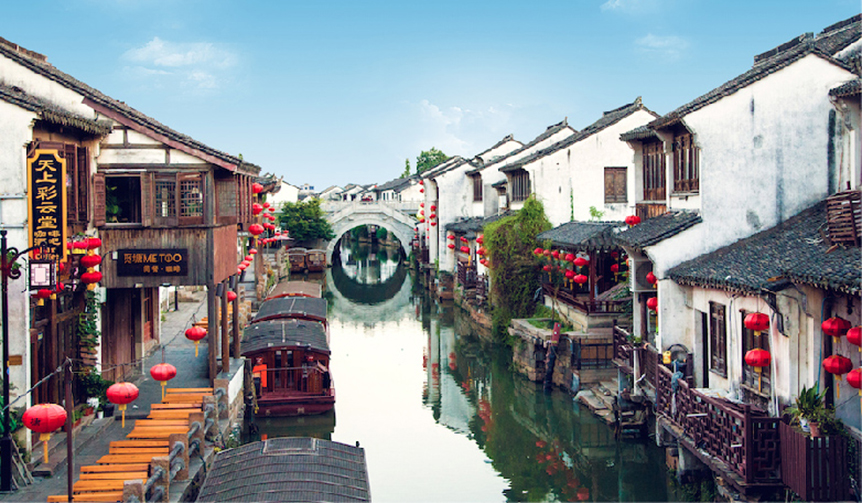
A Journey Through Time in Suzhou, the Venice of the East and a City of Abundant Water
A Journey Through Time in Suzhou, the Venice of the East and a City of Abundant Water
A Journey Through Time in Suzhou, the Venice of the East and a City of Abundant Water
While neighboring, China still holds many facets unknown to Japan. It boasts numerous regional cities with a charm distinct from international metropolises like Beijing and Shanghai. Suzhou is one such city. Dubbed the "Venice of the East," it is a city of water where one can also glimpse the enduring beauty of Chinese culture.
Text by MAKIGUCHI June
In Search of World Heritage Sites
Suzhou, a central city in Jiangsu Province, is located about an hour's drive from Shanghai Hongqiao International Airport. It is a beautiful city, rich in greenery and water, blessed with a subtropical monsoon climate. Its origins date back to around 500 BCE, during the Spring and Autumn period. With the construction of the Grand Canal, connecting Beijing and Hangzhou, in the early 7th century, Suzhou, situated along its route, became a vital trade hub. A network of canals, branching off the Grand Canal, crisscrossed the city, fostering further development. Suzhou reached its zenith during the Song (960-1279) and Yuan (1271-1468) dynasties. Today, it stands as one of the oldest cities in the Yangtze River Delta, boasting a history of approximately 2,500 years, and is a premier tourist destination in China.
In this city, which has the most rivers and bridges in China, people continue to live in harmony with the canals, and tourists can enjoy waterside scenery through cruises. Its reputation as the "Venice of the East" stems from this culture and rich history.
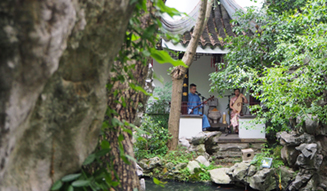
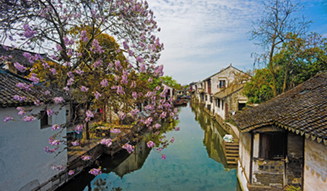
Zhouzhuang, provided by Suzhou Tourism
To fully experience this city of water, a stroll through its streets is recommended. The Shantang Historic and Cultural Block is a prime choice. Established during the Tang Dynasty, this district is lined with long-standing eateries, preserving the ambiance of its past. Boats still navigate the Shantang River, which has long supported the city's prosperity, creating an illusion of stepping into a movie scene.
If time permits, a visit to Zhouzhuang is highly recommended. Known as "China's No. 1 Water Town," Zhouzhuang is said to be the most quintessential Jiangnan water town. The town is surrounded by lakes, with canals running through its heart. Along these waterways, traditional shops, teahouses, textile workshops, and blacksmiths stand side by side. Wandering through the alleys feels like losing track of time amidst the traditional water town scenery.
A leisurely evening stroll through the illuminated streets is another delight. The warm, orange lights reflected on the water, shimmering gently, create an otherworldly atmosphere. Experiencing this dreamlike, surreal ambiance is one of Suzhou's unique pleasures.
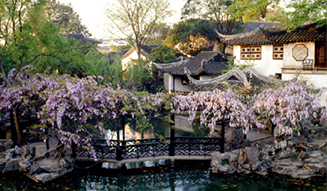
Alongside street exploration, a tour of the gardens, which began to be constructed during the Ming Dynasty (1368-1644), is highly recommended. Many exquisite gardens, utilizing the abundant water and favored by the literati of the past, remain. The canals, Kunqu opera, and silk weaving, along with the town's scenery and traditional culture, have been celebrated and inscribed as a UNESCO World Heritage site.
The first places to visit should be the renowned Suzhou's Four Great Gardens: Canglang Pavilion, Lion Grove Garden, Humble Administrator's Garden, and Lingering Garden. Among these, Lingering Garden and Humble Administrator's Garden are also counted among China's Four Great Gardens. The charm lies in appreciating the distinct styles of each era: Canglang Pavilion from the Song Dynasty (948-1264), Lion Grove Garden from the Yuan Dynasty (1271-1368), Humble Administrator's Garden from the Ming Dynasty (1369-1644), and Lingering Garden from the Qing Dynasty (1644-1911). Exploring these gardens offers a rich and delightful historical journey, akin to being a time traveler.
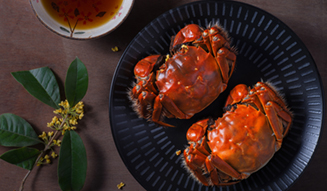
And, of course, the cuisine must not be forgotten. Globally famous from Suzhou is the Shanghai hairy crab. Despite its name, the primary region for its production is Jiangsu Province, where Suzhou is located. The crabs from Yangcheng Lake are particularly renowned and are called "Dazhaxie" in China. They are a popular autumn delicacy, with the females in October and males in November considered the most delicious.
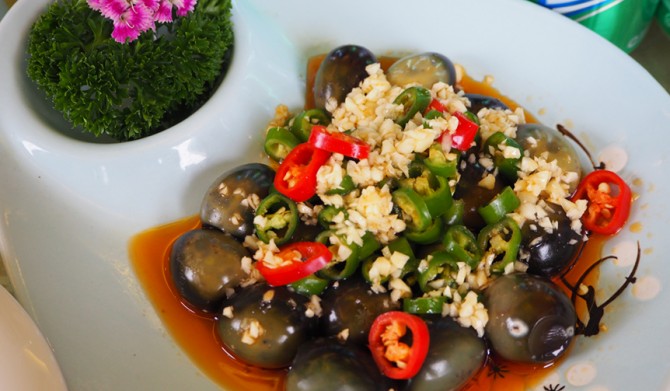
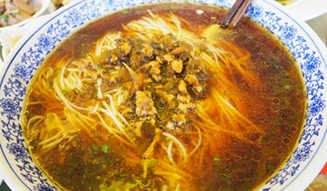
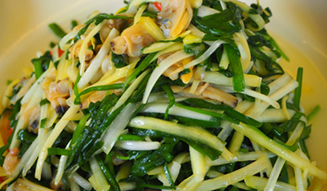
Jiangsu cuisine is characterized by its subtle yet profound flavors, emphasizing the natural taste of ingredients like freshwater fish and vegetables. The gentle seasoning, which enhances the umami from simmering fish, shrimp, and meat without overpowering them, is satisfying and appeals to the Japanese palate. The deeply flavorful soups, in particular, warm the stomach and stimulate the appetite. Many restaurants offer traditional Suzhou cuisine within traditional architectural settings, so choosing a place based on its exterior is part of the enjoyment. This region is also known for its loquats, and during the season, vendors can be seen throughout the city with bicycles laden with the fruit.
The people encountered in the city and restaurants are relaxed, broad-minded, cheerful, and warm. They are welcoming to travelers and give the impression of being very helpful. The city also preserves many historical sites from its prosperous past, making it a paradise for history enthusiasts. Suzhou offers the pleasure of enjoying the city's ambiance while reflecting on the good old days of China.
After immersing yourself in the architectural heritage of the Old City area, transitioning to the developing Jinji Lake area feels like a time travel from the past to the present. To experience Suzhou's diverse expressions, a stay by Jinji Lake is highly recommended. This area, a showcase of modern architecture, is lined with office buildings and luxury residences.
W Suzhou stands at the heart of this area. Since its opening on September 27, 2017, it has become a talked-about destination, attracting a sophisticated clientele of travelers from both China and abroad. The interior design, which interprets Suzhou's architectural heritage and natural landscapes through a contemporary lens, blending past and present, tradition and innovation, is a focal point for design aficionados.
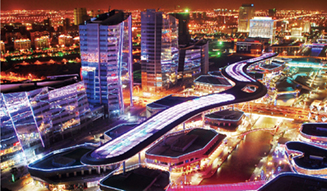
Provided by Suzhou Tourism
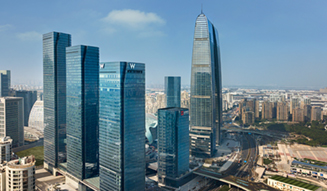
Traditional Suzhou elements such as "lakes," "rocks," "pavilions," and "gates" are used as key design elements throughout the hotel. The entrance, the first space guests step into, features the "Crystal Cloud" chandelier, made of two-toned acrylic and metal, which welcomes visitors with its changing illumination.
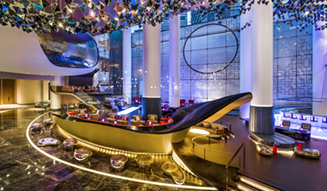
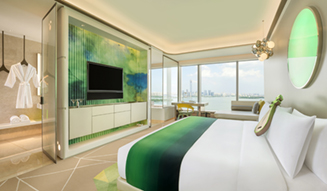
Beyond the entrance lies the "LIVING ROOM," which reinterprets Suzhou's historical elements through modern art and design. The "LIVING ROOM" is W's unique take on the traditional hotel lobby—a social space inspired by the land's characteristics and mood, crafted for comfort.
The pebble-shaped chairs evoke the rocks of classical gardens, while photographs capturing Suzhou's historical cityscape and contemporary images express the captivating interplay of Suzhou's past and future.
In the guest rooms, while incorporating elements of the city, all interiors—including the bathtub, desk, and bed—are designed to appear to float in space, overlooking the magnificent views of Jinji Lake.
The 60 serviced residences, designed for extended stays, are home to many business professionals from overseas, including Japan. This contributes to the international ambiance within the hotel.
For those seeking more than just Chinese cuisine, the spectacular restaurant "Toro Loco" on the 37th-38th floors offers Suzhou's first authentic Spanish dining experience, with panoramic views of all three of Suzhou's lakes.
The all-day dining restaurant "The Kitchen Table" serves familiar Western dishes.
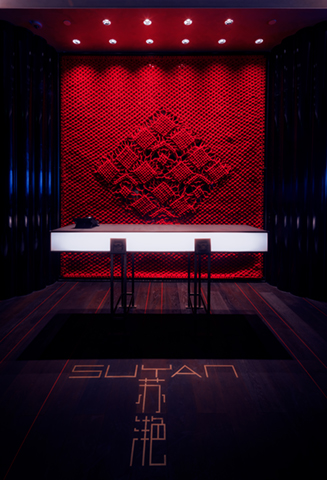
Naturally, the hotel also features a Chinese restaurant, "Su Yan," where the vibrant red tapestries, inspired by the local silk trade, are worth admiring.
Guests can also enjoy a rotating menu of Jiangsu and Chaozhou cuisine.
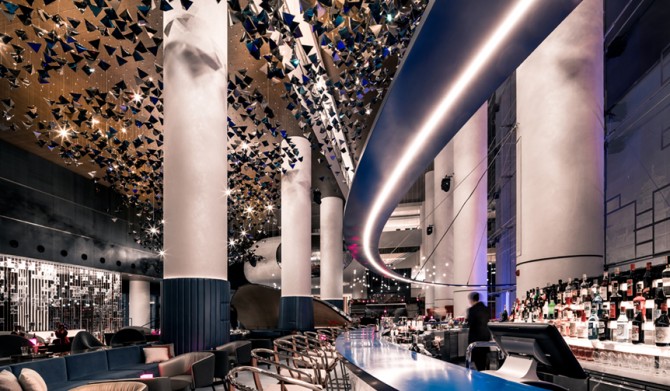
"WOOBAR," which serves as a lounge during the day and a cocktail bar at night, fosters social interaction. Its dynamic interior, with curved lines reminiscent of water flowing from indoors to outdoors, is a design marvel that appeals to enthusiasts.
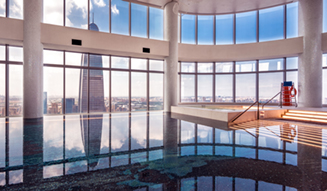
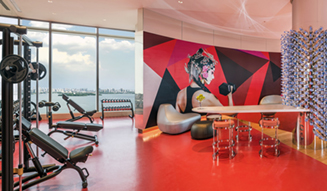
Guests can recharge in their preferred way by utilizing facilities such as the WET® pool on the 36th floor, the highest in Suzhou, and the AWAY® Spa overlooking Jinji Lake.
Anthony Ingham, Global Brand Leader for W Hotels Worldwide, commented as follows:
"Suzhou has transformed dramatically over the past decade. Embracing modern design, art, and culture, it is rapidly becoming a popular destination for travelers worldwide. We are excited to welcome guests to W Suzhou and to introduce the vibrant energy and bold design that W Hotels are known for to this burgeoning destination in China."
Suzhou, which also hosts the Art Biennale, is poised to become an increasingly significant center for creativity in China. This city of history, culture, and water is accessible from Shanghai in about 90 minutes by car or just 30 minutes by high-speed train. It is highly recommended to visit, even for a short trip, perhaps during a business trip to Shanghai or as an excursion during your travels.
■Suzhou Tourism
http://www.suzhoukankou.com/page/p2.html
■W Suzhou
https://www.marriott.co.jp/hotels/travel/szvwh-w-suzhou/