Series | To Adelaide, a Beautiful Boutique City Vol.2
A place to feel closer to nature
To Kangaroo Island, Australia's "Galapagos"
Among Australia's nature-rich cities, Adelaide is one where you can feel close to grand nature. Located about 143 kilometers offshore to the south is Kangaroo Island. Its total area is 4,430 square kilometers, making it the third-largest island in the country, twice the size of Tokyo. The island has one national park and 23 conservation parks. Because it was isolated from the mainland, it was not affected by humans or invasive species, thus preserving its untouched nature and endemic species. It is a paradise for wild flora and fauna, also called Australia's Galapagos.
Composition & Text by MAKIGUCHI June
Vol.2 UP-CLOSE and PERSONAL, WILD NATURE
Kangaroo Island is said to have been inhabited by the indigenous Aboriginal people about 10,000 years ago. It was rediscovered by the British explorer Matthew Flinders in 1802. The name originates from an episode that occurred when Flinders and his party, who would later circumnavigate the Australian continent and widely popularize the country's name "Australia," discovered and landed on this island.
©Tourism Australia
©South Australian Tourism Commission
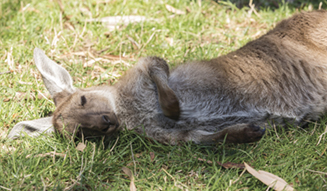
At that time, the Aboriginal people had already vanished from the island, and about 4,500 years had passed since their departure. The island had become a forgotten place. Upon landing, Flinders' party was short on food and water, and they sustained themselves by eating the many kangaroos (it is said that wallabies were also included among them) they found on the island. Flinders named the island in gratitude and respect for the kangaroos.
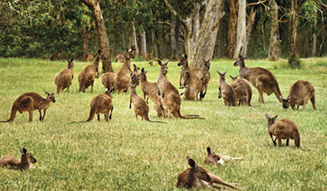
As you travel around the island, you will encounter many kangaroos. Their relaxed demeanor, even when seeing people, suggests they are loved and well-protected by the islanders. For a more certain encounter with wild kangaroos, head to Flinders Chase National Park. It spreads across the western part of the island, covering a vast 20% of its total area. It is located about 110 km from Kingscote, where the airport is, a drive of about 1.5 hours.
First, pay the entrance fee (A$11 per person) at the visitor center to enter. You can move freely within the grounds, but many wild animals inhabit the area, and some kangaroos may approach you without fear.
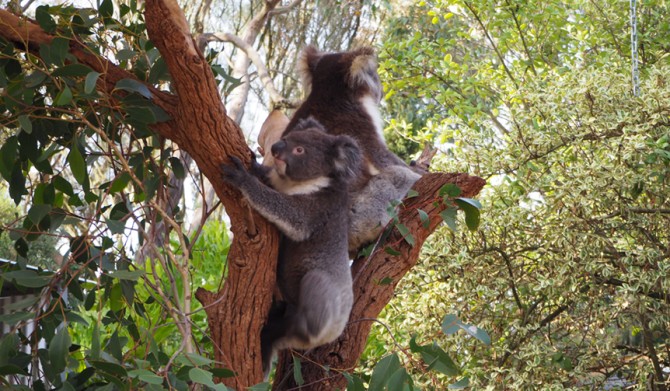
Also, the eucalyptus trees in the parking lot next to the visitor center are a prime spot for spotting koalas. The moment you see a wild koala perched in a eucalyptus tree for the first time is exciting, even for adults. Even before entering the park, you can feel that this is a "paradise for wild animals."
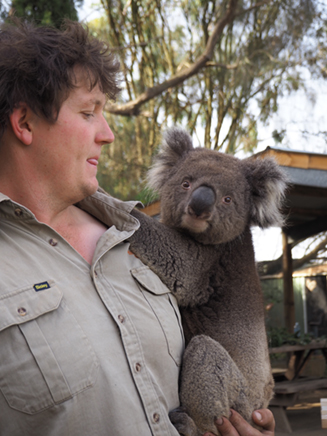
To get even closer to koalas, visit the Kangaroo Island Wildlife Park, one of the facilities where you can touch koalas. South Australia is one of only three states in Australia (the other two being Western Australia and Queensland; contact is prohibited in other states) that permit "koala cuddling."
On Kangaroo Island, this experience is available at the Kangaroo Island Wildlife Park. The koalas here have been rescued from injuries or accidents. To prevent them from becoming stressed, there are time limits and rules on how to hold them.
Within the tranquil park, you can observe the surprisingly active side of the koalas living at their own pace, offering a different perspective than observing them in the wild. This is one of the attractions.
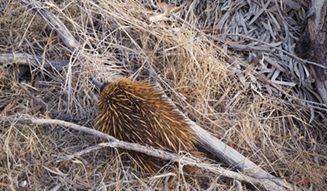
Simply driving through the vast park, you can encounter kangaroos, their smaller relatives the wallabies, koalas in the trees, and if you're lucky, rare endemic species like echidnas and platypuses.
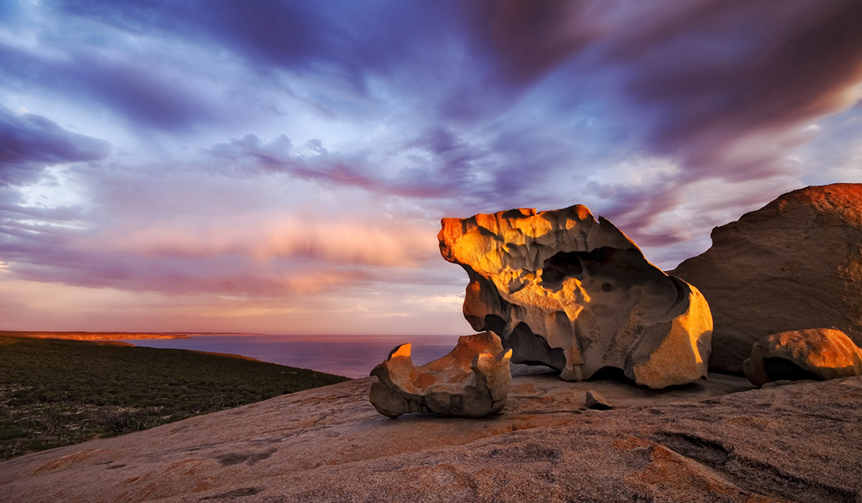
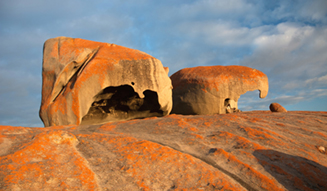
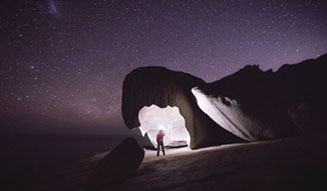
Within the national park, you can also encounter breathtaking natural landscapes. On the cliffs at the southwestern tip of the island stand the Remarkable Rocks, massive, strangely shaped rocks formed by erosion from wind, waves, and rain. These rocks, standing at a height of 30 meters with a miraculous balance, took hundreds of millions of years to form. Against the backdrop of the vast ocean with nothing to obstruct the view, their imposing presence is truly awe-inspiring and makes you want to gaze at them forever. They are truly works of art created by nature.
©Exceptional Kangaroo Island
©Will Cho
Nearby is Admiral's Arch, formed over many years by wind and waves eroding the interior of a protruding cape into an arch shape. The iconic lighthouse with a red cap, standing on the cape, serves as a landmark. Following the boardwalk from there, stairs descend the cliff. At the end lies a viewing area. Through the arch, you can witness the rough waves of the Southern Ocean that created this formation. Considering that the only continent to the south is Antarctica, this scenery gains an even greater sense of mystery. In the vicinity, you can also observe New Zealand fur seals resting.
©South Australian Tourism Commission
©Southern Ocean Lodge
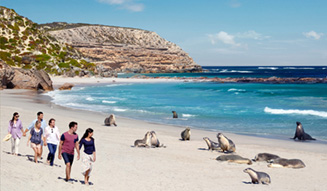
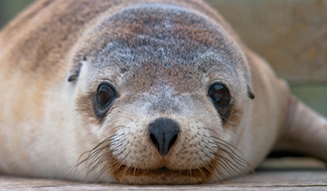
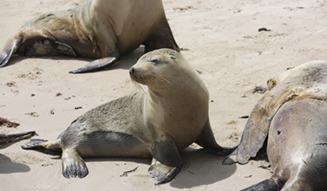
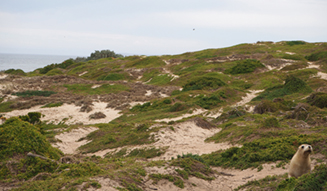
Kangaroo Island is also famous for allowing close encounters with wild sea lions. Seal Bay Conservation Park is located about 50 km south of Kingscote, a drive of about 45 minutes. It is home to the second-largest sea lion colony in Australia, where you can observe many Australian sea lions up close. While the sight of wild sea lions, a protected species, lounging around is endearing, it is a rare experience to watch them, sometimes playing with their pups or engaging in minor scuffles between males, in an open space without fences or cages, and at a distance of only a few meters. While the visitor center, where you can learn about the ecology and conservation efforts of sea lions, is free to enter, to walk on the beach where wild sea lions nap and approach them, you must either arrange for a ranger escort or join one of the approximately 45-minute guided tours offered about 10 times a day. Listening to the explanations from rangers with their extensive knowledge and experience while observing the sea lions is a special moment.
©Tourism Australia
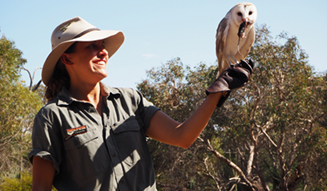
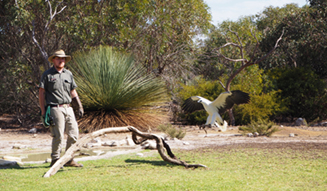
The island is also renowned as a paradise for wild birds. At Raptor Domain, you can enjoy learning about the ecology of birds, including birds of prey, through flight and hunting demonstrations, and also have the valuable experience of interacting with them. Beyond that, the island offers endless enjoyment, from swimming with dolphins to visiting Penneshaw, a town where wild penguins walk.
A place to feel closer to nature
To Kangaroo Island, Australia's "Galapagos" (2)
While opportunities to encounter wildlife are abundant, there is no public transportation on the island, so you will need to join a tour or rent a car. Furthermore, some areas are inaccessible without a guide, and many rare plants and animals can only be encountered through the experience and intuition of seasoned guides. Private tours can be arranged according to the animals you wish to see and the places you want to visit, so it is highly recommended to seek professional support to fully experience Australia's great nature.
Kangaroo Island, a treasure trove of nature, is a place that even Australians living amidst abundant nature express a desire to visit at least once. Kangaroo Island, which holds such strong allure for many, is easily accessible from Adelaide.
From Adelaide Airport, a short flight of about 25 minutes on a small plane will take you to Kingscote Airport. You can reach this different world in 1.5 hours by bus from the city or 45 minutes by ferry.
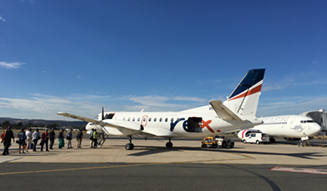
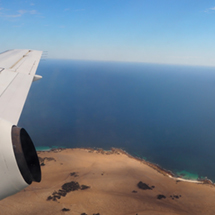
Approaching from the air, you can see the island, wild and covered in trees, surrounded by emerald green seas, heightening your anticipation for the journey. As the island is less than a 30-minute trip from the city, many day tours are available. However, there are also beautiful, secluded beaches scattered throughout, and once you visit, you will surely want to stay longer. With few streetlights even in the town, you are likely to see a sky full of stars at night. It is recommended to plan for at least a two-night, three-day stay.
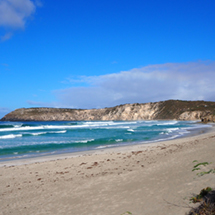
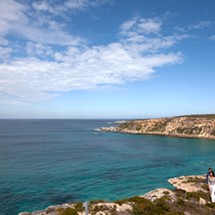
©Tourism Australia
If you unfortunately don't have time to visit Kangaroo Island, Cleland Wildlife Park, located about a 20-minute drive from the center of Adelaide, is a must-visit. Australian native animals are kept in an environment close to their natural habitat. You can cuddle koalas and interact with kangaroos, wallabies, wombats, and quokkas, which are currently popular on social media, making it a paradise for animal lovers. You can freely walk through the animals' enclosures, and unless there are warning signs, feeding is generally permitted.
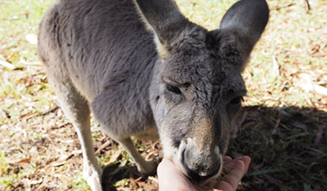
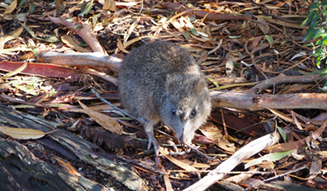
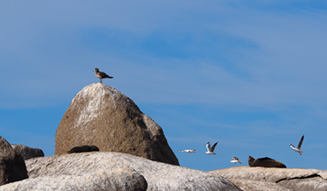
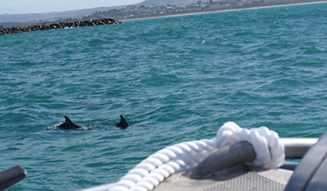
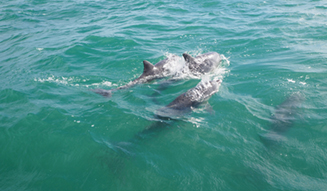
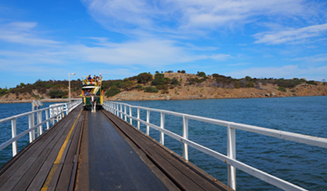
In Victor Harbor, facing Encounter Bay, about a 1.5-hour drive south of Adelaide, there are boat tours to see wild sea lions, dolphins, and seabirds. It's also exciting that dolphins often appear to greet you and swim alongside the boat on your way to the island. A horse-drawn tram operates between Victor Harbor and Granite Island, delighting tourists with its unique scenery. Be sure to enjoy the magnificent Australian nature, unique to this continent, with Adelaide as your base.
This area, a delight for nature lovers, is also rich in delicious food born from the blessings of nature, including Kangaroo Island. There's honey, cheese, olive oil, and of course, wine. Next time, we will delve into the world of gourmet food that South Australia, which produces about 70% of Australian wine, proudly offers. Details will be in the next installment, Vol.3 FOOD & WINE.
Tourism Australia
http://www.australia.jp
South Australian Tourism Commission
http://tourism.sa.gov.au/
Flinders Chase National Park
https://www.environment.sa.gov.au/parks/find-a-park/Browse_by_region/kangaroo-island/flinders-chase-national-park
Seal Bay Conservation Park
http://www.environment.sa.gov.au/sealbay
Kangaroo Island Wildlife Park
http://www.kiwildlifepark.com/index.html
Raptor Domain
http://www.kangarooislandbirdsofprey.com.au/
Island Tours
Kangaroo Island Wilderness Tours
http://wildnesstours.com.au
Cleland Wildlife Park
http://www.clelandwildlifepark.sa.gov.au/Home
Victor Harbor
http://horsedrawntram.com.au/
Boat Tours
The Big Duck Tours
http://thebigduck.com.au