Finnish SAUNA is, after all, the best!! | TRAVEL
Visit Finland
In Search of the Origins of SAUNA, to Finland.
At Kuusamo, the Gateway to Lapland
We Discovered the Most Traditional Smoke Sauna (1)
Finland is the mecca of SAUNA. Recently, sauna enthusiasts are called "SAUNNER," and for them, Finland is a land of dreams. Of course, SAUNA is a Finnish word. According to locals, its origin means "steam bath." However, it was striking that Finns pronounce it "Sona," not "Sauna." They said "Sona, Sona" so much that at first, I didn't understand what they were talking about; their pronunciation was so different from ours.
Text by Takashi Tsuchida (OPENERS)
Surprisingly Many Misconceptions We Had About SAUNA
While we're on the topic of words, here's another one. "Löyly," which is currently very popular in Japanese "sento" (public baths), is also a Finnish word. However, it is used incorrectly in Japan.
The origin of the word löyly is pouring water onto hot stones. The act of generating steam itself is expressed as löyly. However, in Japanese sento, löyly is interpreted as sending hot air. While pouring water on the stove (often with aromatic water) to heat the sauna room is not incorrect, the correct term to describe that service is the German word "Aufguss."
This is the act where staff pour water on the stove to generate steam, then wave towels to send hot air to the guests. Of course, the authentic method does not use giant uchiwa fans.
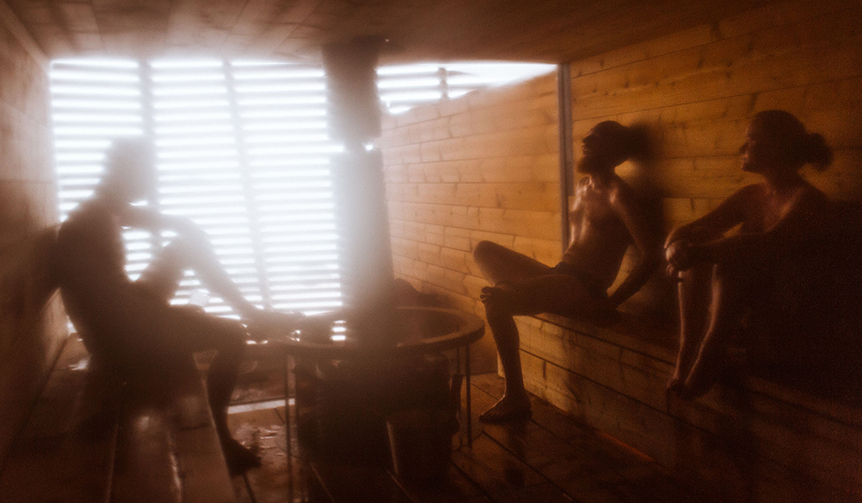
Now, as I've been describing without explanation until now, Finnish SAUNA is a wet sauna where steam is created by pouring water onto sauna stones. However, Japanese SAUNA is a dry sauna, a method of heating the air itself. This is why Japanese and Finnish SAUNA are completely different.
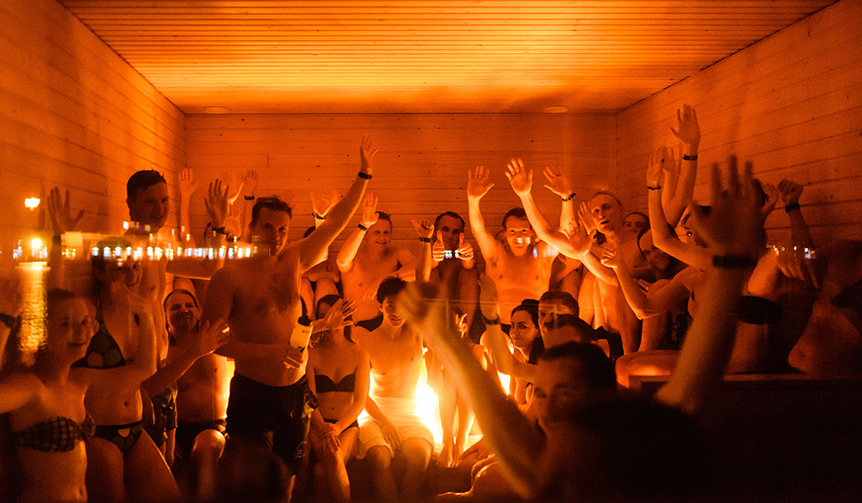
This difference even changes how one spends time in the sauna room. In Finland, communication in the sauna is natural, but in Japan, stoic sauna-goers might get annoyed if you chat idly.
There, they are not companions who share the same rice bowl, but companions who share the same sauna steam. I will elaborate on this difference later.
©Eero Ahanen (Visit Finland)
©Eero Ahanen (Visit Finland)
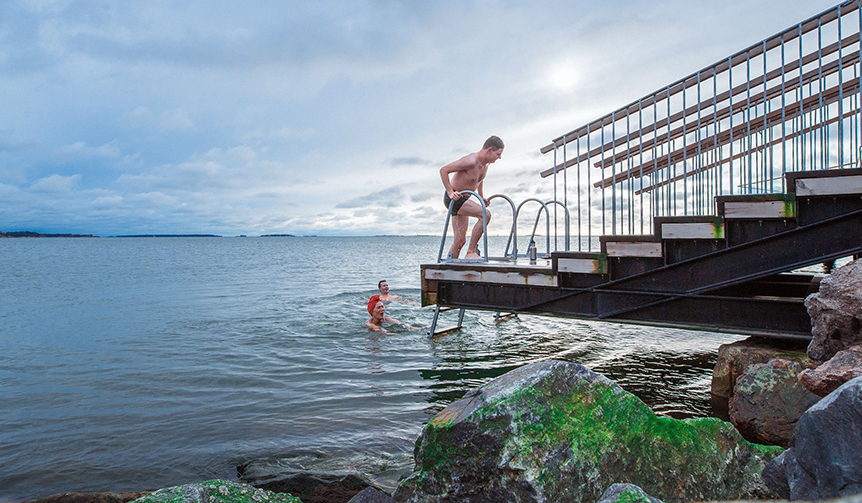
©Harri Tarvainen
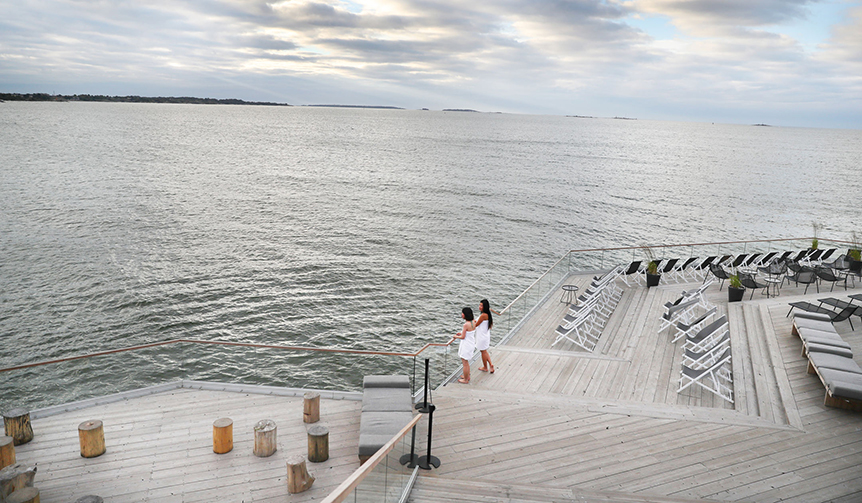
©Harri Tarvainen
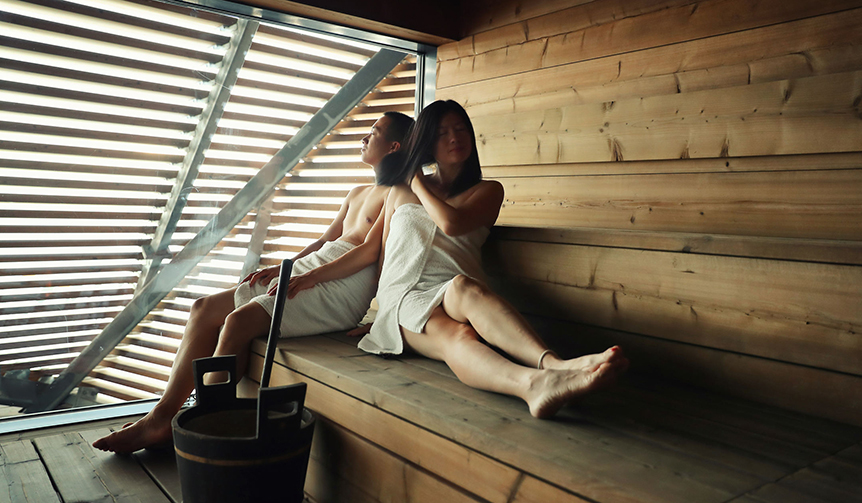
Löyly, a popular sauna facility among Helsinki's youth, opened in 2016. It's similar to a "super sento" in Japan. Swimsuits are worn in the sauna, and for cooling down, you can go straight into the sea! (http://www.loylyhelsinki.fi/en/front-page/)
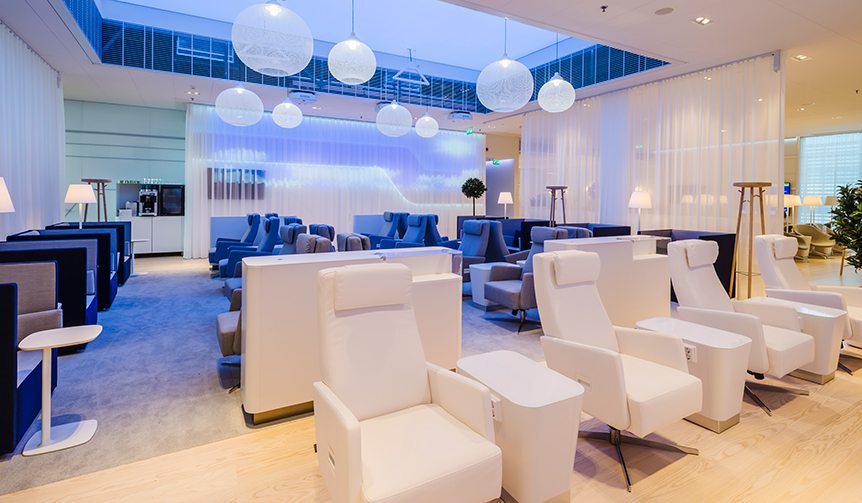
As expected, modern Finns are also quite fond of SAUNA. Finnair's premium lounge at Helsinki Airport even has a SAUNA. It's a gesture of hospitality, perhaps saying, "Have a sauna before you hop on your flight!"
Also, most executive floors of large companies have a SAUNA. Important decisions are made in the SAUNA. This is also a Finnish custom. Apparently, there's even a SAUNA in the parliament building.
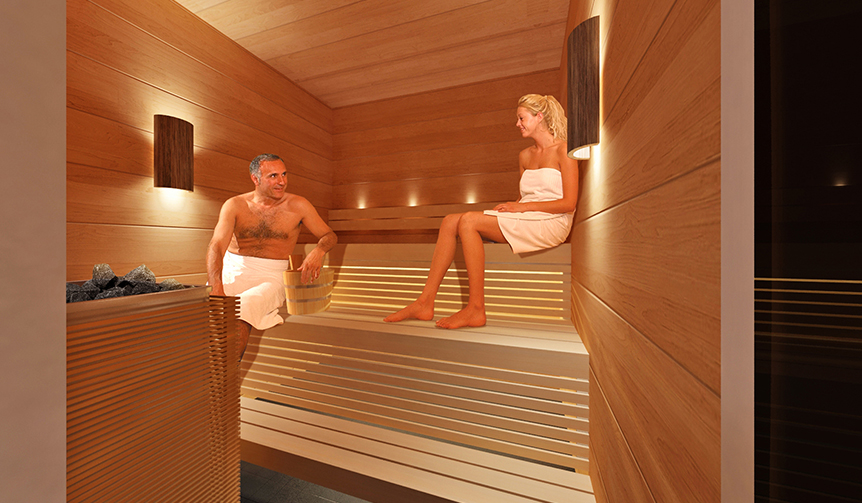
Finnair's premium lounge at Helsinki Airport.
©Okko Oinonen
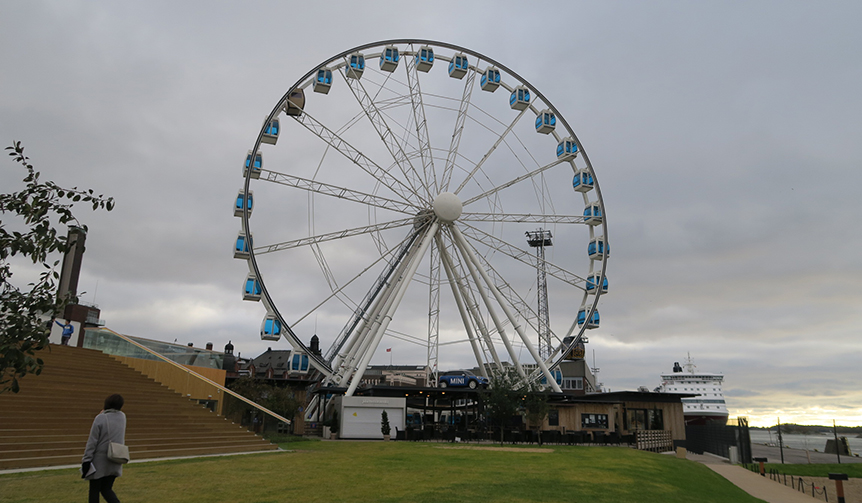
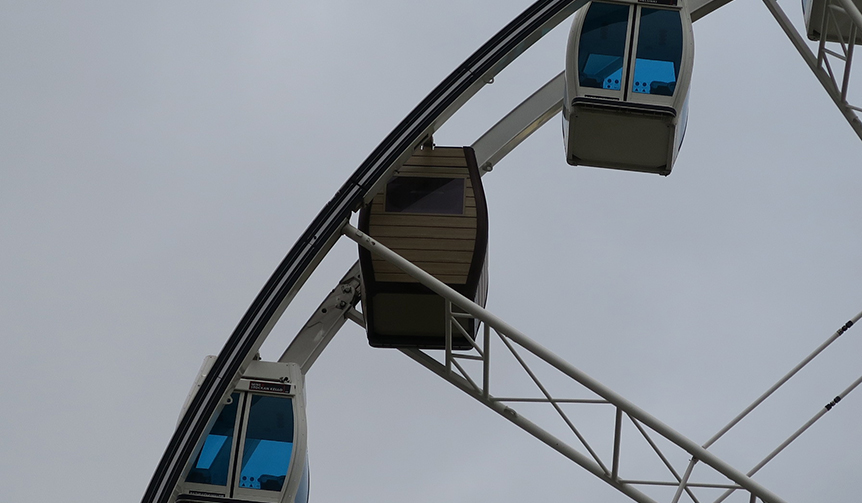
Furthermore, one of the Ferris wheels in the city center of Helsinki has private sauna cabins. The SKY-WHEEL costs 240 euros per hour for 4 people (approx. 29,000 yen as of February 10, 2016), including drinks. I also heard about gondolas at ski resorts being converted into saunas.
It seems Finns are willing to go to great lengths for a laugh.
And in Helsinki, there are public SAUNAS, not public baths. They are like public baths in Japan. These are saunas for daily life, not for leisure like super sento.
Most Finnish homes, including rental apartments, have their own SAUNA, so the situation is similar to Japanese public baths. A few public saunas remain in major urban areas for the minority who live without a sauna in their homes.
In the past, saunas were mixed-gender, but today's public saunas are separated by gender. However, this is not the case for private saunas away from the city.
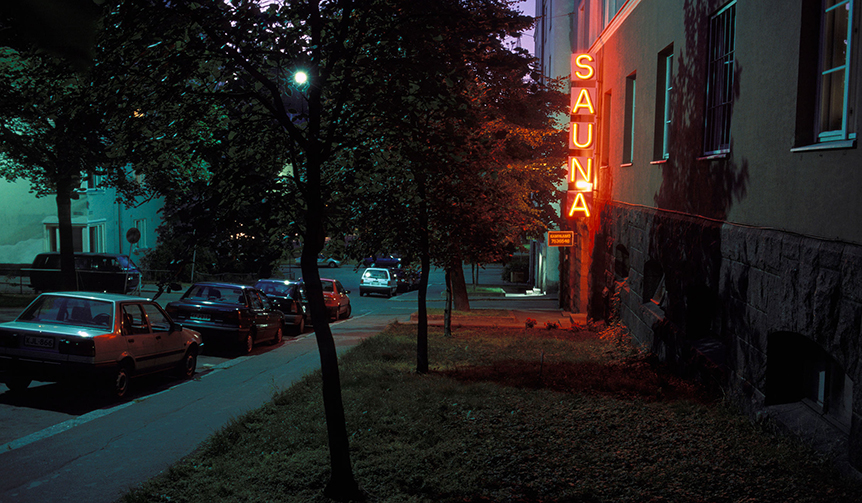
Public saunas remaining in Helsinki. They have a nostalgic charm similar to Japanese public baths.
Page02.SAUNA, Cottage, Lakeside, Sunset. Nothing can be missing.
Visit Finland
In Search of the Origins of SAUNA, to Finland.
At Kuusamo, the Gateway to Lapland
We Discovered the Most Traditional Smoke Sauna (2)
SAUNA, Cottage, Lakeside, Sunset.
Nothing can be missing.
©Sanna Mander
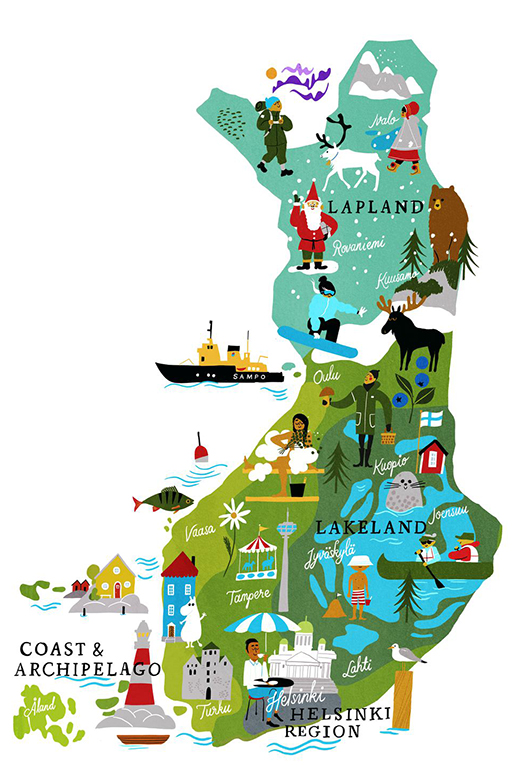
Kuusamo, a 1 hour and 40 minute flight from Helsinki, is like Karuizawa reached by Shinkansen from Tokyo Station. On the map to the left, Helsinki is at the very south (bottom of the map), and Kuusamo is in southern Lapland, slightly above the area with the black reindeer illustration.
It is also known as a luxury resort area, attracting many people from all over Europe during the winter ski season. One of their attractions is SAUNA. Europeans have a similar preference to Japanese people seeking hot springs. Additionally, in Kuusamo, if the sky is clear at night from autumn to spring, you can see the aurora.
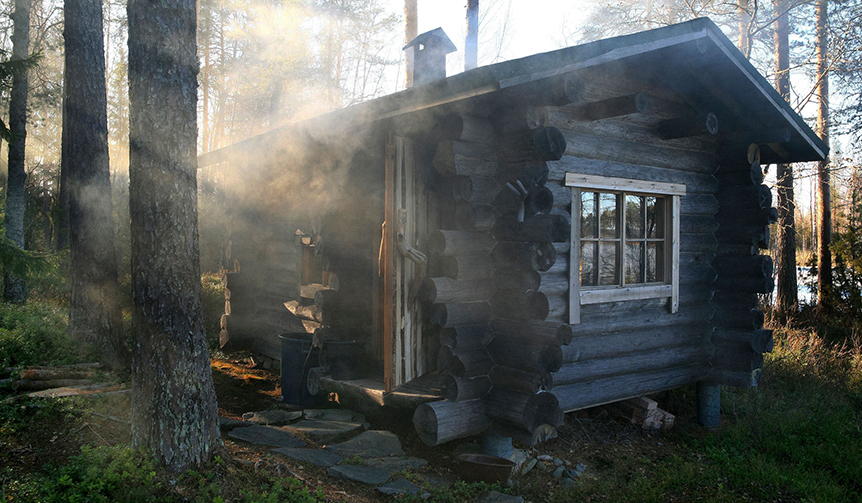
Kuusamo has traditional smoke saunas. This smoke sauna is called the king of saunas. However, it is difficult to maintain, and even in authentic Finland, this type of SAUNA is rapidly decreasing. By the way, the most common type in Finnish homes today is the electric sauna. And resort areas like Kuusamo often have wood-burning stove saunas.
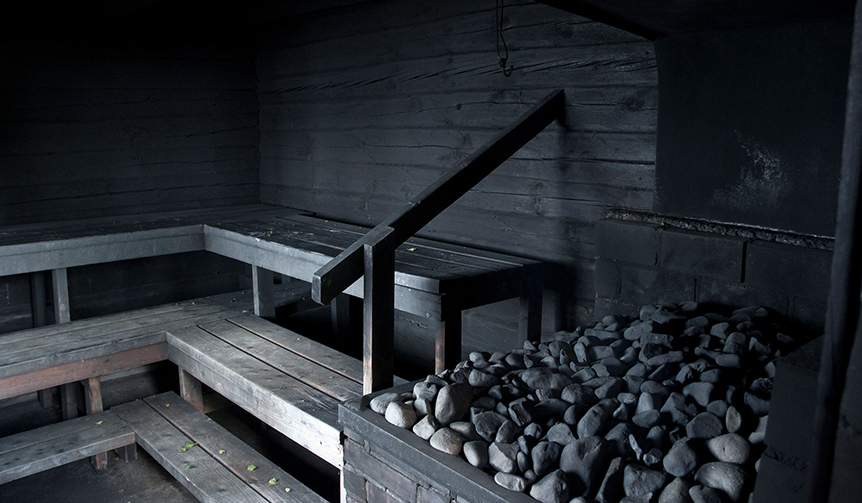
Smoke saunas are a type of wood-burning stove (or rather, the original form), but they lack a chimney for smoke exhaust. Therefore, while heating the sauna stones with firewood for 7-8 hours, the room fills with smoke, making it impossible for people to enter.
To avoid carbon monoxide poisoning, sufficient ventilation is required even after the sauna stones are heated, and preparation takes a significant amount of time and effort. However, the room of a SAUNA prepared with such time and effort was filled with the fragrant aroma of burning wood, making me feel healed throughout my body.
©Saara Kostama
©Kalevi Tuohenmaa
Smoke saunas are blackened inside because they are smoked with soot.
Wood-burning stoves, on the other hand, have chimneys, so you can enter the SAUNA while the stove is burning. If you ask whether there is a clear difference in their effects, there probably isn't. However, when entering a traditional smoke sauna that has been meticulously prepared with time and effort, there is a special feeling.
We immediately entered the SAUNA room. Here, water is poured onto the sauna stones (löyly) to create steam and regulate the room temperature. The temperature of the SAUNA is decided by the consensus of those present, which is the Finnish style. This is what I meant by communication being essential.
"May I make it a little hotter?"
"Are you feeling alright?"
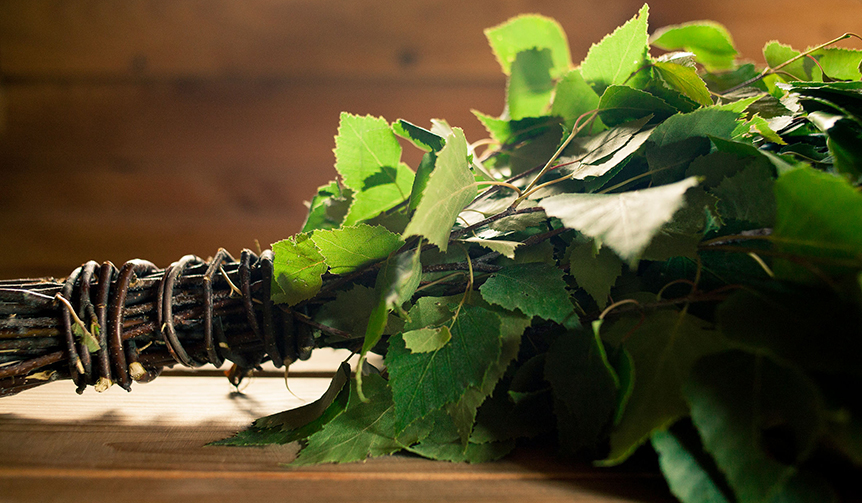
Without communication that considers each other, strangers might even end up arguing. The steam accumulated near the ceiling is agitated with a "vihta," a bundle of birch branches. Then, the heat accumulated in the upper layer of the room begins to circulate with the fresh scent of birch. If you want it hotter, pour more water. Adjusting the conditions, you reach a consensus with everyone.
©Elina Sirparanta
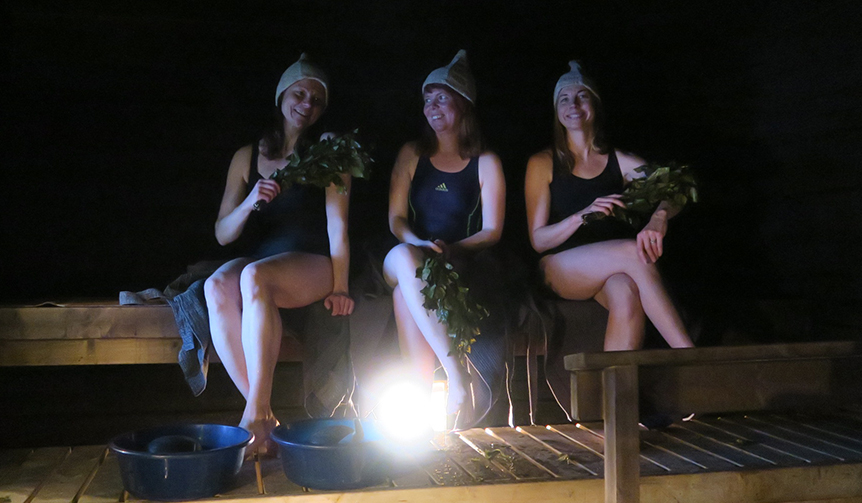
Gently tapping yourself with the vihta is also acceptable. It provides a slight stimulation.
Steam has 300 times the thermal conductivity of air. Therefore, even at a lower temperature, it feels hot. However, if you don't raise the temperature too quickly, you can stay in the room longer. You release steam, rest a bit, release steam again, and rest again. In this way, you enjoy the SAUNA slowly over a long period.
See? It's completely different from Japanese SAUNA, isn't it? Japanese dry saunas reach temperatures of 100°C, but because they are dry, they don't cause burns. You leave before you can bear it. I don't know why Japanese SAUNA became dry. Is it for safety, or for easier management by the facility?
However, it is true that in Japanese high-temperature dry saunas, you should not pour water. The temperature is already high, and if heat is transferred from your entire body with 300 times the conductivity, it would be dangerous.
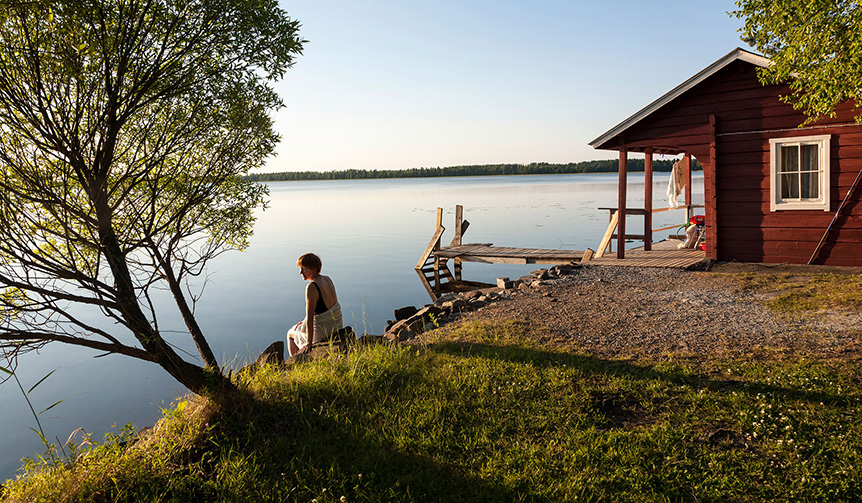
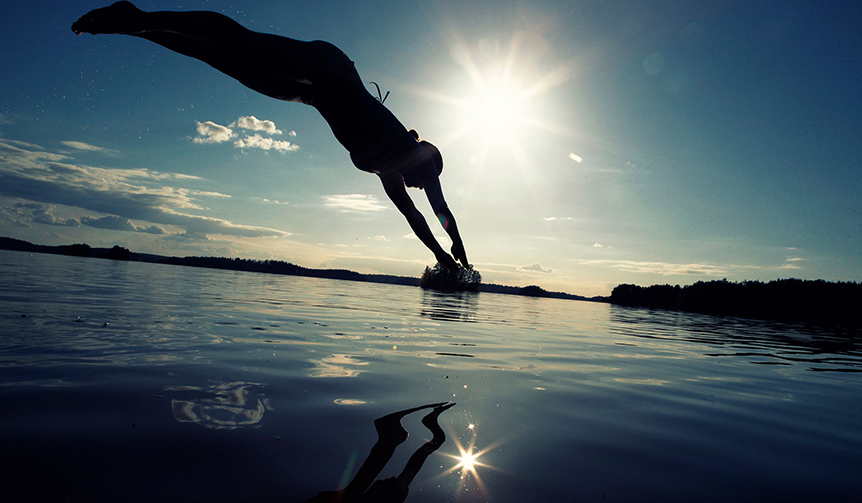
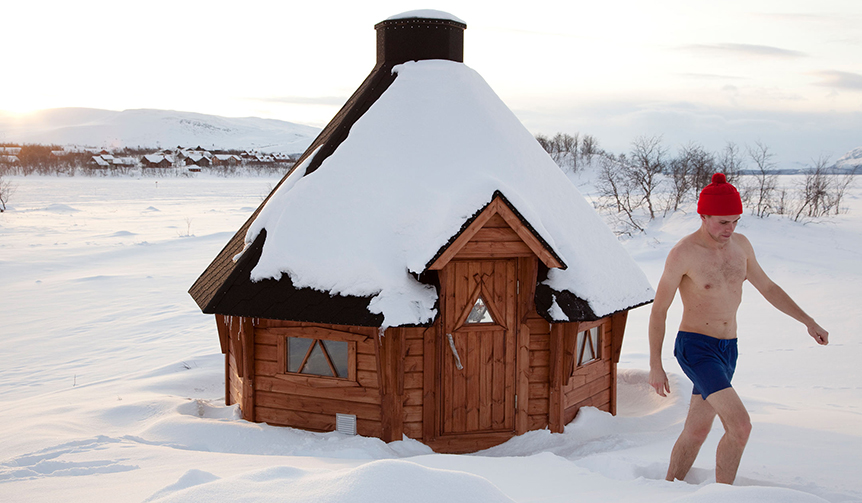
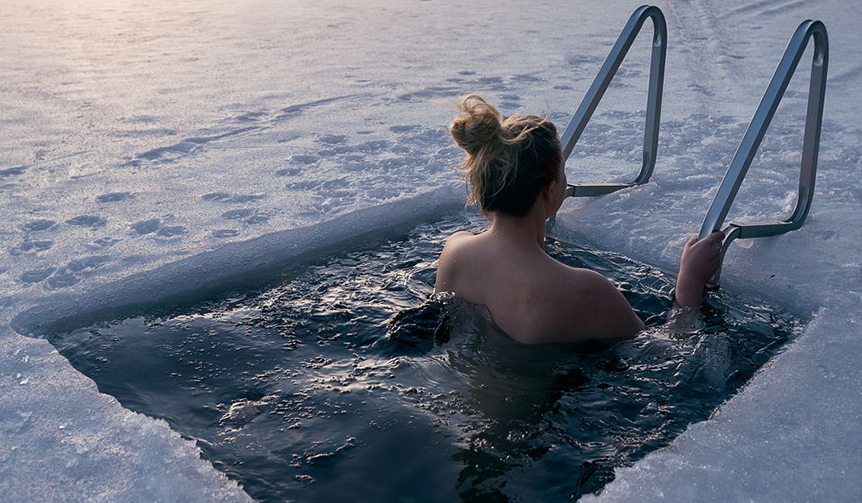
By the way, saunas in Kuusamo are usually located by the lake, and after heating up, you cool your body in the lake. If it snows, you roll in the snow, and if the lake freezes, you break the ice and take a cold shower. The sense of freedom is like an open-air bath. In other words, the advantage of cottage saunas, unlike urban saunas, is similar to the openness of an open-air bath.
©Hannu Holopainen
©Harri Tarvainen
©Aku Pöllänen
Next to the cottage, there is a relaxation room where you can unwind in a bathrobe. Hydration is done with berry juice. Berries grow wild throughout the forests in Finland. They have the right to pick them freely. Many homes also have berry bushes in their gardens. They crush the berries to create their homemade flavor. It's treated much like Japanese barley tea used to be brewed in kettles. Japan also had homemade flavors back then.
Finnish berry juices also come in various preparations, such as thick ones, those with enhanced sweetness, and those that emphasize tartness. Trying them all is one of the pleasures of traveling.
Light snacks are canapés. Some people enjoy beer in moderation. Alternating between the SAUNA, the lake, and the relaxation room, and spending several hours to thoroughly refresh oneself is the ultimate luxury in Finland, the mecca of SAUNA.
©Harri Tarvainen (Visit Finland)
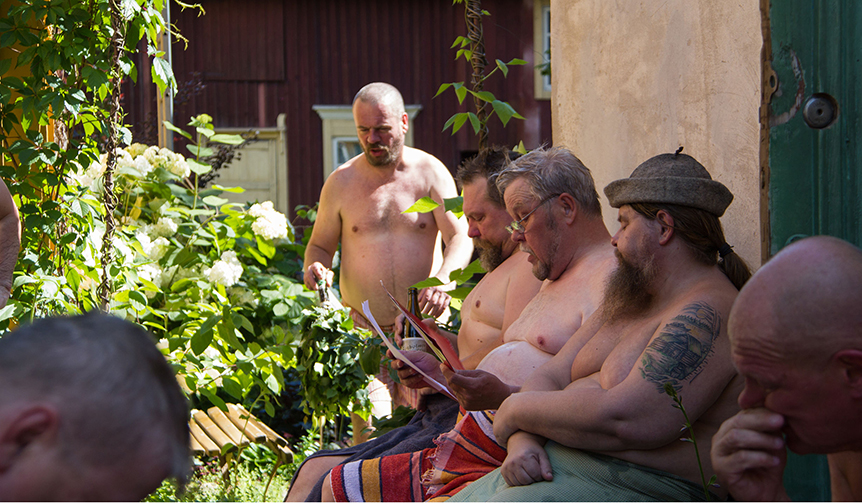
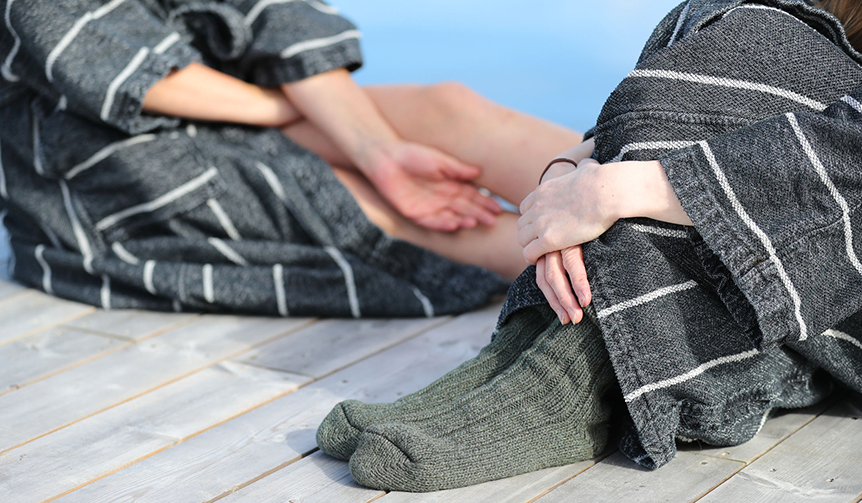
The man second from the right is wearing a sauna cap to prevent his hair from getting too hot, which is especially essential for women. From autumn to winter, they provide socks to prevent your feet from getting too cold during breaks.
Page03.Discover a New Activity: SAUNA-YOGA to Release Mental Fatigue
Visit Finland
In Search of the Origins of SAUNA, to Finland.
At Kuusamo, the Gateway to Lapland
We Discovered the Most Traditional Smoke Sauna (3)
Discover a New Activity.
SAUNA-YOGA to Release Mental Fatigue
At Isakki Village in Kuusamo, you can experience a YOGA lesson inside a SAUNA. It's incredibly relaxing!!
The sauna room is set at around 50 degrees Celsius. It's set low, so a 60-minute class is not difficult. While it's called yoga, it's not about performing strenuous poses; rather, it's about focusing on breathing to enhance relaxation.
This SAUNA-YOGA and the aforementioned smoke sauna can both be booked through SAUNA TOUR (http://www.saunatour.fi/en/). SAUNA TOUR operates a total of nine saunas in the Kuusamo area. They even have a mysterious sauna built inside the ice. We heard that the ice walls melt slightly from the sauna's heat, creating a pleasant humidity. If you visit Finland in winter, why not give it a try?
For Finns, SAUNA was a place of purification. In the past, Finns were born in SAUNA (as a place of birth) and their bodies were cleansed in SAUNA after death. And although it has nothing to do with SAUNA, the way Finns use salt is to the liking of Japanese people. It's low in salt and delicate in flavor. Dishes like salmon soup are simple and very flavorful.
Why are Finland and Japan surprisingly similar in many ways? (A bit of a stretch?) ... As I pondered this, I had an epiphany after hearing this: the ancestors of Finns are of Asian origin. This is a crucial difference from their neighbors on the Scandinavian Peninsula, Sweden and Norway. However, even within Asia, it's Central Asia. There's also a theory that they share common ancestors with Estonia linguistically.
On the other hand, looking back at Finland's history, it was occupied by its neighbors Sweden and Russia. Although it gained independence in 1917, it suffered a painful past, being invaded again by Russia (then the Soviet Union) during World War II. Finland was a defeated nation in World War II. And 2017 marks the 100th anniversary of its independence.
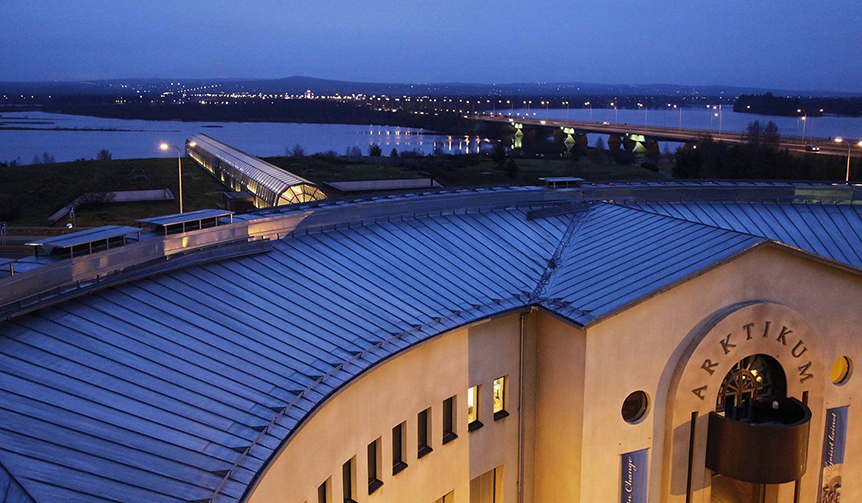
Exterior of Arktikum (Arctic Centre).
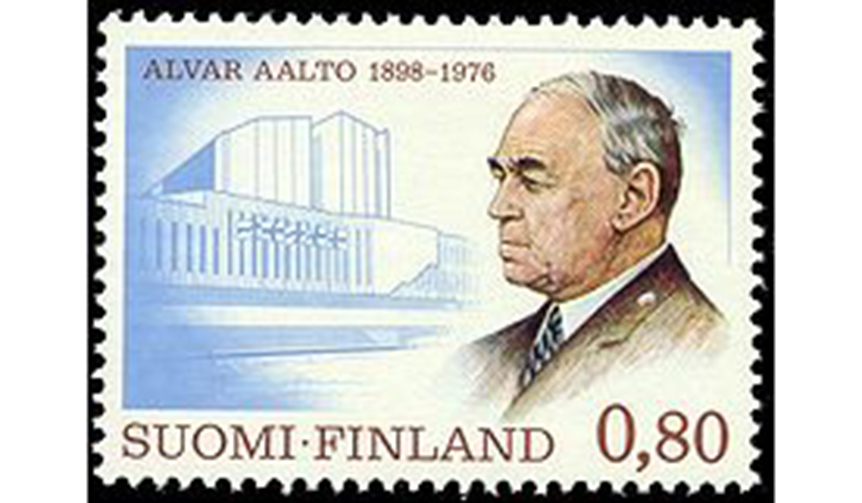
Renowned architect Alvar Aalto, featured on a postage stamp (quoted from Wikipedia).
Rovaniemi, the main city in Lapland, suffered devastating damage when the German army, as part of a scorched-earth operation, burned down the city before withdrawing from Finland. 90% of the buildings were destroyed. It is said that during post-war reconstruction, the city's layout was designed to resemble reindeer. The renowned architect Alvar Aalto designed it with the aim of creating a uniquely Finnish cityscape.
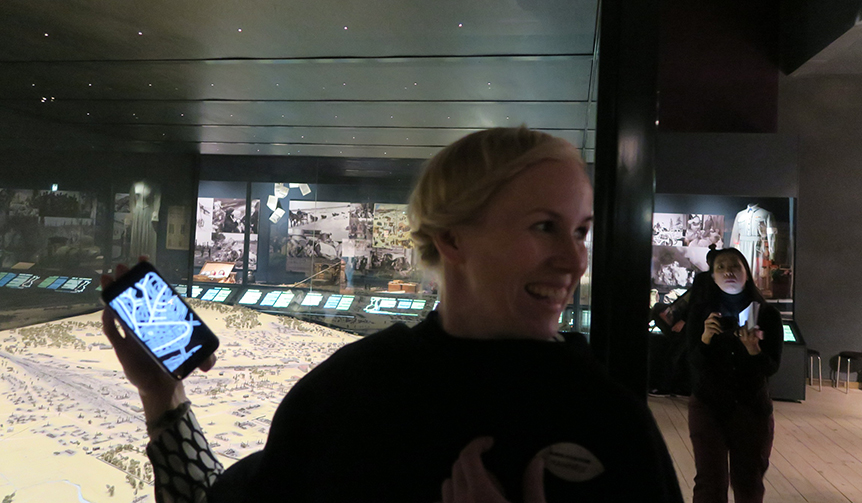
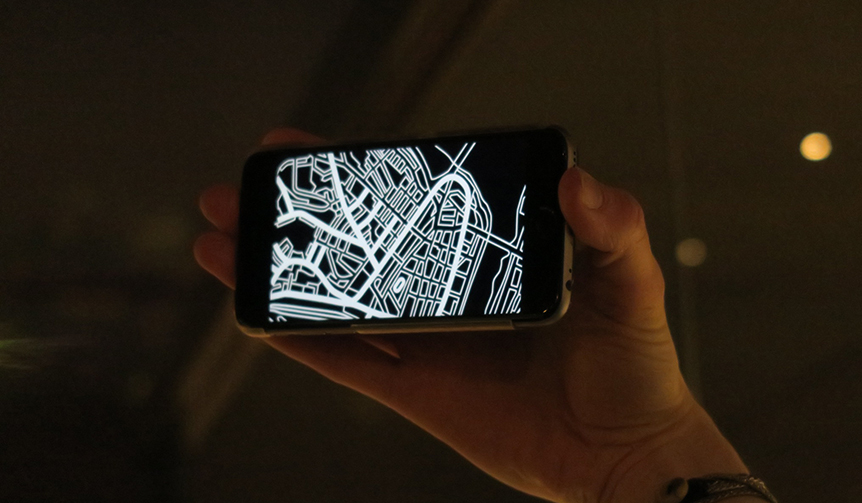
A curator at the Arktikum (Arctic Centre) in Rovaniemi told us this, so it must be true. The smartphone she is holding shows a map indicating that the main roads are designed like reindeer.
So, what I want to say, even if it means going far off topic from SAUNA, is "You really have to go to understand." A city designed to resemble reindeer is amazing! However, such fascinating stories aren't found in textbooks.
It's difficult to describe the difference between a bath heated by firewood and one heated by gas. Similarly, it's difficult to clearly express the experiential difference between smoke saunas, wood-burning stove saunas, and electric saunas.
However, one thing is clear: Japanese dry saunas and Finnish wet saunas are distinctly different. It's not about which is superior, but Finnish-style saunas are easier to breathe in and gentler on the body.
At this time of year in Finland, everything should be covered in snow. Imagine entering a SAUNA in a pure white cottage, in profound silence. It's wonderful. Japan has the aesthetic of "yukimi-zake" (sake while viewing snow), and they must have a similar custom there.
Looking up at the sky, the aurora. And perhaps sipping Finnish gin. Something like that, perhaps?
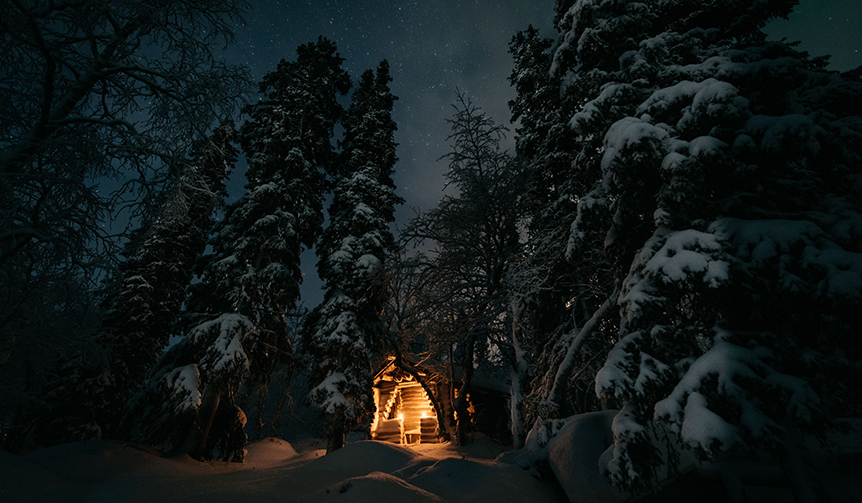
©Eeva Mäkinen
Conclusion: SAUNNERs should aim for Finland someday.
P.S. I recommend Kuusamo. Just as you would plan an overnight stay at a hot spring, you should plan an overnight stay in Kuusamo and enjoy the SAUNA to your heart's content. A brief one-hour experience won't let you grasp its depth.
With the cooperation of Visit Finland
StopOver Finland
Visit Finland and Finnair offer a variety of activities and tours, from 5-hour quick tours to 5-day packages, allowing you to enjoy Finland even on a short stay. It is also possible to use these to travel to Kuusamo. http://www.visitfinland.com/ja/stopover/
Visit Finland
http://www.visitfinland.com/ja/