Transmitting the coexistence of humans and androids from Shibuya, a hub of culture. Keiichiro Shibuya's new music video "BORDERLINE" is released | MUSIC
MUSIC | Keiichiro Shibuya
Who could have imagined that Vocaloid-based music would become mainstream? Even considering that such an opening statement is now entirely in the past, the impact of digital technology on music cannot be ignored. Next year marks 20 years since Yamaha released the voice synthesis software "VOCALOID" in 2003. Among these, "Hatsune Miku," developed by Crypton Future Media in 2007, is known worldwide as a virtual idol.
Produced as part of a new cultural project utilizing Shibuya's public underground spaces
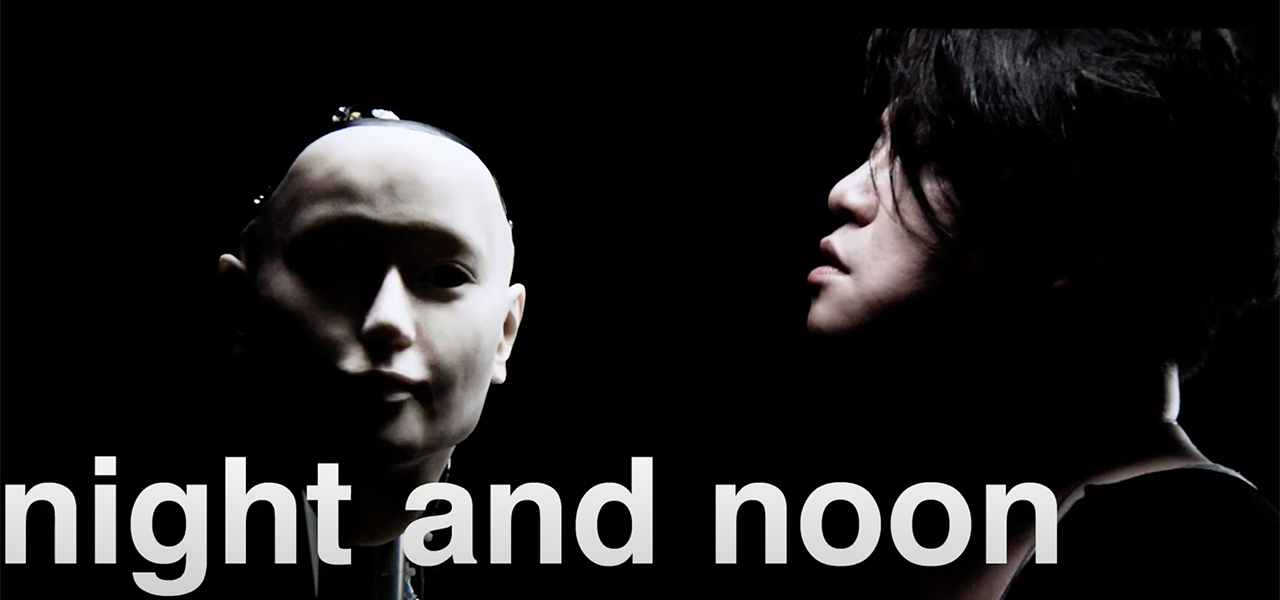
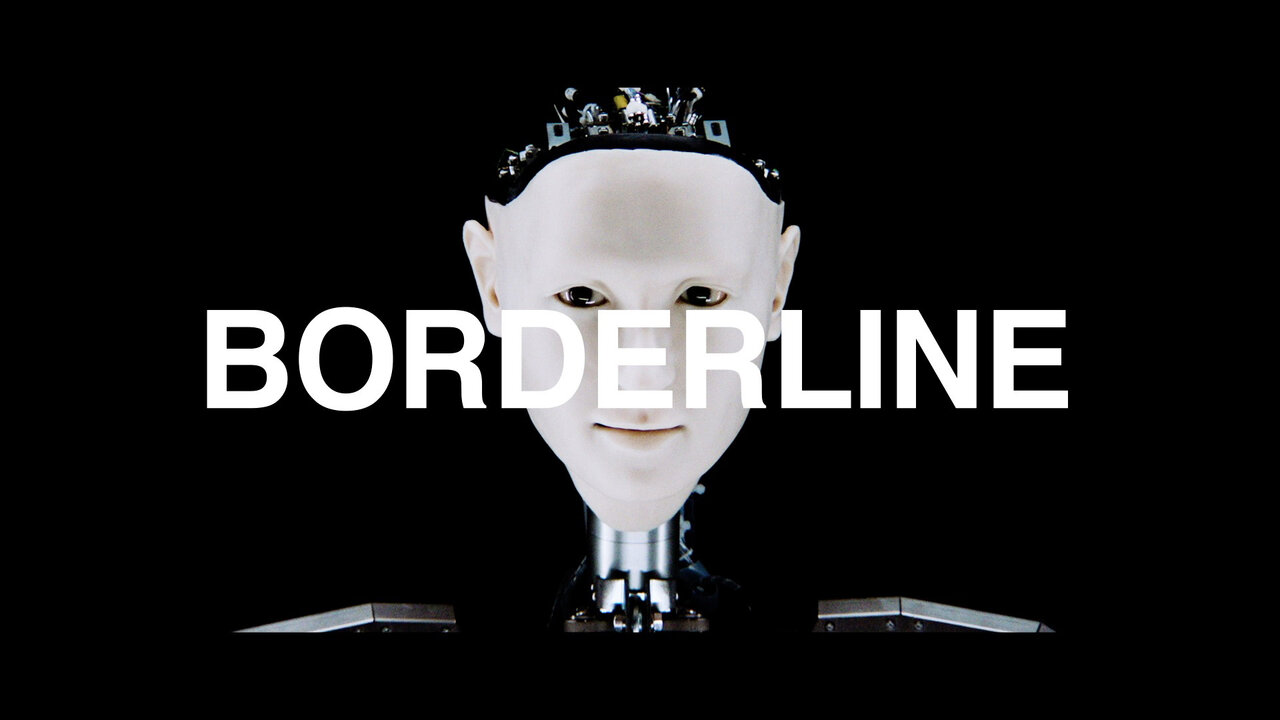
Released on October 4, 2022, on the official YouTube channel of musician Keiichiro Shibuya, the new music video "BORDERLINE" is an ambitious work that suggests the future of a rapidly changing human society, alongside the expansion of compositional domains.
Keiichiro Shibuya is a musician whose work spans a wide range, from avant-garde electronic music and piano solos to operas, film scores, and sound installations. After graduating from the Department of Composition at Tokyo University of the Arts, he established the music label ATAK in 2002. In 2012, he premiered the Vocaloid opera "THE END" at Théâtre du Châtelet in Paris, starring Hatsune Miku, with no human performers. In 2018, he presented the android opera "Scary Beauty," in which a humanoid android equipped with AI conducts an orchestra while singing. He is a leading figure in activities themed around the coexistence of humans and technology, with works such as "Heavy Requiem" (2019) and "Super Angels" (2019).
-

Keiichiro Shibuya
-

Stephanie Poetri
This time, ATAK Tokyo, Shibuya Station Area Management General Incorporated Association, and Avex Entertainment commissioned musician Keiichiro Shibuya to create a song to transmit new music and culture from the borderlines of his hometown, "Shibuya"—from its underground—as part of a new cultural project utilizing Shibuya's public underground spaces. The new work "BORDERLINE," which is also a new endeavor for Shibuya himself, has been completed.
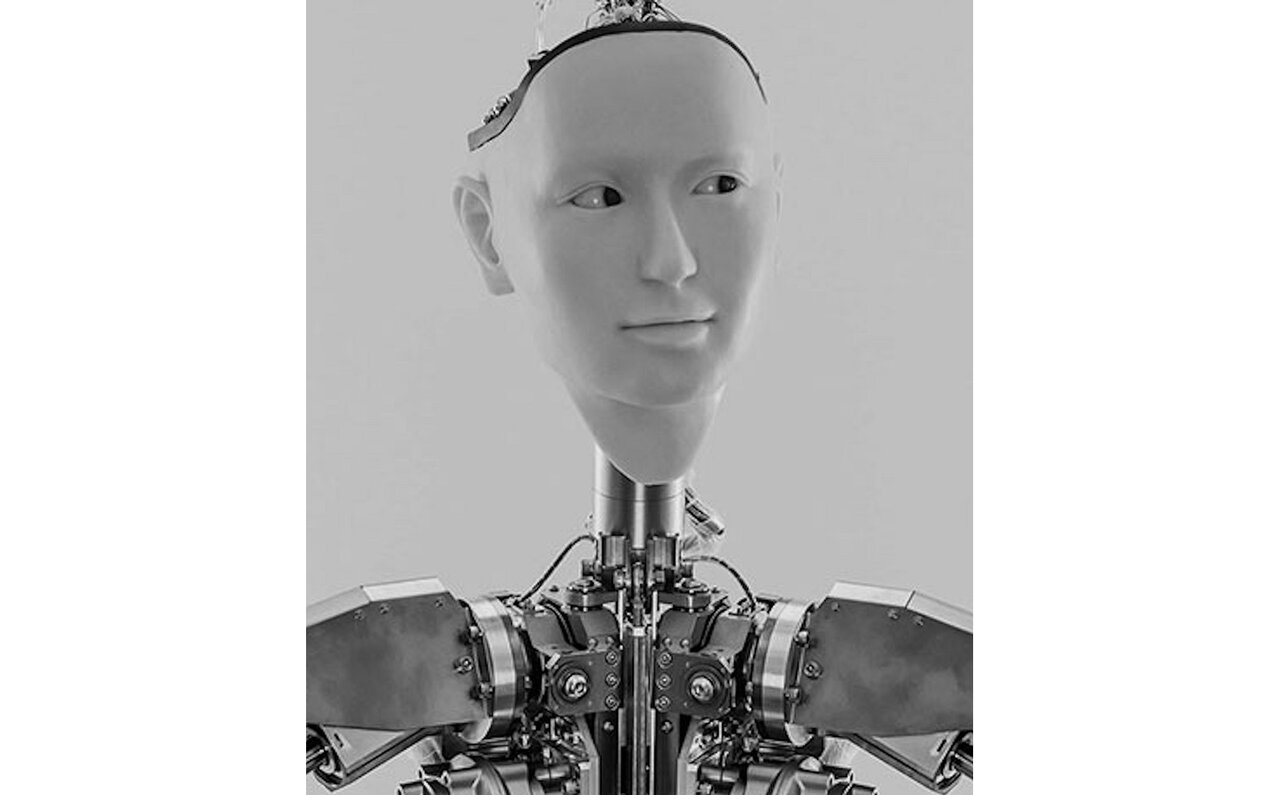
The vocals for the song are performed by the android "Alter 3," from Keiichiro Shibuya's main project, the android opera®, which he has been developing globally for several years. Alter 3 recently performed with Buddhist chanting, a tradition with 1200 years of history, and a local UAE orchestra in his latest work "MIRROR," which premiered worldwide at Expo Dubai in March this year. Also participating is Stephanie Poetri, a singer-songwriter affiliated with 88rising, a music label that has taken the global music scene by storm from Asia.
The song is composed of Alter 3's solo in the first half and Stephanie's lead vocals and Alter 3's duet in the second half, achieving an unprecedented harmony between humans and androids.
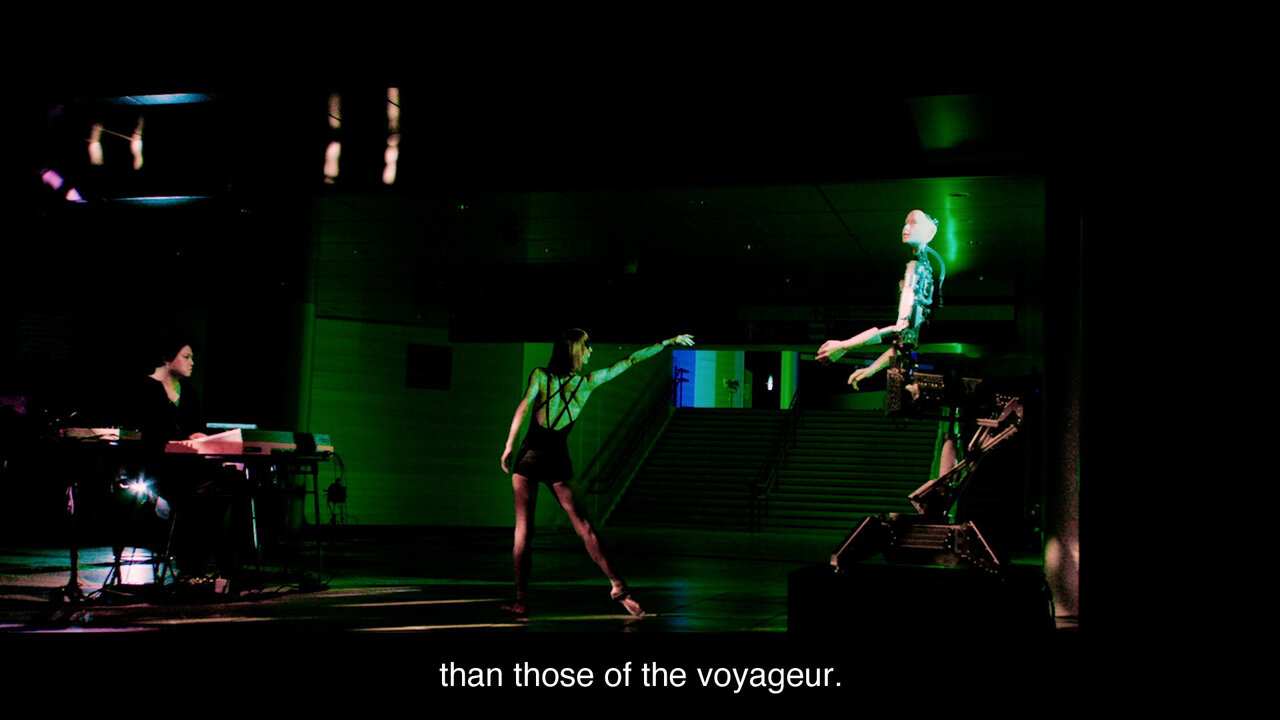
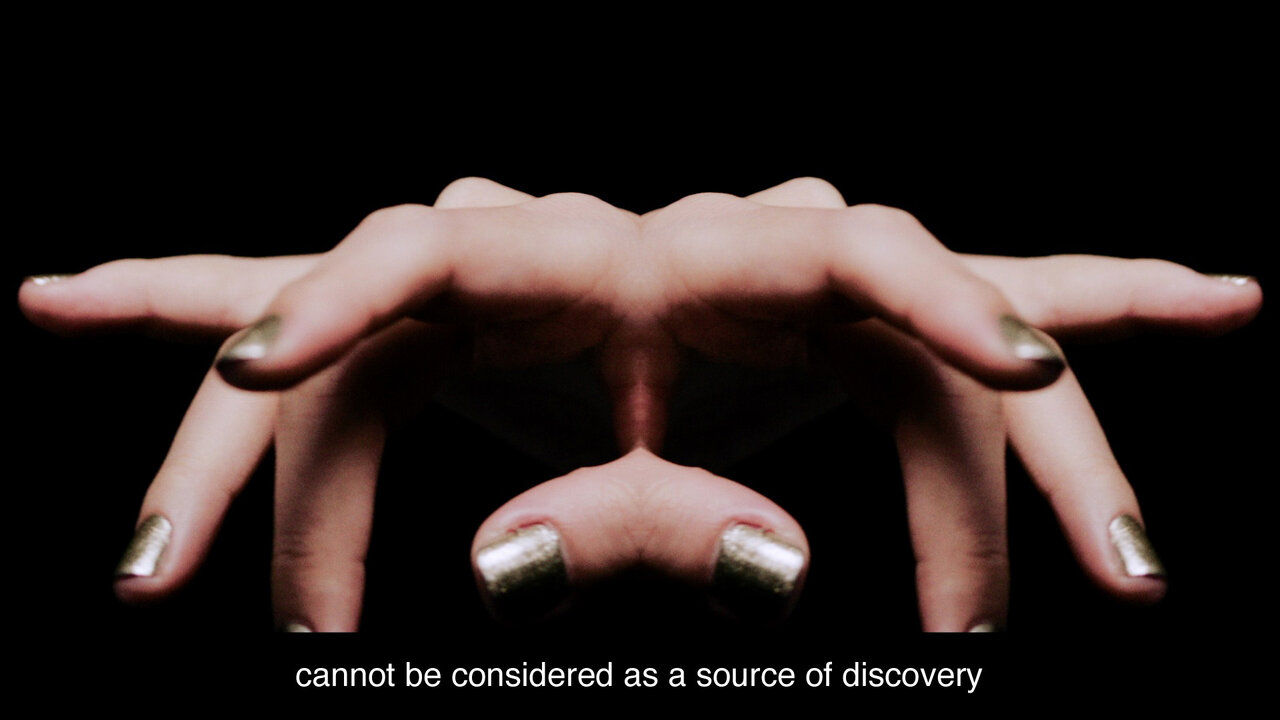
In the music video, filmed in the underground of Shibuya Station, Nozomi Iijima, who is active worldwide as a ballet dancer and model, co-stars with Alter 3 and Keiichiro Shibuya for the first time. She performs choreography by choreographer and dancer Kenta Kodo. Her sharp dance, which fluidly moves between inorganic and organic qualities, resonates with Alter 3, realizing the coexistence of humans and androids in terms of physicality and mobility.
The world's first pop music with lyrics written by AI and sung by an android
Furthermore, for the lyrics, Professor Takashi Ikegami of the University of Tokyo was consulted, and AI-generated lyrics were created based on a few keywords associated with the city of Shibuya, such as "Shibuya / Underground / BORDERLINE." The resulting lyrics have an overwhelming sense of finality and a fragmented narrative, creating a new reality where "lyrics by AI are sung by an android." This marks the world's first instance of pop music with AI-generated lyrics being sung by both an android and a human singer (as of September 28, 2022).
<The world we once loved is no longer yours. Just do what we love.>
The lyrics also draw attention for suggesting that we are living in a new era where boundaries and distinctions such as human and machine, end and beginning, organic and inorganic no longer function, while also predicting that this will soon transition to the next stage. The name of this AI lyricist is "Cypher" (meaning zero or cipher). This name was also given when the AI itself was asked, "What do you think would be a good name for an AI lyricist?" It has been decided that collaborations in lyric writing and text generation will continue in line with the evolution of AI.
Speaking of AI, in August of this year, a synthetic media artist named Jason M. Allen won the grand prize in the digital art division at an art contest in Colorado for a work created using the AI image generation tool "Midjourney." This result sparked a lively discussion about the essence and meaning of art, which was widely reported on Japanese television and other media. Jason stated, "Instead of fearing technology and the people behind it, we can all move forward by recognizing it as a powerful tool and using it for good."
The concept of "coexistence," born from deep understanding rather than viewing AI as a threat that will replace humans. "BORDERLINE," depicted against the backdrop of Shibuya, is a must-see work filled with the potential to be a significant step forward.
BORDERLINE
Composition | Keiichiro Shibuya
Lyrics | Cypher (AI)
Vocals | Android Alter 3, Stephanie Poetri (88rising)
Video Performance | Keiichiro Shibuya, Android Alter 3, Nozomi Iijima
Alter 3 Production Supervision | Hiroshi Ishiguro
Alter 3 Programming | Shintaro Imai
GPT-3 Programming | Takashi Ikegami
Choreography | Kenta Kodo
URL |https://youtu.be/JR570WCzYGI