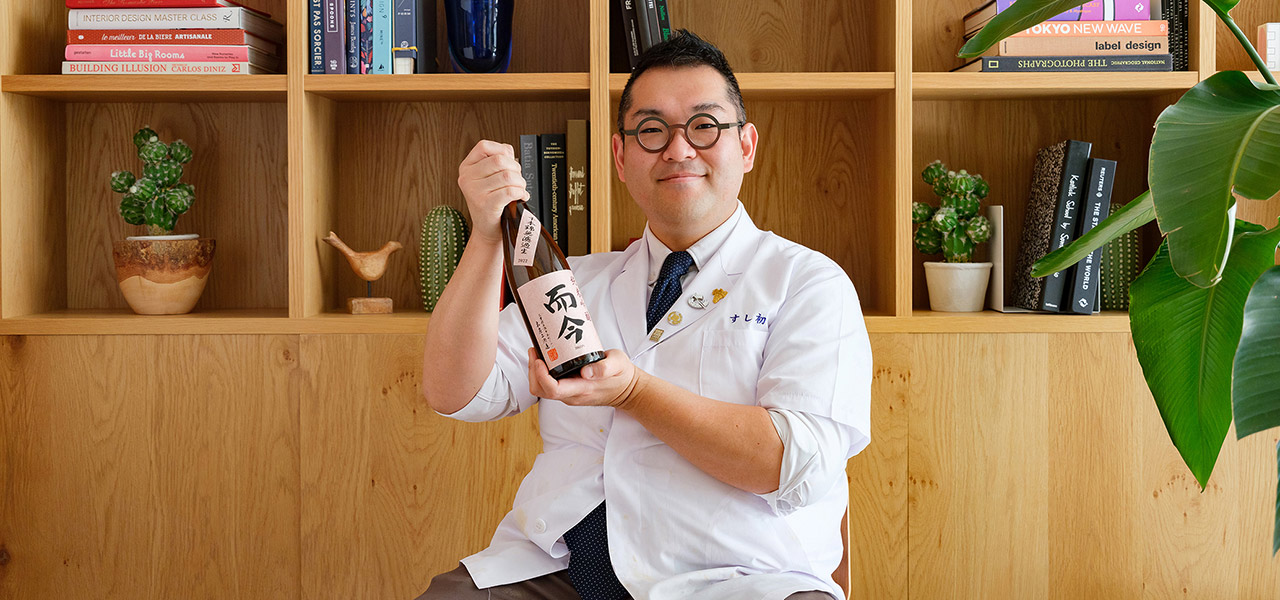
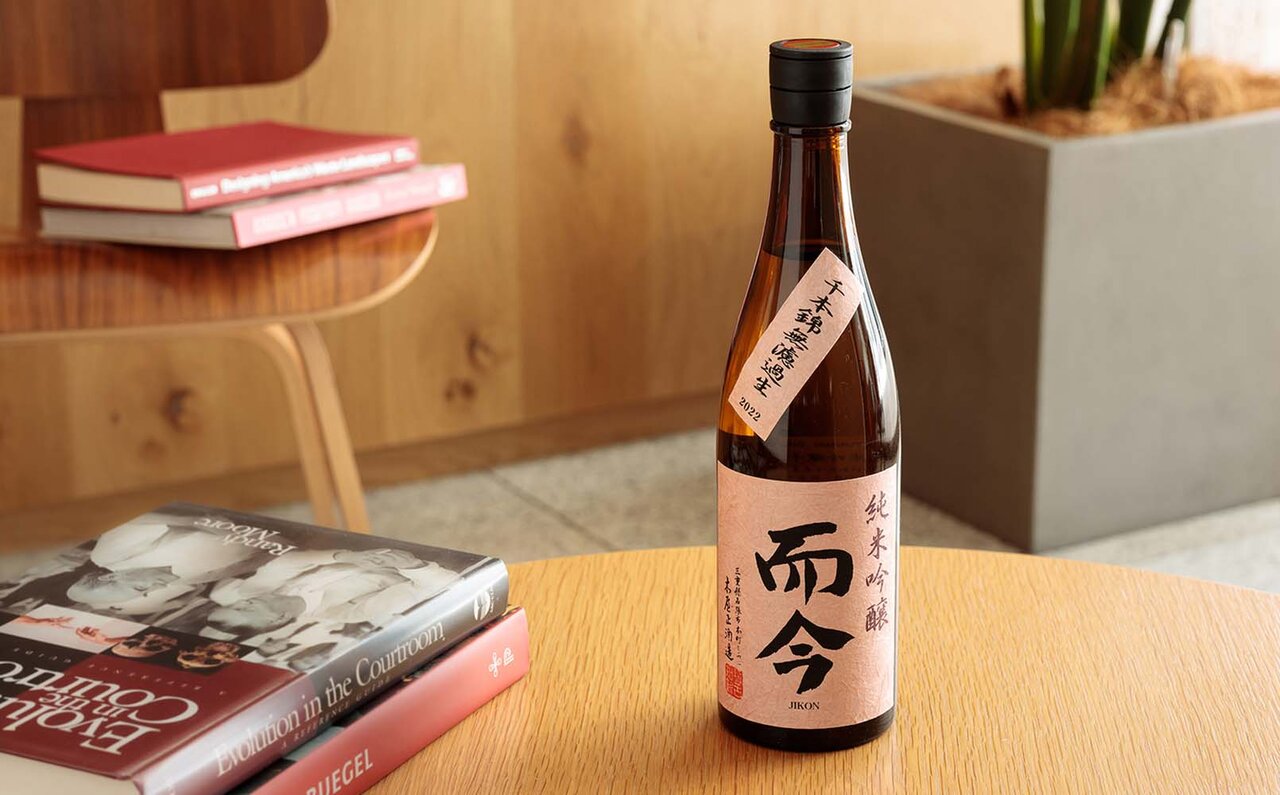
The epitome of sweet and delicious sake. "Jikon" is what got Professor Yamauchi hooked on sake!|FEATURE
FEATURE | Kiya Masamune Brewery
Tell me, Professor Yamauchi! Vol. 5: Jikon Junmai Ginjo Senbon Nishiki (Kiya Masamune Brewery)
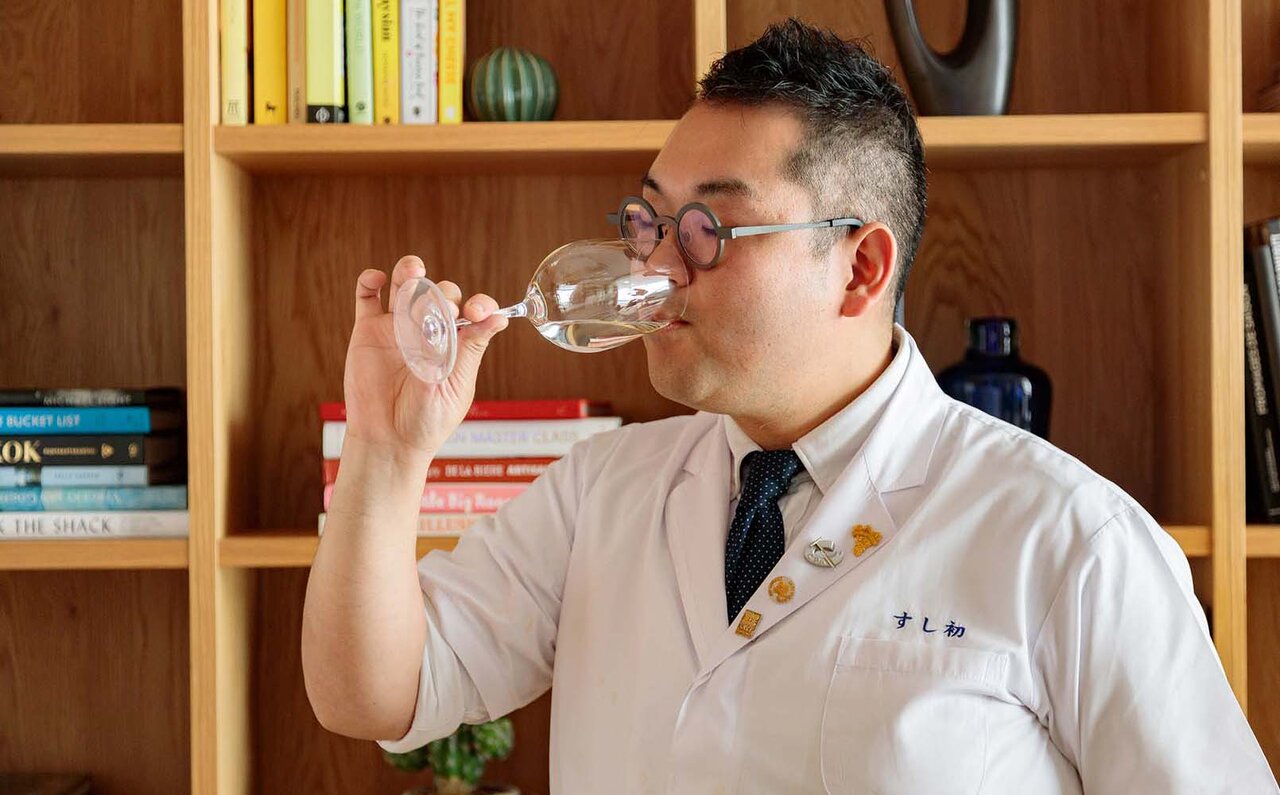
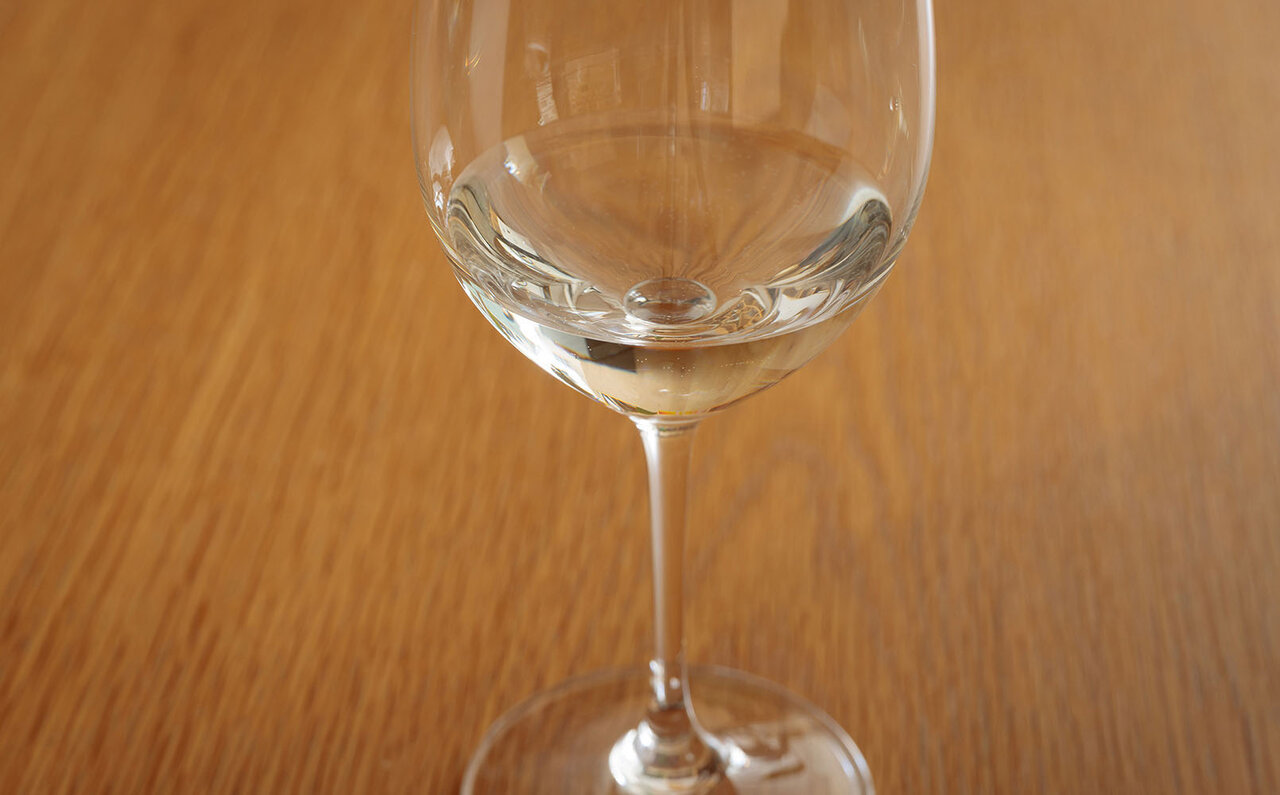
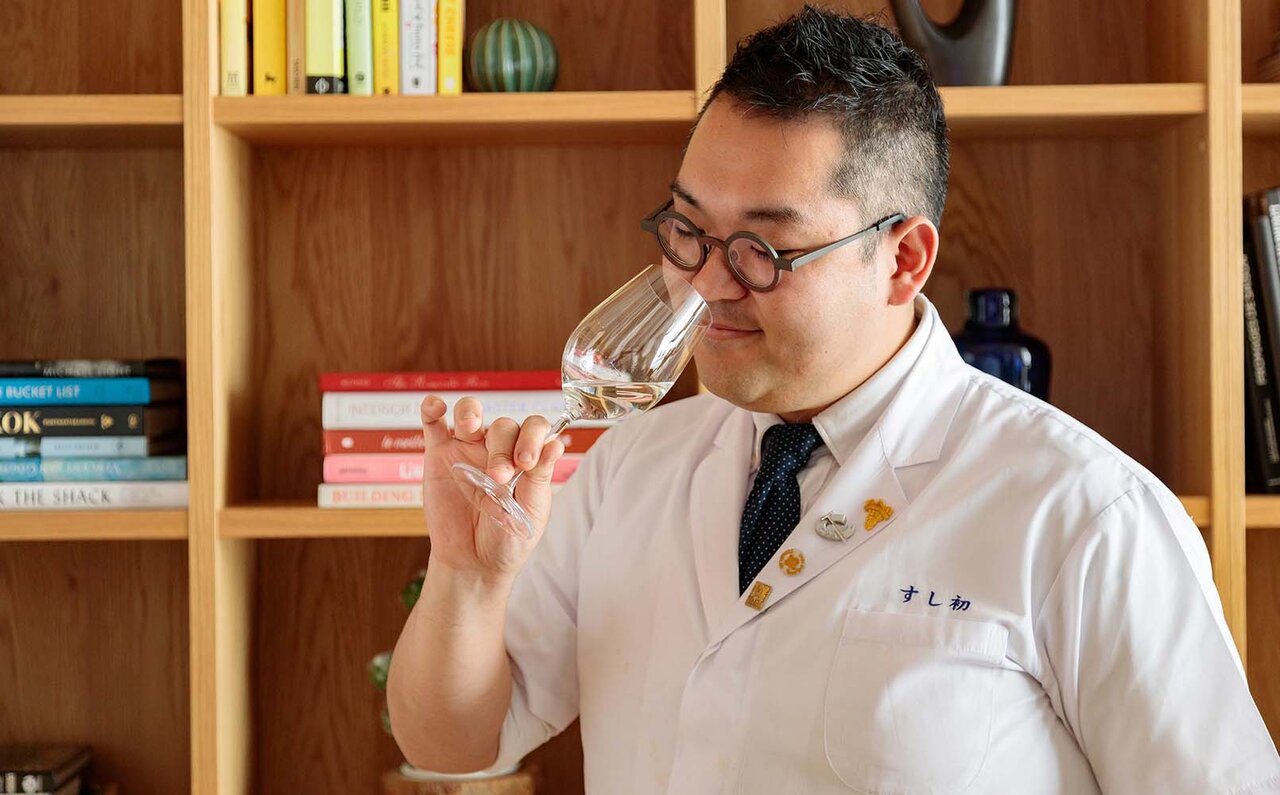
From the moment it touches your palate, you feel a gentle sweetness, followed by a beautifully balanced acidity. This sensation, already present when smelling from the glass, deepens after tasting, with an aromatic complexity that seems to rise from within the mouth. The exquisite balance of sweetness, reminiscent of ripe tropical fruits, and acidity, flows seamlessly into the lingering finish. Its clean aftertaste makes you reach for another glass almost immediately (says Professor Yamauchi).
Photographs by OHTAKI Kaku | Edit & Text by TSUCHIDA Takashi
This time, we dissect Jikon, a top-tier Japanese sake brand.
—Professor Yamauchi, you've reportedly been drinking Jikon every year since its debut. You also mentioned sensing exceptional brewing acumen from the Toji, Mr. Onishi.
Professor YamauchiYes. Mr. Onishi created this brand at a young age, yet the sake's profile was already perfected from the very first batch. What makes Jikon so remarkable is how it dissolves acidity within its sweetness, crafting an elegant character. The way Mr. Onishi maintains a beautiful balance of sweetness and acidity throughout, creating an elegant finish, is a testament to his exceptional skill.
—It's often said to be a "Juyondai child." In that sense, it does bear a strong resemblance to Juyondai from the initial impact to the unfolding flavors, but the clean finish in the latter half is distinct.
Professor YamauchiPrecisely. Mr. Takagi of Juyondai uses strain #10 yeast (※1), which results in a rounder acidity. In contrast, Mr. Onishi of Jikon uses strain #9 yeast (※2). Their paths diverge right from the choice of yeast. Furthermore, there are also unique approaches to acidity expression. I believe Juyondai's prior establishment of its style allowed them to recognize their own target positioning.
*1 A yeast strain released in 1977, also known as the Meiri Ogawa yeast. It allows for low acidity and high ginjo aroma when fermented at low temperatures over a long period. However, Takagi Shuzo, the maker of Juyondai, uses a proprietary cultured strain of #10 yeast.
*2 A highly successful yeast strain distributed since 1968. Originating from the brewer of "Kōro" in Kumamoto, it's also called Kumamoto yeast or Kōro yeast. It is well-suited for ginjo brewing, offering a fragrant and mellow profile. Jikon's Kiya Masamune Shuzo also uses a proprietary cultured strain of #9 yeast, not the standard one.
—Are you suggesting that Juyondai's success showed a new direction for Japanese sake, and those influenced by it then pursued their own unique approaches to sake brewing?
Professor YamauchiExactly. Those of their generation (the 1970s cohort), including Mr. Onishi, even organized events themselves back then. They'd rent out clubs and combine sake with music, which was incredibly innovative at the time. It might be difficult now that each brewery has become so famous.
In the mid-2000s, the Japanese sake industry was a niche market, barely a hidden boom. Within that context, individuals who actively worked to introduce sake to younger generations are now the driving force behind the current sake boom. What's fascinating is that each of them has stayed true to their own methods.
—It's not a case of all breweries following the same path, is it?
Professor YamauchiThat's right. The environment has become conducive for them to express their convictions. While Mr. Onishi is an exception (※), the connections among graduates of Tokyo University of Agriculture's Department of Brewing, and the sharing of knowledge, likely played a role. With a sense of still being in training, they possessed a strong passion for collectively improving Japanese sake.
*Mr. Onishi graduated from Sophia University's Faculty of Science and Technology before studying sake brewing at the Higashi-Hiroshima Brewing Research Institute.
—That's truly wonderful. Yet, with places like Tokyo University of Agriculture's Department of Brewing having existed for a long time, why did concepts like "horizontal connections" suddenly emerge with Mr. Onishi's generation at Jikon?
Professor YamauchiSimply put, the decline in sake shipments was the primary factor. Many breweries lost the financial capacity to employ a full staff centered around a Toji. Consequently, the sons of brewery owners, who previously focused solely on management, began to train themselves and pursue their own visions with their own hands.
Mr. Takagi of Juyondai pioneered this trend. This gradually led to the emergence of the 'playing manager' role, known as the 'brewmaster-owner'.
—So, among them, brewmaster-owners in similar circumstances began to connect with each other? Was there also a technical breakthrough involved?
Professor YamauchiIn relation to Jikon, they began to intentionally select koji molds that produce more sweetness, allowing sake to express a refined sweetness. The thesis of moving away from dryness, which Juyondai established a generation ago with "Isn't it good for sake to be sweet and smooth?", is, I believe, the design philosophy of the new era of sake that connects Juyondai to Jikon.
—That's wonderful. And what I find particularly admirable is that, whether it's Juyondai or Jikon, despite being highly sought after and difficult to obtain, they don't significantly increase their production volume. They prioritize their vision and continue to brew their desired sake without compromising quality or deviating from their principles, rather than solely pursuing profit.
Professor YamauchiIndeed, that's absolutely true. After drinking it for fifteen or sixteen years, I still love Jikon just as much. And my perspective changes each year. I have moments of realization, like, 'Ah, this is what the brewer was aiming for this year!' The fundamental prerequisite is absolute trust in the quality, and Jikon, in particular, offers the fascinating pleasure of discerning subtle differences.
—Incidentally, this label reads "Jikon Junmai Ginjo Senbon Nishiki."
Professor YamauchiThat's something we must touch upon. One of the fascinating aspects of Jikon is the enjoyment derived from the taste differences based on the rice used. Yamada Nishiki, Gohyakumangoku, Omachi, Senbon Nishiki, Hattan Nishiki, Aiyama... With each rice variety, they successfully create a beautiful gradation, like an artist's palette, while retaining the signature Jikon character.
This "Senbon Nishiki" is a sake rice from Hiroshima Prefecture, a new generation rice derived from Yamada Nishiki. It achieves a perfect harmony of sweetness, freshness, and fragrance. While Yamada Nishiki made Jikon famous, and its honest, straightforward, and round character is excellent, the balance of Senbon Nishiki – light yet substantial, and ultimately round – is truly exquisite.
[Summary]
Jikon Junmai Ginjo Senbon Nishiki| Jikon Junmai Ginjo Senbon Nishiki
Volume | 720ml
Brewery | Kiya Masamune Shuzo
Suggested Retail Price | ¥1,980 (incl. tax)
Without needing to say it, surely you've tried it somewhere before, right? If not, please do give it a try. It boasts an excellent balance across the three axes of sweetness, acidity, and umami. It presents sweetness and umami in the first half, acidity in the latter, and a clean finish! It's not overly sweet. Therefore, while delicious, it doesn't leave you feeling satisfied after just one glass, allowing you to easily reach for a second or third – a wonderful (or perhaps terrifying!?) design. Among them, this pink-labeled Senbon Nishiki version, with its light finish, is Professor Yamauchi's recommendation. Jikon is undoubtedly a delicious sake brand, but you can purchase it at its regular price from liquor stores or order it at a reasonable price in izakayas, so please do seek it out.
*This article is not sponsored.
*Professor Yamauchi and OPENERS editorial staff member Takashi Tsuchida introduce sake they genuinely recommend.