Serialized Essays | #ijichiman's Musings: "Yakiniku," Honoring Tradition While Embracing Innovation
Serialized Essays | #ijichiman's Musings
Part 30: "Yakiniku," Honoring Tradition While Embracing Innovation
"To insist solely on the safety and security of the body, without questioning the life or death of the soul or spirit, is misguided (Yukio Mishima)"—This is a serialized column by Yasutake Ijichi, a board member of "Sunshine Juice," Japan's first cold-pressed juice specialty store. This installment focuses on "Yakiniku," a meal that is both an everyday staple and a special treat for people of all ages.
Photographs and Text by IJICHI Yasutake
The pandemic has markedly changed how we perceive and approach dining out. We go out less frequently, and only to places and with people we truly want to see. This means that dining out is now almost always a planned event, with spontaneous decisions like "Shall we go out today?" or "This place looks free, let's go there" becoming rare.
From the restaurant's perspective, the old theories of success—"near the station," "street-level," "cheap"—have been replaced by a trinity of "flavor," "atmosphere," and "hospitality." On top of that, the reason to visit a particular establishment might be the owner's personality, or the restaurant's concept or story. Without such added value, it's hard to retain repeat customers.
Consequently, unappealing restaurants are weeded out, making it harder for customers to choose where to dine. The number of places we want to try continues to grow, with new, ambitious establishments joining long-standing traditional restaurants that have maintained their heritage for decades, boasting excellent supply chains and skilled chefs.
Since I have this column, I'm often asked to choose restaurants for business dinners or meals with friends. Drawing on that experience, I'd like to introduce a few of my favorite places, categorized by genre.
This time, it's "Yakiniku." There are few meals that are as much an everyday staple as they are a reward for people of all ages.
Ask young people "What do you want to eat?" and they'll usually say yakiniku. It's also the first thing that comes to mind when you want to go out after a tiring day. Even elderly grandparents who are healthy and living long lives eat plenty of meat. Yakiniku is also the go-to for welcome parties, farewell parties, and celebrations. Not so long ago, it was said that if a man and woman could eat yakiniku together, they were a couple. Whether with family, lovers, friends, or colleagues, yakiniku is the ultimate choice when you need to recharge. Eating hearty meat reminds you that you're alive and well. That's why we want to eat delicious meat and go to places everyone can enjoy.
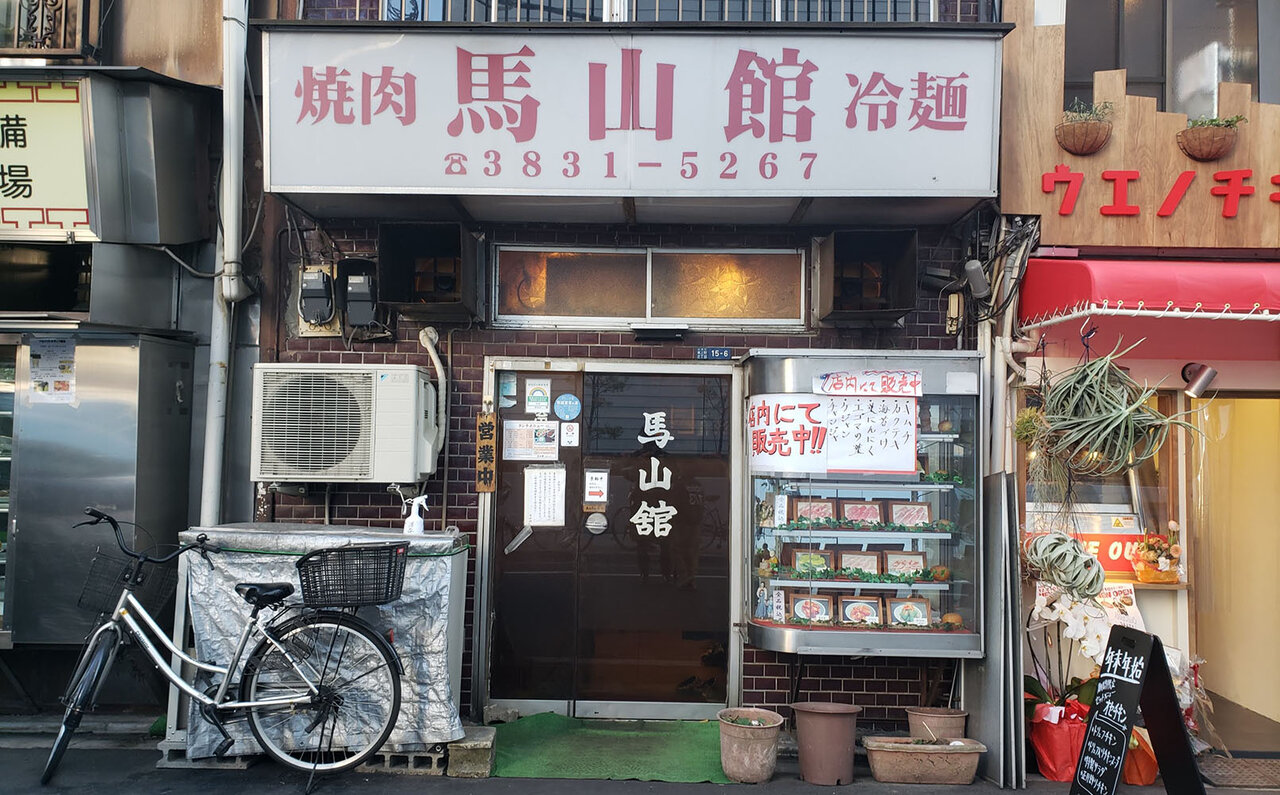
1. Masan-kan (2-15-6 Higashi-Ueno, Taito-ku, Tokyo)
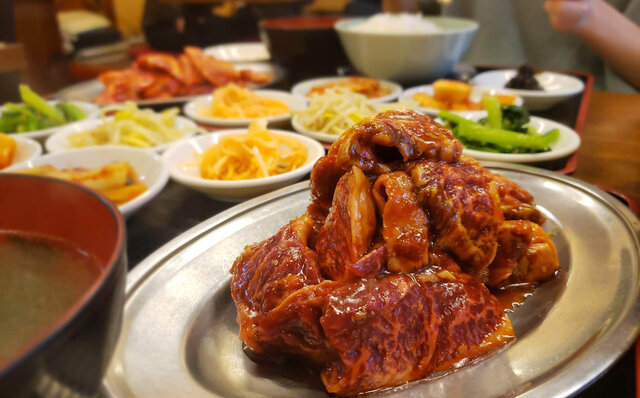
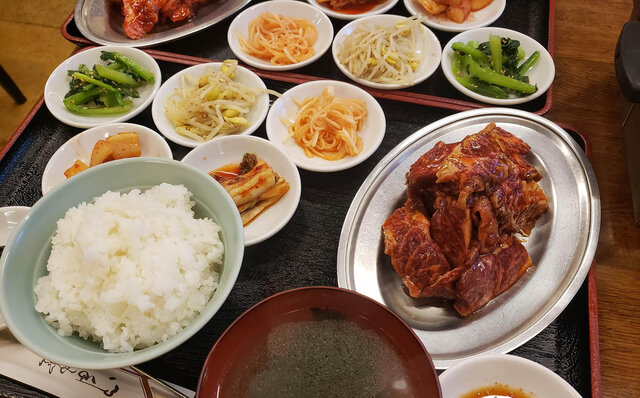
Masan-kan in Higashi-Ueno. I love their lunch. By the way, it's pronounced Masan-kan, not Umayayakan. Higashi-Ueno, which I mentioned in a previous column about Ueno, is said to have a longer history as a Korean town than Shin-Okubo. Higashi-Ueno and Masan-kan are now featured in various media, so it's hardly a secret. Besides yakiniku restaurants, there are also shops selling Korean ingredients and goods, and the area, surrounded by old business hotels, has a charmingly nostalgic atmosphere.
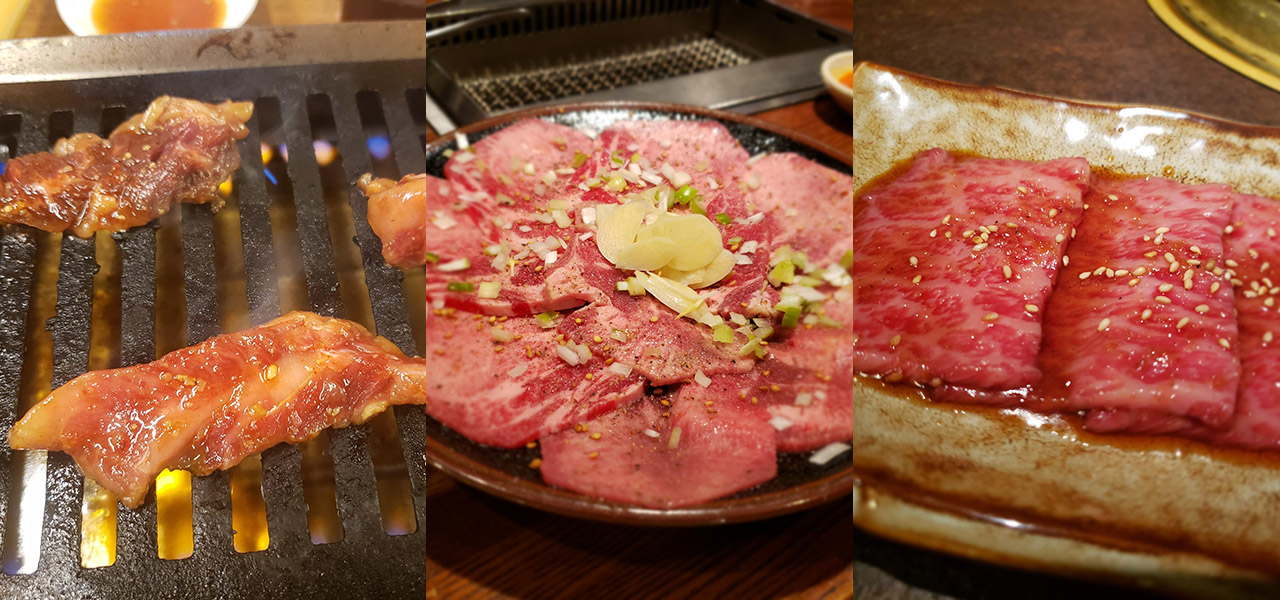
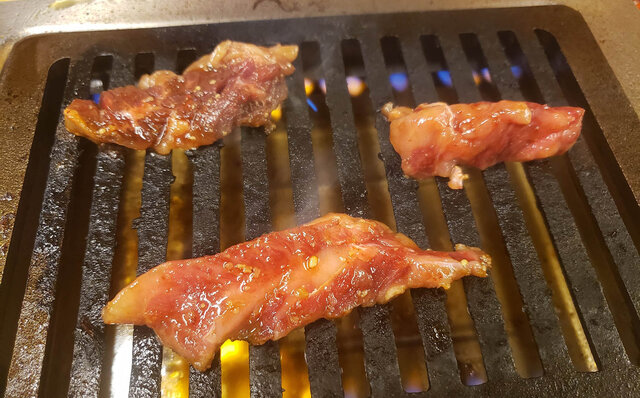
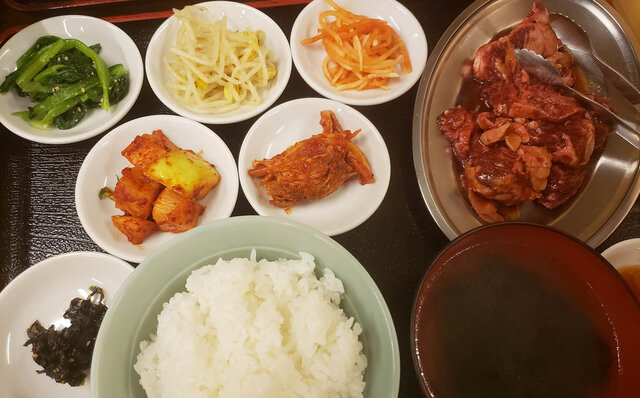
Masan-kan's lunch offers Kalbi and Harami options, each available in 100g, 200g, or 300g portions. I once ordered 300g and was so full I couldn't do anything in the afternoon, so I usually go for 200g (around 2,000 yen). It comes with kimchi and namul, and both the meat and rice are incredibly generous. It's a true power-charge lunch, where you thoroughly devour meat amidst billowing smoke. If you go on a weekday, it's best to have no meetings scheduled afterward.
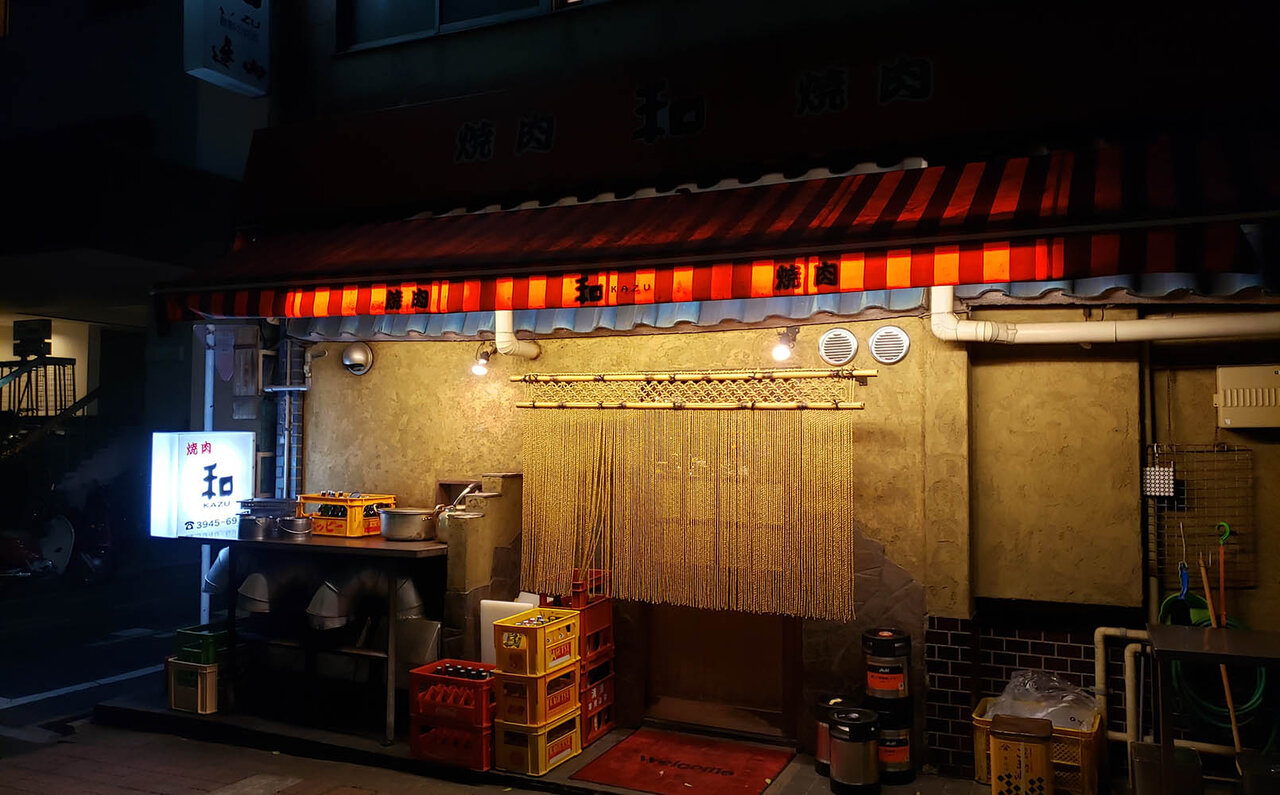
2. Yakiniku Wa (5-5-9 Koishikawa, Bunkyo-ku, Tokyo)
Next is Yakiniku Wa in Myogadani. I can honestly say I only go to Myogadani when I go to Wa, so it's synonymous with the area for me. Myogadani is two stops from Ikebukuro on the Marunouchi Line, past Shin-Otsuka. Wa, founded in 1979, is a long-established restaurant. Along with places like Uguisudani En in Uguisudani and Victory in Oimachi, I consider it a prime example of a neighborhood yakiniku joint. Though, I suppose I'm not really in a position to call it a 'neighborhood' place when I travel from another ward just to eat here.
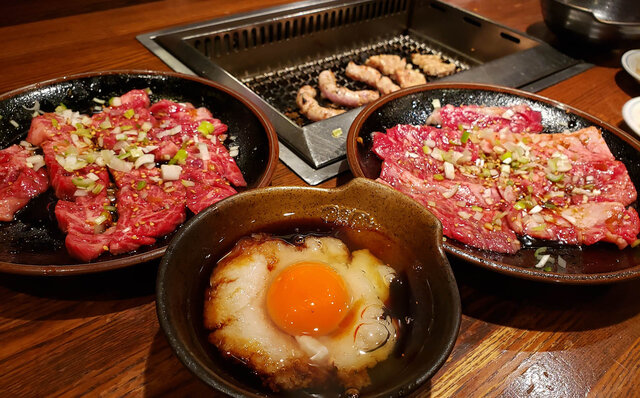
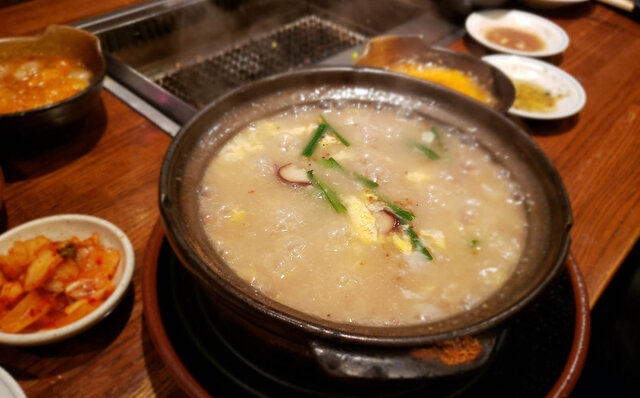
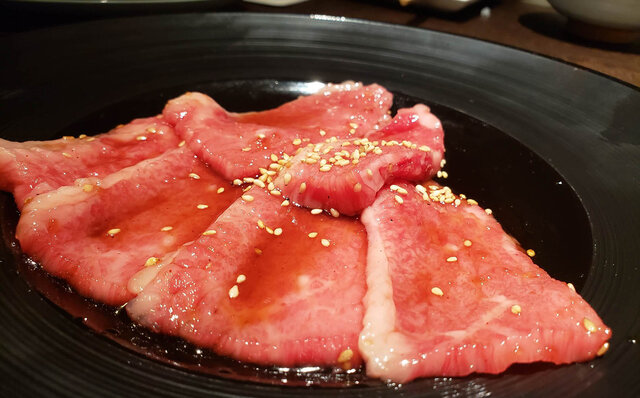
The first floor has a counter and tables, while the second floor is tatami seating. To enjoy the restaurant's at-home atmosphere, it's best to go with about four people and gather around the grill in the tatami room. All the offal, tongue, and meat are delicious. The sauce here is also excellent. The slightly sweet and savory 'Yukimi' sauce, made with raw egg and grated daikon radish, perfectly complements the meat, rice, and drinks. I usually don't use sauce on meat at yakiniku restaurants because adding sauce to sauced meat, especially with marbling, can be too rich. However, this sauce is exquisite. The meat isn't overly rich, so it pairs wonderfully with the sauce's subtle sweetness. The tail ochazuke is also a popular dish, and the superb non-meat side dishes are another reason to keep coming back.
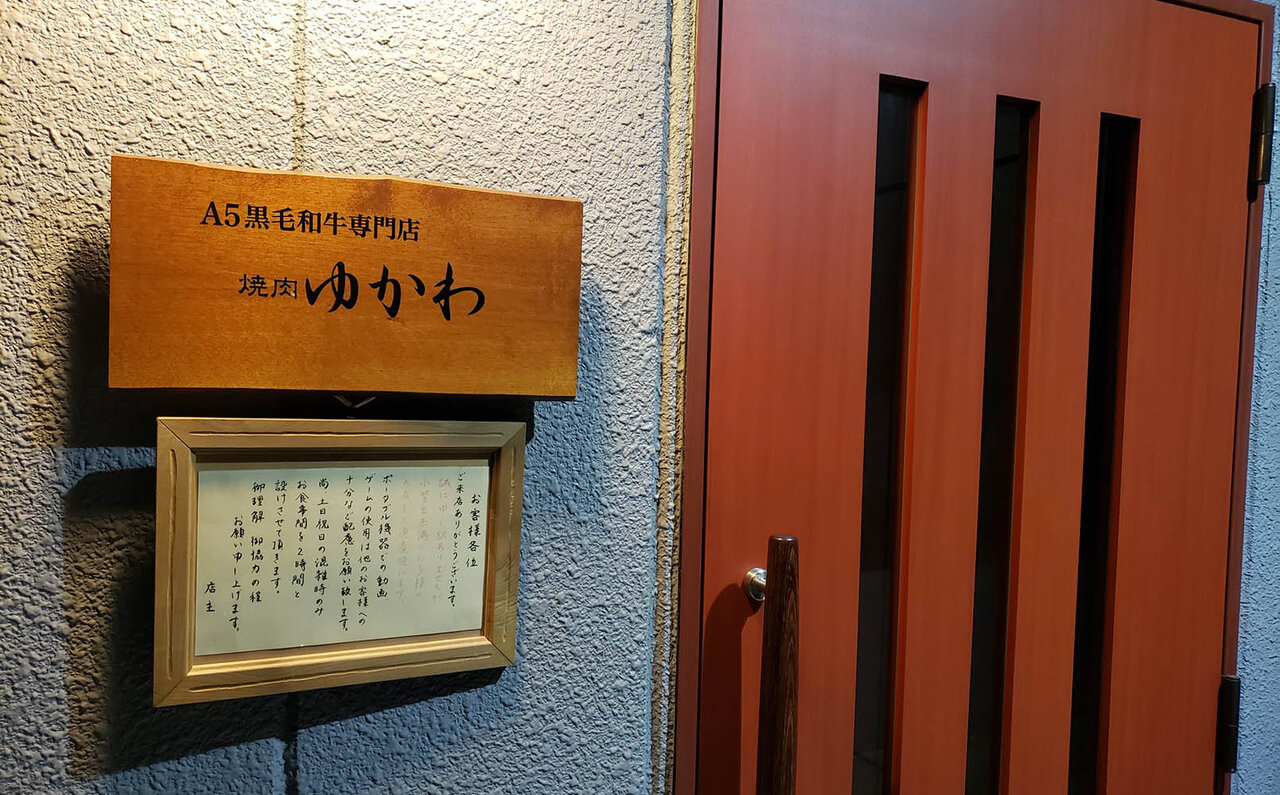
3. Yakiniku Yukawa (Hayakawa Electric Building 2F, 2-16-15 Todoroki, Setagaya-ku, Tokyo)
Finally, Yakiniku Yukawa in Oyama-dai. Oyama-dai is two stops from Jiyugaoka on the Oimachi Line. It's a quiet residential area, but it's also home to the legendary pastry shop "Au Bon Vieux Temps" and was once the location of "Maruyama Coffee." It's an area with many good establishments.
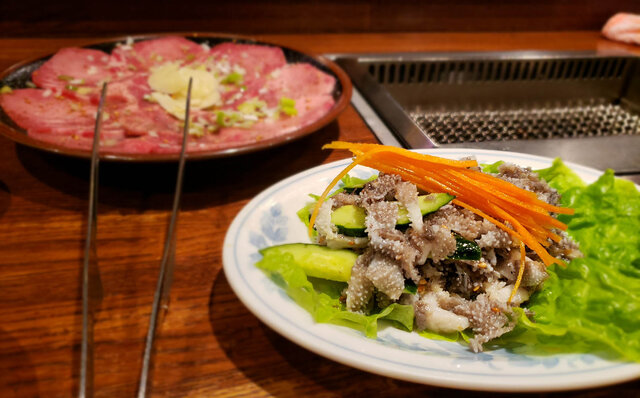
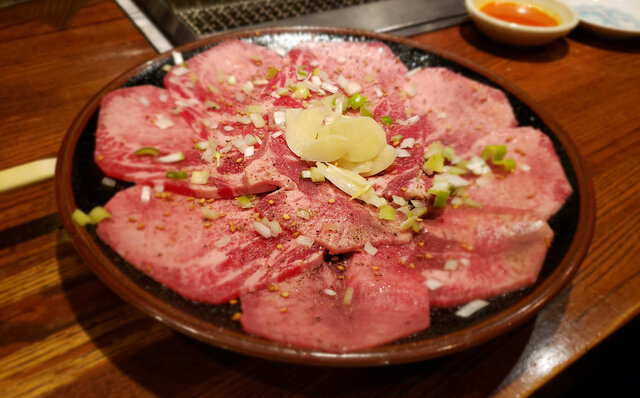
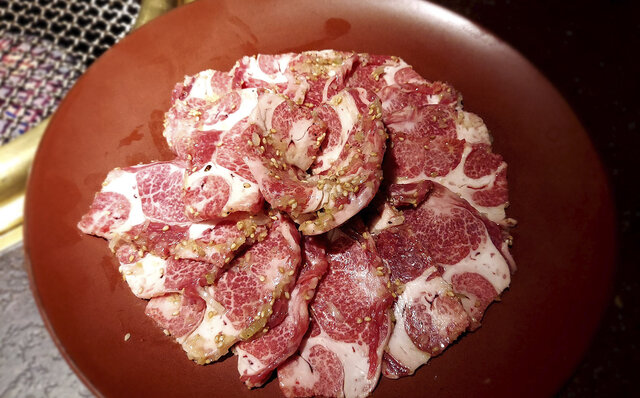
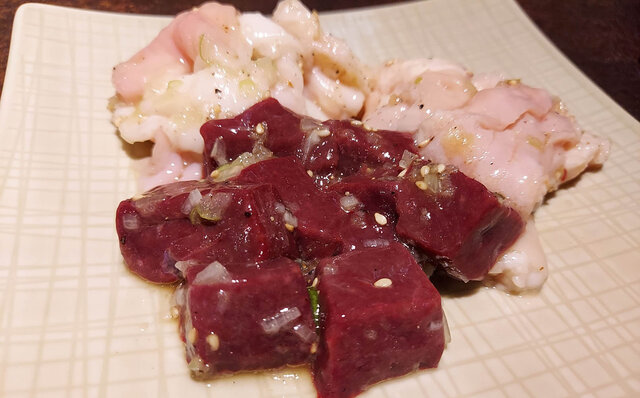
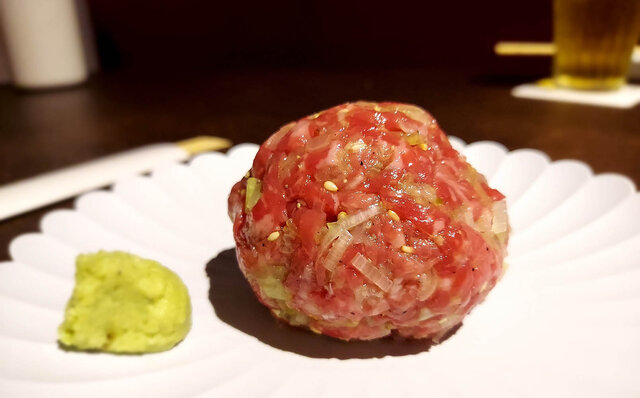
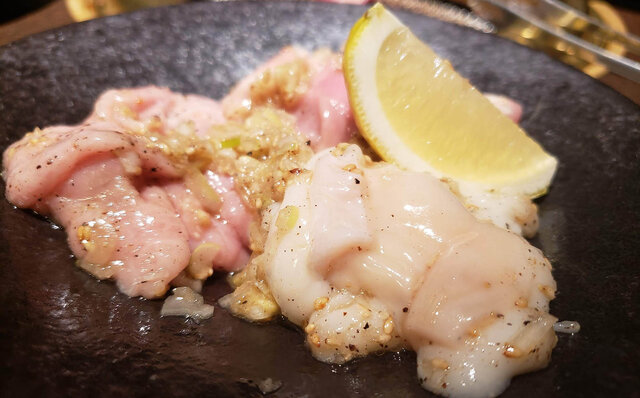
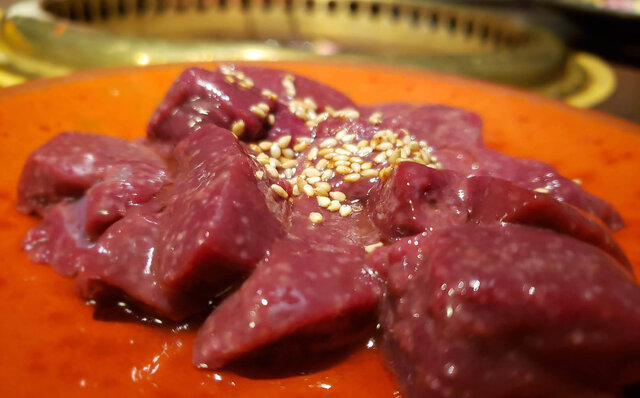
Yukawa offers high-quality meat in a clean and refined setting. The quality of the meat is, of course, exceptional. The yukke, which I consider their signature dish and is served under special permit, is a must-try. The liver sashimi, so fresh it makes you want to eat it raw, the tongue and tendon that pair perfectly with drinks, the crisp tripe, and the melt-in-your-mouth sirloin are all outstanding. While there are neighborhood yakiniku places that offer a smoky, boisterous atmosphere reminiscent of the Showa era, Yukawa provides a relaxed and leisurely experience, making it another excellent example of a neighborhood yakiniku spot.
My criteria for choosing a restaurant are places that aren't cheap but aren't overly expensive, and that are easy to get reservations for. While "Kinryuzan," "Sutaminaen," "Ushigoro," and "Hiromiya" are undeniably delicious, it's a shame they're not easily accessible when you want to go. If companions I bring there enjoy it, I want to be able to take someone else there again. Excluding very special occasions like sushi, fugu, or French cuisine, my rule of thumb is that a meal with drinks should cost around 7,000 yen per person.
While meetings and encounters have become more efficient through online platforms, dining is something that can never be replaced by online interaction. It's not just about nutrition; it's about spiritual fulfillment and a crucial space for bringing people closer. Yakiniku is the ultimate meal that brings smiles to everyone present. I want to enjoy dining at sustainable restaurants that the next generation will want to revisit.
Yasutake IjichiBorn in Tokyo in 1982. While studying at Keio University, he was involved in planning and producing receptions and parties for major brands at an event company. After transferring to a PR firm, he worked as a planner and resigned at age 30. He joined his friend of 20 years, the representative, in launching "Sunshine Juice," Japan's first cold-pressed juice specialty store, and served as Vice President until September 2020. He currently supports corporate communication and branding for clients across a wide range of industries while continuing his urban explorations. His favorite foods are fugu and soft-shelled turtle. His favorite sports are baseball and horse racing. His favorite places are traditional coffee shops and casual izakayas.
Instagram:
ijichiman