Kiku no Tsukasa Brewery's "innocent 40": The pinnacle of Junmai Daiginjo, where delicate freshness shines through with unparalleled clarity | FEATURE
FEATURE | Kiku no Tsukasa Sake Brewery
Tell me, Professor Yamauchi! Vol. 3: Japanese Sake "innocent 40" (Kiku no Tsukasa Sake Brewery)
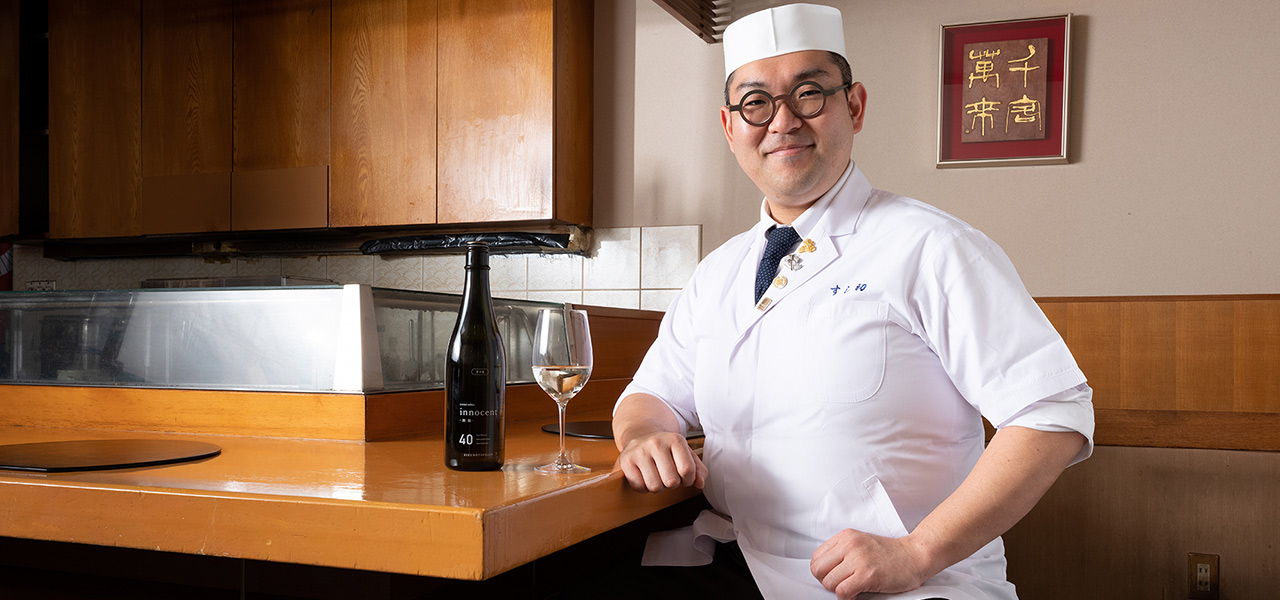
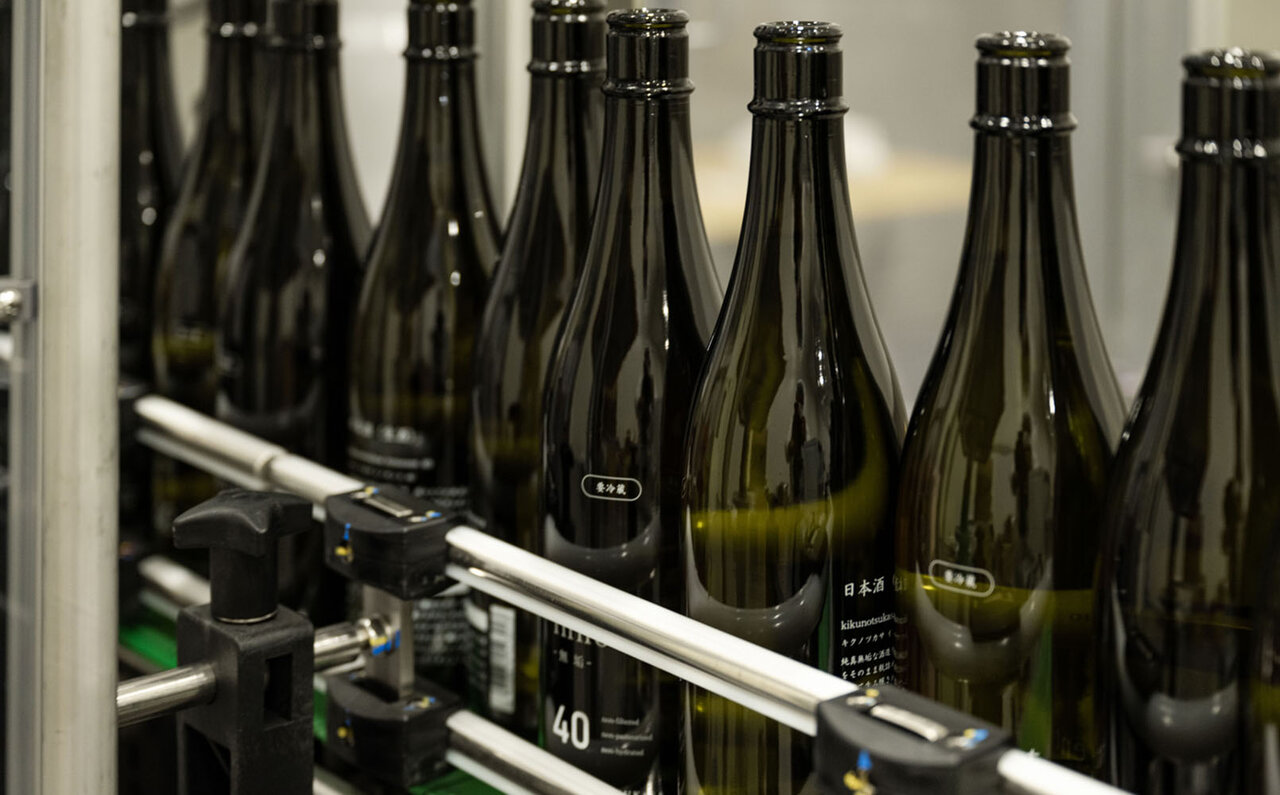
Immediately after opening, there was a refreshing effervescence. This is characteristic of the Yabuta-style pressing method, a special (anaerobic*) technique used in sake production. The current trend is to bottle it without exposing it to air. By bottling the sake while the carbon dioxide generated during alcoholic fermentation has not fully escaped, a subtle effervescence, reminiscent of French wine's Pétillant*, is maintained. This creates a sense of lightness in the sake's quality. (Professor Yamauchi)
*1 In a state without oxygen.
*2 A traditional sparkling wine bottled during alcoholic fermentation, which continues in the bottle.
Photographs by OHTAKI Kaku | Edit & Text by TSUCHIDA Takashi
Japanese Sake: Undeniably Stylish!
Professor YamauchiThis sake is also namazake*3, so it's bursting with freshness. However, the grassy aroma often found in namazake*4 is suppressed, and the floral notes that emerge from the background, along with a slight sweetness, are skillfully supported. This sake has successfully overcome the weaknesses of namazake.
*3 A type of Japanese sake that is not pasteurized even once to inhibit yeast activity, allowing you to enjoy its original quality.
*4 Acetaldehyde, which inevitably remains in namazake.
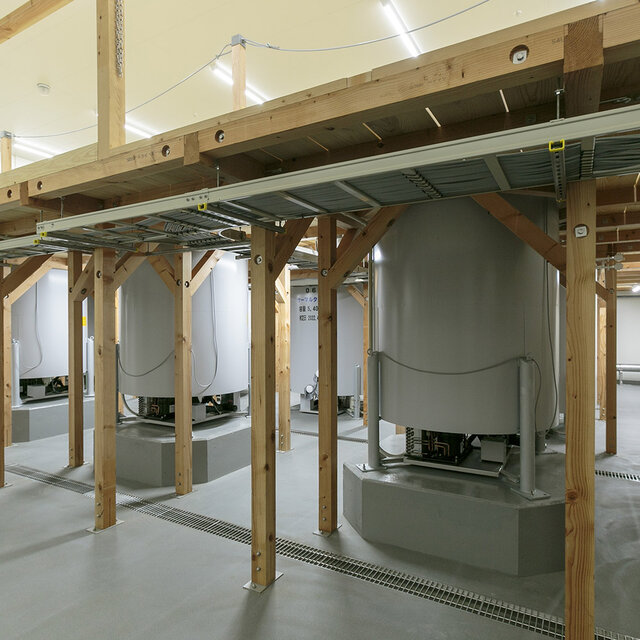
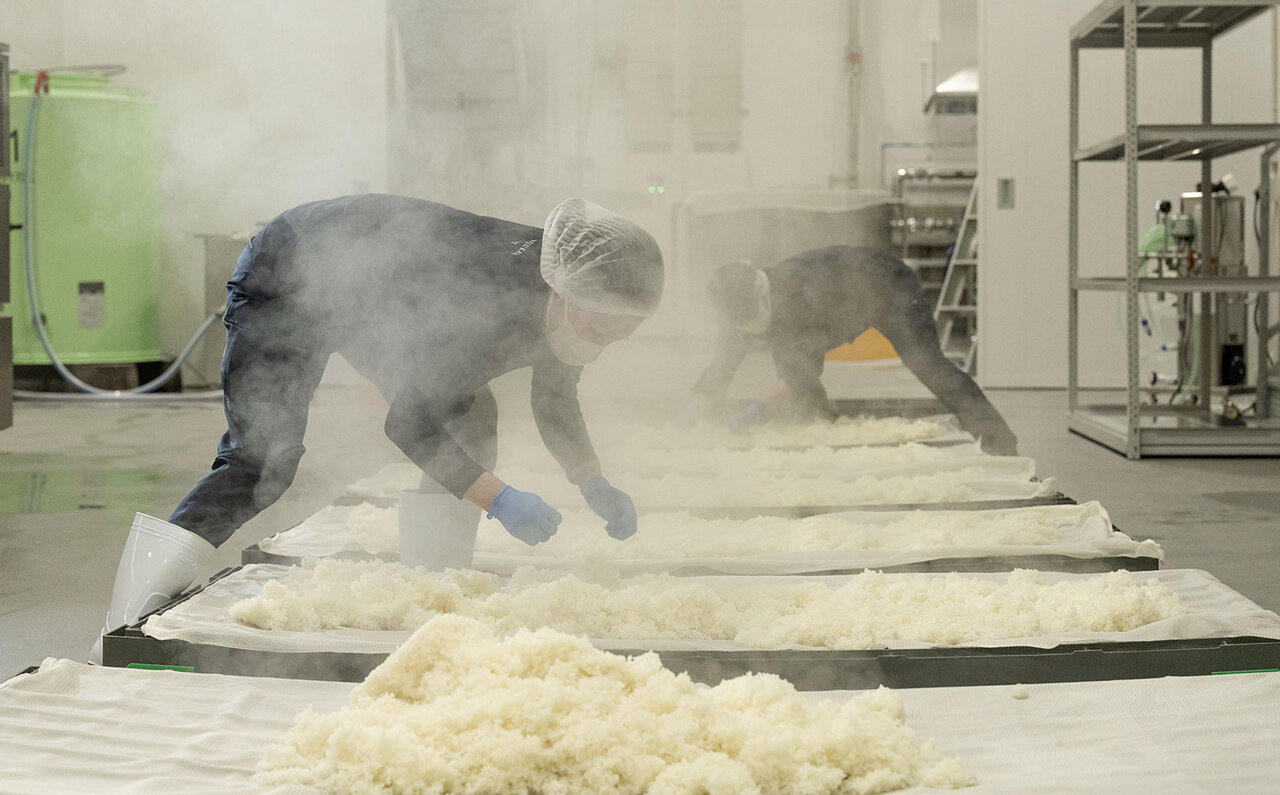
—"Kiku no Tsukasa Sake Brewery" relocated its buildings last year (from Morioka City, Iwate Prefecture to Shizukuishi Town, Iwate Prefecture). This means the entire sake brewing facility has been renewed, and in this new environment, the focus has been on absolute cleanliness.
Professor YamauchiThose efforts are already evident in this sake. (Decisively!)
This might get a bit technical, but as this floral aroma oxidizes, it develops a scent like day-old cream or leftover cake. In short, it's the smell of oxidized fat, and some sakes on the market haven't resolved this issue. This limits their shelf life after opening.
However, thanks to thorough quality control, the flavor of this sake evolves along a gentle curve even after opening. You can even enjoy the subtle diminishing of its fullness. While many fresh sakes must be consumed quickly, this one can be enjoyed even as it mellows.
— Indeed, while all namazake genshu have an incredible freshness right after opening, the next day you might think, "Huh? The taste has completely changed."
Professor YamauchiExactly. This bottle has actually been open for over a week. While the initial crispness has faded, the floral aroma that emerges later is unfolding beautifully in the glass right now.
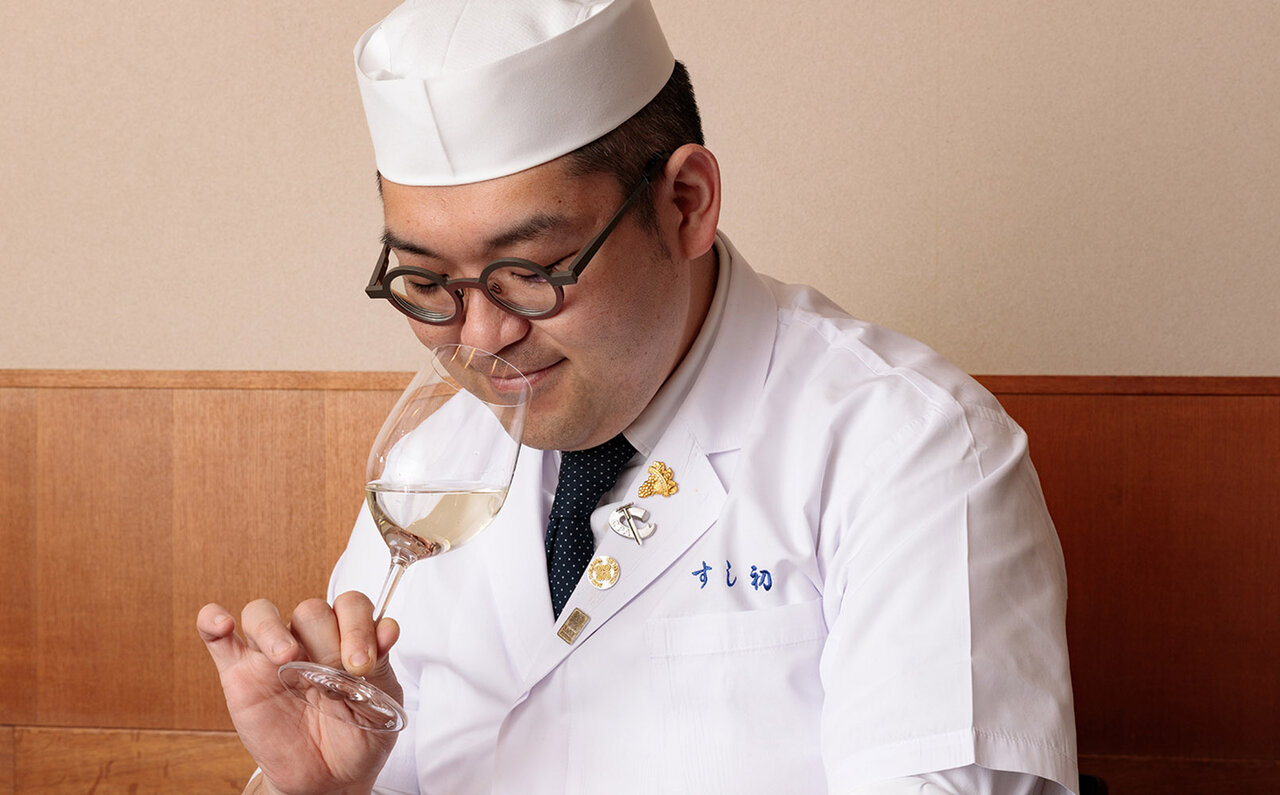
To put it without fear of misunderstanding, the current aroma is like a shortcake. There's the scent of strawberries behind the freshly whipped cream, floral notes, and then a sweet aroma layered on top – that's the current state of this sake. I believe this represents another peak.
— So, the first peak is right after opening, and a second peak awaits about a week later...
Professor YamauchiYes. The duration of one week also depends on how many times the bottle has been opened. The idea is perhaps a week and a half without opening it at all, or if opened a few times, the second peak might arrive around day five or six.
When you open the bottle and pour, air exchange occurs, leading to slight oxidation. Simultaneously, the sake becomes mellower and smoother, and some of the carbonation also escapes.
— I see! That's a wonderful sake design. Kiku no Tsukasa Sake Brewery's management changed two years ago, and the concept and design for the "innocent" sake's quality were established by the new management's Ms. Wakako Yamada. Following that, the brewery itself relocated, and this is the result of their first brewing in the new environment...
Professor YamauchiTo achieve this level of perfection with their first release in the new environment is truly remarkable. I think it's excellent.
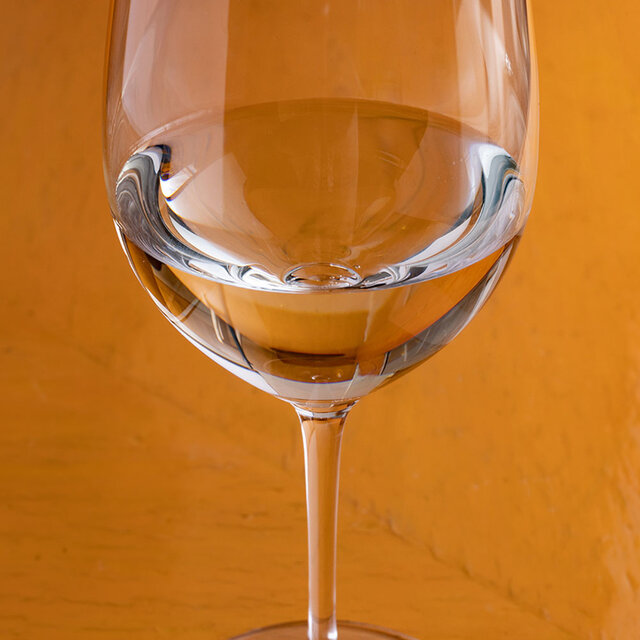
The appearance is like sparkling crystal, with a slight hue and hints of yellow-green.
— It's said they use sake rice suitable for brewing from Iwate Prefecture and also yeast from Iwate Prefecture.
Professor YamauchiGiven this aroma, it must be "Giovanni no Shirabe" (*). And they are likely using Association Yeast No. 9 concurrently. Iwate Prefecture's local yeast, "Giovanni no Shirabe," is a very distinctive yeast. Its characteristic is producing a gorgeous aroma reminiscent of apples, pears, and strawberries. "innocent" combines the cleanliness of the newly built brewery's equipment with the freshness achieved by avoiding air exposure, allowing it to express such a vibrant quality from the start.
https://iwatesake.jp/kouji/This aroma is why it's called "Giovanni no Shirabe" (*). And they are likely using Association Yeast No. 9 concurrently. Iwate Prefecture's local yeast, "Giovanni no Shirabe," is a very distinctive yeast. Its characteristic is producing a gorgeous aroma reminiscent of apples, pears, and strawberries. "innocent" combines the cleanliness of the newly built brewery's equipment with the freshness achieved by avoiding air exposure, allowing it to express such a vibrant quality from the start.
On the other hand, "Giovanni no Shirabe's" weakness is that fermentation doesn't last long. Its cell walls are somewhat thin, and it succumbs to the alcohol it produces. It has a special ability to create floral aromas, but it's physically weak – that's its character.
This weakness affects the latter half of the fermentation process. Supporting this weakness is Association Yeast No. 9. This yeast originated in nature, so it possesses the strength to overcome natural challenges. Consequently, it doesn't run out of stamina in the later stages of fermentation, ensuring the sake's lightness is thoroughly achieved. The yeast metabolizes the rice's sugars completely, resulting in a beautifully balanced profile of sweetness, acidity, and umami.
— By the way, Professor Yamauchi, Iwate Prefecture is the only one among the six Tohoku prefectures that doesn't rank in Japanese sake production, despite being the birthplace of the Nanbu Toji master brewers.
Professor YamauchiIt's true that in recent years, they've fallen behind other prefectures. However, I believe the knowledge of the Nanbu Toji is finally being consolidated and passed down to the current sake breweries in Iwate. A well-known example is "Nanbu Bijin," which has already gained national recognition.
— I've recently seen new releases from "Nanbu Bijin" and "AKABU" at liquor stores in Tokyo.
Professor YamauchiYes, Iwate Prefecture has now reached a point where they can embody sophisticated sake quality design.
— What specifically do you mean by "sophisticated"?
Professor YamauchiPrimarily, the cleanliness of the sake brewing environment. Additionally, I believe it's the state-of-the-art equipment. And while the brewing process itself is crucial, what happens after brewing is also extremely important – that is, thorough product management. Conversely, it means they have the advantage of being able to design products based on the premise of good post-production management. Because they can guarantee the quality of storage after production, they can now create products that emphasize a more refined subtlety.
— Ah, so this "innocent" is tracing that latest trend in Iwate Prefecture?
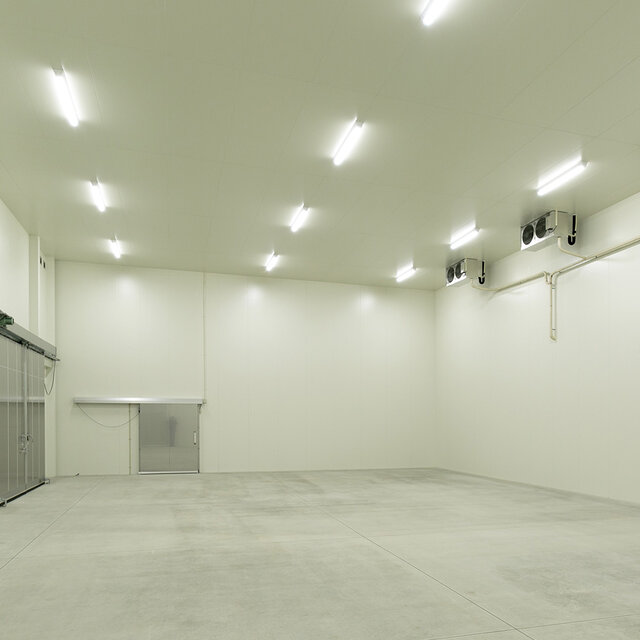
Recommended Storage Temperature for Namazake: Colder than Refrigeration, in the "Chilled Zone" (0 to -5°C)
— Kiku no Tsukasa Sake Brewery asked me not to eat natto for a week before the brewery tour.
Professor YamauchiA week is quite a specific timeframe. But their commitment to such care is wonderful. This attention to managing the microbial flora is what allows them to create "innocent."
— This incredibly delicate flavor can be enjoyed thanks to Japan's excellent distribution network, which delivers it nationwide via refrigerated shipping, right?
Professor YamauchiPrecisely.
— Incidentally, is it okay to store namazake in the refrigerator after purchase? Sake cellars are popular now, but are they really necessary?
Professor YamauchiWhen it comes to storing namazake, especially the floral types, I believe 0°C or around -5°C is ideal. However, you don't necessarily need an expensive sake cellar. There are affordable devices available on Amazon and elsewhere that function as a middle ground between a freezer and a refrigerator, allowing for the inexpensive storage of such sake.
— I see, so with these kinds of items, you can easily achieve a chilled environment. And you can stock delicate namazake at home. Hmm, the current environment for Japanese sake is becoming more accessible and convenient.
[Summary]
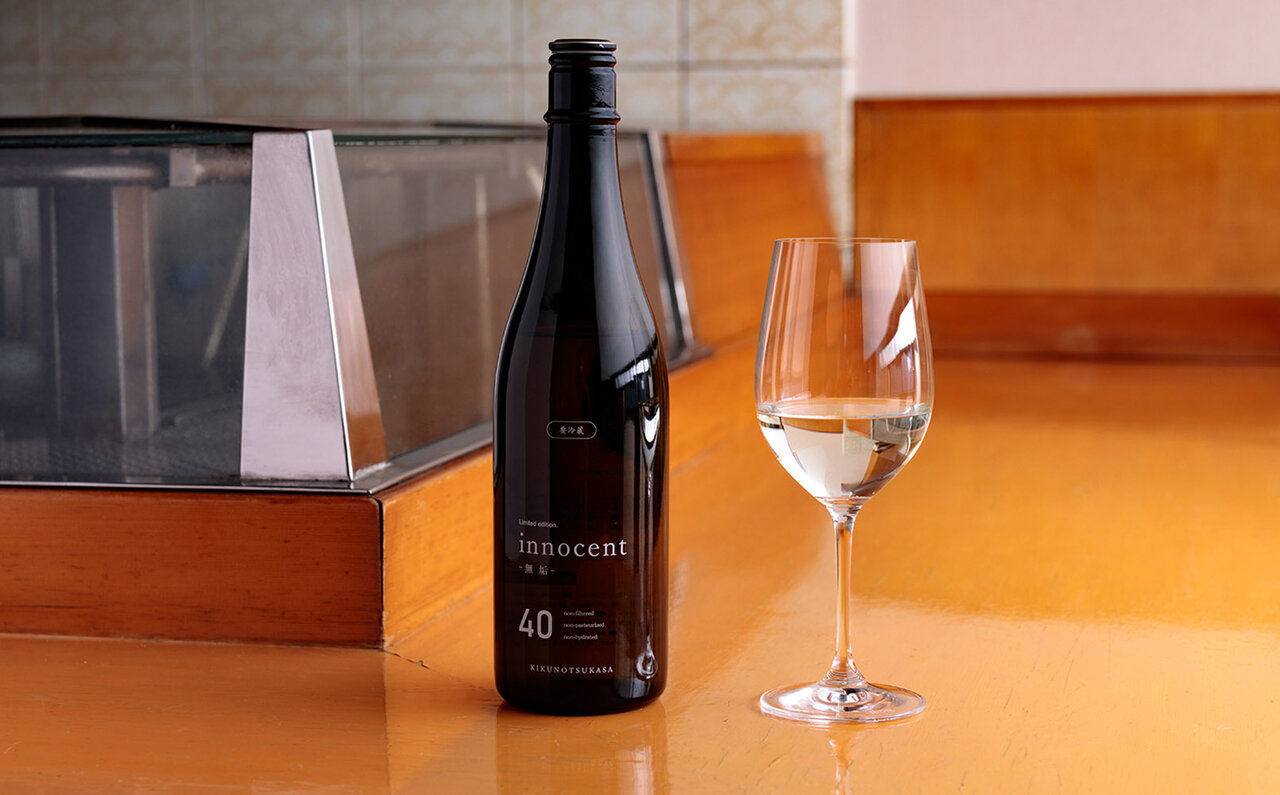
innocent 40
Contents: 720ml
Brewed and Sold by: Kiku no Tsukasa Sake Brewery
Price: ¥3,300 (tax included)
This is an excellent example of what can be achieved with modern hygiene and temperature control. It embodies the clear, crisp Junmai Daiginjo style that today's Nanbu Toji excel at. The sincere dedication of the brewers facing numerous challenges is the essence of "innocent." To be able to savor this superb sake quality for around ¥3,000 is a testament to how fortunate we are in Japan!
*This article is not sponsored.
*This article features Japanese sake genuinely recommended by Professor Yamauchi and OPENERS editor Takashi Tsuchida.