The Next Recommendation from 'Outbrain', the Global Ad-Tech Company from Israel Used by One-Third of the World | INTERVIEW
INTERVIEW | Israel That Japanese People Don't Know #2
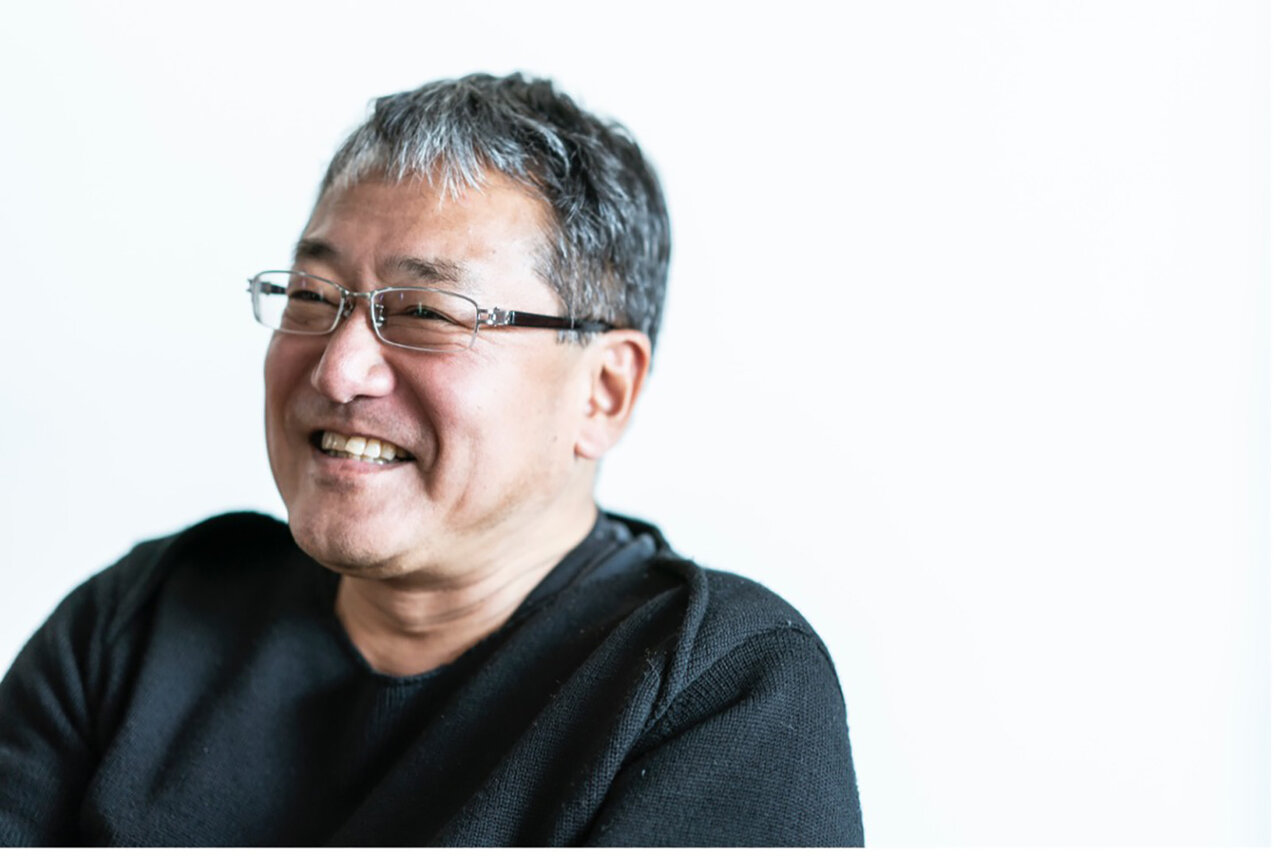
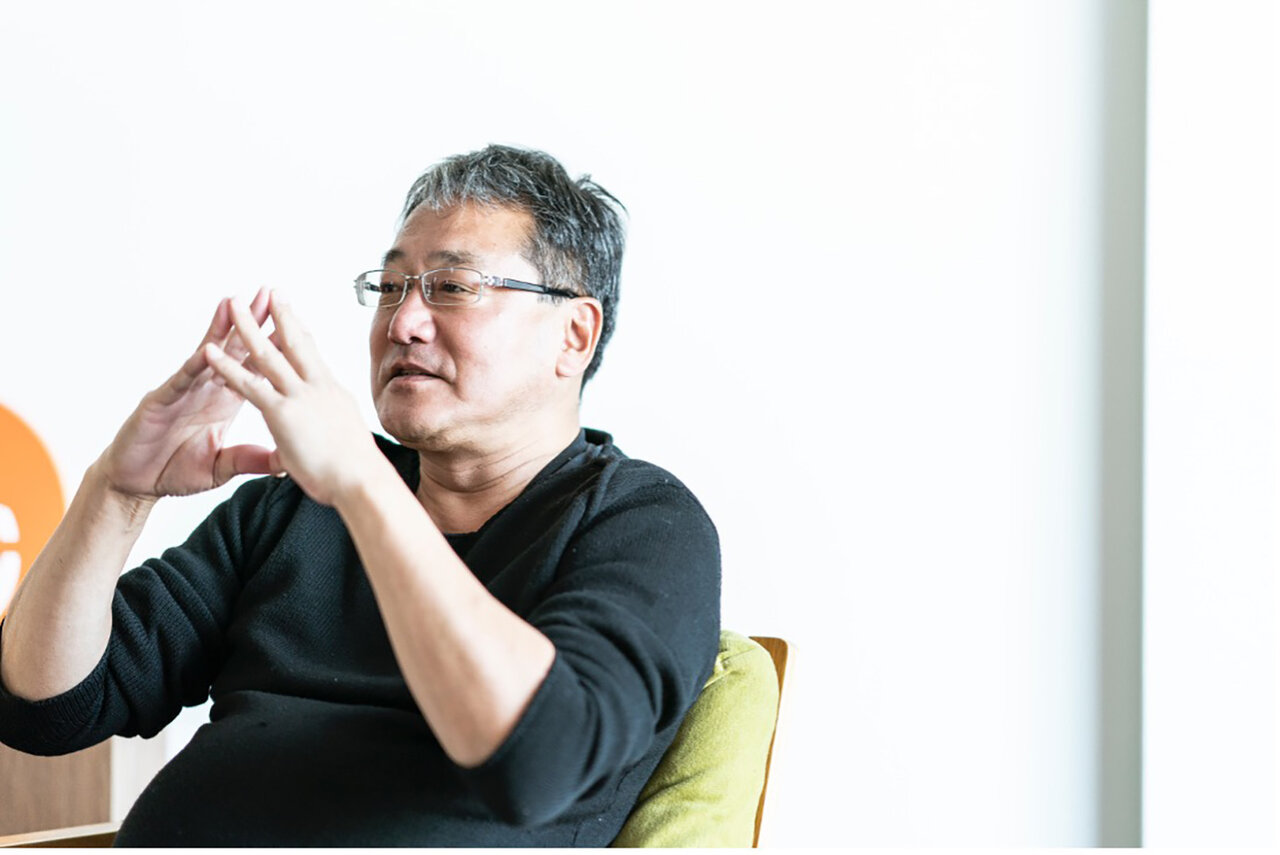
Masahiro Ueno, Managing Director, Outbrain Japan Inc.
Israel, once strongly associated with religion and conflict, is now known as the Silicon Valley of the Middle East, gaining attention for its digital technology. During the pandemic, it achieved the world's fastest nationwide vaccination rollout, showcasing its advanced health tech to the globe.
What is not widely known is that behind its rapid rise as a "Startup Nation" on the global business stage lies a history of people from all over the world coming together to found the nation, a high-level education system, and a culture that values challenging the status quo and embracing new ideas. Do we Japanese truly know Israel?
Previous articleFollowing our previous installment, the second part of the series "Israel That Japanese People Don't Know" focuses on Outbrain, an Israeli-born leading company in ad tech that operates in over 50 countries worldwide. We spoke with Masahiro Ueno, who was appointed representative and managing director of the Japanese subsidiary last year.
Interview by YOICHIRO Maeda Text by MAMI Shoji Photograph by TAKAYANAGI Ken
One-Third of the World's Internet Population Views Content Through 'Outbrain'
The interview took place at Outbrain's office in Ebisu. Ushered into a conference room with a sweeping view, President Ueno appeared, walking with a slight limp.
Ueno: Apologies for the wait. I actually sprained my leg playing golf yesterday. The downhill slope had turned into a carpet of acorns... I shouldn't push myself, it's quite embarrassing.
His smile and tanned skin were striking. His hobby is golf. Since taking the helm as Managing Director of Outbrain Japan in October last year, Ueno has built a career as a digital advertising and media professional, previously serving as Representative Director and Head of Asia Pacific at Criteo Corporation, and Representative Director at BuzzFeed Japan Inc., among other roles.
Ueno, who created his first ad network in 1998 during a three-year tenure at a company, recalls the sales style of the time: contracting with individual media outlets, securing ad space, and selling it manually. Gradually, ad buying shifted to programmatic methods, and digital advertising began to resemble stock trading.
Outbrain was co-founded by Israelis Yaron Galai and Ori Lahav. They set out to replicate the experience of turning a magazine page and discovering the next article or product, but online. For media outlets, Outbrain effectively helps distribute articles that might otherwise be lost in a sea of content. For readers, it acts as a bridge, delivering online articles optimized to their individual interests.
For those still unsure, you might be surprised to learn that one-third of the world's internet population views content through Outbrain's feeds. In reality, Outbrain is that closely integrated into our daily lives.
Ueno: In my previous role, I was involved in a digital marketing business specializing in travel in Singapore, where we leveraged third-party data to enhance targeting accuracy. So, what surprised me about Outbrain was their multi-year contracts with major media outlets in over 50 countries, including Japan. I was taken aback, thinking, 'They're still using this sales approach' in the digital advertising industry. At the same time, I was impressed that they had expanded their business to such a scale without relying solely on programmatic methods.
Is the Cookie-less Era an Opportunity for Outbrain?
In recent years, Google's specifications have changed, and web marketing and advertising measures utilizing third-party cookies will no longer be available after 2023. Cookies are small text files issued by the server of a website visited, and have been used for login systems and advertising initiatives. However, from the perspective of user privacy protection, Google has announced their discontinuation.
In place of third-party cookies, "Privacy Sandbox," a mechanism that does not identify individuals, has been proposed. We will discuss this further later, but what path will ad tech take from here?
Ueno: Even if cookies become unusable, Outbrain has established a database that optimizes and delivers millions of articles. By categorizing articles based on what is likely to be read, we can achieve unique targeting in various ways, resulting in a very high degree of accuracy in user targeting.
However, unfortunately, it will become more difficult to target individuals without third-party cookies. On the other hand, for media outlets that offer paid content via subscription, they obtain individual IDs and can evolve their targeting strategies by utilizing them.
Is the cookie-less era an opportunity for Outbrain?
Ueno: I believe it is an opportunity. On the other hand, companies like Google, Facebook, and Yahoo! have a strong advantage in holding user IDs. How we compete with them will be key going forward. However, there is no doubt that we will compete using Outbrain's content targeting technology.
Outbrain has consistently focused on treating media, readers, and advertisers fairly. The results of meticulously scrutinizing every piece of content, including what might be called "shady ads," are beginning to show.
Ueno: It requires significant cost and time, but unlike competitors who review ad content after publication, Outbrain continues to conduct thorough pre-screening. Especially for content that violates pharmaceutical and medical device regulations concerning pharmaceuticals and healthcare, we outsource the review, incurring further costs, but we prioritize ensuring the quality of our advertisements. Of course, we are gradually automating processes, but we have no intention of compromising this stance.
Google's "FloC," a machine learning algorithm planned for introduction within the aforementioned "Privacy Sandbox," what will this bring?
Ueno: Google recommends grouping, but the issue lies in how these groups are formed. If Google wishes, they can combine this with individual search keyword data.
After all, very few people do not use at least one Google app, such as the search engine, YouTube, or Gmail. While logged in to these services, you are constantly being targeted.
In fact, depending on how it's used, this can be dangerous. For example, it could become possible to continuously show advertisements for consumer loan companies to individuals who appear to be in financial distress.
A Recommendation Platform from Israel
Ueno, who has witnessed the digital marketing industry since the dawn of the internet, notes that while Israel's tech scene was known in the security tech industry around 13-14 years ago, it was not yet prominent in ad tech.
Ueno: Actually, the first time I learned about Israeli tech was by chance, with Outbrain. This was about 10 years ago. Our venture capital partner at the time introduced us to Outbrain, saying they had found an "inside recommendation company" to complement our "outside recommendation company," Criteo.
Then, around 2012, Eitan Galai, the younger brother of Outbrain's founder, visited Japan with the company's expansion plans in mind.
At that time, Outbrain's business model was to provide a recommendation engine to media outlets to increase page views. The current method of blending advertisements into articles emerged several years later. In fact, Outbrain initially disliked advertising and considered it unacceptable to include sponsored articles in their feeds. However, they realized that many sponsored articles could offer value to users. This led to the development of Outbrain's current business model.
Ultimately, the Content Itself Must Be Engaging
No matter how advanced ad tech becomes, it cannot succeed without good content. Outbrain recognized early on the importance of understanding individual preferences and delivering beneficial, non-intrusive information.
Ueno: The widgets below articles load and extract condensed information from the advertiser's landing page. Therefore, the landing page itself must be an engaging article. Currently, landing pages with substantial content are proving to be highly compatible with Outbrain's engine, leading to favorable results.
Ueno, who has spent a long time in the evolving digital marketing industry, surprisingly concluded that "the industry hasn't fundamentally changed" since taking his current position at Outbrain. He also shared intriguing insights into the backgrounds of Outbrain's Israeli founders.
Ueno: In fact, around 1998, I was advocating for the same principle as Outbrain's philosophy, "Lighthouse." I would draw a triangle on a whiteboard connecting "Media Publishers," "Advertisers," and "Readers," explaining that "this must be an equilateral triangle, so favoritism is absolutely forbidden." The primary reason I accepted the offer to lead Outbrain Japan was my strong resonance with this shared philosophy.
From Outbrain's headquarters in Israel, Japan is one of the most difficult countries to understand due to its language, culture, and business practices. However, Outbrain was convinced from the beginning that it would eventually enter the Japanese market.
This is because, in fact, the founder Galai family's ancestors were Jewish people living in Poland. During the war, they escaped the Holocaust thanks to visas issued by Chiune Sugihara, the consul at the Lithuanian consulate. Therefore, their sympathy towards Japan is likely considerable.
Furthermore, Japan is one of the world's leading markets in terms of the size of its internet advertising market. As it holds a significant global share and still has considerable room for growth, expectations for this market must be high.
The Equilateral Triangle Relationship of Media Publishers, Advertisers, and Readers
About a year into his current role, how does he perceive Outbrain's potential?
Ueno: Founder Yaron Galai is an avid reader. His entrepreneurial journey began with the simple idea of developing an engine that would automatically recommend books he wanted to read, as searching for them individually was tedious. However, being recommended books one has no interest in is annoying. Outbrain calls this "discovery," and the desire is to be recommended high-quality content.
The business model, refined through evolution, is "Lighthouse," with a philosophy of treating its three customer groups – "Media Publishers," "Advertisers," and "Readers" – with fairness. This is because while advertisers pay for the service, compromising this philosophy by displaying poor-quality ads would lead to reader attrition, causing trouble for media publishers as well.
With the advent of the cookie-less era, we believe the importance of content targeting will only increase. Our future challenge is to expand our current text-focused content targeting to the realm of video. To this end, we acquired video intelligence AG, a Swiss company specializing in video marketing, in November. We plan to leverage this acquisition for further development.
Finally, we asked about his future aspirations.
Ueno: Currently, Japan's primary global export is anime. I believe there is much more high-quality content waiting to be discovered, but it still feels buried. Personally, I aspire to help disseminate more of Japan's excellent content to the world.
Outbrain's current services are provided within the open web, accessible to everyone. However, in the future, we aim to offer our services on subscription platforms like Netflix and within closed social networks like Facebook.
* As our highly information-driven society accelerates, it seems certain that Israel's Outbrain will increasingly support communication across the web.



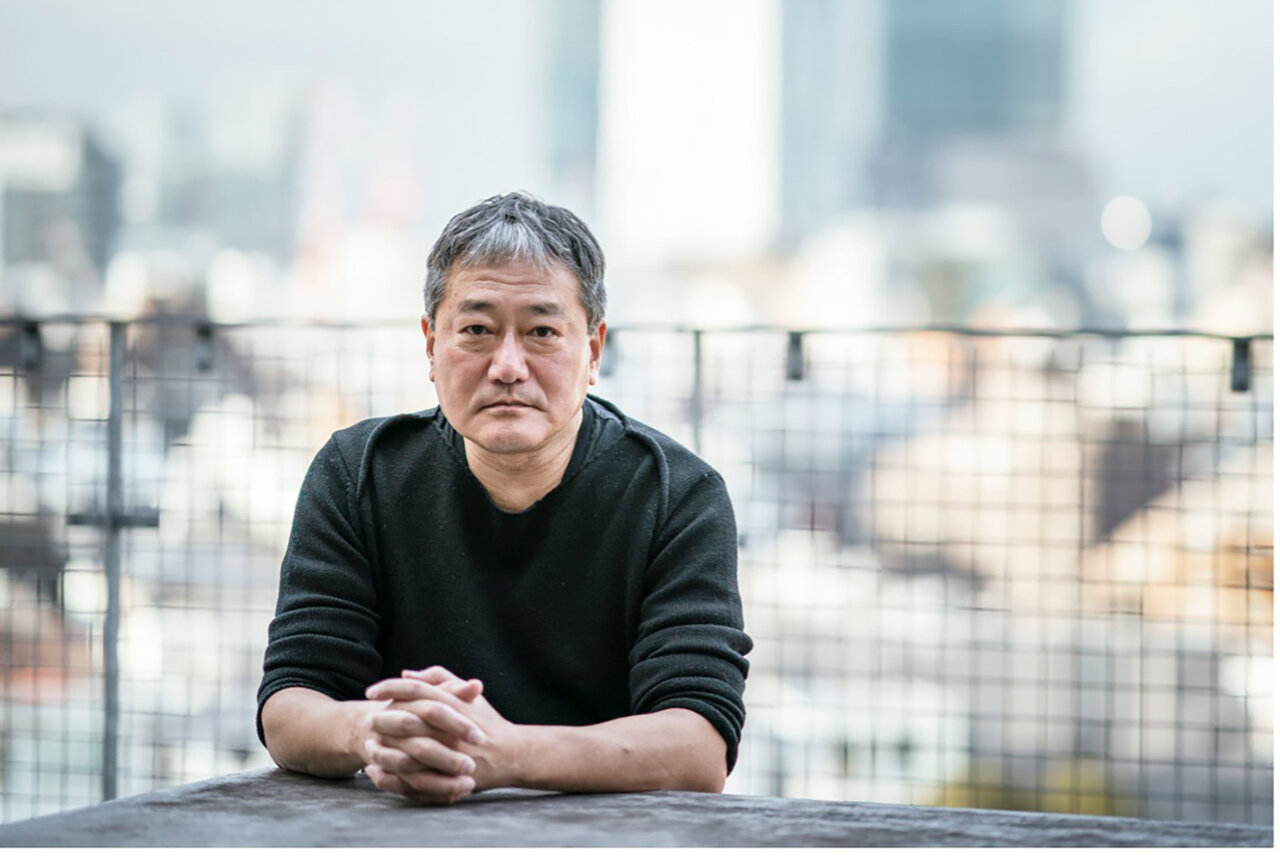
Managing Director, Outbrain Japan Inc. Prior to his current role, he served as Representative Director and President of DoubleClick Inc., Managing Director of Transcosmos Inc., Representative Director and President of Overture Inc., Representative Director and Head of Asia Pacific at Criteo Corporation, and Representative Director and President of BuzzFeed Japan Inc. He assumed his current position in October 2020. His hobby is golf, playing over 100 rounds annually.