Leading the evolving jazz scene, which continuously transforms and adapts at an accelerating pace, is Israel. | MUSIC
MUSIC | Who is leading the evolving jazz scene, which continuously transforms and adapts at an accelerating pace? It's Israel.
The Captivating Jazz Scene of Israel
In this special feature, "OPEN TO ISRAEL," we've focused on various facets of Israel from an editorial perspective. Among these, music, intertwined with discussions of IT technology, seems to embody the national character with its rich sensibility. Particularly in the jazz scene, there are many noteworthy players. The arrangements and improvisational nature of their music likely stem from a sensibility born from Israel's historical context and cultural landscape. We are drawn to their passionate yet subtly beautiful melodies. What is the Israeli jazz scene that fascinates Hirotsugu Shibata?
Text by SHIBATA Hirotsugu (Long Distance Love)
The hallmark of Israeli jazz: "Emotional & Technical"
My lifelong passion for music, primarily Western, spanning various eras, genres, and categories, involving extensive collections of records and CDs, and frequent visits to live venues to re-experience and invest in my favorite artists – my "No Music, No Life" philosophy – has undergone a significant transformation in recent years.
As my vast personal music collection became devalued with the changing times, the advent of music streaming formats like SPOTIFY has brought an era where one can discover 40 million unknown songs for about 1,000 yen a month. It's astonishing. Consequently, I've developed an interest in K-POP and classical music, which I previously overlooked, and experienced a belated encounter with "The Beatles" and "The Rolling Stones" after nearly 30 years of exclusively listening to American rock. It's no exaggeration to say that a second musical life has begun.
Above all, the greatest joy is experiencing the radical evolution (mutation and adaptation) of jazz in real-time. While I was always interested in jazz, I struggled to fully immerse myself due to its vast catalog, the repetitive nature of improvisations and themes (riffs), and the diluted, supermarket-BGM-like fusion variations.
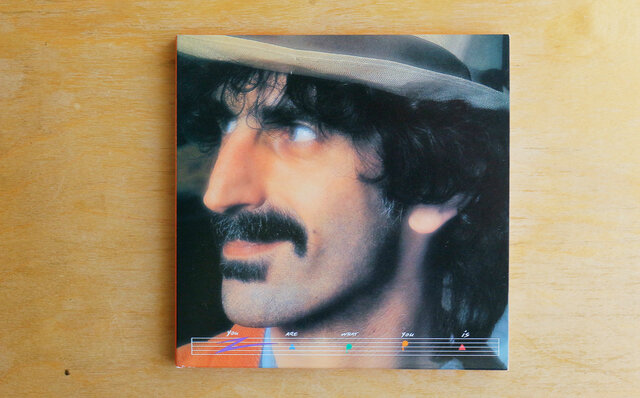
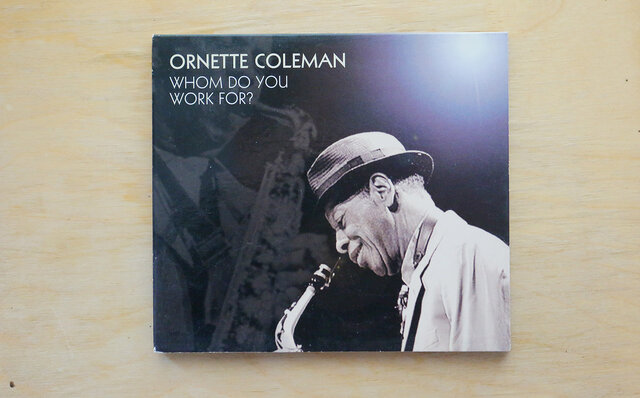
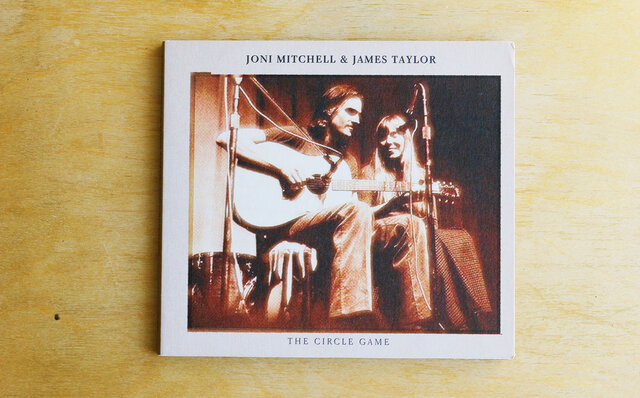
Into this personal musical journey (history) stepped three artists: "Frank Zappa," "Ornette Coleman," and "Joni Mitchell." Though their roots lay in "Rock/Contemporary Music," "Folk Song," and "Free Jazz" respectively, the common thread in their music, brimming with "eclecticism" and "freedom," was their creation of unique musical visions through continuous "mutation and adaptation." Their music gradually dismantled and reconstructed my preconceived notions of "jazz."
Now, let's get to the main topic. While there's no doubt that the center of jazz's evolution through "mutation and adaptation" is America. Broadly speaking, pioneers like Miles Davis and Herbie Hancock paved the way, but in the last decade or so, the acceleration has been led by Robert Glasper and his circle.
This new jazz, created through the cross-pollination with hip-hop and electronics as a new form of Black culture, has crossed oceans and is making waves in Europe (recently around South London), becoming a significant movement.
This brings the jazz scene in the Middle East, specifically Israel, into sharp focus. While Israel might carry enigmatic (and sometimes misunderstood) impressions of being a "military and IT nation" or home to "strict Muslims," a new image is emerging of a country blessed with diverse creative talent in fashion, film, and contemporary dance.
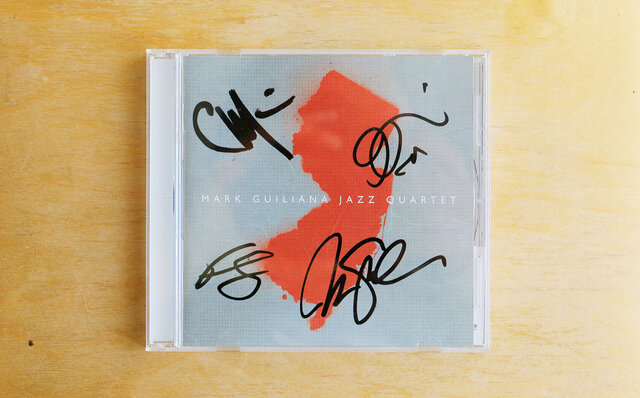
Among these, the jazz scene, which has gained prominence and sparked my own interest, is represented by two figures: the late jazz giant Chick Corea and the contemporary master jazz (or jazz-influenced) drummer Mark Guiliana.
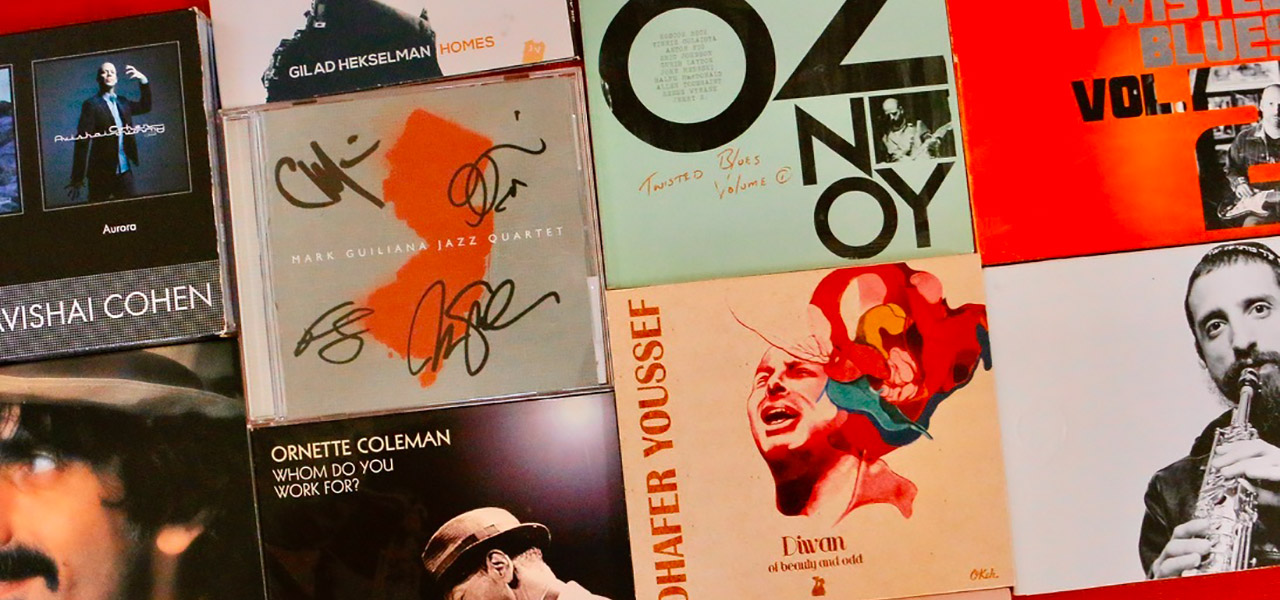
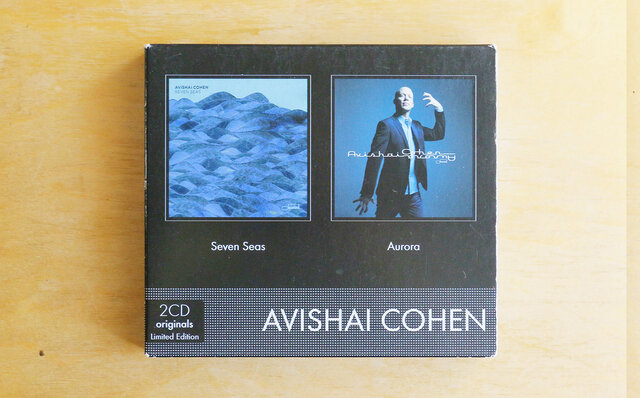
Chick Corea's band, which had produced many talented next-generation musicians, suddenly featured a mysterious bassist, Avishai Cohen. Discovered for the album "ORIGIN" (1997), the then-unknown Cohen quickly became the talk of the NY jazz scene, serving as a bridge between the Israeli and NY jazz worlds (it's said that around 300 musicians in NY jazz, nearly 30%, are now Israeli). He then brought into his own trio another key figure in Israeli jazz, Shai Maestro (piano), and from the NY jazz scene, the revolutionary beat music artist Mark Guiliana (drums). I assert that their trio's album "Gentry Disturbed" (2008) is a monumental work that showcased the prowess of Avishai and Israeli jazz to the world.
The defining characteristic of Israeli jazz is, in a word, "Emotional & Technical." Due to its geographical and cultural background, it's a hybrid music that intricately blends Middle Eastern music, North African influences (Moroccan heritage), Klezmer (Jewish music originating in Eastern Europe), and the mainstream jazz of America and Europe.
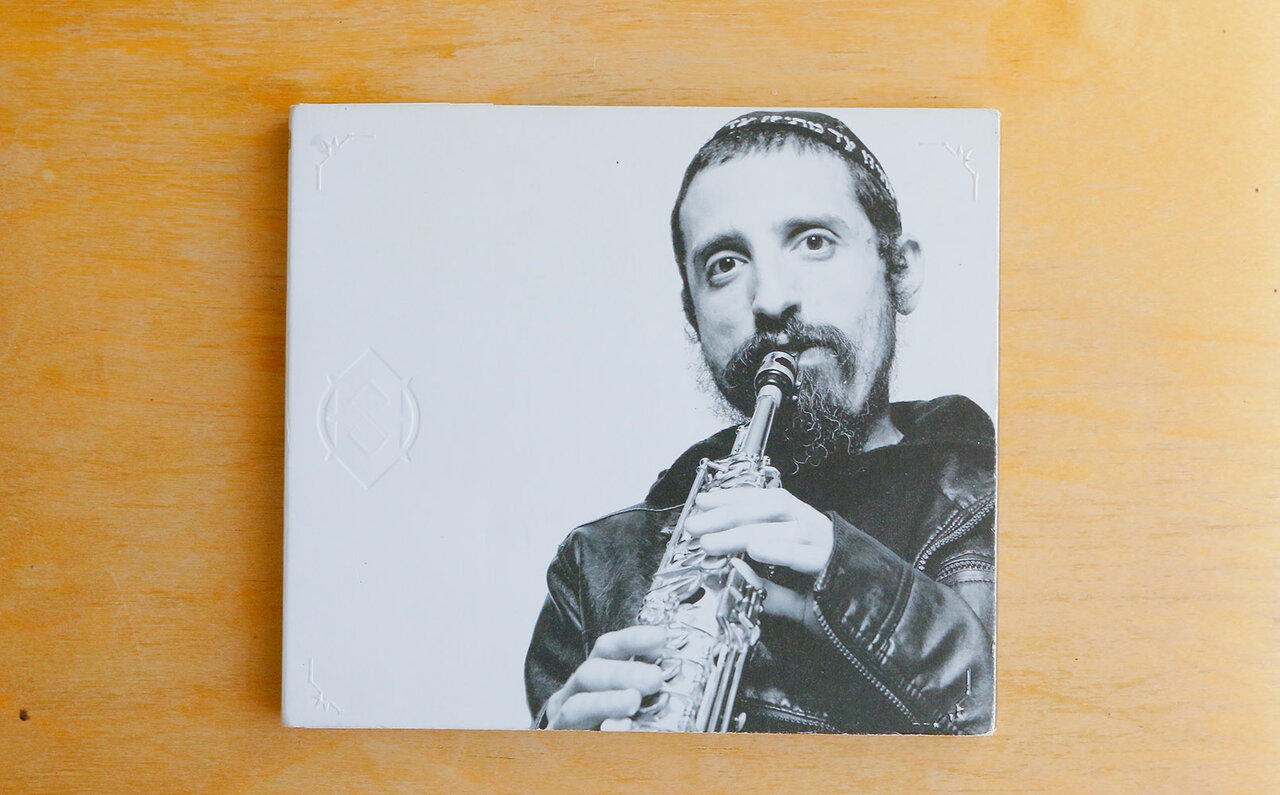
Furthermore, historically, music education, particularly in classical music, has been robust, leading to live performances underpinned by advanced musical skills. The music of Daniel Zamir (sax), who, along with Avishai, leads the scene, encapsulates the essence of Israeli jazz. His album "REDEMPTION SONGS" (2015), featuring his soprano saxophone soaring over melancholic Middle Eastern melodies set to fast, complex rhythms (with Mark Guiliana making another appearance here), is a "global music of the 2020s" that stands apart from the tedious repetition of solos and themes found in conventional jazz.
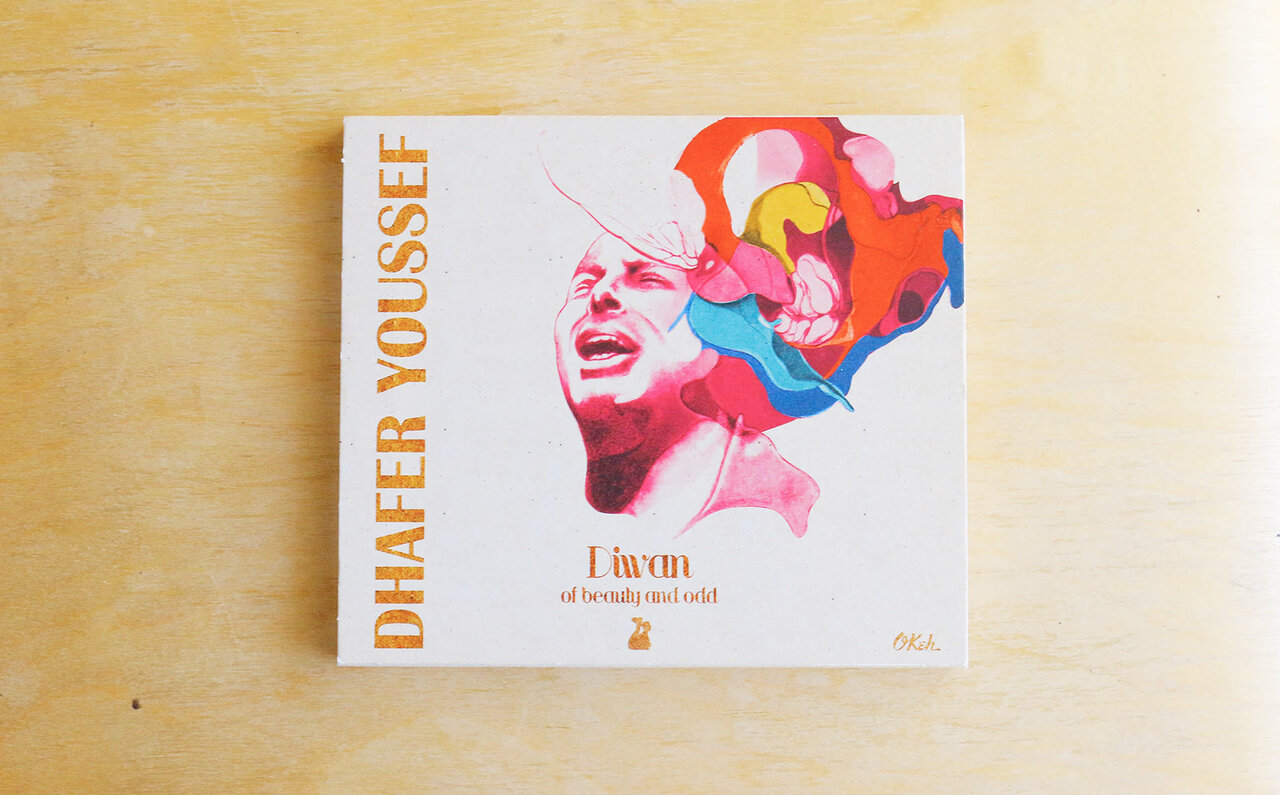
Another example is "Diwan of beauty and odd," released on the prestigious American label 'OKeh.' It features the soulful melodies and melancholic tones of the ethnic instrument "OUD" (oud), masterfully played by the virtuosic Dhafer Youssef, perfectly supported by what are arguably the strongest musicians in NY today: Mark Guiliana (drums), Aaron Parks (piano), Ben Williams (bass), and Ambrose Akinmusire (trumpet). This album is an exceptionally addictive (and pure) form of Israeli jazz.
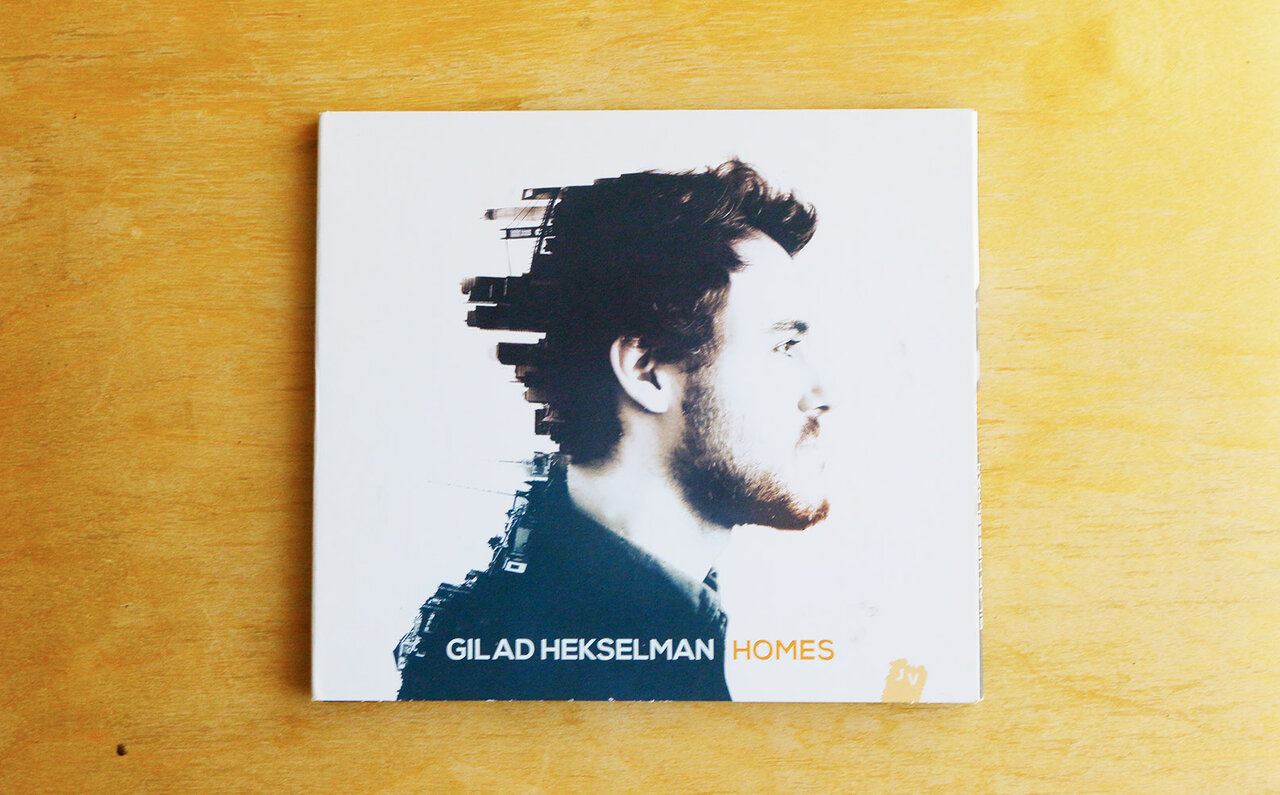
Further expanding the depth and potential of Israeli jazz are two guitarists who embody mutation and adaptation: Gilad Hekselman and Oz Noy. Gilad, who also participated in Sadao Watanabe's domestic tours (with Ben Williams on bass), is a technician who can effortlessly handle conventional (and perhaps tedious) jazz. However, his latest work, "TRIO GRANDE" (2020), a bassless trio, showcases a musicality and creativity that, in my opinion, rivals even Pat Metheny (it's fitting that the trio's drummer is Metheny's longtime collaborator, Antonio Sanchez).
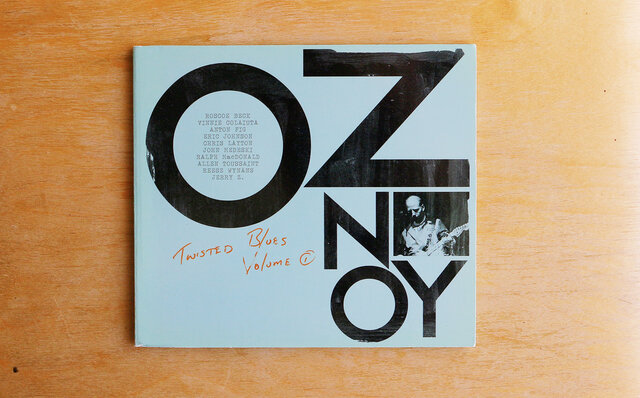
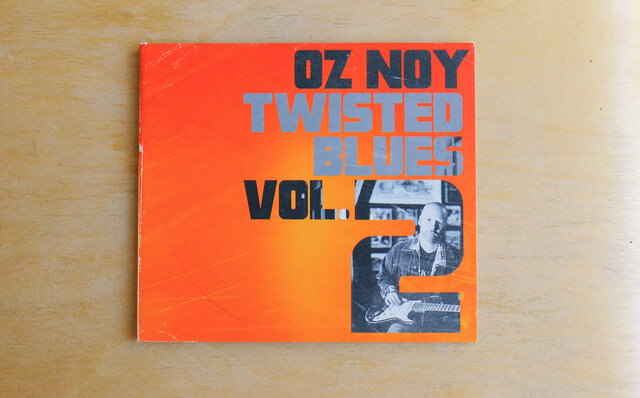
Oz Noy, on the other hand, is a supreme technician who, on the surface, shows no trace of Middle Eastern roots. He can deliver hyper-fusion with top-tier NY musicians and even Steve Lukather (TOTO), then release albums steeped in blues like "TWISTED BLUES vol.1&2." His momentum led him to guest perform at a live show by American rock legends The Allman Brothers Band. His chameleon-like versatility, though perhaps unconventional, truly reflects the underlying strength of the Israeli jazz scene.
Expanding our view of Israeli jazz further, the producer Rejoicer demands attention. Much like the American visionary producer Flying Lotus, who creates music that transcends jazz, hip-hop, and club music on his label 'Brainfeeder,' Rejoicer, through his label 'RAW TAPES,' boldly and meticulously expresses the "transnational" nature of Israeli music via "mutation and adaptation" with the neo-soul band "BUTTERING TRIO," a hybrid of jazz and soul/R&B.
Incidentally, before CORONA, around 2018, I was captivated by a trippy live performance in a small club in Ebisu where Rejoicer, collaborating with an Israeli visual artist, created an ambient atmosphere. It was a truly impactful experience.
And finally, I must mention the artist J. Lamotta, originally from Tel Aviv, raised in Morocco, based in Berlin. She respects J Dilla, produces her own beats, and performs live while singing cute vocals with her trumpet. Her profoundly transnational artistry is something I almost forgot to introduce.
In the past few years, many emerging Israeli jazz artists have visited Japan, and just as their popularity was about to explode here, the world was struck by the CORONA pandemic. The time to experience the forefront of "rapidly evolving Israeli jazz through mutation and adaptation" came to a standstill.
In 2022, I intend to travel to Israel to experience the long-awaited "RED SEA JAZZ FESTIVAL 2022" (held annually in August, though the official website indicates November for 2022). Of course, I also plan to savor exquisite Israeli wine while gazing at the Tel Aviv sea.
[Addendum] Israeli wine, said to have a history of over 5,000 years. With over 300 boutique wineries spread across an area roughly the size of Shikoku, it is truly a (hidden) wine powerhouse. While only a limited selection is available in Japan, I personally found the "Emerald Riesling" (a crossbreed of Sauvignon Blanc and Muscadelle) gifted by a friend to be exceptionally delicious.
Hirotsugu Shibata
CEO, Long Distance Love LLC. After working at Parco and Mitsukoshi Isetan Holdings, he now runs his own company, engaging in a wide range of activities including corporate branding (particularly creative consulting) and the production of music and art events. Incidentally, the company name is derived from a hidden gem of an American rock band, "Little Feat." A self-proclaimed "eternal free spirit" who has lived in Asakusa for over 30 years, he has a deep affection for music and downtown (B-grade) gourmet food.
FB @longdistancelove
instagram @hirotsugushibata