Serial Essay Series | #ijichiman's Musings: "Akihabara Edition"
The 27th: "Akihabara, the Town of Otaku Culture and Curry"
"To prioritize only the safety and security of the body, without questioning the life or death of the soul or spirit, is misguided (Yukio Mishima)." In this series, Yasutake Ijichi, a board member of Sunshine Juice, Japan's first cold-pressed juice specialty store, delves into the human, earthy content of the town, which stands in stark contrast to the ultimate healthiness of Sunshine Juice, exploring its history, transitions, customs, and culture. The 27th installment guides us through Akihabara, a town that retains the atmosphere of the Showa era, a hub for subculture and curry.
Photographs and Text by IJICHI Yasutake
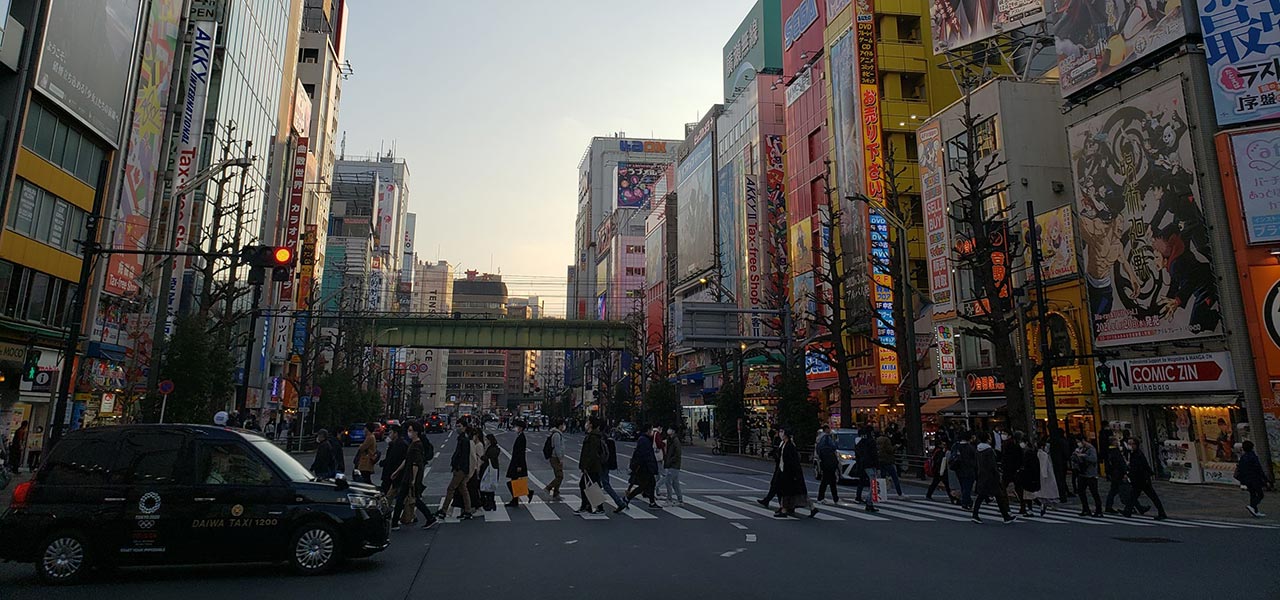
Akiba: A Global Subculture Sanctuary
While the inbound tourism sector has been severely impacted by COVID-19, in 2018, approximately 15 million foreign travelers visited Tokyo, spending about 1.2 trillion yen. Popular tourist spots among these visitors included Asakusa, Ginza, and Shinjuku, followed by Shibuya. Akihabara was also among the popular destinations. The reason? "Subculture."
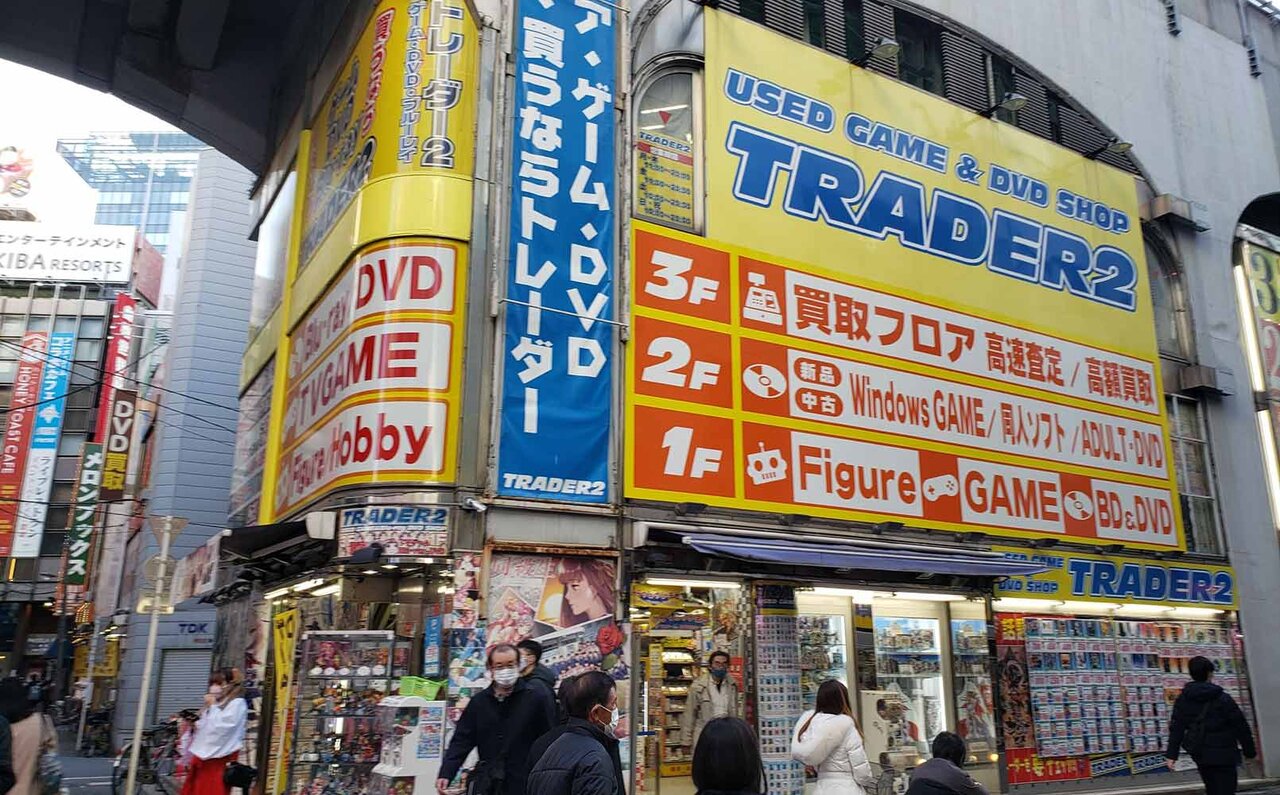
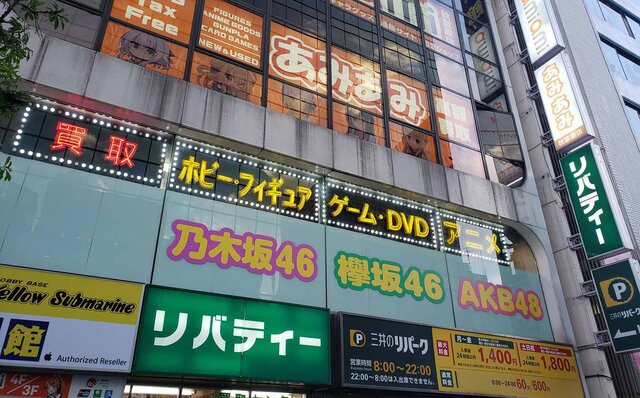
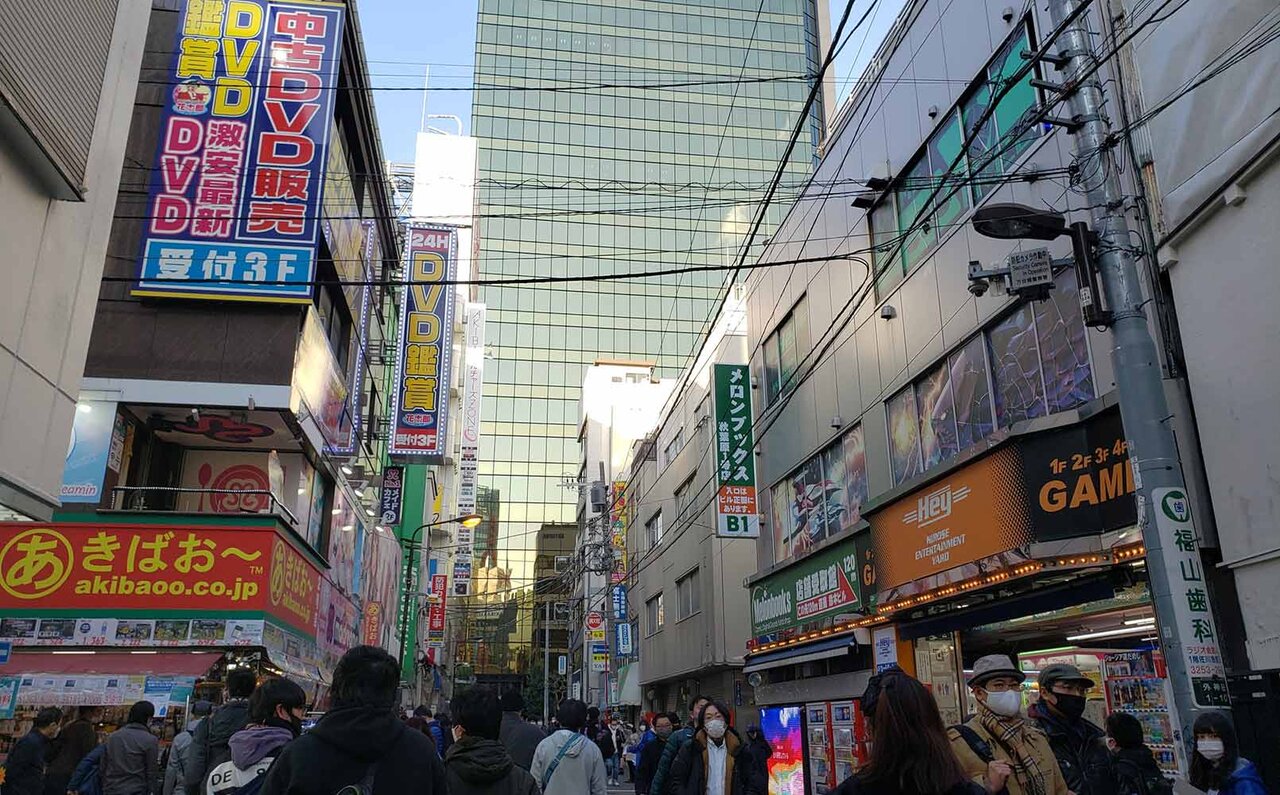
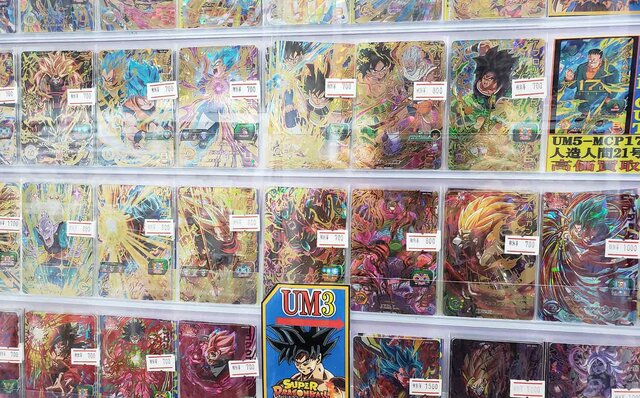
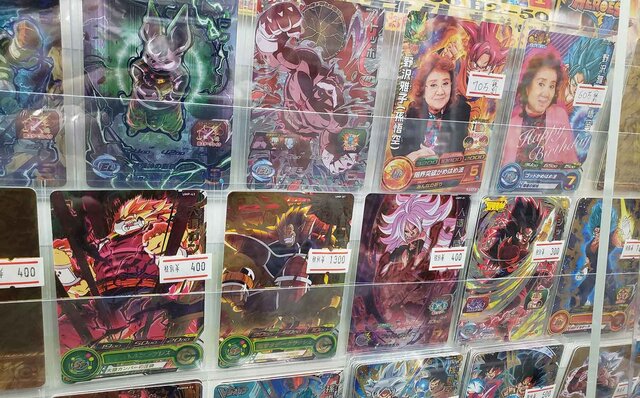
Akihabara originally developed into an electronics town during the period of high economic growth. For those aged 50 and above, Akihabara likely evokes the image of an electronics district. I, too, lean towards that perception. Later, with the advent of the Famicom, it became a hobbyist town. Games then branched out into anime and cosplay. Furthermore, it evolved into an information hub for idols, including AKB48.
Since the 21st century, as these cultural elements began to be actively disseminated overseas, Akihabara became "Akiba," a global sanctuary for subculture.
In any case, terms like "otaku" and "akiba-kei," which were once used somewhat mockingly to describe people lacking social skills or sociability, have now evolved to also refer to specialists in a particular field or those who pursue their interests with stoic dedication, taking on a more positive connotation.
Thus, Akihabara has established a unique position that can be called one-of-a-kind.
Actually, I know very little about Akihabara. I used it in junior high school as a transfer station between the Sobu and Hibiya lines, but I never actually got off there. While I pride myself on having enjoyed games and anime more than the average person, for some reason, I never visited Akihabara.
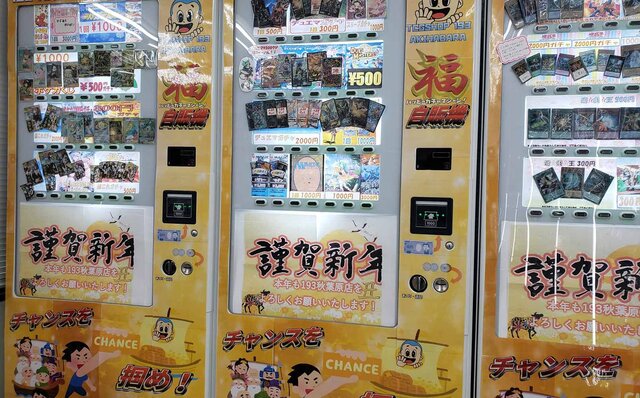
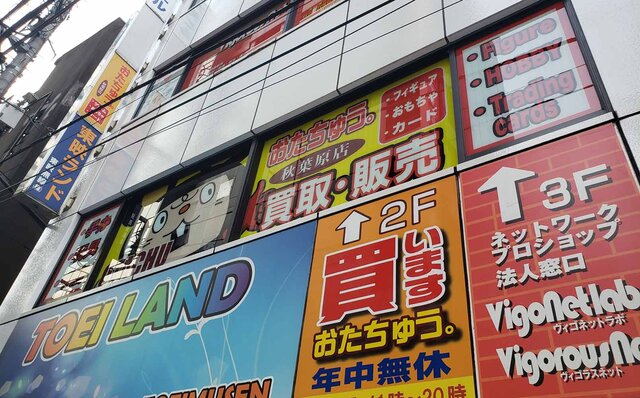
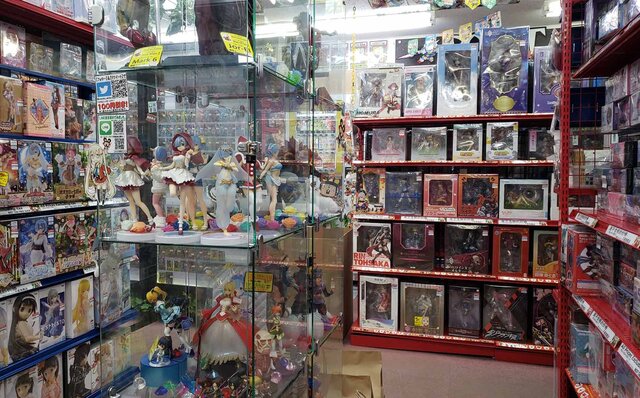
This year, however, I had the opportunity to visit "OTACHU," a shop for trading cards and figures,OTACHUwhich naturally led to more frequent visits to Akihabara. If that's the case, I had no choice but to do some research and enjoy it.
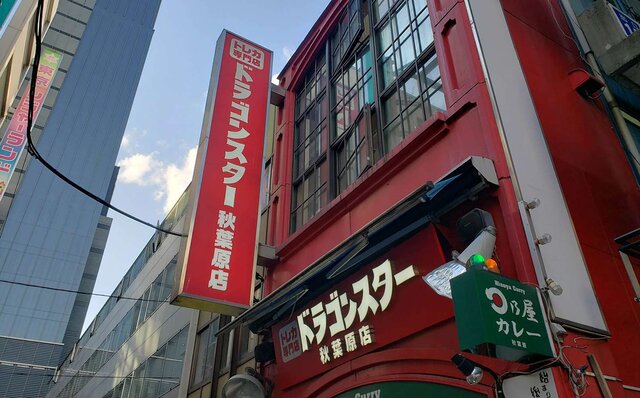
First, I discovered that Akihabara is a fiercely competitive area for curry. It's well-known that the neighboring town of Kanda (Jimbocho) is, but Akihabara was too. The exact reason is unclear, but as Akihabara became more of a tourist destination, the number of people and restaurants increased.
Akihabara is a mecca for hobbies. A large number of people who gather in hobby towns are men, so things that satisfy "cheap," "fast," and "filling" are essential. One theory suggests that curry spread because it met these three criteria.
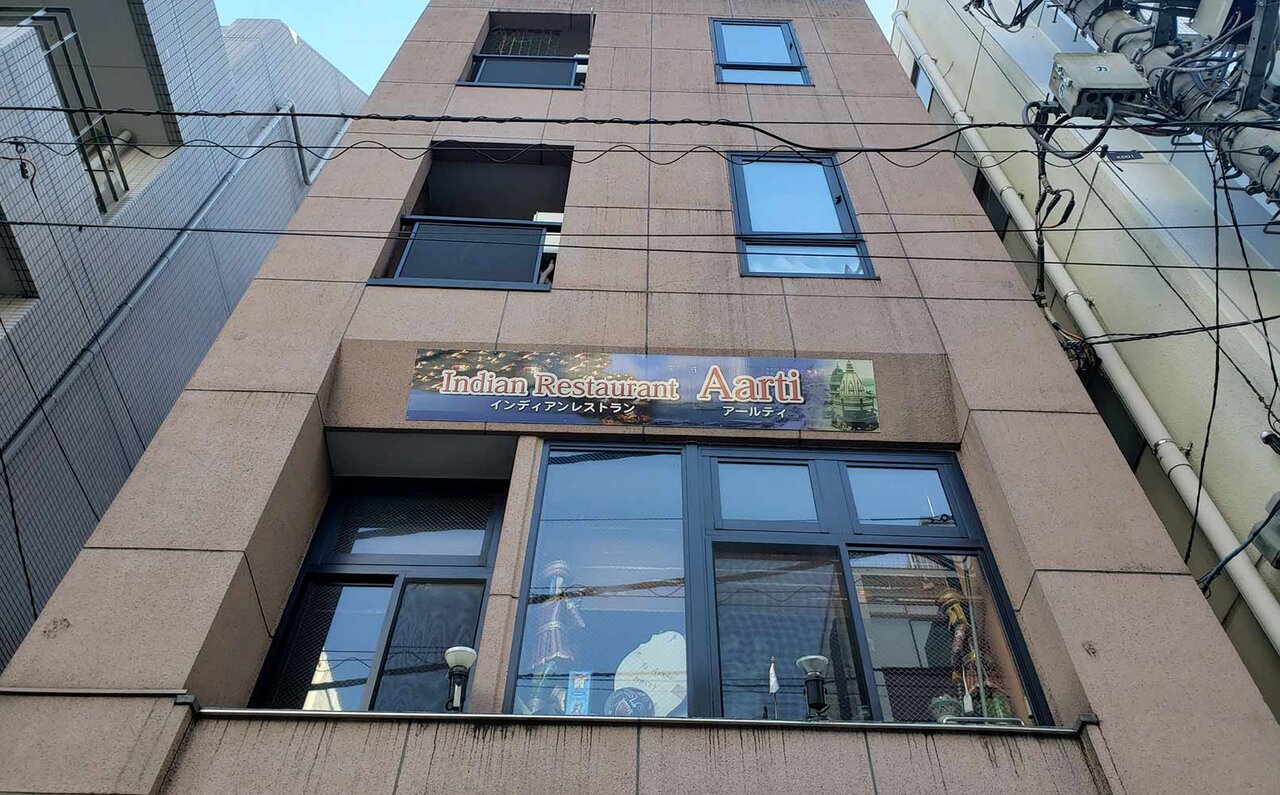
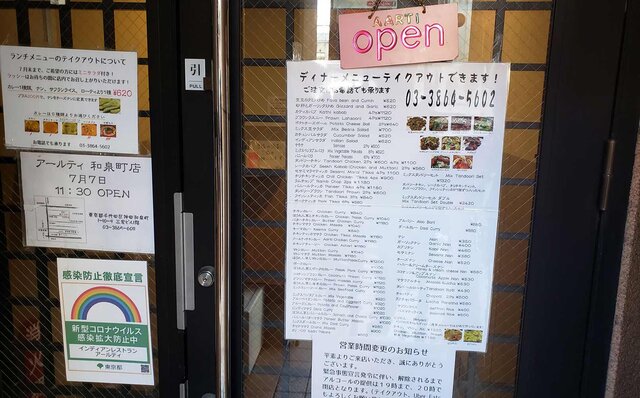
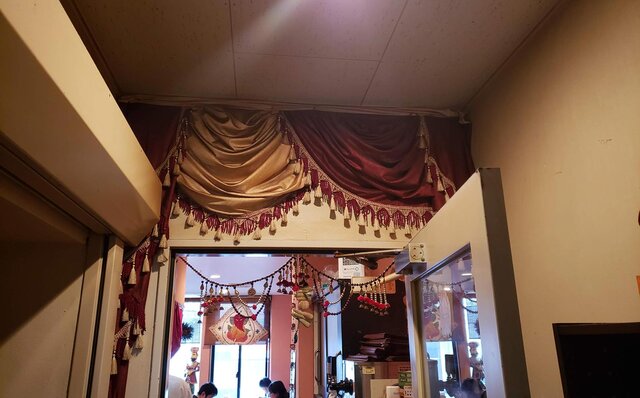
Among the many popular curry restaurants, I chose to tryArti. This restaurant is reputed for its delicious North Indian curries and Indian street food. However, I didn't know there was a difference between North and South Indian curries, and since I hadn't eaten Indian street food elsewhere, I couldn't judge its quality in comparison.
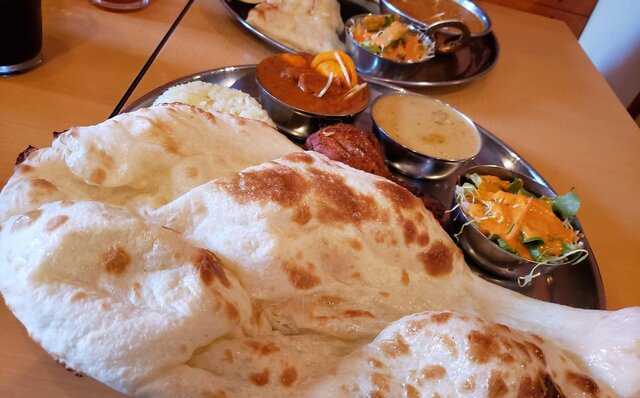
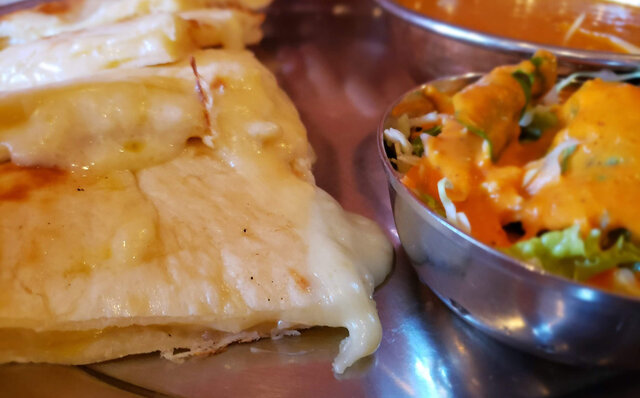
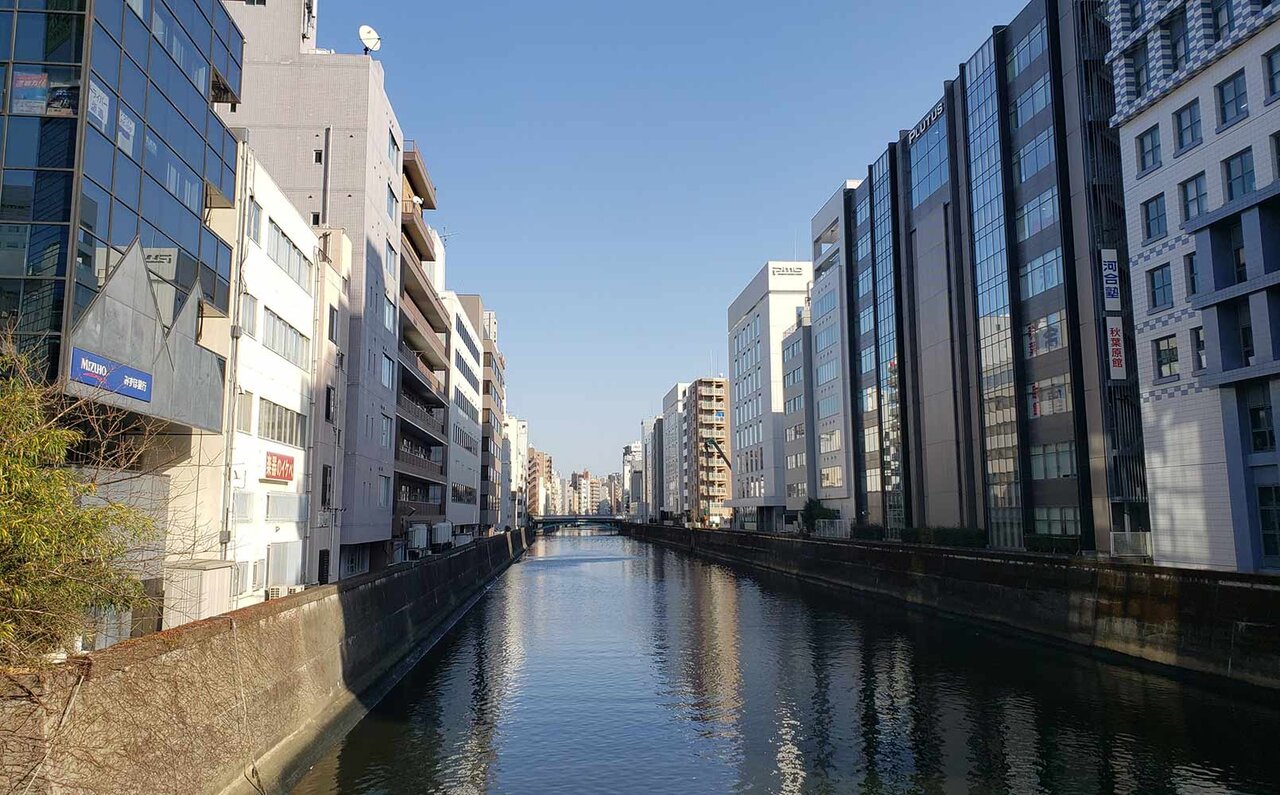
Located on the second floor of a building along the Kanda River, away from Akihabara's main street and across Showa Dori. Lunch includes a drink and salad. Choosing one curry is 800 yen. You can choose three types, and with naan, saffron rice, and chicken, it's only 1200 yen. It's extremely reasonable.
Whether it was shrimp or chicken, the curries themselves had distinct flavors and individual characteristics. They weren't greasy either (many curries taste the same with different ingredients, and many are oily). The ginger was well-balanced throughout. Although the shop's exterior might be easily overlooked, its reputation is well-deserved.
When you're tired from walking around Akihabara, you might think, "What should we do? Have some tea? Is there a tea shop?" In Akiba, tea shops often mean maid cafes. The originator is said to beCure Maid Cafe, which opened in 2001. From there, the maid cafe market rapidly emerged.
In fact, as you walk around Akiba, you'll find touts everywhere trying to attract customers. There are more of them than in Kabukicho, and they are all for maid cafes. Given how enthusiastically they invite you, what kind of experience do these maid cafes offer? In an era where experiential consumption is paramount, they can't possibly end up as mere cosplay cafes, so it's worth visiting with high expectations.
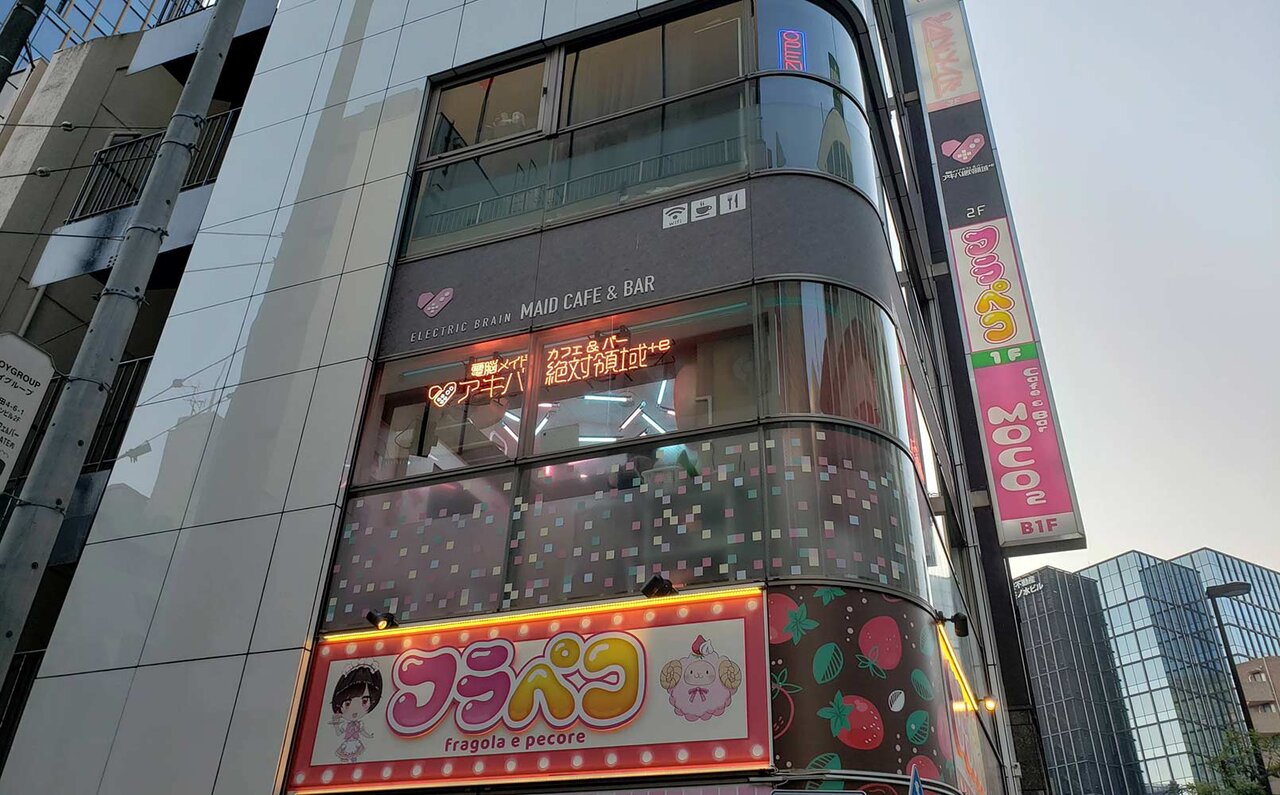
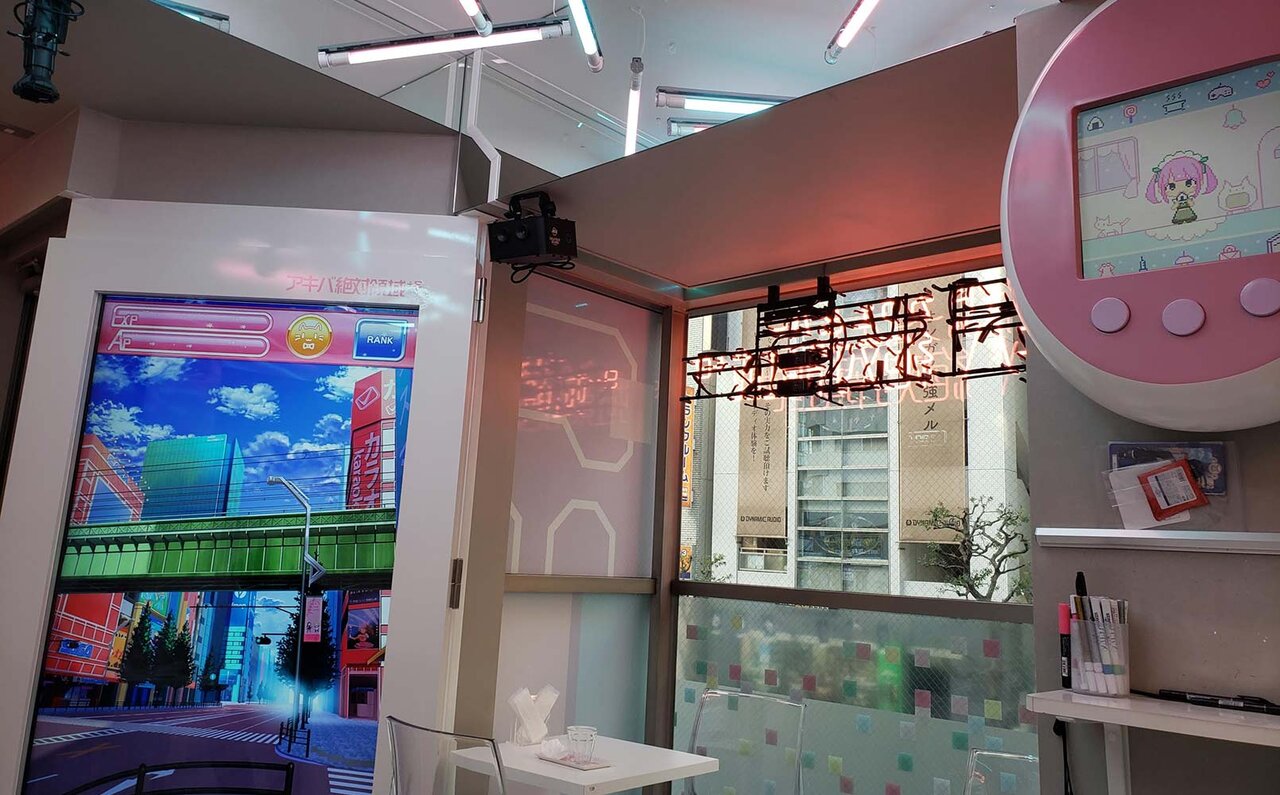
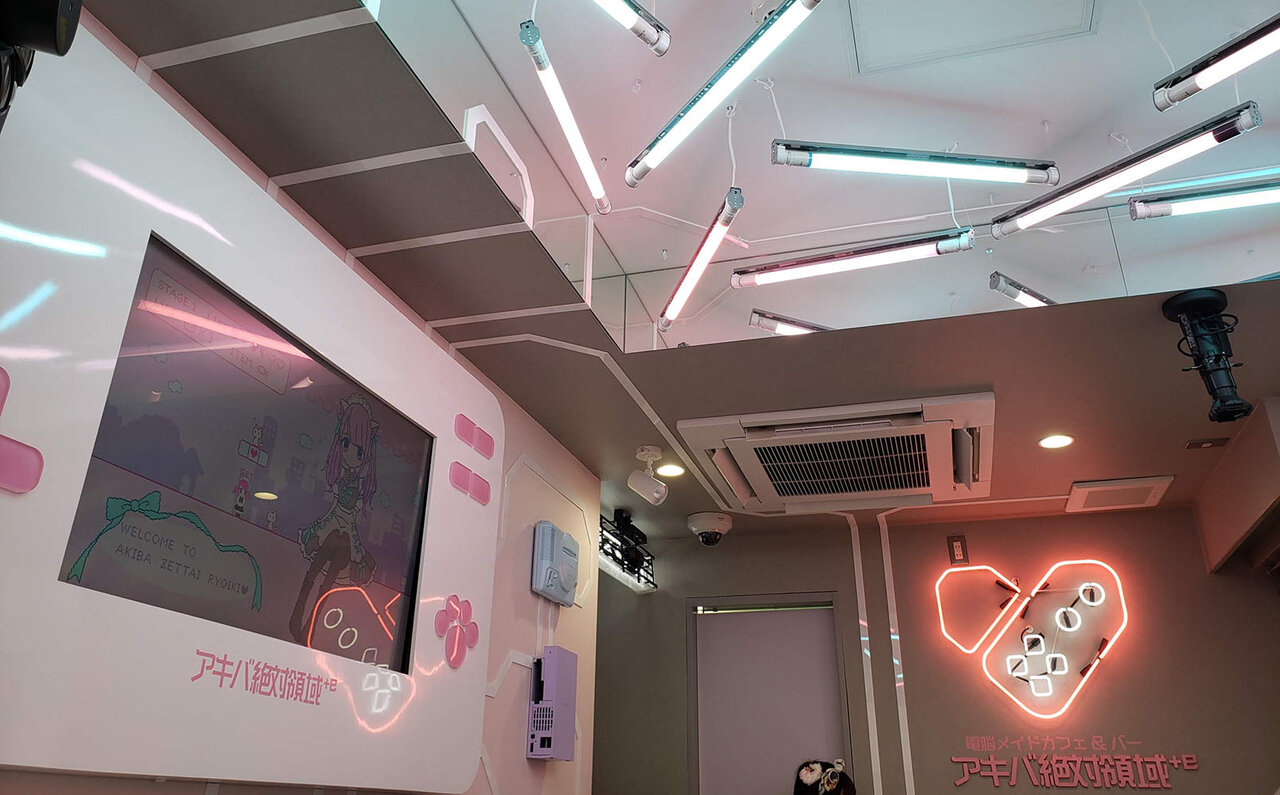
The place I visited wasAkiba Zettai Ryoiki +e. This is a land of cats who wish to repay humans for their kindness. Ascend the elevator to enter the country. You'll be warmly welcomed, and upon being seated, you'll be told, "I'm going to cast a spell, so close your eyes." Before you know it, you too become a cat (by wearing cat ears). To call a cat, you say "nyan nyan," and before eating your cafe meal, you cast a "secret spell." "Become delicious. Nyan nyan." This makes it exceptionally tasty.
As an option, you can take photos together or watch a live performance, and various other plans are available. If you're tired from shopping in Akihabara, it might not be the best place for a quick break. However, it's a world that combines otaku elements with a Harajuku-esque pop sensibility. The way they interact with regulars, entertain new customers, and provide hospitality akin to a girl bar is a well-thought-out communication strategy. In any case, when visiting here, the best approach is to leave all shyness and embarrassment at the door.
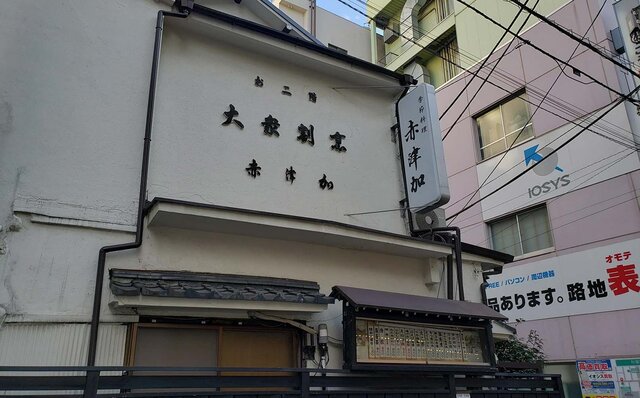
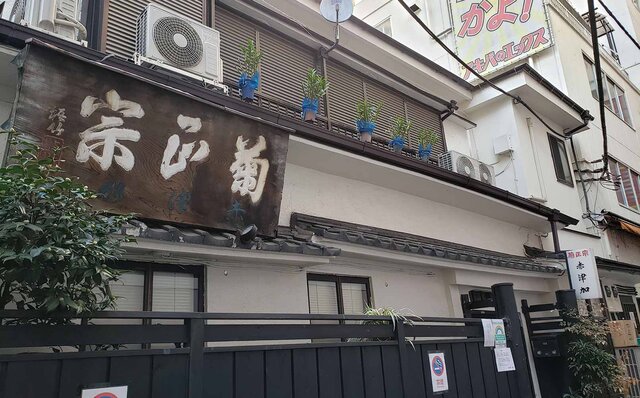
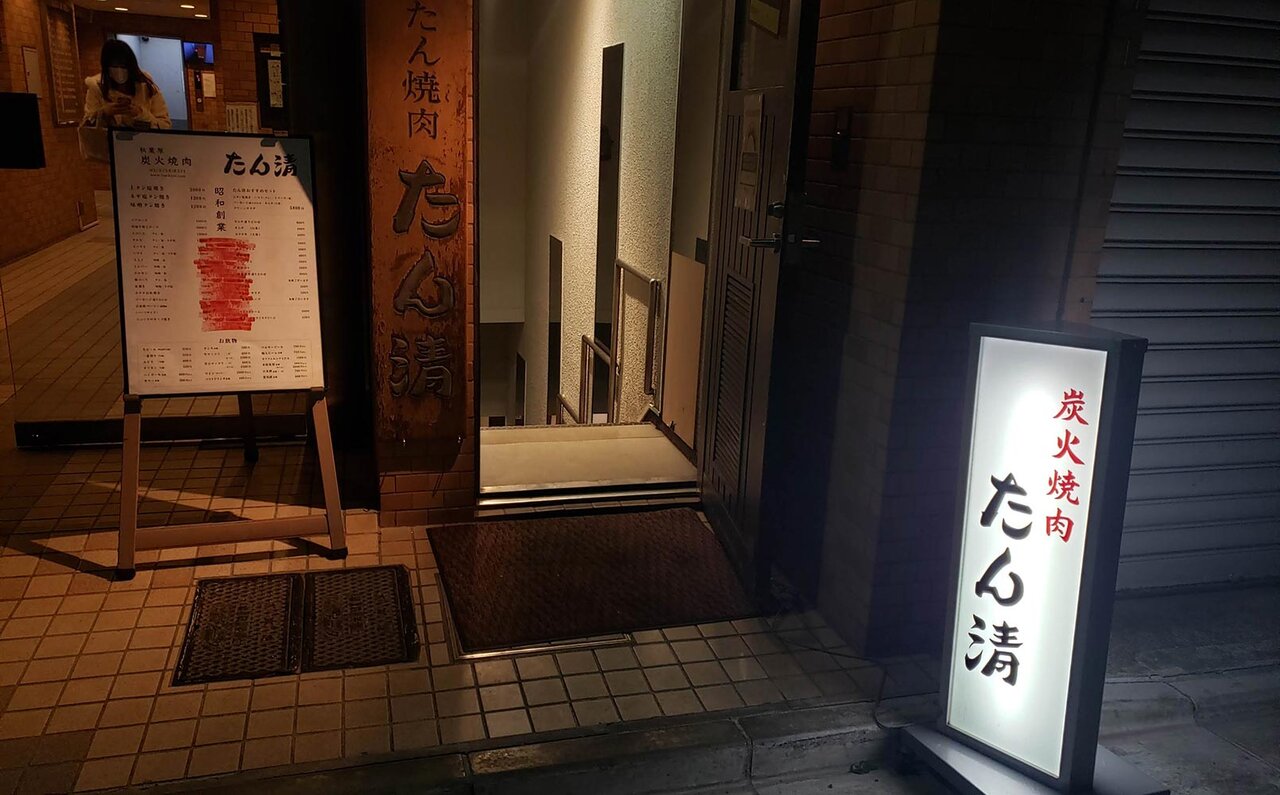
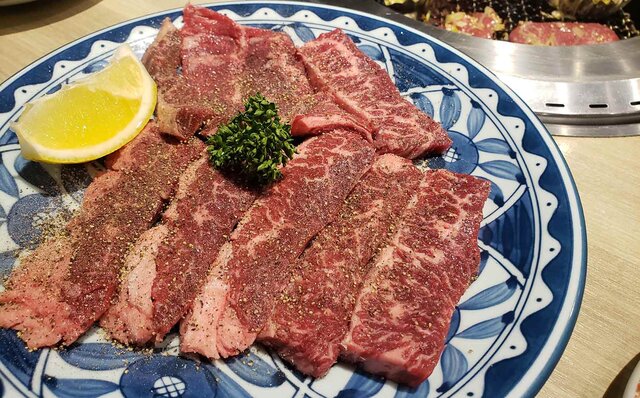
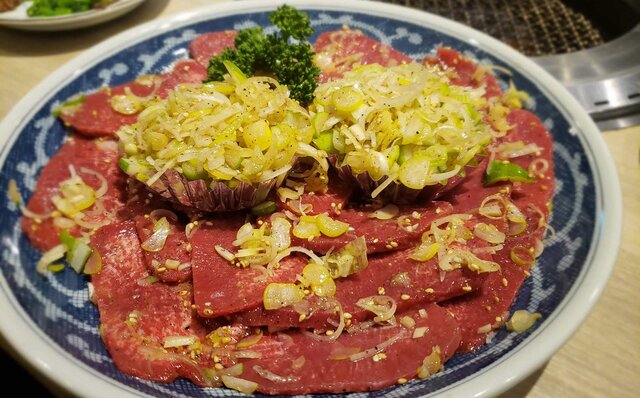
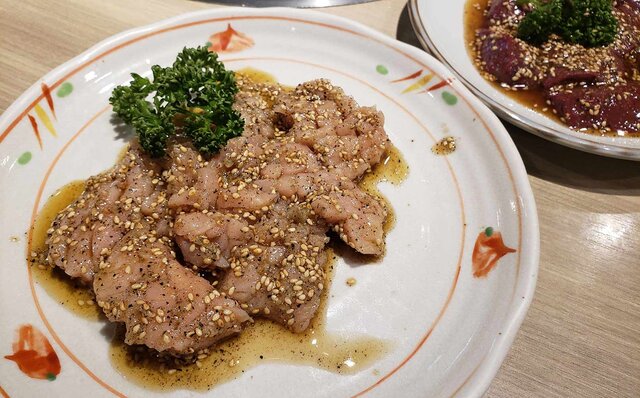
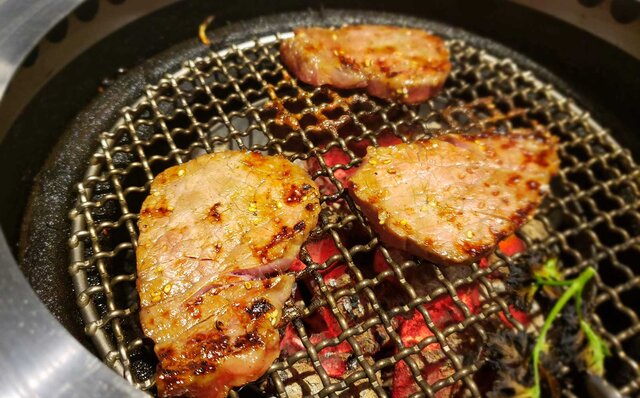
Even in Akihabara, there are long-established restaurants that exude the charm of the Showa era. One such place isAkatsuka, founded in 1954 (Showa 29), and another isTansei, founded in 1986 (Showa 61). Although close to the station, it's quietly located in the basement of a building on the street next to Showa Dori.
It was likely a hidden gem known only to a select few originally, but it's now a popular and famous restaurant known to anyone interested in food. It's a versatile establishment that I like, suitable for business, dates, outings with friends, or family gatherings.
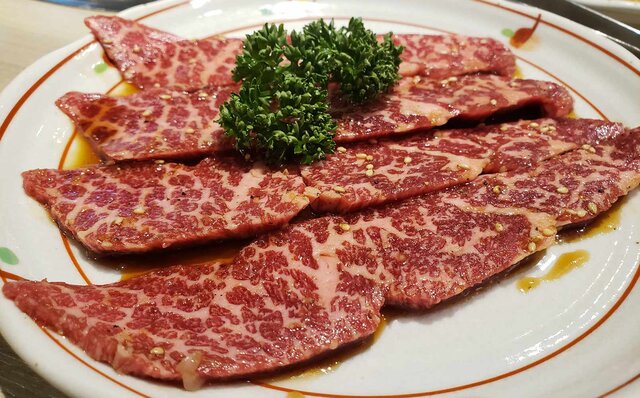
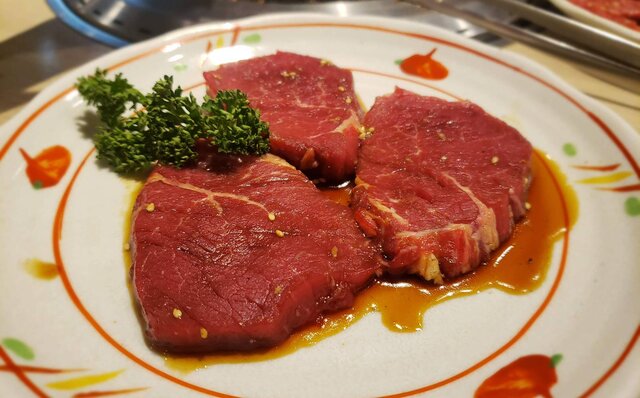
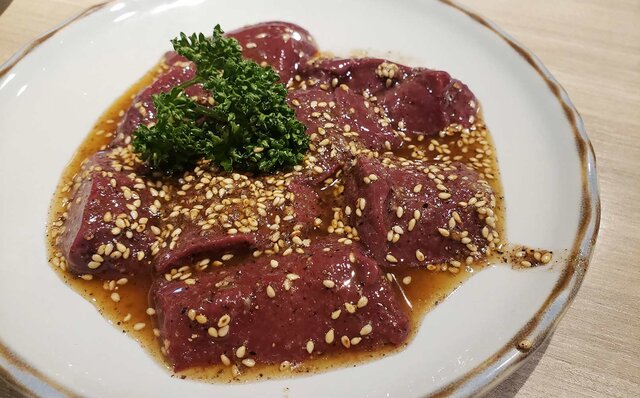
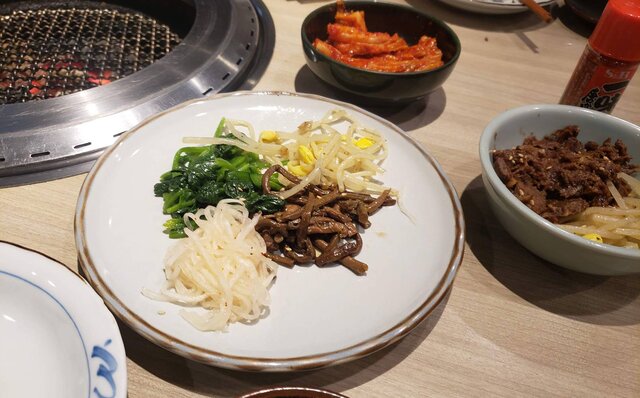
As the name suggests, Tansei's specialty is "tan" (tripe). It's impossible for only the tripe to be exceptional; if the tripe is outstanding, then the liver, mino, harami, rosu, and karubi are naturally also outstanding. A masterpiece. It provides maximum spiritual satisfaction. Despite operating with reduced hours due to the pandemic, it's always full, which is commendable and understandable.
Akihabara has created multiple scenes: electronics, games, anime, idols... As games arrived, electronics didn't decline; as anime arrived, games didn't fade. Instead, they all took root, layering like strata to create a richer town.
While the scenes created have changed with the times, there are also established restaurants that have welcomed many people in the same way throughout the ages. We don't know what new scenes will emerge in the next era, but it will likely continue to transmit and embrace new, cutting-edge things. Occasionally, a stroll through Akihabara is quite interesting.
Arti
2F, Oiwa Building, 50 Sakumakagashi, Kanda, Chiyoda-ku, Tokyo
Tel|03-3864-5602
Akiba Zettai Ryoiki +e
2F, Akiba Asobi Building, 1-6-3 Sotokanda, Chiyoda-ku, Tokyo
Tel|03-6260-9435
Tansei
B1F, Lions Mansion Akihabara, 45 Kanda Neribei-cho, Chiyoda-ku, Tokyo
Tel|03-3258-8321
IJICHI YasutakeBorn in Tokyo in 1982. While attending Keio University, he was involved in planning and producing receptions and parties for major brands at an event company. After transferring to a PR firm, he worked as a planner and retired at the age of 30. With his representative, a friend since junior high school for over 20 years, he participated in the launch of Sunshine Juice, Japan's first cold-pressed juice specialty store, and served as Vice President until September 2020. He currently continues his town explorations while supporting the corporate communications and branding of clients across a wide range of industries. His favorite foods are fugu and soft-shelled turtle. His favorite sports are baseball and horse racing. His favorite places are traditional coffee shops and casual izakayas.
Instagram:
ijichiman