Aiming for Coexistence Between Humans and Bears: Efforts in Asiatic Black Bear Conservation and Management | NPO Picchio
Picchio Wildlife Research Center
Working with "Bear Dogs" to Safely Return Bears to the Wild: The Conservation Efforts of Picchio
In the past, Karuizawa experienced issues with bears damaging agriculture and forestry, as well as appearing in urban areas. The NPO Picchio, based in Karuizawa, works to prevent such damage without resorting to culling, based on research into bear behavior and data. Their conservation efforts aim to foster coexistence between humans and bears, maintaining a respectful distance.
Text by OZAKI Sayaka|Edit by TSUCHIDA Takashi
Aiming for an Environment Where Humans and Bears Can Coexist Through Bear Tracking and "Bear Dog" Countermeasures
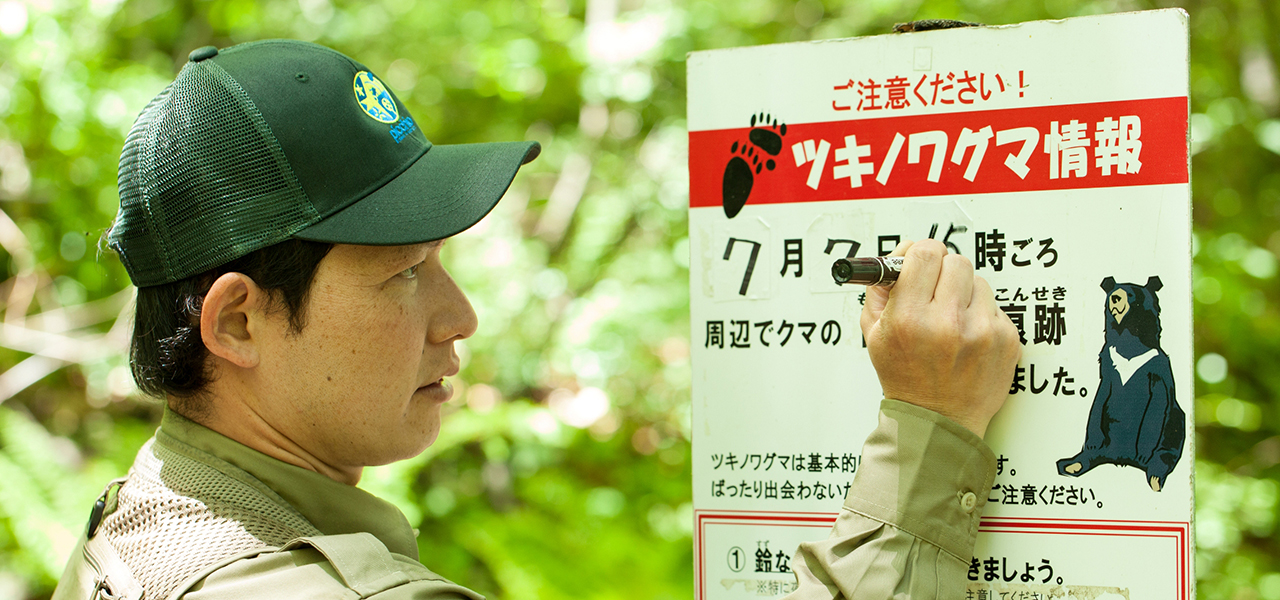
Picchio, which conducts nature observation tours in Karuizawa Town, Nagano Prefecture, is also engaged in the conservation and management of Asiatic black bears. Striving to balance "protecting human safety" with "preventing the extinction of bears, a precious wild animal," they have been conducting bear behavior research since 1998. In 2004, they introduced Japan's first bear dogs (dogs trained for bear management), employing methods like "scaring away" that do not harm either bears or people.
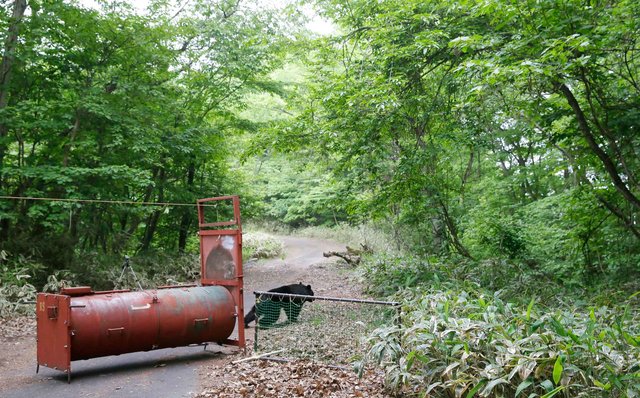
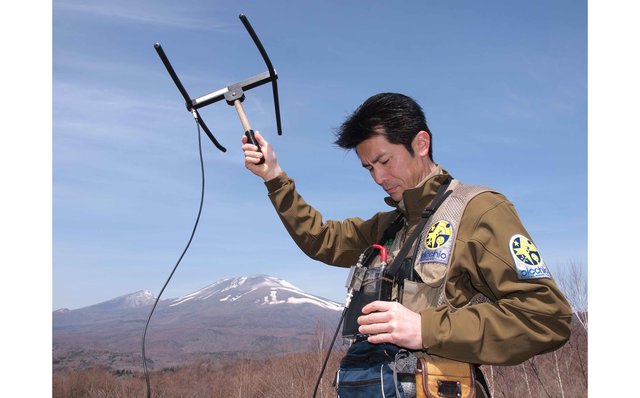

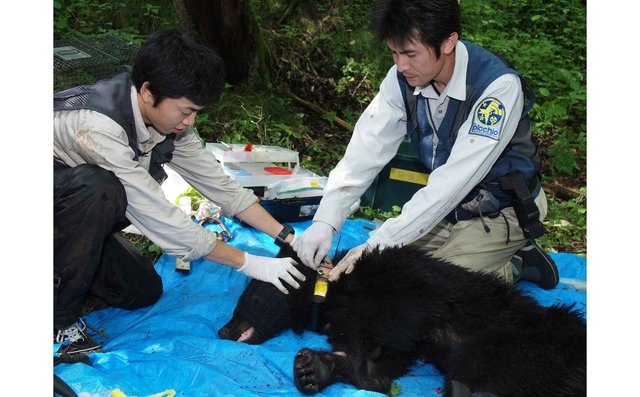
Under contract with Karuizawa Town, Picchio safely captures bears during their active season from June to November. After fitting them with radio transmitters to track their movements, they release them back into the forest after a process called "learned release," where the bears are deterred by human and bear dog voices or rubber bullets, teaching them that approaching people or dogs is frightening. The radio transmitters also allow for tracking their behavior, identifying bears that cause damage versus those that do not, thereby preventing unnecessary culling.
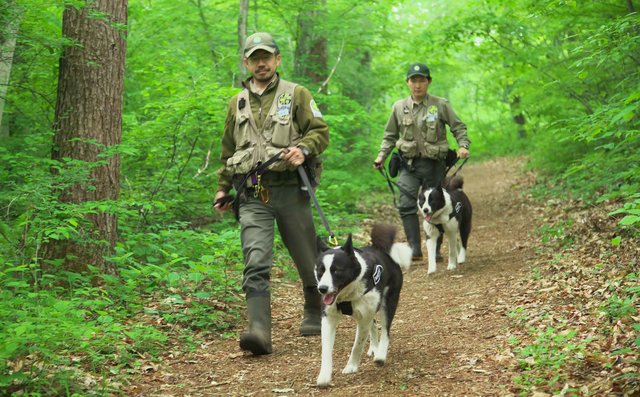
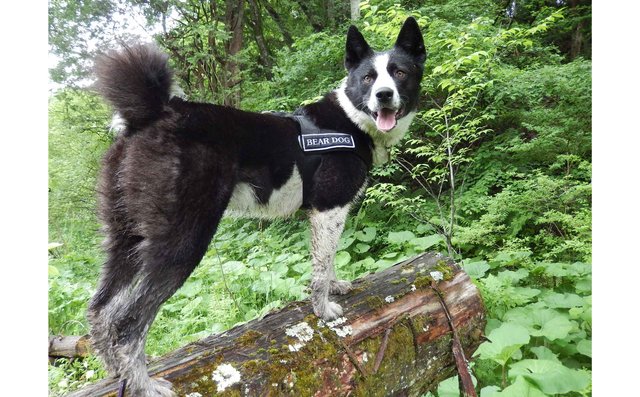
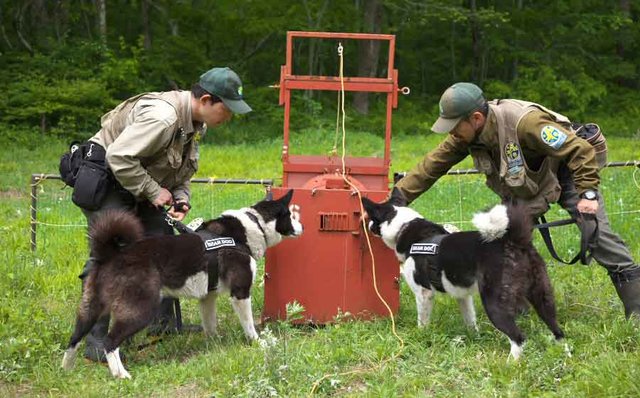
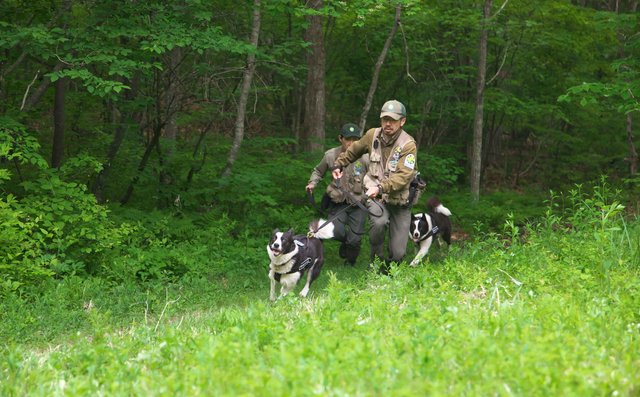
Furthermore, in 2004, Picchio introduced the first "bear dogs" in Japan from the American bear dog training organization Wind River Bear Institute (WRBI). Bear dogs are canines specially trained to detect the scent of bears.
When a signal from a bear's radio receiver is detected near human settlements, staff members, accompanied by bear dogs, head to the location. The dogs bark loudly to encourage the bear to return to the forest. Even if the bear has already left the scene by the time they arrive in response to a report, the bear dogs can use their sense of smell to confirm the safety of the area. If an untagged bear is lurking nearby, the dogs can alert the staff to its presence, enabling the team to work safely day and night.
Bear dogs, capable of guiding bears away from human residential areas without causing them harm, include the second generation "Tama" and "Nanook," along with "Rera" and "Elf." These two were born from Tama, marking Japan's first successful breeding of bear dogs, and joined the team in the spring of 2019.
When a signal from a bear's radio receiver is detected near human settlements, staff members, accompanied by bear dogs, head to the location. The dogs bark loudly to encourage the bear to return to the forest. Even if the bear has already left the scene by the time they arrive in response to a report, the bear dogs can use their sense of smell to confirm the safety of the area. If an untagged bear is lurking nearby, the dogs can alert the staff to its presence, enabling the team to work safely day and night.
Bear dogs, capable of guiding bears away from human residential areas without causing them harm, include the second generation "Tama" and "Nanook," along with "Rera" and "Elf." These two were born from Tama, marking Japan's first successful breeding of bear dogs, and joined the team in the spring of 2019.
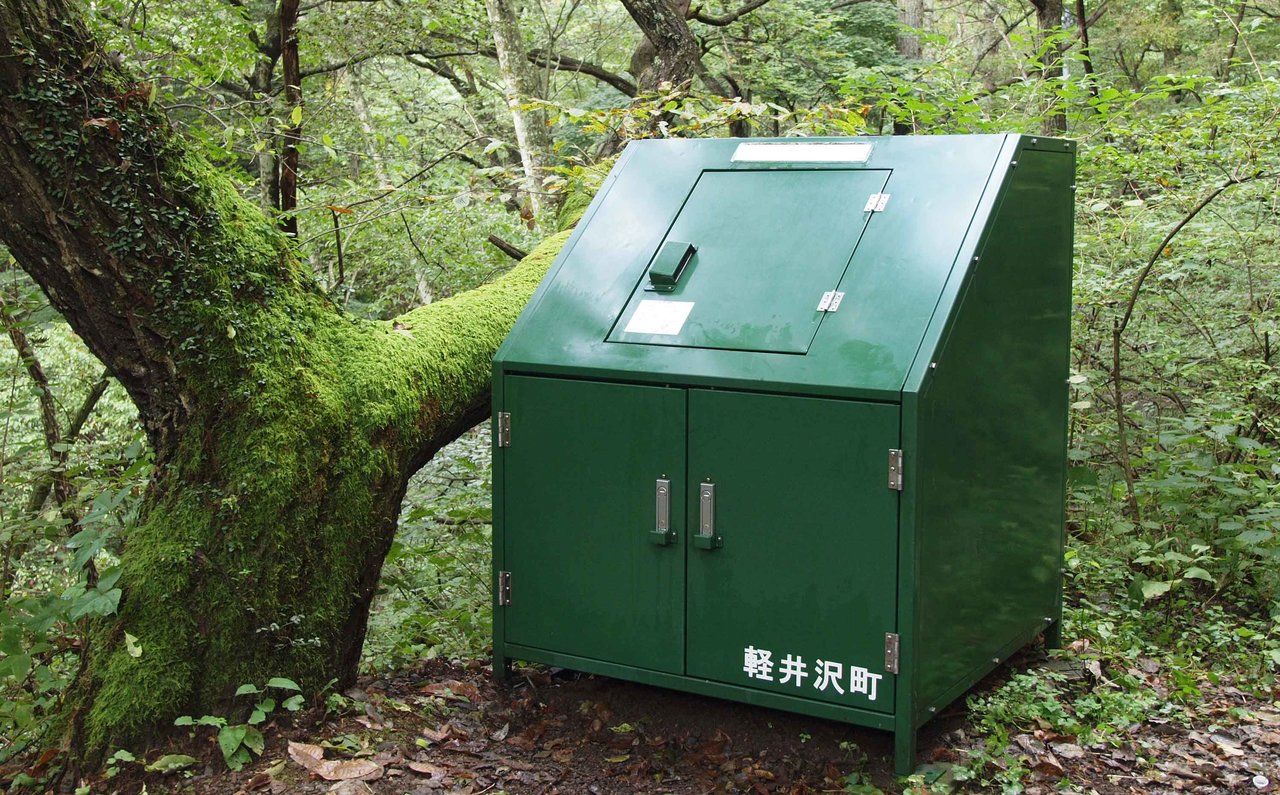
Wildlife-Resistant Trash Bins
Picchio also developed trash bins that bears cannot open and began sequentially installing them in public collection points in 2003. As a result, damage incidents, which exceeded 100 cases annually in 1999, dropped to zero in 2009 and have remained in the single digits since.
Contact Information
Picchio
https://picchio.co.jp/