Serialized Essay: #ijichiman's Musings - Azabu-Juban Edition
The 26th Installment: Azabu-Juban, Where International Flair Meets Edo Charm
“To insist solely on the safety and security of the physical body, without questioning the life or death of the soul and spirit, is misguided (Yukio Mishima).” In this series, Yasutake Ijichi, a board member of Sunshine Juice, Japan's first cold-pressed juice specialty store, delves into the human, often messy, aspects of the city, contrasting them with the ultimate healthiness of Sunshine Juice, exploring their history, changes, customs, and culture. The 26th installment guides us through Azabu-Juban, a district that blends rich international character with the ambiance of old Edo.
Photographs and Text by IJICHI Yasutake
Humanity Glimpsed Within Nobility
It goes without saying that I'm fond of the areas bordering the prefectures, like east of Ueno and Asakusa, or Oimachi and Kamata. This is because they are unpretentious and relatable, requiring no pretense. Therefore, in my heart of hearts, these border areas are where I prefer to go for meals and drinks.
However, my own professional life centers in Minato, Shibuya, and Chiyoda wards, and when dining involves others, I must consider the convenience of all parties, factoring in their workplaces, homes, and meeting times. The reality is, I can't always stick to the border areas.
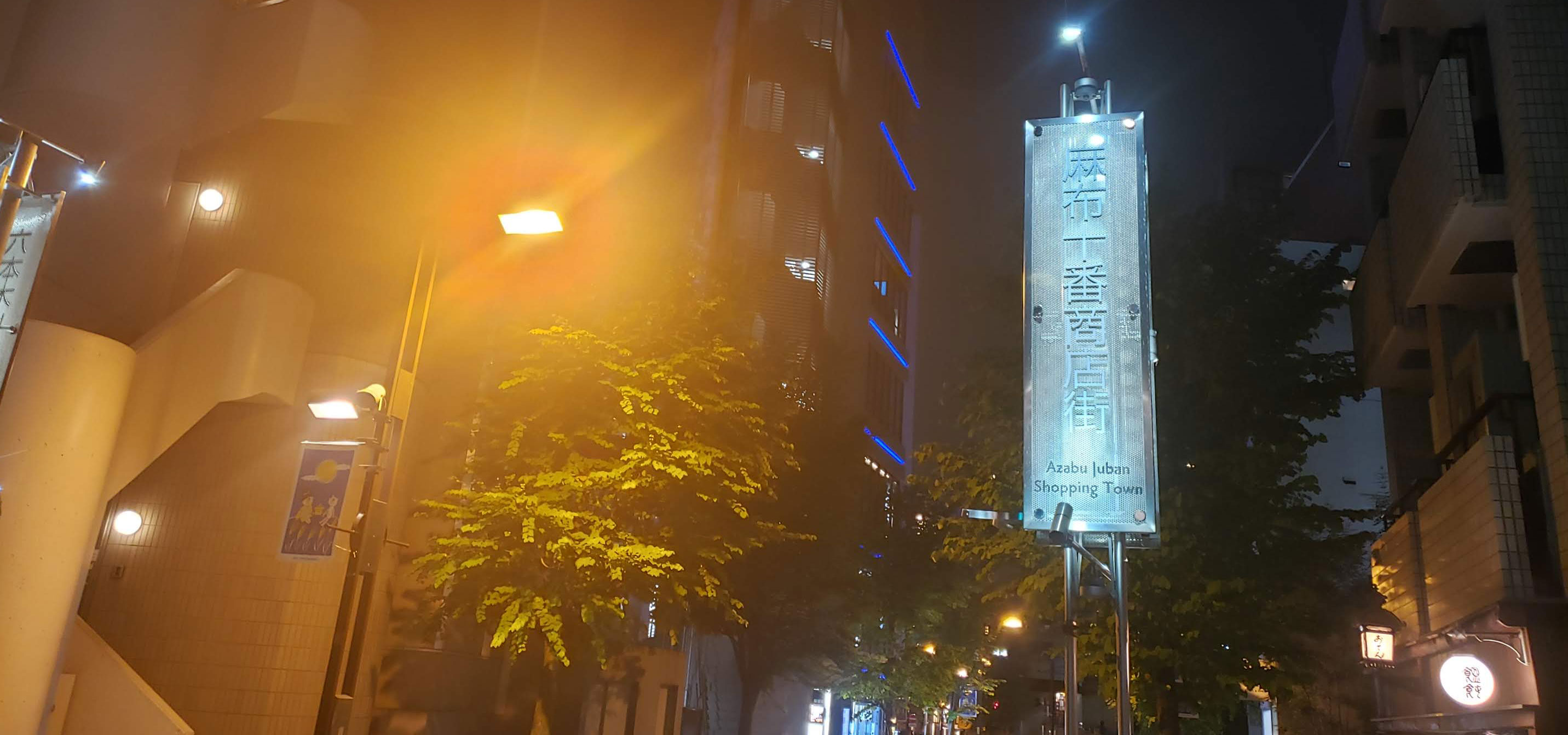
In such cases, Azabu-Juban strikes a good balance. Areas like Nishi-Azabu, Moto-Azabu, and Azabu-Juban itself, bearing the "Azabu" prefix, can seem a bit high-minded, and indeed, there are many trendy establishments. Yet, you'll find Naniwaya, a local supermarket with over 100 years of history, rather than Kinokuniya or Meidi-ya, and Take-no-Yu, a public bathhouse with natural hot springs founded in 1913. There's also the long-standing hotel, Hotel Alpha In, which offers a certain charm. Azabu-Juban exudes a certain human warmth. The primary reason for this is likely the shopping street lined with traditional shops.
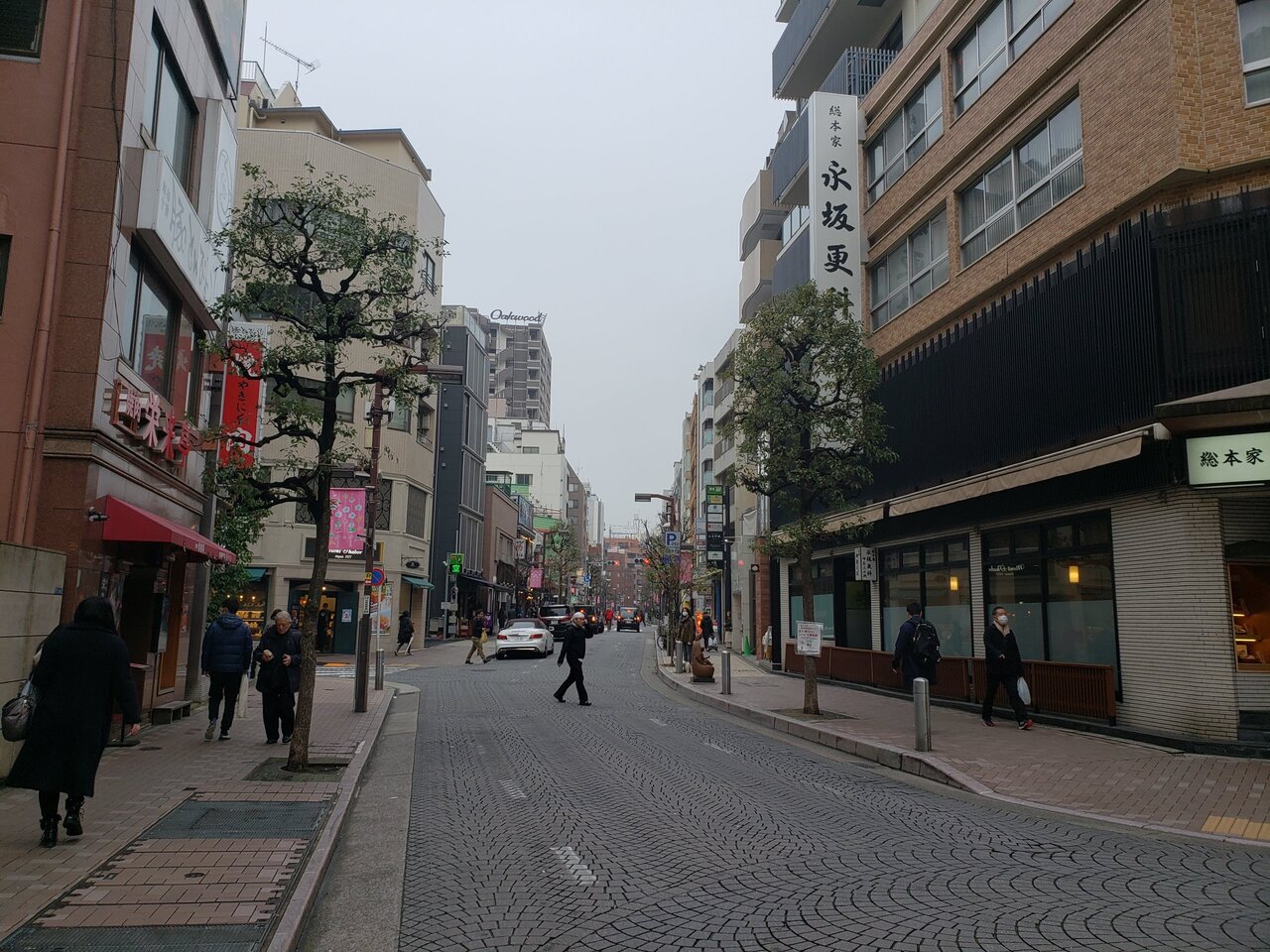
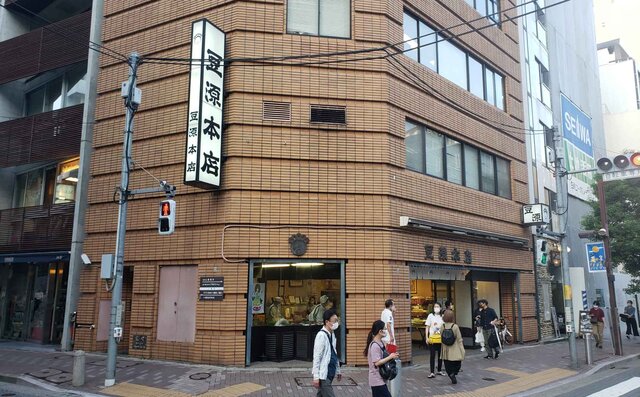
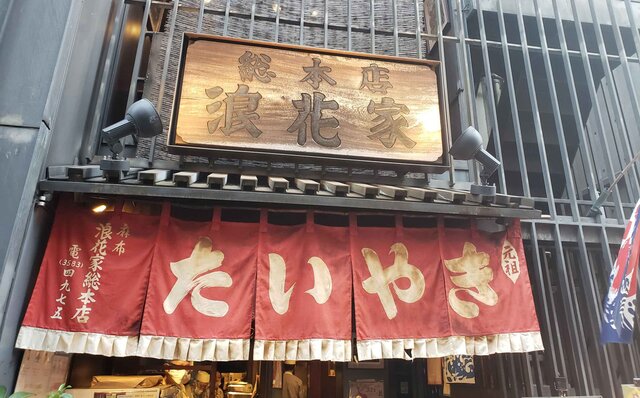
The Azabu-Juban shopping street flourished as a temple town for Zempuku-ji Temple, one of the oldest in Tokyo after Senso-ji. During the Edo period, it was home to many feudal lords' secondary residences and retainers' homes, developing into a town for merchants and commoners. The presence of many long-established shops, such as "Mamegen" and "Naniwaya So-honten," is a remnant of this history.
While the opening of the Namboku and Oedo subway lines has made Azabu-Juban incredibly convenient and the area has become more vibrant with the opening of Roppongi Hills, it was once known as an "isolated island" from Shirokane to Azabu-Juban, developing its unique character as a serene, stylish, and mature town. This nostalgic charm, combined with its newfound accessibility, is why it strikes that perfect balance I mentioned.
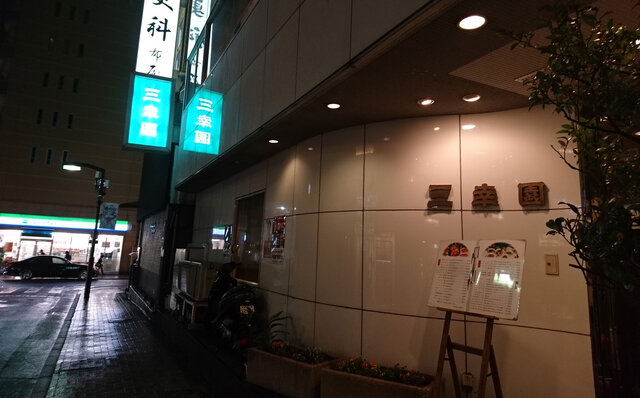
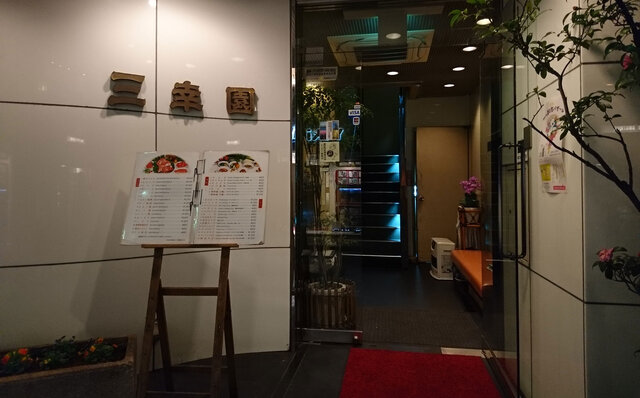
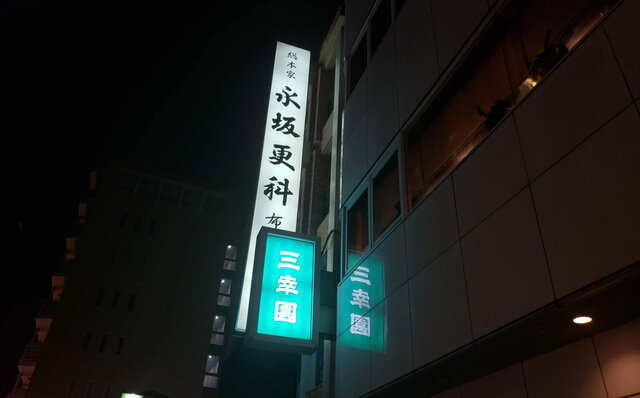
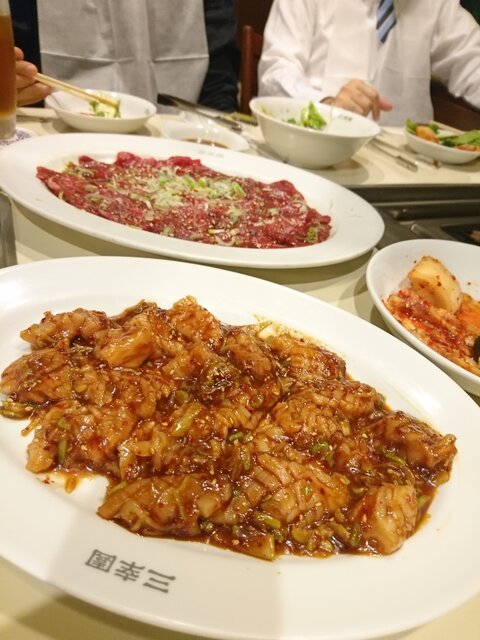
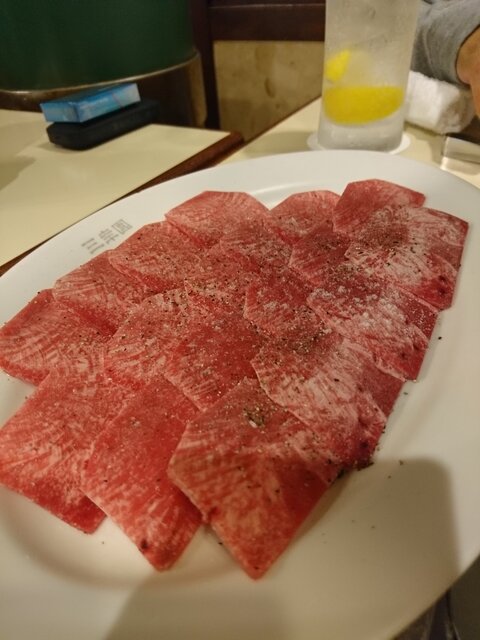
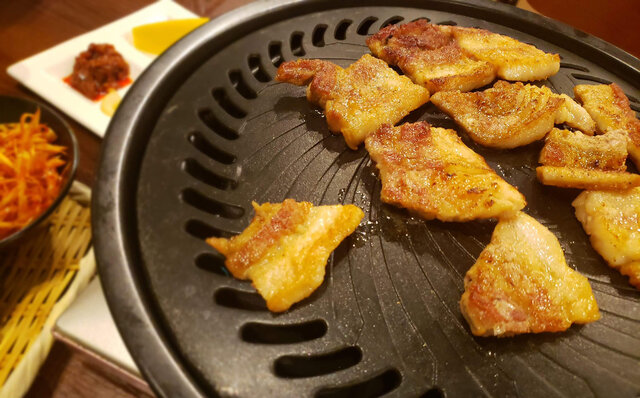
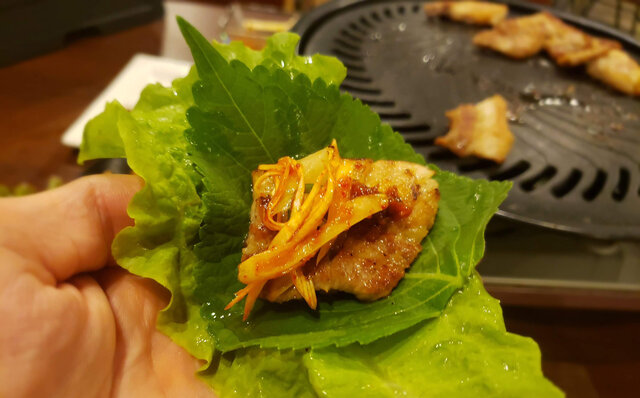
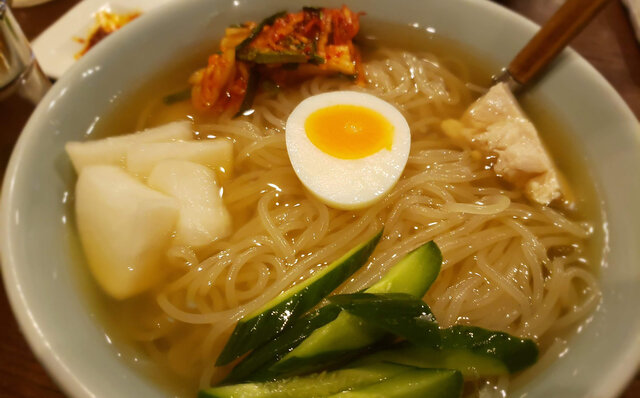
For me, memories of Azabu-Juban begin with Sankoen. Founded in 1970, it's the go-to yakiniku restaurant in the area. I first visited just before the subway opened, often taken there by a friend's father. Back when yakiniku meant just tongue, ribeye, and kalbi, we'd start with namul, kimchi, and tripe sashimi. Then, moving on to beef tripe and tongue, nibbling on kalbi, and finishing withコムタンスープ (gomtang soup) or cold noodles.
This is where I learned the authentic way to enjoy yakiniku. While some places nowadays seem to compete solely on the thickness of the tongue, the tongue at this long-established restaurant is thinly sliced. Grilling thin slices until they're crisp is incredibly delicious. I also vividly recall often encountering famous former professional baseball players here. It was thrilling to have a pitcher with 200 wins known for his inside curveballs and a player with a world record for consecutive games played at the next table. These memories are why Sankoen is the first place that comes to mind when I think of Azabu-Juban.
Another place I frequented along with Sankoen was Edoya, a Western-style restaurant founded in 1954. Sadly, it has since closed.
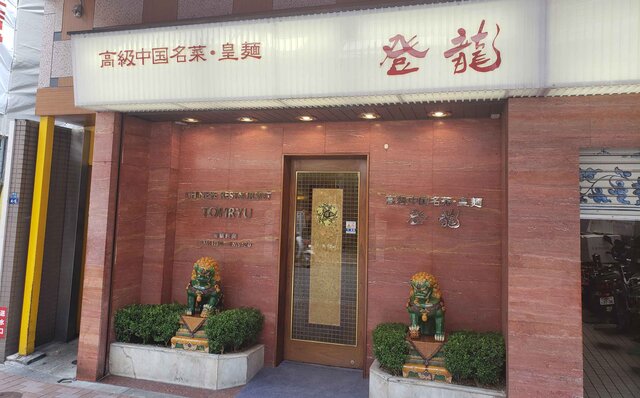
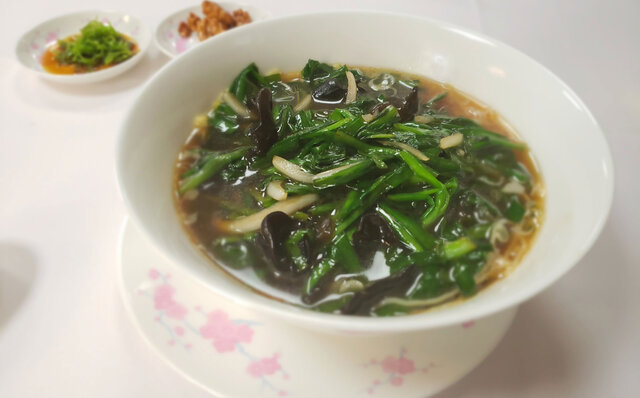
I also can't forget Toruryu, which we occasionally ordered for delivery from the company I worked for after becoming a working adult. Toruryu is synonymous with its Nira Soba (leek soba). While it's around 2,000 yen now, which is quite pricey, I don't think it was that expensive back then. Still, it felt like a luxury for a new graduate to order for lunch delivery. However, the price wasn't the issue. I was captivated by the Nira Soba, generously topped with leeks and thick wood ear mushrooms, which perfectly satisfied my preference for both crunchy and chewy textures. Toruryu undoubtedly played a role in popularizing Nira Soba.
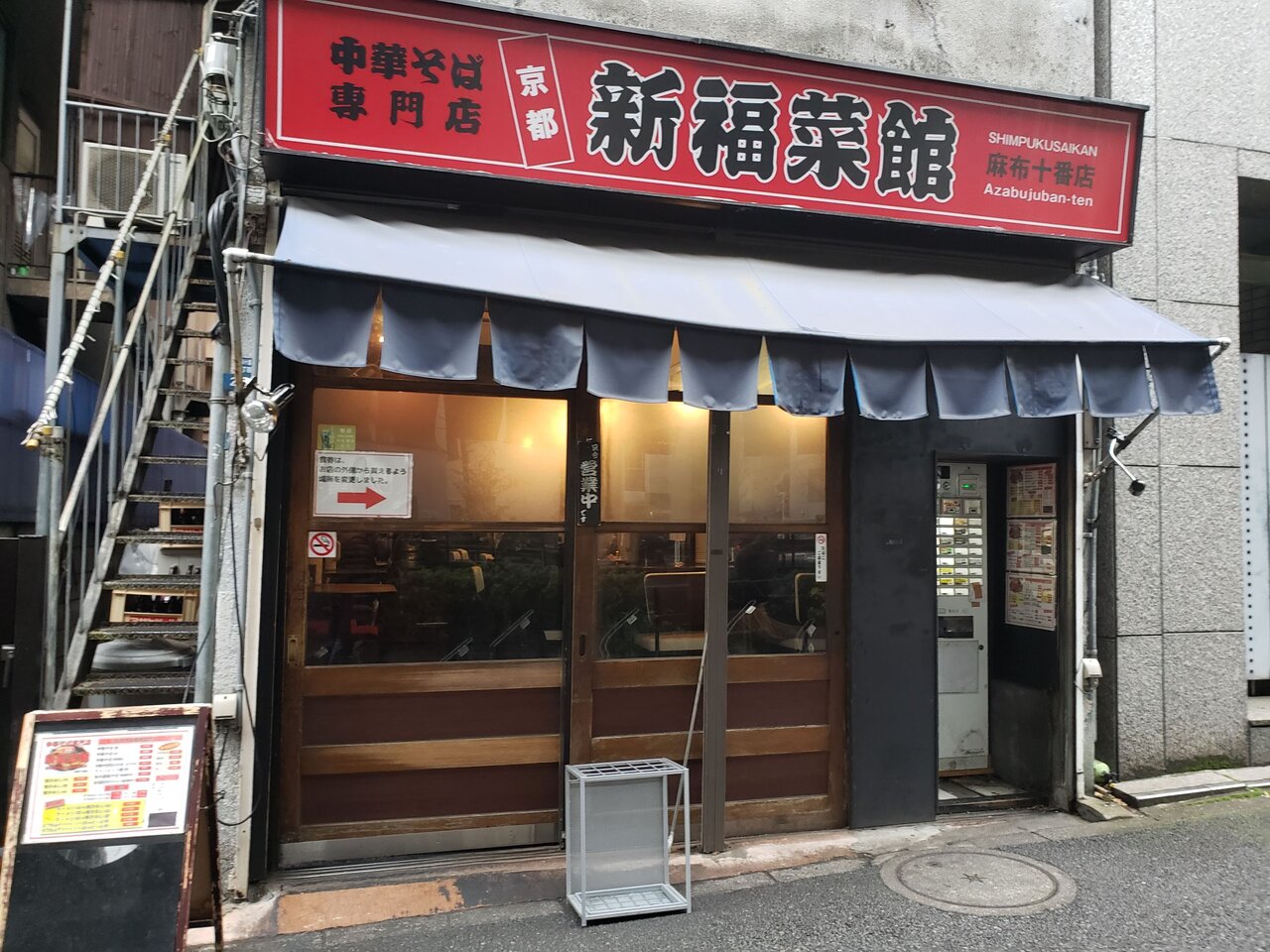
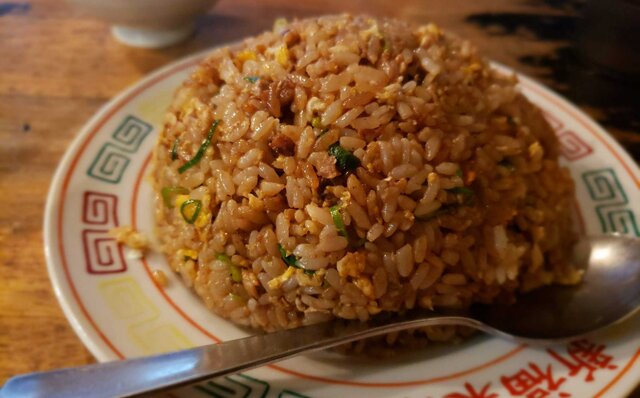
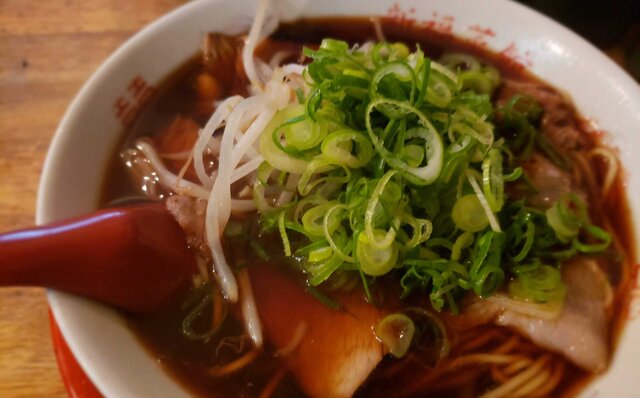
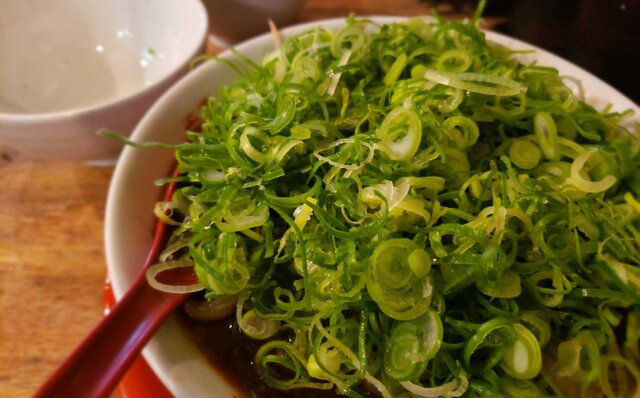
Incidentally, I also like Shin-Fuku Saikan, which a friend recently recommended. Founded in Kyoto in 1938, it's a bit of a tangent to discuss in relation to Azabu-Juban, but their ramen with its jet-black broth and fried rice are rich yet refreshing. It's even more delicious with a generous topping of Kujo leeks.
As for places I go to at night in Azabu-Juban, perhaps it's because I don't know many new places, but they haven't changed since my 20s.
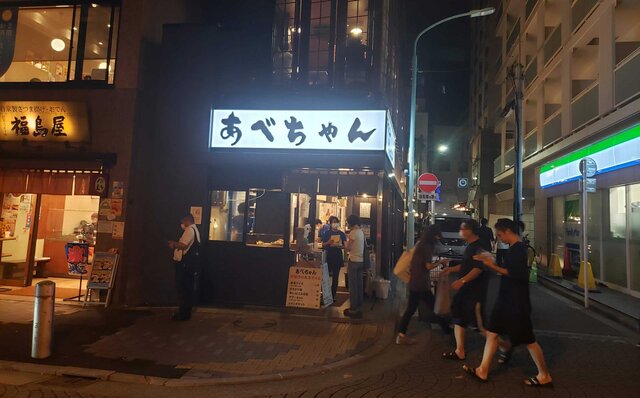
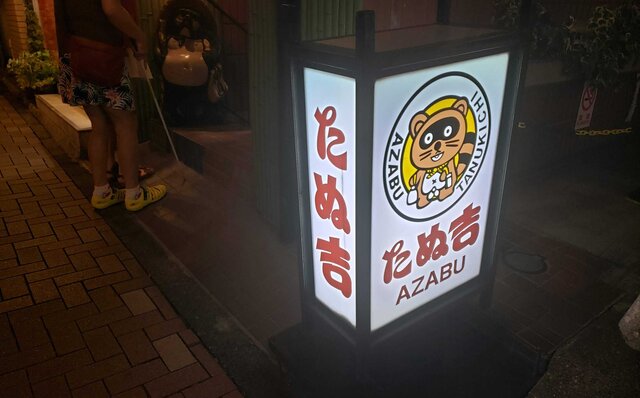
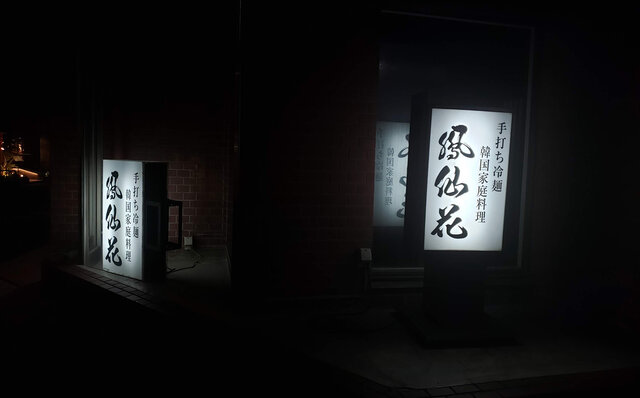
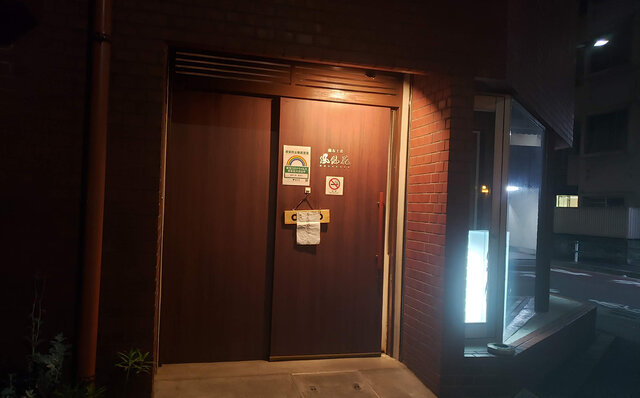
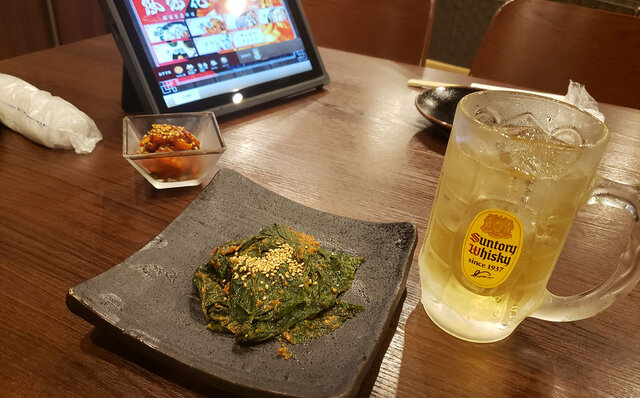
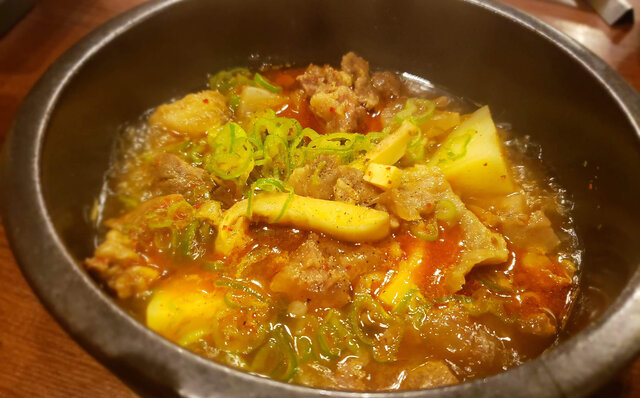
Abe-chan, a motsuyaki (grilled offal) bar founded in 1933, which lights up the entrance to the shopping street, Tanukichi, a popular izakaya at the end of the Roppongi side, and Hosenka, a Korean restaurant, are still active today as they were in the past. Hosenka was founded in 1982, the same year I was born. It seems to have been renovated a few years ago, and the interior is very clean. I used to eat hearty bowls ofホルモン鍋 (hormone hot pot) and Samgyetang here, but as I've gotten older, I'm perfectly satisfied just enjoying drinks with appetizers like perilla leaf marinated in miso and stewed offal. By the way, the stew has a deep, exquisite flavor, a perfect balance of rich dashi broth and moderate spiciness. I consider this stew to be among the best I've ever had.
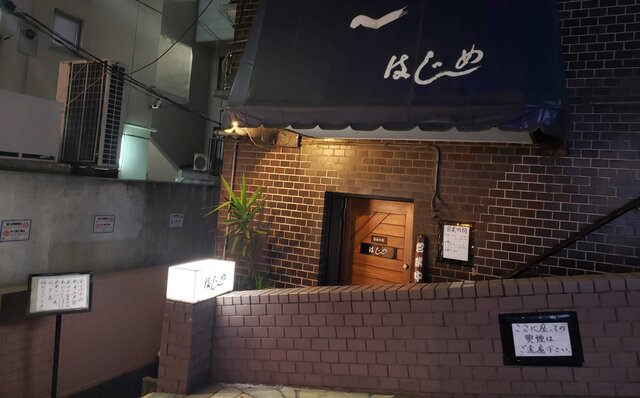
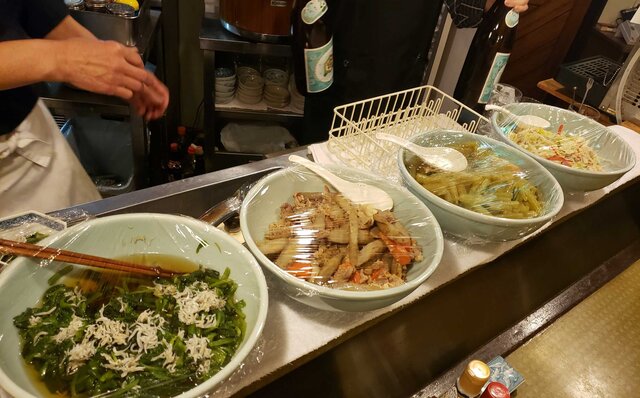
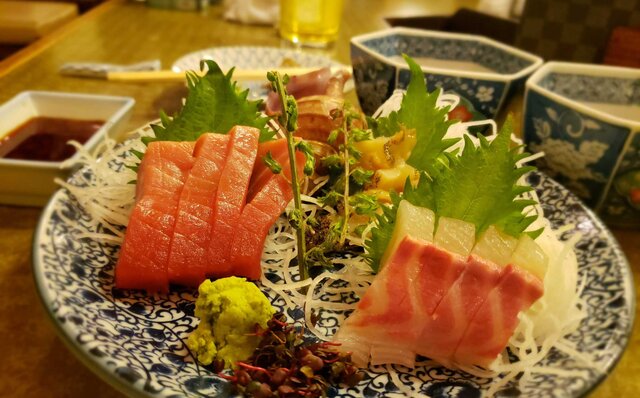
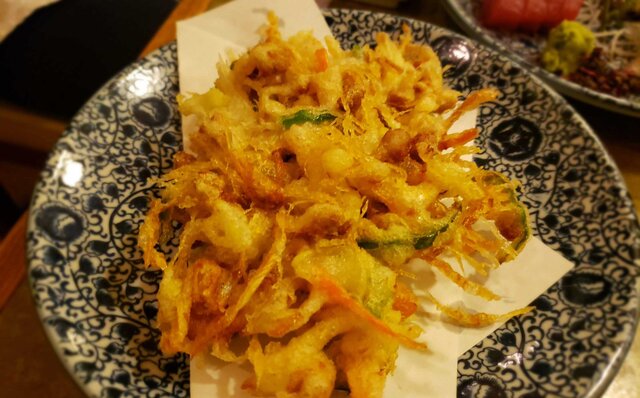
Hajime, a home-style cooking restaurant said to have been founded in 1964, the year of the Tokyo Olympics, is another place I always think of first when I'm undecided about where to go. The obanzai (Kyoto-style side dishes) like ohitashi and kinpira lined up on the counter, seasonal sashimi, and simple, warm dishes like kakiage (mixed tempura) and thick fried tofu provide a comforting meal. The presence of just one such restaurant increases the sense of security one feels about a town. Delicious restaurants for yakiniku, yakitori, sushi, and Chinese food are a given value for me. The existence of a family-style restaurant where one can go casually with anyone, drop in spontaneously, and enjoy delicious food that isn't hard on the stomach significantly enhances the overall value of the town.
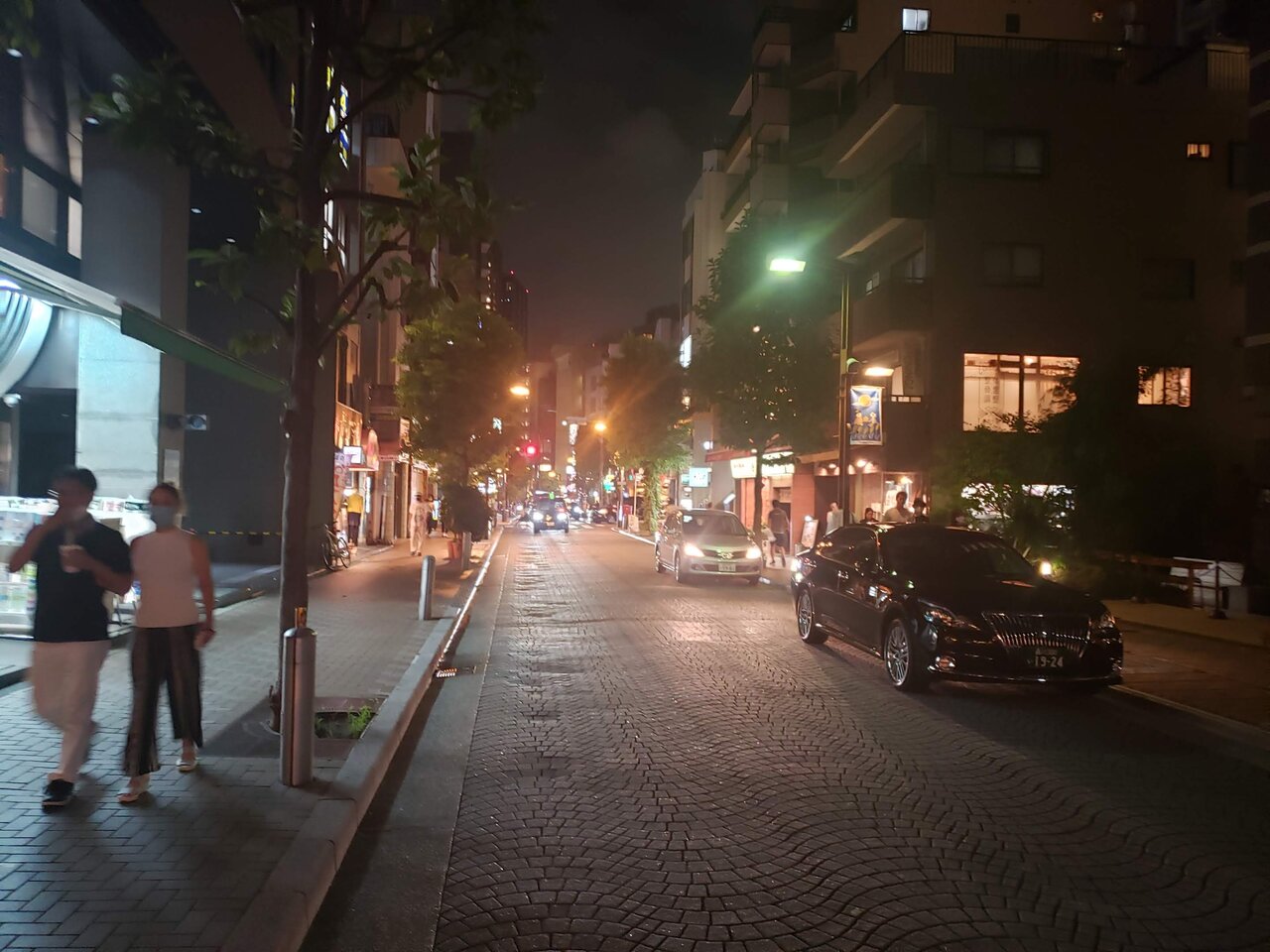
Azabu-Juban is where international flair, with its embassies and luxury apartments, and luxury cars passing by, coexists harmoniously with the tradition of the Edo period and the long-established businesses that remain as a legacy of that history. Without being arrogant about the "Azabu" name, it adapts to the times while preserving what needs to be protected, thus maintaining a solid position without dramatic ups and downs. It's a town that offers many lessons for us.
Sankoen
Address: 1-8-7 Azabu-Juban, Minato-ku, Tokyo
TEL: 03-3585-6306
Toruryu
Address: 2-4-5 Azabu-Juban, Minato-ku, Tokyo
TEL: 03-3451-0514
Hosenka
Address: Azabu Court 1F, 2-21-12 Azabu-Juban, Minato-ku, Tokyo
TEL: 03-3452-0320
Hajime
Address: Fujita Bldg. 1F, 1-5-4 Azabu-Juban, Minato-ku, Tokyo
TEL: 03-3404-8736
Yasutake IjichiBorn in Tokyo in 1982. While at Keio University, he was involved in planning and producing receptions and parties for major brands at an event company. After transferring to a PR firm, he worked as a planner and retired at age 30. He co-founded Sunshine Juice, Japan's first cold-pressed juice specialty store, with his representative friend of 20 years and served as Vice President until September 2020. He currently continues his city explorations while supporting corporate communications and branding for clients across a wide range of industries. Favorite foods: fugu (pufferfish), suppon (soft-shelled turtle). Favorite sports: baseball, horse racing. Favorite places: traditional coffee shops, casual izakayas.
Instagram:
ijichiman