Understanding the Current State of Plastics Today: Part 1
For several years now, the term "plastic-free" (commonly known as "datsu-pura") has been circulating. But for us living in the modern age, is a life without plastic truly realistic? With this question in mind, we spoke with Takuya Kobayashi of Itochu Corporation, who primarily handles biomass plastics. What will biomass plastics change...? Please enjoy this four-part discussion on plastics.
The words "every day." And the phrase "daily life." Take a moment to reflect on our own lives. Buying and eating food. Buying and drinking beverages. Wearing clothes. Using daily necessities. When you look around at your daily life, you can see how familiar and indispensable plastic is.
However, from the perspective of the global environment, the situation surrounding plastics, including the "plastic-free" movement, is undeniably challenging. It is precisely because of this situation that "EQUALLY BEAUTIFUL" has focused on the current state of plastics and the future of environmentally friendly plastics. Among bioplastics, "biomass plastics" are garnering attention for their high environmental consideration. We spoke with Takuya Kobayashi, a leading figure in the handling of "biomass plastics" at Itochu Corporation, who works tirelessly every day to create a virtuous cycle for biomass plastics and bring them to market.
EQUALLY BEAUTIFUL (hereinafter "EB")I'd like to begin by asking about Itochu Corporation's approach to environmental issues as a broad framework.
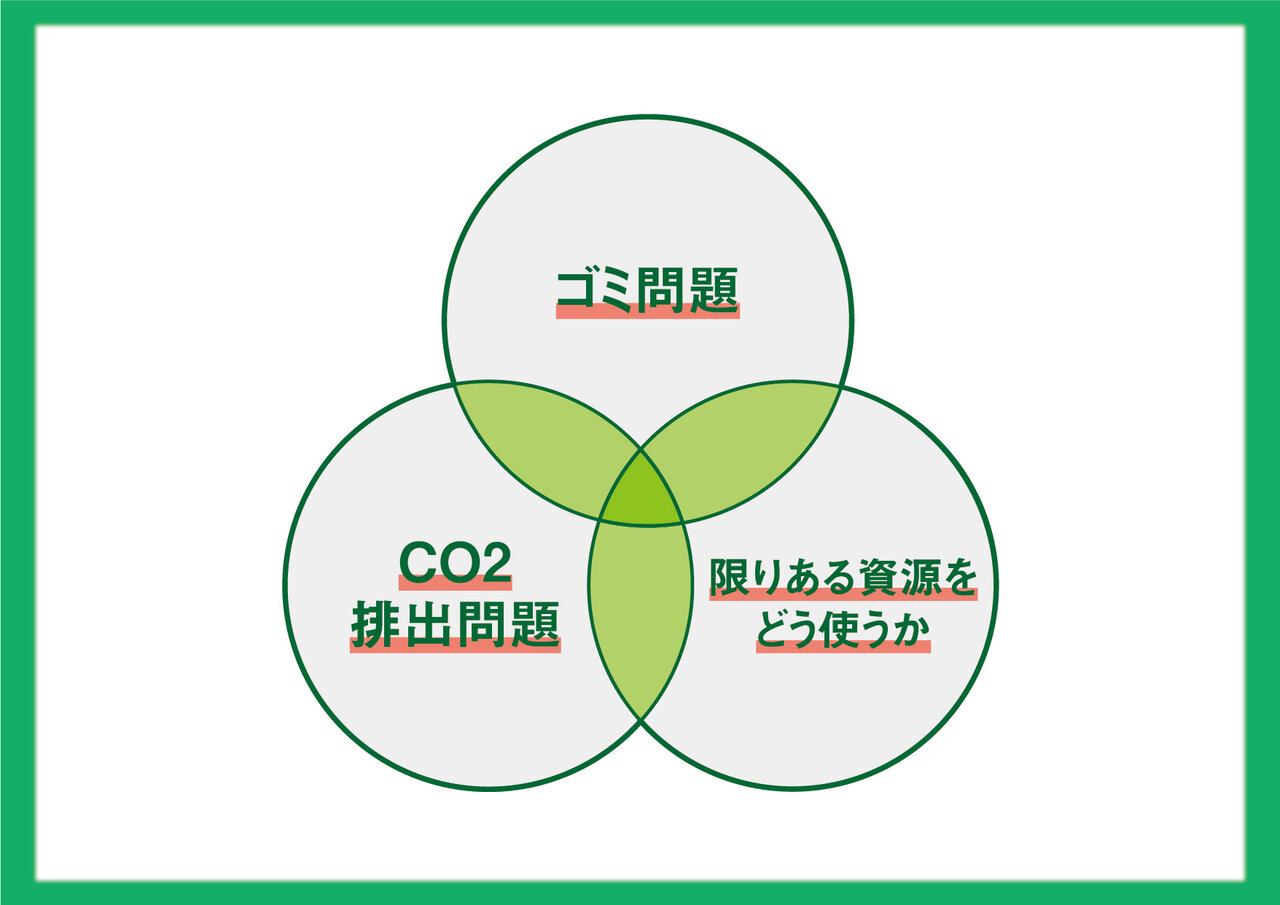
Takuya Kobayashi (hereinafter "Kobayashi")First, I'd like to talk about what environmental issues are. While "environmental issues" is a broad term, I believe the main categories are the problem of "waste," the problem of "CO2, or global warming," and the problem of needing to use "finite resources" wisely. Regarding waste, it's not just about the waste piling up in our own towns, which affects our daily lives, but also the problem of "ocean plastic waste." From a global perspective, the issue of waste washing ashore on coastlines is quite serious.
CO2 is directly related to global warming and might feel quite immediate. Investors are also paying attention because it's a pressing issue. For example, in Japan, we've seen recent heavy rainfall, the devastating hurricanes that struck the United States in 2005 and 2017, and the Australian wildfires from September 2019 to February 2020. In this way, the adverse effects of climate change are something everyone knows about and can relate to. And when it comes to finite resources, just as with water, I believe it's important to cherish resources like oil and natural gas.
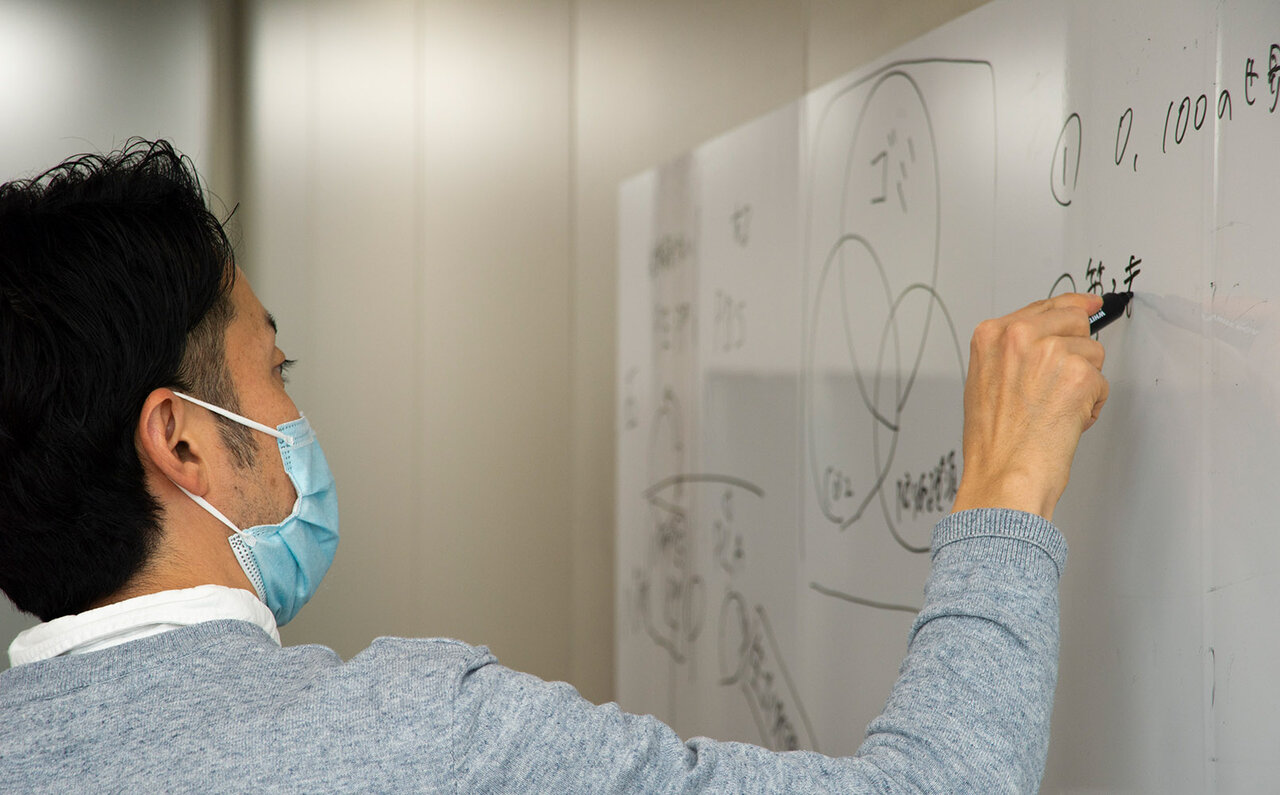
So, how do we at Itochu Corporation approach this? We focus on areas where one, two, or all three of these problems—"waste," "CO2," and "finite resources"—overlap.
EBThat's a comprehensive, wide-ranging approach.
KobayashiAs a "trading company," Itochu Corporation's core business is to identify what we can offer to our customers in response to their interests. Understanding what our customers are interested in—in which direction they want to approach environmental issues—is a very important part of our work. We act as "service providers," offering solutions to the challenges related to those interests. Therefore, we don't just focus on biomass plastics; we grasp the full spectrum of environmentally conscious plastics, including recycled plastics derived from ocean waste and other recycled plastics, to meet the needs of various companies. We develop our business by providing environmental consulting services to corporations. We call this entire process "old-fashioned, yet new, service provision." When a company needs to address environmental concerns for its products, we inquire about the product's story, its origins. For instance, if it's related to the Seto Inland Sea, we might mention that addressing the ocean plastic waste problem there would be beneficial.
EBSo, you're essentially finding what's necessary for each company. And the phrase "old-fashioned, yet new, service provision" is quite refreshing.
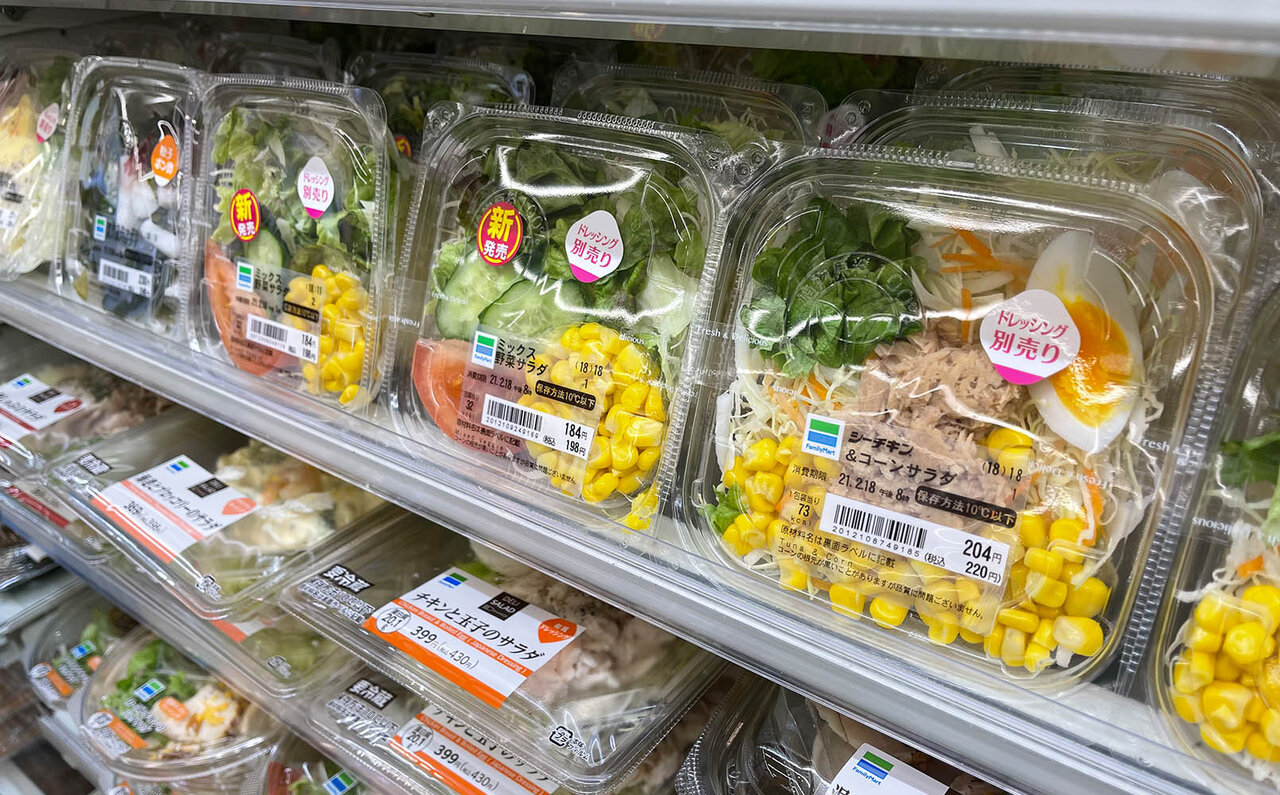
KobayashiMany people probably wonder what a trading company does. To take plastics as a specific example, starting from the raw materials like oil and natural gas, there are people who create various chemicals and plastic raw materials, then people who mold them into shapes – bottles, or food containers for convenience stores like FamilyMart. This then goes to brand owners, becomes a product, and is placed on retail shelves – that's the general image of a value chain. So, what does a trading company do in this process? We act as intermediaries, buying from the raw material producers and selling to the molders. Essentially, we are involved in every step of this value chain, making requests and negotiating. However, in the environmental business, we've re-examined this entire process. If we were to negotiate each point individually, it would require separate discussions. But since we are involved in connecting all these steps, we've shifted to the idea of presenting a unified solution.
EBSo, you can offer a comprehensive proposal.
KobayashiFor food-related products, we might propose biomass plastics made from waste cooking oil, tracing back to the source. For items like shampoo, we believe recycled plastics are more suitable. If a company's main products are associated with the "ocean," we would recommend recycled plastics derived from ocean waste. Therefore, our current approach is to provide solutions for environmental issues to brand owners, considering the entire journey from raw materials to finished products.
EBEnvironmental issues often seem like a topic for highly conscious individuals, but Itochu Corporation's initiatives feel quite "accessible." It feels like everything on the shelves of a convenience store is being considered.
KobayashiThat's right. It's undeniable that environmental issues were once primarily of interest to highly conscious individuals, but since the straw issue and the introduction of charges for plastic bags, a much broader range of people have become more aware. While movements like "plastic-free" and the problem of ocean plastic waste have cast plastic in a negative light, in a positive sense, I feel they have guided the attention of the entire Japanese population. On the other hand, I believe it's important to consider the usefulness of plastics. The necessity of plastics became particularly evident during the COVID-19 pandemic.
EBIn terms of preventing infections, how are plastics involved?
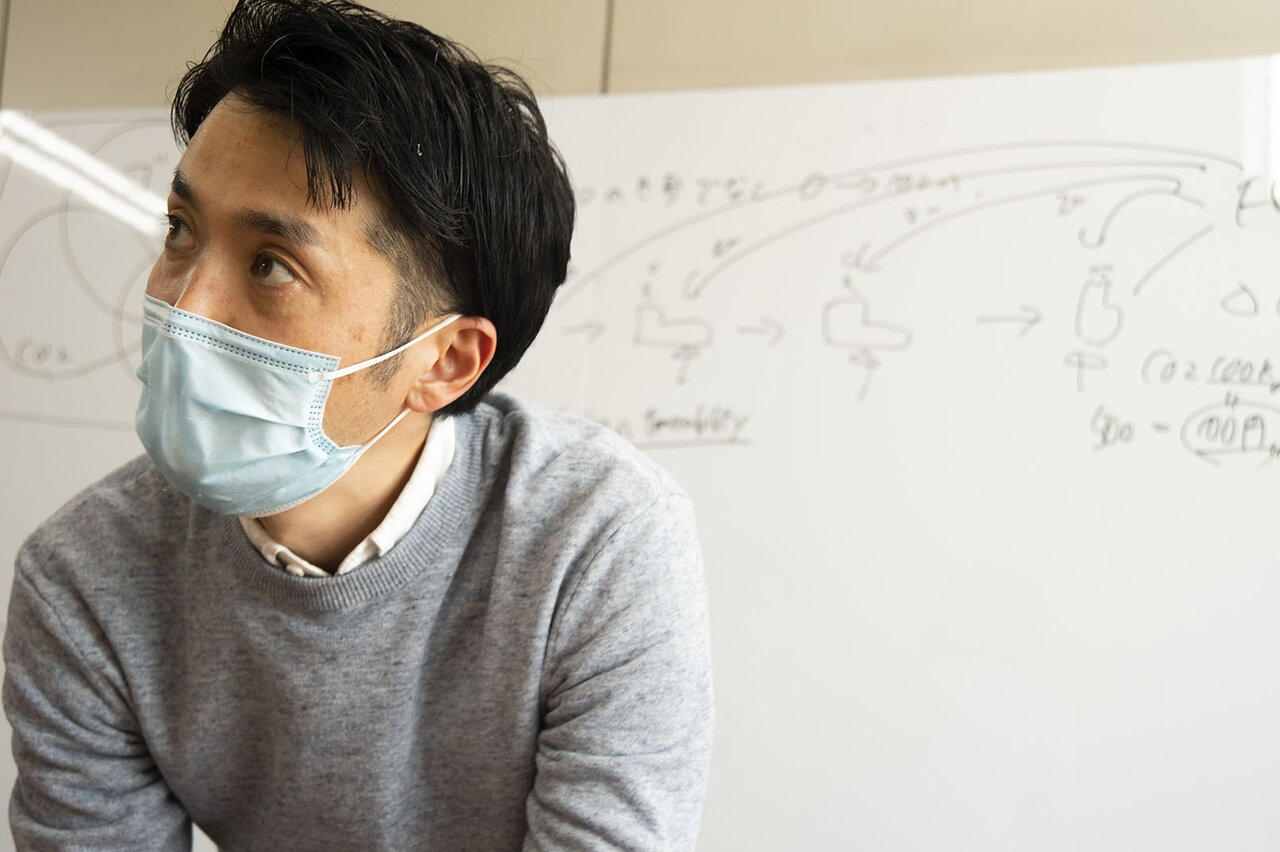
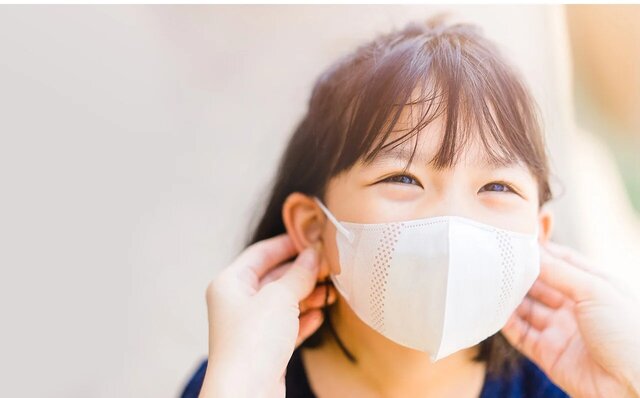
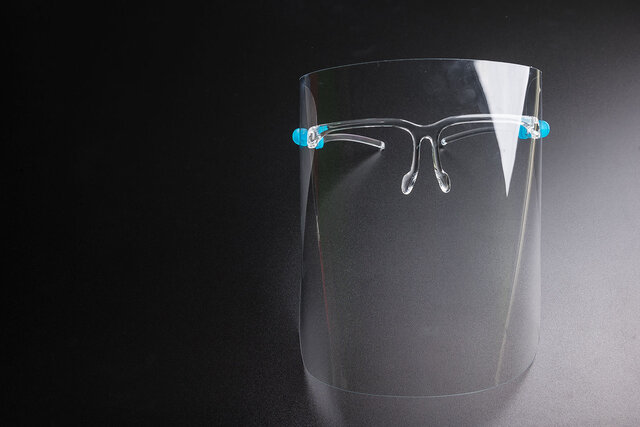
KobayashiThis might be surprising, but masks are one example. The non-woven masks I'm wearing now are made of polypropylene. Also, the partition boards that have become essential for infection prevention are made of acrylic or polycarbonate. Face shields are also plastic.
EBI see. It's clear that plastic is truly indispensable in our current lives.
Next time, we will discuss the necessity of plastics in modern life.