Serial Essay | #ijichiman's Musings: "Savoring Rich Game Meats in Winter"
Serial Essay | #ijichiman's Musings
Part 50: "Savoring Rich Game Meats in Winter"
Photographs and Text by IJICHI Yasutake
A Culinary Culture Rich in Nourishment and History
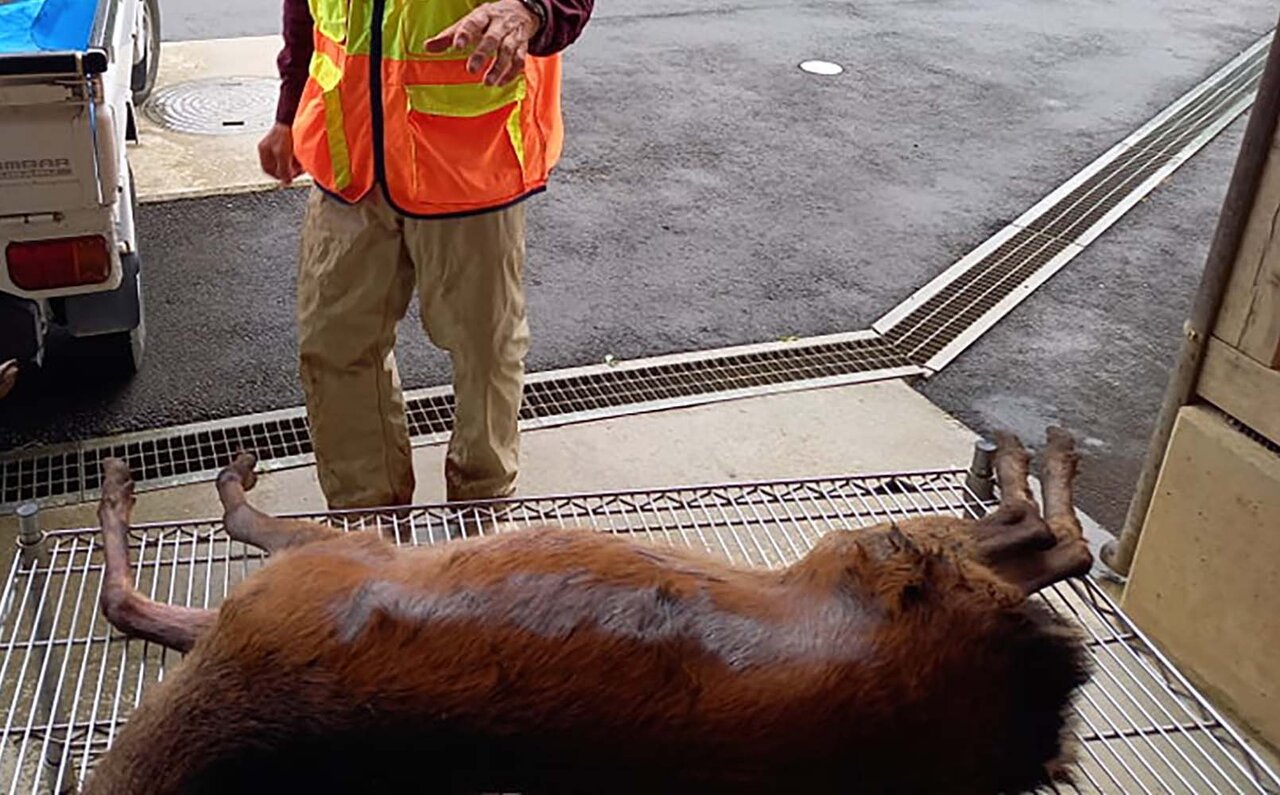
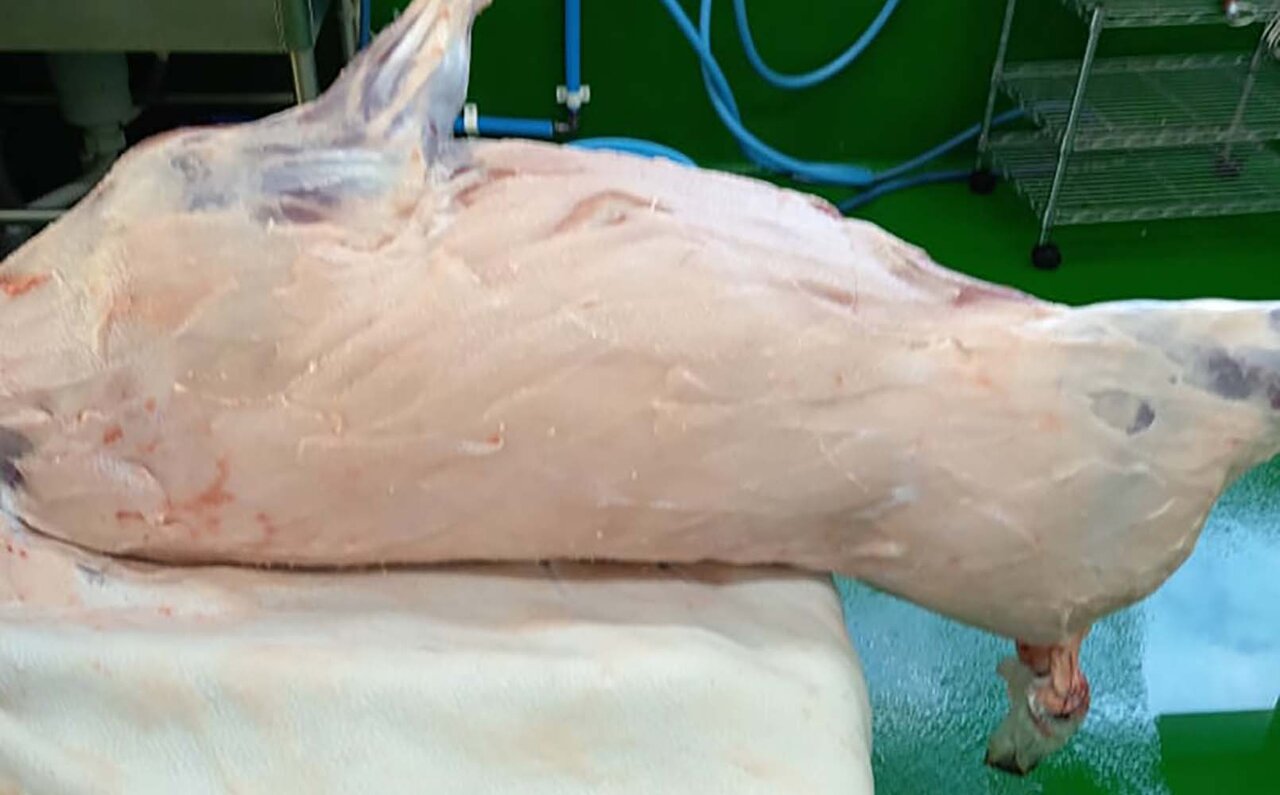
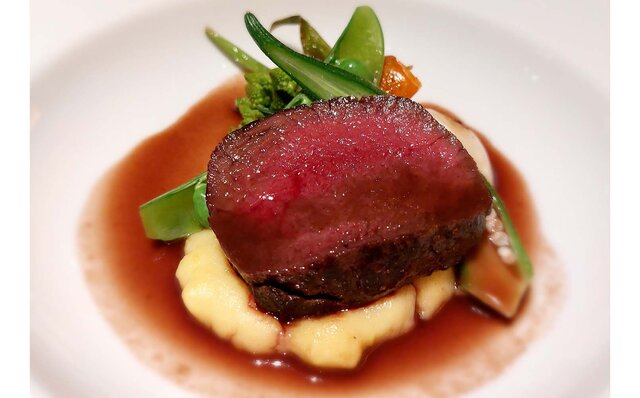
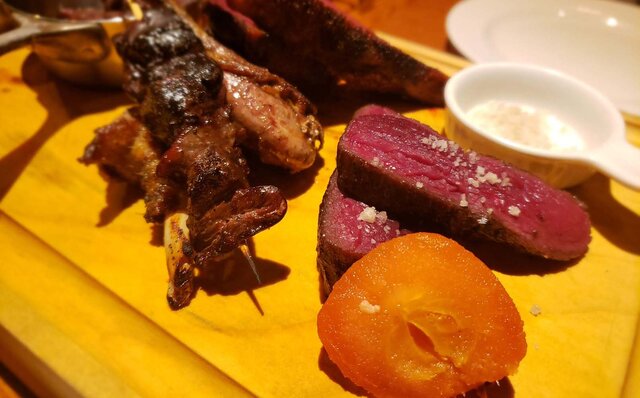
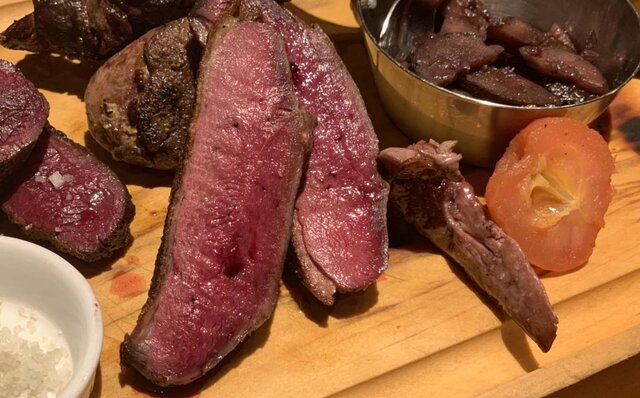
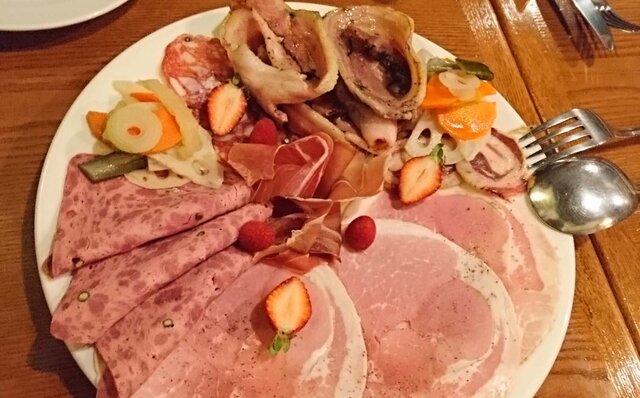
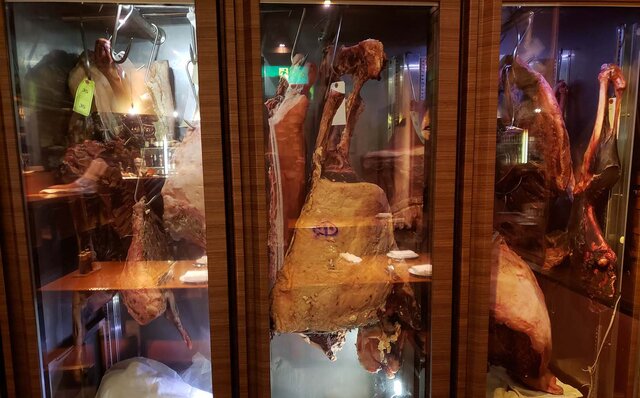
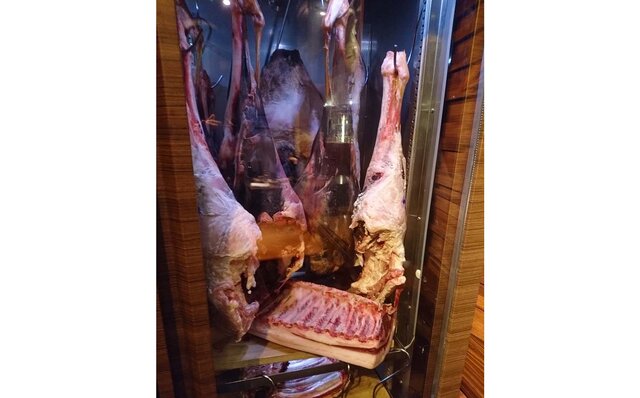
At the end of the Meguro Ginza Shopping Street. As winter approaches each year, I find myself wanting to eat fugu and visit Buppa. Upon entering, the first thing that strikes you is the impressive aging cellar. Buppa is not only a renowned gibier restaurant but also a pioneer in aged meat. All the meats resting in this cellar are carefully selected domestic products. They meticulously manage hunting periods, processing methods, age, and sex. The classic way to enjoy them here is as charcuterie (a general term for processed items like sausages, hams, and pâtés) or simply grilled over charcoal, paired with natural wines. The winter specialty, the blue-necked duck, is a must-try. It's prepared to have an elegant flavor that belies its wild origin, making it accessible even for gibier novices.
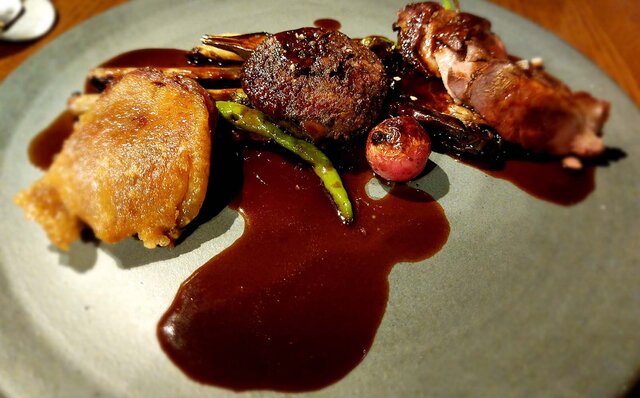
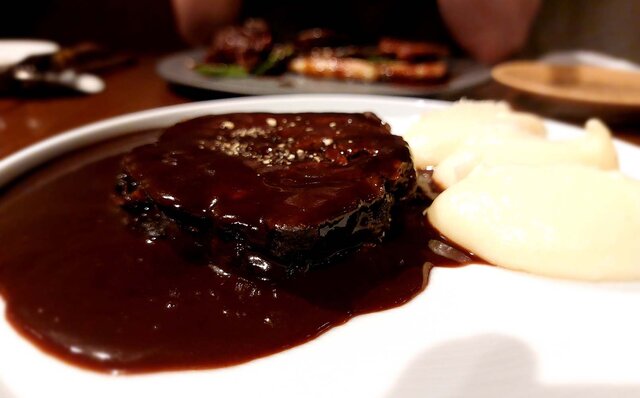
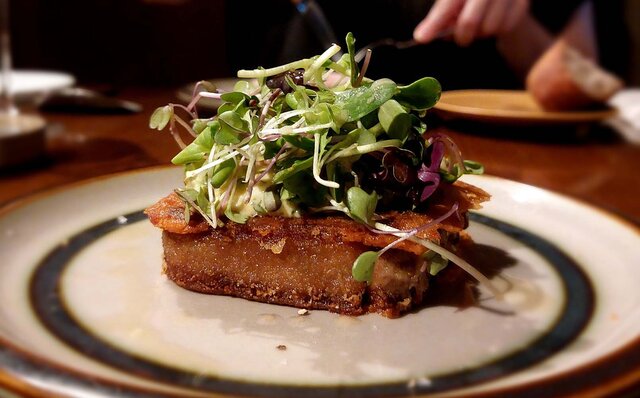
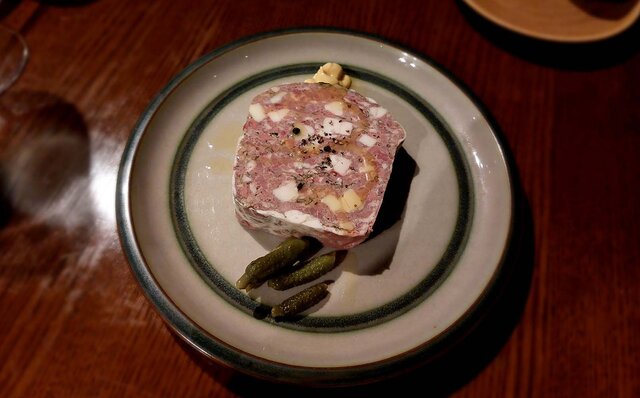
About a 15-minute walk from Meguro Station along Meguro Dori, past Otori Shrine. This is a compact restaurant where the owner-chef handles both cooking and service single-handedly, offering authentic French gibier in a casual, unpretentious setting. They feature not only classic ingredients like deer, wild boar, and duck, but also a variety of seasonal items such as pigeon, bear, badger, and Asiatic black bear. These are meticulously prepared with time and effort, maximizing their robust and powerful flavors. With many ingredients encountered for the first time, each bite brings a sense of surprise, understanding, and delight, making the experience endlessly enjoyable. The deep flavors and simple, unadorned presentation reflect the professional pride of someone who doesn't pander to the masses. It's sure to captivate both gibier beginners and true enthusiasts.
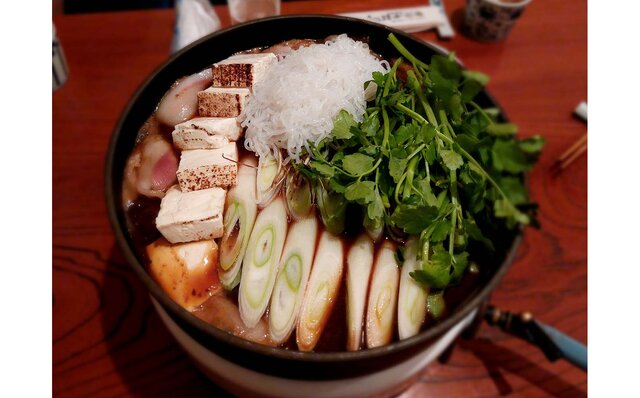
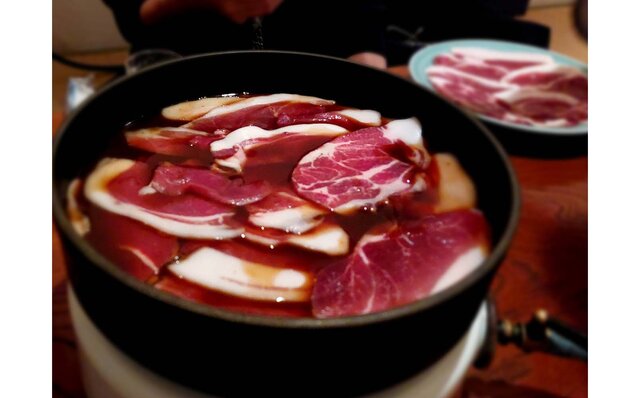
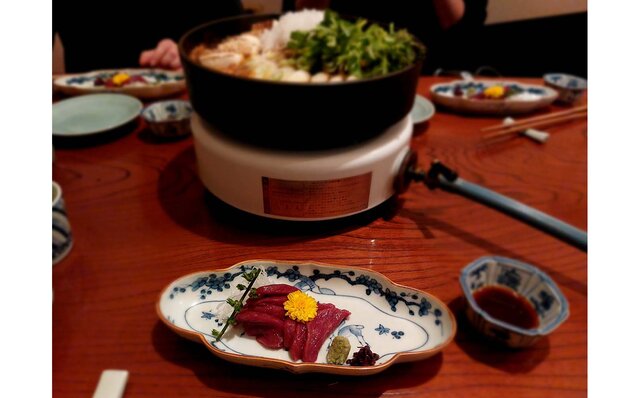
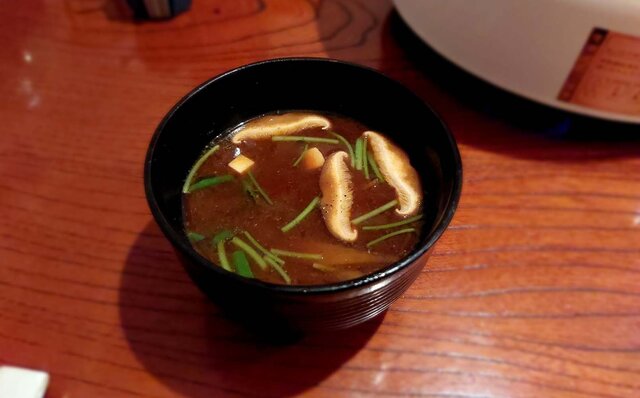
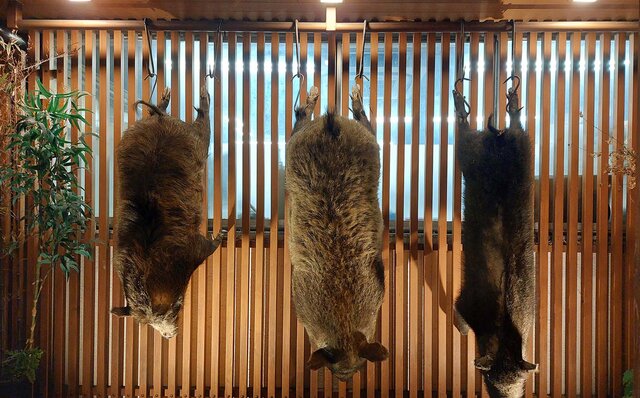
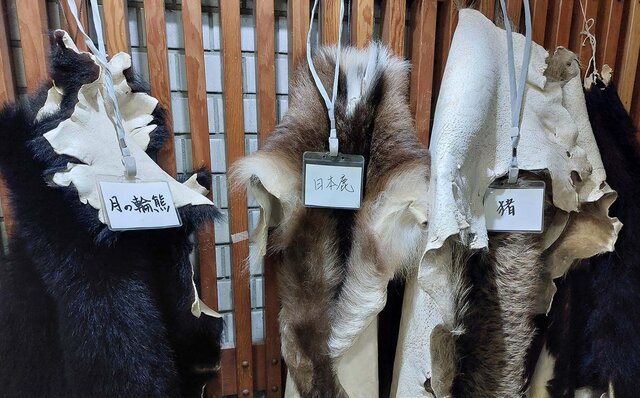
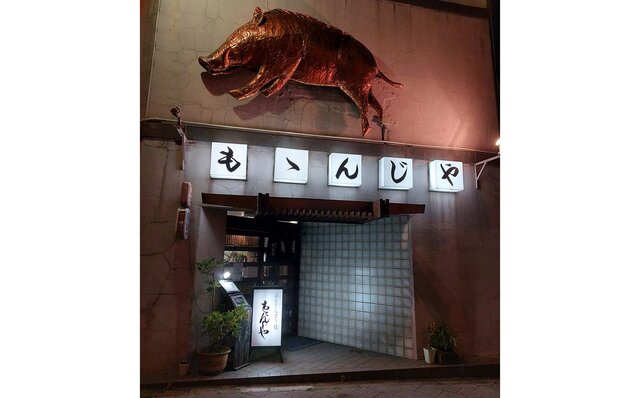
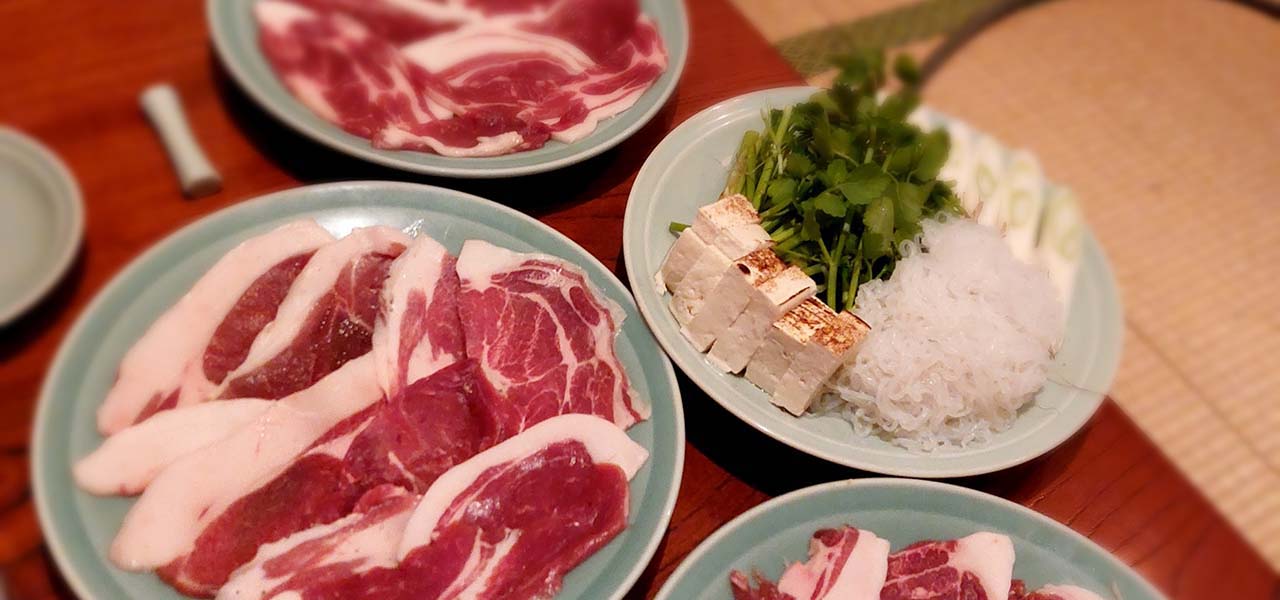
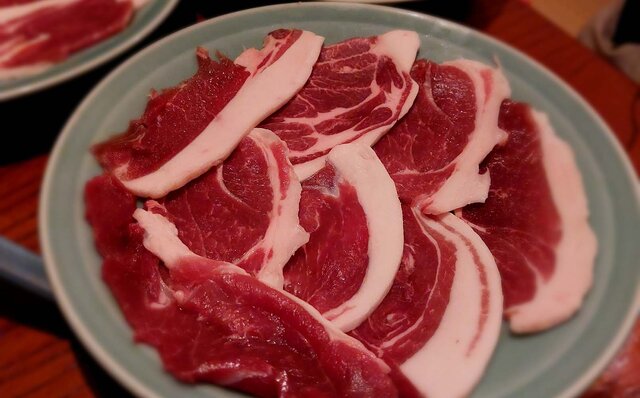
A long-established restaurant in Ryogoku, specializing in 'shishi nabe' (wild boar hot pot), with a history spanning over 300 years and ten generations since the Edo period. The three wild boar taxidermies in front of the store are a striking sight. Although the consumption of wild game was taboo in the Edo period, it was secretly enjoyed, and eateries handling these meats were discreetly advertised with coded names like 'Momojiya' or 'Yamakujiya'. It is said that the current terms 'botan' (peony) and 'yamakujira' (mountain whale) for boar and whale meat, and 'momiji' (maple) for venison, are remnants of these old coded names. Another theory suggests that 'botan' refers to the beautiful arrangement of red meat and fat resembling a peony. The course menu also includes deer sashimi and bear soup. While it might sound cliché and unappealing to gibier aficionados to describe gibier as 'not gamey,' it retains its distinct character—its 'umami' or essence—without being unpleasant. The hot pot is miso-based. According to the waitstaff, the longer it simmers, the tastier it becomes. Although one might expect the meat to toughen with prolonged simmering over high heat, it remains tender. The vegetables, infused with the broth of wild boar and miso, are also irresistible. It's truly convincing that such a long history is due to valid reasons. With its rich umami and nutrients, this botan nabe is perfect for warming up the body in winter.
Born in Tokyo in 1982. While attending Keio University, he was involved in planning and producing receptions and parties for major brands at an event company. After transferring to a PR firm, he worked as a planner and resigned at the age of 30. He joined his representative, a friend since junior high school, in establishing Japan's first cold-pressed juice specialty store, "Sunshine Juice," and served as Vice President until September 2020. Currently, he supports corporate communication and branding for clients across a wide range of industries while continuing his urban explorations. His favorite foods are fugu and soft-shelled turtle. His favorite sports are baseball and horse racing. His favorite places are traditional coffee shops and casual izakayas.
Instagram:ijichiman