LOUNGE /
FEATURES
August 29, 2023
Goodpatch, a company that designs from the inside of organizations, considers "New Normal" talent | LOUNGE
Sponsored
LOUNGE | Goodpatch
Goodpatch, Inc., with its corporate mission to "prove the power of design," works with partner companies from strategy formulation through to the growth phase.
In 2020, it became the first design company to be listed on the stock market.
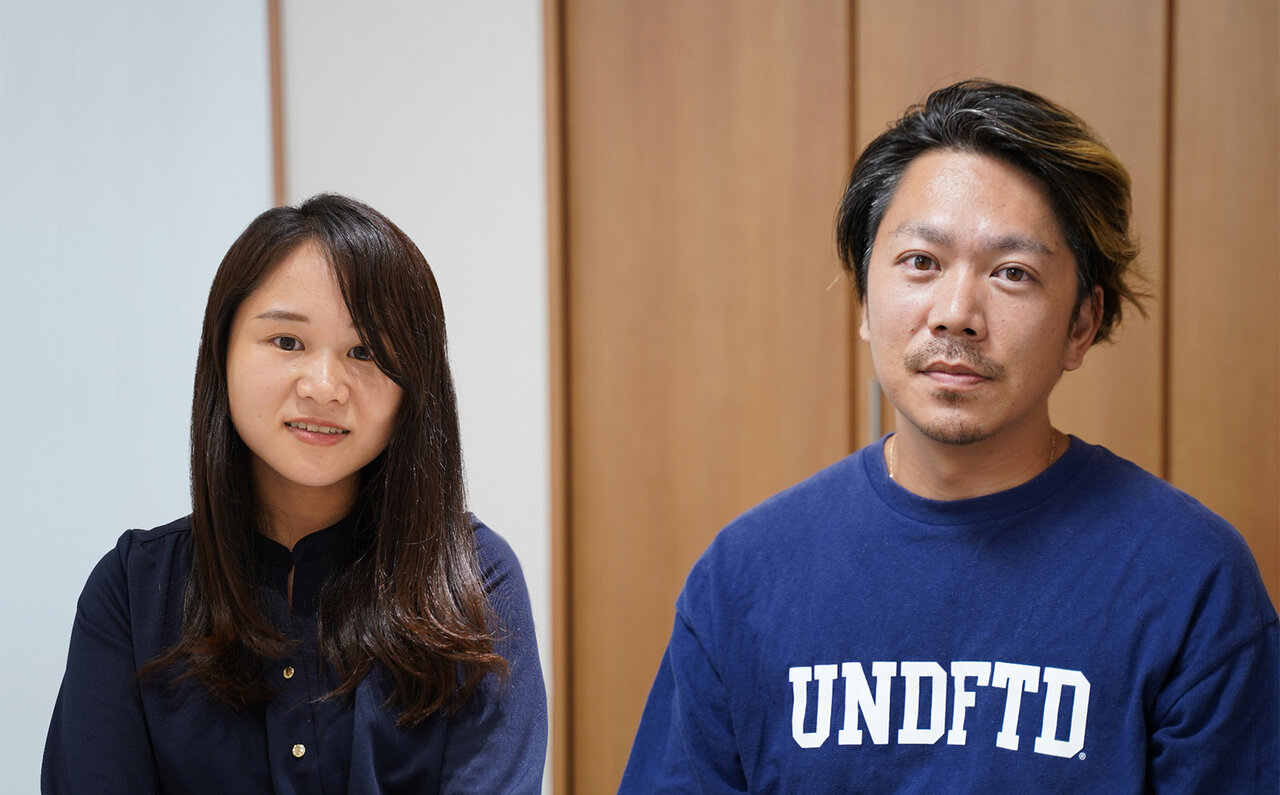
This time, we interviewed Mr. Yoneda, a design researcher who is also a Goodpatch employee and has relocated to Kamikawa Town, and Mr. Yoshimoto, representative of KAMISORI WORX.
Qualities Required for Next-Generation Leaders: Individuals Who Act with Strong Personal Conviction
—We accompanied your team to cover a leadership training program organized by Goodpatch for Marui Group. The theme was "Why?" and involved interaction with leaders in Kamikawa Town, Hokkaido, the training location. The leaders assigned were not just typical corporate executives but unique individuals. What was the intention behind their selection?
For details on the training program, see "NEW NORMAL CAMP" held by Marui Group in a town of 3,000 people."
Mr. Yoshimoto:We decided on the individuals in consultation with Kamikawa Town, but in a nutshell, we wanted to assign people who are driven by their own vision.
The leadership training program this time is called "NEW NORMAL CAMP." Our mission was to provide participants with an opportunity through the training to become "new normal" leaders.
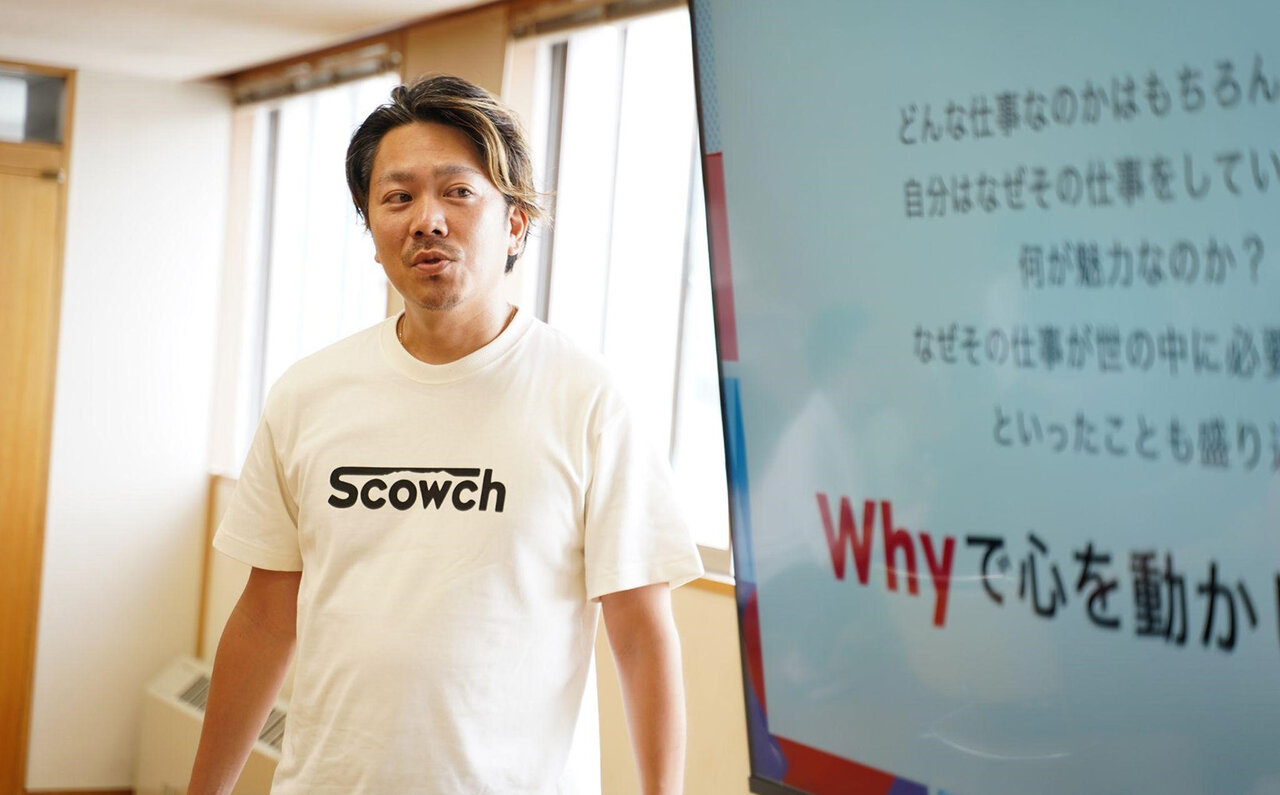
The term "new normal" itself refers to the shift in lifestyles and business to new common practices following the COVID-19 pandemic. Here, "new normal leaders" are individuals who value their own beliefs as much as the company's Mission, Vision, and Values (MVV). And who can create "something new" within the company based on those beliefs.
—So, the company's direction is important, but individual values are also crucial?
Mr. Yoshimoto:Yes, exactly. Companies pursue profits, so decisions based on economic rationality are important. However, we are in an era of diversity. I believe the era where money alone can motivate people is coming to an end.
People have diverse values. We believe that old ways of doing things won't work in an increasingly diverse era, and we need individuals who can rally people around something other than money.
The leaders the training participants interacted with this time possess that ability, so we provided them with an opportunity to learn through direct experience.
—Mr. Yoneda, you are a Goodpatch employee but also relocated to Kamikawa Town last year. Living in Kamikawa Town, have you found that there are many people like those Mr. Yoshimoto described?
Mr. Yoneda: I believe there are very many. That's precisely why the program content is as it is.
One of the town's characteristics I've felt since actually living here is its high level of tolerance. Although I'm an outsider who moved here, the townspeople have been very supportive from the first meeting, even though we were strangers. They don't make newcomers feel alienated. That's the kind of town it is.
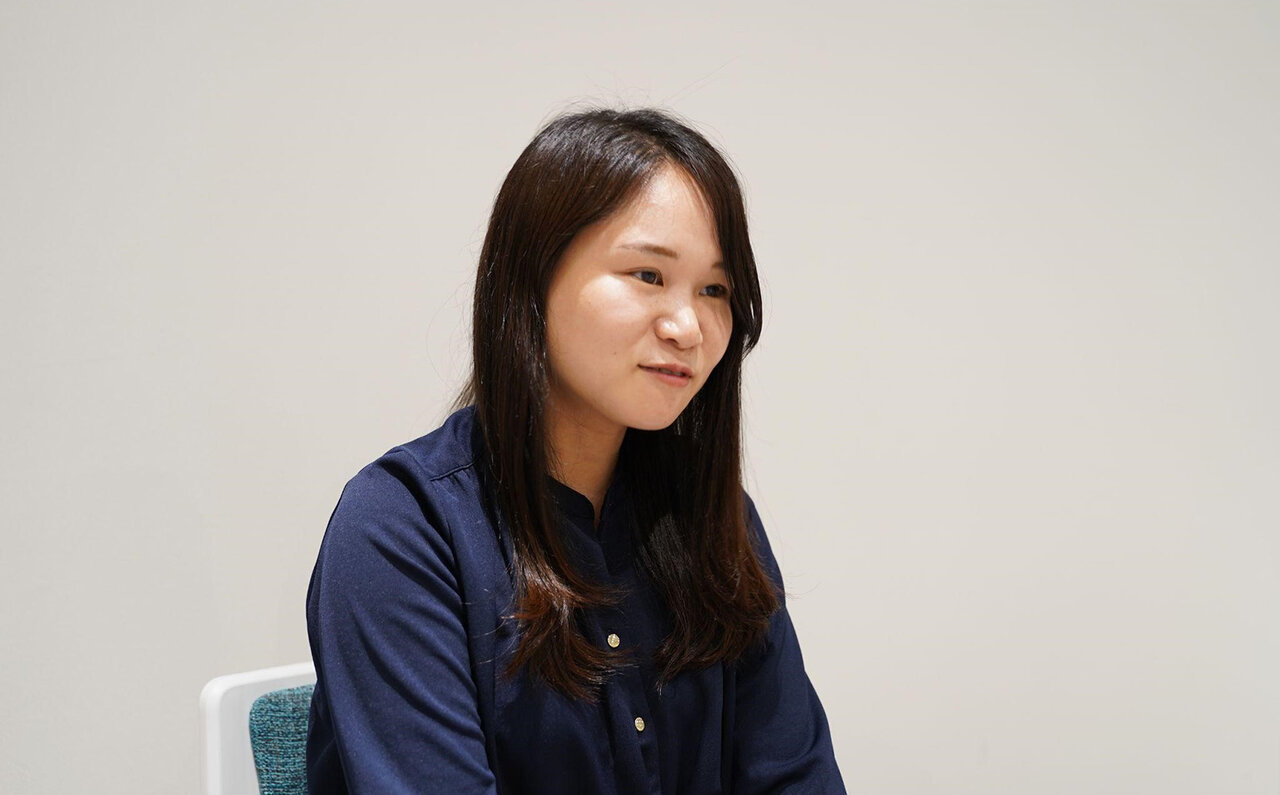
And there are many people who find what they want to do and pursue it while involving others. This connects to the tolerance I mentioned earlier; people who want to do their own thing are accepted, and when they try to do something new, the environment doesn't oppose it by saying "no" just because it differs from the town's existing customs. This creates a positive cycle where similar people increase, making it even easier to pursue new initiatives.
I believe this is thanks to the town's leaders, including the mayor.
From here, we will present excerpts from the words of Kamikawa Town leaders who cooperated with the leadership training, focusing on those that were particularly impressive.
Involving the town hall to establish a new department for realizing initiatives. Kazuhiko Ochi, Regional Future Creation Section, Kamikawa Town Hall
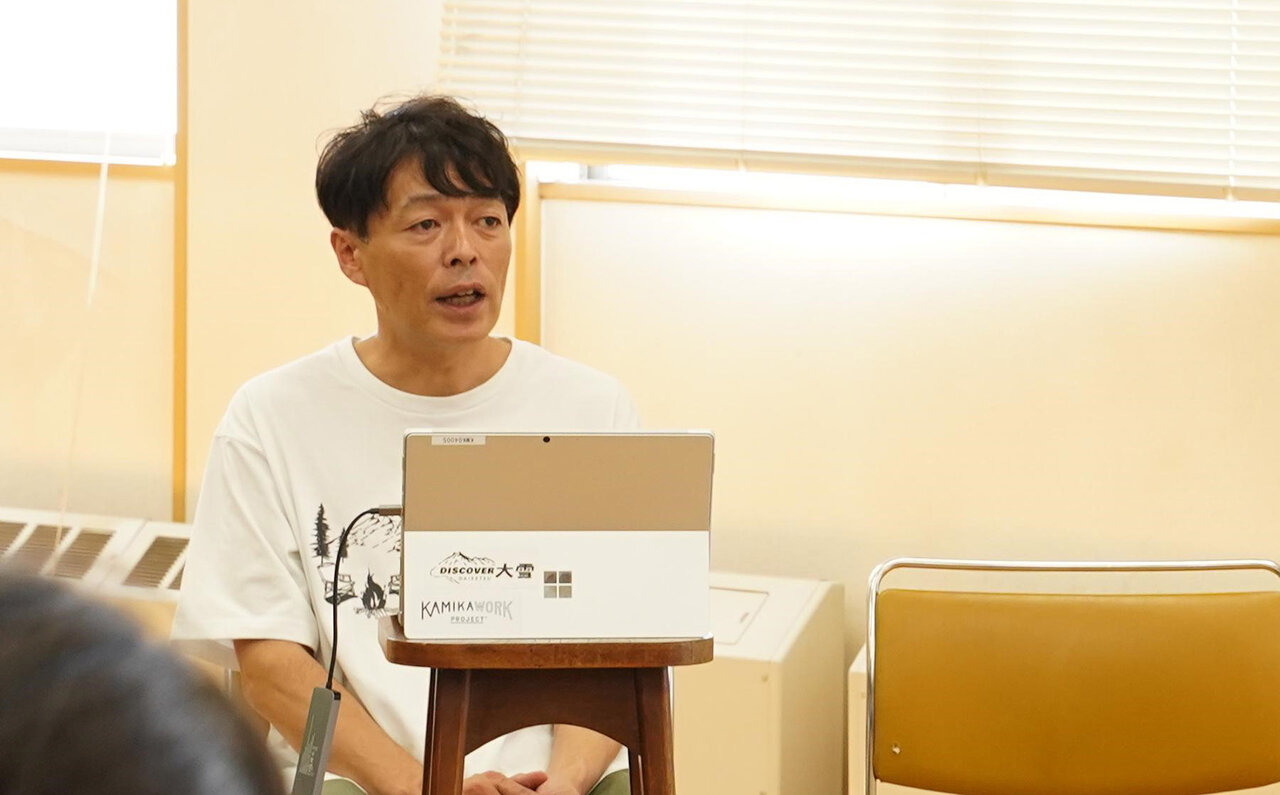
Born in Kamikawa Town, he joined the Kamikawa Town Hall after graduating from high school. He has led the planning and launch of various tourist facilities, interaction spaces for local residents and tourists, and relocation projects.
During a talk session with training participants, the following question was raised:
"I haven't had much attachment to my hometown until now. How can I come to love this town?"
Mr. Ochi:If you ask me if I particularly love this town, I'd say no.
These words came from someone born in this town and working at the town hall. When asked what drives his work, he continued:
Mr. Ochi:As a child, I wasn't exactly a model citizen. One day, my mother told me, 'Please work at the town hall and settle down as a person,' so I joined the hall somewhat half-heartedly.
After the entrance ceremony, I was called in by a senior official who told me, 'Don't think someone like you can make it at the town hall.' That angered me, so the next day, I went to work with a perm. I thought I'd tear down the town hall. That feeling might still be at the back of my mind.
From there, I was involved in various tasks at the town hall. The Regional Future Creation Section, which I'm in charge of now, is a department where, frankly, you can do things or do nothing. Of course, we don't do nothing, but I realized that if I wanted to do something outside the town hall's traditional practices, I had to create a position that would allow it.
While it may have started as a minor act of defiance, he used that drive to create an environment within the town hall where he could exercise his freedom.
His initiatives in the town were recognized for their achievements last year, earning him the Minister for Internal Affairs and Communications Award at the "2022 Regional Creation Award" from the national government.
Where ten out of ten people say it's impossible, that's where the potential for growth lies. Toshio Tsukahara, Kamikawa Taisetsu Sake Brewery
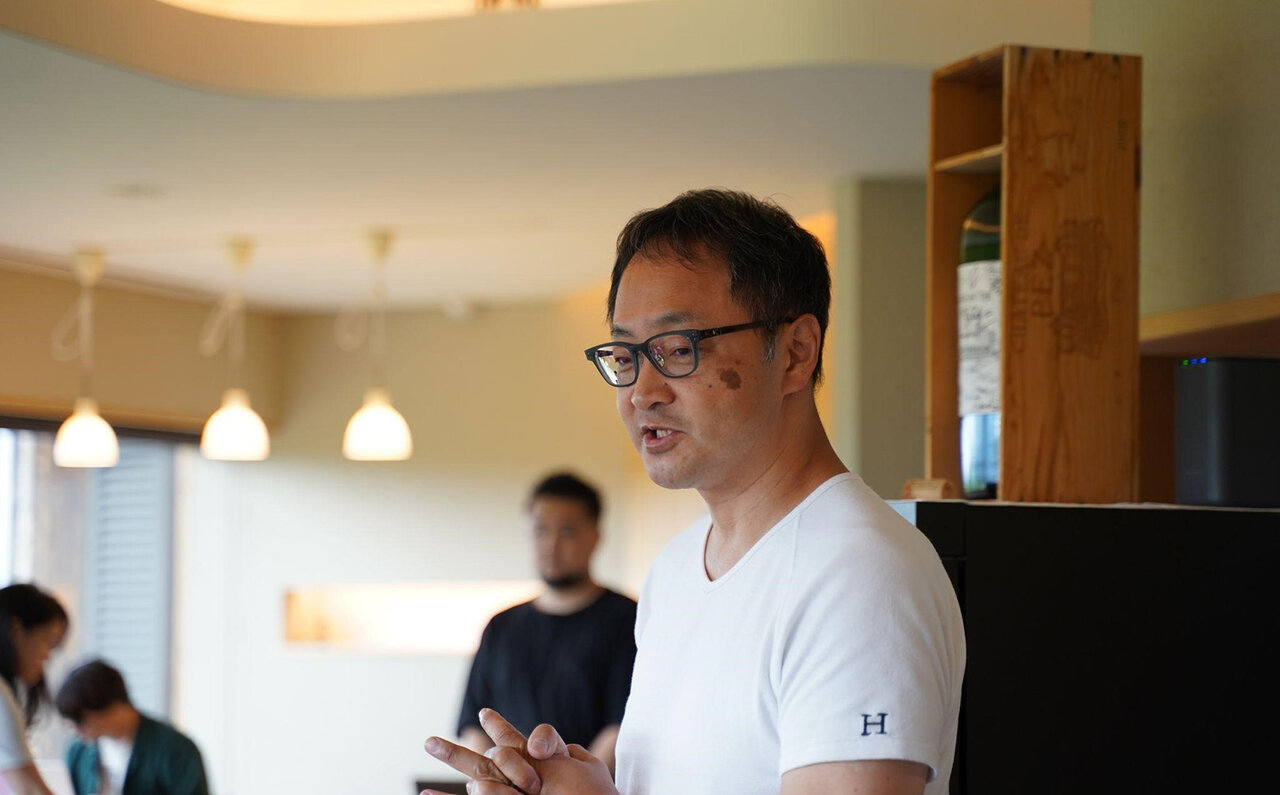
After working at a major securities firm, a foreign insurance company, and a headhunting firm, Mr. Tsukahara opened a restaurant here with French culinary master Chef Kiyomi Mikuni. Since then, he has continued to launch new ventures, including a sake brewery and a cheese factory.
The opportunity to start a business in this area came when Chef Mikuni asked him, "Would you be interested in opening a restaurant in Kamikawa Town? As we share a hometown connection, would you join me?"
he said.
At the time, Mr. Tsukahara was a company employee. Thinking it had nothing to do with him, he casually agreed, only to find himself becoming the owner, he recounted with a chuckle.
At that time, Mr. Tsukahara's child was young and required significant financial and personal attention. Nevertheless, he established a corporation with 300,000 yen in capital and opened the restaurant "Fratello di Mikuni" on a site that was once a cattle ranch.
While the restaurant was fully booked during the summer, the surrounding area was buried in snow during the winter, and adjacent tourist facilities were closed. It was effectively in a state of partial operation for eight months of the year.
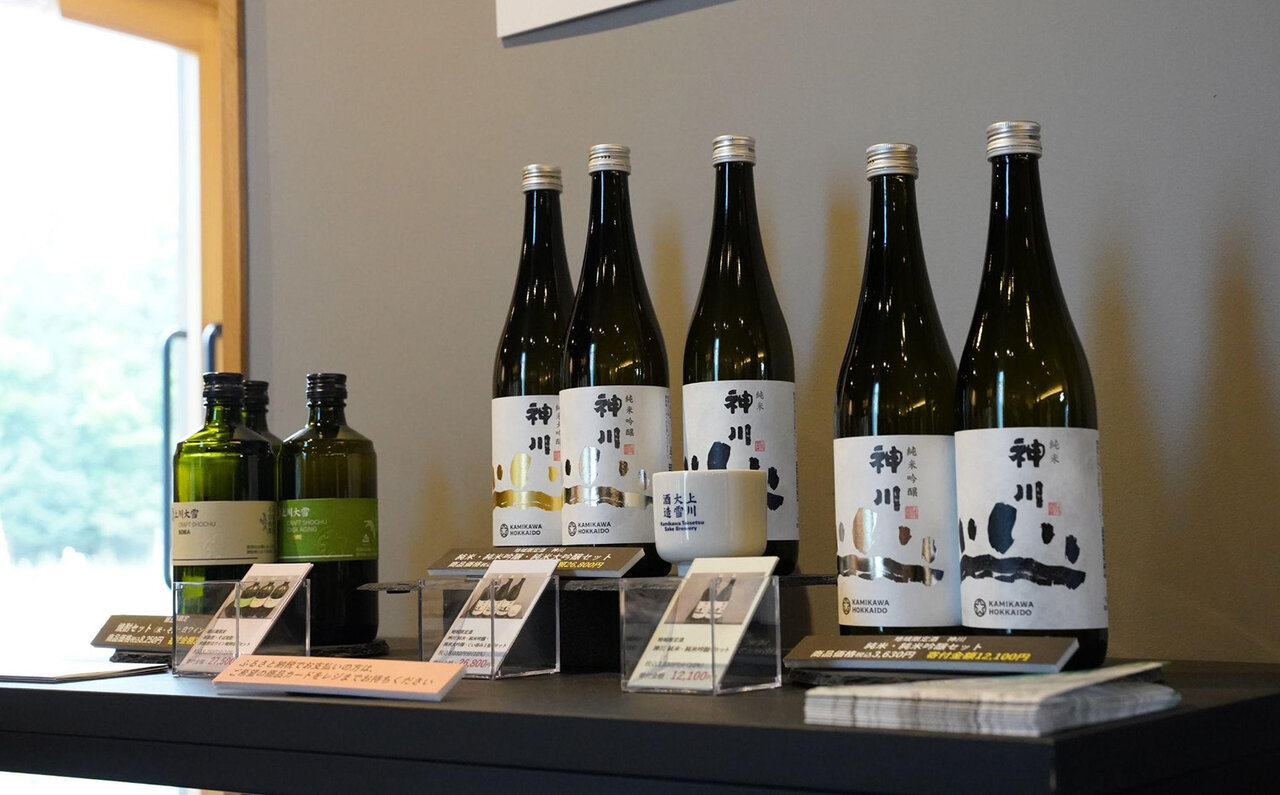
Around the time he began considering withdrawal, another connection led him to decide to establish a sake brewery. Amidst financial difficulties, he founded Kamikawa Taisetsu Sake Brewery using the surrender value of a life insurance policy he had canceled without his family's knowledge.
Today, the sake from Kamikawa Taisetsu Sake Brewery is highly regarded, fetching high prices when brought to Tokyo.
He shared three reasons for his success.
Mr. Tsukahara:First, my experience observing various people during my time as a headhunter. Life is full of events – marriage, the birth of children. I saw countless people who were so concerned about these events that they never took action. People who missed opportunities because they didn't act when they could have started the next day. That's why I was able to take the first step when launching the restaurant and when deciding to build the sake brewery here.
Second, my experience as a securities broker.
Everyone I consulted when I decided to build the sake brewery in Kamikawa Town opposed it. They asked, 'Why in that kind of town? Why in the declining sake industry?'
Having been a securities broker, I have a habit of thinking in terms of potential profit margins. If ten out of ten people say no, that means zero potential for loss, implying a potential upside of ten. If, say, seven people had agreed, I probably wouldn't have done it. The potential upside would only be three.
Since the starting point was zero, any success, however small, would mean creating value. That's why I decided to take the challenge.
Finally, I dislike being told I have "potential."
When people visit this town and say, 'This town has beautiful nature, hot springs, and clean water; it has potential,' it irritates me.
It feels like they're saying, 'It has potential but isn't making an effort.' So, I try to 'ruin' that potential.
I don't want to hear 'Kamikawa Town has clean water, doesn't it?' so I built a sake brewery. I don't want to hear 'It's a town known for its dairy production, isn't it?' so I established a cheese factory to produce processed goods using local milk.
In this way, I've focused on realizing the town's potential, one initiative at a time, to get to where I am today.
The Concept of This Training Was Apprenticeship: Some Things Can Only Be Learned Through Direct Experience
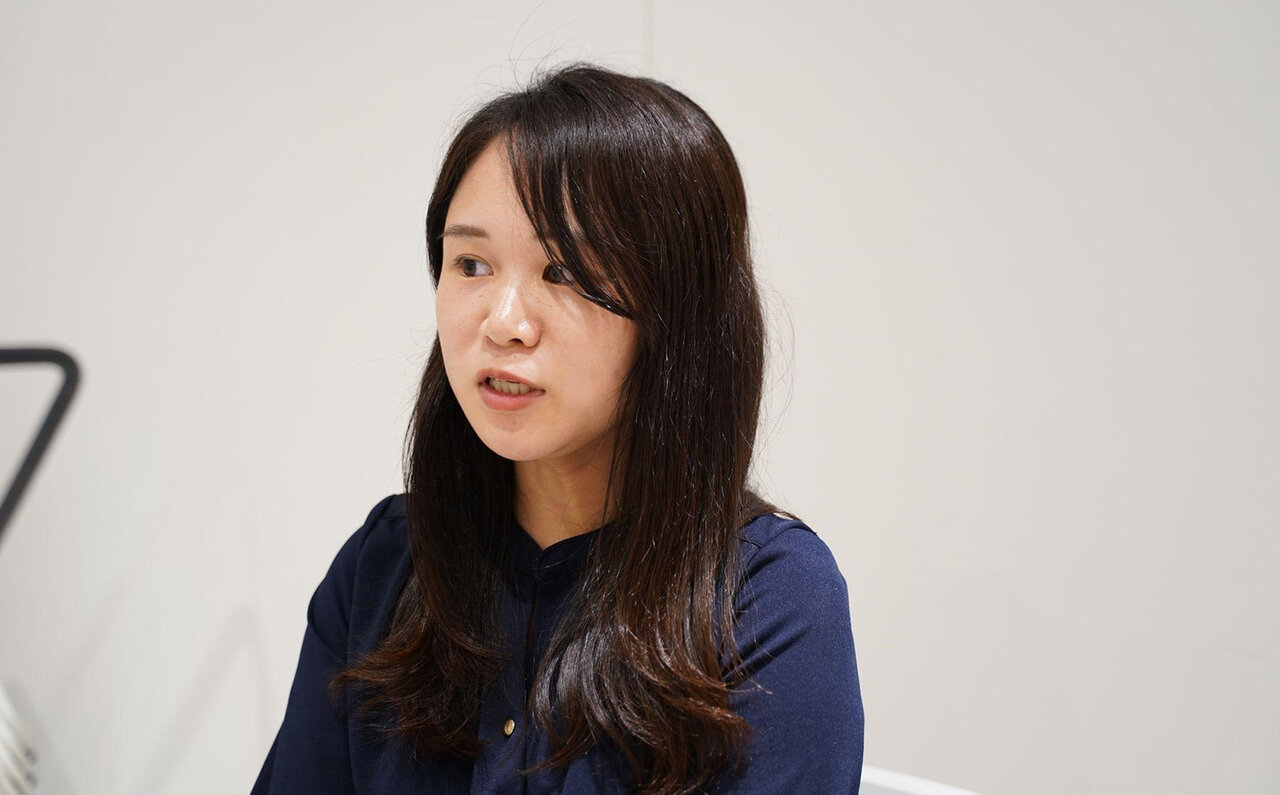
—Mr. Ochi from Kamikawa Town Hall, and Mr. Tsukahara. Also, Mr. Baba from the Social Welfare Council, who supports the elderly, and Mr. Adachi, a freelance forester who works on forest management throughout Hokkaido, all cooperated with this training. They are all individuals who act for reasons beyond economic rationality and excel at engaging those around them.
Mr. Yoneda: I came to Kamikawa Town through the "Regional Revitalization Entrepreneur" system, so while I continue my work at Goodpatch, I spend half of my month on town hall duties.
I go to the town hall frequently and often see Mr. Ochi holding meetings while chatting in the open space. They brainstorm and bring ideas to life in a warm atmosphere. It was completely different from my preconceived image of "government officials."
I also had a preliminary meeting with Mr. Tsukahara regarding his participation in today's session.
What struck me was his statement: "I don't want to promote my own restaurant or sake brewery; if Kamikawa Town itself becomes famous and thrives, the benefits will naturally return. Therefore, I want to prioritize that."
They aren't acting solely out of self-interest. They are looking ahead.
Mr. Yoshimoto:Exactly. We wanted the participants to learn by directly interacting with leaders like them.
Individuals who act not because it's profitable, but because they love it, or because they want to solve a particular social issue.
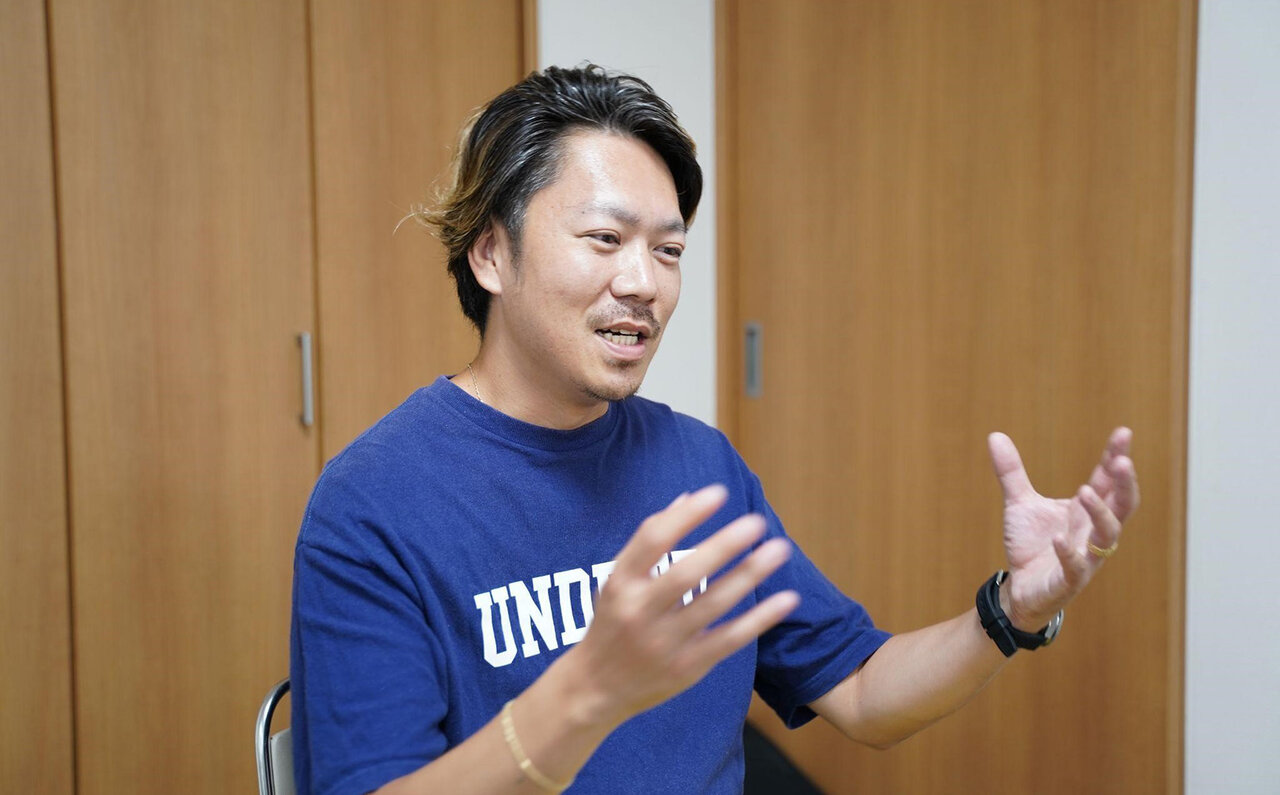
And it was important for them to actually come to this place. It might sound strange, but even if they were to speak using slides online, I don't think it would convey the same message.
For example, if baseball player Ichiro said, 'I practice my swings every day,' people might just think, 'Wow, that's great.' But if you were to swing alongside him, you might think, 'He's still going? I can't stop if he doesn't. How can he maintain that intensity until the end?' It would become an unforgettable experience.
One of the concepts behind this training was apprenticeship. By actually working alongside these individuals, participants can fundamentally learn the 'why' behind their actions. That's why the program was designed this way.
We believe that individuals who can convey their 'why' and rally others will be the ones who thrive in the coming era.