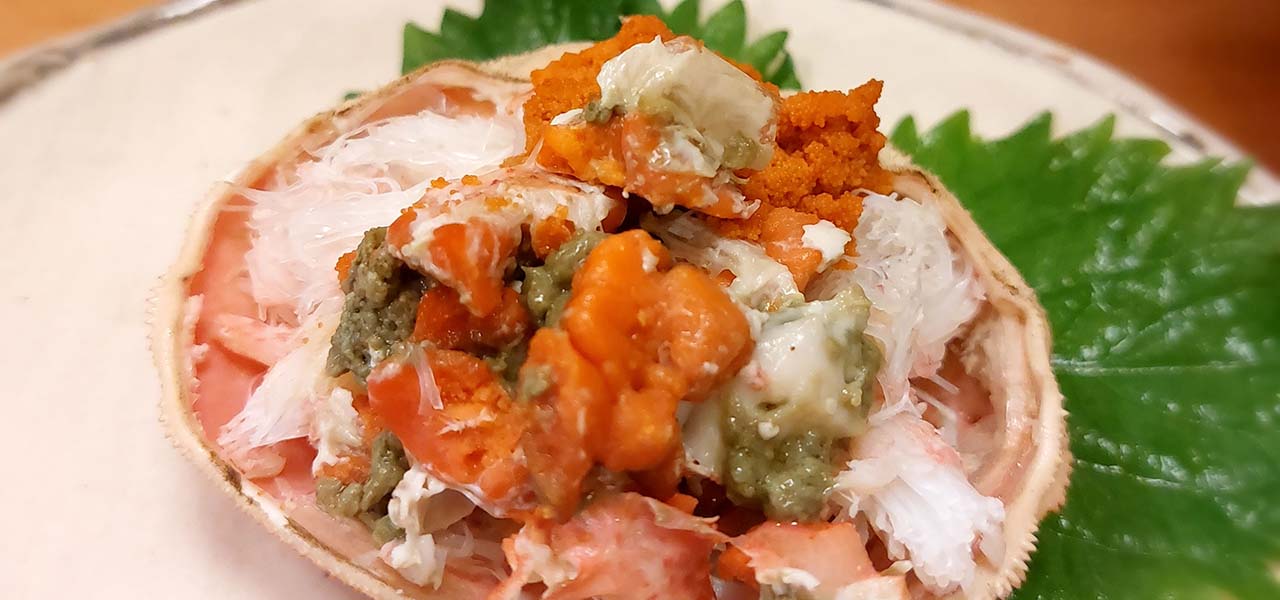
Serialized Essays | #ijichiman's Musings: "An Old-Fashioned Eatery That Adheres to a Cash-Only Policy, Overflowing with Profound Charm"
Serialized Essays | #ijichiman's Musings
No. 51: "An Old-Fashioned Eatery That Adheres to a Cash-Only Policy, Overflowing with Profound Charm"
Photographs and Text by IJICHI Yasutake
Simply Indulging in Deliciousness
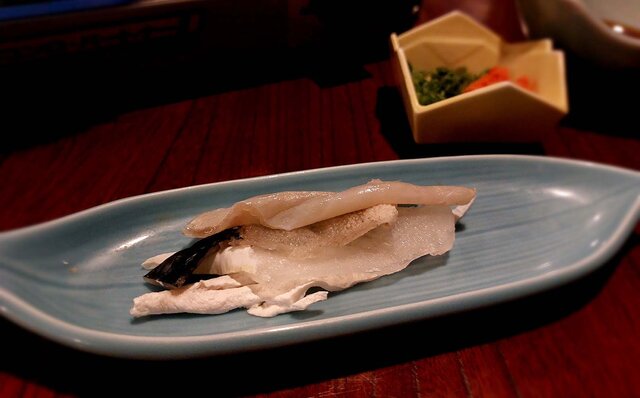
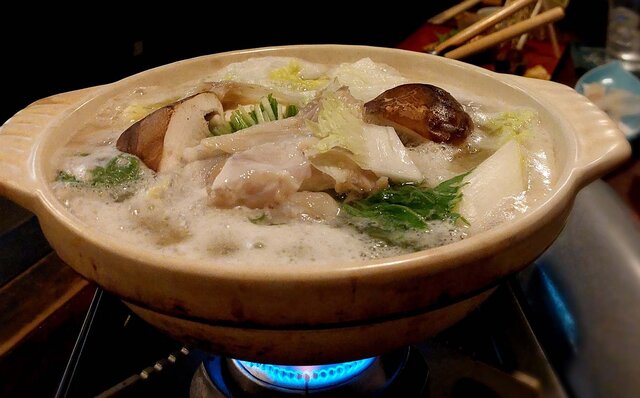
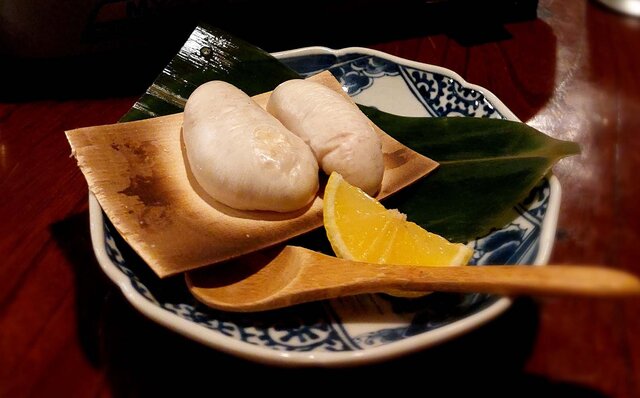
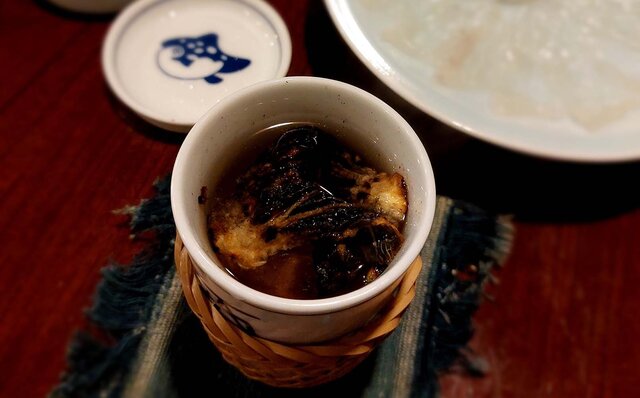
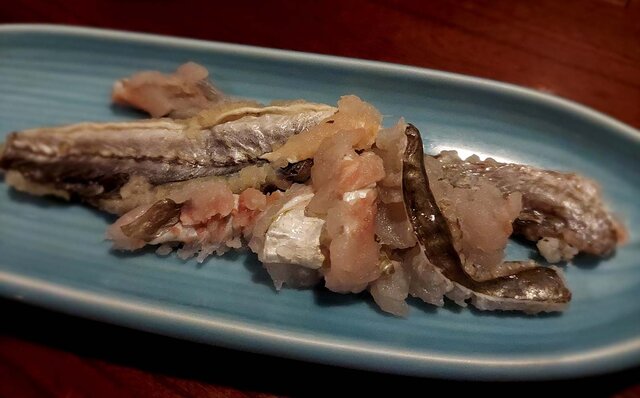
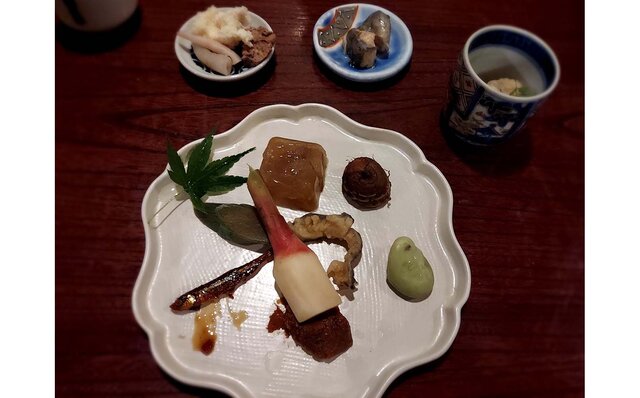
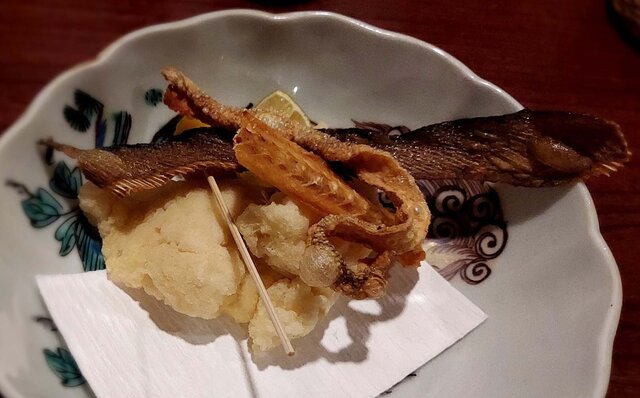
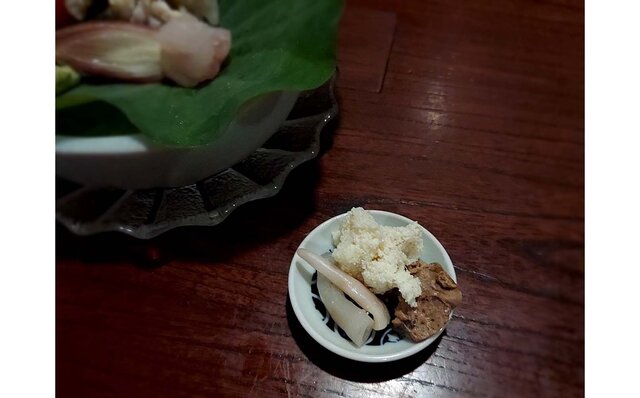
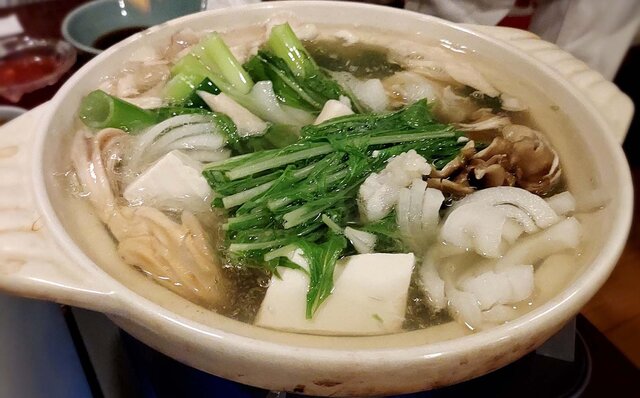
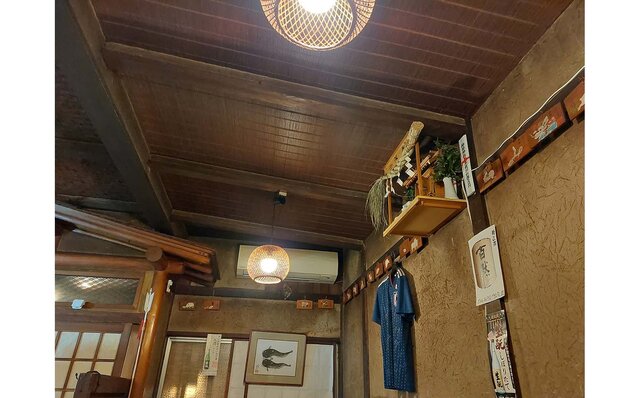
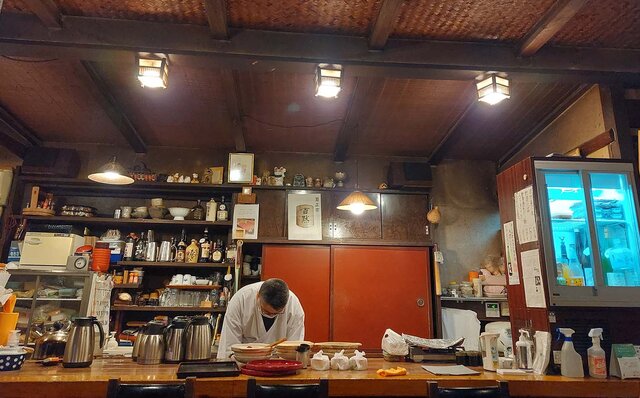
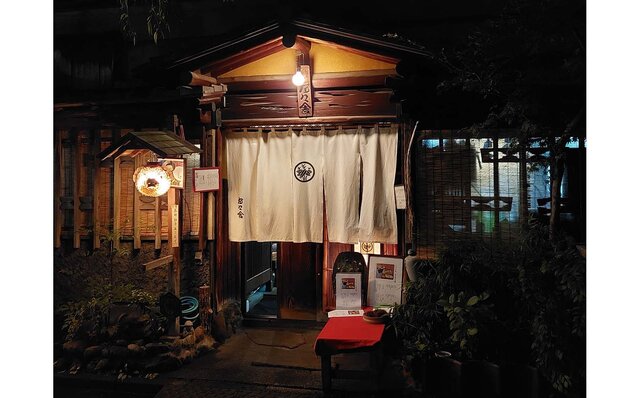
Seasonal cuisine near Kanda Myojin Shrine. This area, with its rows of old establishments, exudes a Showa-era charm. Among them, Sasasya, housed in a wooden building constructed in 1952, emanates a truly special atmosphere. The seating includes a sunken kotatsu in the tatami room and a counter. In winter, it's fugu; in summer, it's hamo. Fugu courses start under 10,000 yen, and dishes can also be ordered à la carte. The à la carte menu features sophisticated items like 'hoya bakurei' (sea squirt innards), 'kusaya' (salt-dried fish), and wild garlic. The summer hamo is particularly recommended. They meticulously remove the bones one by one by hand, rather than cutting them. You can enjoy the entire fish, including the skin, liver, swim bladder (a first for me), roe, and even 'shinjyo' (a type of fish cake) and chili. It's also ingenious to serve the vinegared skin dish last, not at the beginning. It's a place to visit and enjoy with each changing season. Incidentally, for lunch, they offer popular, reasonably priced meals like grilled fish, tekka-don (tuna sashimi over rice), homemade curry, and ginger pork, attracting local office workers.
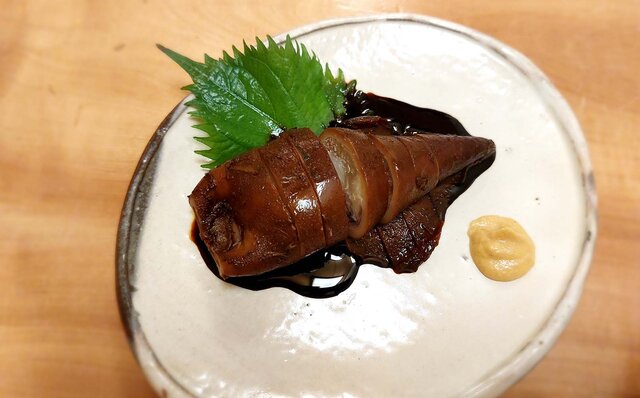
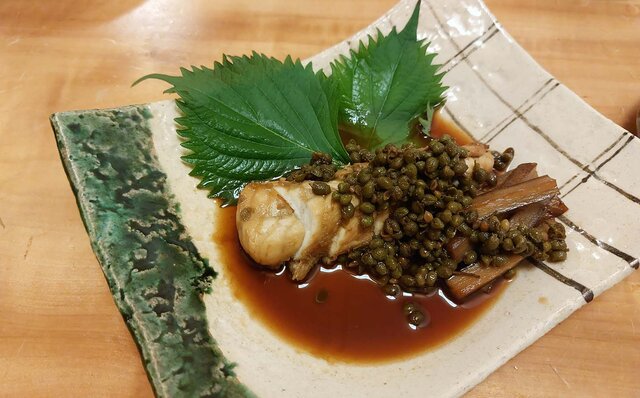
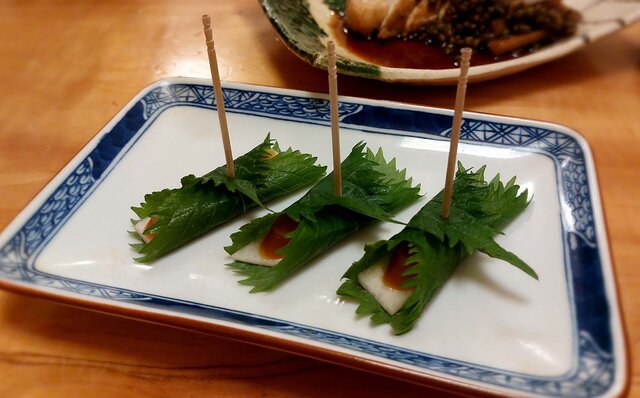
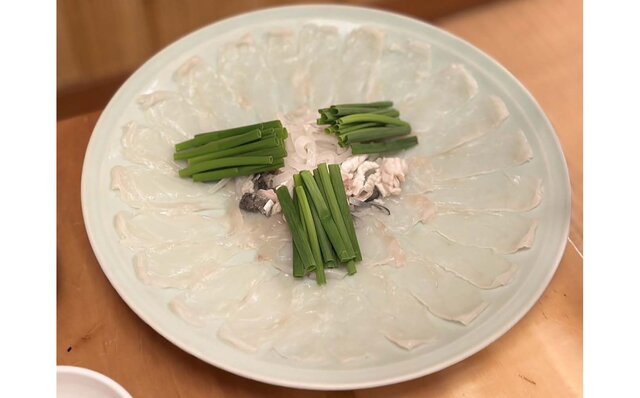
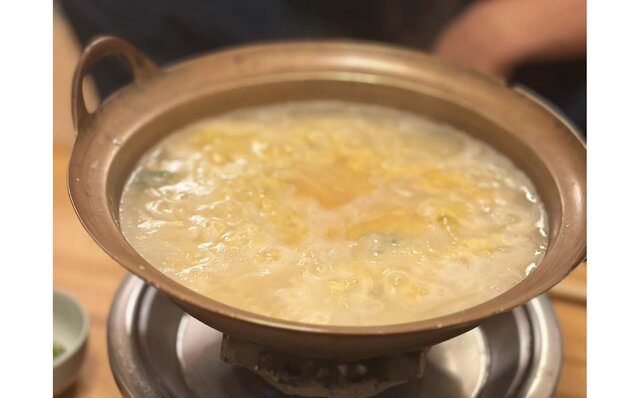
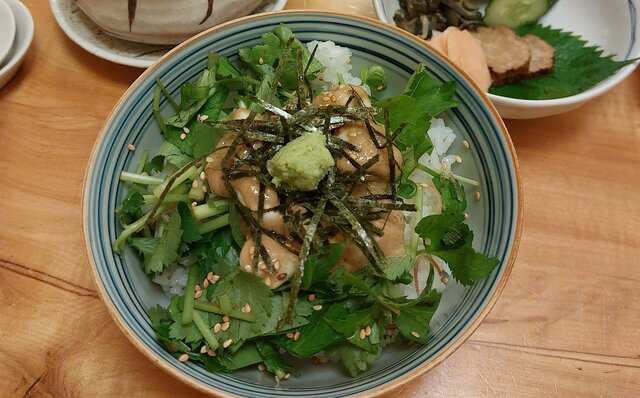
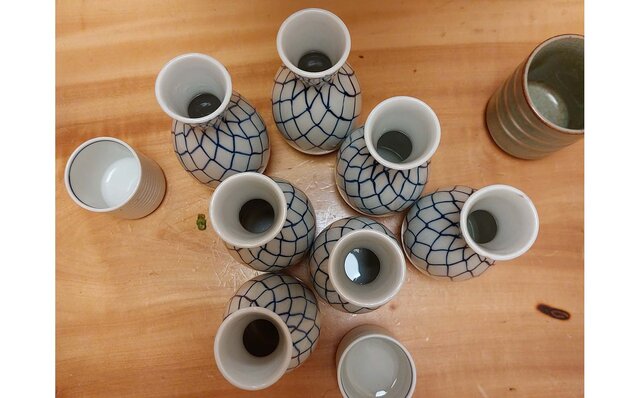
Seasonal cuisine nestled between Shinjuku Gyoen and Yotsuya Sanchome. I introduced this place in last year's column, but please forgive me for featuring it again as it resonates so well with me. Like the previous establishment, it specializes in fugu in winter, and hamo and ayu (sweetfish) in summer. This long-established restaurant, now in its third generation near Gyoen, has the appearance of a refined, old-fashioned 'ko-ryori' (small dishes) establishment, with two seats in the tatami room and a counter. The owner, though quiet and not overly chatty, is not unfriendly; he and his wife maintain a comfortable distance, engaging in pleasant conversation. Their fugu course also starts under 10,000 yen, and dishes can be ordered à la carte. The menu is packed with dishes that pair perfectly with sake, such as fugu arima-ni (simmered fugu with plenty of Arima sansho pepper), agedashi (deep-fried tofu in broth), simmered whole squid, shrimp shinjyo, eggplant dengaku, and karasumi (cured mullet roe). Each dish is prepared with care, highlighting the seasonal ingredients without being overly ostentatious, making it irresistible for sake lovers.
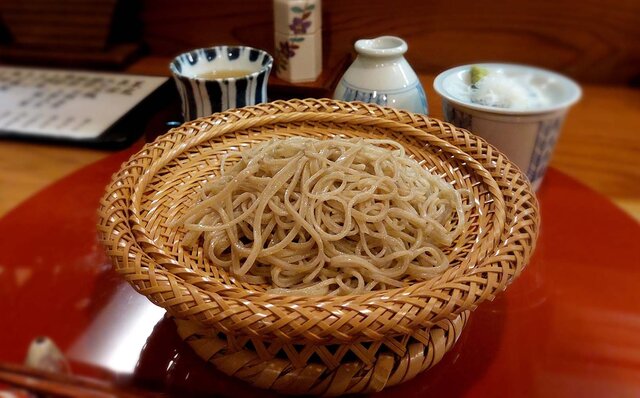
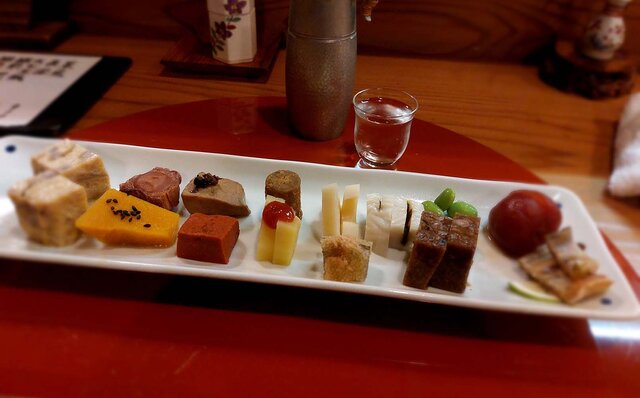
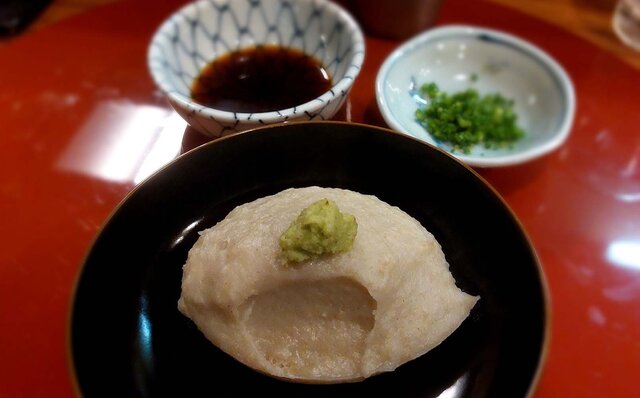
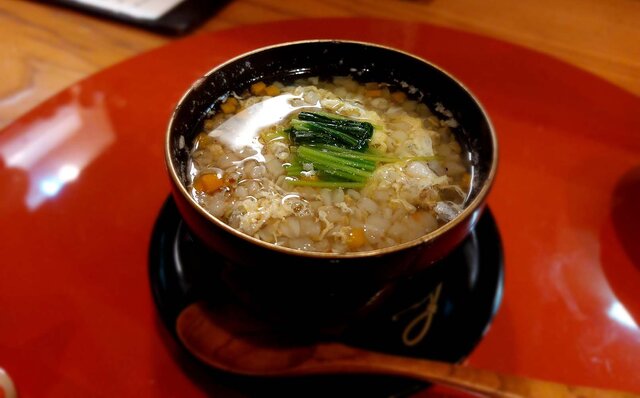
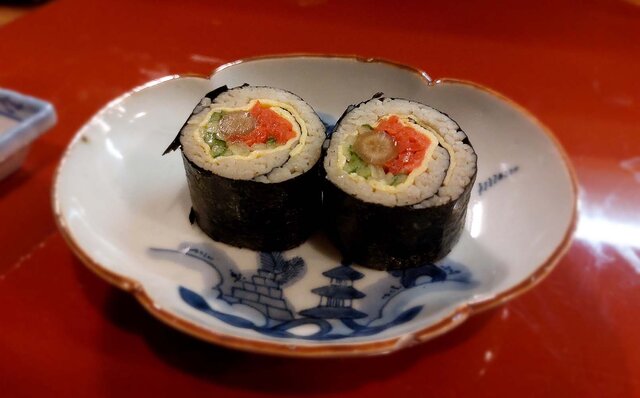
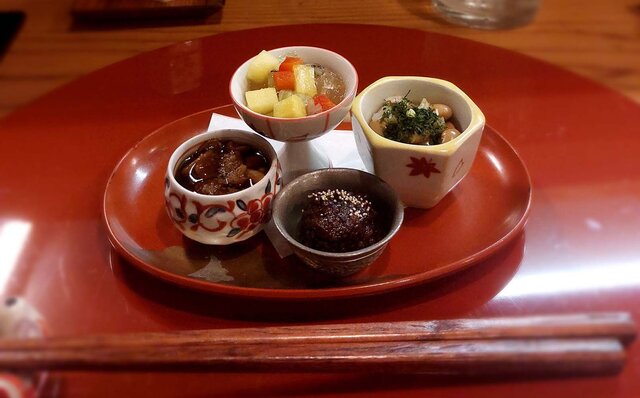
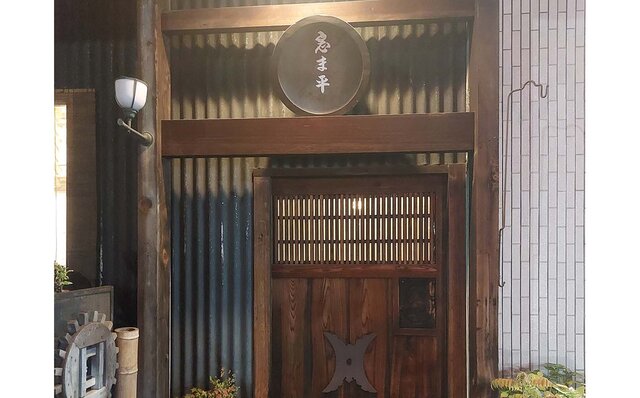
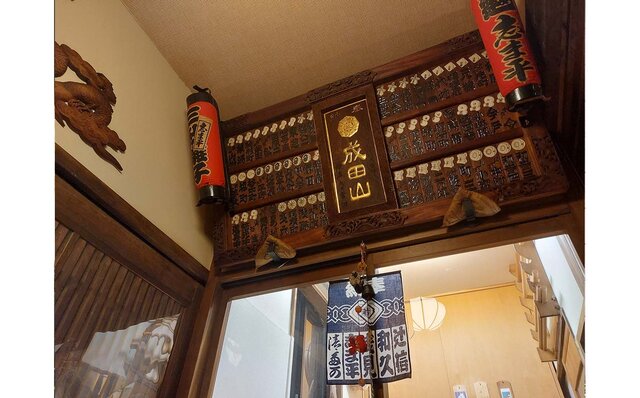
A renowned soba restaurant in Ushigome Kagurazaka, operating for forty years, offering only soba kaiseki in the evening. The interior, with its carefully chosen decor and furnishings, reflects a distinct sense of dedication. The master soba chef, who runs the place single-handedly, may seem taciturn and unapproachable at first glance, but he is actually very kind. While enjoying pleasant conversation with such a chef, one can savor a full course of seasonal appetizers, assorted delicacies, soba-no-mi soup, soba sushi, sobagaki (buckwheat dumplings), soba-no-mi porridge, fried soba, and finally, the seiro soba. In my youth, I understood that soba kaiseki was delicious but not filling, and I wasn't particularly interested. However, as I've aged, my preferences and palate have changed. And while there are countless soba restaurants in Japan, truly excellent ones are surprisingly few. Therefore, enjoying sake with truly delicious soba as an accompaniment feels like the ultimate luxury now that I've grown older.
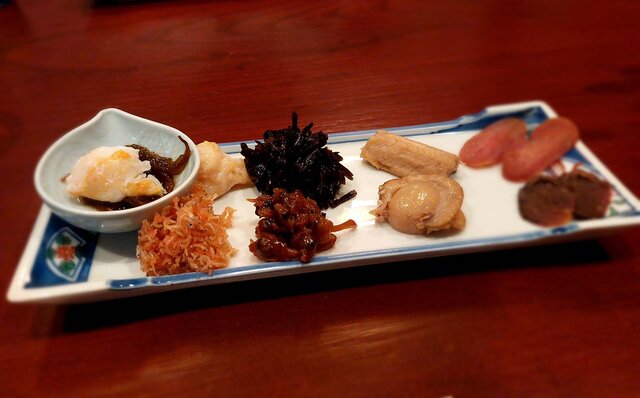
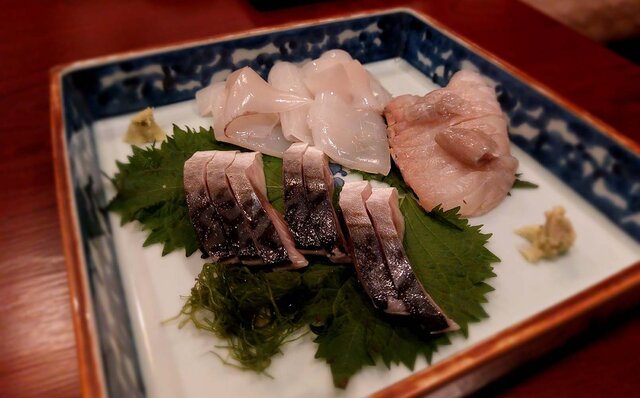
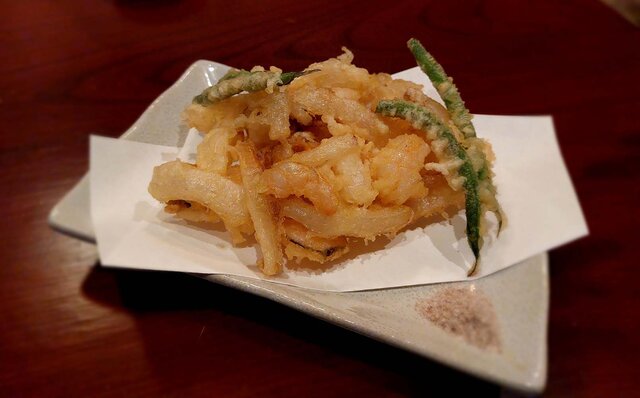
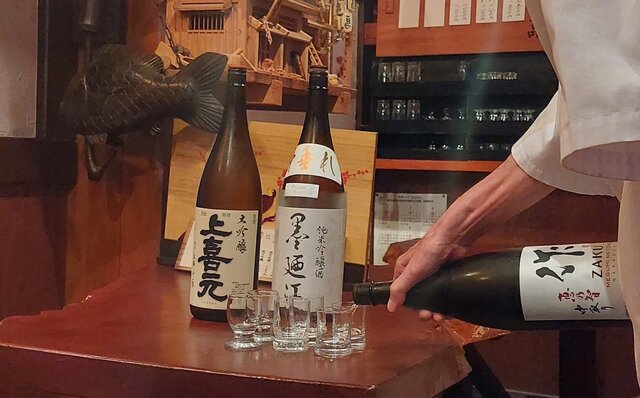
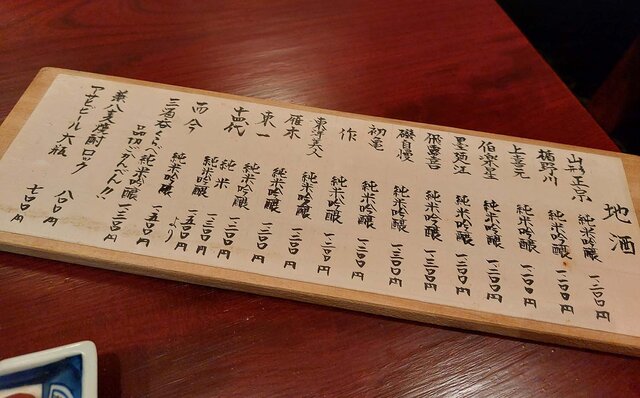
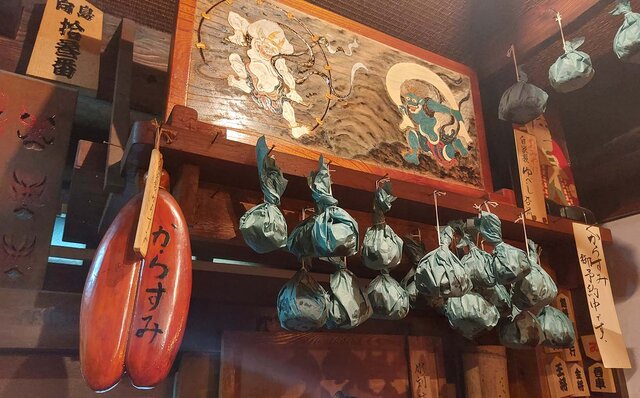
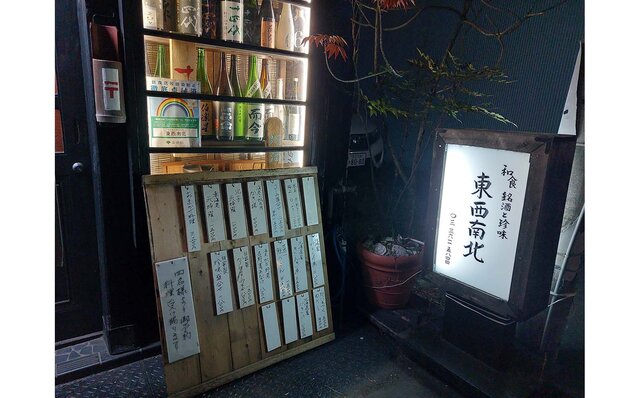
I had been curious about this place for several years after seeing it on a TV program, but due to the pandemic, I hadn't had the opportunity to visit. This establishment, which I finally managed to visit, is located near Keisei-Hikifune station. It's an area I wouldn't normally visit unless I had a reason, but I believe it's worth going specifically for this restaurant. Founded in 1987, it's said to have been renovated from the owner's family home, a Meiji-era terraced house. The sign proclaiming 'Fine Sake and Delicacies' is no exaggeration; the menu features Japanese cuisine using carefully selected delicacies and seasonal ingredients that showcase a refined taste. Inside, the interior, adorned with woodwork, is enhanced by the presence of homemade karasumi and yubeshi (a cured citrus confection made by stuffing yuzu with a special miso paste and aging it for months or years). They also offer a selection of rare and hard-to-find Japanese sake, with a three-variety tasting flight available as an appetizer. The owner, like the others, might seem a bit reserved at first, but he becomes quite animated when discussing sake and food. It turns out he doesn't drink much himself, yet his discerning eye and palate are truly exceptional. What immediately blows you away here is the 'tsukidashi' (appetizer). Both the homemade karasumi and yubeshi are rich, smooth, and intensely flavorful, making them perfect with sake. The quality of this appetizer alone is enough to make one want to linger for two hours. The assorted sashimi, whale bacon, and kakiage (mixed tempura) are all exquisite. This is undoubtedly one of the places I'd want to take a true sake enthusiast.
Born in Tokyo in 1982. While at Keio University, he was involved in planning and producing receptions and parties for major brands at an event company. After transferring to a PR firm, he worked as a planner and retired at the age of 30. He co-founded Japan's first cold-pressed juice specialty store, "Sunshine Juice," with a representative who has been his friend for 20 years since middle school, and served as Vice President until September 2020. Currently, he continues his neighborhood explorations while supporting corporate communications and branding for clients across a wide range of industries. His favorite foods are fugu and soft-shelled turtle. His favorite sports are baseball and horse racing. His favorite places are traditional coffee shops and casual bars.
Instagram:ijichiman