The opening of the second season of "Nihonshu Narai" is a French pairing at GRAND HYATT TOKYO | FEATURE
FEATURE | Suginomori Brewery
Elevating the townscape of Narai, Nagano Prefecture, into a dining space. Creating a serene world with black as its base.
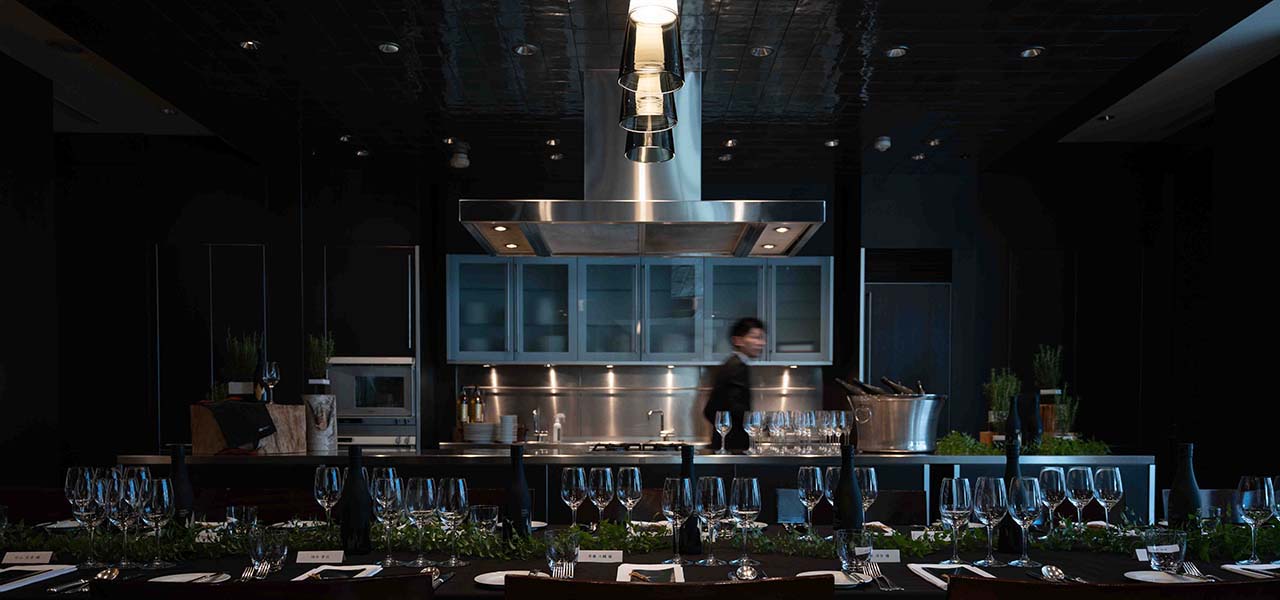
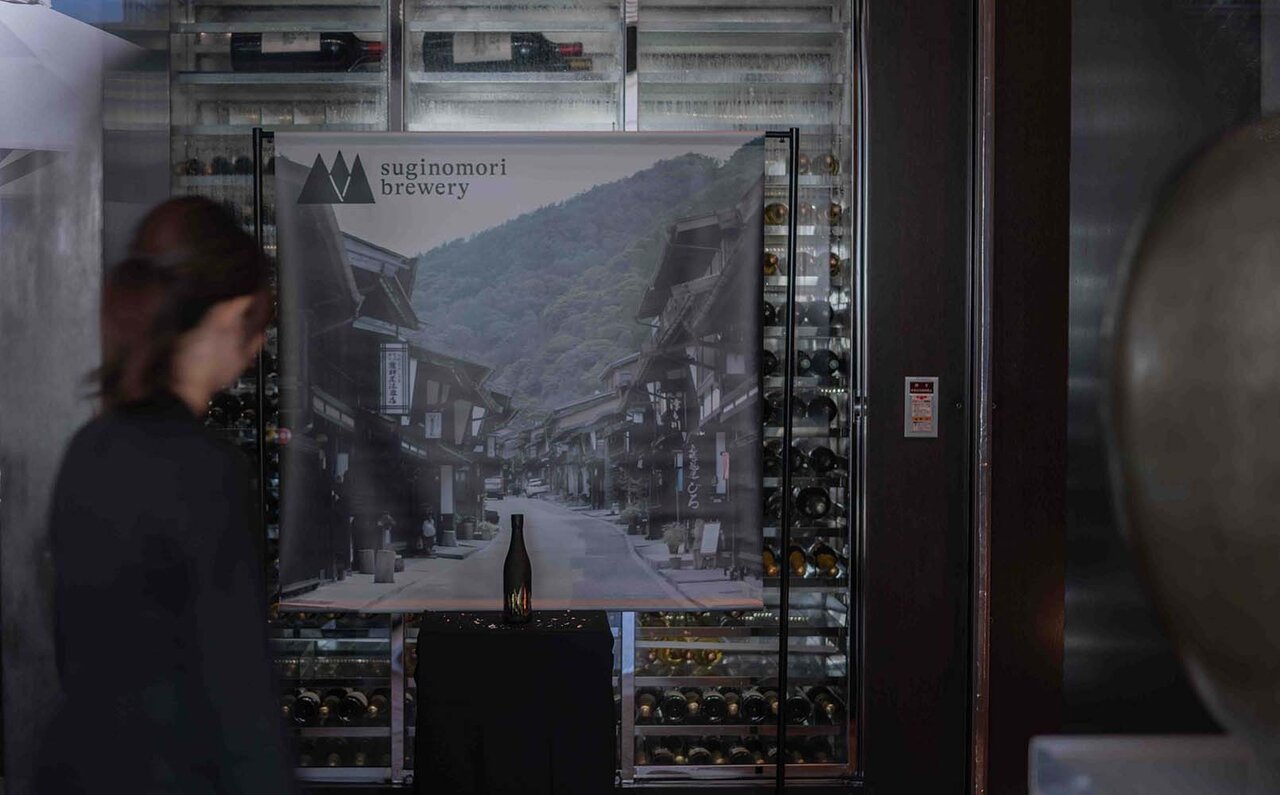
Founded in 1793 in Narai, Shiojiri City, Nagano Prefecture, Suginomori Brewery, which had been dormant for a time, was revived as "suginomori brewery" in the fall of 2021. To date, they have experimented with multiple types of sake rice and various polishing ratios, engaging in repeated communication with customers. And now, the brewery states, "We have finally completed a product that we can confidently deliver." That product is "narai kinmon" and "narai sankei." Both products are already available for pre-order on the official website (shipping will begin sequentially from early October). To commemorate their release, a one-night-only pairing dinner was held on September 7, 2023 (Thursday) at "The French Kitchen" in GRAND HYATT TOKYO.
Text by TSUCHIDA Takashi
New Products "narai kinmon" and "narai sankei": Sophisticated Sake Profiles That Transcend Culinary Boundaries
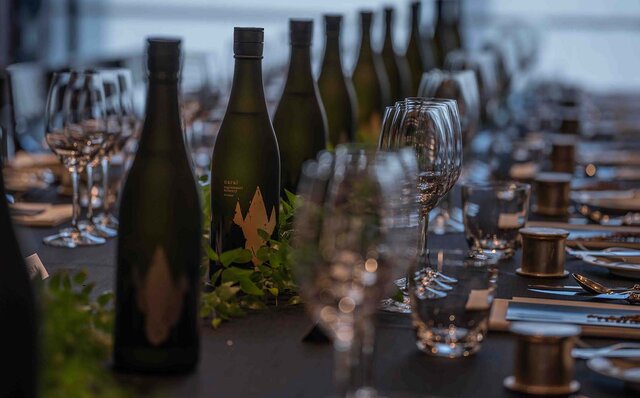
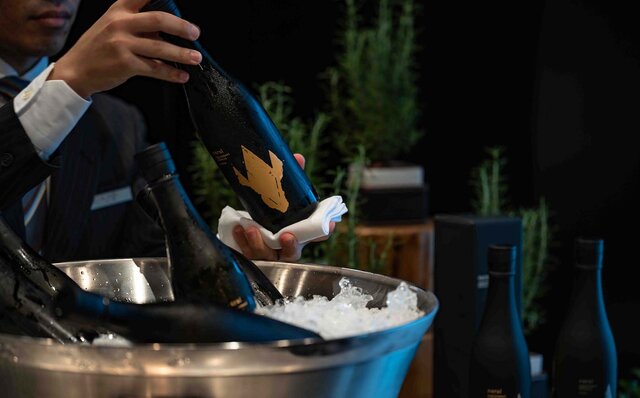
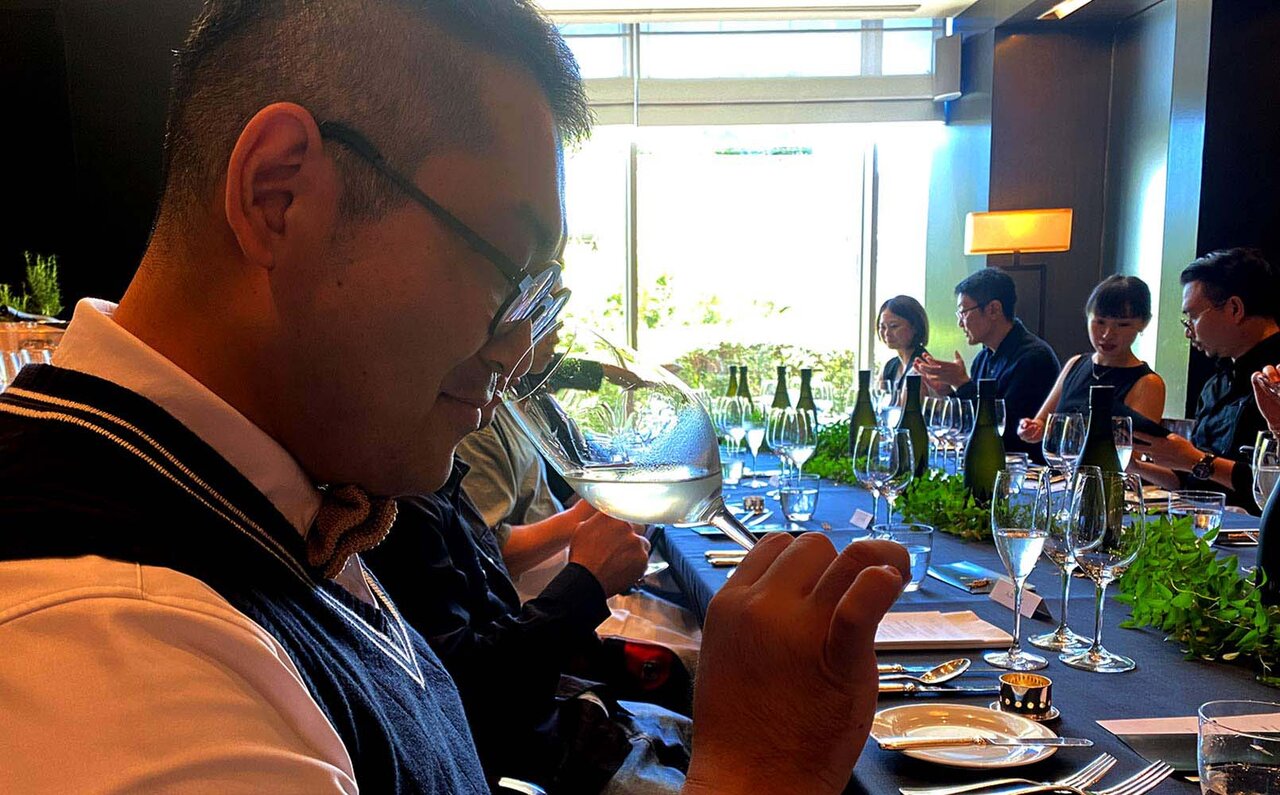
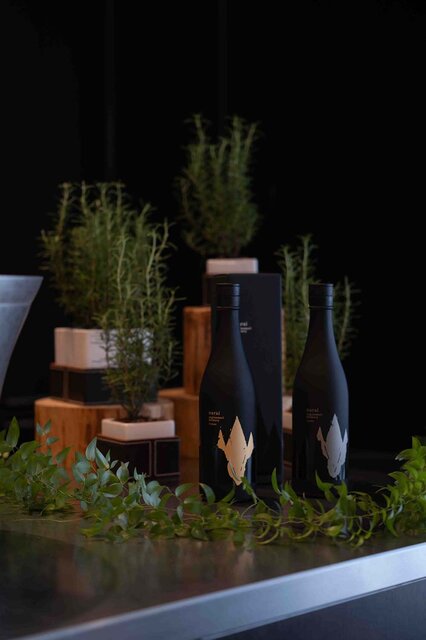
What a stylish space! What captivated the hearts of the attendees that day was the event space itself, a conceptual evolution of the sake concept "narai." The townscape of Narai-juku is characterized by a continuous row of Japanese architecture with a black base, and as if to represent this, the "narai" bottles are also black. This perfectly complements the modern French setting, leaving no room for doubt. Ah, this is the form of sake that will conquer the world... everyone must have felt that.
"Narai" is a sake that makes you want to drink it from a wine glass—these are the words of Mr. Yuji Yamauchi, whose sake series on OPENERS is very popular. He explains that it has a delicate aroma like white wine, and to fully enjoy that delicacy, a tulip-shaped wine glass, which gathers aromas, is suitable.
Mr. Yamauchi continued:
"Narai" is crafted by capturing the refreshing and pure impression of yeast No. 7, along with the astringency and bitterness from mid-palate to finish, created by Nagano Prefecture's sake rice, as regional characteristics. Because acidity is placed at the core, the structure remains intact until the end, leaving a clean impression. Its taste is reminiscent of the pure nature of Narai-juku and the changing scenery that nature presents."
Mr. Yuji Yamauchi. Today, we reaffirmed the high potential of "narai."
Furthermore, with the confirmation of two types of sake rice this time, two distinct characters will now run in parallel.
"narai kinmon" uses the sake rice Kinmon Nishiki. In addition to acidity, it has a full-bodied character, making it a sake to be savored slowly. In contrast, "narai sankei" uses the sake rice Yamake Nishiki. This sake has a more pronounced refreshing acidity, and combined with a slight effervescence, it offers a crisp drinking experience.
Here is the menu that the chef at The French Kitchen prepared especially for this occasion.
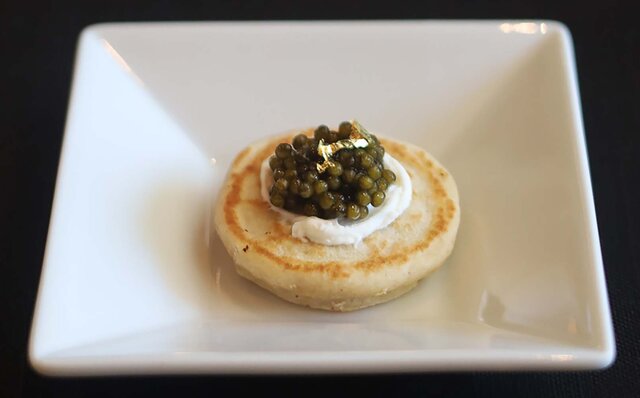
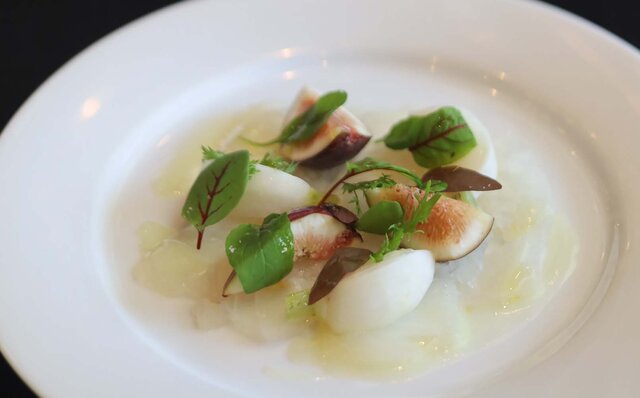
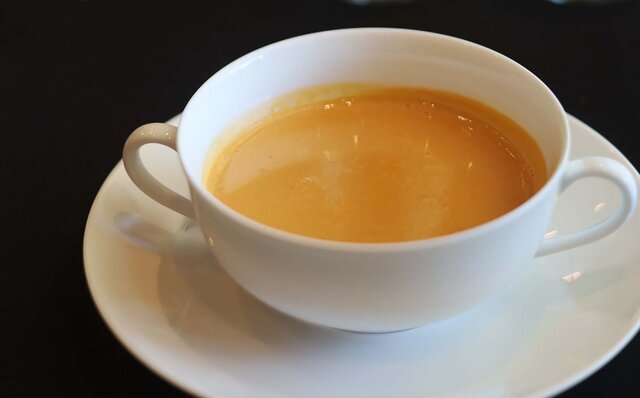
Caviar with Buckwheat Blinis Sea Bream Carpaccio with Yuzu Vinaigrette, Fig, and Marinated Turnip Mushroom Flan with Lobster Bisque Sole Meunière with Tomato, Herb Croutons, Lemon and Parsley Grenoble Sauce, and Fondant Potatoes Roasted Japanese Beef Tenderloin with Bercy Sauce, Celeriac Purée, and Fried Brussels Sprouts Shine Muscat Parfait with Vanilla Ice Cream, White Chocolate, and Nuts
Caviar with Buckwheat Blinis
Sea Bream Carpaccio with Yuzu Vinaigrette, Fig, and Marinated Turnip
Mushroom Flan with Lobster Bisque
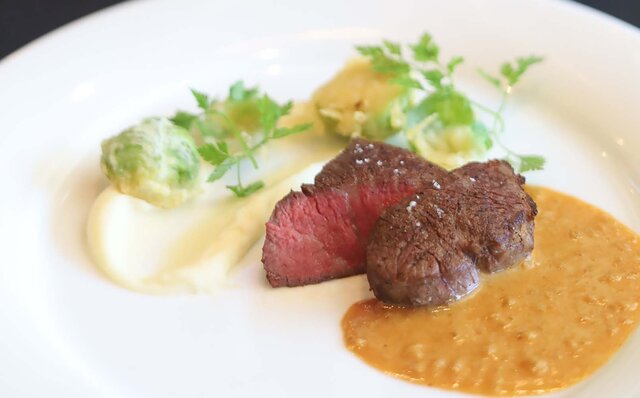
Roasted Japanese Beef Tenderloin with Bercy Sauce, Celeriac Purée, and Fried Brussels Sprouts
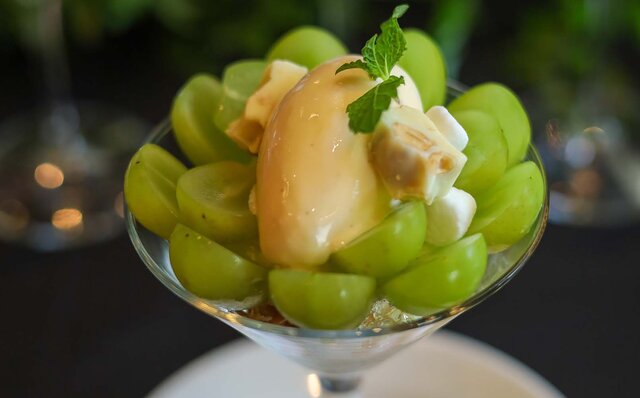
Shine Muscat Parfait with Vanilla Ice Cream, White Chocolate, and Nuts
Among these, Mr. Yamauchi paid particular attention to the pairing of the second dish.
"The sea bream was aged with kombu, and its refreshing yuzu aroma harmonized with the sake's soft and smooth impression. The lingering taste of the turnip, along with succinic acid and glutamic acid, created a synergistic effect, leading to a rich umami from aging. The aroma of the well-polished rice produced by yeast No. 7 is akin to the dense aroma of figs, and this pairing with the dish was highly satisfying."
Indeed, even within French cuisine, there are elements that connect with "narai's" characteristics, and with these points of contact as a pivot, the sake expands like a third sauce. This experience is entirely different from that of wine.
Regarding the special menu for the day, the chef mentioned, "While it's French-based, we incorporated Japanese techniques to ensure the sauces weren't too overpowering in their composition." He also added that because "narai" has a delicate flavor, they were careful about the balance of ingredients, avoiding overly strong flavors and prioritizing domestically sourced ingredients as much as possible.
Leveraging local ingredients to achieve the utmost delicacy. Perhaps sake will bring further transformation to French cuisine in the future.
After the event, Mr. Yamauchi commented:
"This occasion provided several significant insights. Specifically, "narai" has demonstrated beautiful pairings with French and Italian dishes that incorporate oil. Furthermore, using wine glasses enhanced the sense of elevation towards the liquid, increasing its sparkle. In that sense, "narai" is a sake that pairs well with French and Italian cuisine as well."