Photographer Hidekazu Hori's thought process, titled "RED." A shocking photo exhibition that dyed the Chanel Nexus Hall crimson! | LOUNGE
LOUNGE | RED
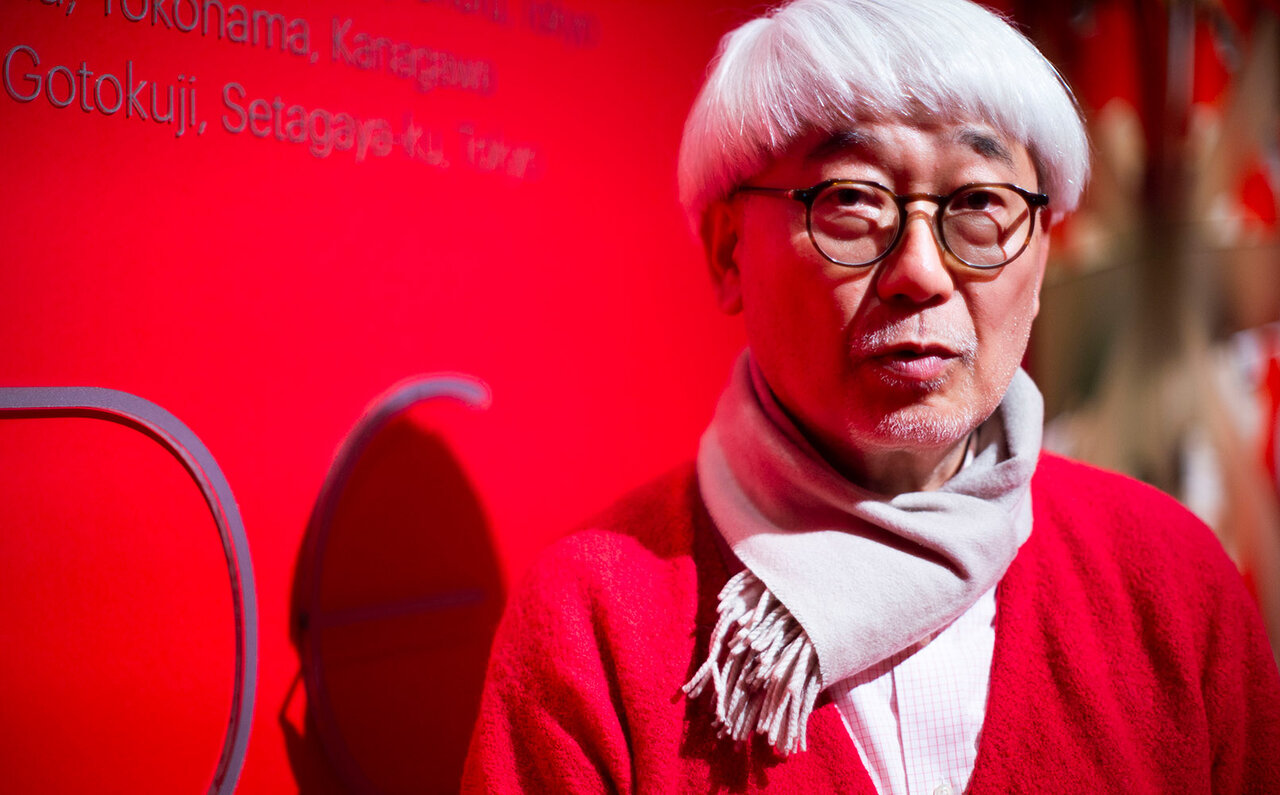
An Interview with Photographer Kiyohide Hori
It dyed CHANEL NEXUS HALL a vibrant crimson! The world of photography as interpreted by Kiyohide Hori. This highly anticipated photo exhibition delves deep into his approach to photography from his inner world, and his origin in "photo editing." An interview with photographer Kiyohide Hori! We traced the memories of his complete works!
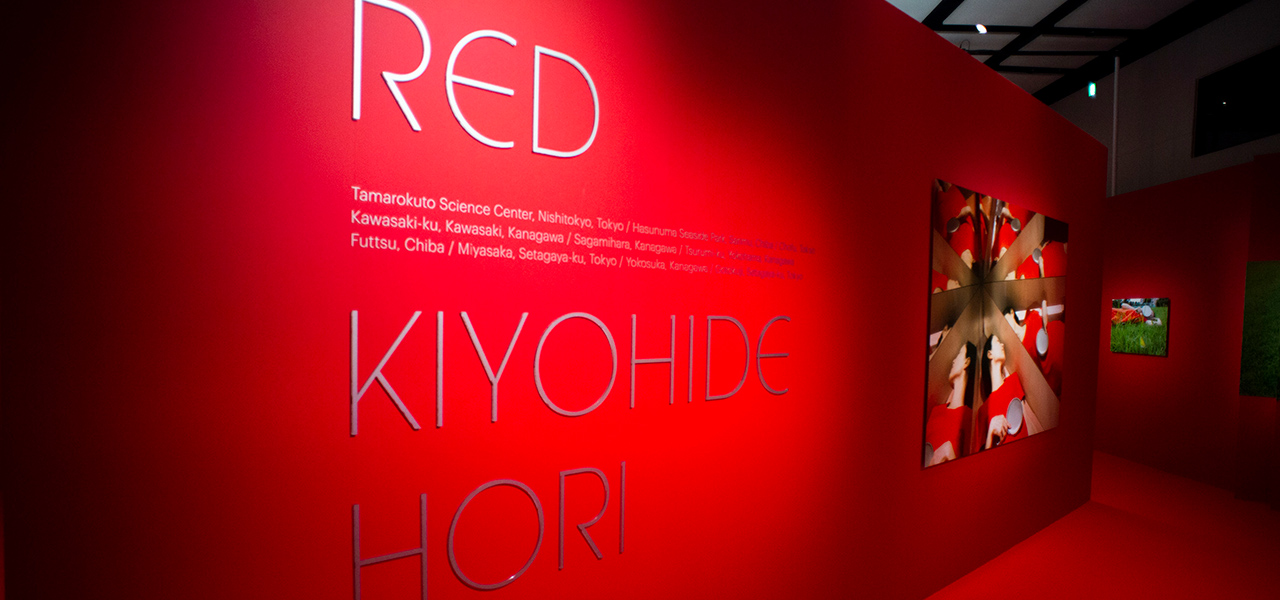
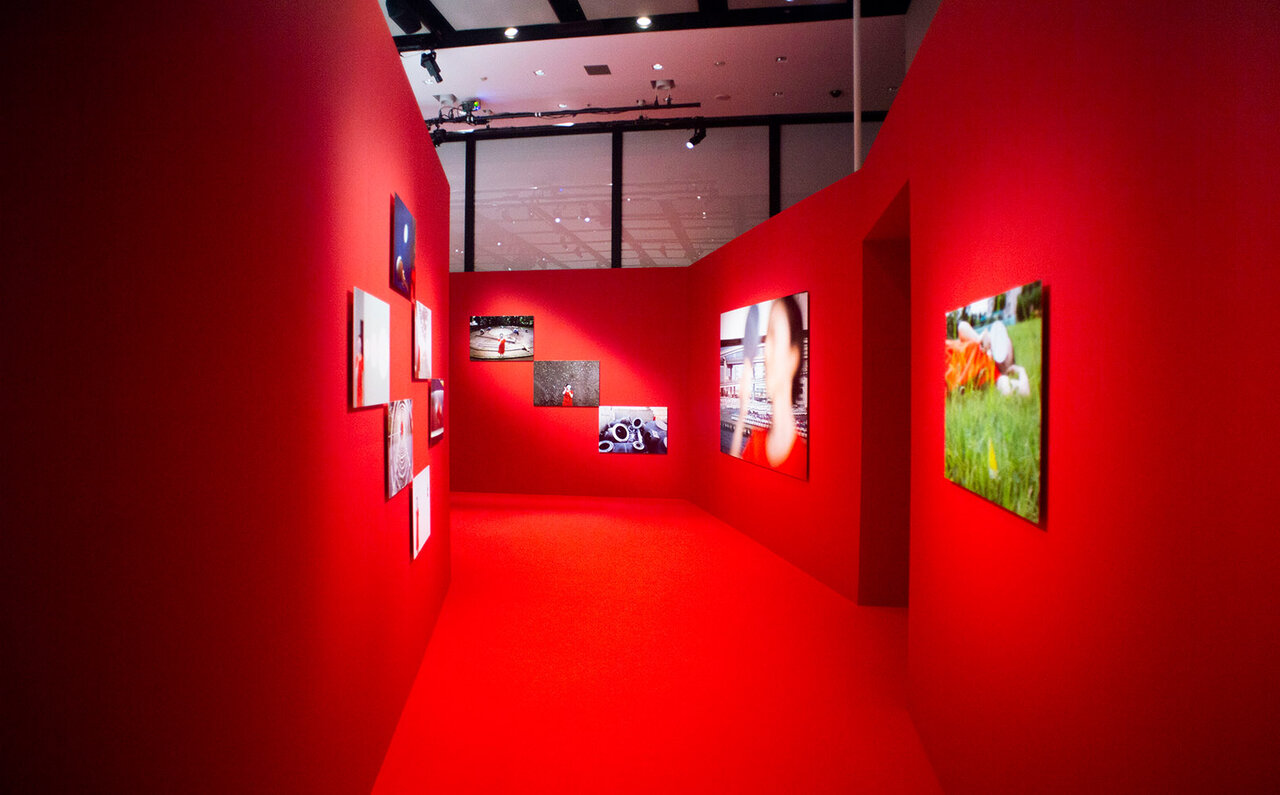
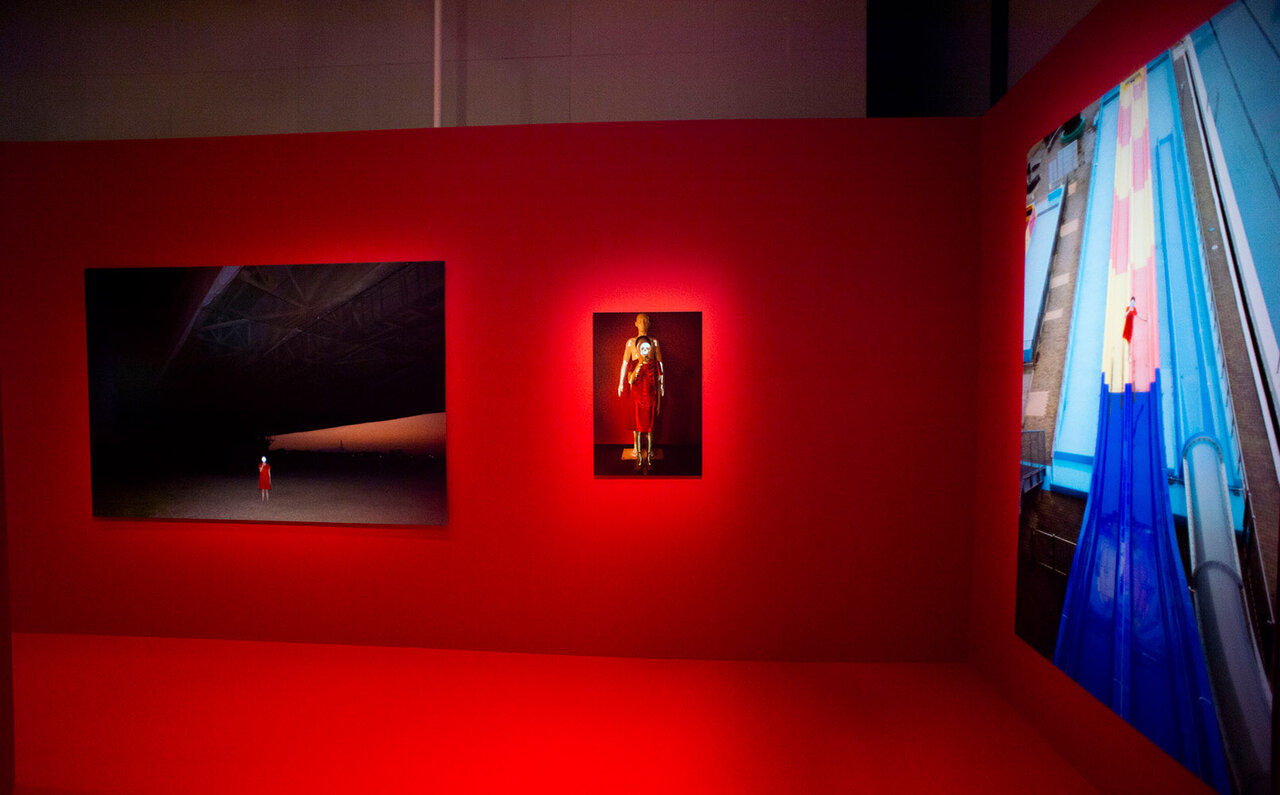
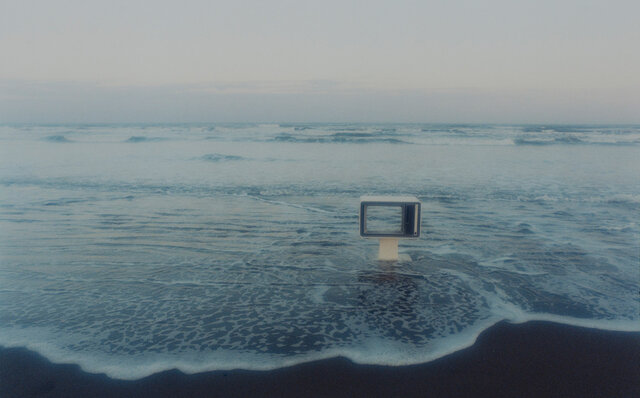
I wandered into a red labyrinth. A labyrinth with no exit. Like a snail, I went deeper and deeper inside. The red eventually turned to white, then to a dead end of gray. It felt as though the photographer's own journey of confronting his photographs lay there. It was as if it were leading the viewer down that path, making one feel lost.
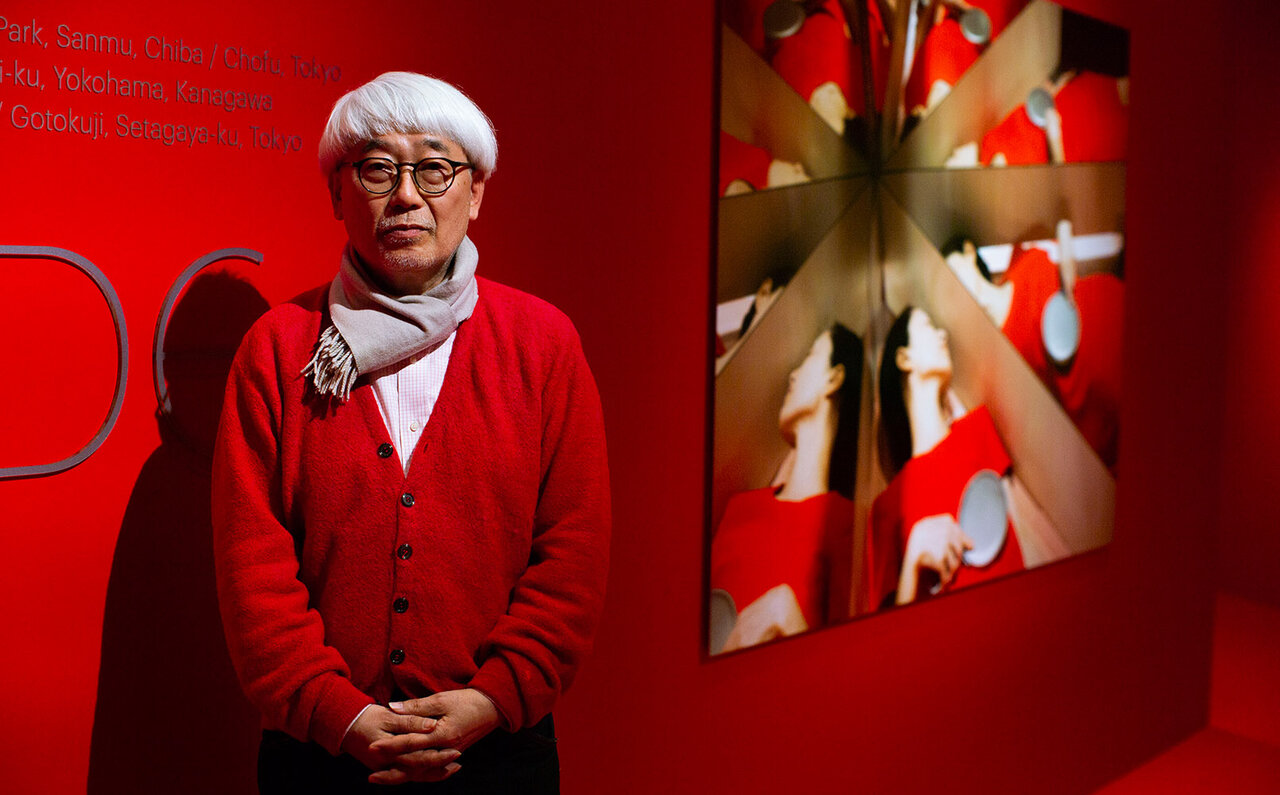
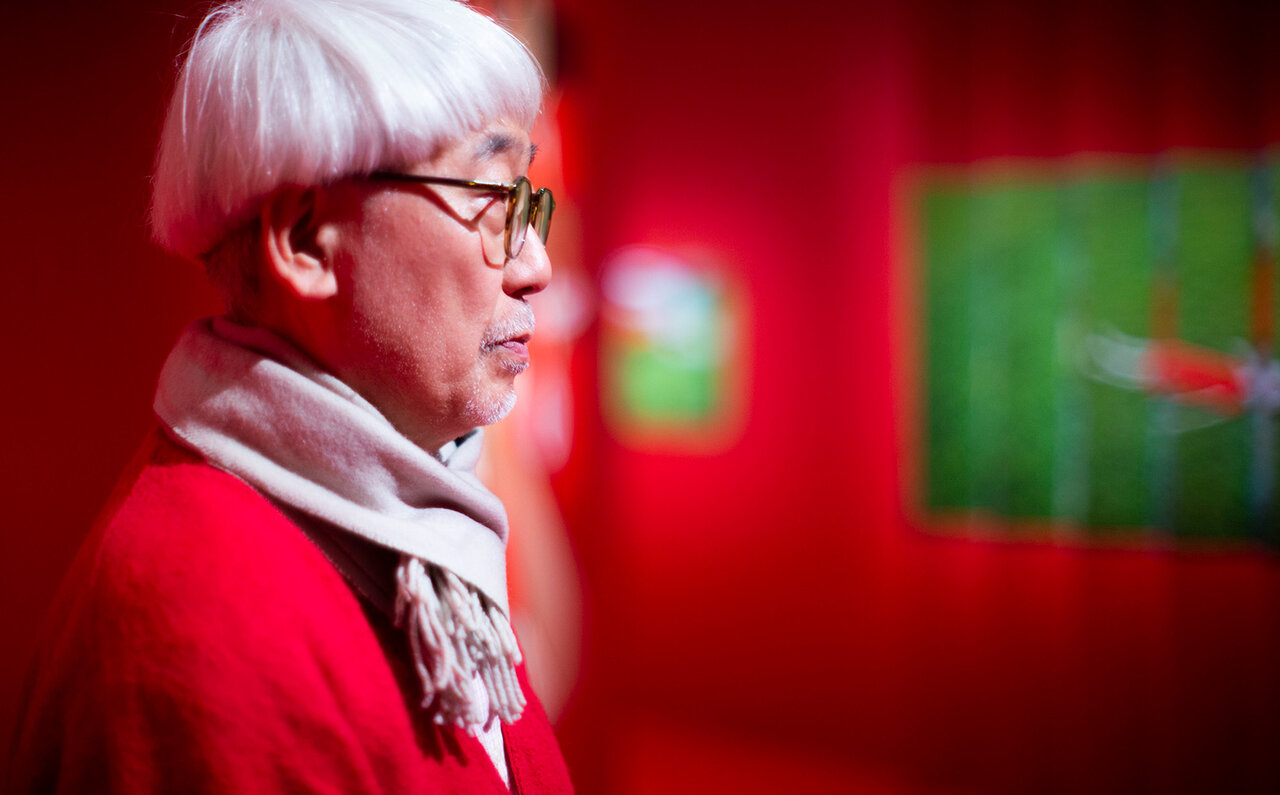
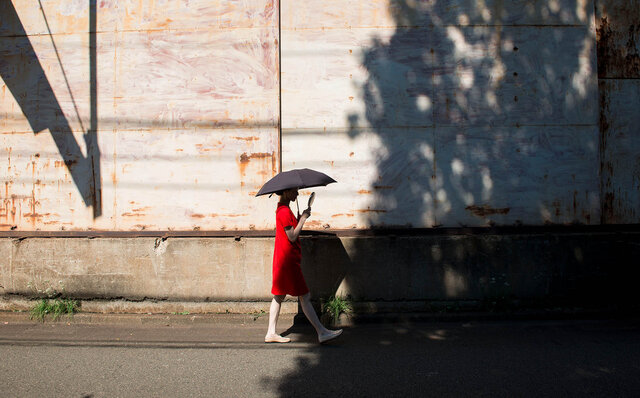
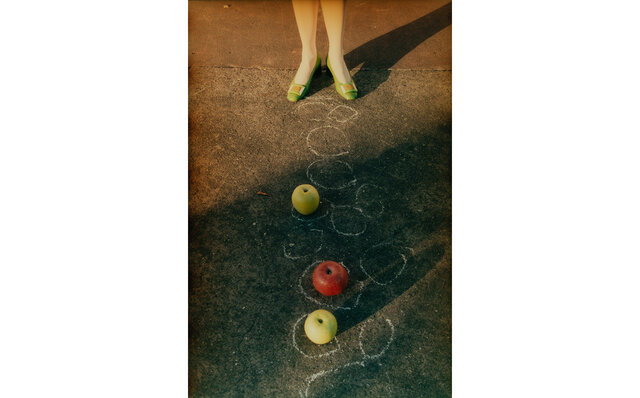
Upon entering Kiyohide Hori's "RED" exhibition, one is immediately greeted by a deep crimson wall. A red space that makes it difficult to grasp its depth. Then, the appearance of a muse clad in red. One is drawn into a world of red.
I've thought before that getting lost is very important. If you want to know a city, it's best to get lost. By wandering through every street, you can feel the city with your body. Getting lost in this photographer's red labyrinth seems to suggest, "Feel the photographer with your skin... no, use all five senses."
I posed a simple question: Did this exhibition begin with a theme, meaning, were the photographs taken with the theme of "RED" in mind? Or was it composed after gathering existing photographs?
The location came to mind first, and I placed a muse in red.
Hori says,
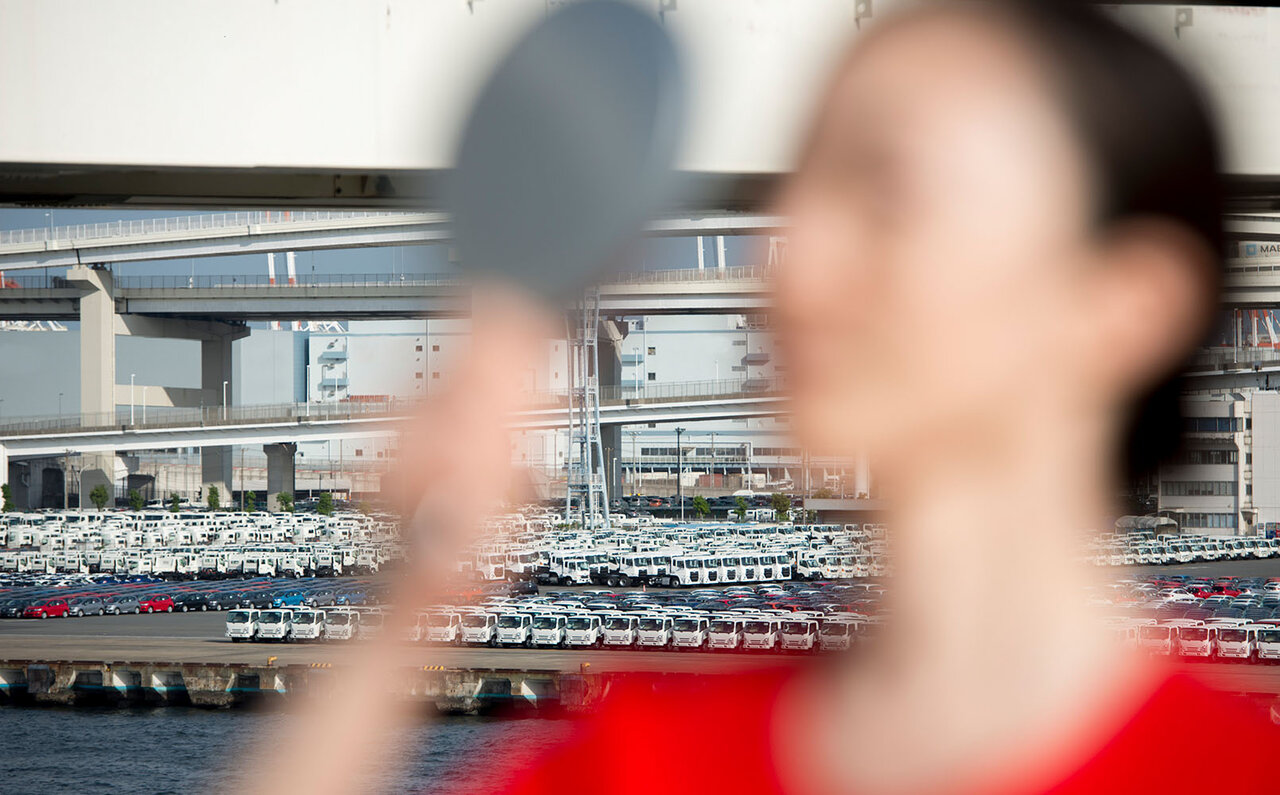
"The location came first. I found a certain location, and the image of a woman in red looking in a mirror struck me as mysterious. I went to shoot it as a stage. I first shot in Sagamihara, but even there, the next place I wanted to shoot came to mind – I wanted to shoot the bridge over the Tamagawa River on Setagaya Dori, and then Hino came to mind. So, rather than starting with a theme, the shooting came first. As I was shooting, a synergistic effect gradually emerged between what I wanted to do and my thoughts. What does the color red signify? It's a double life: the red within the photographs and the real-life red of a woman in red looking in a mirror."
I see. In a way, it feels like a road movie, a bit haphazard, but perhaps that reflects the photographer's inner landscape.
"Road movie is a good term. There were days I traversed Chiba. Looking at the clouds, I'd think, 'Let's go that way.' I shot in a downpour at a pool in Hasunuma, and looking up at the clouds, I saw it was sunny over there! She also fell and got injured, and I shot at a shop I entered. I even went to the Meiji Centennial Tower in Futtsu, just chasing the clouds. It was all decided by the clouds. So, it's all connected. I might have wanted to go there, but something interesting along the way would prevent me from reaching my destination. Yet, the scenery I envisioned there connects to Yokosuka, it feels continuous. When I feel that connection, I go to Yokosuka."
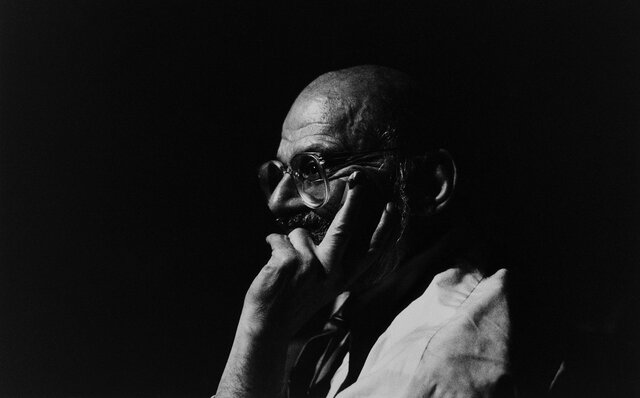
Hori states that all his photographs are self-portraits. As he says, "It's self-projection," perhaps photographing others is a way of photographing oneself. He spoke about his photographic style.
"I believe there's a certain resonance that photographs evoke. Sometimes I might shoot until I understand something, but it often doesn't work out well. The moment I find something that feels slightly off or raises a question, I press the shutter. That often yields better results."
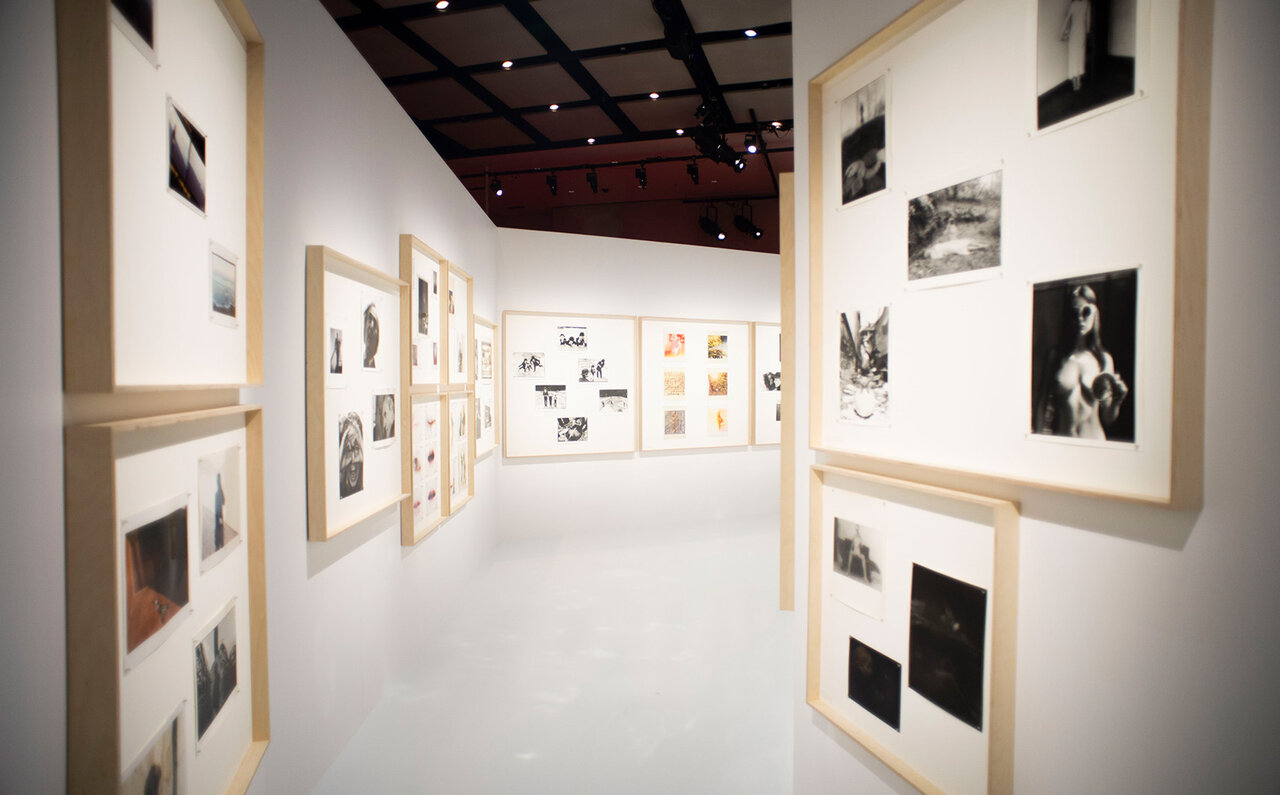
After "RED," which reveals the photographer's inner world, one enters "WHITE."
"I believe 'WHITE' represents what supports me now. You could even call it exercise."
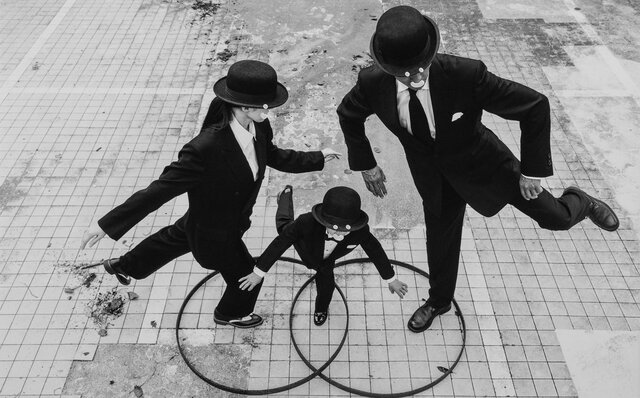
The photographs evoke a variety of impressions: sometimes experimental, sometimes nostalgic, sometimes like a collection of works, and sometimes like an essay.
"I've printed photographs, crumpled them up, put them in my pocket, then smoothed them out, put them back in my pocket, and so on. I think failure is good; it's a space where trying various things has led to who I am today."
It's also a space where Hori's characteristic photographs emerge here and there. It even felt like Hori's laboratory.
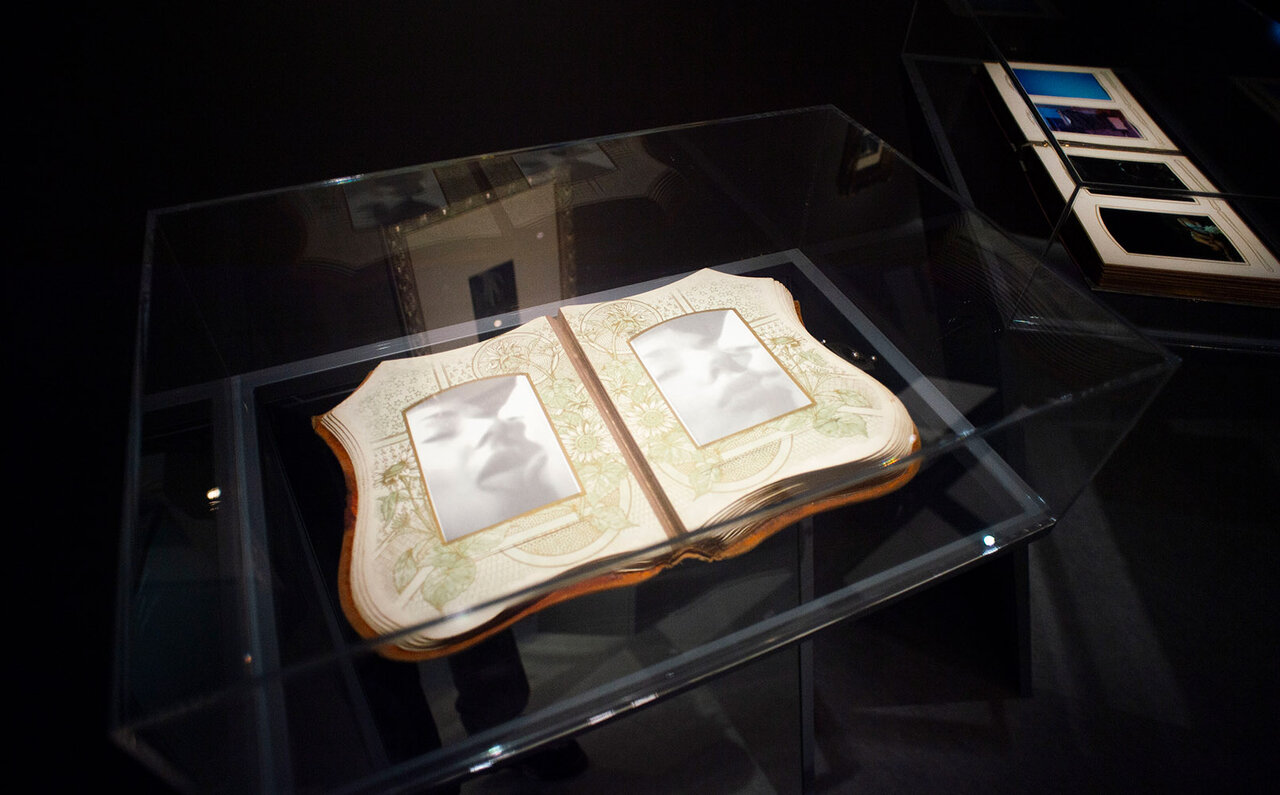
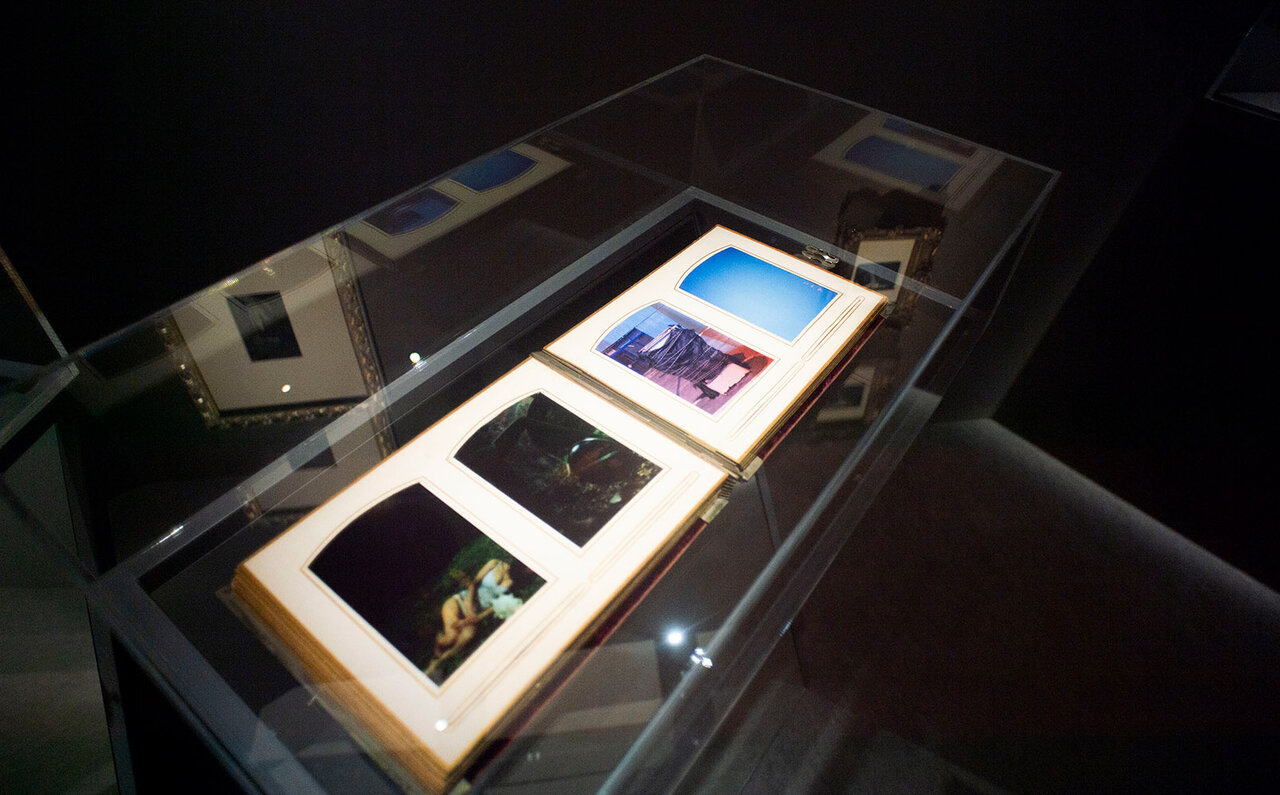
Finally, "GRAY" marks the dead end of this labyrinth without an exit. It felt like the original editorial spirit of Hori was present. I sensed a commitment to the editorial. Yes, the act of "editing" – gathering and arranging. It felt to me as if the origin of his path in photography lay there.
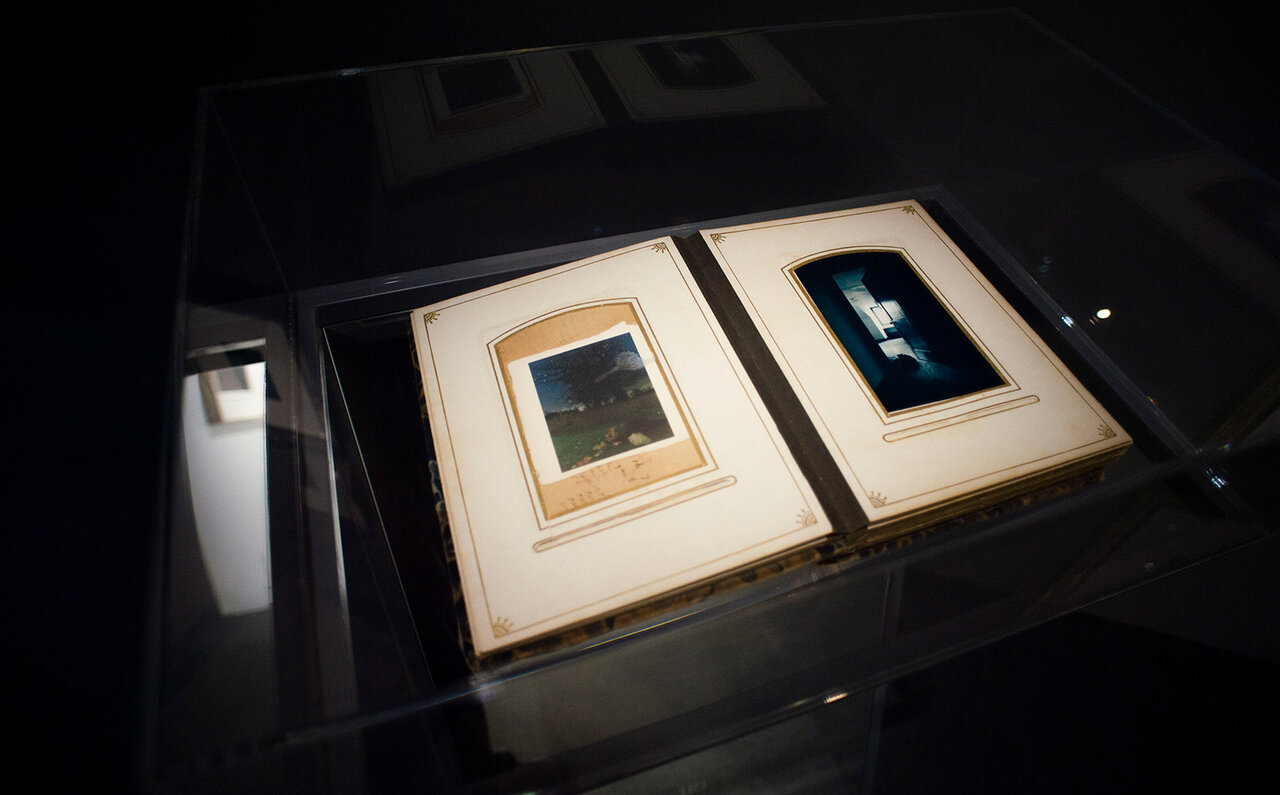
"It's work I do quietly, day in and day out. I bought an old Victorian-style album from the 19th century. I selected and arranged photographs to fit it. I believe encounters with objects make it happen. I had three albums, and I didn't use a single photo I had prepared initially. As I started creating, I saw a different side of myself. When people call it editing, I suppose it is."
Hori's career has also been significantly influenced by magazine production. He once assisted an editor at a certain magazine. The experience cultivated there seemed to be chaotically condensed and packed into this space. Beyond that lies video jockeying.
"There are Part 1 and Part 2, but time has passed, and the expressions are completely different. Just as the flow of events since 2020 has drastically changed my inner landscape, my photographic expression has also changed. It was a realization of how much things can transform."
Hori further shared what lay deep in his heart regarding the editing of photographs.
"I was inspired by the art direction of Alexey Brodovich (1898-1971), who edited magazines like photo collections, and I deeply respect him. His assistant, Lillian Bassman (1917-2012), became a photographer, and when I met her, she told me a lot about Brodovich. Brodovich, in my opinion, essentially created the foundation of editorial design. From Lillian, who inherited his philosophy, I received two unforgettable words."
"I created this with the feeling of reaching the furthest point of self-expression." The other was, "Clothes are not something you buy from magazines; they are something you buy from catalogs." And when I interviewed another photographer, Gleb Derujinsky (1925-2011), he told me about Brodovich's actual page layout methods.
I believe Hori's roots lie in magazine editing, and as if to support my belief, he spoke about his involvement with editing.
Hori seemed to be discussing the overall composition of the exhibition, yet he carefully chose his words as if organizing his own thoughts. During the interview, Hori said, "All my photographs are self-portraits." The phrase "self-portraits, projecting myself" came to mind again.
RED Kiyohide Hori Photo Exhibition Dates: January 19, 2022 (Wed) - February 20, 2022 (Sun) Opening Hours: 11:00 - 19:00 (Last admission 18:30) Open daily during the exhibition period. Free admission. No reservations required. Venue: CHANEL NEXUS HALL, 4F Chanel Ginza Building, 3-5-3 Ginza, Chuo-ku, Tokyo Organizer: Chanel K.K. https://nexushall.chanel.com/program/2022/red/
Kiyohide Hori Photographer. Born in Aichi Prefecture. Became interested in photography during a part-time job at a design firm while attending Meiji University in the 1980s. Began seriously pursuing photography after commissioning the late Canadian photographer Yousuf Karsh to take his portrait. Studied at the ICP (International Center of Photography) in New York from 1991 and began creating works. After returning to Japan in 1997, he became active in fashion and culture magazines, and worked on CD jackets and live photography for musicians. Currently, based on his own creative work, he is active primarily in portrait photography.