Why Kamikawa Town's Municipal Office, with 3,000 Residents, is Now a Focus for Cutting-Edge Companies | LOUNGE
KAMIKAWACHO | Kamikawa Town
At the Foot of Mt. Daisetsu, Kamikawa Town's Front Yard Reform Initiative
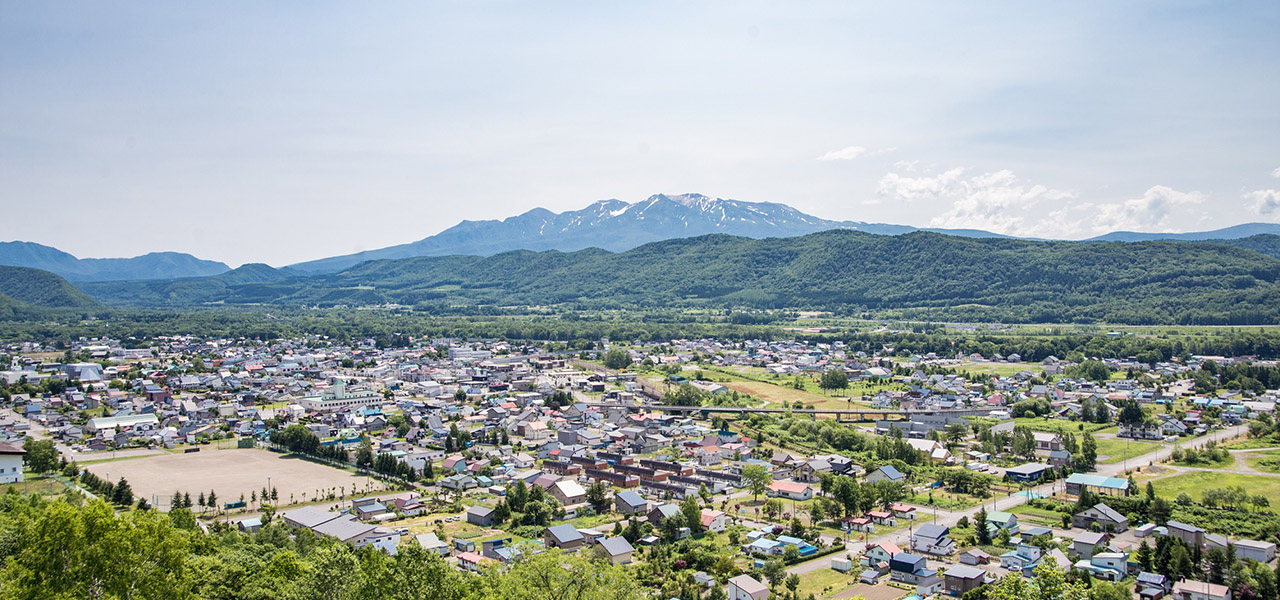
Located almost in the center of Hokkaido, north of Daisetsuzan National Park, Kamikawa Town has a population of about 3,000. This town is now connecting with cutting-edge companies in fields like DX, design, and web media to foster innovation. This initiative involves a state-of-the-art front yard reform utilizing generative AI. We spoke in detail with the key individuals driving this effort, which aims to open the door to future town development.
Photograph by KEN Takayanagi | Text by TSUZUMI Aoyama
People are sensitive to places where new things are born. They become engrossed in what seems interesting. Kamikawa Town has both.
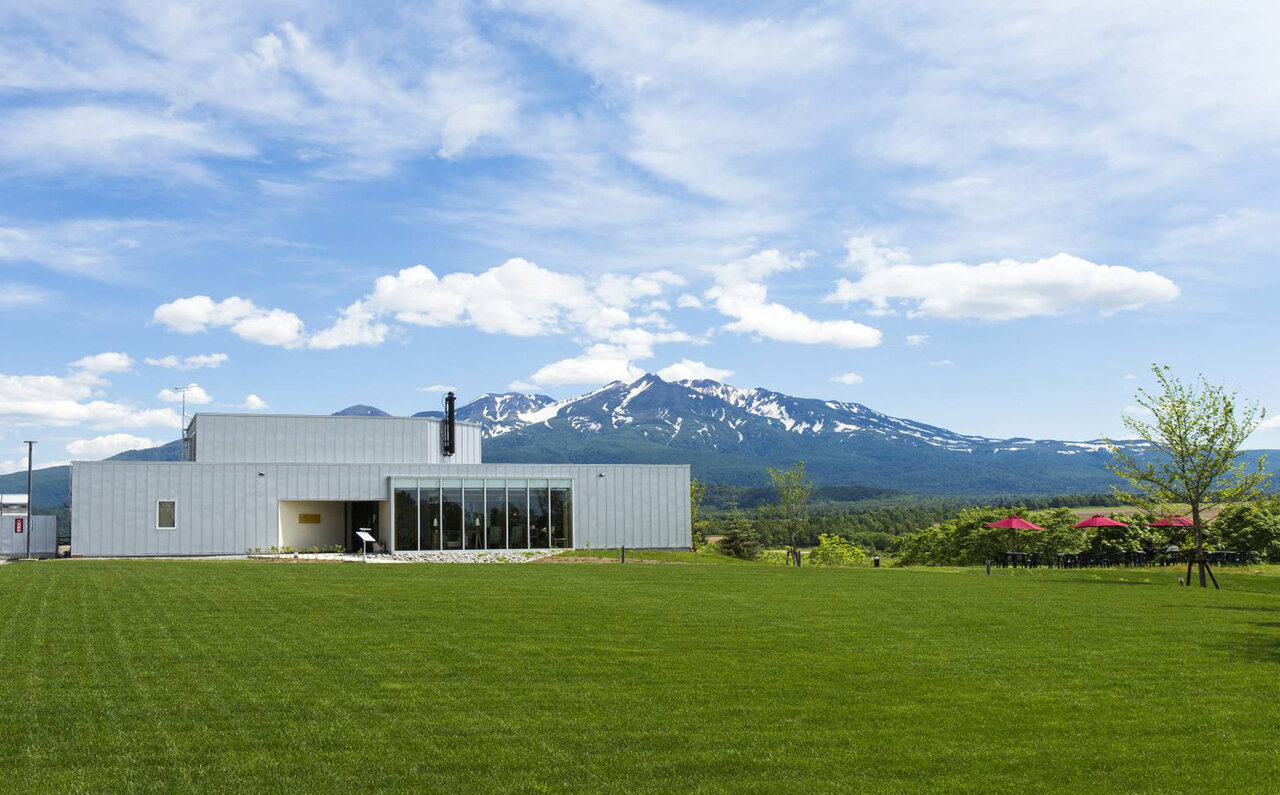
Kamikawa Town, Kamikawa District, Hokkaido, is situated north of Daisetsu National Park, near the geographical center of Hokkaido, where people live as if watched over by the majestic mountain. Its primary industries are agriculture, forestry, and tourism. It boasts three hot spring resorts, including Sounkyo Onsen, which attracts 2 million visitors annually, and the popular Daisetsugen Plateau, offering views of Daisetsuzan.
(Reference Data) Kamikawa Town, Kamikawa District, Hokkaido. As of March 2024, the population was 3,124, with 1,887 households. The area is 1,049 km², which is more than four times the area of Tokyo's 23 wards (222.17 km²) with a population of approximately 9.79 million.
Even for Kamikawa Town, with its strong tourism base, depopulation is an urgent issue. The population of 3,124 as of March 2024 represents an 80% decrease from its peak. To confront this challenge, Kamikawa Town has been actively pursuing initiatives that transcend public and private sectors for several years, seeking solutions.
A One-Person 'Kamikawa Town Tokyo Office' is Established
One such action is the establishment of the 'Kamikawa Town Tokyo Office' in 2021. This initiative aims for pioneering regional revitalization through business development in collaboration with urban companies, a unique approach for a local government.
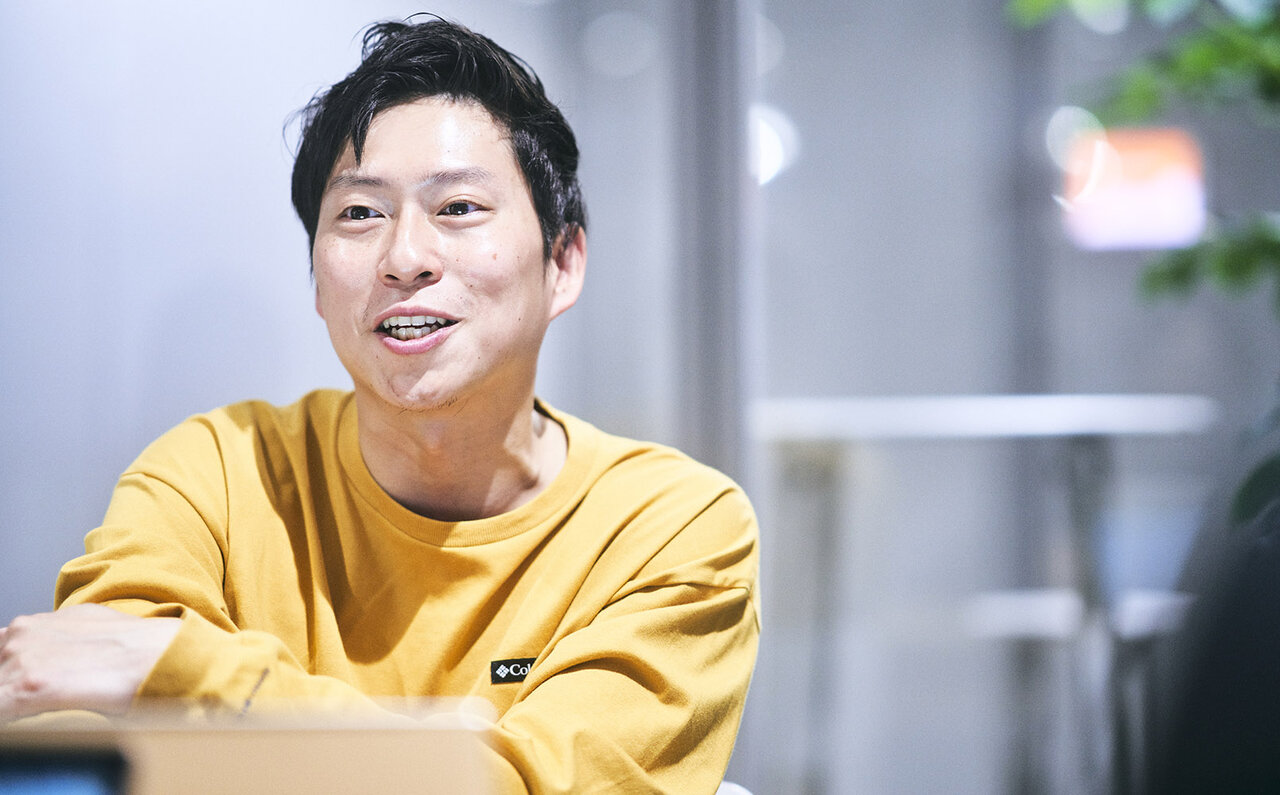
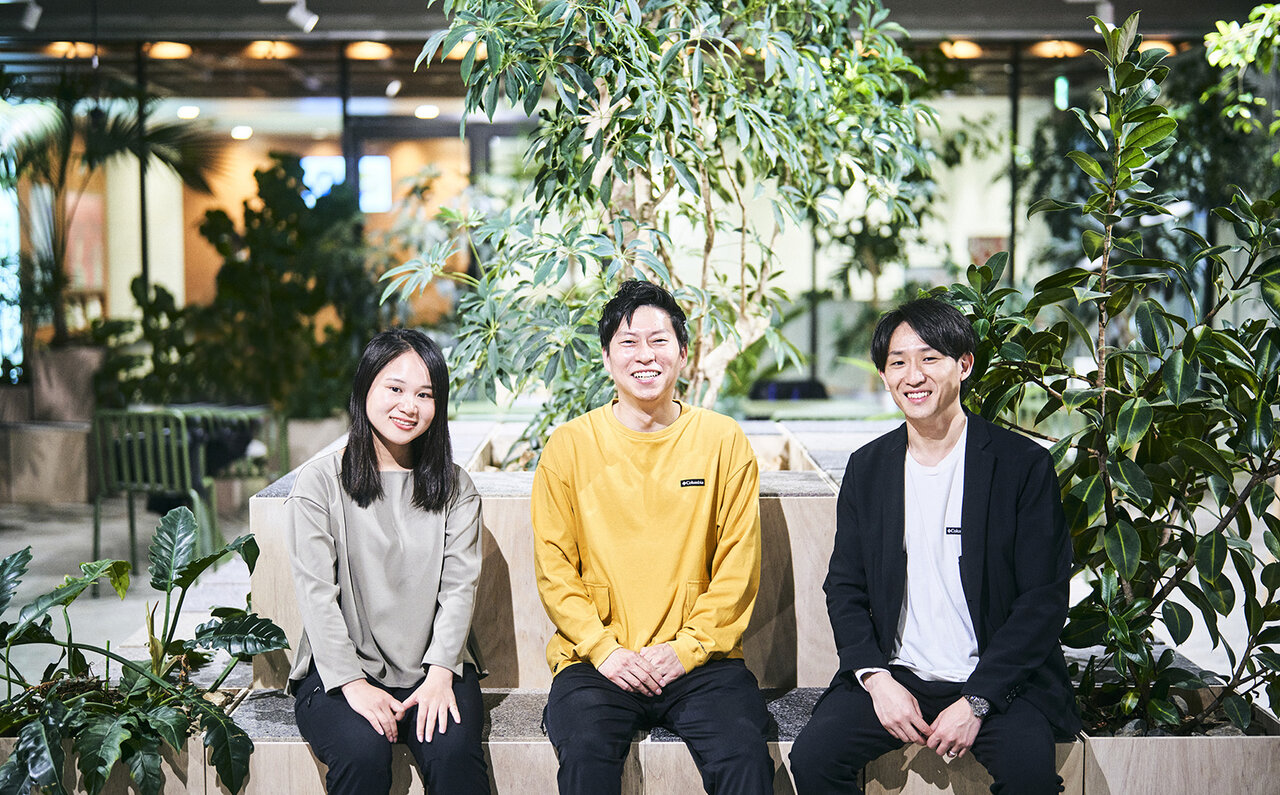
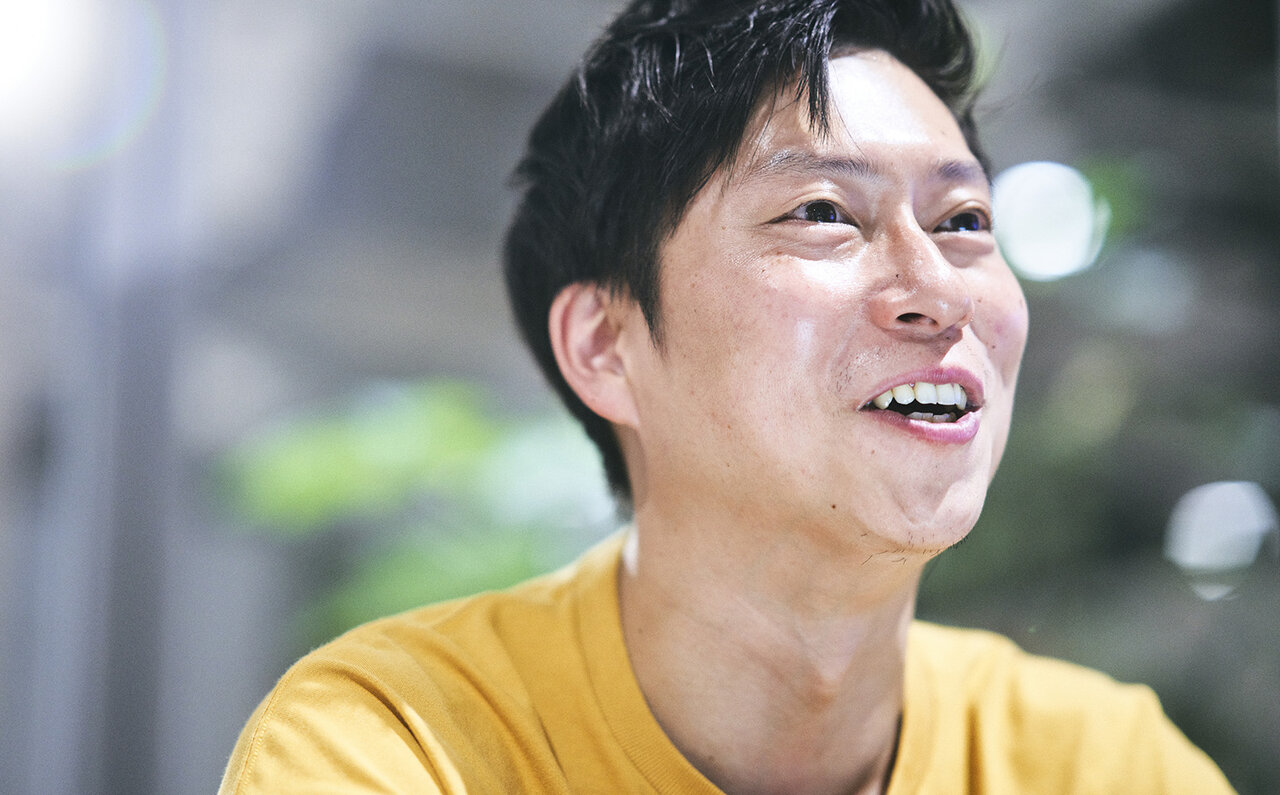
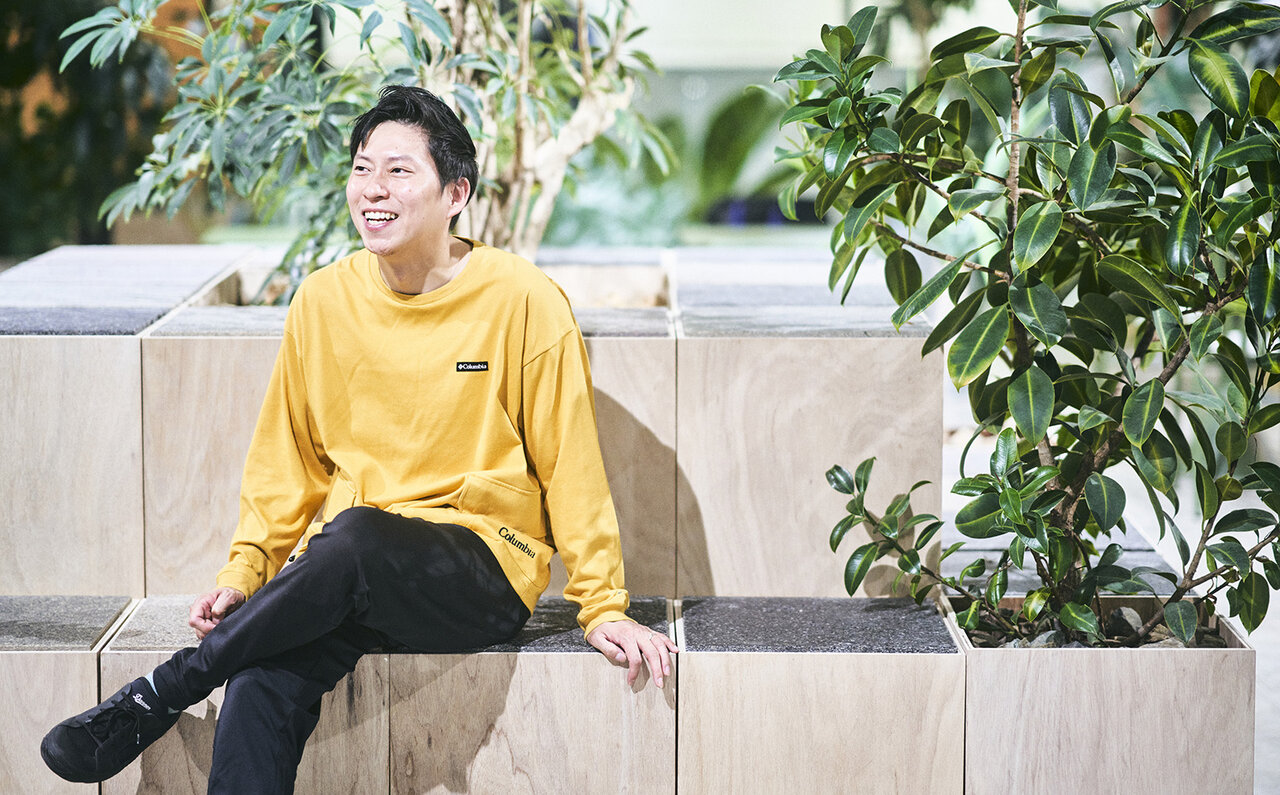
'Although it's an office, I'm the only staff member. My main role is to interact with various people and companies. It might seem like lobbying, but it's actually a daily routine of substantive, groundwork tasks,' says Kohei Mitani, Manager of the Kamikawa Town Tokyo Office, Hokkaido. After secondments to private companies in Tokyo, he continues to live in the city and foster collaborations with urban enterprises.
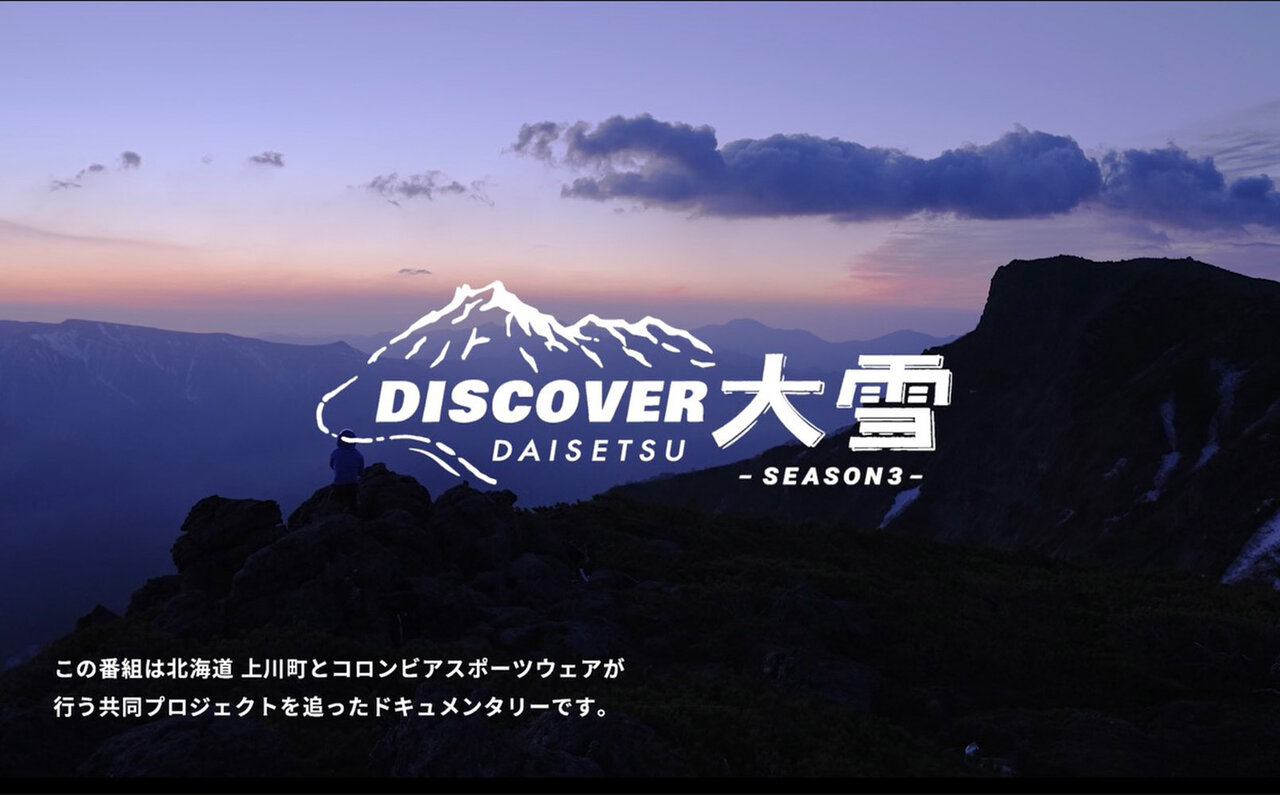
Kamikawa Town's keyword is 'Cross-border Co-creation.' They have signed comprehensive cooperation agreements with companies like sportswear manufacturer Columbia and NewsPicks, and also collaborate with business firms that tackle challenges with a forward-thinking perspective and IT companies specializing in the practical application of generative AI. Mitani serves as the crucial link for these connections.
While the initiatives undertaken by Kamikawa Town with cutting-edge companies across various business domains are each fascinating, what we want to delve into particularly this time is Kamikawa Town's action within the 'Front Yard Reform' initiative, which the government, specifically the Ministry of Internal Affairs and Communications, is currently emphasizing.
The Municipal Office of the Future: 'A World Like in Doraemon'
To align the pace of DX initiatives among municipalities nationwide, the Ministry of Internal Affairs and Communications is promoting the 'Model Project for Municipal Front Yard Reform.' This initiative aims to advance DX in local governments, which have often focused solely on back-office operational efficiency, by extending digital transformation to the front yard—the point of contact between residents and administration.
For the fiscal year 2024 (Reiwa 5), 53 organizations applied for this model project, with 12 being selected. Kamikawa Town in Hokkaido is one of them.
'Even as we digitize, we always consider a people-centric life. Because Kamikawa Town is small, we can tackle various things swiftly. We even call ourselves a 'venture municipality.' We are conscious of adapting to the changes of the times,' says Mitani.
One of the companies Mitani connected with through the Tokyo Office is 'Digital Recipe,' which develops services using generative AI and provides consulting for its application.
Digital Recipe envisions a future of coexistence and co-prosperity with AI. They describe this relationship as akin to the world depicted in the popular manga 'Doraemon,' where AI assists and supports people, and is sometimes enhanced by human ideas. This aligns perfectly with Mitani's vision for the municipal office.
'Like Doraemon's fourth-dimensional pocket filled with tools to help people, with a anywhere door for access, and a place where diverse people gather to solve administrative challenges using both digital and analog means. I realized this is the hint for DX that small municipalities should aim for,' Mitani explains.
For the Ministry of Internal Affairs and Communications' 'Model Project for Municipal Front Yard Reform' call for applications, Mitani and Digital Recipe proposed the vision: 'To transform from a mere administrative office into a hub for town development that fosters cross-border co-creation among all people, embracing an open mind and open innovation in the face of a declining population.'
How will Kamikawa Town implement this front yard reform? While the approach is grounded in practical steps, to fully understand it, let's first look back at Kamikawa Town's journey so far.
Regional Branding Starts with Building a Foundation
It wasn't overnight that Kamikawa Town became a 'venture municipality' capable of undertaking advanced front yard reforms. Around 2012, when Mitani was assigned, it was a period filled with a sense of decline: 'The population was decreasing, visitor numbers to Sounkyo Onsen were falling, and consequently, businesses were shrinking.'
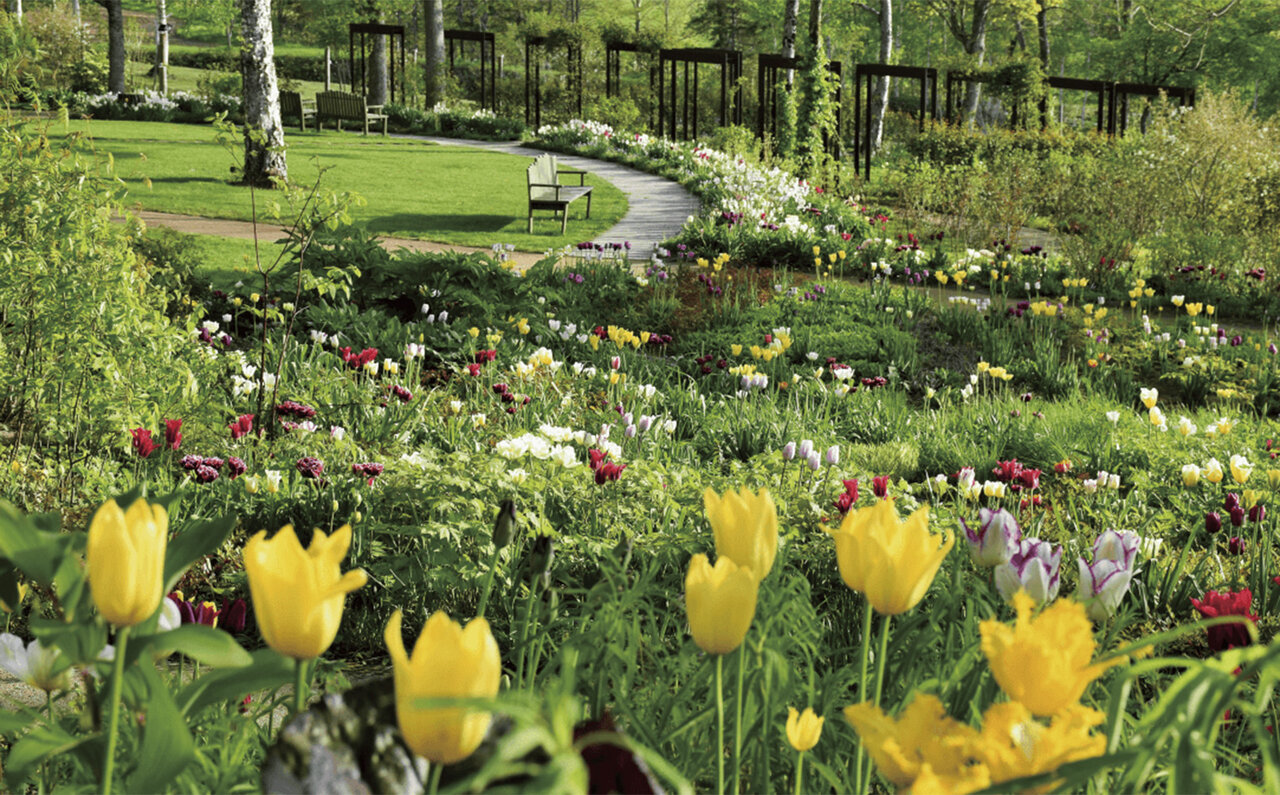
Precisely because of this, there was a growing momentum to take bold actions, even at the risk of failure. In 2014, they invested 1 billion yen to open 'Daisetsu Mori no Garden' (Daisetsu Forest Garden). The aim was to encourage visitors to Sounkyo Onsen to stop and explore the town rather than heading directly to cities like Sapporo. This leisure spot, designed as a garden with seasonal flowers, was created to achieve this.
'The underlying theme was to create something the townspeople could be proud of. We didn't just build a space; we also planned events that residents could participate in, and even experimented with volunteer-run operations. Initially, there was opposition to investing a large budget in a major facility, but we carefully organized numerous opportunities for dialogue with the townspeople, such as holding multiple information sessions for garden volunteers, to involve them,' Mitani explains.
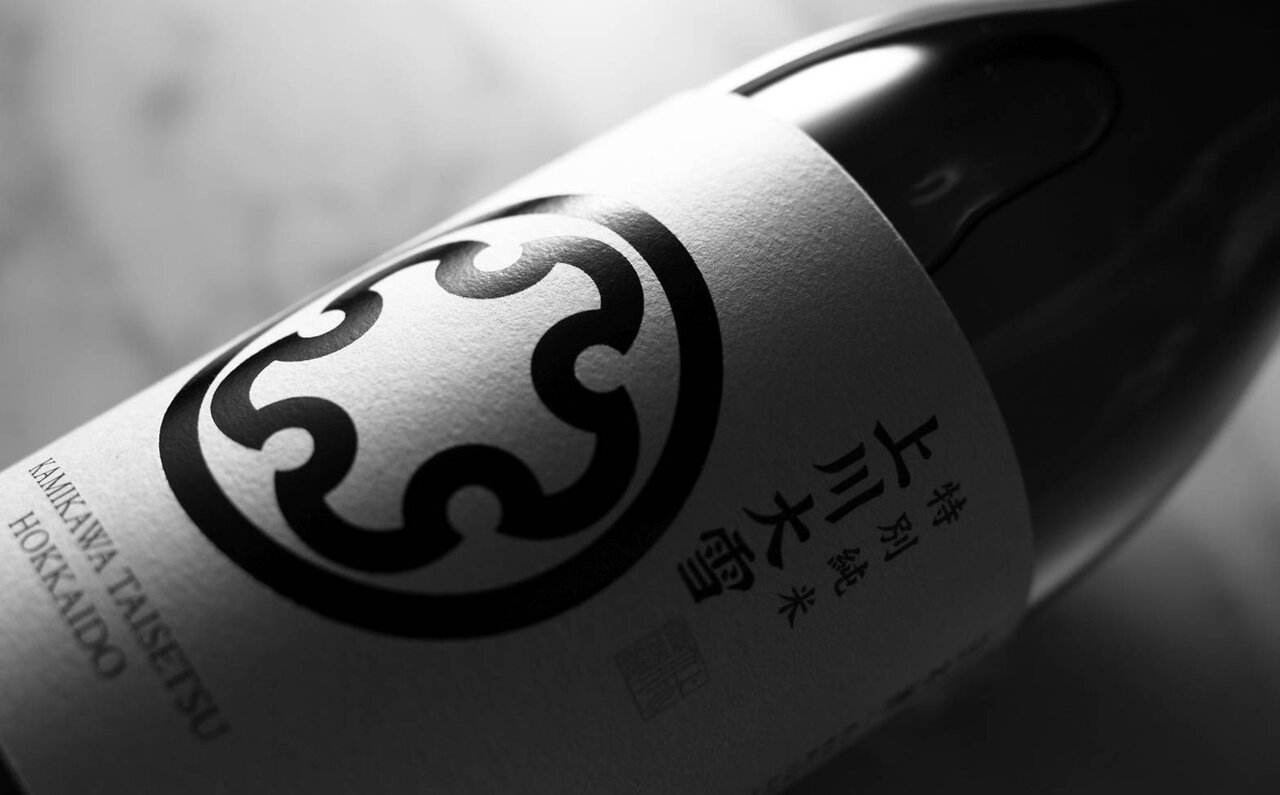
As there were many elderly residents already interested in gardening, volunteer participation was active. Subsequently, in 2015 and 2016, they held the 'Hokkaido Garden Show' every weekend during the snow-free months. The results included increased patronage at local restaurants, and businesses attracted by the garden's charm led to the creation of an auberge and later, a renowned sake brewery within the town, generating various ripple effects.
The goal was to make town development a 'personal matter' for the residents. Through investment in the physical asset of Mori no Garden, they aimed to cultivate a culture that would allow residents to accept Kamikawa Town's transformation in line with the times.
Aiming for '100 Million People Touched by Emotion'
Beyond establishing physical infrastructure, they also pursued proactive initiatives on the soft side. In 2017, they launched 'Daisetsuzan University' as a community university focused on human resource development. As a citizen's school open to all, they invited guest speakers active in the Tokyo metropolitan area, holding lectures, seminars, and workshops.
Furthermore, starting in 2018, the regional branding project 'KAMIKAWORK,' focusing on the townspeople, was launched as a PR initiative for immigration and industrial promotion.
'We undertook various initiatives with the cooperation of advertising agencies and event companies, but ultimately, they didn't last. I realized that it's crucial for people within Kamikawa Town to take action, so we implemented various measures and projects focused on entrepreneurship to address challenges. We then disseminated these as a unified effort through our owned media,' says Mitani.
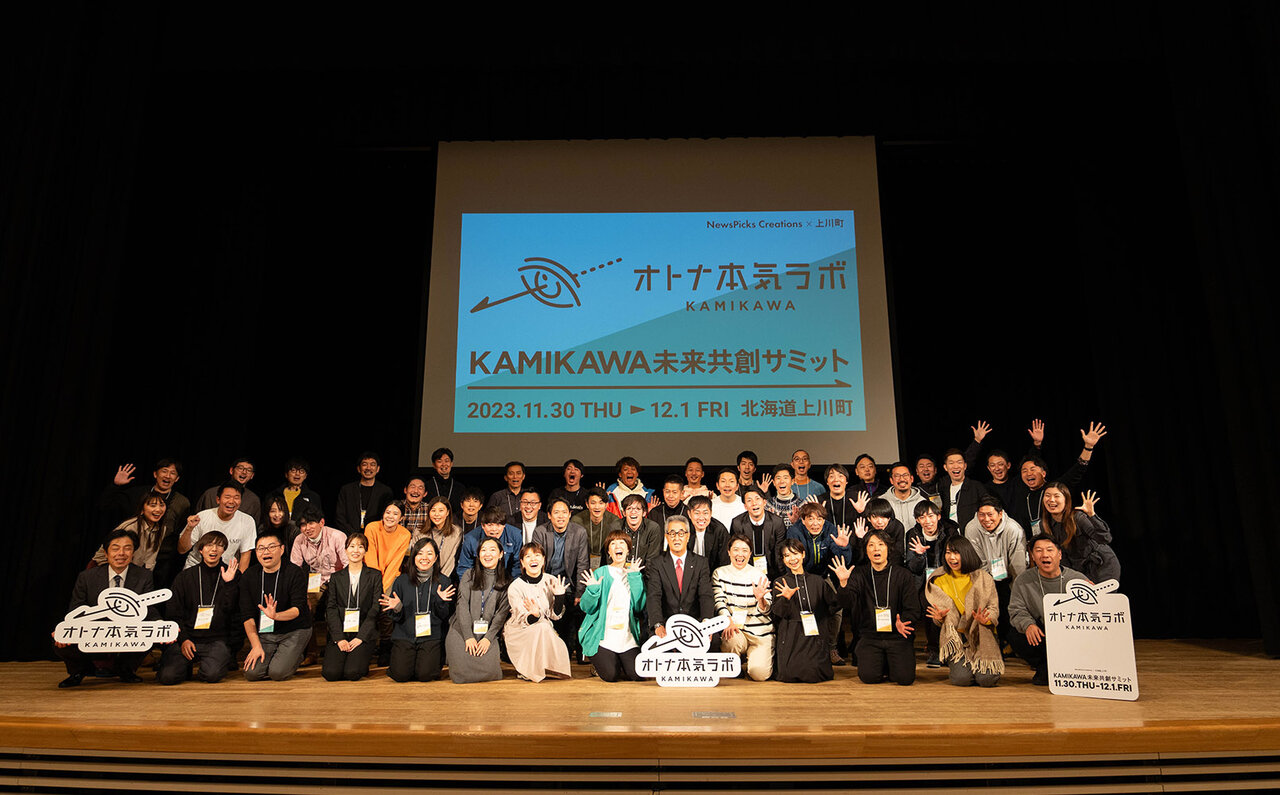
Stemming from this, in 2021, they launched the cross-border co-creation community 'Otona Lab' in collaboration with NewsPicks. During a meeting to define the mission for this project, Mitani's superior proposed '100 million people touched by emotion,' which Mitani reflects as precisely what Kamikawa Town should aim for moving forward.
'While increasing related population is a good numerical target, through our initiatives so far, I've realized that rather than blindly chasing numbers, it's about cultivating people with high emotional density, who have unquantifiable experiences of being moved,' says Mitani.
The Municipal Office Itself Needed to Change
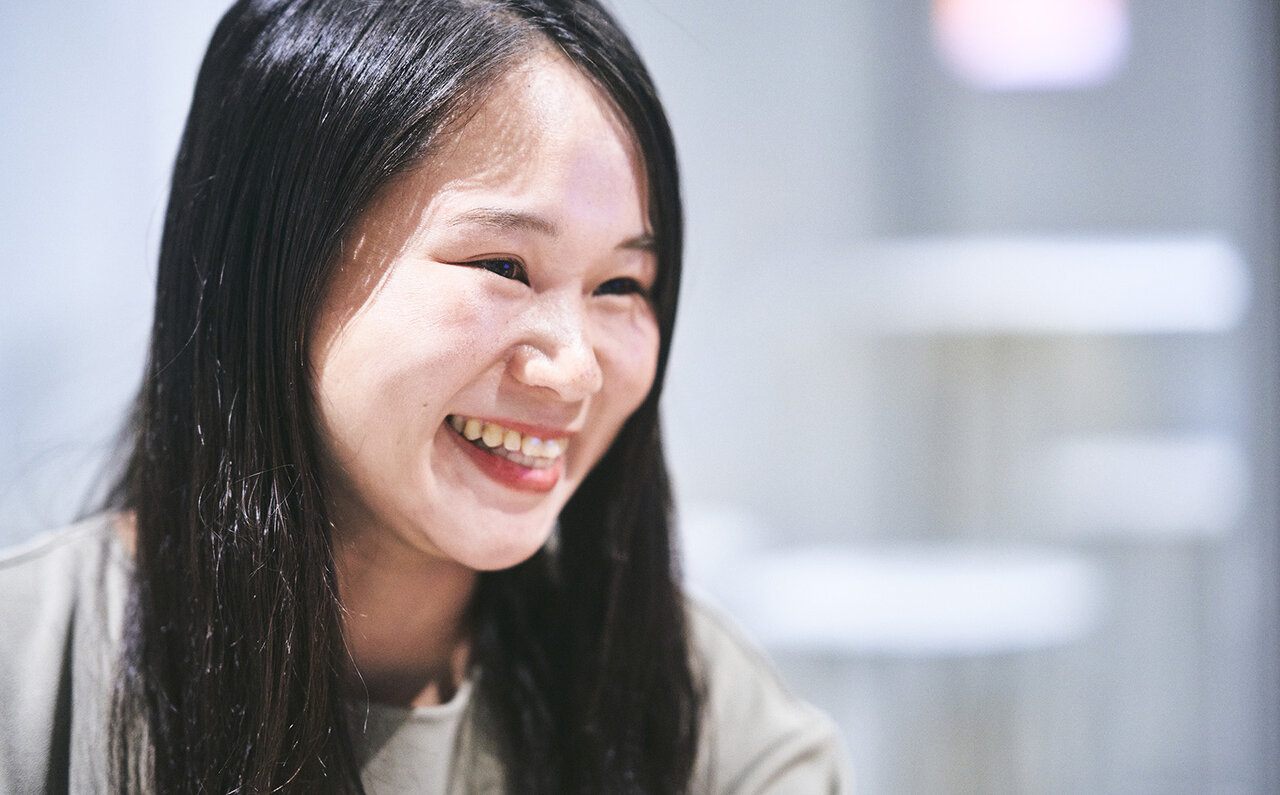
One such person with 'high emotional density' is Mai Yoneda, a design researcher at the design company Goodpatch. After organizing a workshop in Kamikawa Town in 2022, she was captivated by the town's charm and moved there in December 2022.
'Initially, I was deeply impressed by the people of this town, who welcomed even an outsider like me so warmly. As I became more involved with Kamikawa Town, I found it increasingly interesting and stimulating that so many people here are driven to make their lives exciting or pursue what they want according to their own will, which led me to decide to move here,' says Yoneda.
Yoneda began conducting design thinking workshops for municipal staff to solve problems, connecting companies interested in town development with the social welfare council to establish communities for addressing the needs of the elderly, and undertaking various other initiatives. Concurrently, she is advancing crucial future insights related to the front yard reform—the main theme of this article—using SF prototyping methods. The theme was 'The State of the Municipal Office in 2050.'
Initially, Mitani thought of internal branding aimed at municipal staff, proposing a workplace where people would want to work. However, after an office design specialist evaluated the municipal office, they were dismayed to hear it described as 'a typical four-and-a-half tatami mat office where communication never happens.'
Town Development Starts at the Municipal Office
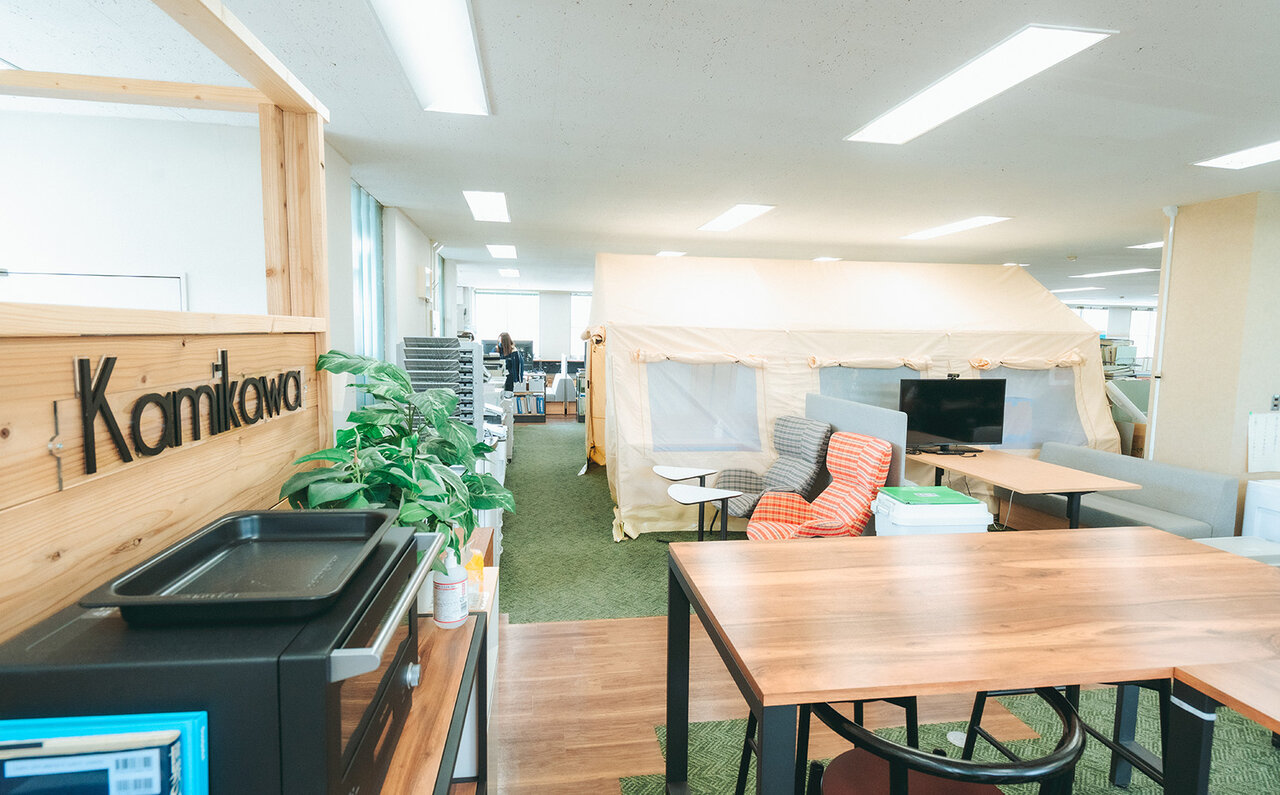
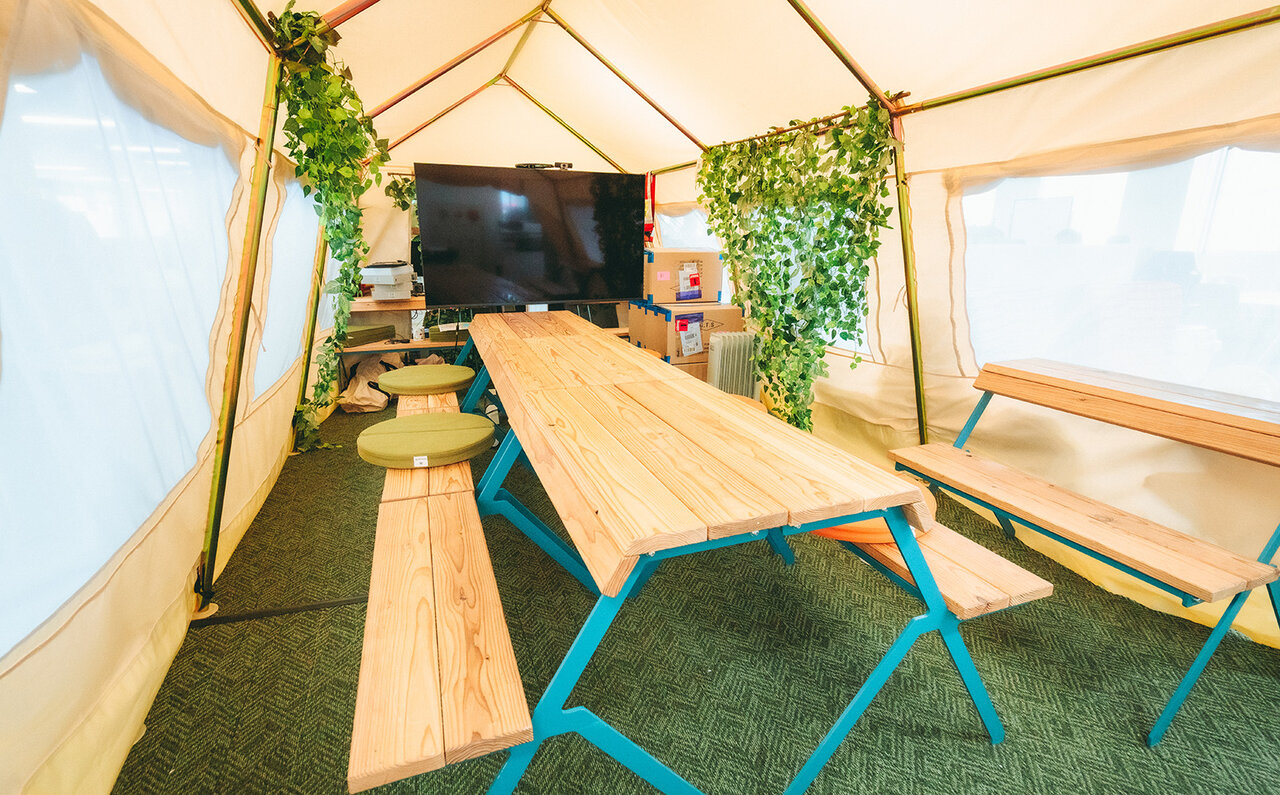
Mitani immediately sought expert advice and began renovating the pilot office (resident service floor). By optimizing the layout to allow staff to choose their workspaces, they aim to facilitate smoother cross-departmental project progress and enhance employee engagement. They also established co-creation and open spaces, clearly visualizing Kamikawa Town's goal of cross-border co-creation within the municipal office.
'The initial idea was that the municipal office should be a place where various people can interact, not just a place for processing procedures. This was implemented using the town's budget. Around that time, I heard about the Ministry of Internal Affairs and Communications' call for applications for the Model Project for Municipal Front Yard Reform, and I asked Digital Recipe, with whom we have a long-standing relationship, to help with preparing the application documents,' says Mitani.
The deadline for the application documents was just one month away. It was an incredibly tight timeline, but Mitani could still ask Digital Recipe for assistance due to their past collaborations on various initiatives. Beyond the front yard reform, there are countless examples of how continuous connections between Kamikawa Town and private companies have made achievements possible.
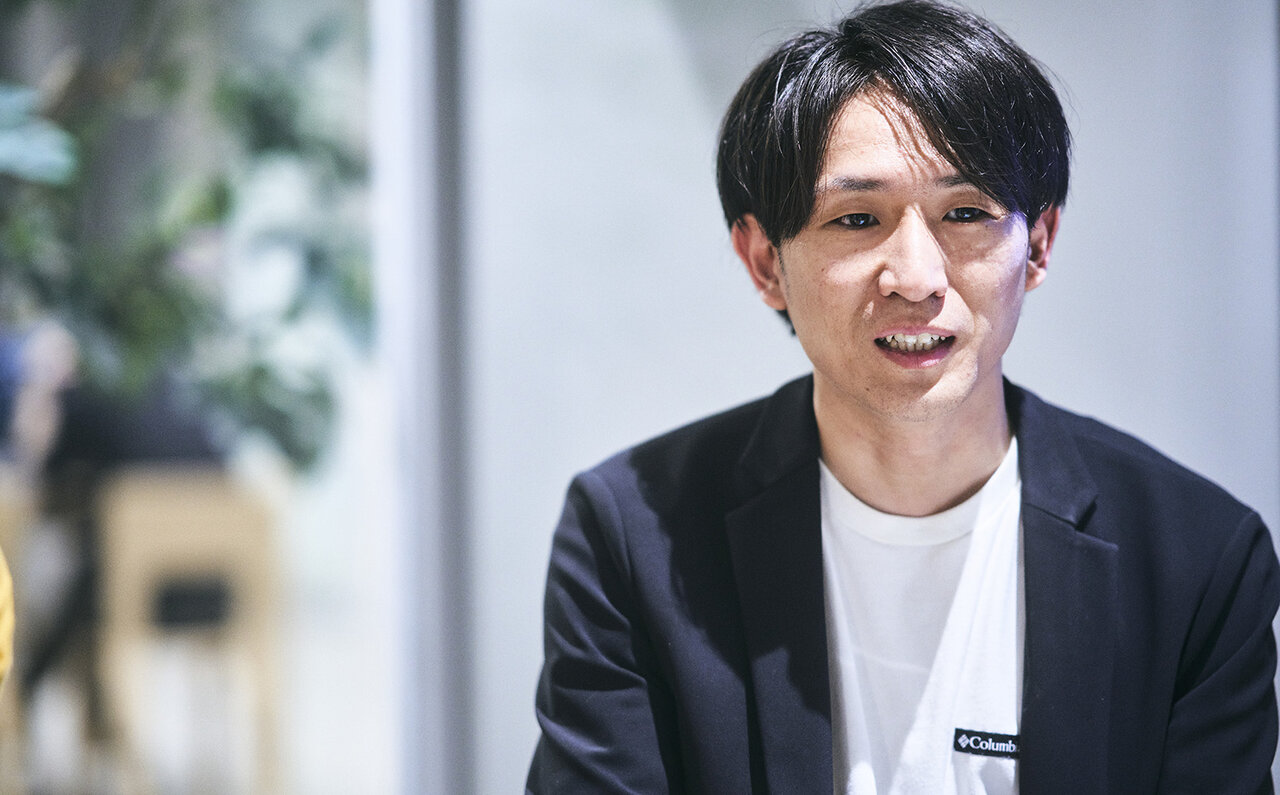
Generative AI has gained widespread attention in society only in the last few years. Even in the private sector, let alone local governments, the primary use of generative AI has been for operational efficiency, such as document retrieval. Therefore, for startups involved with generative AI, there is significant value in exploring its application in the front yard, a new domain. Masahiro Kawasaki, COO of Digital Recipe, shares his thoughts.
'Regarding the use of generative AI in the front yard, there are currently no established model cases to look at. Therefore, we are still exploring what services are possible. We will adopt a method of forming hypotheses, implementing them, and verifying their validity. While it's a challenge, Kamikawa Town's broad-mindedness allows for such experimentation,' says Kawasaki.
Front Yard Reform Begins
For example, at the reception desk, AI will handle visitor inquiries, and glowing animal footprints on the floor will guide people. Furthermore, AI will analyze the behavior of visitors to the government building to make improvements. This is not just DX; Kamikawa Town's approach to front yard reform emphasizes the 'experience' for those visiting the municipal office.
Of course, this is not something the town is leading alone. Goodpatch is engaging the townspeople in a way that befits a design company.
'As Mitani mentioned at the beginning, 'what's important is a people-centric life.' When considering the future of municipal offices and ways of living, it must be tangible. For instance, we are asking townspeople to write short stories on the theme of 'Future Kamikawa Town' to collectively envision future life,' says Yoneda.
The possibilities are vast: a 'Smartphone Municipal Office' where administrative procedures and life-related notifications can be completed via web or LINE; a system that analyzes visitor demographics via camera to improve resident services based on dwell time and behavior; an AI-powered window guidance system that automatically answers resident questions, and so on.
Crucially, by reducing the burden on individual staff members, they can each engage in town-related projects or, like Mitani, create new connections for Kamikawa Town from outside the area.
Kamikawa Town currently has about 10 companies with which it has comprehensive cooperation agreements, and even more private companies connected on a project basis. According to Kawasaki, the culture of 'a habit of involving others in work has taken root within the municipal office,' which continues to attract more collaborators for Kamikawa Town.
It will be interesting to see what kind of innovations Kamikawa Town's front yard reform will bring about.
Kohei Mitani
Manager, Kamikawa Town Tokyo Office, Hokkaido / Community Manager, KAMIKAWA GX LAB. Joined Kamikawa Town Office in 2012. Has been the primary lead in planning and launching new regional revitalization projects for Kamikawa Town. Established the Tokyo Office in 2018 and is currently planning and managing numerous projects. Also appointed as a 'NewsPicks Re:gion Picker' in June 2022, opening up new possibilities for the regional economy.