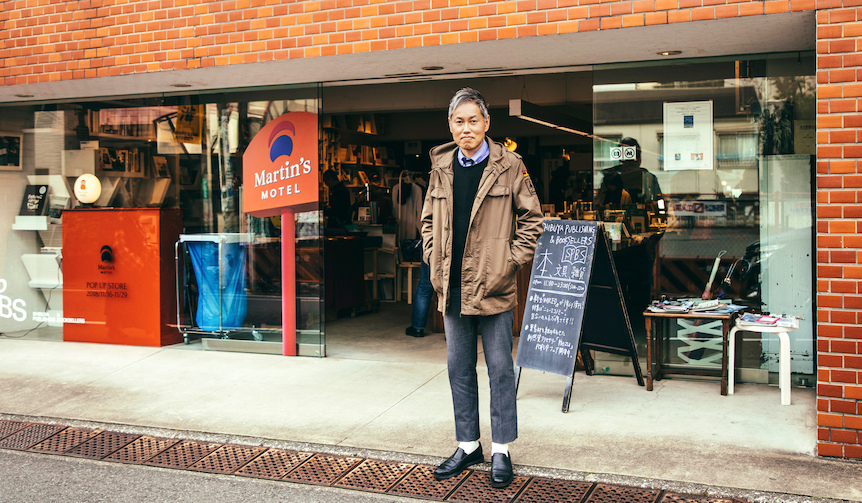
Become an evangelist of business and culture in the "heart" of Shibuya. | MITSUI FUDOSAN RESIDENTIAL
SponsoredMITSUI FUDOSAN RESIDENTIAL
Become an evangelist of business and culture in the "heart" of Shibuya.
Since the mid-1970s, Shibuya has been a place that attracts young people, giving rise to numerous nationwide trends and earning global recognition as a hub for Tokyo's pop culture. In recent years, dynamic redevelopment around the station has led to a significant transformation, with an accelerating update of "places for adults to enjoy."
Amidst this, have you noticed the growing attention on a uniquely distinctive area? It's roughly to the northwest from the Scramble Crossing. Ascending the lively Bunkamura Dori, you'll reach a Y-junction. Continue right from there, and you'll enter Kamiyama Dori, which leads to Yoyogi Hachiman.
This area, including the parallel Udagawa Promenade, is dotted with traditional individual shops alongside high-end cafes, restaurants, galleries, and small theaters. Here, long-time residents mingle with entrepreneurs and creators who have offices nearby, as well as young people, couples, and international tourists drawn by the buzz.
People have affectionately come to call this area "Okushibu." This time, we spoke with Seita Fukui, the representative of SHIBUYA PUBLISHING & BOOKSELLERS (SPBS), who has been operating a new type of bookstore here for 10 years and can be considered a key figure in shaping "Okushibu" culture.
Direction by MOROOKA YusukeInterview and Text by NAKANO MitsuhiroPhotographs by NAGAO MasashiCooperation by SHIBUYA PUBLISHING & BOOKSELLERS
What is "Okushibu," the "small town" cultivated in a corner of Shibuya?
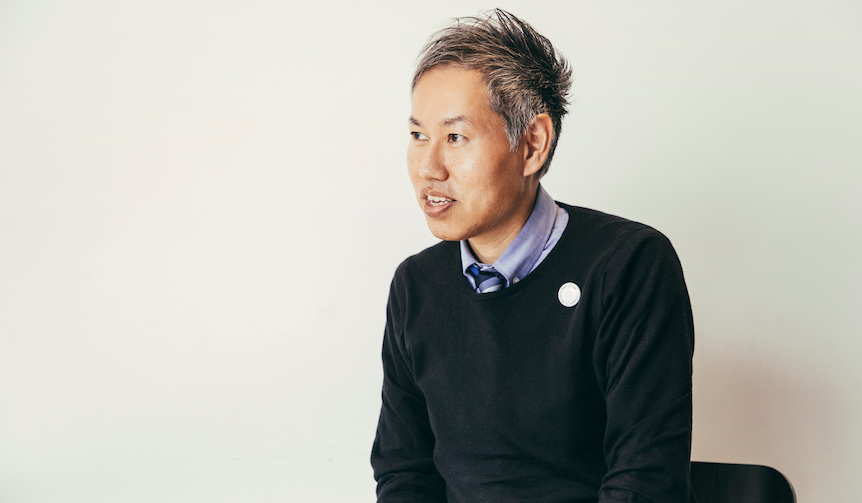
—When did it start being called "Okushibu"?
There are various theories, so it's hard to pinpoint, but we initially called it "Ura Shibuya." However, it felt a bit off, like imitating "Ura-Harajuku." Around that time, a staff member said, "The Kamiyama-cho area is like the inner parlor of Shibuya, so it's 'Okushibu.'" That sparked everyone to say, "That's a great idea!" and we started using it. I believe it was about seven years ago.
—The "Okushibu" flags are quite noticeable as you walk down the street.
We created the prototype for the current flag design. In fact, it might have been the first time the word "Okushibu" was prominently featured on signage. About four or five years ago, at a shopping street meeting, I asked, "Could we change the design? We'll do it for free!" (laughs). I feel like this event fostered a sense of unity among everyone as "Okushibu" residents. The response was significant, and ultimately, many people came to recognize "Okushibu." The current flags are now made by the shopping street association.
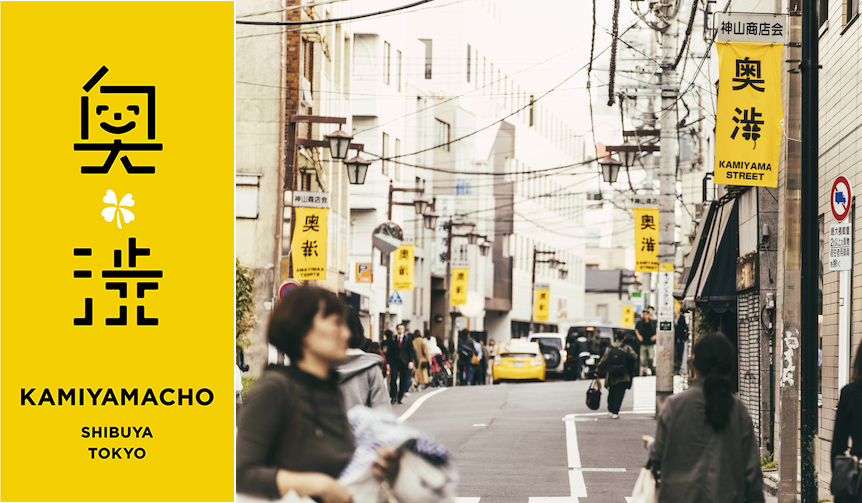
©︎SHIBUYA PUBLISHING & BOOKSELLERS
—Have there been any dramatic changes in "Okushibu" leading up to now?
Certainly, the increase in foot traffic. Recently, I opened a snack bar near our store, and my customers and I often discuss, "When did it become so crowded?" Many say things have changed "since SPBS and the wine bar Ahiru Store opened." Another factor is the explosive spread of smartphones over the past decade. Everyone agrees, "The influence of social media is also strong."
—Have the number of shops also increased?
It hasn't increased dramatically, but I get the impression that unique and distinctive shops are steadily taking root. Places I often visit include "PATH," "Sajiya" (a bistro), and long-established eateries like "Uoriki." I also recommend "Cristiano" (Portuguese cuisine) and "Pignon" (French). For tourists, "Fuglen" (a cafe with its main branch in Oslo) is popular. On the other hand, there are also cases where businesses open with light intentions and then withdraw. With such high-quality restaurants and bars, customers won't stick around if the offerings are mediocre.
"Okushibu" is a rare area in the city center that stimulates "adult curiosity." Discovering a place that feels like "your own" by chance is one of the joys of urban living. While the station area, undergoing significant redevelopment, is constantly being "updated" with the latest, "Okushibu" is better described as being "matured" over time. The sense of a big city, visibly growing upwards. And the subtly nurtured sense of a small town. The charm of Shibuya today lies in possessing these contrasting aspects.
MITSUI FUDOSAN RESIDENTIAL
Become an evangelist of business and culture in the "heart" of Shibuya (2)
The trial and error and challenges in "Okushibu" have made us stronger.
—What led you to start a bookstore?
At 35, I quit my job as a publisher, feeling "I need to take on a challenge soon," and became a freelance editor and writer. Then, my wife's study abroad led us to move to New York. There, I discovered bookstores that valued their local character and actively hosted events, serving as places for people to connect and exchange information. I thought, "This is different from Tokyo. It's wonderful."
After returning to Japan, I often worked on books and magazines related to IT ventures, which led to my frequent interactions with Takafumi Horie. One night, over drinks, he asked me, "Mr. Fukui, what is your dream?" I told him about the concept of a bookstore that "produces there and sells there," and also publishes books, which I had vaguely envisioned since my time in New York. He responded, "That's interesting. You should do it." He even offered to invest, and things moved forward rapidly.
—Was the business smooth sailing from the beginning?
No, for a while after opening, our weekly sales were only tens of thousands of yen. I felt a sense of crisis, realizing we were on the verge of bankruptcy, and from then on, we repeatedly took on new challenges. We opened up our empty spaces as shared offices for creators, invited guests for free events, and organized editing workshops. These might seem commonplace now, but I feel we were doing quite forward-thinking things at the time. Perhaps everything was too early, as people would look at me strangely and say, "We don't understand what Fukui wants to do" (laughs).
I think the number of visitors started to increase around the time we put up the "Okushibu" flags. Now, sales of 300,000 to 400,000 yen per day are not uncommon. Unlike select shops, we don't compete by selling our own sense of style. Instead, we reflect "what our customers are looking for." Handling miscellaneous goods and apparel was also the result of trial and error, figuring out what would please customers when they bought books. Amidst talk of a publishing recession and difficulties in bookstore management, our store has been growing steadily upward.
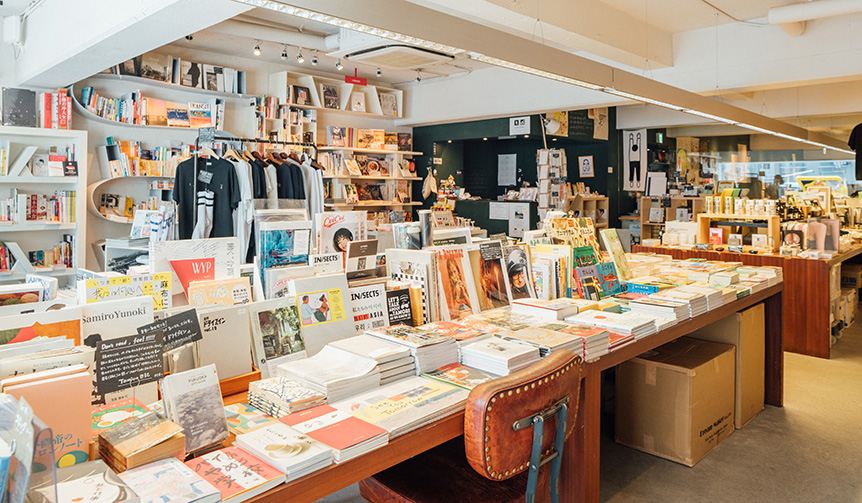
© SHIBUYA PUBLISHING & BOOKSELLERS
Mr. Fukui says, "My passion came first, and the concrete business plan followed." His ability to turn adversity into an opportunity, engage in unconventional initiatives, and gradually achieve profitability by integrating with the community embodies the wild side of venture companies: "If you think too much, just act." This accumulation of trial and error and failures becomes a unique strength for individuals and companies. Business and life are the same.
MITSUI FUDOSAN RESIDENTIAL
Become an evangelist of business and culture in the "heart" of Shibuya (3)
True culture is not born in conference rooms or on whiteboards.
—Are there things you particularly value?
I often tell my staff, "Let's create things while looking at our customers' faces." Connecting the store and office with glass walls was part of that. Perhaps because of this, when we hold workshops, quite a few people come wanting to create books. The fact that we have customers who visit not just to read or buy, but with a desire to create, is what makes SPBS unique and a strength.
—Do you have a particular attachment to books?
I don't have a special attachment to paper itself. Rather, regardless of the format, I want to pass on the "wonder of reading" as a culture to future generations. For music, the platform has changed, but the number of people listening to music hasn't decreased. Books are different. The number of readers is clearly declining. I feel a strong desire to do something about this situation, with SPBS as a starting point.
—Where do your innovative ideas come from?
In a word, perhaps it's a "counter-spirit." Not belonging to any particular industry. Stepping into areas that defy categorization. I want to maintain that fluid stance. Also, adopting a "consumer's perspective." I constantly think, "Wouldn't this be fun?" and express it to those around me whenever the opportunity arises. Quite often, these ideas actually take shape.
—What are your next plans and vision?
If possible, I'd like to open another store in Okushibu. And to make it so that everyone says, "When you think of Okushibu, you think of SPBS," I want to become even more rooted in the community, perhaps by creating something like a private library. I'm also considering it might be interesting to have a library curated by us in the lobby of a nearby high-rise condominium.
Where do the innovations and movements that surprise the world, or the ideas and stories that touch people's hearts, truly originate? Imagine, for instance, the counter of a bar at night or a table in a corner of a restaurant. It's often from such places, where like-minded individuals gather and exchange honest opinions. Or from the aimless conversations that happen when strangers meet by chance. Surprisingly, many things begin in such nights. True culture is never born in conference rooms or on whiteboards.
MITSUI FUDOSAN RESIDENTIAL
Become an evangelist of business and culture in the "heart" of Shibuya (4)
Living in Shibuya allows you to feel human connections and the changing seasons.
—There are many areas, so why did you choose to open in "Okushibu"?
Because I thought it would be boring to do business in an already established town. To grow together with the community under the spirit of "community-based," I wanted the town itself to have potential for further development. I believe it's precisely because it's "Okushibu" that we've been able to continue our business here.
—What is the essence of "Okushibu"?
It's the "relaxed atmosphere" created by its unique vibe. The narrowness of Kamiyama Dori, the main street, might also contribute to the close proximity between people. It's also appealing that it hasn't been overly commercialized by large corporations; individual shops are at the center, driving their own renewal. It's good that young people understand this well.
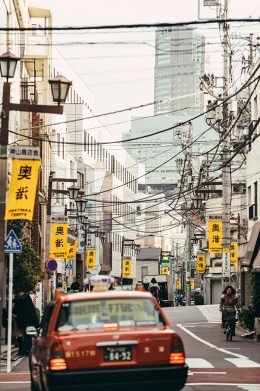
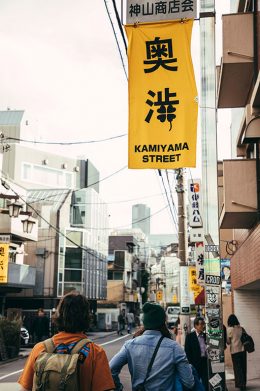
—What route do you recommend for visiting Okushibu?
It's interesting to walk along the main street, Kamiyama Dori, and then detour into side streets, or loop back. You can experience the excitement of discovering shops. Then, you could head towards Yoyogi Hachiman, turn right, stroll through Yoyogi Park, and return. The manageable scale, completed in about an hour, is also very pleasant.
—Finally, what is the appeal of living in Shibuya?
I have a strong impression that Shibuya is a place where sophisticated people, things, and events flow in from all directions, and everything converges. Beyond culture like fashion, music, and dining, it has also become a major hub for IT businesses since the 2000s.
But living here, you realize it also offers excellent residential comfort. Personally, I love Yoyogi Park, which changes its appearance with the seasons. Quiet residential areas and traditional, heartwarming shops also coexist. It's also very convenient for transportation, and with just a short trip, you can reach Omotesando, Harajuku, Ebisu, or Daikanyama. If you live in Shibuya, you'll find that almost everything you need is available in this area, filling your life with richness.
Mr. Fukui left us with the striking phrase, "the sense of closeness between people." In other words, it means "you can see people's emotions." When we get accustomed to living in the city center, surrounded by dazzling scenery, constantly connected to IT gadgets, we sometimes forget the preciousness of human presence. However, in Shibuya, there's no need to worry about that. While engaging with the latest trends and information, you can be thrilled by human connections and sometimes find solace in the clear air of nature. Shibuya is indeed fascinating.
A place where business people create "new value."
PARK COURT SHIBUYA THE TOWER
Living here connects you to everything in Shibuya. Not only will you find inspiration for business, but your antenna for culture will also become more sensitive. Encountering new values daily, you'll be at the forefront of creating innovation and movements. It's also in close proximity to the currently popular area of "Okushibu" (※1).
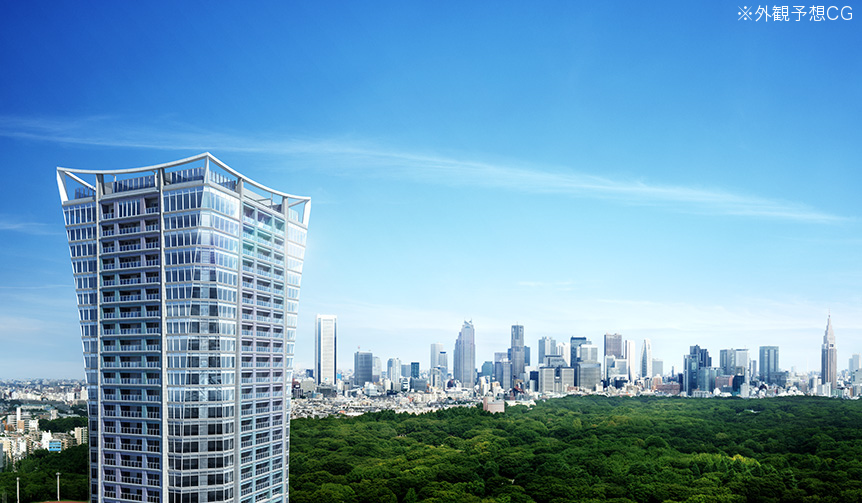
On the hill of Park Dori (※2). A symbolic location made possible by public-private collaboration. A tower residence with 505 units and 39 floors above ground is being built on the park front of Yoyogi Park (※3). An unknown living experience awaits you high above Shibuya. An unparalleled 24 hours, filled with healing and stimulation, is finally beginning.
<Seller>

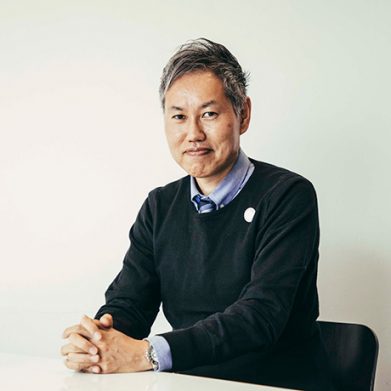
Seita Fukui
Representative of SHIBUYA PUBLISHING & BOOKSELLERS. Born in Aichi Prefecture in 1967. Graduated from Waseda University, Faculty of Social Sciences in 1991. After working as an editor for the business magazine "President," he established SHIBUYA PUBLISHING & BOOKSELLERS (SPBS) in September 2007. Currently, he manages the publishing bookstore "SPBS Honten," the select shop "CHOUCHOU" filled with delightful items that make everyday special, a web media outlet, and is involved in editing magazines and books, producing stores, and planning events and seminars.
Interview/Text
Mitsuhiro Nakano
Writer/Editor/Screenwriter. Since his university days, he has written columns and reports for numerous magazines. During his time at a publishing company, he was involved in editing, custom publishing, event planning, cross-media advertising, and in-store media development. He is also knowledgeable about the evolution of Tokyo's urban culture and youth trends, and is currently serializing "Tokyo Pop Culture Graffiti ~ Stories of Eras and Generations Drawn in Tokyo" on the web magazine "TOKYOWISE." His books include "Desperado" (Sony Magazines), "The Era of Bubble 80's" (Aspect), and "The Power of Song" (Shueisha).
※ The Park Court Shibuya The Tower, a residential building in the Shibuya Ward Office redevelopment project, will be a leasehold condominium.
※ The CG renderings of the completed building are based on preliminary drawings and may differ in shape and color from the actual construction. Details of the exterior shape and equipment are not depicted.
※ The exterior CG rendering of the view is a composite of a photograph taken from a height of approximately 94m (equivalent to the 29th floor) on the property site looking north (September 2017). The view from actual residences will differ. Views and scenery vary by floor and residence, and are not guaranteed to remain the same in the future due to changes in the surrounding environment. Some CG processing has been applied.
※1 Okushibu (Kamiyama-cho intersection approx. 600m / 8 min. walk)
※2 Park Court Shibuya The Tower is located on a hill at an elevation of 32.5m, ascending Park Dori from "Shibuya," one of Tokyo's leading terminal stations undergoing redevelopment, towards Yoyogi Park and Meiji Jingu Shrine.
※3 Yoyogi Park approx. 160m (2 min. walk)
Mitsui Fudosan Residential "Park Court Shibuya The Tower" Residential Salon
0120-321-712
https://www.31shibuya.com/shinchiku/X1327001/