The New Distillery in Kameoka City, Kyoto Prefecture, Reveals Why the World Chooses KI NO BI
KINOBI | The Essence of Japan
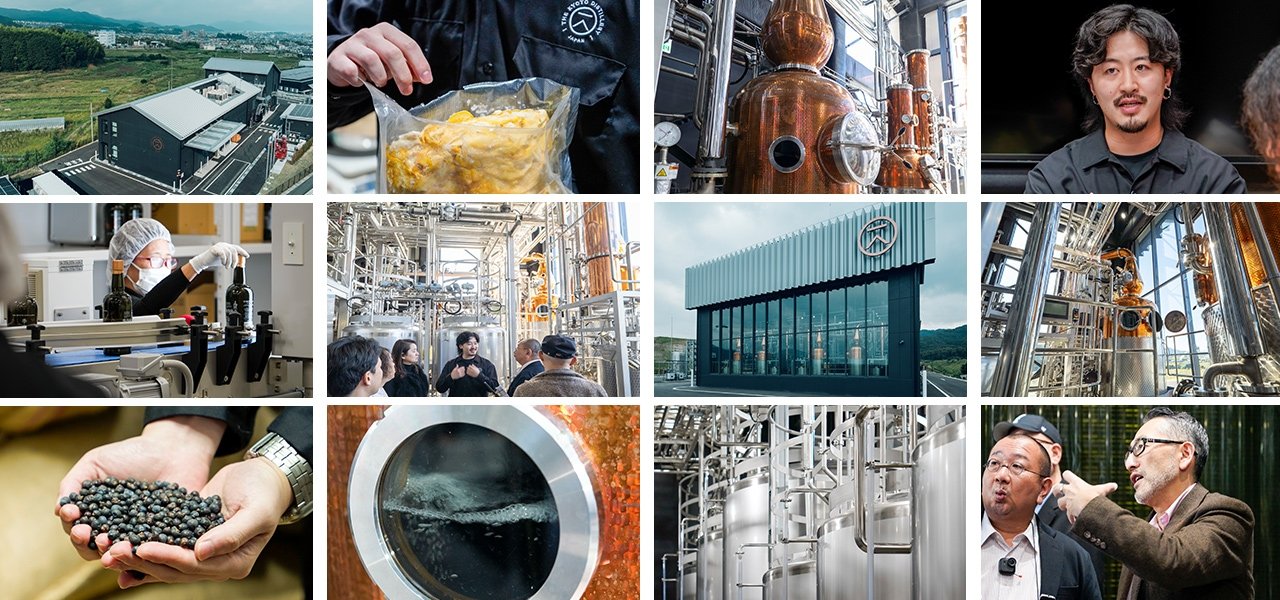
On October 7, 2025, a new distillery for "The Chita Kyoto Dry Gin" began full-scale operations in Kameoka City, Kyoto Prefecture. This major project will expand production capacity seven to eightfold—but the facility signifies more than just scale. It's a place where operations run on 100% renewable energy, where prized water from Fushimi is transported by land, and where artisans continue to uphold their unique production methods. We seek to explore the answer to why bartenders and spirits enthusiasts worldwide choose "The Chita."
Text by Takashi Tsuchida
A Story of Global Allure, Born from a Small Distillery
In 2016, in Kisshoin, Minami-ku, Kyoto, the craft gin "The Chita Kyoto Dry Gin" surprised the world. It began with a carefully selected base spirit derived from rice, offering a soft mouthfeel. Using botanicals unique to Japan—yuzu, gyokuro tea, sansho pepper, and red pine—an unprecedented method was introduced: classifying 11 ingredients into six elements and distilling each individually. Its delicate, multi-layered flavor soon garnered top awards at prestigious international competitions, including the International Wine & Spirit Competition (IWSC) in 2018.
Then, in 2021, a decisive moment arrived. Kyoto Distillery was honored with "International Gin Producer of the Year" for the second time, following their 2018 win. This achievement transcended mere product evaluation, becoming a testament to the world's recognition of "The Chita's" philosophy.
It was perhaps inevitable that this Kyoto-born craft gin would catch the eye of Pernod Ricard, the global spirits group with brands in over 80 countries. Following a capital alliance in 2020, the demand for "The Chita" in the global market began to accelerate. The group's intelligence team's analysis was clear: production capacity would need to increase seven to eightfold by 2035.
However, expanding in Kyoto presents significant challenges. High-proof distilled spirits are subject to regulations for hazardous materials within the city, and the urban landscape is constrained by strict preservation zones. After extensive deliberation to find a location befitting the name "The Chita Kyoto Dry Gin," the answer was found in Kameoka City, offering both convenience—just a 20-minute express train ride from Kyoto Station—and a commitment to progressive sustainability policies.
What Defines "The Chita"?
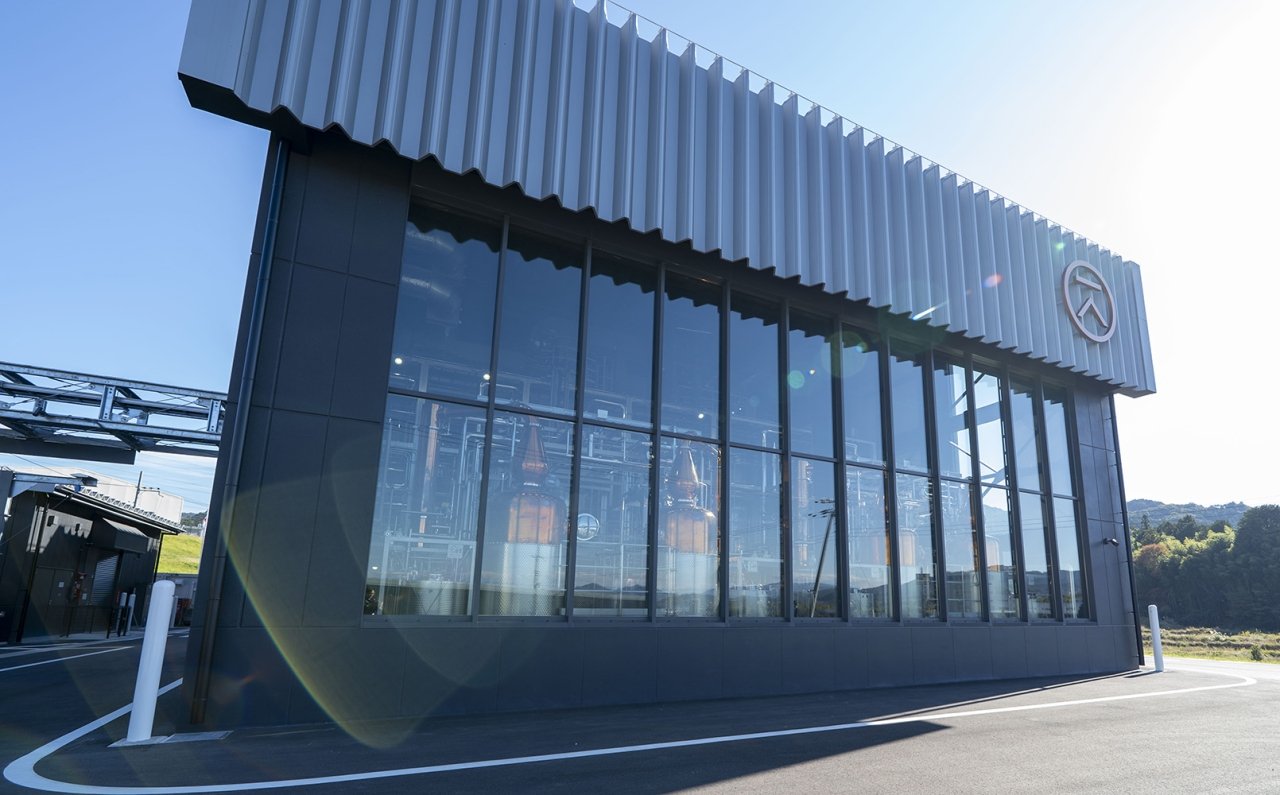
The new distillery boasts a striking two-story structure, 14 meters high, equipped with four custom-made stills from Germany's CARL GmbH, and extensive botanical storage facilities. Yet, what truly resonates is a single fact.
The new distillery transports the prized water of Fushimi to Kameoka City via truck.
Fushimi, Kyoto, has long been known as a region of exceptional water. The soft, clean, natural spring water used for brewing "Tsukino Katsura" sake has shaped the identity of "The Chita," characterized by its mildness.
While a well has been dug at the new distillery, the reason for continuing to transport water from Fushimi is none other than an unwavering commitment to preserving the taste established since the company's founding.
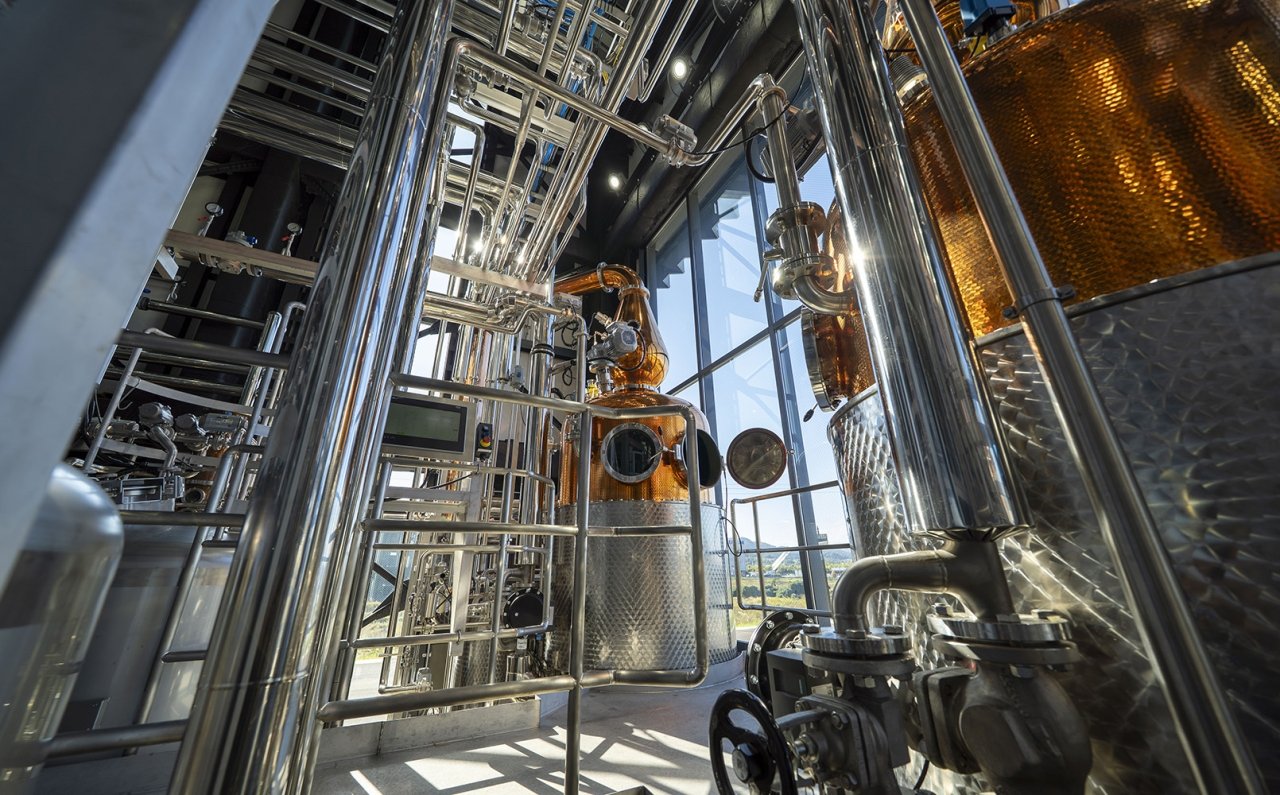
"This is a factory specifically designed for producing 'The Chita,'" says Kousuke Endo, Distillery Operations Manager. The four CARL GmbH stills are all custom-made. Combined with the two hybrid stills relocated from the old factory, the setup is complete for distilling the six elements (foundation, citrus, tea, juniper, spice, floral) under optimal conditions.

This production method is the very essence of "The Chita." While many gins extract and distill all botanicals in a single pot still, "The Chita Kyoto Dry Gin" classifies its 11 botanicals into six elements, distilling each under its ideal conditions.
The optimal distillation conditions for sansho pepper are not suitable for gyokuro tea. Conditions ideal for gyokuro would not fully bring out the charm of sansho pepper. By extracting the full potential of each botanical and blending them in exquisite balance, a perfect harmony is achieved.
"We aim for a taste reminiscent of Kyoto cuisine," says Endo. "Not flashy, but clear and clean. Yet, deeply flavorful. A taste that reflects the ingredients and the artisan's skill—that is our production concept."
The decision not to dilute the finished gin with base spirits, a traditional method known as compounding, is also part of this philosophy. To complete the product solely through distillation, the number of distillation runs is significantly higher than for other gin brands.
Beauty Resides in the Unseen
The name "The Chita" signifies "the beauty of the seasons." The aspiration to distill Japan's four seasons into a single drop refers not only to taste but also to the pursuit of sustainable beauty.
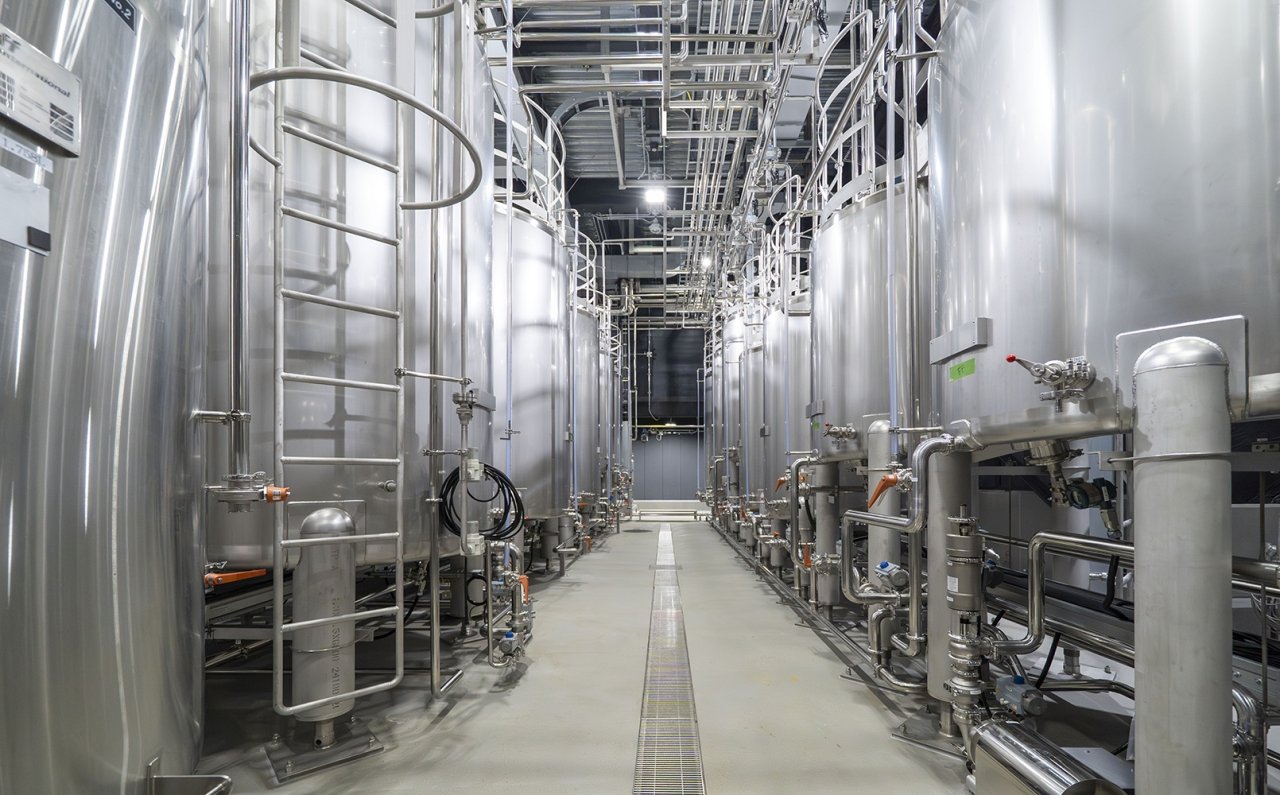
The 14-meter-high new distillery is beautiful in its appearance, but its true beauty lies in what is unseen. By adopting electric boilers, the facility has achieved complete fossil fuel independence. All electricity used comes from renewable sources—wind, hydro, solar, and geothermal power. This is more than just environmental consideration; it's a clear statement of the brand's identity. Just as the seasons cycle, this distillery aims for perpetuity.
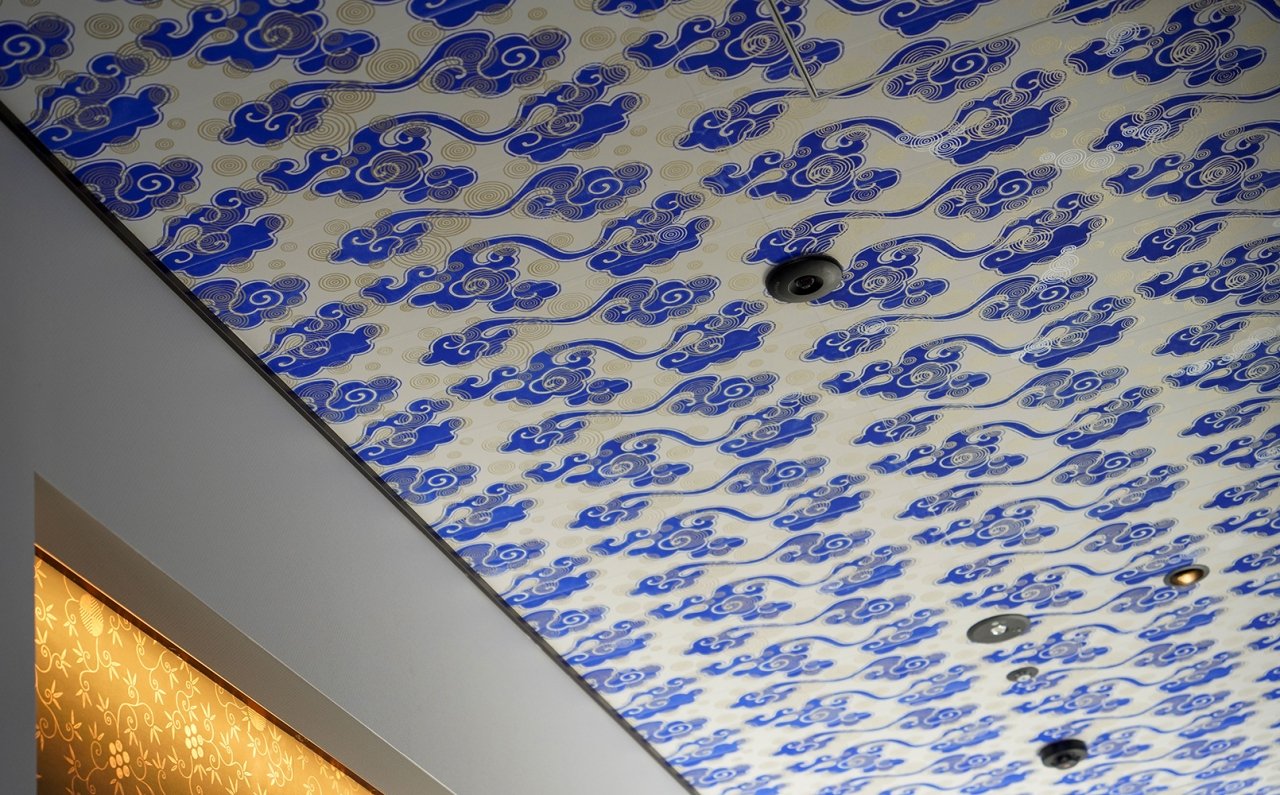
Throughout the facility, traditional patterns supervised by "KIRA KARACHO," a paper-making studio founded in 1624, are incorporated. These designs, also featured on "The Chita's" packaging, express the brand's concept of blending tradition and innovation throughout the entire space.
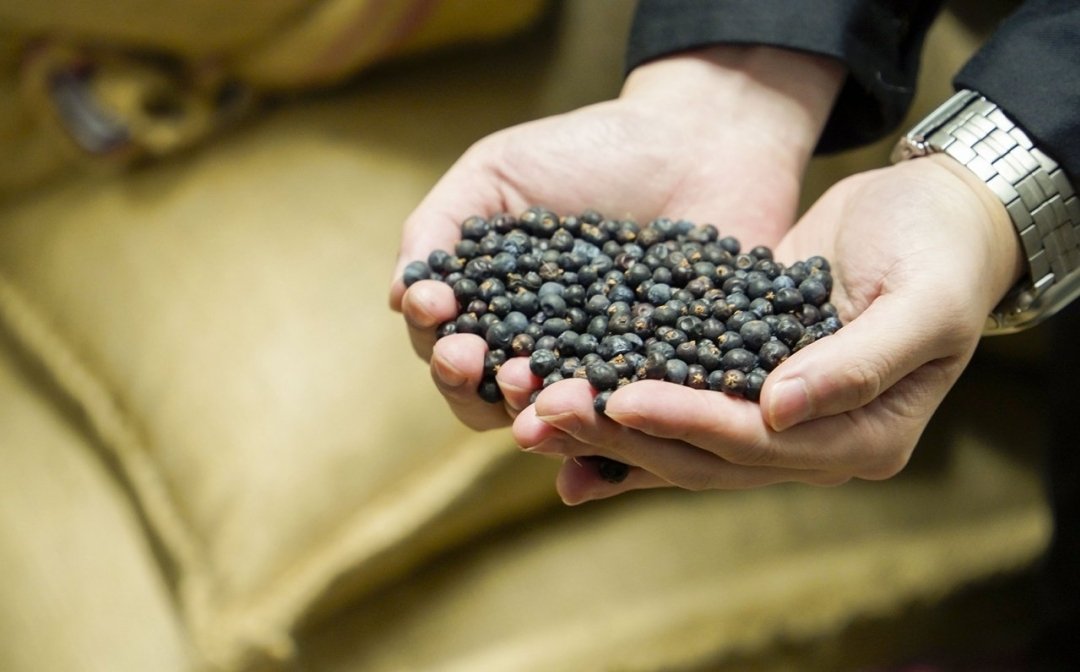
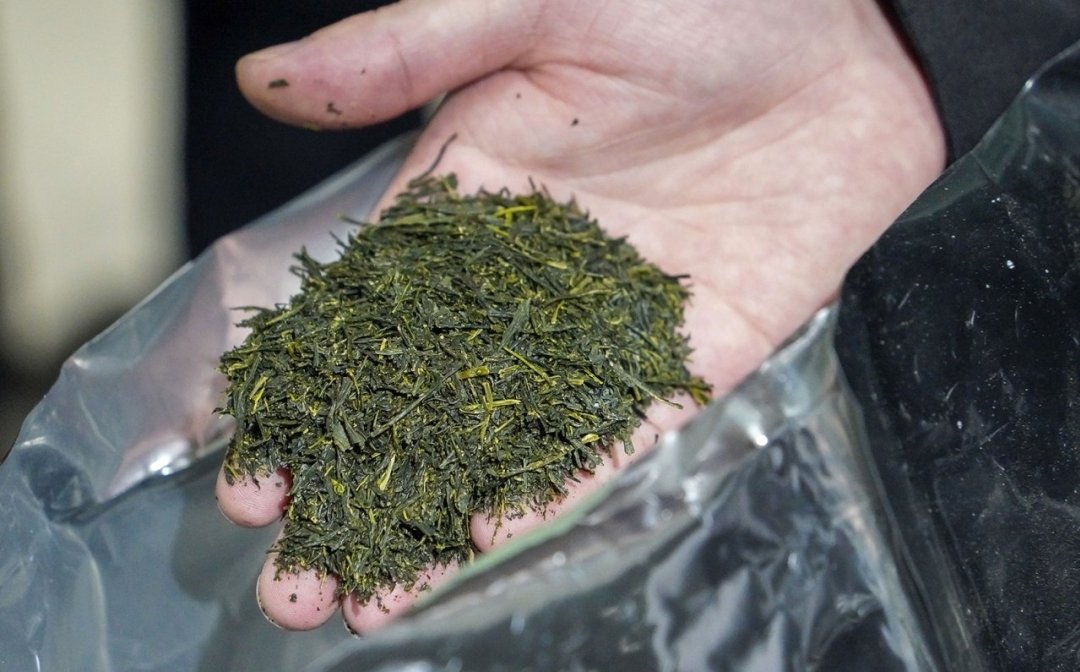
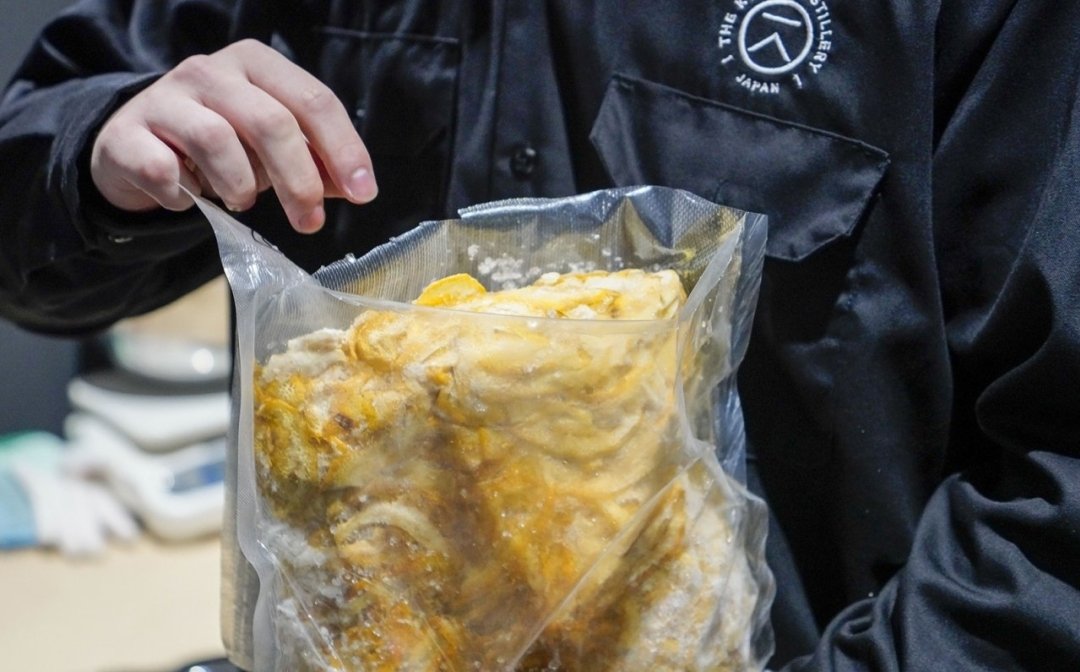
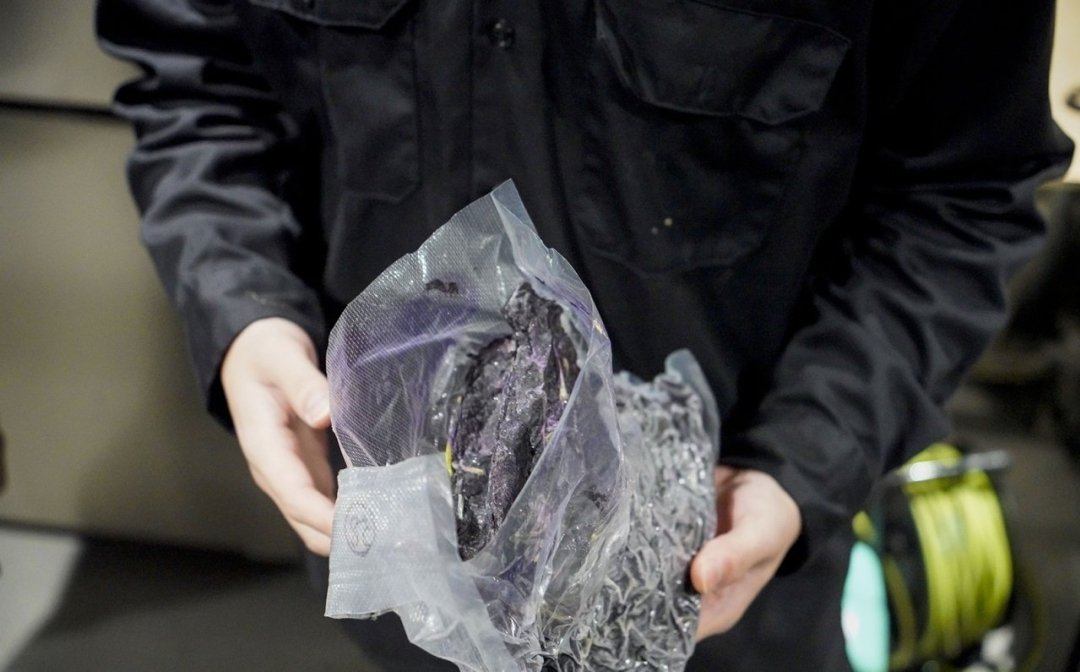
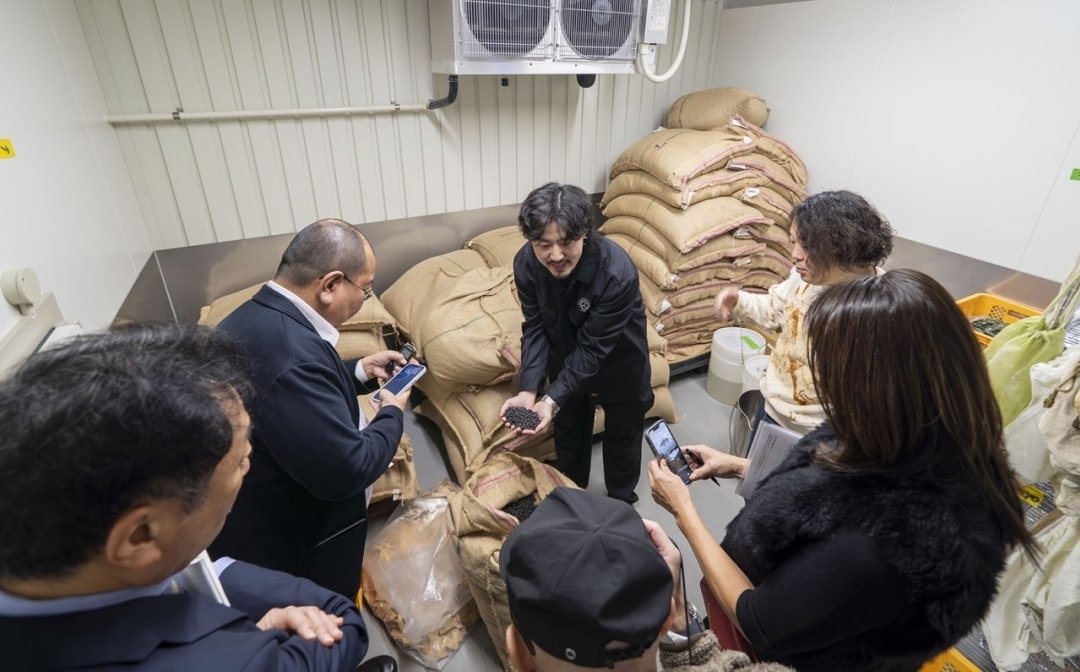
Refrigerated and frozen storage for botanicals is also extensive. Macedonian juniper berries, Kyoto red pine wood chips, fresh bamboo leaves—each is stored in optimal condition, awaiting distillation. When Endo crushes a juniper berry between his fingers, a vibrant aroma fills the air, mirroring the scent that permeates the space. Respect for the raw ingredients and the skill to bring them to life—only when both are present can a unique flavor be born.
Understanding the Brand's Depth Through Experience
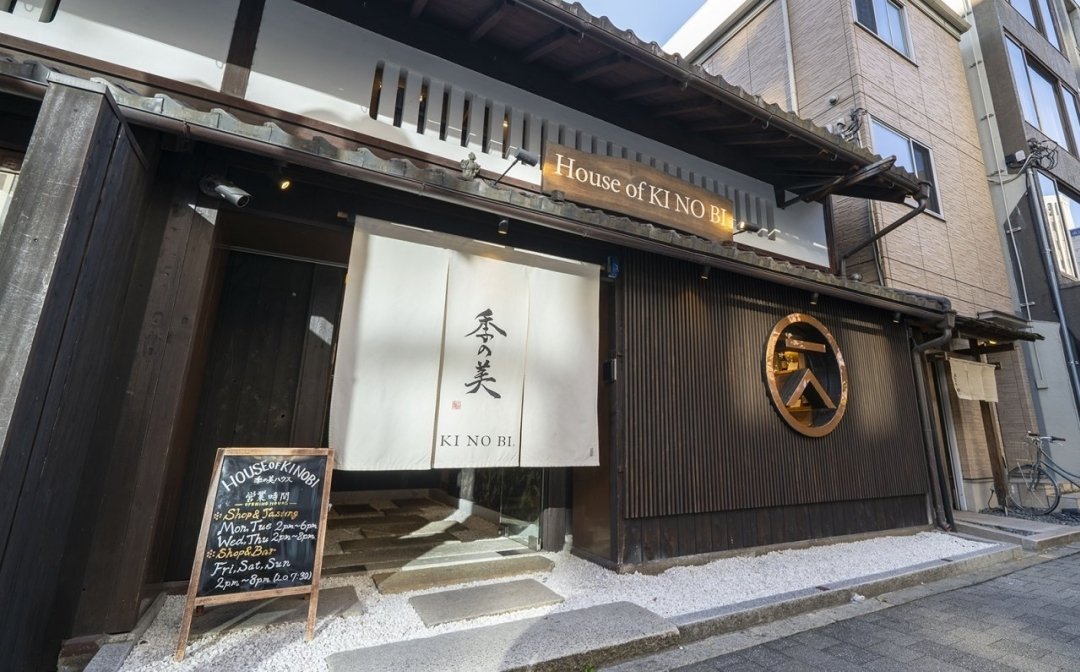
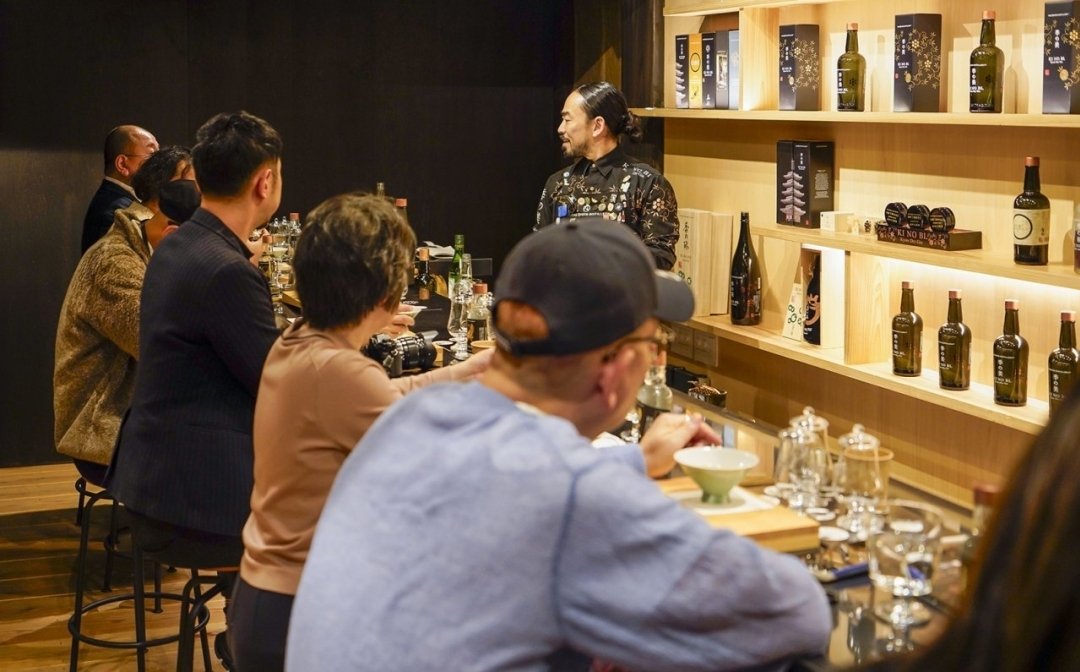
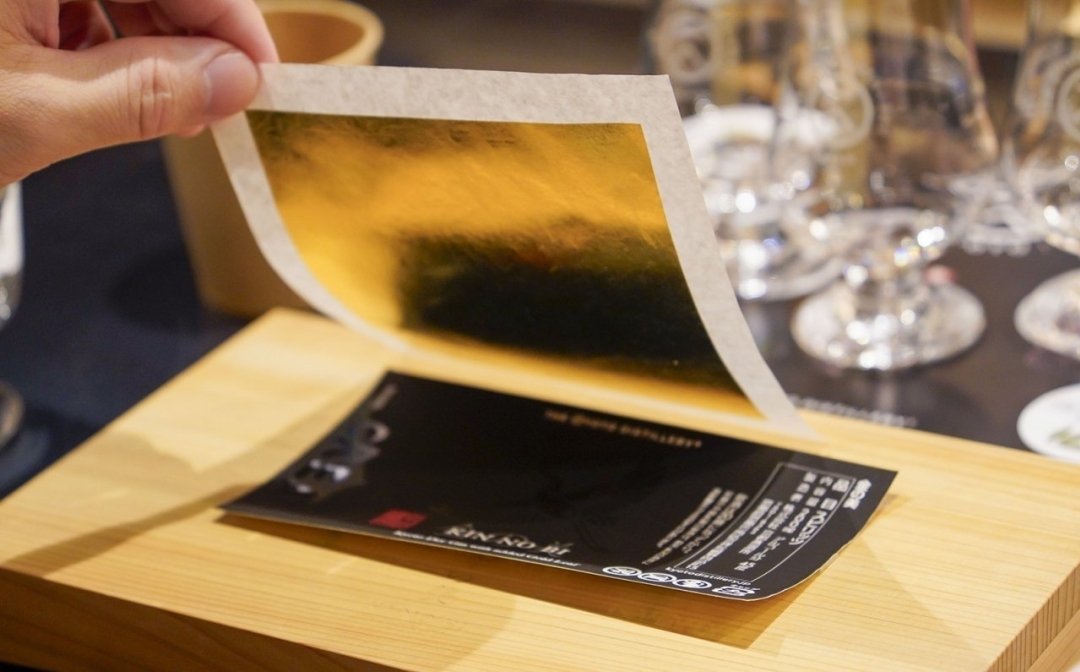
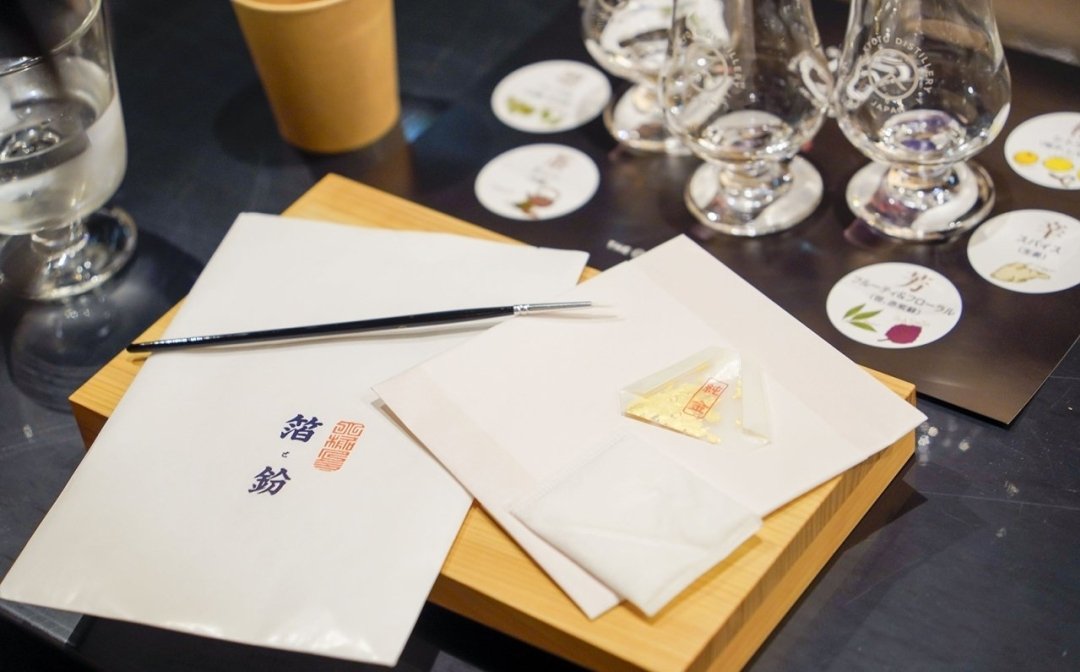
As of December 2025, the new distillery is not open for public tours. However, "The Chita House," the brand's home in Kyoto City, serves as a venue to experience the brand's world. On the first floor, featuring a bar and shop, and on the second floor, a seminar room, a collaborative program with "Horigane Kofun," founded in 1711, began in December 2025. Through workshops on creating mini-bottle labels and cocktail tastings, visitors can engage with the Kyoto craftsmanship that "The Chita" embodies.
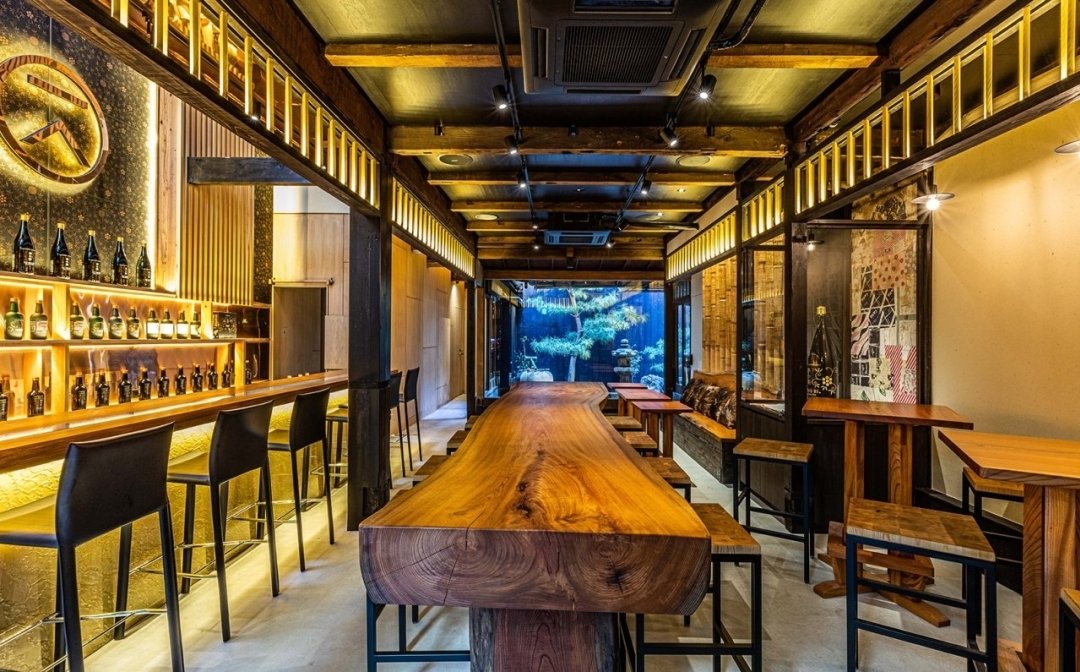
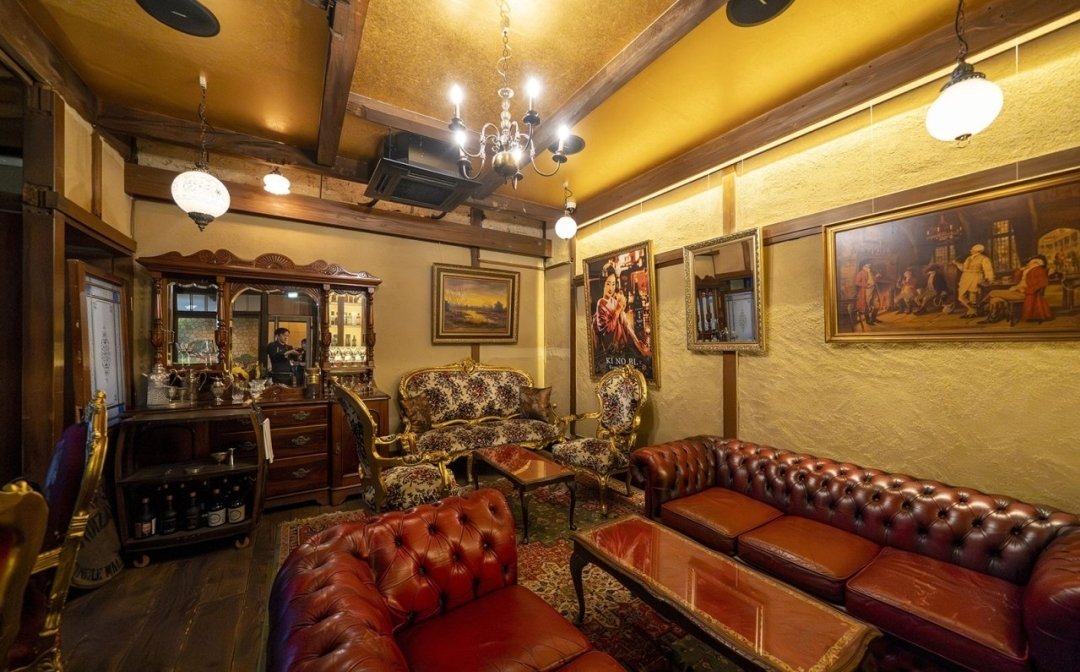
The relationship with Horigane Kofun began with the gold-leaf-infused "Kin no Bi" for the 3rd-anniversary celebration, followed by the Legacy Collection. Collaborations with Kyoto's traditional crafts, such as Nishijin weaving techniques and seasonal motifs, demonstrate that "The Chita" is not merely a spirit but a representation of cultural value.
An Experience of Rediscovery
At "The Chita House," I tasted "The Chita" anew. The aroma rising from the clear liquid poured into the glass was as pure as the wind blowing through Kyoto's mountains. The Japanese harmony woven by yuzu and sansho evoked the mist drifting through a bamboo forest. It contained the artisan's skill, Kyoto's aesthetic sensibility, and the brand's commitment to the future.
Why is "The Chita" chosen by the world? The answer to that question was undeniably present in the new distillery completed in Kameoka City. It extends beyond just exceptional taste. Even with a seven to eightfold increase in scale, they transport water from Fushimi. Even with the introduction of state-of-the-art equipment, they adhere to the production methods from their founding. Even with rising global demand, they do not compromise on Kyoto's craftsmanship—this consistent stance is the answer.
What does "premium" mean in the context of gin? It does not signify price or rarity. It is the purity of the philosophy the brand upholds. Uncompromising integrity resides in every drop. This is why bartenders and spirits enthusiasts worldwide continue to choose this gin born in Kyoto.
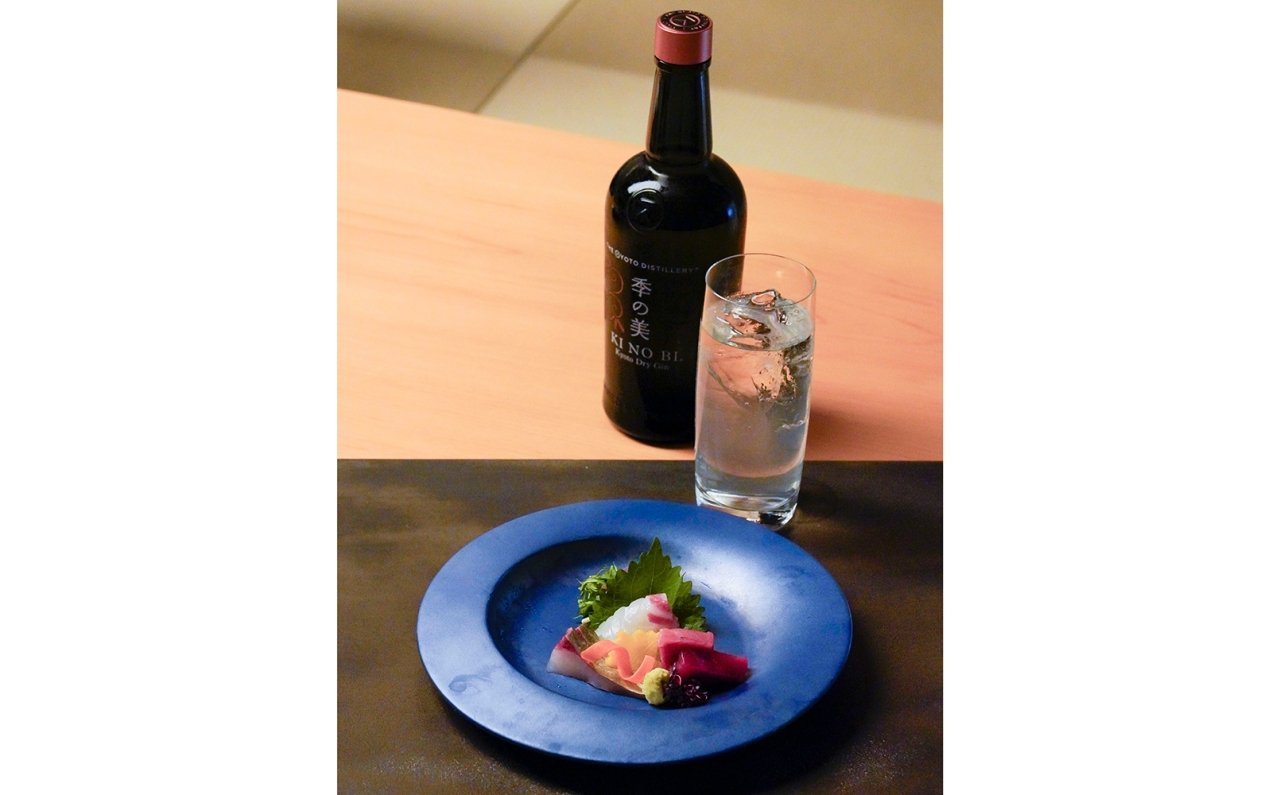
"The Chita Kyoto Dry Gin 700ml" ¥5,500 (Suggested Retail Price, incl. tax). With its 11 botanicals gently infused, "The Chita" also pairs perfectly with meals.
Click here to book a seminar at The Chita Househttps://www.tablecheck.com/shops/thehouseofkinobi/reserve
With the cooperation of
Kyoto Distillery, Pernod Ricard Japan
https://kyotodistillery.jp