It was here. The "afternoon tea that truly satisfies" I'd only dreamed of. La Maison de la Bergeronnette GINZA | EAT
EAT|La Maison de B
Cuisine Born from Dialogue with Ingredients, Free of Pretense or Artifice
La Maison de B (official name: La Maison de la Bergeronnette GINZA), which opened along Miyuki-dori, is a high-end establishment specializing in desserts and afternoon tea. It is a place where gourmands can experience the ultimate in culinary dedication, exploring what happens when every compromise is eliminated from ingredients to preparation.
Text by SUZUKI Fumihiko|Photographs by NAKAMORI Makoto
Afternoon Tea Is a Luxury
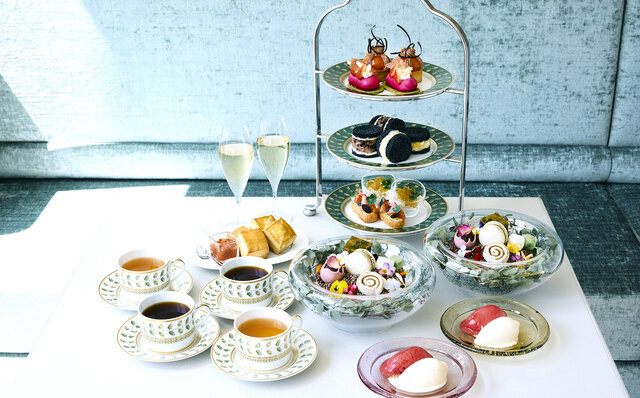
An example of La Maison de B's natural afternoon tea
Even in the 1870s, aristocrats owned 17% of farmland in Britain, and landowners, including 7,000 members of the royal family and nobility, owned four-fifths of the country. Socializing was an important task for them, and afternoon tea is said to have originated around 1840 as a social gathering for women of these classes.
A century and a half has passed since then. Socializing has become democratized and a part of work for commoners as well. And generally, some form of dining accompanies it, from the best to the worst. Dinners at high-class restaurants, standing cocktail parties, tea time at cafes... Woe betide those who focus solely on the pleasure of food and drink. Success in business will not come to you.
However, it is historically somewhat strange, but I have never been invited to "discuss business over afternoon tea," directly or indirectly. Is it because modern afternoon tea is incompatible with concepts like time efficiency or cost performance?
So, what do we seek when we have afternoon tea today? Is it not "luxury"?
Reflecting on this, I realize I have probably never experienced true luxury during afternoon tea. In most cases, I've thought, "Ah, I already know this," or "The restaurant probably kept it at this level to manage costs (whether for the customer or themselves)."
But that's understandable. There are circumstances in the world, and as one lives longer, experiences increase and the palate refines. Ideals are just that—ideals.
At La Maison de la Bergeronnette, a recently opened establishment in Ginza, my perspective changed. Here, I found true "luxury."
Parfait Aphrodite A parfait inspired by a garden, centered around organic green tea ice cream. Ingredients include kumquat, honey, ginger, summer orange, rose, strawberry, pepper, and herbs, all produced without chemical additives.
The Edge of Creativity
The quality of the food served is arguably on par with that of a three-star restaurant. What's interesting is that it's difficult to categorize its style.
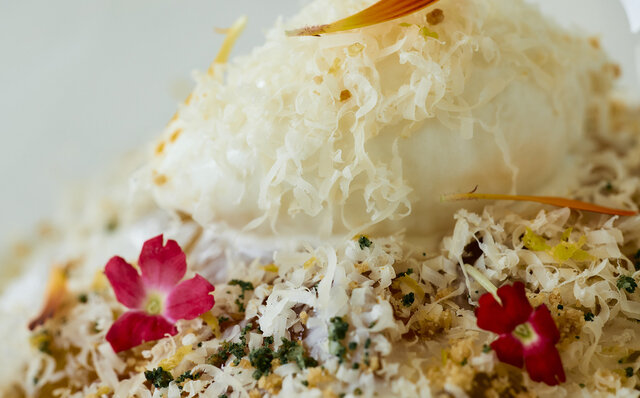
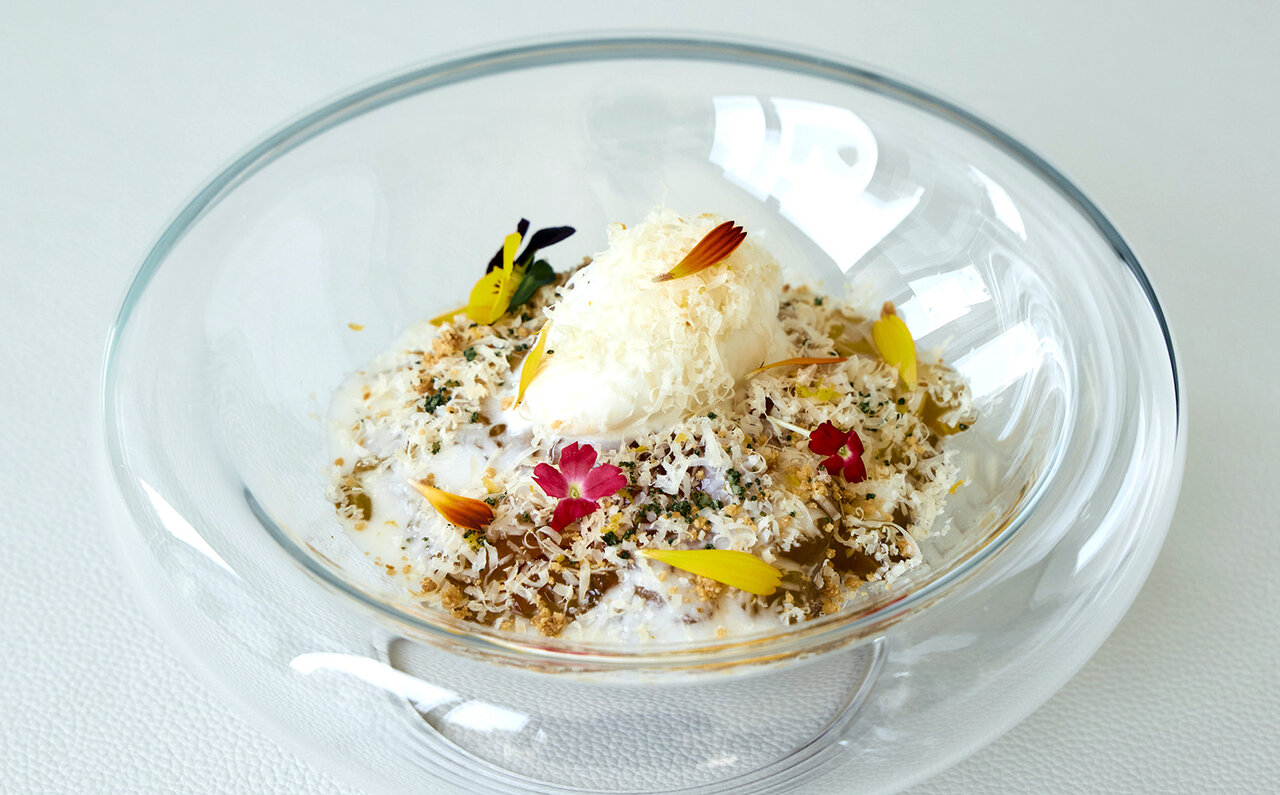
Assiette Dessert: New Potato and Beet Ravioli This resembles a dish but belongs to the dessert category. Ravioli with beet-infused anise dough are hidden beneath. The image is akin to beef. While unrefined organic sugar is used, the primary sweetness comes from potato, complemented by an ice cream made without emulsifiers and organic white chocolate. A jelly made with jasmine tea adds an Asian touch to this early summer dessert, with aged Comté cheese aged for 16 months in beeswax wrap sprinkled on top.
In the culinary world, the term "creation" is sometimes used for elaborate dishes, but it usually refers to a high level of technical achievement within a specific style, which is different from true creation. Or, it's simply a failure. French chefs rarely succeed outside of French cuisine, and sushi chefs rarely succeed outside of sushi.
"Chef Seki is someone who has no specific style; he's a blank slate."
Tomita Takuro, an entrepreneur who discovered Chef Seki of La Maison de la Bergeronnette, describes Chef Seki's style this way.
La Maison de la Bergeronnette serves dishes that defy style, or rather, common sense. For example, the cylindrical sandwich on the middle tier of the afternoon tea, named "Black Knight's Picnic," features grass-fed roast beef.
The "Black Knight's Picnic," also pictured in the afternoon tea photo at the beginning and available as a standalone order, includes grass-fed roast beef, egg salad, and a sandwich with seasonal vegetables—in spring, it's a mousse of rapeseed blossoms and garland chrysanthemum with a jelly of Shimanto chicken consommé. The bread is black, colored with bamboo charcoal.
As I casually brought it to my mouth, I paused at its complex aroma. Normally, sandwiches don't have such an aroma, and furthermore, the act of savoring an aroma rarely occurs with a sandwich, unless it's freshly baked bread.
Taking a bite, the flavor is dramatic. There's a progression from the initial taste to the middle, the end, and the lingering aftertaste. Even the saltiness, which is relatively easy to perceive, is precisely controlled, as if it's calculated exactly when each saltiness should appear. I was stunned, thinking, "They're doing this much for a sandwich..."
And the flavors offered here are consistently like this, in all aspects.
It's certainly imaginable that this is possible. Grasping the state of the ingredients at each moment, repeating trial and error, and correcting the discrepancies between the ideal and reality. That's likely all there is to it. It seems similar to the methods for making fine wines, coffee, tea, or mechanical watches.
However, even chefs in high-end Japanese or French cuisine would likely deem it too costly to control every dish with such precision, and would instead rely on bold flavors or the distinct characteristics of easily recognizable ingredients.
Here, those methods are foregone. Even if it's just desserts and afternoon tea, Chef Seki's dedication is remarkable, as is Tomita-san's pursuit of such excellence. With this level of execution, there's nothing more to say.
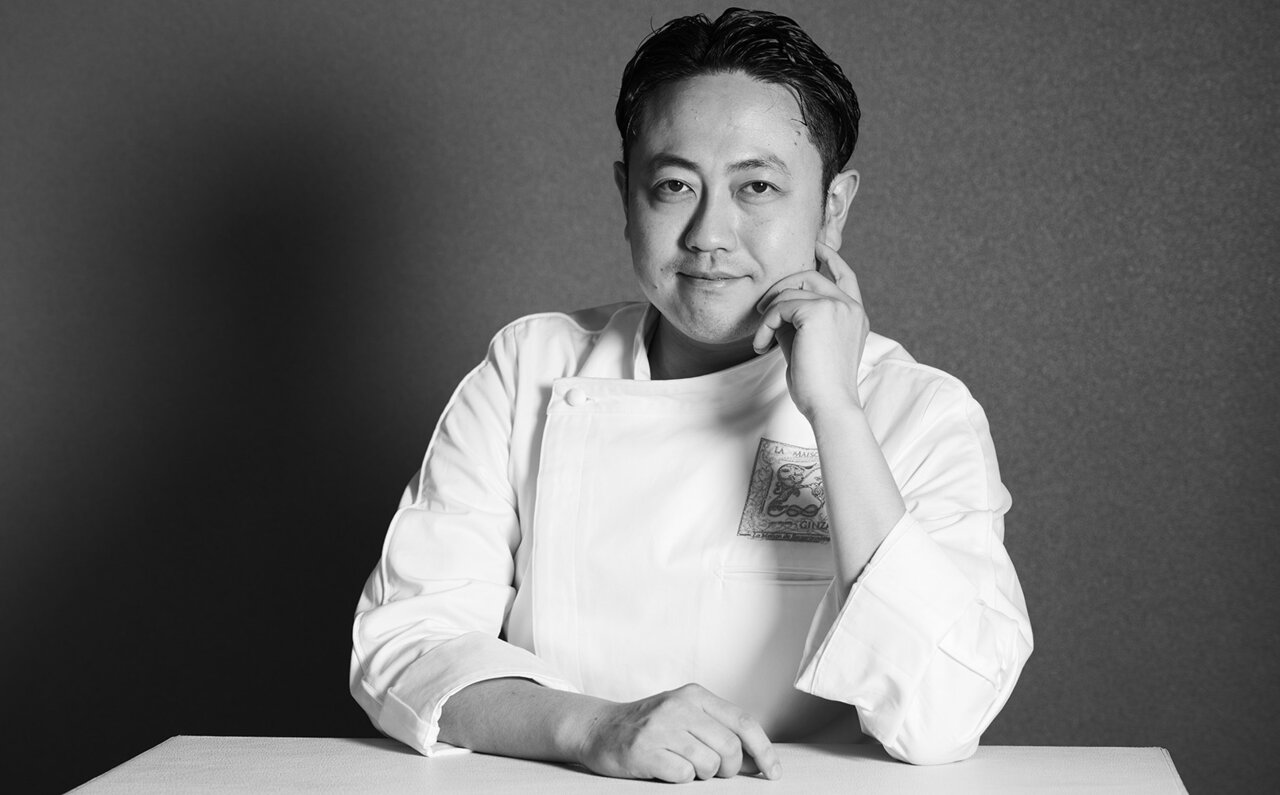
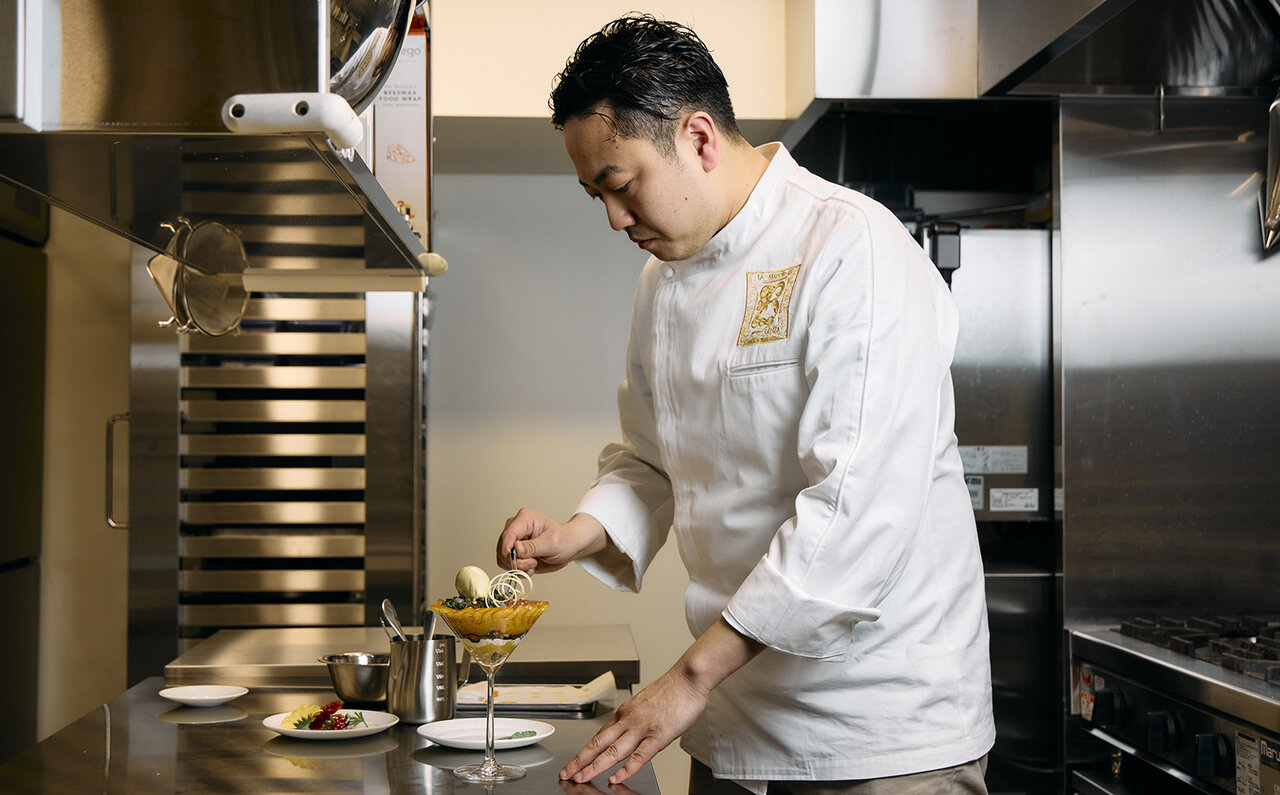
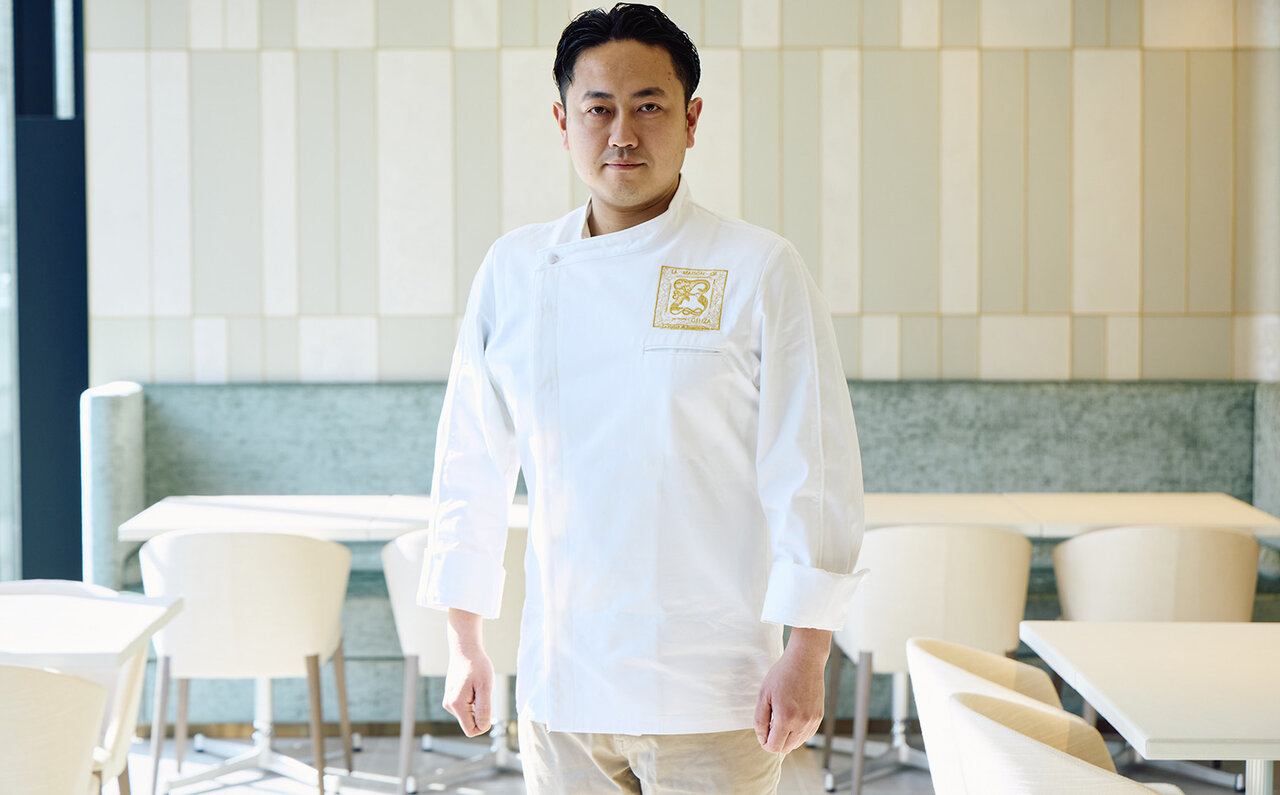
Chef Seki Keiri of La Maison de la Bergeronnette
A Fateful Encounter
The following is a bit of a side note, but it's natural to hesitate to enjoy high-end food at a restaurant run by someone you don't know, so I'll explain a little about this establishment.
La Maison de la Bergeronnette translates to "House of the Wagtail." It expresses the concept of using only natural ingredients, inspired by the White Wagtail, which prefers clear streams, while also referencing the auspicious Japanese myth of Kuniumi (the creation of the land).
Despite being in the city, the interior offers a remarkably quiet acoustic space. There are 24 seats. The walls are finished in plaster, the blue is Japanese paper, and the metal frames are hand-beaten. The tables are upholstered in fine leather.
Chef Keiri Seki was a loving boy who enjoyed making his family happy with his cooking, and he aspired to become a chef in his youth. However, as he studied, he found himself strongly drawn to desserts.
Katsuhiko Kawata, a historical figure in French patisserie in Japan, opened "AU BON VIEUX TEMPS" in Setagaya in 1981. The next generation, who were inspired by him, would go on to become top patissiers worldwide. Shigeki Shiotani, CEO of Rire Cook, who started his career at "AU BON VIEUX TEMPS," apprenticed under Kawata, and Keiri Seki's professional career began after gaining experience under stars like Jérôme Kervell of "Pâtisserie Cacao et l'Épinard."
I asked him, "It must have been a tough world, right?"
"I think I was weak. I often felt unsettled by the daily routine of living at the shop. My interest in cooking never waned, and eventually, I found myself working alternately in restaurants and patisseries."
However, he never considered leaving the food and beverage industry.
"This is the world I chose. The joy, the pleasure—I've always felt that there's nothing else I can do."
Later, with the idea that he should also learn authentic French cuisine in addition to desserts, he was working as the dessert chef at a French restaurant in Minami-Aoyama when Tomita-san visited as a customer. The simple pudding he served as dessert changed Chef Keiri Seki's life. Tomita-san, a successful programmer and CEO of several companies, also has the reputation of being a gourmand, with a food journalist mother. He describes that encounter as follows:
"Although my experience is limited, I've dined at many restaurants both domestically and internationally, and I was growing tired of dishes that felt contrived or overly calculated. Then, the pudding Chef Seki made surprised me with its utter lack of artifice. The ratio of egg white to yolk varies, so the recipe requires minute adjustments each time, and ideally, the cooking temperature should be finely controlled. But people don't usually do that, do they? Chef Seki did all of that. He was doing an incredible amount of meticulous work to honestly create delicious food."
It was love at first sight. He then sent Chef Seki effusive praise. From Chef Seki's perspective, it was out of the blue.
"Honestly, I wondered if it was true..."
He says. And understandably so. Someone who dines at top establishments worldwide is deeply moved by a simple pudding.
"But I was happy. My commitment to quality was instilled during my training, but after that, I studied on my own, using articles and YouTube, and repeatedly experimented by myself, yet no one ever acknowledged it."
That's understandable. No one would seek out such meticulous work from a business perspective.
From this fateful encounter, Tomita-san visited numerous renowned restaurants with Chef Seki and tasted countless exquisite dishes. From there, they developed Chef Seki's unique and original cuisine.
"Even now, when Tomita-san tastes something I've made, I'm so nervous I can barely stand it."
Chef Seki's name first gained recognition when Tomita-san's company, at the time an investor, managed the cafe within the "BARNEYS NEW YORK Ginza Main Store." The natural afternoon tea created by Seki there received the highest accolades in the Chiyoda and Chuo ward area, despite being the most expensive. Chef Seki's signature parfait, "Chocolate Kingdom's Sky Garden," made with generous amounts of rare Amazon cacao, became a huge hit, with many repeat customers.
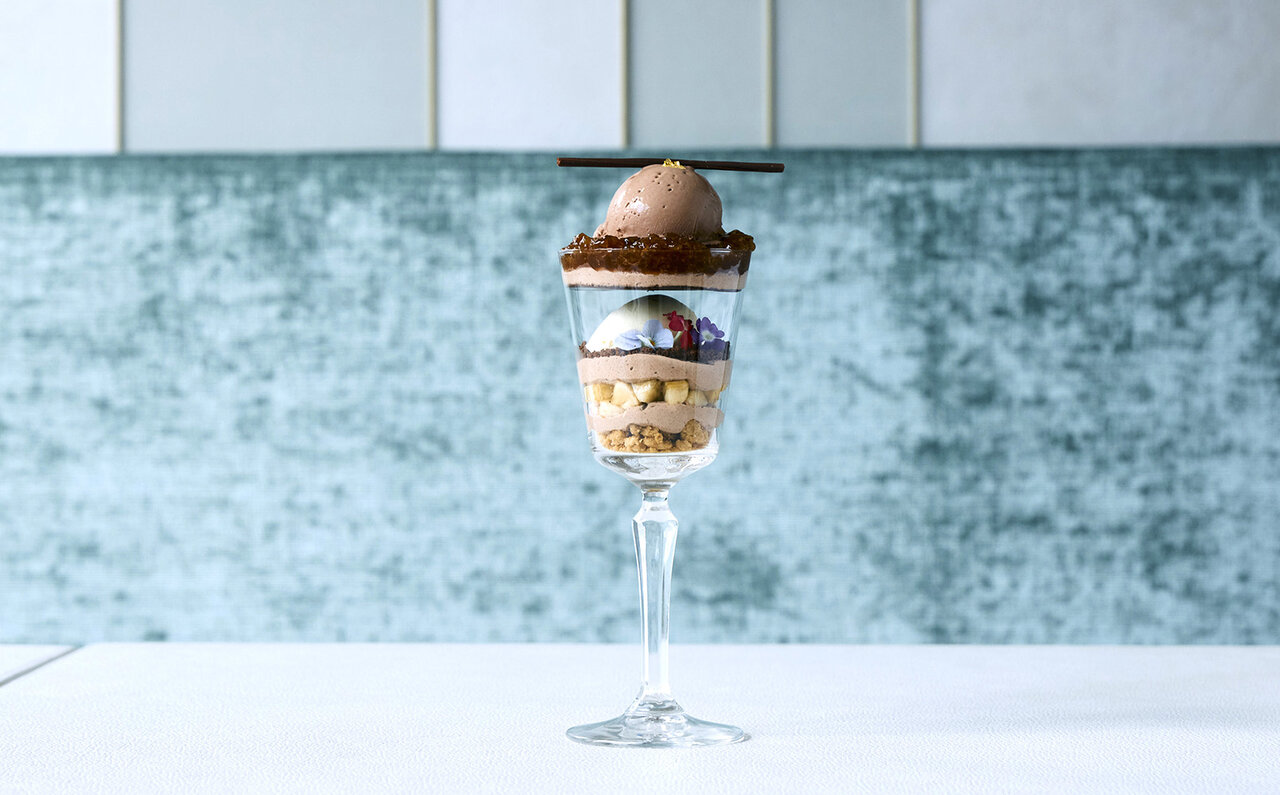
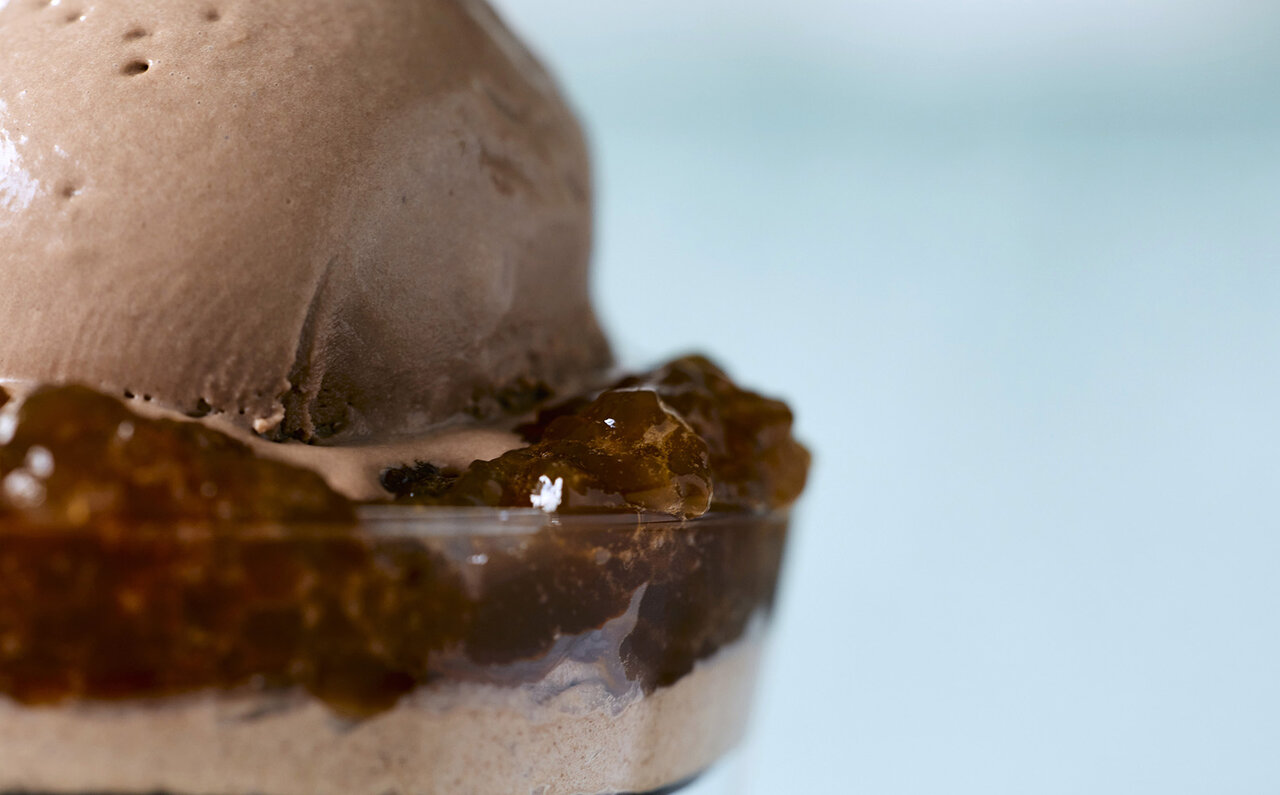
Chocolate Kingdom's Sky Garden A chocolate banana parfait made with rare Amazon cacao and Hareya (a relative of cacao, jam from Makambo), along with special bananas that grow wild in the remote Philippines. It contains minimal added sweetness, allowing the natural flavors of the ingredients to be fully appreciated. This is Chef Seki's signature dish, served at La Maison de la Bergeronnette.
Then, after a well-deserved independence from the Barneys New York cafe, La Maison de la Bergeronnette was born as a place where Seki could express his ideals to the fullest, with even more meticulous effort, time, and carefully selected ingredients.
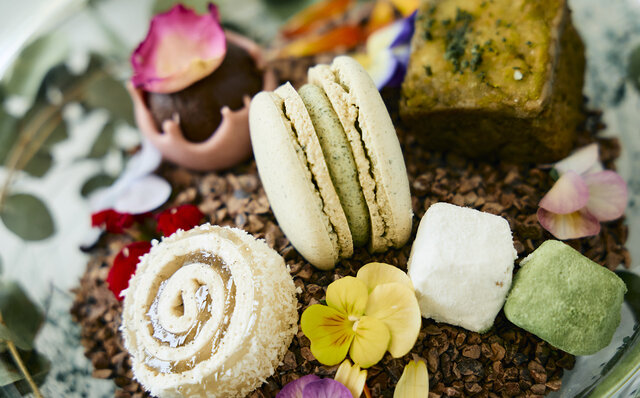
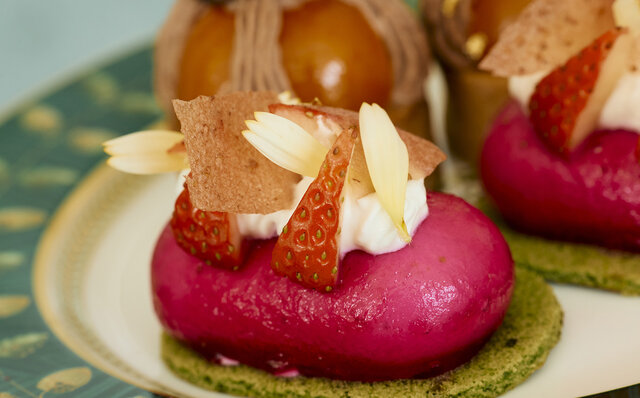
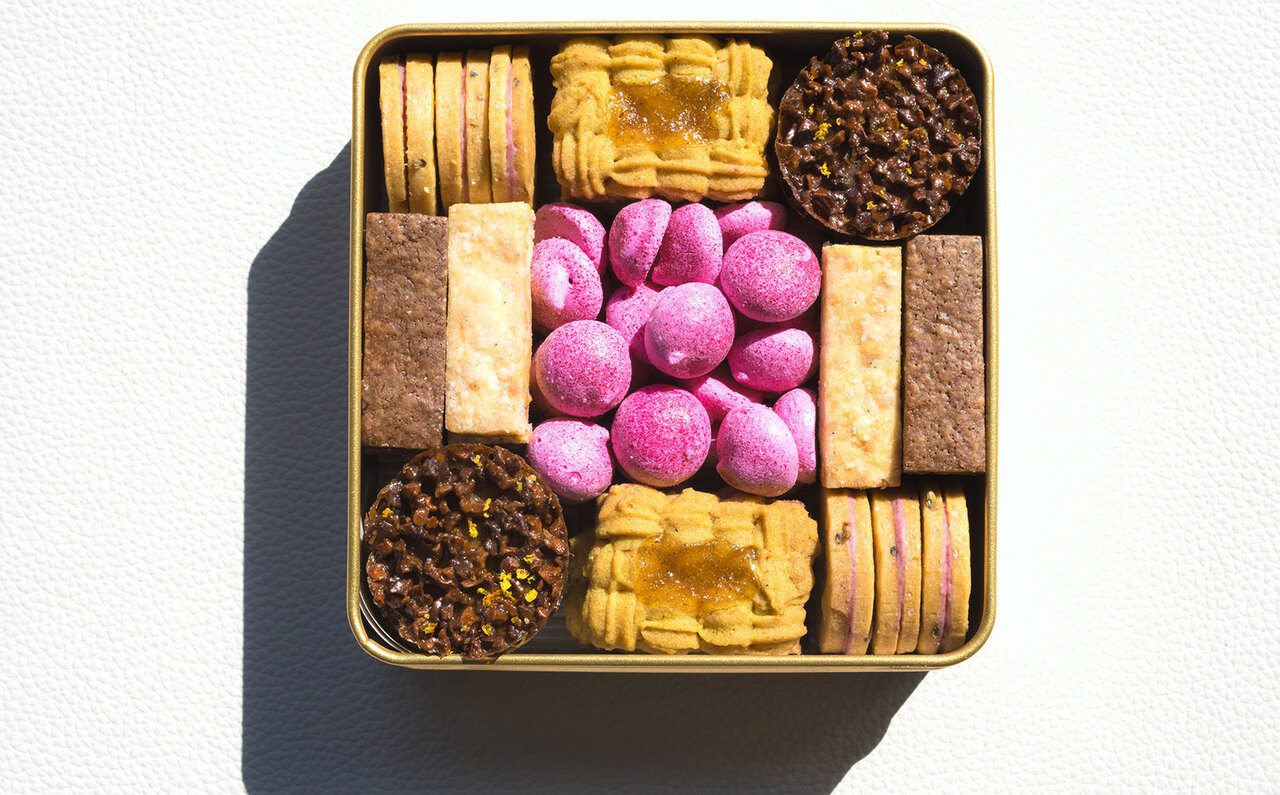
The sweets at La Maison de B are rich in aroma and vibrant in color, yet contain no artificial coloring or flavoring. The spring cookies made with beet and hibiscus are truly a jewel box of cookies.
Finally, I asked Chef Seki to express his style.
"With the utmost respect for the ingredients, I aim to sublimate and convey the history and efforts of the ingredients and their producers into the finest sweets. This philosophy remains unchanged whether I'm asked to create something for 100 yen or for a 1 million yen afternoon tea. Even with the same recipe, the choice of ingredients makes all the difference. I'm often told that my menu names are interesting, but I believe they are an essential part of the taste, necessary to convey the story behind the creation of each dish or sweet. I study every day, meet new producers, and feel there is always more I can do, more to explore. As La Maison de la Bergeronnette, I will continue on this path. Through my sweets, I hope that as many customers as possible can feel the wonder of nature through taste."
LA MAISON DE B Location|5-5-12 Ginza, Chuo-ku, Tokyo HULIC&New GINZA MIYUKI5 9F Business Hours|Tuesday-Sunday 11:00-20:00 Closed|Mondays Reservations required
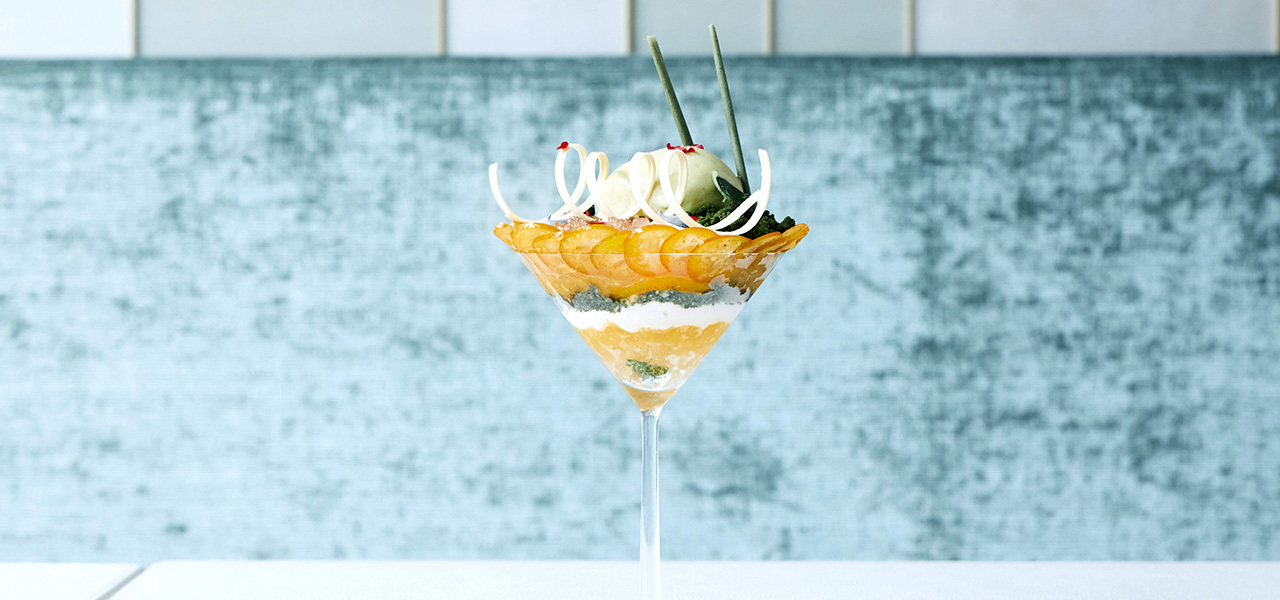
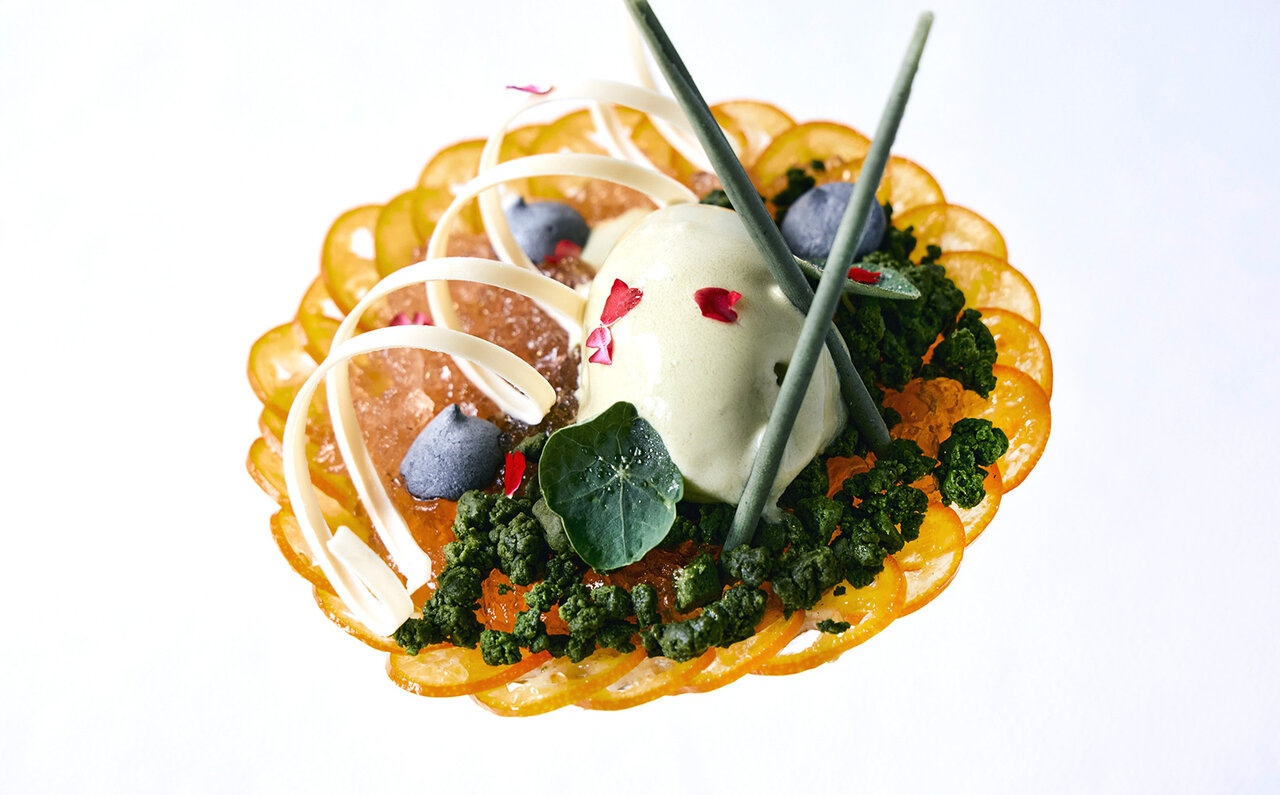
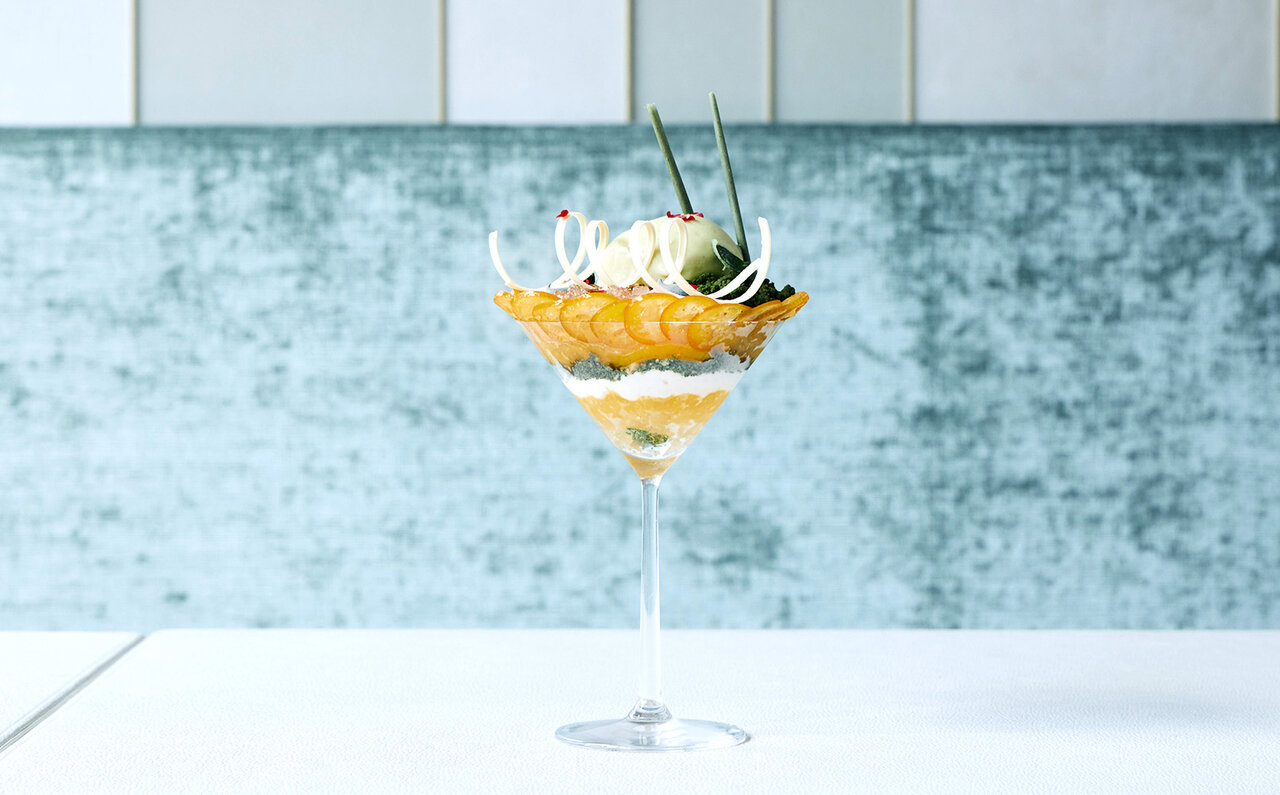



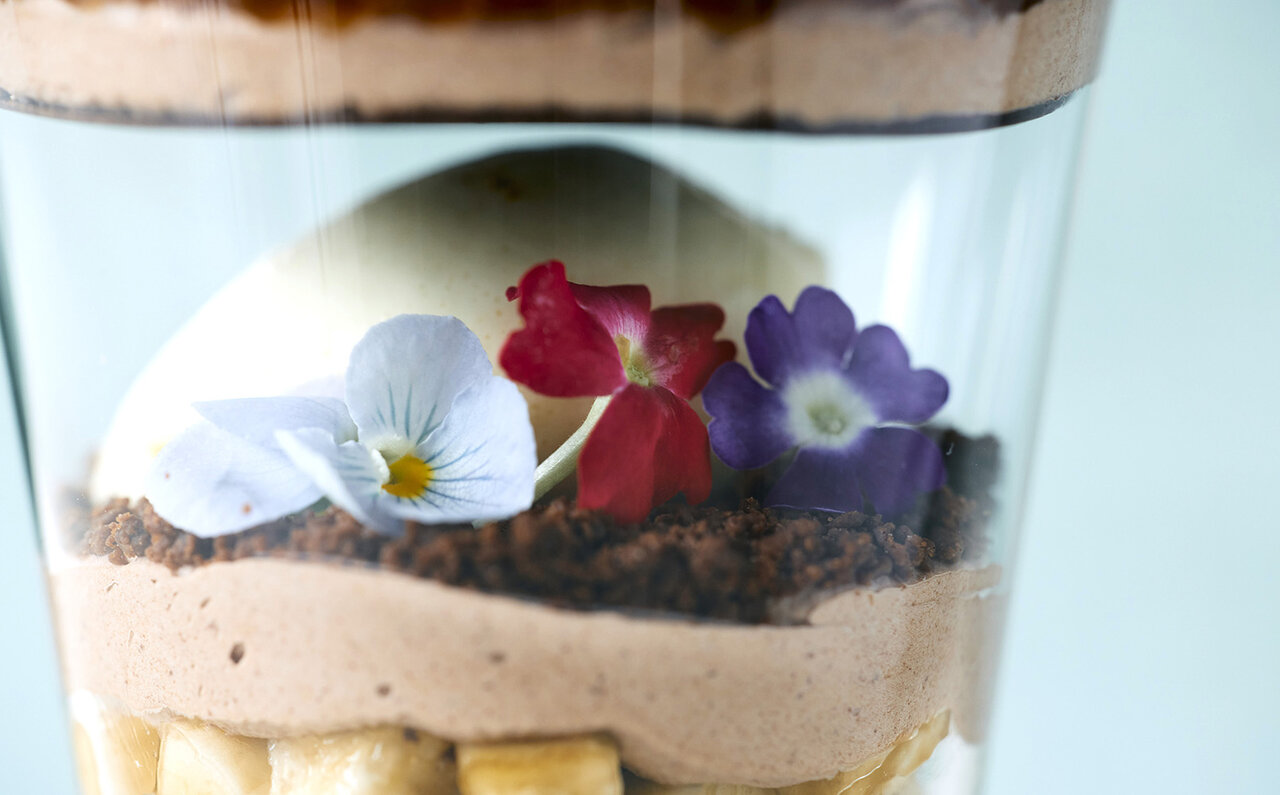
A parfait inspired by a garden, centered around organic green tea ice cream. Ingredients include kumquat, honey, ginger, summer orange, rose, strawberry, pepper, and herbs, all produced without chemical additives.