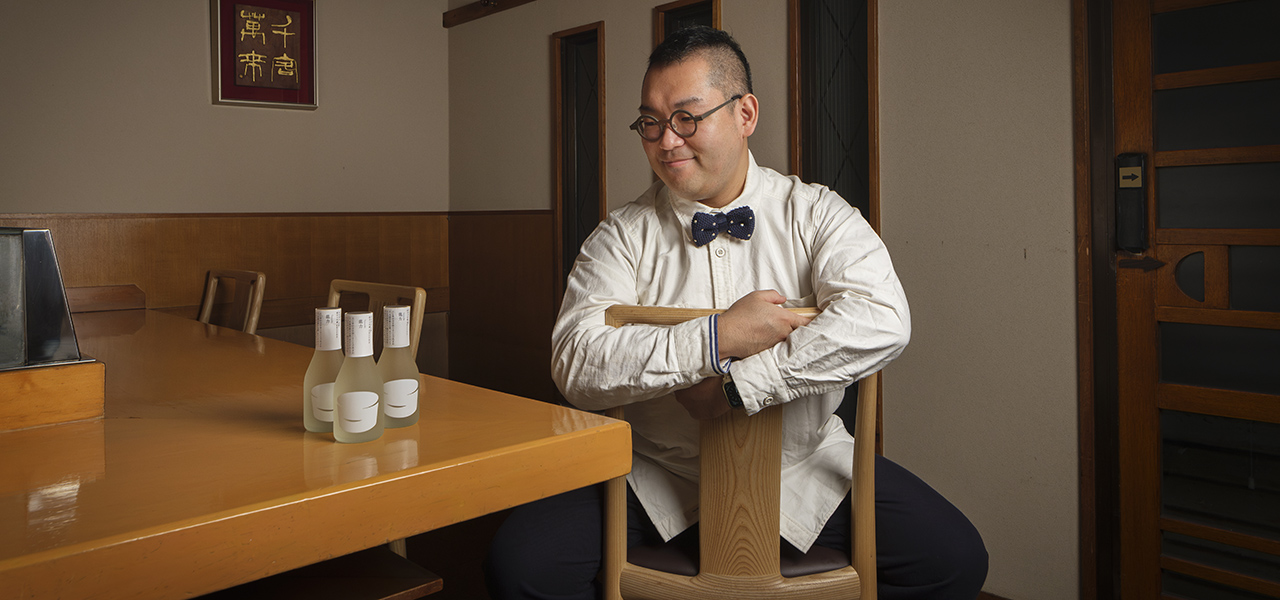
Yuji Yamauchi. Fourth-generation owner of "Sushi Hatsuyoshi" at Yushima Tenjin Shita. Winner of the
Low-temperature aged sake, now capturing attention for redefining the standards of Japanese rice wine.
LOUNGE | Low-Temperature Aged Sake
In recent years, the ways to enjoy Japanese sake have become increasingly diverse. From savoring the crisp aromas of ginjo sake to appreciating the rich umami of junmai sake, the appeal of Japanese rice wine is being rediscovered from various perspectives. Amidst this, "low-temperature aged sake" is quietly but steadily gaining attention.
Photographs by OHTAKI Kaku | Edit by TSUCHIDA Takashi
What is Low-Temperature Aged Sake?
While the relationship between sake and aging is ancient, traditional aging has primarily been conducted at room temperature. Mr. Yuji Yamauchi, the fourth-generation owner of "Tenshin Sakashita Sushi Hatsu," explains its history:
"It was rare to use refrigeration equipment for storing Japanese sake back then. Conversely, thanks to the establishment of cold chains, we became able to sell nama-zake (unpasteurized sake) far from its origin."
Cold chain refers to refrigerated distribution. Until then, nama-zake, which could only be enjoyed in the brewery's local area or via special hand-carry, became available nationwide, and sake breweries began to recognize the value of low-temperature storage.
"Sake breweries also started to be equipped with considerable refrigeration facilities. This has been the case for about 20 to 30 years," says Mr. Yamauchi.
Traditional aged sake was stored at room temperature or in relatively cool places within the brewery. In contrast, low-temperature aged sake refers to sake aged for extended periods under strict temperature control below 10 degrees Celsius. This classification by temperature range is defined by the "Toki Sake Association."
Furthermore, according to Mr. Yamauchi, there are two types of aging: "chemical aging" and "physical aging." Chemical aging is the process of substances undergoing changes over time. The browning of sake due to the Maillard reaction falls into this category. Physical aging, on the other hand, is a process related to the smoothness of the liquid, involving changes in ethanol hydration and electrostatic interactions, and it tends to progress more in low-temperature environments where molecular motion is limited.
"The value of low-temperature aging is that it can create a sake with an even smoother mouthfeel, without losing the delicate characteristics inherent to Japanese sake," explains Mr. Yamauchi.
The Background of Low-Temperature Aged Sake's Growing Popularity
The success of Kuro-ryu's "Ishidaya" and "Ni-zaemon" is cited as a reason for the growing attention to low-temperature aged sake. These sakes, made from undiluted sake aged for about three years at -5 to -10°C, gained popularity for their clear color and taste, which set them apart from conventional aged sakes.
The influence of aging culture in whiskey and wine is also significant. The Western concept of "the quality of aged beverages" has also permeated the world of Japanese sake.
"Everyone knows that the longer aging period means higher value, like with Yamazaki 12-year-old versus 18-year-old whiskey, right?" points out Mr. Yamauchi.
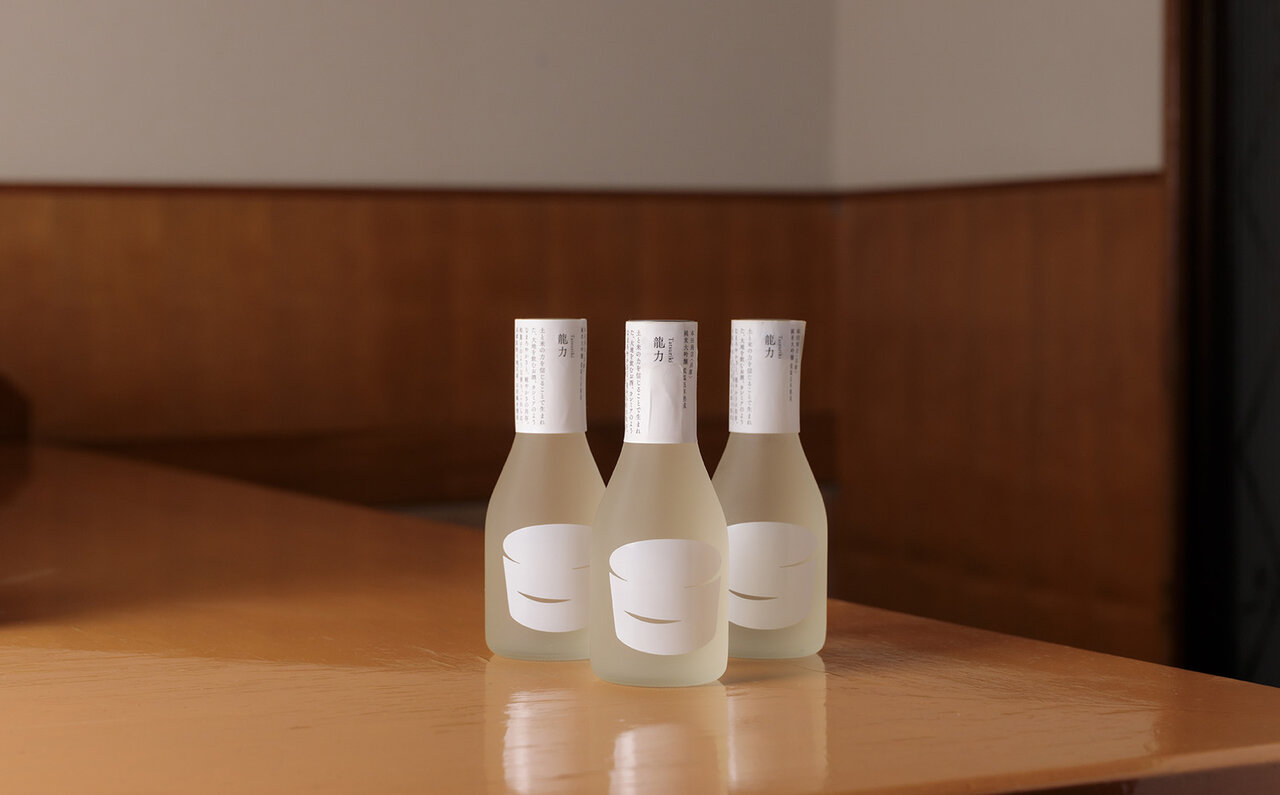
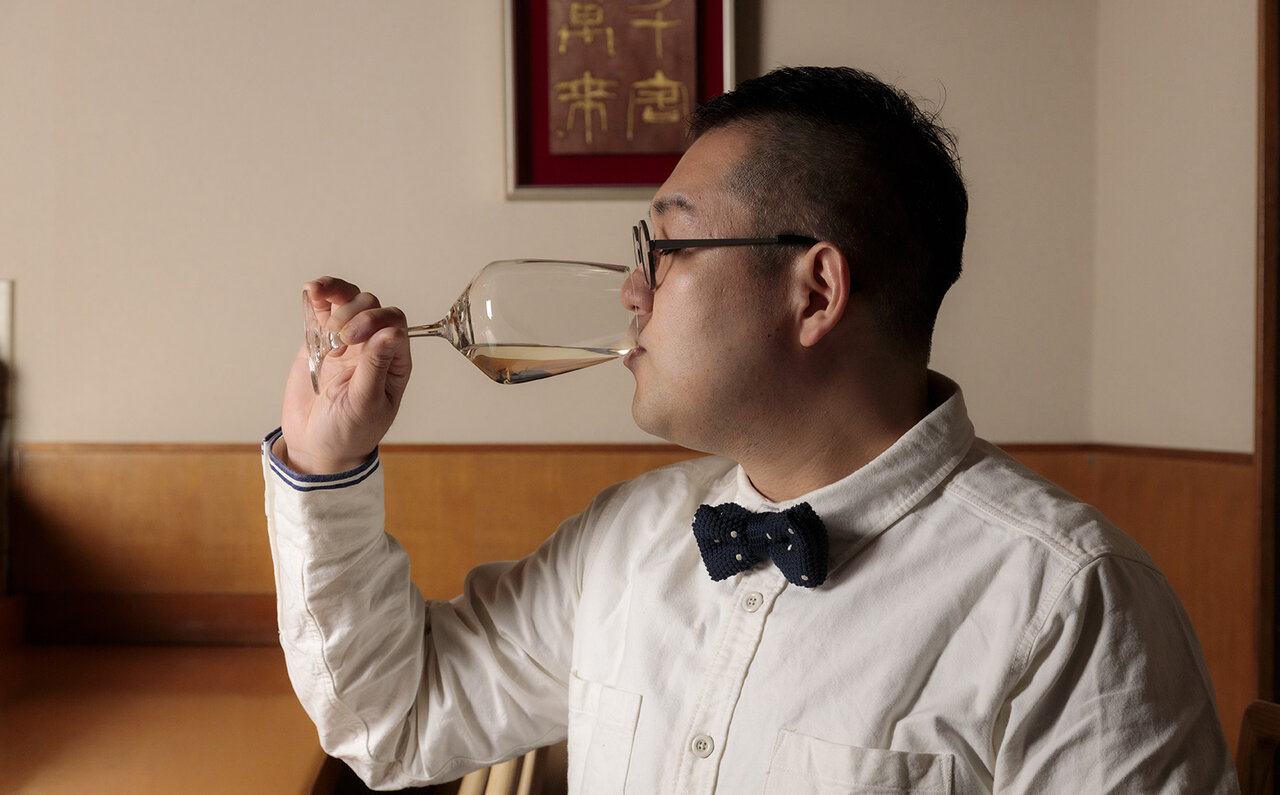
During the interview, the conversation progressed while tasting a low-temperature aged sake from the Hyogo prefecture brewery, "Ryokuryu."
"The ginjo aroma (ethyl caproate) still remains subtly here. This particular brand is aged at minus 3 degrees Celsius, which allows for this condition. Ethyl caproate would normally disappear within about a year if not kept at around minus 3 degrees."
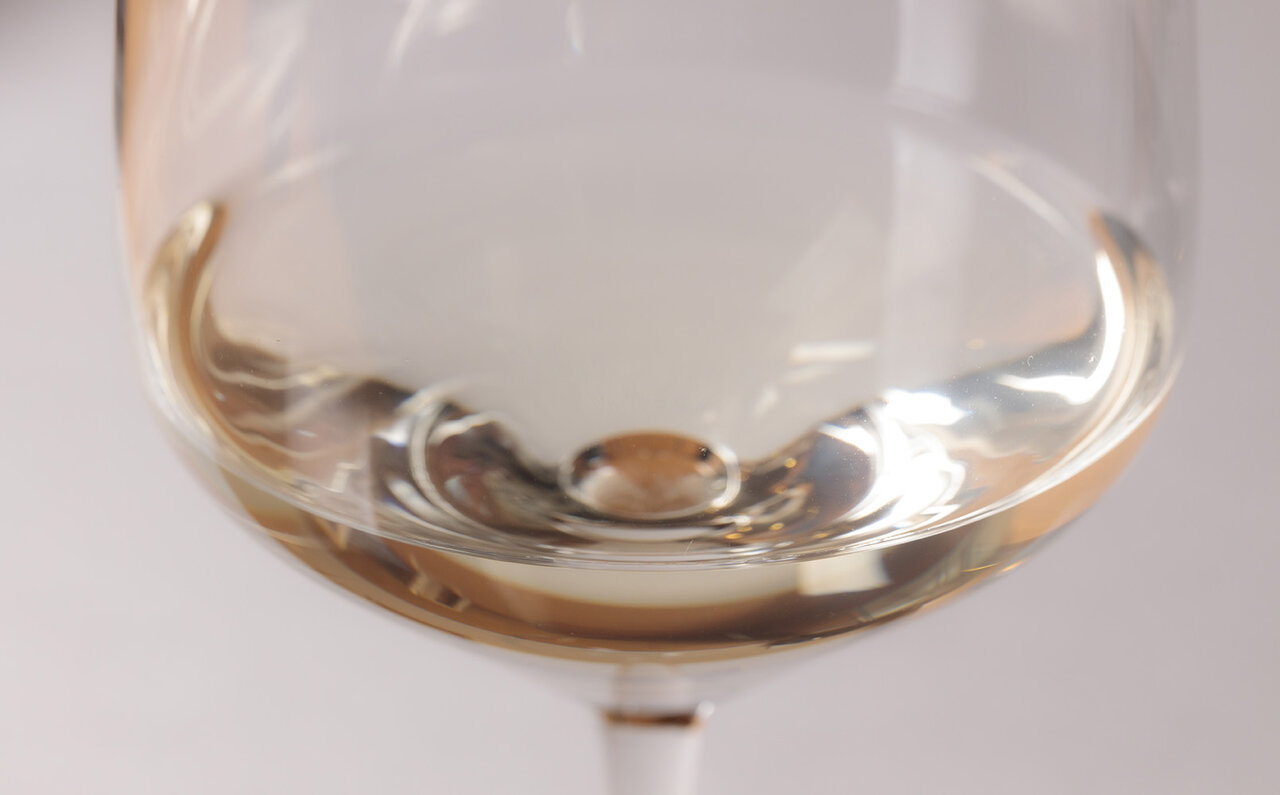
Regarding the flavor, Mr. Yamauchi describes it as "like apple pie" and "like rice pudding with a side of hazelnut cream." Low-temperature aging is characterized by its ability to preserve such delicate nuances.
Incidentally, the ideal temperatures for storing and drinking low-temperature aged sake differ.
"Actually, after purchase, I think storing it in the refrigerator is fine. However, if you plan to age it for more than six months after purchase, a slightly lower temperature would be better."
As for drinking temperature, he states, "Around 15 to just under 20 degrees Celsius is the temperature range where this sake exhibits its full potential." This is a temperature range close to that of red wine.
"If you drink it at lower temperatures, the rice pudding and hazelnut aromas that are currently prominent will seem somewhat subdued, as if the floral notes are still closed."
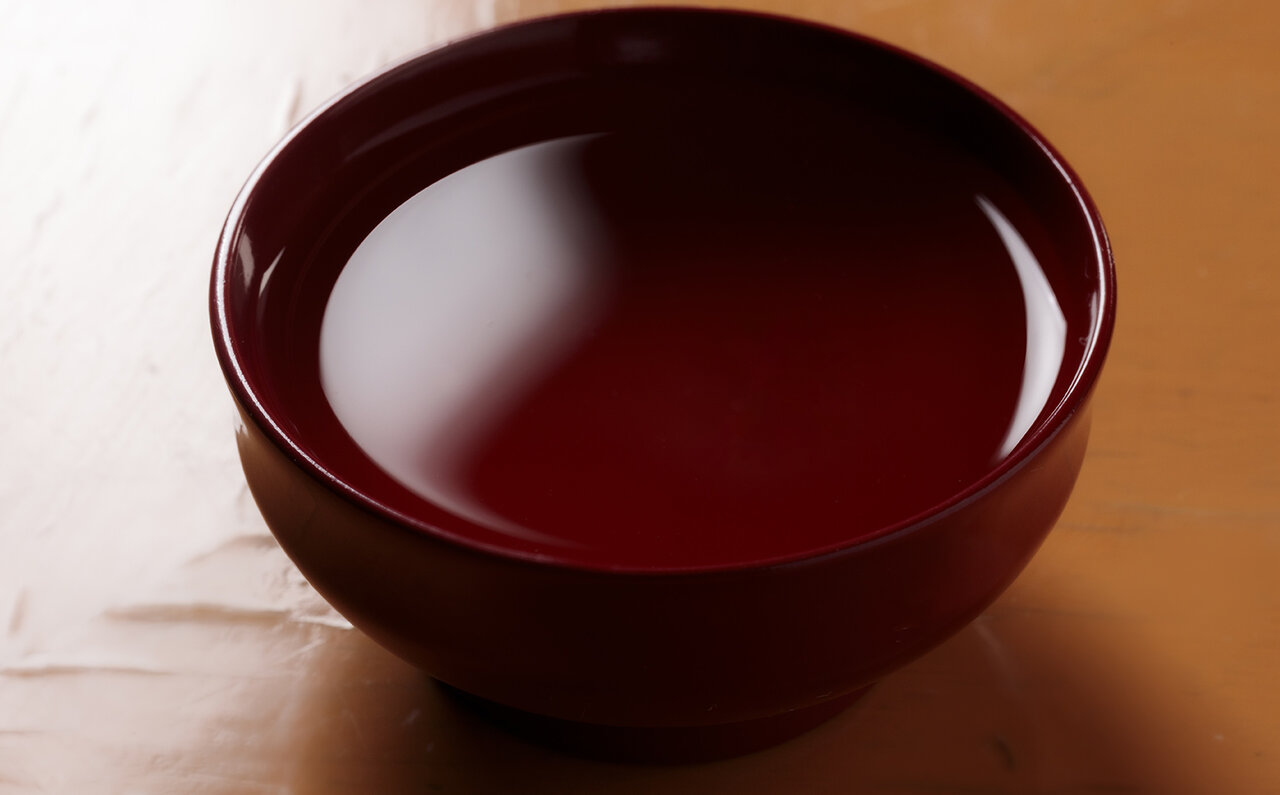
Furthermore, the taste changes significantly depending on the material of the vessel. Mr. Yamauchi recommends drinking it from lacquerware.
"It's called crossmodal perception, where the visual impression a person has is also perceived by the tongue. Elements like the smoothness of the tactile sensation when lips touch, or the gentle woodiness of the visual appearance, resonate with the sense of taste."
The Future and Potential of Low-Temperature Aged Sake
Low-temperature aged sake holds the potential for creating new value in Japanese sake. Mr. Yamauchi speaks about its prospects in the international market:
"How much value we place on time through aging is something that people outside of Japan are more accustomed to, and I believe they have a history of nurturing such value."
Moreover, low-temperature aging technology could become a unique strength for Japan. When asked about overseas cold chain distribution systems, Mr. Yamauchi replied:
"Overseas, they don't really have the distribution infrastructure for low-temperature zones, meaning chilled zones. Wine doesn't require the same low-temperature environment as Japanese sake. Neither does beer. Currently, only Japanese sake requires such a distribution system."
Low-temperature aging goes beyond a mere preservation technique; it holds the potential to bring new value dimensions to Japanese sake. Mr. Yamauchi points out the international competitiveness of Japanese sake:
"For example, there's a movement to create further value by aging it in a designated location and clearly documenting the aging log."
This perspective brings a concept akin to wine's terroir to Japanese sake, suggesting the possibility of creating unique value. The individuality born from the place and method of aging will likely become a new appeal for Japanese sake in the future.
Low-temperature aged sake is garnering attention as a new approach that expands the possibilities of Japanese sake. Its delicate flavor and smooth mouthfeel set it apart from conventional aged sakes, and it is certain to offer new discoveries not only to sake enthusiasts but also to those who have not previously been familiar with Japanese sake.
Furthermore, Mr. Yamauchi's proposed initiative of "delicately aging delicate items at low temperatures" will likely contribute to enhancing the international reputation of Japanese sake. As Japanese cuisine gains popularity worldwide, such unique techniques and values will undoubtedly become crucial elements in conveying the depth of Japanese food culture.