151E: A Curated Selection of Teas and Japanese Sweets from Kyushu's Seven Prefectures
151E | Ichigo Ichie
The Joy of Choosing Tea by Prefecture from Kyushu's Seven Prefectures
Tea and Japanese Sweets Select Shop "151E" Opens
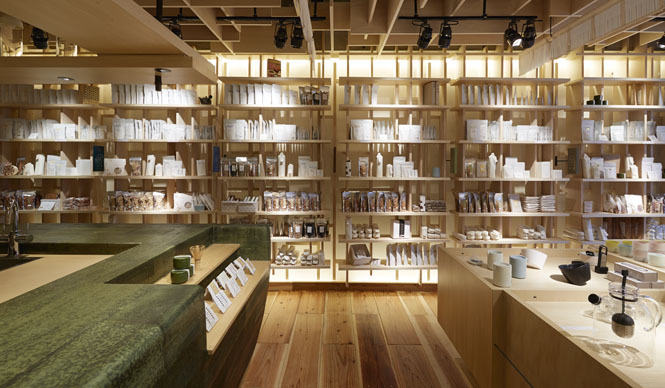
In Fukuoka's Kego, on Shoninbashi Street, a select shop named "151E (Ichigo Ichie)" has opened, offering carefully chosen teas (Japanese green tea, Japanese black tea, roasted tea) produced in Kyushu's seven prefectures, along with sweets that enhance the tea-drinking experience.
Text by KAJII Makoto (OPENERS)Photographs by YAMAMOTO Ikunori
Enjoy Kyushu's Japanese Teas from Various Perspectives
"151E (Ichigo Ichie)" is a select shop for Kyushu teas, named after the spirit of "ichi-go ichi-e" (once-in-a-lifetime encounter) from the tea ceremony. It features teas from Kyushu's seven prefectures, including Kagoshima, which ranks second in national production.
Tea appraiser Yasuya Yamashina has selected high-quality products from Yame (Fukuoka), Ureshino (Saga), Sechibaru (Nagasaki), Gakuma (Kumamoto), Bungo-Ono (Oita), Takachiho (Miyazaki), and Chiran (Kagoshima). The lineup includes unique teas made with different methods, such as sencha, fukamushi-cha, and kamairi-cha.
The accompanying Japanese sweets include karinto from Kyushu's seven prefectures, as well as regional sweets made with ingredients like cream cheese (Fukuoka), lotus root (Saga), potato (Nagasaki), chestnut (Kumamoto), yuzu pepper (Oita), kumquat (Miyazaki), and purple sweet potato (Kagoshima). For teaware, they offer tableware that transcends the boundaries of Japanese tea, such as espresso cups and mugs from the new Arita porcelain brand "1616 Arita Japan" by designer Teruhiro Yanagihara, and tea-related items originating from Northern Europe.
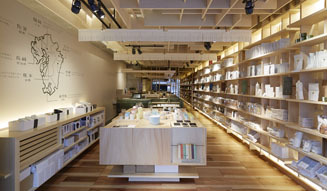
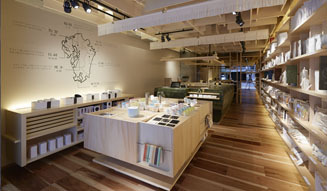
The packaging for the teas and sweets in the store features a unified original design created in collaboration between "151E" and each production region or manufacturer. This packaging is simple and novel, unlike traditional Japanese tea packaging. The colors for each prefecture are inspired by the colors of the "prefectural birds" of Kyushu's prefectures and also serve as the symbolic colors of 151E.
<Teas from Kyushu's Seven Prefectures>
Saga Ureshino Tea "Gyokurocha": A green tea that combines the fragrant aroma of kamairi-cha with the mellow depth of green tea.
Oita Bungo-Ono Tea "Sencha": A green tea grown in the bountiful mountains of Bungo, receiving ample sunlight and finished with open-air cultivation.
Fukuoka Yame Tea "Sencha": A high-quality green tea with a sweet aroma and elegant mouthfeel, leaving a pleasant umami taste despite its refreshing flavor.
Fukuoka Yame Tea "Kan-cha": A green tea made using the gyokuro production method, offering a supreme flavor when brewed like sencha.
Nagasaki Sechibaru Tea "Gyokurocha": A tea that balances bitterness, astringency, and sweetness while preserving the fine aroma of the tea leaves.
Kagoshima Chiran Tea "Fukamushi-cha": A tea as refreshing as the wind that blows across Chiran's vast tea fields.
Miyazaki Takachiho Tea "Kamairi-cha": A traditional kamairi-cha, carefully processed in small batches in misty mountain foothills and pan-fired in high-temperature iron pots.
Kumamoto Gakuma Tea "Gyokurocha": A green tea from Gakuma, nurtured in scattered tea gardens on sunny mountain slopes, embracing the blessings of nature in every cup.
Kagoshima Yakushima Tea "Wakocha": Japanese black tea produced and manufactured in Japan using Japanese tea varieties.
Kagoshima Shibushi Tea "Aki Bancha": An autumn-picked bancha, meticulously cultivated in tea fields overlooking the Ariake Sea.
Fukuoka Yame Tea "Organic Hojicha": A fragrant and deeply flavorful roasted tea, fired using a unique method from carefully cultivated organic tea leaves.
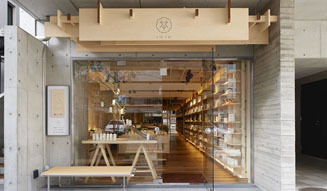
"151E (Ichigo Ichie)"
1-15-51 Kego, Chuo-ku, Fukuoka 810-0023 La casa di ORTO 1F
Tel. 092-982-0826
Opening Hours | 11:30 - 19:30
Closed Tuesdays
http://www.151e.biz
Overall Production | planning ES