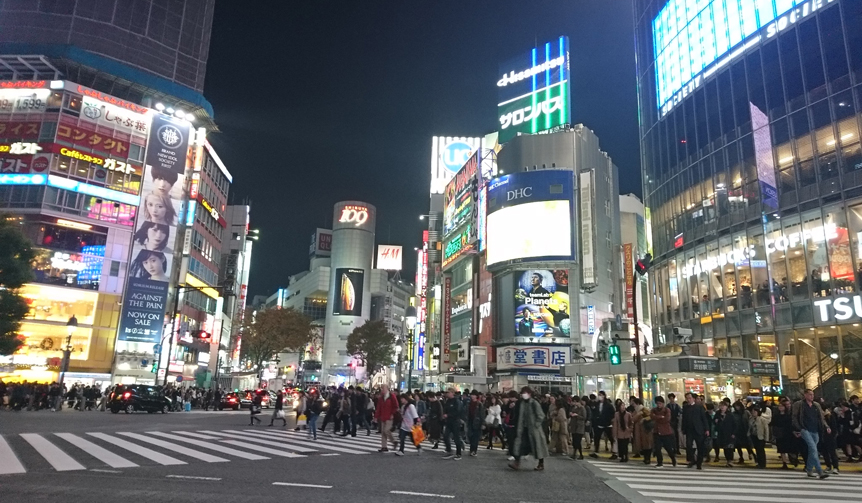
Essay Series: #ijichiman's Musings, Part 4 - Shibuya, A City That Offers Playgrounds for Every Age
Essay Series: #ijichiman's Musings
Part 4: Shibuya, A City That Offers Playgrounds for Every Age
“To insist solely on the safety and security of the body, without questioning the life or death of the soul or spirit, is wrong” (Yukio Mishima) – In this series by Yasutake Ijichi, a board member of Sunshine Juice, Japan’s first cold-pressed juice specialty store, he delves into the city’s diverse, human-centric offerings, exploring their history, evolution, customs, and culture, which stand in stark contrast to the ultimate healthiness of Sunshine Juice. Part 4 introduces ways to explore Shibuya.
Photographs and Text by IJICHI Yasutake
A City That Welcomes Every Generation with Diverse Offerings, Regardless of Changing Times and Appearances
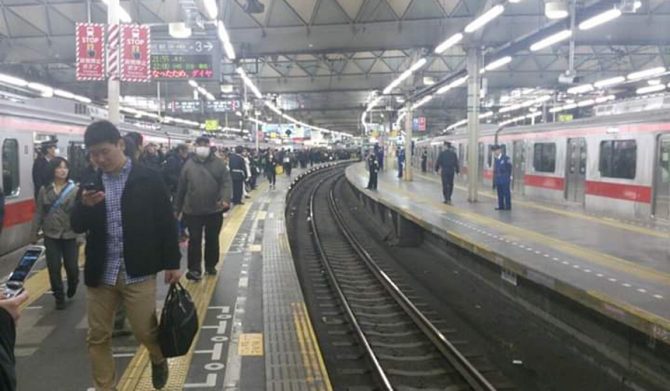
For those who move to Tokyo, Shibuya is likely the first place they’ll want to explore. My commute from junior high school in my early teens until my second year of university, an eight-year span, involved transferring at Shibuya on the Tokyu Toyoko Line, making it my de facto hub for outings. Nearly 25 years later, now in my late thirties, that hasn’t changed.
In my teens, the after-school routine involved lingering for about 15 minutes outside the then-current Tokyu Toyoko Line ticket gate to plan our activities before heading out. We’d usually end up doing trivial things like karaoke, billiards, or playing Power Pro and Winning Eleven at a friend’s place, but for us growing teenagers, a pre-activity meal was essential.
A typical Shibuya debut starts in Center Gai, so McDonald's and First Kitchen were unavoidable stops. Eventually, however, “Choraku,” located behind the Udagawa Police Box, became our regular after-school haunt. It was a sure bet.
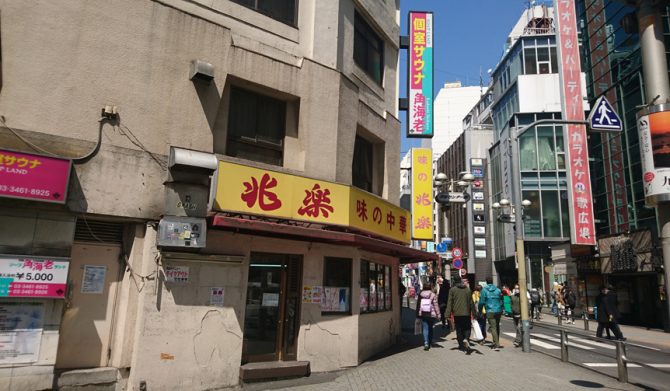
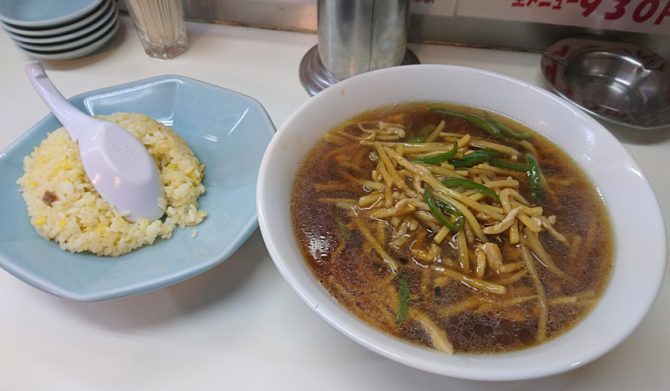
Back then, the entrance to Center Gai housed an arcade instead of QFRONT, and the Tokyu Bunka Kaikan, which featured a planetarium, stood where Hikarie is now. Yet, the view of Choraku’s yellow sign, brightly lit behind the Udagawa Police Box, remains unchanged in my memory.
When I was in high school, Shibuya was dominated by girls wearing hibiscus flowers in their hair and pareos, strutting down Center Gai. At the same time, the eateries that became our club’s second home shifted from Center Gai to a spot on Spain Slope.
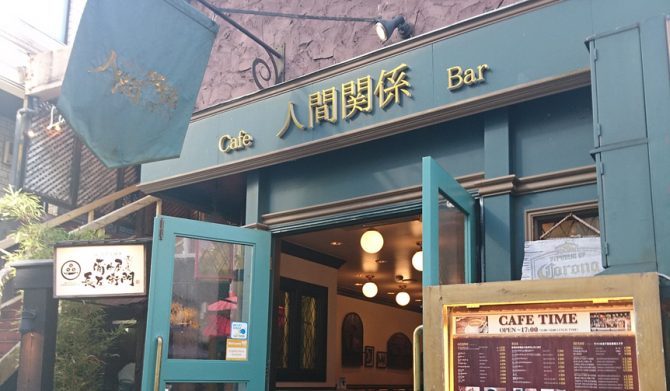
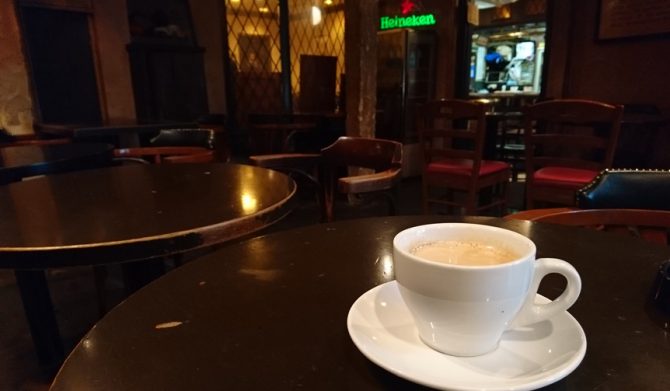
I tried every shop on Spain Slope back then, but we always ended up at “Ningen Kankei.” I think we were there about three times a week. I don’t remember what we ate, but we’d just chat away over something like a matcha au lait.
On Saturday afternoons, a ritual developed: enjoying dessert at Haagen-Dazs, which was then located next to Tower Records, after a meal at Maisen in the Tokyu Toyoko Store’s restaurant floor. Weekdays meant pasta for our after-school meal, and Saturdays meant tonkatsu. We were becoming quite adult.
As university students on the cusp of my twenties, I barely attended classes, indulging in leisure without productivity or foresight.
I’d wake up in the afternoon and slurp pasta surrounded by ladies at TANTOTANTO in Tokyu Department Store, or sometimes I’d have HARIHARI hot pot at the long-established “Ganso Kujiraya,” founded in 1950, right next to 109.
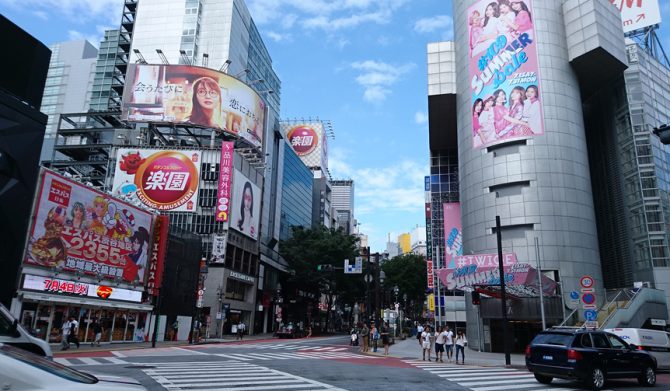
After watching Kume Hiro’s News Station, I’d head out for a late-night meal at Apres-midi, a pioneer of the cafe boom located in a building near the top of Koen Dori.※Now relocatedI can’t count the number of times I went there. When undecided about dinner, I often went to PECO. Though it closed at the end of last year, everyone loved their garlic and red chili pepper pasta.
Then I started drinking alcohol. By ‘started,’ I mean I had no intention of pairing it with meals; I just drank it down every time. I was dragged to clubs I didn’t even like, like HARLEM and asia, or drank tequila and spiritus at HUB and ZEST until I passed out, which then became legendary tales for each of us. Even as an adult, my relationship with alcohol was still that of a novice.
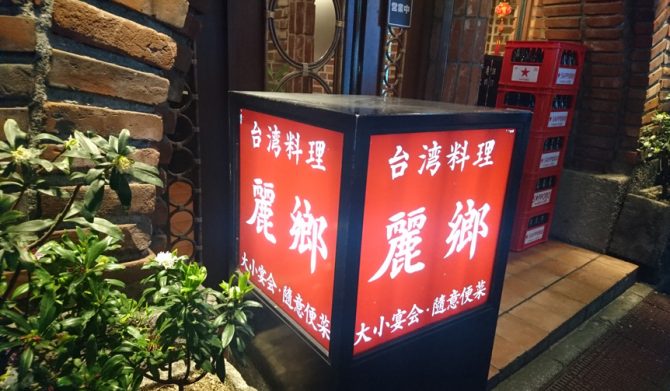
After entering the workforce, my seniors took me to various places. The Taiwanese restaurant “Reikyo” at the foot of the Dogenzaka love hotel district, and the virgin yakiniku restaurant “Pappu HOUSE” behind the Cerulean Tower – all were delicious.
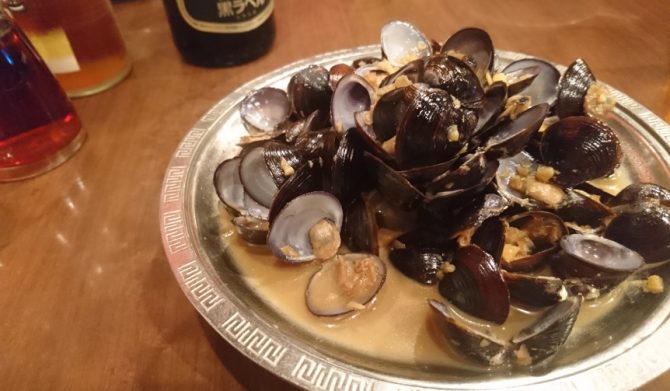
After filling our stomachs, we’d go for drinks. We stayed out drinking until 10 AM at the 24-hour izakaya “Yamaya,” where my senior eventually passed out. Even approaching my thirties, I learned that my relationship with alcohol hadn’t changed much from my university days.
In my thirties, after going independent and starting my own company, I even had an office in Uguisudani-cho. A chef friend I met then opened his own restaurant last year, which quickly became a popular, reservation-only spot within a year. It’s called “Sakai Shokai,” located on the 2nd floor of a building behind the Shibuya Police Station, with no signage.
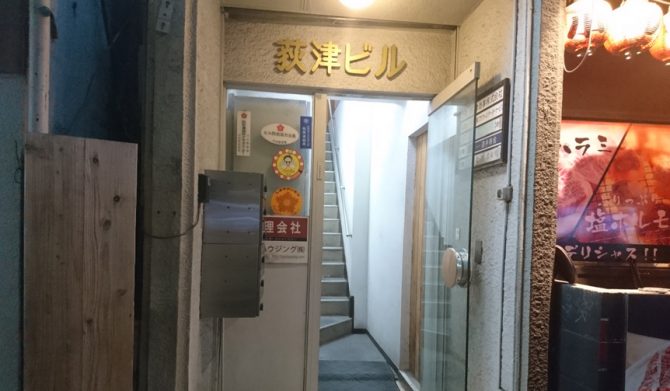
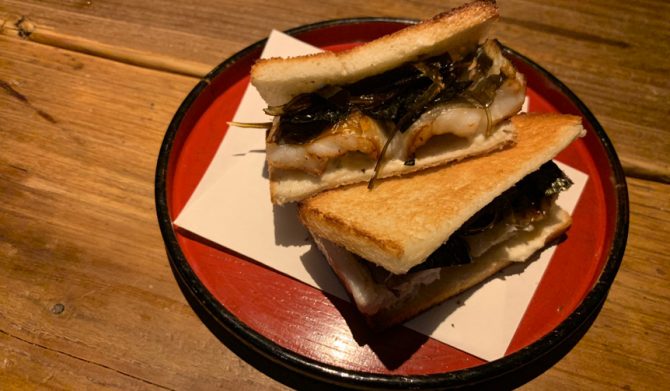
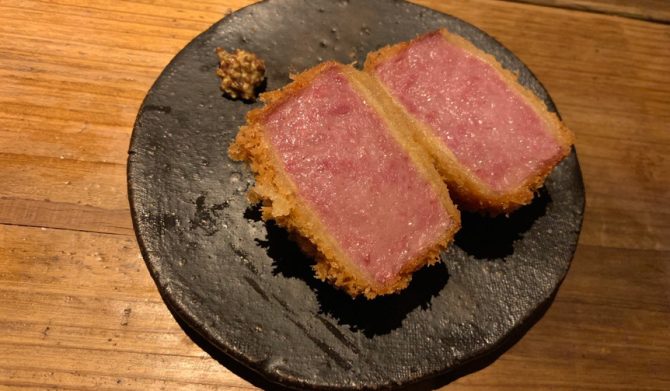
The restaurant focuses on dishes using Kyushu ingredients, carefully selected and sourced by my friend from Fukuoka, along with Japanese sake and natural wines. The menu changes seasonally, of course. The grilled conger eel sandwich is a must-order every time, and their ham cutlet has graced the covers of gourmet magazines. But beyond that, there are always so many things that make you think, “Oh, I want to try that,” making it impossible to try everything in one visit. It’s a comfortable place that suits any companion or occasion – friends, dates, or business. Any food lover is sure to think, “I’ll have to come back for that next time.”
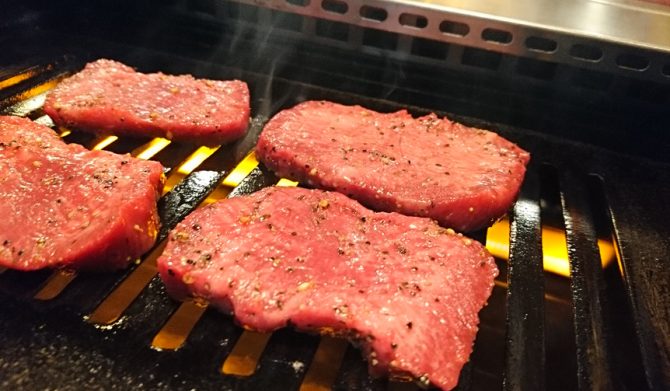
Also, when my newly founded company faced a crisis, a friend suggested, “Let’s talk over some yakiniku,” and we happened to go to “Koreantei.” Located in the basement of a mixed-use building on the slope towards the Cross Tower, this place also lacks a prominent sign, so you won’t find it unless you’re looking for it. In fact, even if you found it, it might seem intimidating to enter.
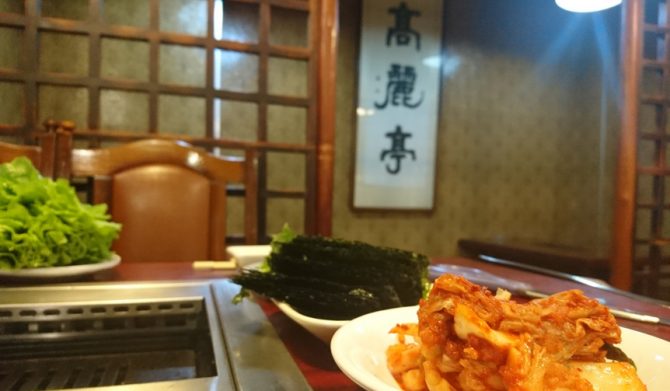
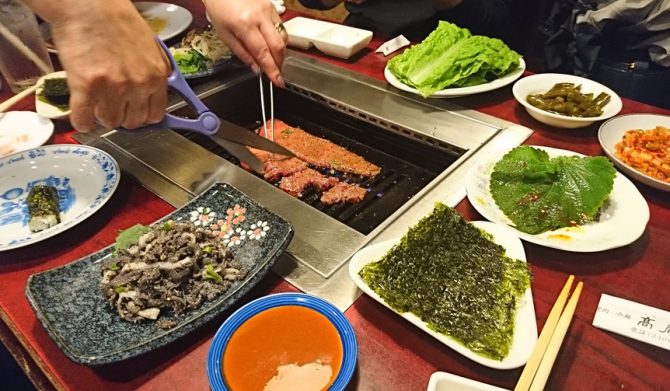
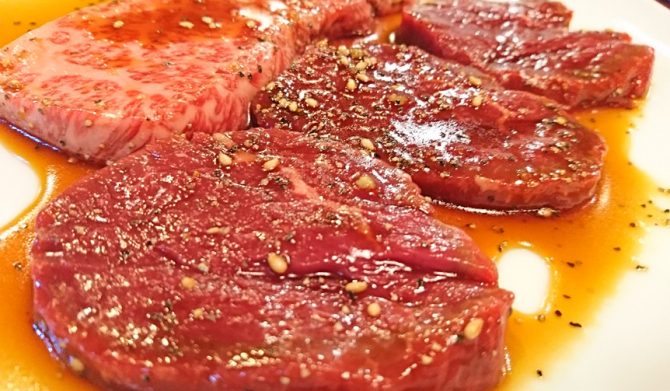
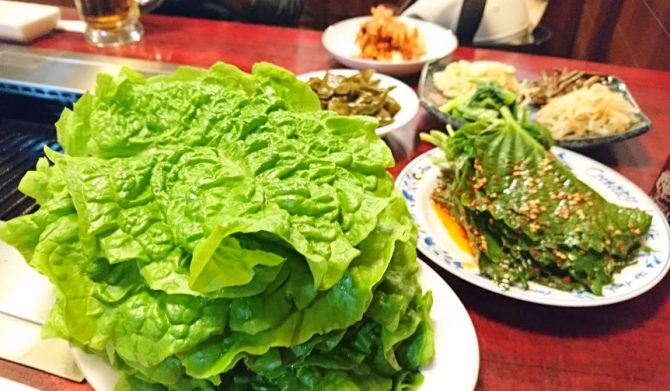
By the time we’re seated, kimchi, ssam vegetables, perilla leaves, green chili peppers, seaweed, and namul are all prepared in Korean style. There’s no menu (though they’ll provide one if asked, but no one looks at it), so ordering meat is a matter of unspoken understanding with the restaurant. The cuts – tongue, kalbi, roast, ichibo – are all exquisite.
The first bite, where the mother wraps it in ssam vegetables and feeds it to you, is practically a signature move. After eating our fill and finishing with naengmyeon, we’re served a mountain of fruit. This fruit cleanses the palate. Everyone here seems to leave with a smile; it’s a warm establishment.
And now, in my late thirties, a bar has opened where I can stop by after a meal in Shibuya. Located on the 5th floor of a nondescript building between Mark City and Route 246, past the touts, “RUDIES” has no prominent signage.
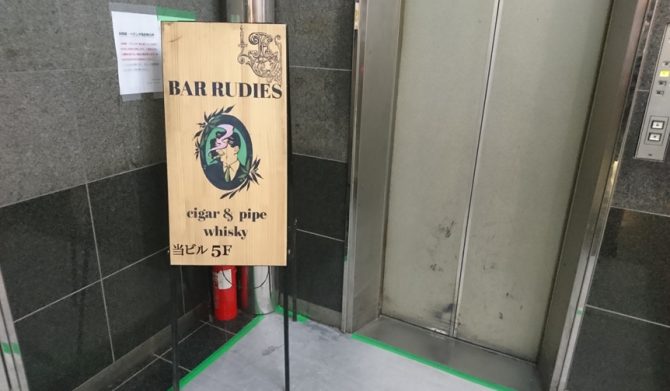
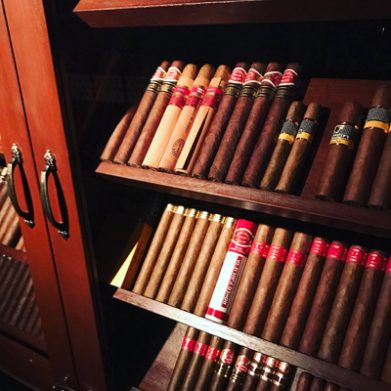
They offer whiskies, rums, and brandies, as well as seasonal cocktails made with fresh fruit sourced by the owner from Nagano, freshly ground coffee, and royal milk tea. However, what most patrons seek here is cigars.
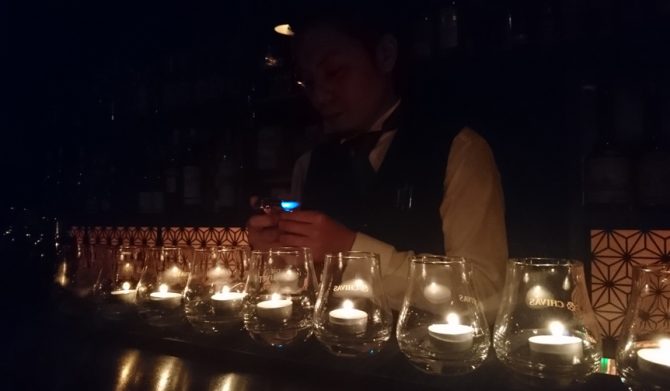
They boast over 50 varieties, apparently including some rare ones. As I only know Cohiba and Romeo y Julieta, I opt for their recommendations. The 11th-century Chinese poet Ouyang Xiu is said to have found inspiration in three places: on horseback, on his pillow, and on the privy. Similarly, surrounded by candlelight, cigar smoke, and the aroma of coffee, I find that novel ideas often come to me here.
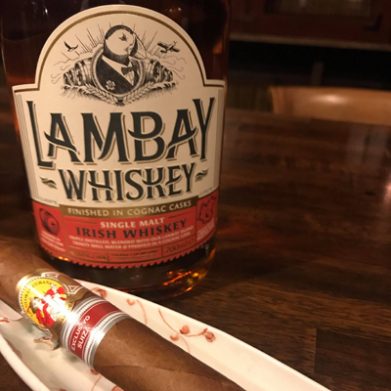
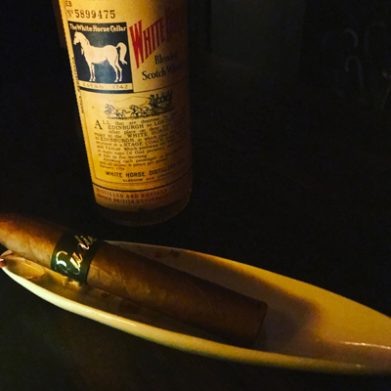
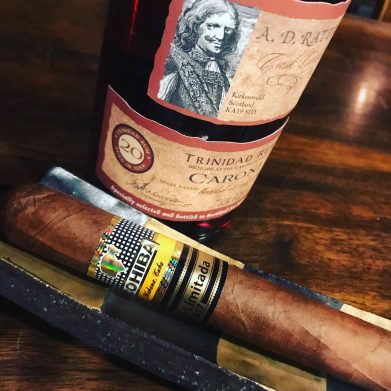
Incidentally, this place offers Cuban sandwiches and smoked oysters on its menu, and in autumn, you might even get matsutake mushroom clear soup as an appetizer – all homemade. The owner apparently spends his days off experimenting and creating these dishes. Consequently, their high quality never fails to impress me with each visit.
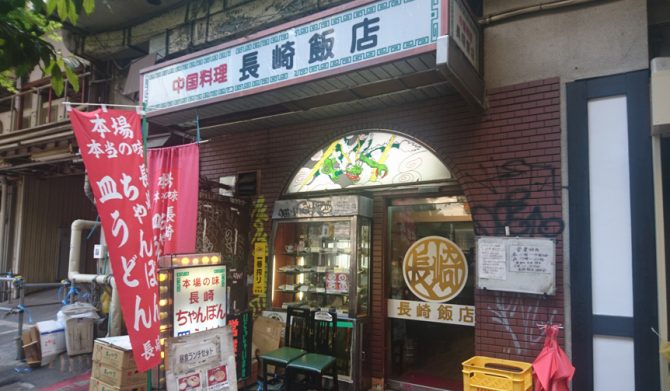
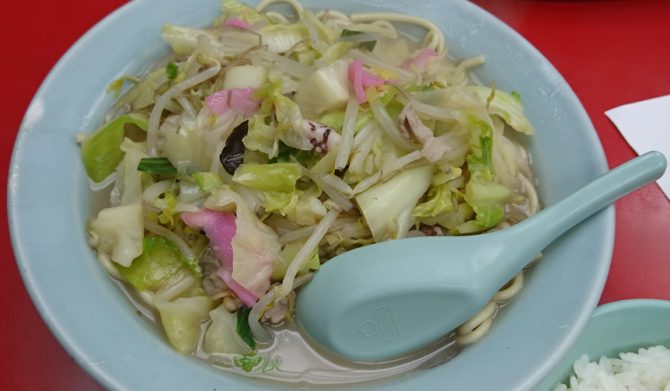
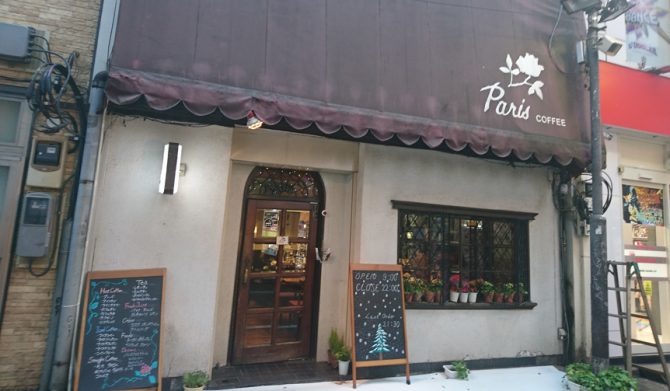
Over 20 years have passed since my Shibuya debut as a junior high school student, and while I still visit the places I frequented back then, I’ve also discovered countless long-standing establishments for the first time after turning 35. There’s “Kiraku,” likely to be at the top of Tabelog’s “Shibuya Ramen” search results; “Nagasaki Hanten,” where Goro from Kodoku no Gourmet also ate champon; the pure coffee shop “Paris COFFEE,” marked by a rose and founded in 1975; and “Tamakyū,” a hidden gem for adults between 109 and Kujiraya, offering exquisite sake and seafood with a panoramic view of Shibuya. It was only recently that I first saw an orchestra at Orchard Hall.
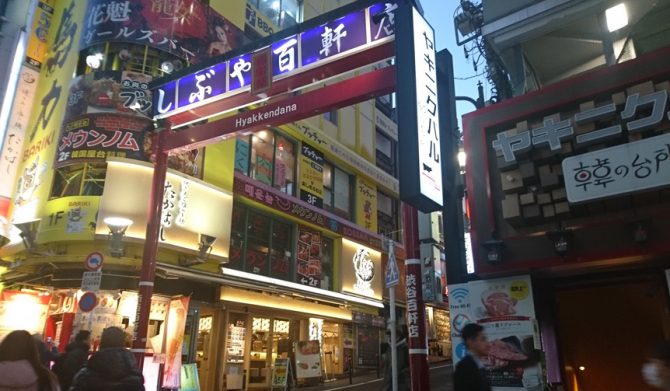
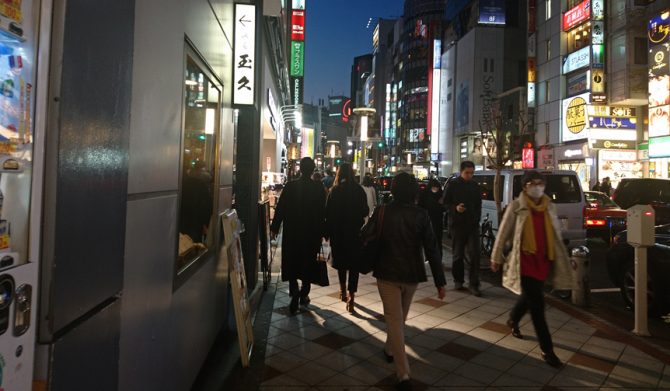
The Shibuya Station of old is gone, Miyashita Park and Parco have disappeared, replaced by Hikarie and Shibuya Stream. The “gyarus” who once dominated Shibuya with hibiscus flowers and pareos have now become the “bi-majos” leading the era. While the city’s external appearance has changed, it retains its diverse appeal, offering playgrounds suitable for every age – teenagers, twenties, thirties, forties, and beyond. That’s what makes Shibuya so special.
Sakai Shokai
Address: 2F Ogitsu Bldg., 3-6-18 Shibuya, Shibuya-ku, Tokyo
TEL: 070-4470-7621
Hours: Weekdays 4:00 PM - 12:00 AM
Saturdays 3:00 PM - 10:00 PM
Sundays Closed, Irregular Holidays
Koreantei
Address: B1 Okazaki Bldg., 2-14-13 Shibuya, Shibuya-ku, Tokyo
TEL: 03-3406-7310
Hours: Weekdays 5:00 PM - 11:00 PM
Saturdays 5:00 PM - 10:00 PM
Closed Sundays and Holidays
RUDIES
Address: 5F Shindai-so Social Bldg., 1-7-10 Dogenzaka, Shibuya-ku, Tokyo
TEL: 03-6885-7253
Hours: Mon-Thu 6:00 PM - 3:00 AM
Fri 6:00 PM - 5:00 AM
Sat 2:00 PM - 12:00 AM
Holidays 2:00 PM - 12:00 AM
Closed Sundays
Yasutake IJICHI
Vice President, Sunshine Juice Inc.
Born in Tokyo in 1982. While at Keio University, he was involved in planning and producing receptions and parties for major brands at an event company. He then moved to a PR firm, where he engaged in planning and management of marketing communications and branding from a PR perspective. He resigned at age 30. With his friend of 20 years since junior high, he founded Sunshine Juice, Japan’s first cold-pressed juice specialty store, where he currently serves as Vice President. His favorite foods are fugu and soft-shelled turtle. Favorite sports include baseball and horse racing. Favorite places include old-fashioned coffee shops and casual izakayas.
Instagram:ijichiman