Saketronomy Event Celebrates the 'God of Sake Brewing' and a 'Gastronomic Town' | LOUNGE
LOUNGE | "God of Sake Brewing" and "Gastronomic Town" Celebrated at "Saketronomy" Event
Savoring the "God of Sake Brewing" and the "Gastronomic Town"
"Saketronomy" Event Held
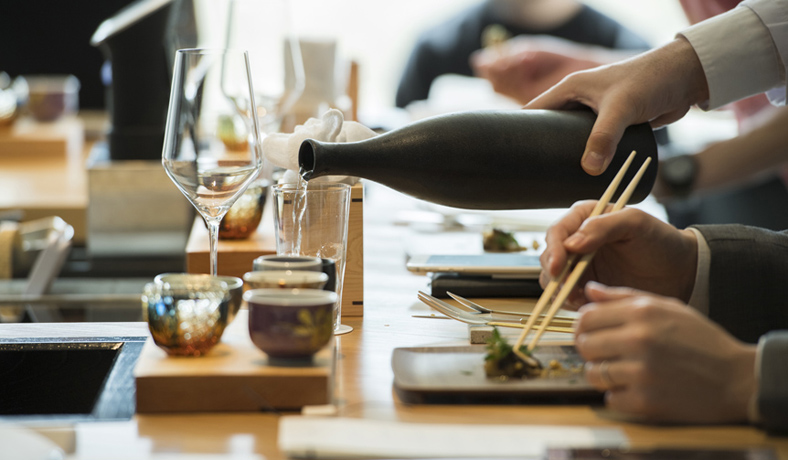
An event called "Saketronomy" offers a chance to experience a collaboration between Naohiko Noguchi Institute, local food producers, and top chefs in Komatsu City, Ishikawa. It's a wonderful opportunity to discover the allure of sake and new ways to enjoy travel. This report covers the event's inaugural celebration on March 25th.
Text by IWASE Daiji
A Pairing Event Centered on the Fusion of "Sake" and "Gastronomy"
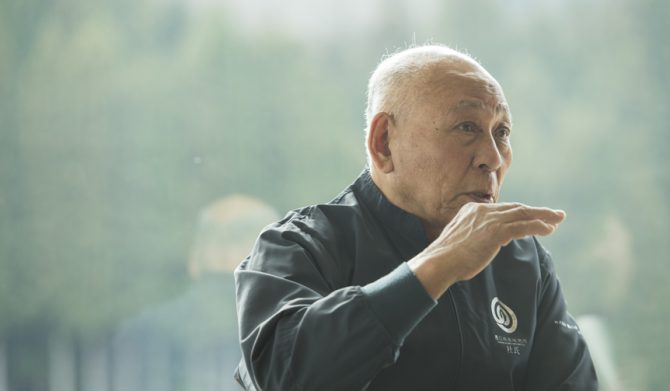
Toji Naohiko Noguchi is one of Japan's foremost brewers. He was instrumental in popularizing "Ginjoshu" in the sake market, which had been in decline since the 1970s, and also played a key role in reviving the "Kimoto" brewing method, which was nearly lost after World War II. He has won the Gold Prize at the National New Sake Appraisal 27 times, including 12 consecutive wins. Over his nearly 70-year career, he has created numerous renowned sakes. Revered as the "God of Sake Brewing," he once stepped away from brewing, causing dismay in the sake world. However, after a period of absence, in November 2017, the "Naohiko Noguchi Institute" was established with the concept of researching his masterful techniques, spirit, and way of life to pass them on to the next generation. At 86 years old, he remains vigorous and continues to challenge himself, embarking on a new path of sake brewing with younger brewers.
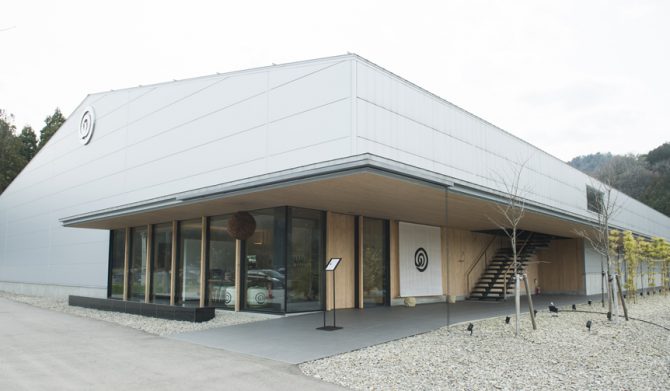
While this was welcome news, one question lingered: why Komatsu, in Ishikawa Prefecture, rather than Noto, where the Toji had spent so much of his career? Komatsu's image is strongly associated with its airport, serving as a hub for Northland tourism and business from the Tokyo metropolitan area, including Kanazawa and hot springs. It wasn't immediately clear what the Toji sought in this location. The answer became apparent at the "Saketronomy" event.
Saketronomy is a project born from the goal of creating a hub for local agricultural products and food-related creators, positioning Komatsu City as a "gastronomic town" and a "travel destination" for gourmands worldwide. Centered around the Naohiko Noguchi Institute, the initiative includes "Gokoku-ji Farm," a producer of organic JAS certified rice, and "Nishida Farm," a grower of organic JAS certified vegetables. This group plans to regularly host pairing events with the concept of fusing "Sake" and "Gastronomy."
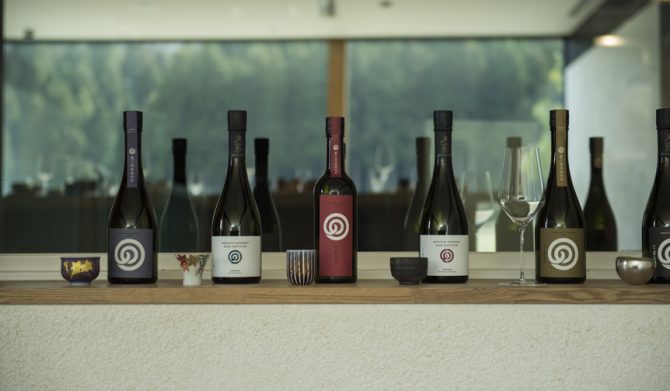
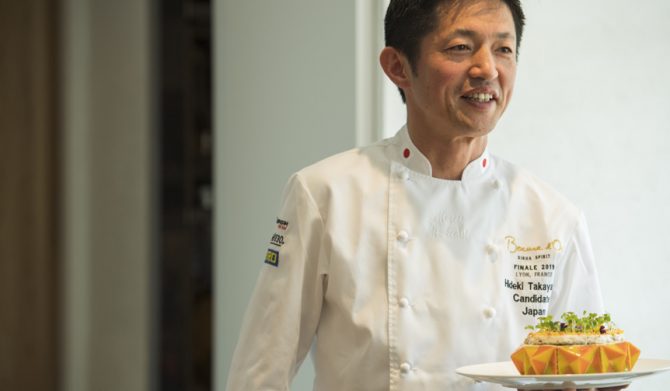
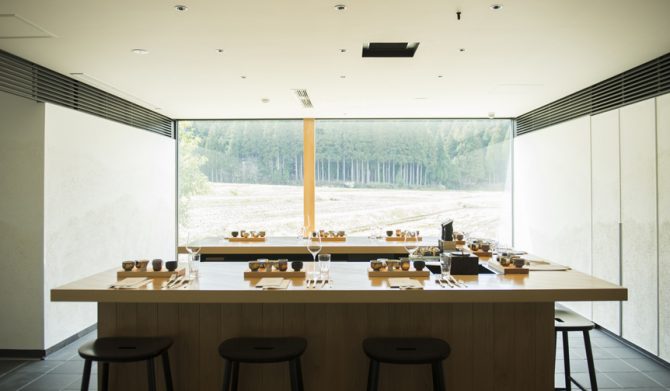
The first event took place on March 25th. The opening guest chef was Hideki Takayama (Maison de Tak Ashiya), who represented Japan at the Bocuse d'Or 2019 world culinary competition. The venue was "Du-an" at the Naohiko Noguchi Institute. This tasting room, designed by Living National Treasure Kutani ware artist Tokuhiro Miya and designer Toshio Ohi, is a space designed with the image of a "tea room," paying homage to Komatsu City's connection to the Urasenke school of tea ceremony. It offers a panoramic view of the changing rural landscape from the west-facing window, and during the sake brewing season, the east-facing window allows views of the brewers at work in the pressing and fermentation rooms.
The first pairing featured "Junmai Sake Muroka Nama Genshu 2017" with "Clam Bouillon Simmered in Junmai Sake, with Aromas of Celery and Yuzu." While sake is typically enjoyed in its current season, Noguchi's sakes offer the charm of appreciating different vintages, much like wine. This sake from the previous season already possessed a rich aging aroma, which contributed to its deep umami on the palate. In wine terms, the finish evoked a sense of concentration akin to tannins. Considering the aroma, palate, and finish, it shared a world with the increasingly popular orange wines. It was a masterful pairing, enveloping the refined yet assertive flavor of the clams, a fusion of French and Japanese cuisine, and finishing with a refreshing zest of yuzu.
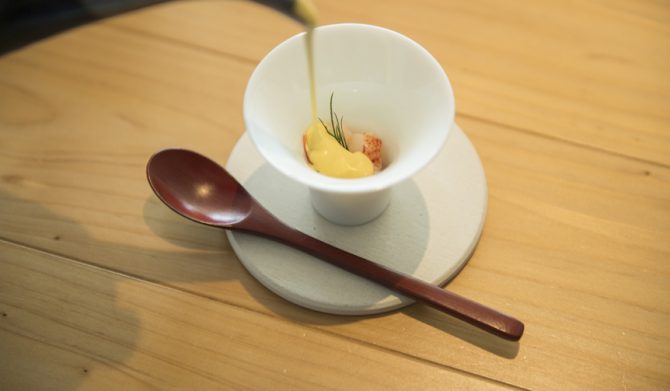
Throughout the six-course pairing, including dessert, Noguchi's sakes harmonized beautifully with classic French dishes. The Toji mentioned that he wants to create sake that can be enjoyed worldwide, though he feels he hasn't found the definitive answer yet. However, the answer is already apparent. One example is the pairing of "Yamahai Junmai Sake 2017" with "Saffron-Flavored Bisque of Spiny Lobster." The sake's aroma itself suggested concentration and elegance, immediately bringing to mind the pairing with crustaceans and cream sauce. If you enjoy Blanc de Noirs Champagne or sophisticated Pinot Noir from California, this is a must-try. Chef Takayama's deliberate choice of classic French, rather than a Japanese-inspired dish, stemmed from his perception of the sake's ability to complement global cuisine.
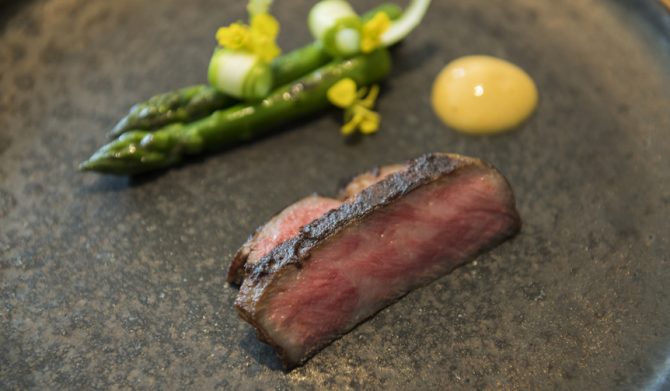
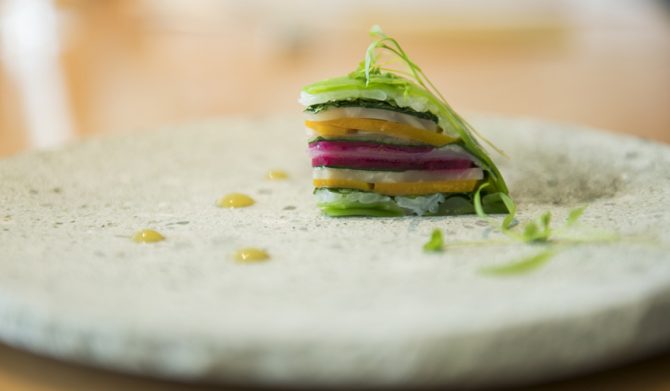
Similarly, "YAMAHAI MIYAMANISHIKI Muroka Nama Genshu 2018," with its complex notes of spices like cumin and lemongrass, offering a botanical freshness, pairs wonderfully with Middle Eastern lamb dishes or other deeply flavored fare. Chef Takayama matched this with "Komatsu Vegetable and Organic Farm Rice Mille-Crêpe Sushi," utilizing rice and vegetables from both farms. This pairing beautifully conveyed the complex flavors and, simultaneously, the vibrant, lively, and slightly exotic character of the fresh ingredients. For the main course, "Grilled Kuroge Wagyu Loin with Red Miso, Served with Seasonal Vegetables," one might consider a dry rosé from Provence. However, the "HONJOZO Muroka Nama Genshu 2018" possessed a subtle sweetness and crispness akin to such a rosé. Its pairing with red miso, a fermented ingredient, created a sense of melding and harmony that surpassed what wine could achieve.
Water was also a notable element throughout the experience. The brewing water served as 'wakig Mizu' (water to cleanse the palate) was soft yet possessed a certain finesse, comparable to that found in wine. This is attributed to the blessings of groundwater sourced from depths of over 90 meters. While not strictly the same water, the region's water flows through the vegetables and rice from Gokoku-ji Farm and Nishida Farm. Water is the lifeblood of sake brewing. The water source was meticulously selected through repeated deliberation and testing. Regardless, the water of Komatsu was one of the factors that inspired Toji Noguchi to pursue sake brewing in an area other than Noto. (Further details on sake brewing in this region will be explored in a future piece).
The combination of exquisite sake, cuisine, and ingredients was remarkable. While Noguchi's sake undoubtedly possesses the qualities to pair with French cuisine, the presence of vegetables and rice from farms sharing the same water source cannot be overlooked.
For sake enthusiasts, it was astonishing that the living legend Noguchi was embarking on new challenges. For food and travel lovers, it was a welcome development that Komatsu, previously perceived merely as a transit point in the Hokuriku region, now possessed such compelling attractions. The plan is to invite top chefs from Japan and abroad to host four events annually—spring, summer, autumn, and winter—for general guests. A place once considered a mere waypoint is transforming into a destination that demands attention.