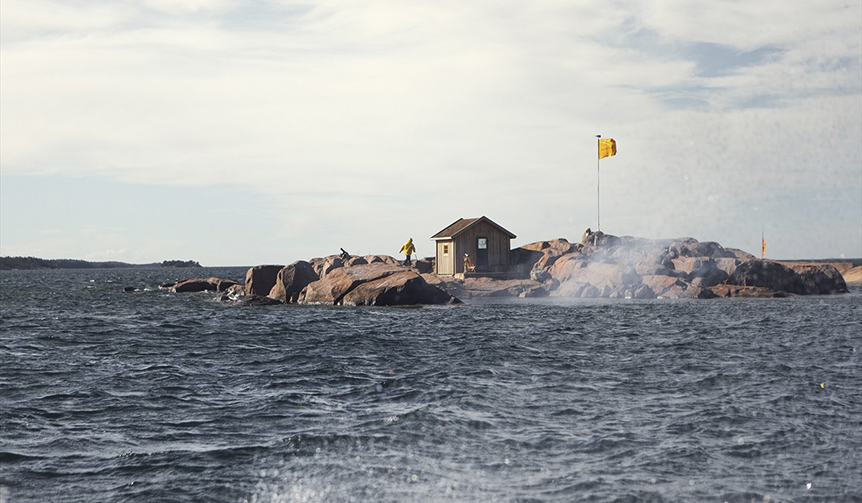
Veuve Clicquot's "Cellar in the Sea" Project: Aging Champagne on the Ocean Floor
Veuve Clicquot
An Experimental Project Launched in 2014
The Champagne house "Veuve Clicquot" is conducting an experimental project called "Cellar in the Sea." This project involves storing Champagne on the ocean floor to ascertain its effects. Three years after the project's inception, a tasting was held this year. What was the taste like?
Text by WASEDA Kosaku (OPENERS)
First Tasting Conducted Since Project Start
The Champagne brand Veuve Clicquot has been undertaking the research project "Cellar in the Sea" since 2014, aiming to further elucidate the aging process by constructing Champagne cellars in the deep sea.
For 40 years, from 2014 to 2054, top-quality Champagne is being stored at a depth of 40 meters in the Baltic Sea off the coast of Northern Europe. By comparing it with Champagne aged in the maison's cellars in Reims, France, the project seeks to understand the aging mechanism, making it a groundbreaking endeavor.
The experiment was prompted in 2010 when a team of divers discovered 47 bottles of Veuve Clicquot, bottled during Madame Clicquot's lifetime, from a shipwreck that had lain on the seabed near the Åland Islands in Northern Europe for over 200 years.
The ideal preservation conditions of the seabed proved beneficial for the Champagne, and the maison was astonished that the quality remained intact after more than 200 years. To deepen its expert understanding of the aging process, the maison constructed an underwater cellar named "Åland Vault" near the site where the shipwreck was found.
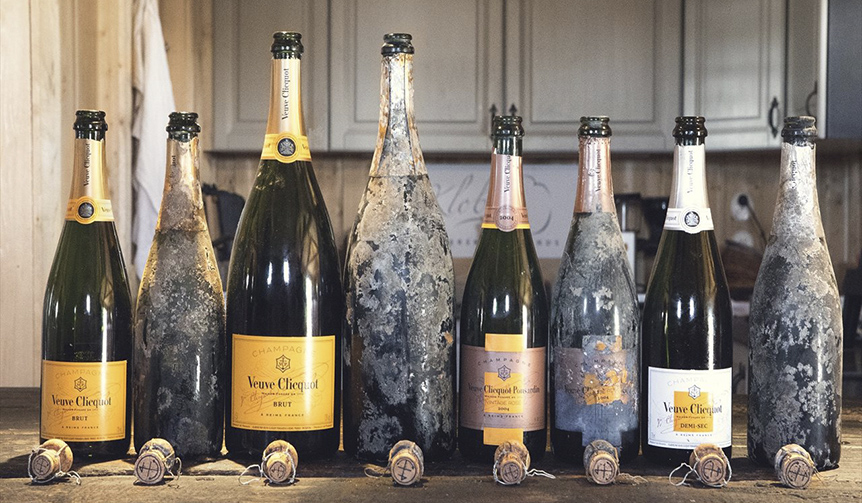
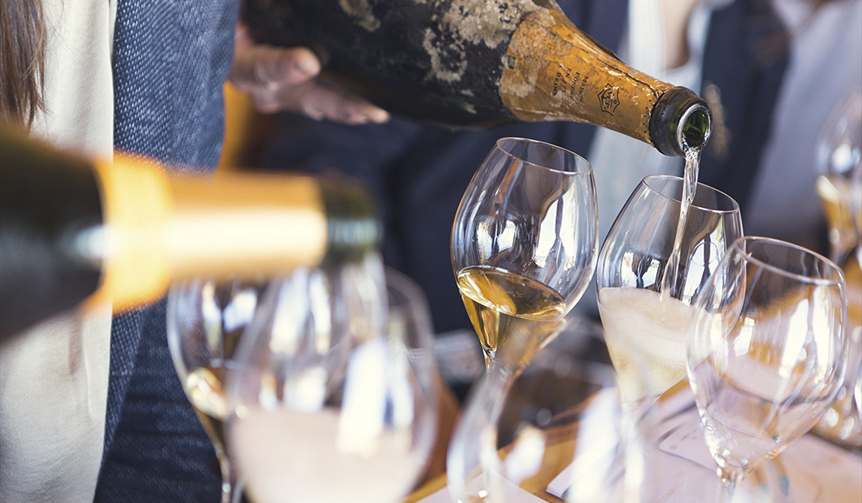
Three years into the project, Champagne was brought up for the first time this year to check its current aging status, and a comparative tasting was held.
The Champagnes stored underwater include Yellow Label (750ml and magnum bottles), Vintage Rosé 2004, and Demi-Sec. So, how did they taste?
Experts who tasted both the Champagnes retrieved from the underwater cellar and those stored in the maison's cellar found that the ones aged underwater had a more vibrant color, a higher degree of aging, and a fresher, more youthful taste.
While both storage methods ensure excellent aging environments, it was concluded that the deep sea, with its lack of light, consistently low temperatures, and tranquil conditions, is more suitable for storing Champagne, especially considering its long aging potential.
At the University of Bordeaux, samples retrieved from the seabed were scientifically analyzed, and further analysis to support the tasting results will be added within the 2017 fiscal year. These retrievals are scheduled to occur every three years going forward.
This project embodies Veuve Clicquot's unwavering pursuit of the highest quality Champagne, true to its motto: "Only one quality: the finest."
Inquiries
MHD Moët Hennessy Diageo
Tel. 03-5217-9738