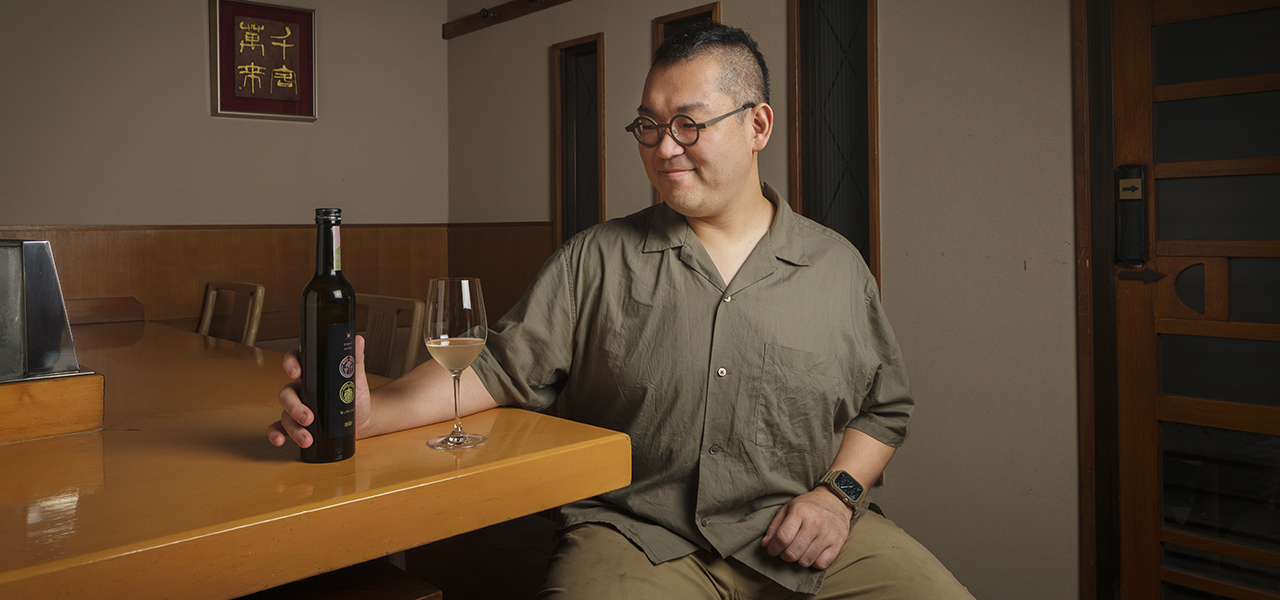
A new form of sake: the liberated world of craft sake.
LOUNGE | CRAFT SAKE
In recent years, a new trend called "craft sake" has emerged in the world of Japanese sake (seishu). It is sake-like, yet not sake, or it possesses characteristics similar to sake, though it isn't. We spoke with Mr. Yuji Yamauchi, a connoisseur of Japanese sake, to understand how this beverage, which transcends traditional boundaries, came to be and what its aims are.
Photographs by Kaku Ohtaki | Edit by Takashi Tsuchida
What is Craft Sake?
"What is currently called craft sake is alcohol that has broken free from Japan's liquor tax laws. It uses ingredients other than the regulated ones, such as rice, rice koji, and water, or deliberately omits processes essential to seishu during brewing. These are collectively referred to as craft sake."
Specifically, it is characterized by the addition of ingredients like hops, jasmine, and kuro-modi, or by omitting the "pressing" process, which is standard in sake production, leaving it cloudy. While it can be seen as a variation within the spectrum of Japanese sake, it is establishing its own niche, possessing aspects of a fleeting trend of the times.
The emergence of craft sake is rooted in the current situation surrounding the Japanese sake industry. Production volume of Japanese sake is not increasing, and the number of breweries is declining. There are only about 1,300 active breweries. The barrier to entry in this environment is the issue of brewing licenses.
"A brewing license is required to produce Japanese sake. New licenses are no longer being issued," explains Yamauchi. He notes that complex factors are at play, including the difficulty of approving new entrants as the industry as a whole faces a shrinking market, and the handling of dormant brewery licenses (shukabu).
To overcome this situation, young individuals passionate about sake brewing sought new paths. One answer was to utilize the framework of "other brewed liquors."
"Actually, it's surprisingly easy to obtain a brewing license for liquors other than Japanese sake. Conversely, only Japanese sake has a high barrier to new licenses."
Thus, the idea was conceived to manufacture and sell these beverages as "other brewed liquors" by basing them on sake-making methods while adding or subtracting certain elements. Yamauchi describes this as "a technique that stays just within the strike zone, but pulls the ball just a hair's breadth before the batter."
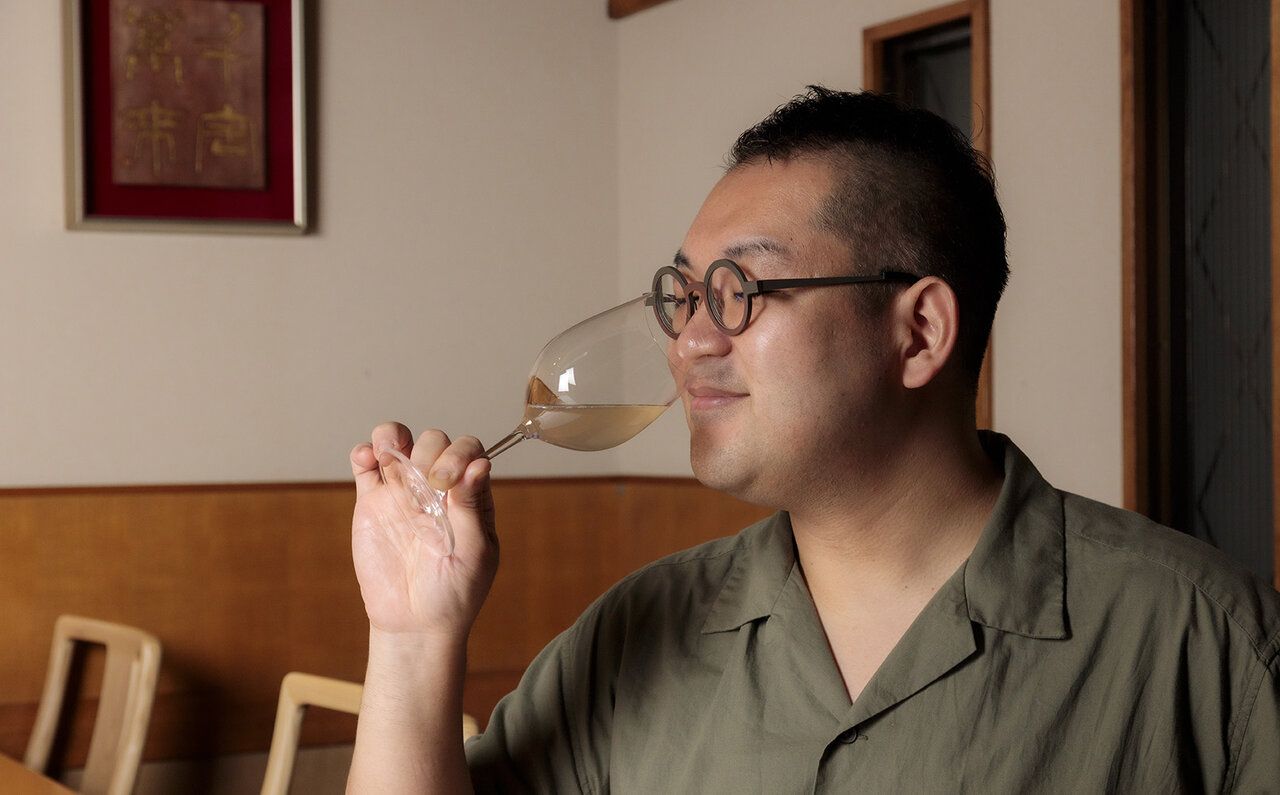
Yuji Yamauchi. Fourth-generation owner of "Yushima Tenshindo Sushi Hatsu." Winner of the first Japan Sommelier Association SAKE DIPLOMA competition. Writes about Japanese sake for the association's magazine, "Sommelier." Teaches Japanese sake classes at a renowned wine school.
The Pioneers of Craft Sake
The presence of Mr. Okasumi, the brewer of "Ineto Agave," is significant in the origins of craft sake.
"He is currently brewing craft sake on the Oga Peninsula in Akita Prefecture, while also presenting new ideas by embracing regional culture," says Yamauchi. Okasumi initially started his craft sake venture through contract brewing at Tsuchida Shuzo in Gunma Prefecture, and while serving as head brewer at "Konohana no Jozo" in Asakusabashi, Tokyo, he aimed to establish a brewery in Akita.
Another factor that contributed to the spread of craft sake was the COVID-19 pandemic. As home drinking became the norm, attention turned to this new beverage. Furthermore, the compatibility of crowdfunding with craft sake also fueled its popularity.
"We wanted to do something about the lack of brewing facilities. So, we raised funds through crowdfunding, and the reward was an unprecedented type of sake. This narrative of new entry was very easy to match with the times."
Now, moving a step further from that phase, the craft sake brewers, led by Okasumi, have established the "Craft Sake Brewery Association." They are currently in the process of developing regulations and engaging with the industry.
The Appeal and Taste of Craft Sake
Yamauchi explained the characteristics of three types of craft sake while tasting them.
First, regarding the sake using hops from "Ineto Agave."
First, regarding the sake using hops from "Ineto Agave."
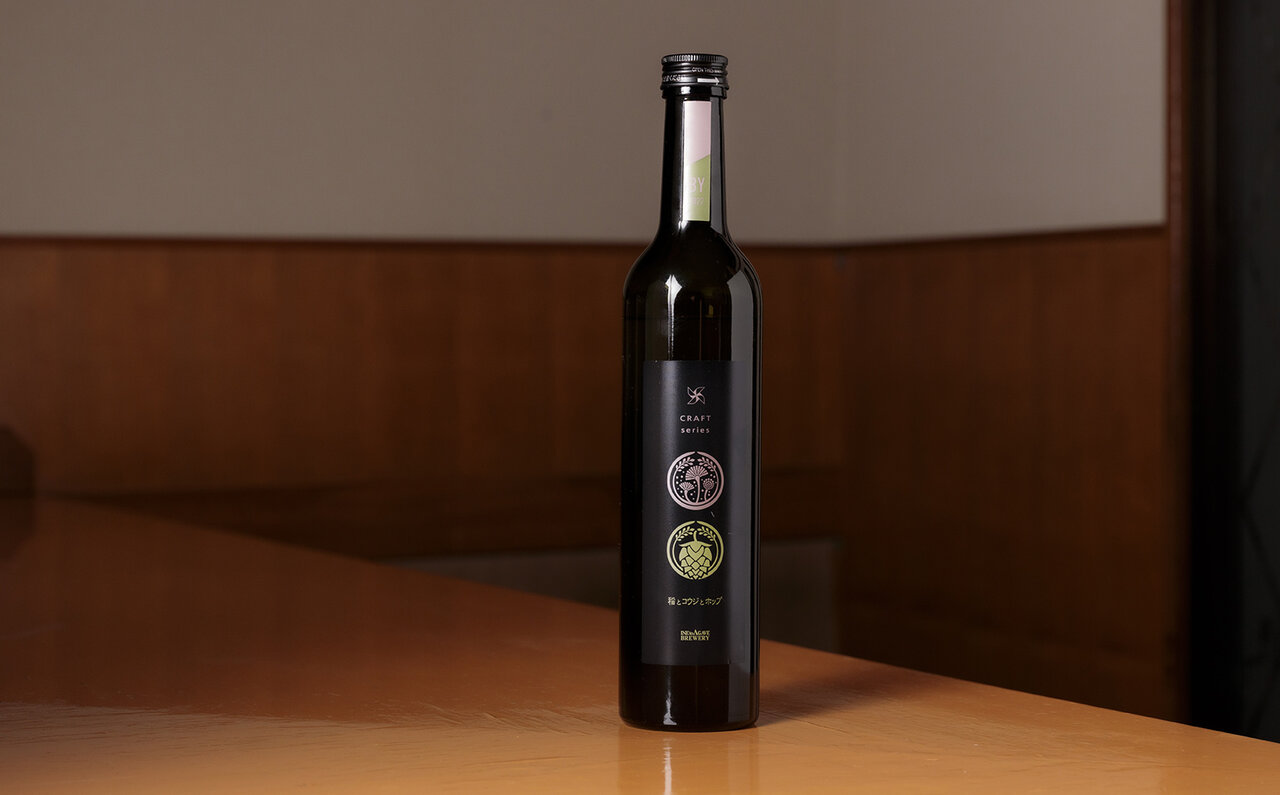
"Ineto Koji to Hop" (Ineto Agave)
"The appearance is a clear, bright, greenish hue. As for the aroma, the prominent notes are floral and citrus. It has the refreshing scent reminiscent of hops, and aromas evoking the tartness of grapefruit or citrus. You can also detect botanical nuances of wildflowers."
Upon tasting, "a clean acidity and sweetness spread through the mouth, and from the moment it touches the palate, the refreshing aroma of hops and the scent of grapefruit and citrus seem to hit the back of the nose."
Next is the craft sake using jasmine from "Konohana no Jozo."
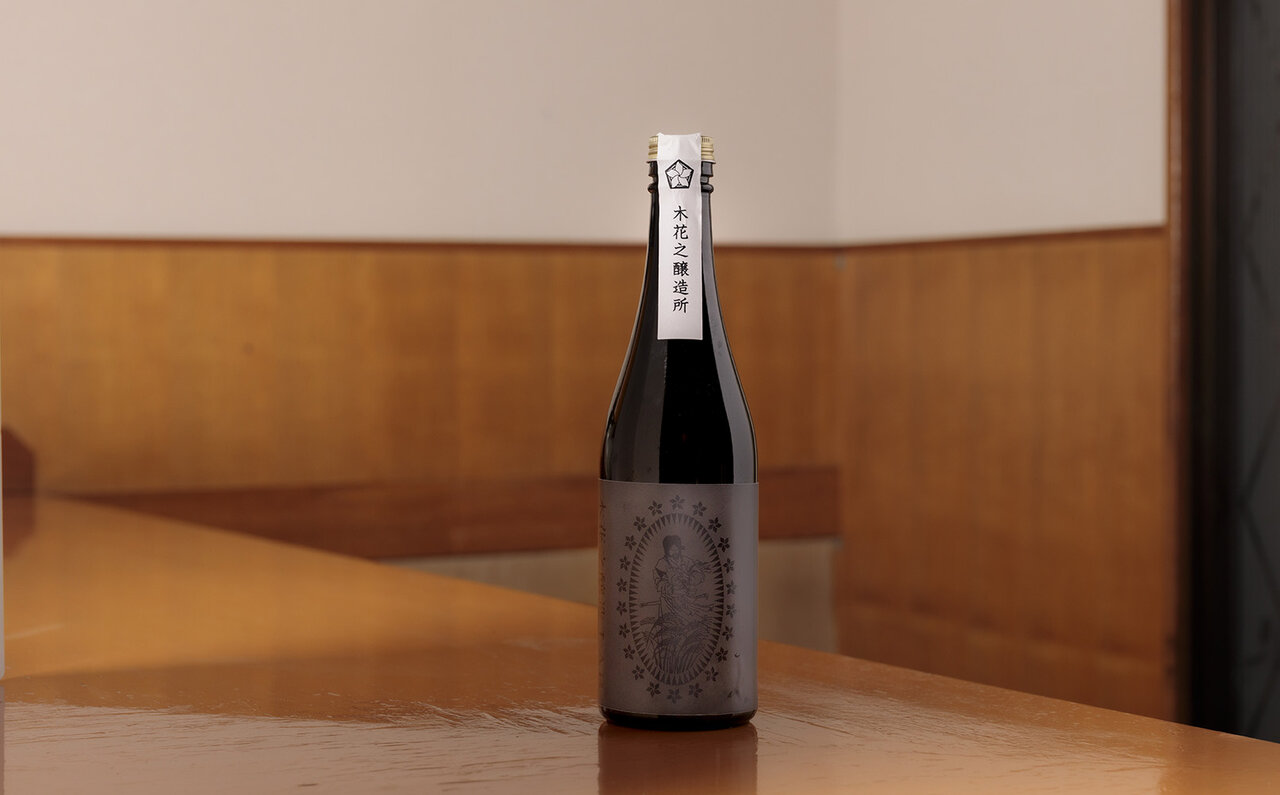
"Konohana no Jozo" LAB Series (Konohana no Jozo)
"The impression of rice is strong, and it is cloudy. The aroma is somewhat subdued, and if you search carefully, you can detect a hint of jasmine."
The mouthfeel is described as "the sweetness and the rice character are felt as the initial impact. Following that, the pleasant aroma of jasmine envelops the palate."
Finally, there is the craft sake using kuro-modi from "Shokyu."
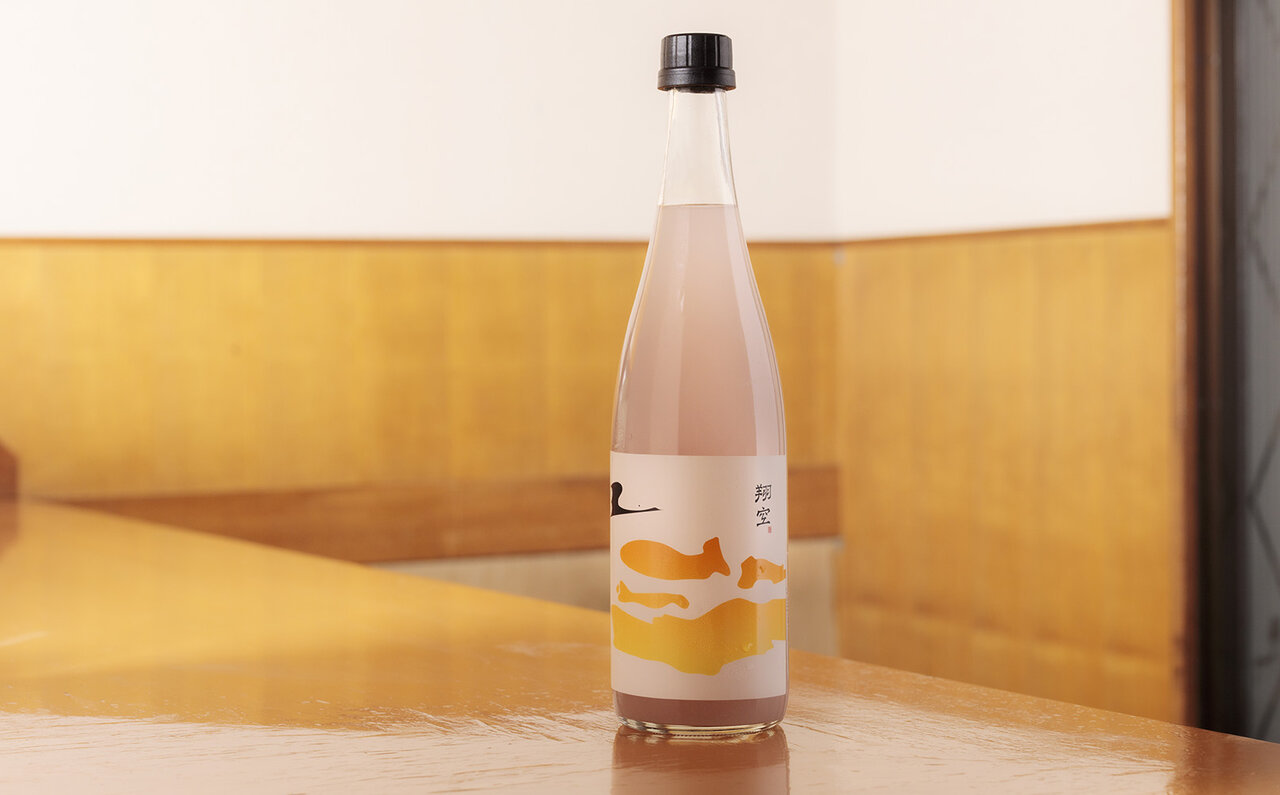
"Shokyu Mori no SAKE ~Kuro-modi Sumizake~" (LAGOON BREWERY)
"It is cloudy in appearance. However, the cloudiness is not intense, and its hue is the most unique among those tasted so far. It has pink or reddish-purple nuances. This is distinctly characteristic of kuro-modi."
Regarding the aroma, "While there is the scent of rice present, what rises above it is precisely the aroma of kuro-modi. In other words, it's an aroma reminiscent of vanilla essence. A scent like that of fragrant wood drifts."
The Historical Background and Future of Craft Sake
According to Yamauchi, a review of Japan's brewing history reveals the existence of various ingredients and methods akin to craft sake.
"The Japanese have a history of accepting diverse alcoholic beverages, and in that sense, it could be called a return to our origins. For instance, there's evidence of sake being made by mixing extracts from black beans, and records from the Date clan in Miyagi show they had breweries within their castle grounds, producing various types of sake."
This craft sake is also attracting significant attention from overseas.
"In California's garage breweries, a movement is beginning to shift from craft beer to craft sake. This allows for the exploration of craft sake's potential, born from entirely different concepts than those in Japan, and there's a possibility of it being re-imported."
While craft sake was initially viewed as a fleeting phenomenon of the times, Yamauchi now assesses that it has "quite independently begun to stand on its own." Regarding the future development of craft sake, he notes that differentiation solely through the use of unusual ingredients is becoming increasingly difficult.
"Previously, there was an element of surprise that drew attention, such as using tomatoes or melons, but that kind of novelty alone is no longer sustainable."
What is important is to create craft sake that embodies a strong sense of regional culture and philosophy. Instead of disappearing as quickly as new convenience store sweets, craft sake with a solid foundation will endure.
Craft sake is an endeavor that pushes the boundaries of Japanese sake, opening up new horizons for beverages. It is not merely a daring experiment but also serves to reaffirm the diversity of Japanese alcoholic culture and holds the potential to incorporate new influences from abroad.
"I believe craft sake will become even more fascinating through international developments," Yamauchi stated, his words conveying anticipation for the future of craft sake.