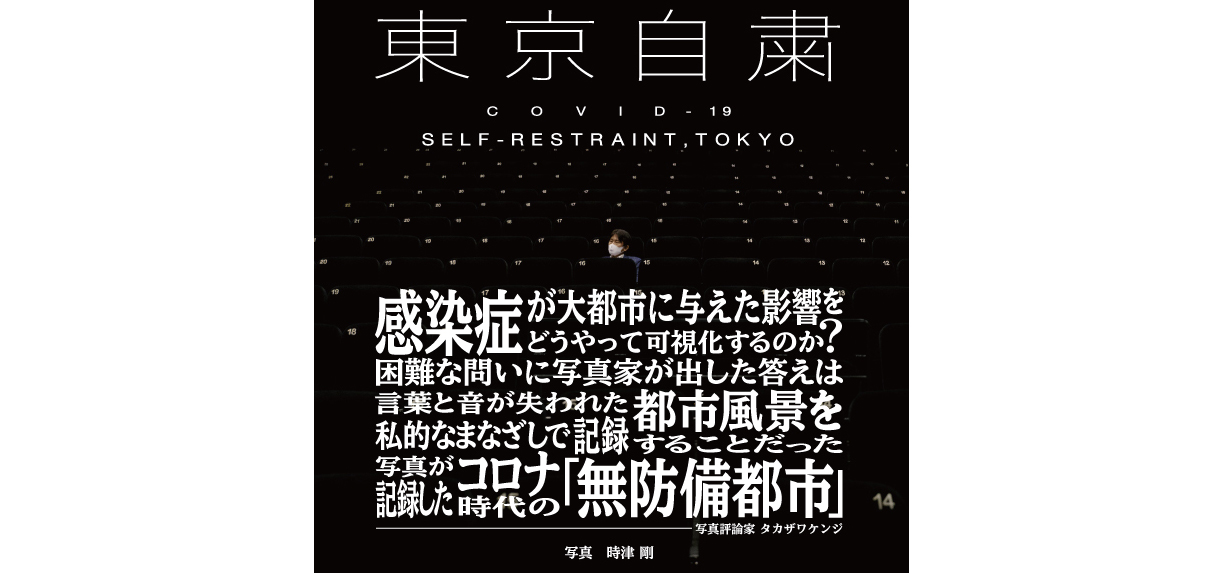
Photo Book: 'Tokyo Jishuku' (Tokyo Self-Restraint) - COVID-19, SELF-RESTRAINT, TOKYO | BOOK
BOOK | TOKYO SELF-RESTRAINT: COVID-19, SELF-RESTRAINT, TOKYO
A Record of Tokyo Photographed Through the Pandemic
Among photography books, some occasionally offer a vicarious experience of the photographer's perspective. Though I wasn't witnessing this scene myself, there are moments when I feel linked to the photographer's 'eye.' Looking at this photobook brings back that time. An inexplicable, aimless space seemed to expand not only within our homes but also throughout the city of Tokyo, and I can share that altered atmosphere with the photographer.
Photography TOKITSU Takeshi | Text by KITAHARA Toru
Trivial matters, such words.
There are moments when you realize that trivial matters are no longer so.
The warmth of a hand. For instance, shaking hands when meeting someone.
The temperature conveyed through that hand is never language. Yet, there must have been times when things unutterable in words were communicated.
There are moments when you realize that trivial matters are no longer so.
The warmth of a hand. For instance, shaking hands when meeting someone.
The temperature conveyed through that hand is never language. Yet, there must have been times when things unutterable in words were communicated.
That was taken away. Though no one was at fault.
It slipped away from our grasp. Even as we could no longer hear anyone's voice.
A world where only the word 'self-restraint' echoed arrived.
It slipped away from our grasp. Even as we could no longer hear anyone's voice.
A world where only the word 'self-restraint' echoed arrived.
Conversing with someone on screen. Even with sake before me, I couldn't read the other person's feelings. I wasn't my innocent, laughing self. There was no proper farewell, just a sudden cut-off, leaving me in tears. The two-dimensional world of remote communication. The warmth of people we hadn't noticed.
I am writing this manuscript as 2020 draws to a close. The Kohaku Uta Gassen was held without an audience, and Arashi has apparently announced the end of their 21-year career, also without an audience. How lonely. How poignant. How hollow.
Like pushing against a sleeve, or hammering a nail into bran, or a wooden wedge in tofu – what was desired was a tactile sensation, a sense of substance. Tokyo during the pandemic felt strangely numb, as if emotions had been left behind.
Perhaps not everything was bad. Because it became difficult to feel people's warmth 'directly,' we can now appreciate its value.
Yes, Tokyo must have been filled with people radiating so much warmth.
The photobook "Tokyo Self-Restraint: COVID-19, SELF-RESTRAINT, TOKYO" depicts a city under 'self-restraint.' Although the 'State of Emergency' was declared on April 7th, it lacked any mandatory force.
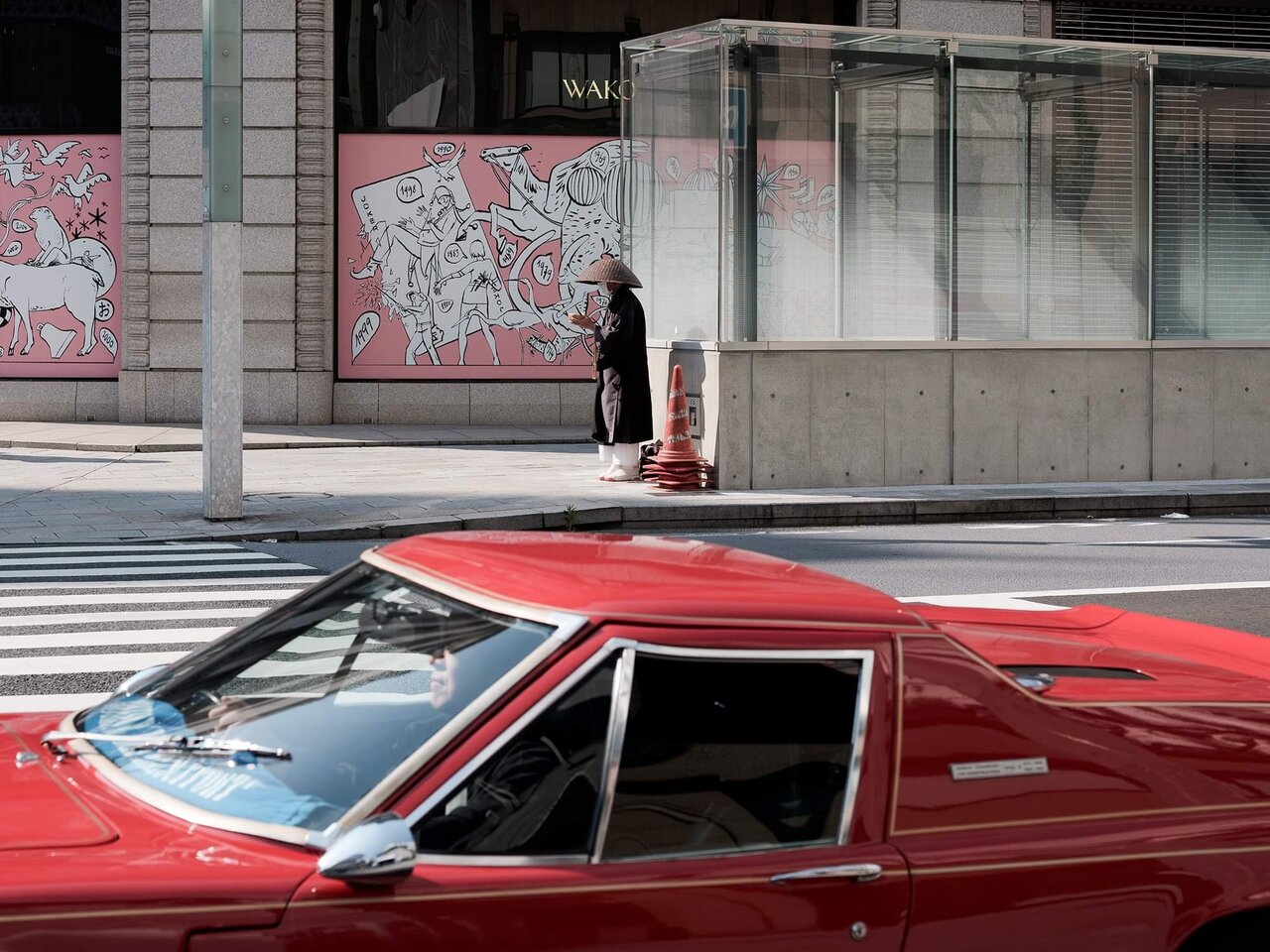
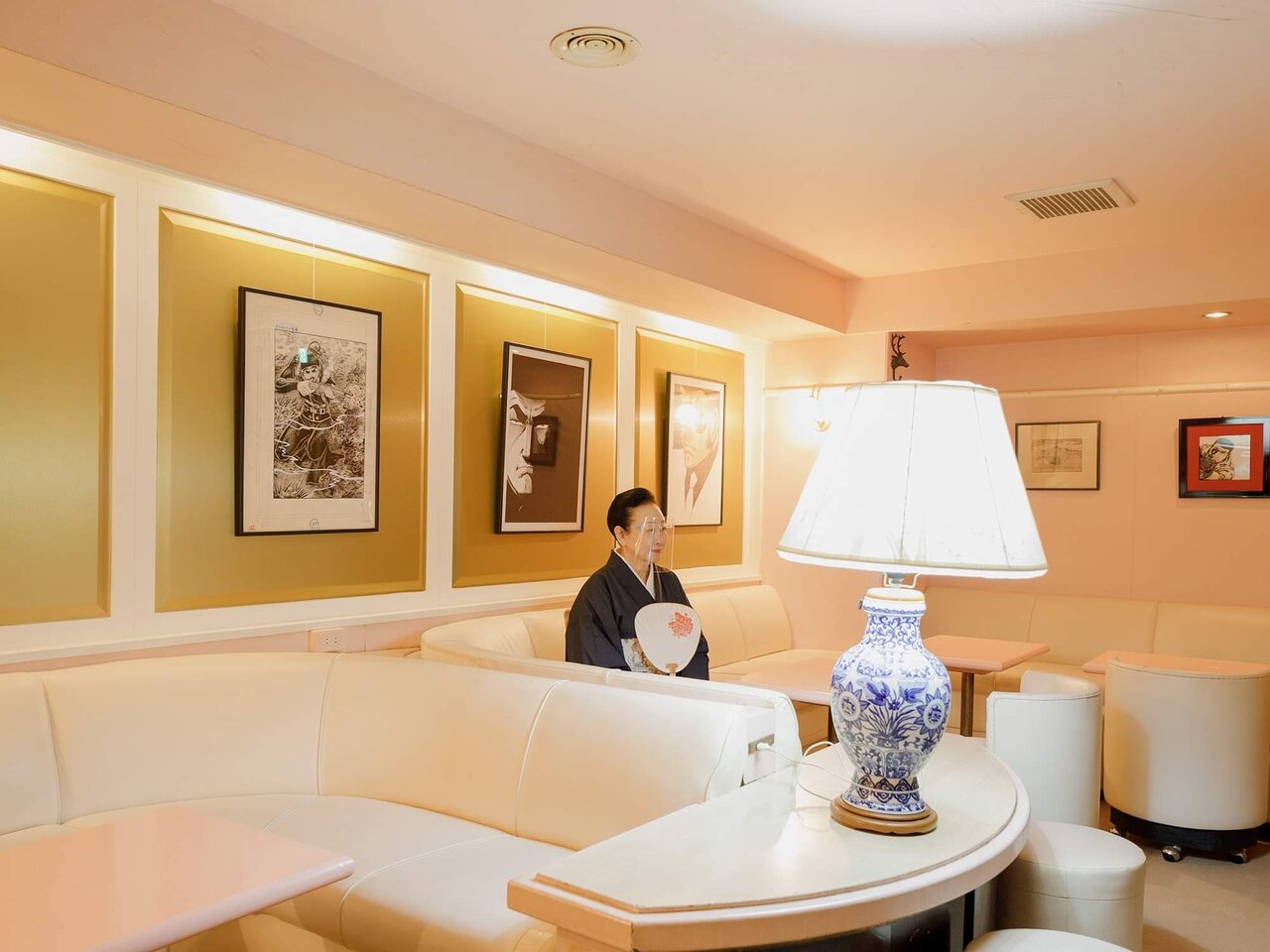
Yet, a Japanese sense of ethics caused people to disappear from the streets. But it wasn't that there were no people. Each photograph carries the scent of humanity. Whether one person or two, people were there. Tokyo was a city that existed because of its people; this realization slowly seeps into the mind through the visuals.
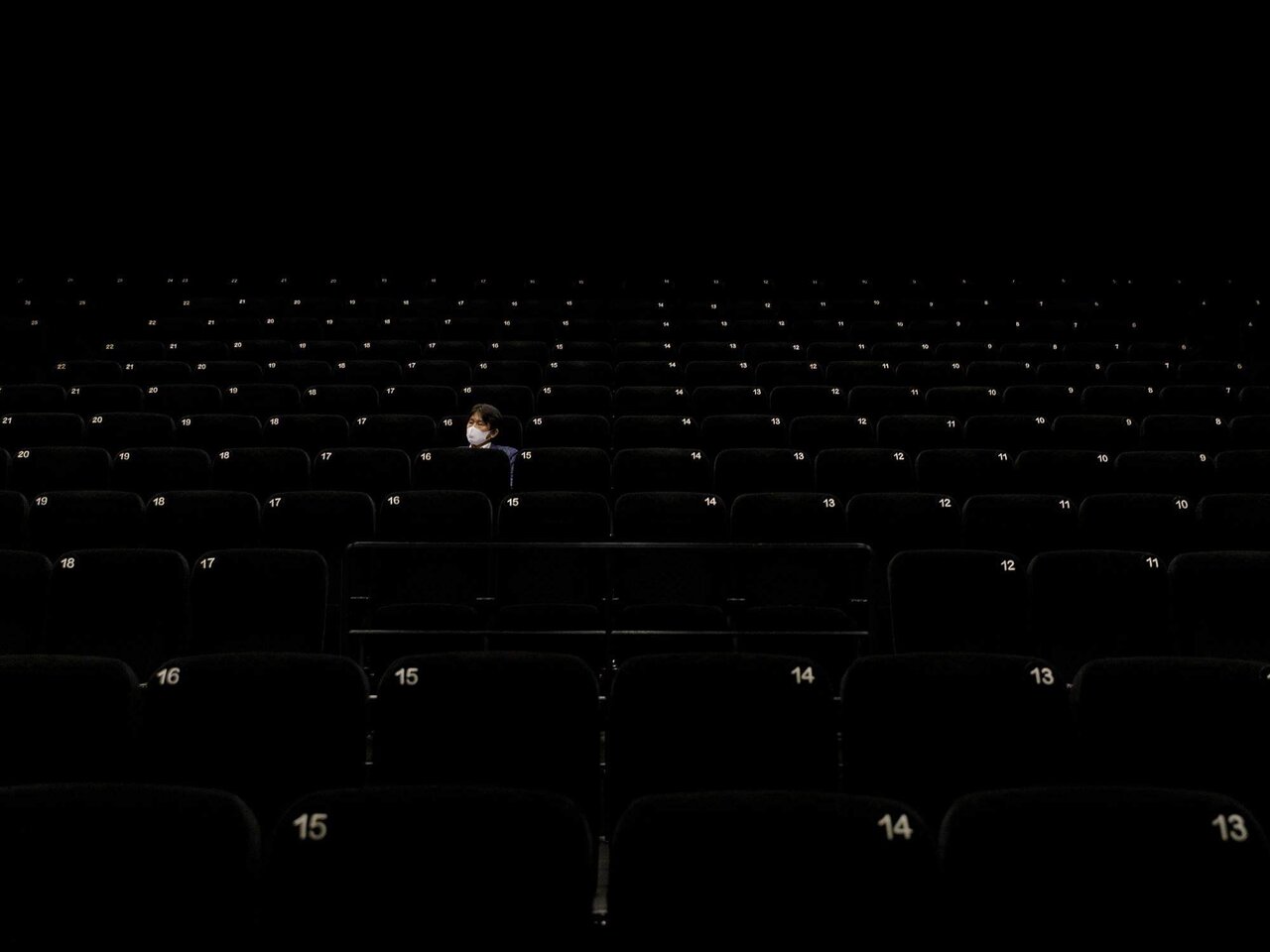
Overseas cities under lockdown. Images of deserted streets were repeatedly broadcast on television. However, in Tokyo, while the number of people decreased, they were not entirely absent. The city, with its 'self-restraint,' was depicted as a place where people were living properly, almost as if using 'self-restraint' as an excuse.
How did photographers interpret the phrase 'non-essential, non-urgent'? On Facebook and Instagram, many shared photos of everyday objects taken at home. Yet, some continued to photograph the city during this period of self-restraint. What, then, was the act of going out into the city? Photographers must have felt a definite need to capture the moment of self-restraint for their documentary work.
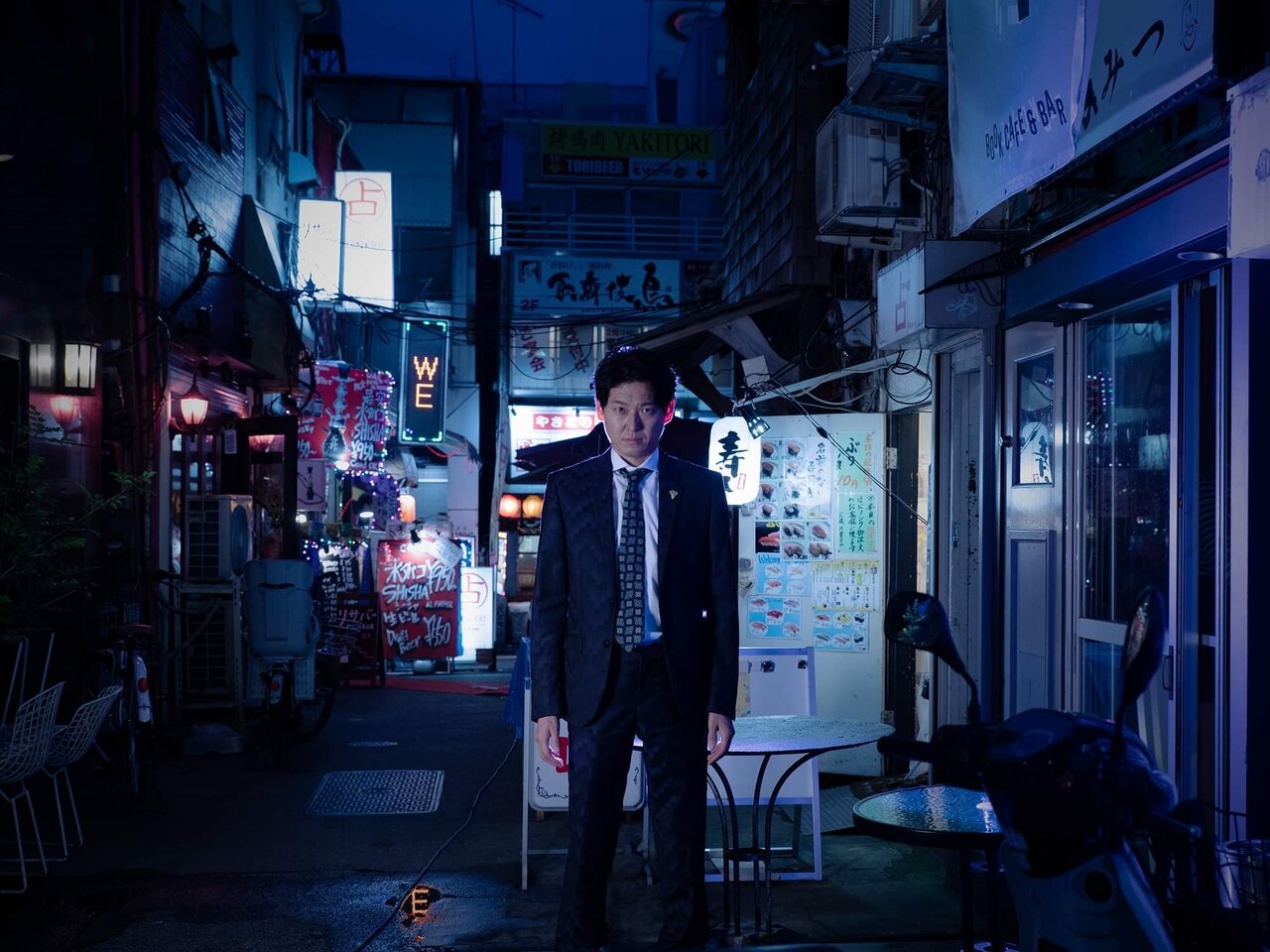
If photographers believe they can only create by 'being on location,' then their work was inherently unrelated to the concept of 'non-essential, non-urgent.' This is not a post-hoc justification, like saying 'the meal wasn't the purpose' when dining out. It was closer to a sense of mission.
Various contradictions are also reflected. A woman soliciting blood donations while the streets are empty. A woman, seemingly a maid cafe employee, venturing out with her smartphone to advertise.
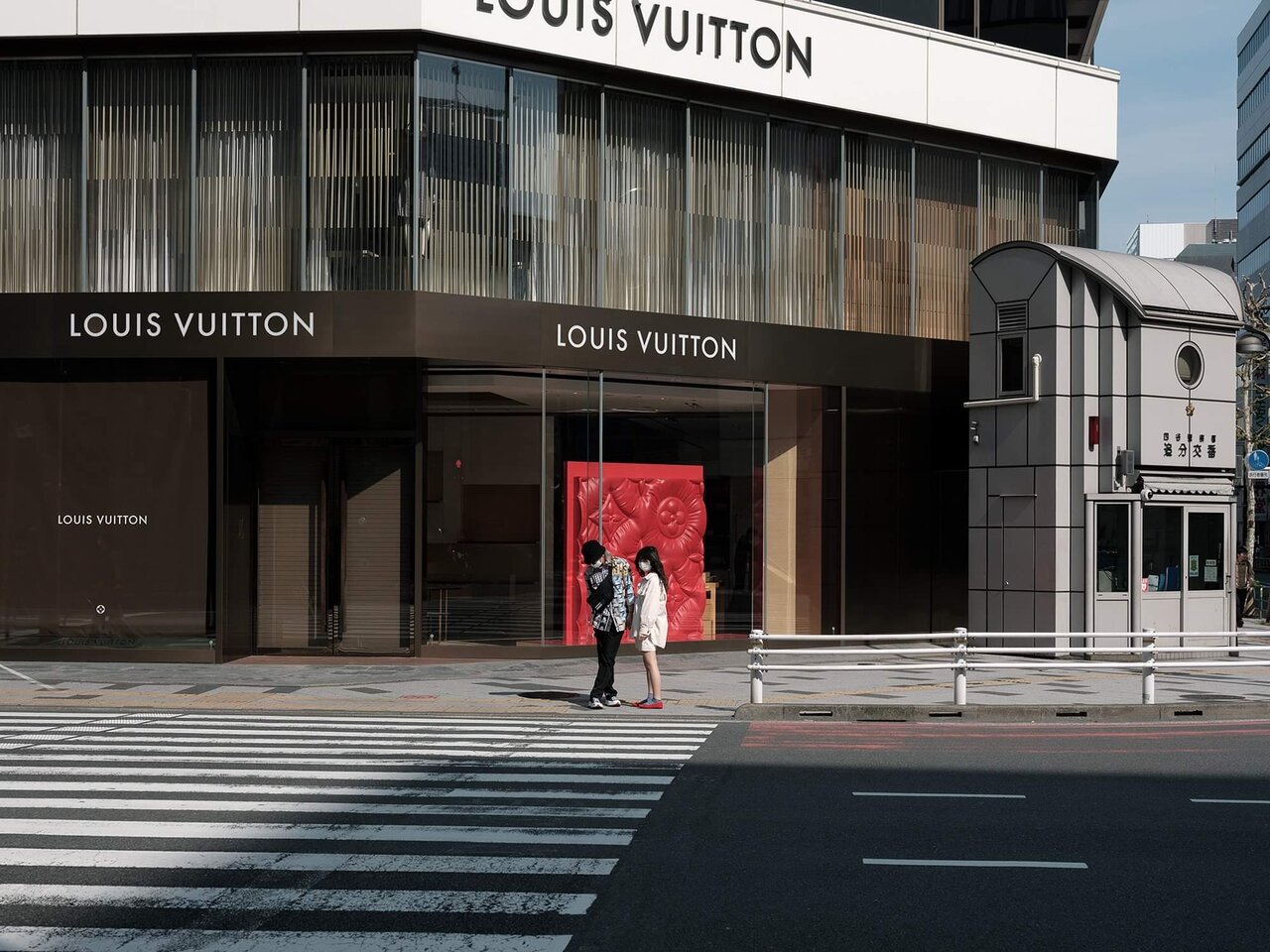
Through the photographer's eyes, we can see various scenes. Pure moments, free from contradiction, also seem to have existed here and there. Even amidst self-restraint, there are people one wishes to see. That desire transcends the words 'non-essential, non-urgent.' The inability to meet deepens love. Couples meeting at the station, couples on a date in the streets of Shinjuku – these ordinary scenes appear dazzling.
Even as infection numbers continue to rise, people are still present in the city. Looking at this photobook now, one can glimpse the love deepened by the restrictions of self-restraint, which is perhaps not an unpleasant experience.
This single volume will eventually be revisited years, even decades, from now. Opened again in your hands, it will vividly bring back Tokyo during the pandemic. It will provide an opportunity to reflect once more on what 'self-restraint' truly meant. I believe this will happen.
"Tokyo Self-Restraint: COVID-19 SELF-RESTRAINT, TOKYO"
TOKITSU Takeshi (PLEASE Inc.) ISBN978-4908722158
Price | ¥4950
URL |https://www.amazon.co.jp/dp/4908722153?ref=myi_title_dp
TOKITSU Takeshi (PLEASE Inc.) ISBN978-4908722158
Price | ¥4950
URL |https://www.amazon.co.jp/dp/4908722153?ref=myi_title_dp