BOOK | The lives of fish surviving the tsunami-stricken sea: 'Dango Uo: The Tsunami and Rebirth Seen from the Ocean Floor'
BOOK | Photographing the Fish Living in the Post-Tsunami Sea for Two Years
Yasuaki Kagii's Photo Collection: 'Shishamo: The Tsunami, the Sea, and Rebirth'
Photographer Yasuaki Kagii (Kagii Yasuaki) dove into the waters off Sanriku immediately after the Great East Japan Earthquake and spent two years documenting the small creatures living in the 'post-tsunami sea' buried in debris in his photo collection, 'Shishamo: The Tsunami, the Sea, and Rebirth.' His photographs, which meticulously record the sea's transformation from gray to vibrant life, offer us hope and remind us of nature's resilience.
Text by YANAKA Tomomi
Shishamo: Surviving the Tsunami in Their Tiny Bodies
Born in Hyogo Prefecture in 1971, Yasuaki Kagii apprenticed under underwater photographer Katsutoshi Ito during his university years. He worked as a diving guide in Australia, Izu, and the Maldives, and has been active as a freelance photographer since 1998.
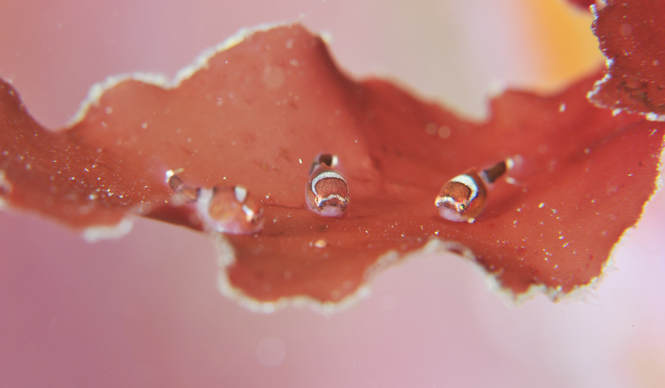
In April 2011, shortly after the earthquake, Kagii dove into Miyako Bay in Iwate Prefecture. On the seabed, where all signs of life had vanished, he miraculously encountered a single shishamo, huddled motionless. This encounter marked the beginning of the story. The shishamo, known to divers as the 'idol of the northern seas,' no bigger than a thumbnail, had survived the tsunami-ridden ocean in its small body.
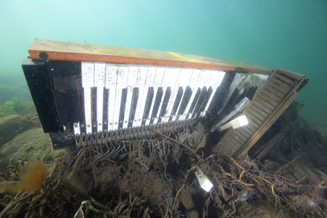
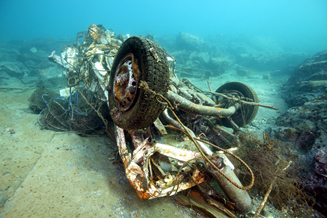
Deeply moved by this sight, Kagii returned for ten more dives over the next two years. He captured images of furniture, cars, and houses—remnants of people's lives before the disaster—submerged beneath the waves. Furthermore, he documented the signs of rebirth: seaweed sprouting from the wreckage and fish making homes in sunken cars.
Then, in June 2012, Kagii succeeded in photographing the hatching of the shishamo, which had survived the 'sea of death.' Newborn, adorable fry, having navigated the harshness of nature—including attacks by predatory snails—were captured on camera. In December 2012, Kagii encountered the grown shishamo in the midwinter sea. The shishamo's expression, which seemed to be smiling, symbolized the steadily regenerating underwater world.
This book illustrates that the recovery and rebirth from the earthquake were not only happening on land but also robustly taking place beneath the sea. It assures us that a rich ocean will surely return, and that the day will come when our world, too, will recover from the disaster.
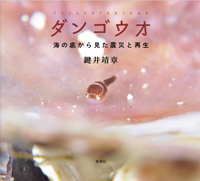
'Shishamo: The Tsunami, the Sea, and Rebirth'
Size: Width 250 x Length 25 mm
Specifications: Softcover, 144 pages
Price: 2,520 yen