Exploring the Art Floor at Nihonbashi Mitsukoshi Main Store | MITSUKOSHI
SponsoredNihonbashi Mitsukoshi Main Store
Savoring the Treasures of a Historic Department Store
A Museum to Experience the Charm of "KOGEI"
The Nihonbashi Mitsukoshi Main Store's art floor offers a diverse range of works, from traditional crafts to paintings, all of global value. A visit here is sure to captivate not only art lovers but anyone with its array of compelling pieces from across time and cultures. This journey invites you to explore the exquisite offerings of a venerable department store.
Text by OGAWA FumioPhotographs by Jamandfix
We Want Young People to Experience These Works Firsthand
Perhaps you don't often engage with art or crafts. Yet, don't your eyes sometimes linger on the tableware used in a Japanese restaurant? Or perhaps you've felt a sense of pleasure seeing a vase of flowers adorning a friend's home. Beautiful objects have the power to elevate our surroundings. Living in Japan, one begins to intuitively grasp this. Our suggestion is to engage more actively with the world of art and crafts.
We recommend the Art and Crafts Salon on the main building's sixth floor at Nihonbashi Mitsukoshi Main Store. Established in 1907, it has supported the creative endeavors of talented artists. The collection spans paintings, sculptures, objets d'art, as well as tea ceremony utensils and tableware. The expansive sixth-floor art area, which the staff proudly claims is "top-class in Japan," uses such a generous floor space that even a novice is guaranteed to feel a thrill of excitement while admiring the beautiful pieces.
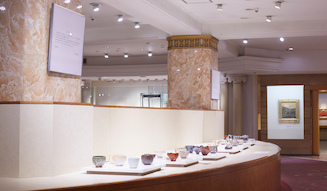
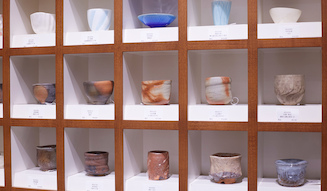
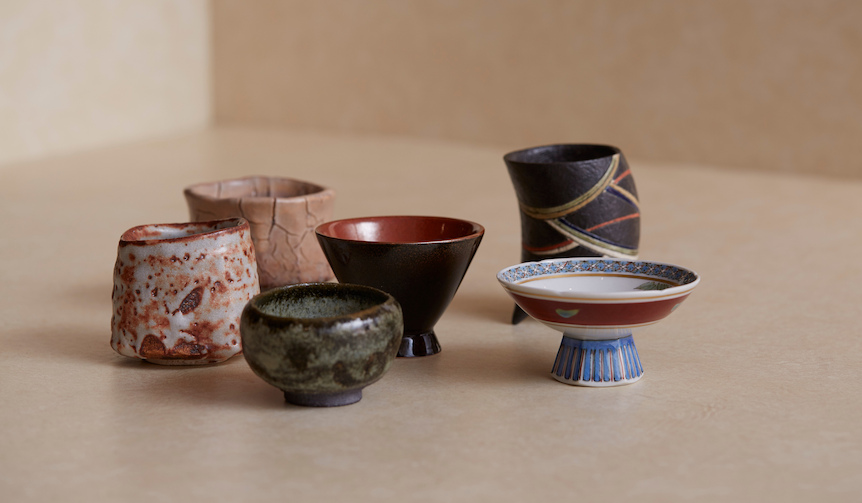
Among the items, sake cups are particularly popular for their high artistic quality and accessible price, making them suitable for daily use. Though small enough to fit in the palm of your hand, their creation involves the same meticulous effort and time as larger works, ensuring they remain captivating to behold. The collection showcases a wide array of pieces selected by art department staff who, over more than a century of history, have consistently honed their discerning eye. The sheer breadth of choice offered here is truly impressive.
On the other hand, works by Living National Treasures such as Manji Inoue and Osamu Suzuki are also available. Unlike viewing art behind glass in a museum, here you can appreciate these authentic pieces—sometimes even touching them—in terms of their color, texture, feel, and overall atmosphere. There was a critic named Hideo Kobayashi, deeply knowledgeable about art and crafts. In his seminal work, the collection of art critiques "Shingan" (Shincho-sha), he stated that to truly appreciate something, one must become familiar with it. He used the analogy of a skilled baseball batter intently watching the ball. This memory came to mind.
"We now refer to it as KOGEI," says Osamu Shimada, the manager of the art department. "What we handle here is Japan's unique traditional craft, which is highly regarded internationally. To introduce its appeal to those encountering Japanese art and crafts for the first time, we want to shed any outdated image. By leveraging the accessibility of a department store, we hope to encourage young people to experience these works firsthand."
First-time visitors are most welcome.
Nihonbashi Mitsukoshi Main Store
Savoring the Treasures of a Historic Department Store
A Museum to Experience the Charm of "KOGEI" (Part 2)
You're Sure to Find Something You Love
The city is home to many privately run art and craft galleries, where one can discover exquisite works by emerging artists, even among ceramics. In contrast, the advantage of the Art and Crafts Salon at Nihonbashi Mitsukoshi Main Store lies in its extensive selection, according to Osamu Shimada, the art department manager.
"Over our nearly 110 years of history, we have consistently attuned ourselves to our customers' desires and introduced items that meet their needs. This applies to both paintings and crafts. In essence, we anticipate market trends and present items that elicit the response, 'This is exactly what I was looking for.' While local galleries offer the pleasure of appreciating the owner's discerning taste, for those who come with a casual intention, like 'I might just look at some ceramics today,' the broad appeal of our sales floor offers a unique value."
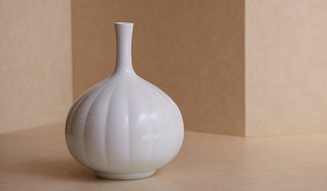
Manji Inoue of Arita, "White Porcelain Chrysanthemum Carved Neck Vase" (¥1.08 million)
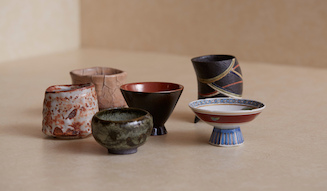
You might find yourself asking a sales associate, "Which one is best?" They will likely respond, "Whichever one you like." Aside from investment potential, the best piece is the one that resonates with you visually and tactilely – the one you simply "like." Interestingly, if there are 50 sake cups, it's highly unlikely you'll like them all equally. You will invariably find one or two that particularly capture your affection. This can be the starting point for your relationship with ceramics. The same principle applies to paintings, sculptures, and other art forms.
A sales associate revealed that they sometimes bring their favorite sake cups to drinking establishments. While there may not be the same functional basis as with wine glasses, which vary in shape depending on the type of grape, using a vessel you love brings a sense of deep relaxation. This is understandable. Furthermore, with use, the sake cup develops a patina, and the taste of the sake itself is said to change. This is an anecdote that speaks to Japanese culture. The affection for everyday objects is distinct from that for headphones or watches. It's a unique feeling, tied to a deeper level of our senses, perhaps best described as a joy of living.
Nihonbashi Mitsukoshi Main Store
Savoring the Treasures of a Historic Department Store
A Museum to Experience the Charm of "KOGEI" (Part 3)
A Museum with a More Public Character
There is little point in debating the superiority of the works handled at Nihonbashi Mitsukoshi Main Store's Art and Crafts Salon compared to new technologies. What matters is that appreciation can be based on the intuitive feeling of simply liking something. This is a major reason why we encourage readers to engage with art and crafts.
When buying digital products, we ask at the store, "Which is the latest model?" Many professional photographers will tell you that for digital cameras, newness is the only criterion. As life becomes increasingly bland, just as there's a shift towards film cameras, encountering objects that resonate with ineffable feelings is profoundly important.
Mitsukoshi announced the dawn of the modern department store with its "Department Store Declaration" in 1904 (Meiji 37). That same year, it held an exhibition of Korin Ogata's works, which, according to records, garnered significant attention as an unusual art exhibition held outside of a museum. In 1907, to make art, previously accessible only to the wealthy, available to a wider audience, the "New Art Department" (as it was then known) was established, and the exhibition and sale of paintings commenced.
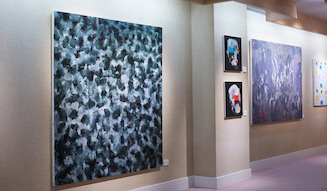
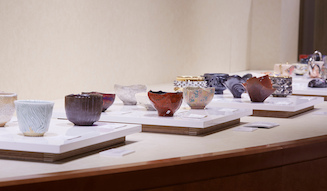
In its engagement with the art world, Mitsukoshi has organized various special exhibitions. Among these were exhibitions held after Japan's defeat in World War II, with the aim of "giving hope to the hearts of a devastated nation" (from "100 Years of Mitsukoshi Art Department"). It could be described as a museum with a more public character.
"Industrial products have consistently expanded consumption through technological innovation and progress. New materials, new functions – novelty has always satisfied people's desires. Yet, in contrast, a single tea bowl created by a potter in the Momoyama period (Note: Toyotomi period) continues to fulfill our hearts over centuries, and the aesthetic sensibilities of Kamakura-era Buddhist sculptors captivate people worldwide, transcending national borders." (from "100 Years of Mitsukoshi Art Department")
Of course, older crafts are not necessarily the best. The Nihonbashi Mitsukoshi Main Store's art department also focuses on nurturing contemporary artists. As indicated by their use of the term KOGEI, they are currently emphasizing works that young people can easily incorporate into their daily lives. The first step is to visit and feel free to speak with the stylists (sales staff). This process also offers the enjoyment of cultivating your own aesthetic sense. For instance, while media reviews might not be as frequent as for fashion, the objects you encounter daily are more likely to be ceramics or paintings on the wall than bags or cars. This is precisely why the Art and Crafts Salon at Nihonbashi Mitsukoshi Main Store exists. Why not begin your journey with a sake cup?
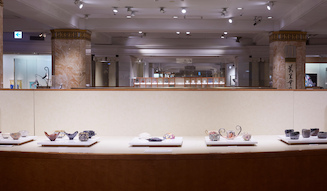
Nihonbashi Mitsukoshi Main Store
1-4-1 Nihonbashi Muromachi, Chuo-ku, Tokyo
TEL: 03-3241-3311 (General)
Business Hours: 10:30 AM - 7:30 PM
http://mitsukoshi.mistore.jp/store/nihombashi/floor/main_6f/art/index.html