New BMW GRAN TURISMO | Chapter 3 Interview: Shigeru Ban
Chapter 3 Talks About Sustainability|Interview with BAN Shigeru
Shigeru Ban|Are His Students His Sustainable Items?
Text by Wakako MiyakePhotos by Jamandfix
An Unconventional Architect
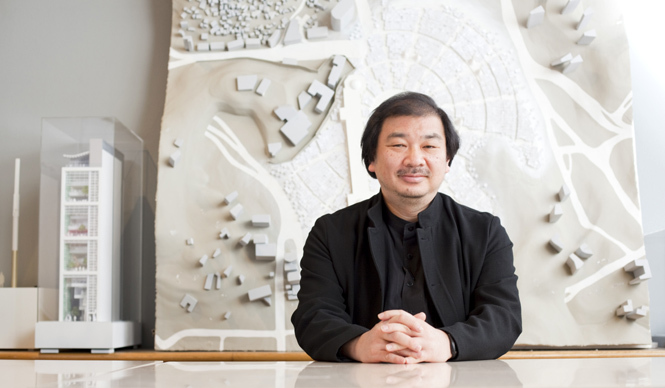
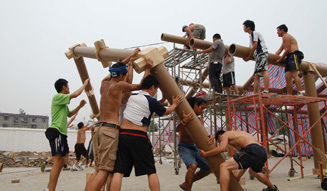
Architect Shigeru Ban is known for creating a variety of structures, including churches built with paper tubes, mobile museums assembled from stacked containers, and homes with curtain walls clad in tent fabric. Yet, as an architect, he is also an unconventional figure. One aspect of this is his volunteer work, which began in 1994 at refugee camps in Rwanda, building temporary housing in disaster-stricken areas.

“For example, earthquakes are called natural disasters, but in most cases, people don’t die from the earthquake itself, but from the collapse of buildings. So, the deaths are also the responsibility of architects. Furthermore, when houses are destroyed and people lose their homes, temporary housing becomes necessary. But architects aren’t working in those situations. They aren’t present. I believe architects can apply their skills in such places, and since people are losing their homes and lives due to our responsibility, I think it’s our job to help there.”
Few architects think to this extent, which is why he is considered unconventional. He also always brings students to disaster sites. “It’s part of my educational activities. Most of what architects do doesn’t really serve society. We either build for the privileged class or act as agents for developers to make money. But we have the ability to improve living spaces, even if just a little. I want to teach students that using that ability for the benefit of society is also the work of an architect.”
Nurturing the Next Generation
The catalyst for this was the education he received in America. He was fortunate to have excellent teachers, and while he cannot directly repay them, he feels it is his duty and responsibility to pass on what he believes is important for architects to the next generation.
“I’ve never thought of what I do as sustainable. However, I do think that nurturing the next generation might hold significant meaning for creating a sustainable world.”
Mr. Ban states that his “sustainable items” are his students.
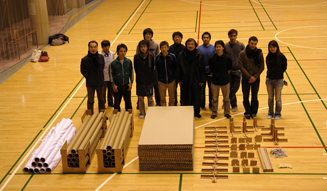
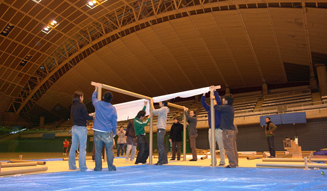
While sometimes asked to volunteer, Mr. Ban also approaches situations himself. Nothing will happen if he waits. He believes that continuous activity is essential, and he always wants to bring students to the field. To sustain this effort, he established the NGO VAN (Voluntary Architects Network). It is exciting to anticipate the future of architecture, wondering what kind of architects the students who learned from Mr. Ban will become, and what they will pass on to the next generation.

Inquiries: BMW Customer Support 0120-55-3578 (Open daily 9:00-20:00)