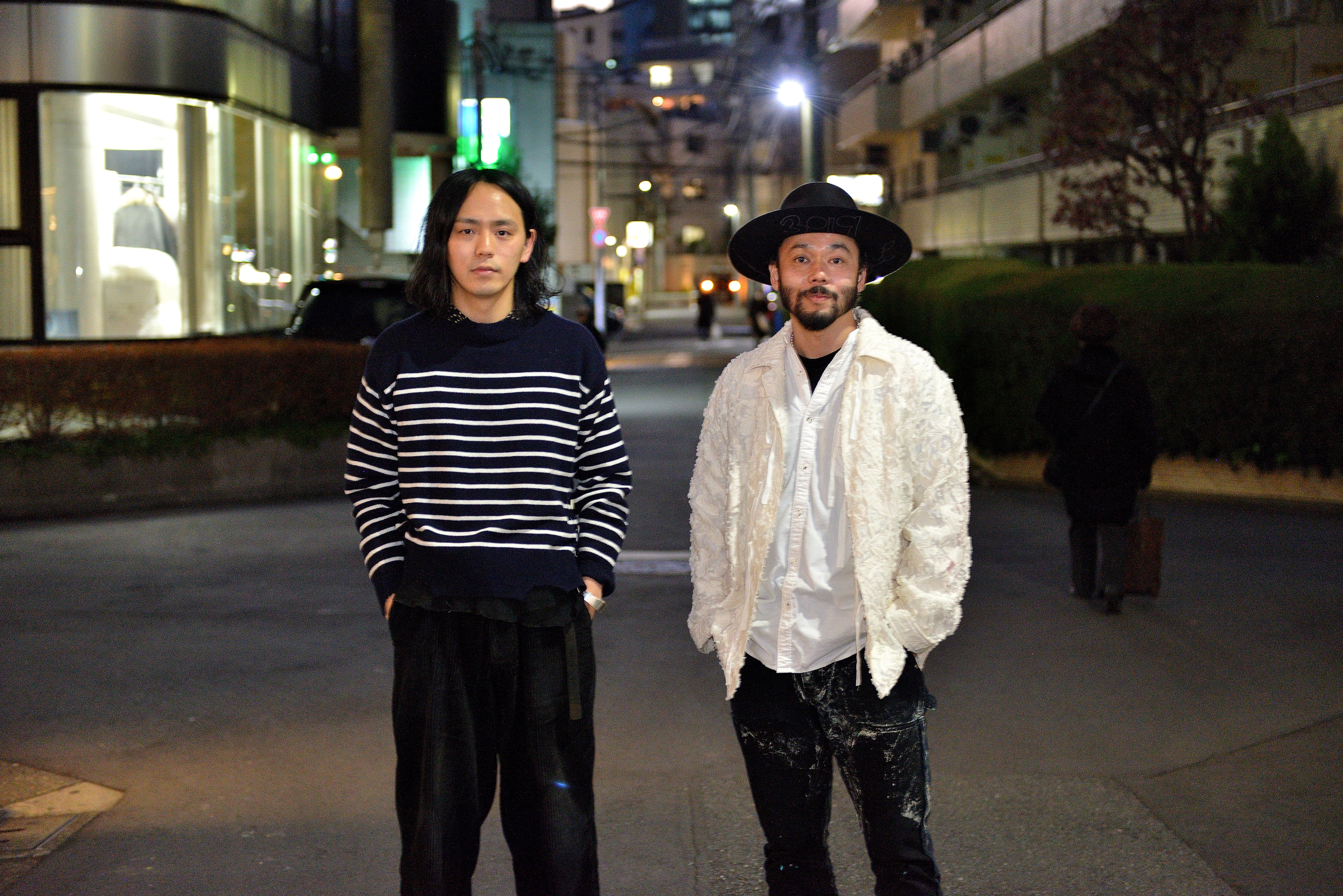
POGGY’S FILTER|vol.12 Shinpei Goto (MASU)
Interview by KOGI “Poggy” Motofumi|Photographs & Text by OMAE Kiwamu
LAILA: A Journey Through Vintage Fashion
Shinpei Goto (hereafter, Goto)After graduating high school, I moved to Tokyo and attended Bunka Fashion College. It was a three-year course.
POGGYWhich department did you study in at Bunka?
GotoThe Men's Design course in the Design Department, primarily focused on tailoring. In my third year, through a fortunate connection, I became involved with LAILA. It coincided with the launch of LAILA TOKIO and seven by seven. While attending school, I was also doing part-time work, deconstructing and sewing scarves for remake items. After graduation, I joined LAILA directly.
POGGYI graduated from Hokkaido Dressmaker Gakuin, but I was really into Ura-Harajuku fashion. I got so absorbed in that scene that I barely attended classes, so I don't really feel like I graduated (laughs).
GotoIt might have been similar for me. I was so caught up with LAILA that I couldn't even pay attention in class. There were also many fashion events organized by people my age, which I often attended. But deep down, I'm serious, so I made sure to complete my assignments.
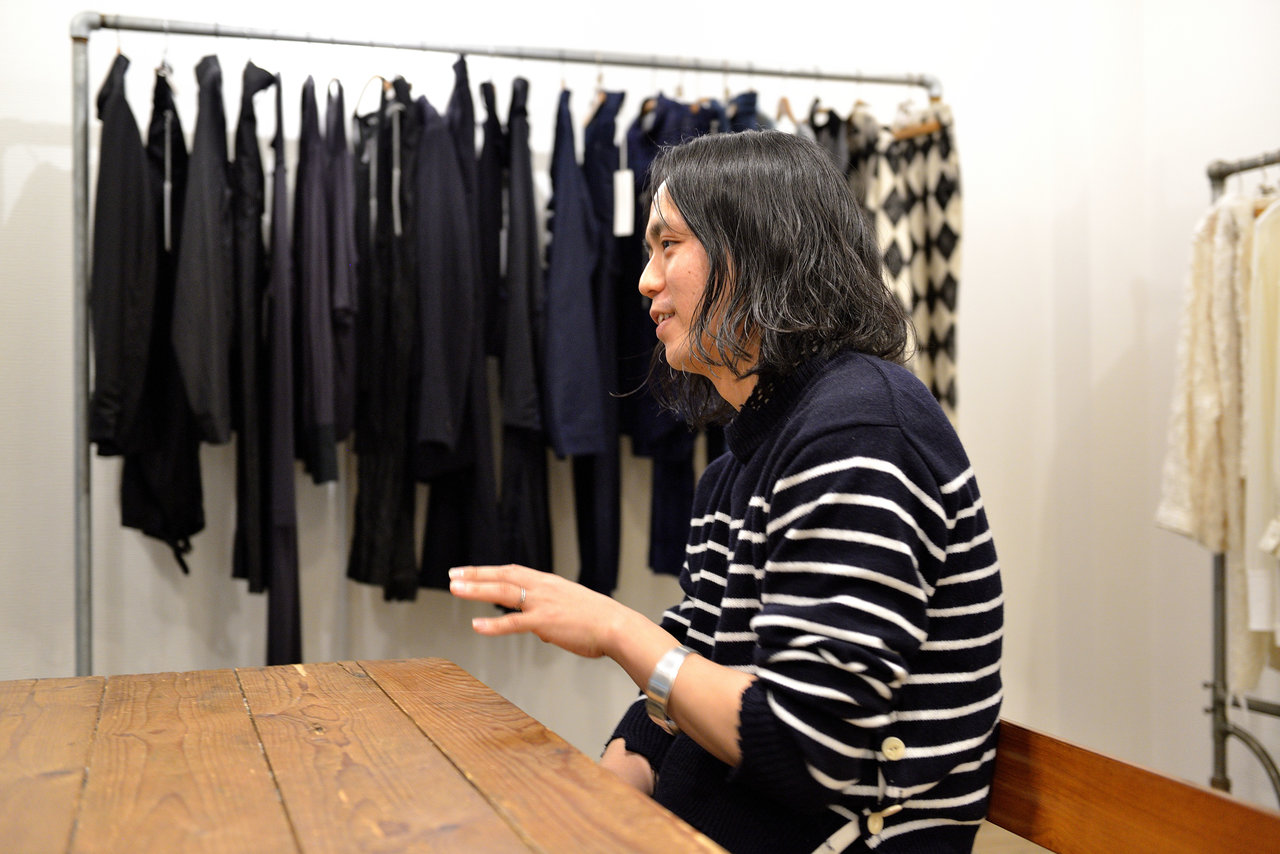
GotoYes. It started around middle school with a pair of worn-out Levi's 501s. From there, I became obsessed with vintage, particularly drawn to 70s fashion. I discovered brands like North Beach Leather and East West Leather, and through researching them, I found LAILA. Even now, LAILA had an incredible collection of such items back then. I always thought I'd visit if I ever came to Tokyo.
POGGYWhat inspired you to become a designer?
GotoThat's a difficult question... I loved wearing clothes, but I also felt there had to be something more interesting out there. That's what led me to want to be on the creation side. It started with wanting to imitate things.
POGGYWere you already working on your own brand when you were at LAILA?
GotoAfter I left. At LAILA, I also assisted with seven by seven, where I was responsible for planning and production. During that time, I had the opportunity to see many of LAILA's products and archives. In total, including my part-time work, I was there for about four years. When I decided to leave, they offered me a position, which led me to join my current company.
POGGYHow did you end up working with "M A S U"?
GotoIt started when a fabric supplier I knew was connected to the president of my current company. I was very well taken care of by that supplier, and it was through their introduction. Fortunately, I was able to get involved in various aspects, which I consider lucky.
POGGYThe brand already existed before you joined, correct?
GotoYes, for the Autumn/Winter 2017 season, another designer worked on it for about a year. When they left, I was invited to join. Originally, the brand had a completely different aesthetic, but I strongly resonated with its core concept. So, I kept the name, just changing the pronunciation. I asked if I could restart it and began the rebranding process.
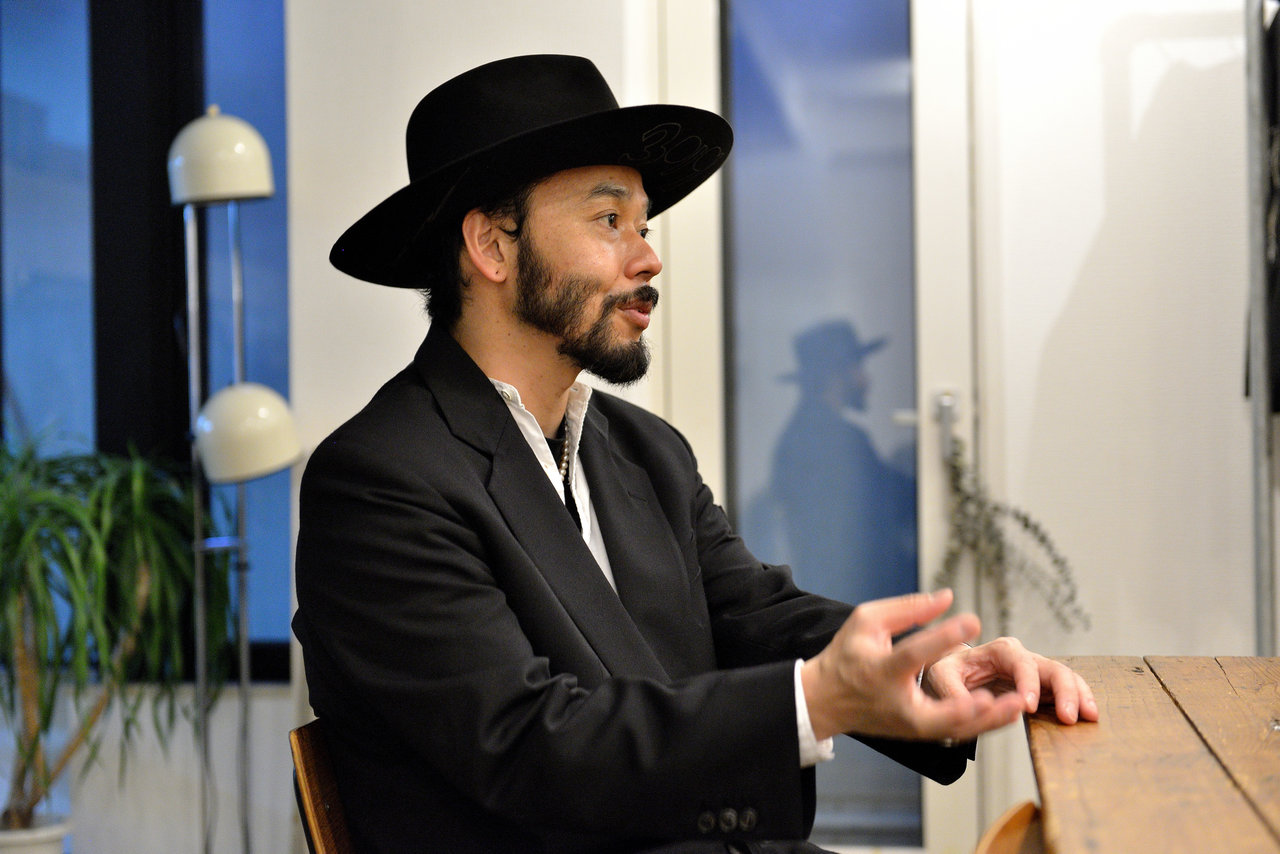
GotoThat's right. Sorry for the slight confusion (laughs).
POGGYWhat was the brand concept that resonated with you?
GotoThe name "MASU" comes from the polite Japanese suffix "masu," used in phrases like "Arigato gozaimasu" (Thank you). Firstly, it signifies meticulous craftsmanship. Secondly, it refers to honorific and polite language, which we use daily without much thought. The concept encourages us to reflect on and properly appreciate these elements. It aligned closely with what I wanted to achieve, so I decided to carry it forward.
POGGYWhere do you draw inspiration from for your creations?
GotoIt varies depending on what I want to express or convey at the time. For instance, I might start by questioning the current fashion industry or the flow of things. I then delve deeper into those initial thoughts. While I'm inspired by vintage, as I've always loved it, my primary focus is on what message I want to communicate.
POGGYWhen I first saw your designs, I felt they were not just reproductions of vintage pieces but thoughtfully designed, with a strong emphasis on quality. Given that you operate with a small team, the pricing is also remarkably accessible. I find them to be excellent value for money.
GotoI'm very happy to hear you say that.
POGGYJapanese brands often become quite expensive when they go international. In that sense, I believe you have the potential to compete globally if you continue to take the right steps.
GotoPrimarily, it's the labor costs. Having the support of the factory operated by the company allows us to offer these prices. This enables us to focus more on fabric and quality. We mostly create our own fabrics, and the fact that we can easily tackle complex sewing techniques is a great advantage.
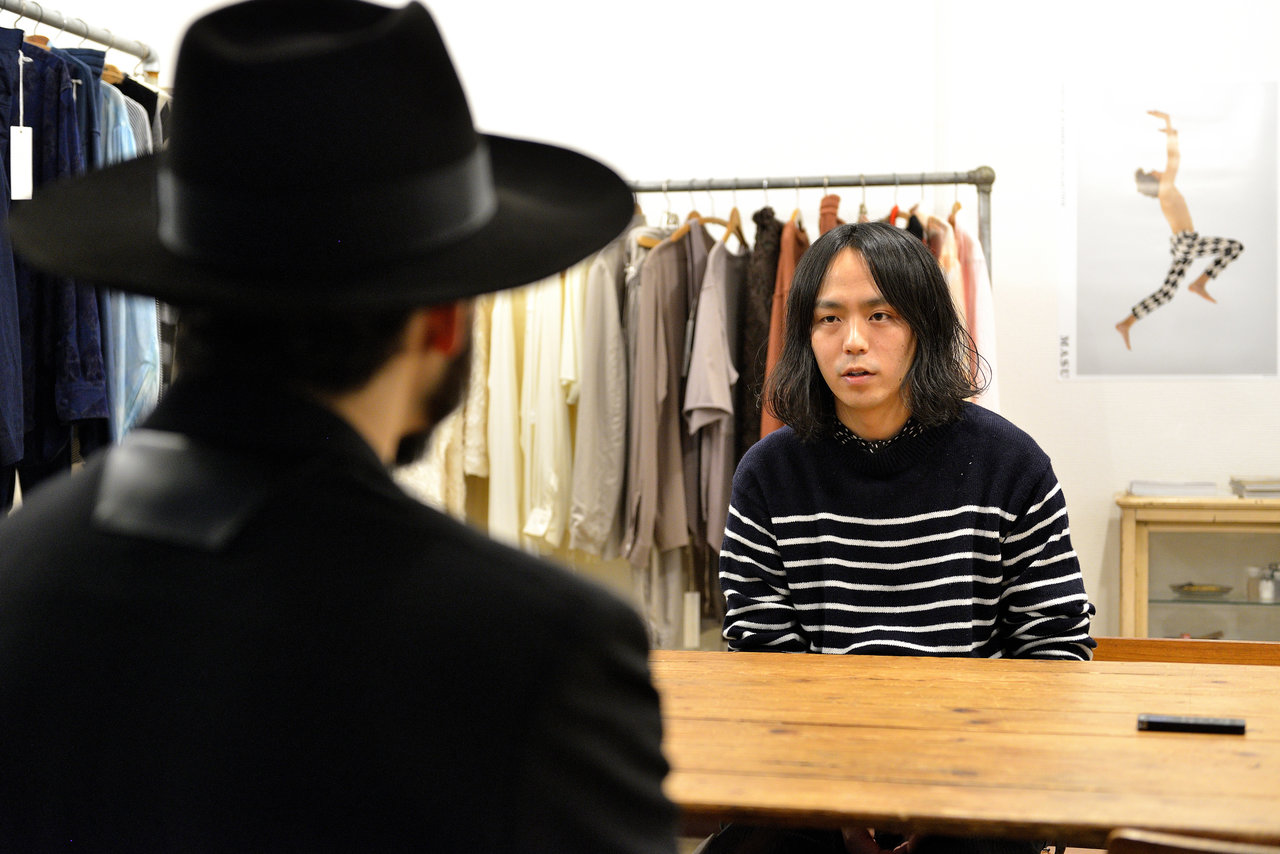
The Power of Clothing: Enduring Quality Beyond the Brand Tag
GotoI think my long-standing love for vintage plays a role. When I was at LAILA, I had the chance to see many archival pieces from older designer brands. Perhaps that naturally elevated my perspective. High quality is the priority, the fundamental prerequisite. I aim to incorporate an element of intrigue within that framework.
POGGYIs your focus primarily on menswear?
GotoYes. However, many women purchase items individually. We use materials like velvet for down jackets and rabbit fur for knits, but we don't strictly adhere to traditional masculine or feminine materials. It's not about creating unisex clothing; rather, it's about presenting new possibilities for men to wear such materials. For example, jackets made with lace-like fabrics – we're exploring various challenges to offer a sense of novelty.
POGGYAre there other designers in your age group around you?
GotoThere are a few in London and scattered around Tokyo, but not a large number. I wish there were more designers my age.
POGGYMany of the brands run by people in their twenties are in the streetwear category, aren't they?
GotoYes. I think it's easier to operate in streetwear. I'd like to see more brands that consistently produce tailored jackets each season.
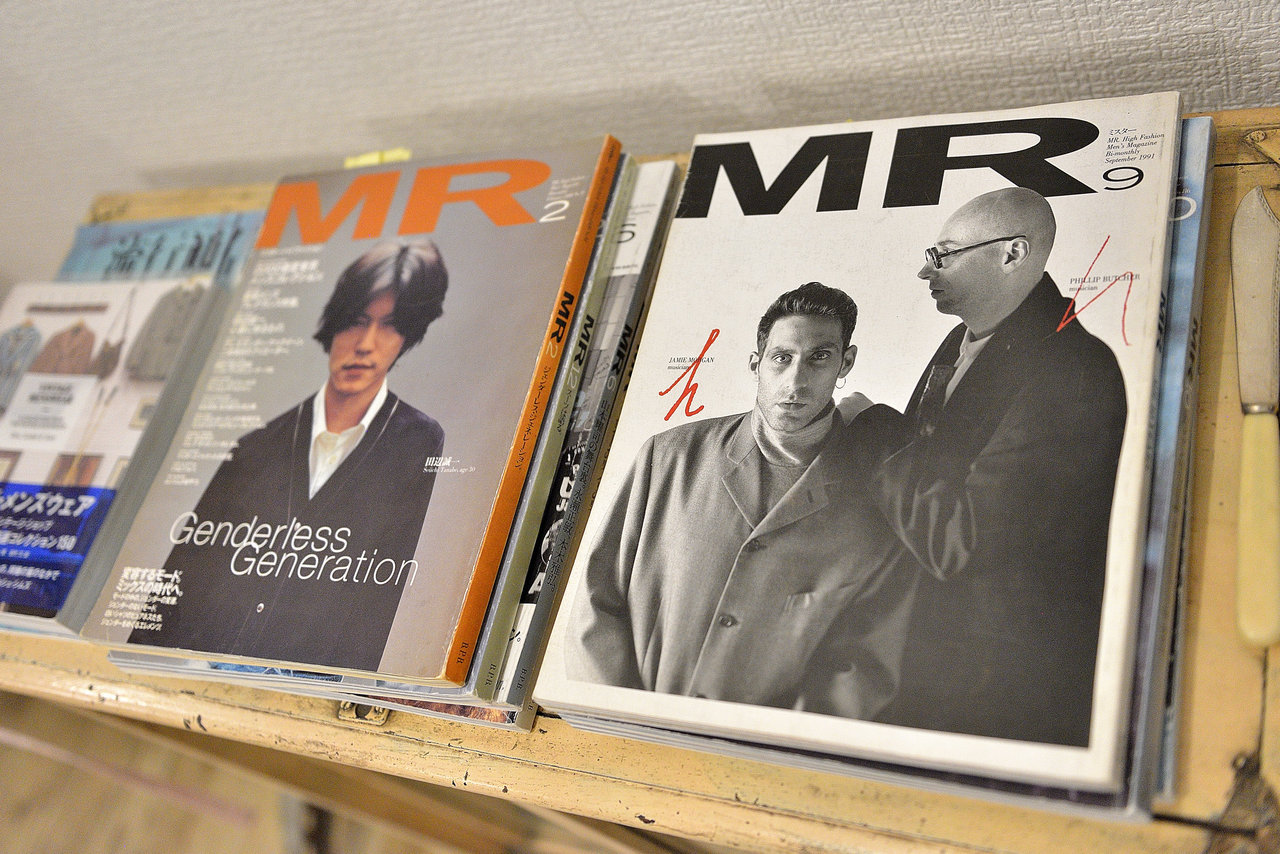
GotoIn that era, each brand stood out distinctly, with a clear direction and purpose. I'm drawn to that strength and attitude. I draw inspiration from those aspects.
POGGYWhile looking through "Mr. High Fashion" earlier, I saw an article about the joint show by COMME des GARÇONS and Yohji Yamamoto...(Note: Held in 1991)...which you weren't even born for yet.
GotoThat's right. While I wish I could have seen it in real-time, not having experienced it allows me to look back and ask, "What made it so significant?" From the joint show of Comme des Garçons and Yohji Yamamoto onwards, menswear seemed to become more liberated. Although there were other factors, I view that progression as looking back from the future.
POGGYDo you envision holding fashion shows in the future?
GotoI have a vague desire to do so, but I'm not yet certain if it's the most effective form of expression. For now, I want to start with what I can do, such as through video or installations. And when the right time comes, I'd like to hold a show. Conversely, POGGY-san, I'd like to ask you: what is the significance of fashion shows, and do you think they will continue in their current form? What are your thoughts?
POGGYThere are certainly experiences that can only be had at a fashion show. The designers' creations, poured into just ten-odd minutes each season, and the atmosphere – those feelings are unique to fashion shows, so I believe they hold significant value. However, in today's world, there are entirely different forms of expression. For example, events like ComplexCon, which combine fashion with art, toys, and music, offer enjoyment to audiences at different times than Milan or Paris Fashion Weeks. This has become a trend. Fashion shows are undeniably wonderful in their own right. But I think other approaches are also perfectly valid now. Yet, "M A S U," in a good way, feels somewhat anachronistic, so perhaps it's a bit different from those trends.
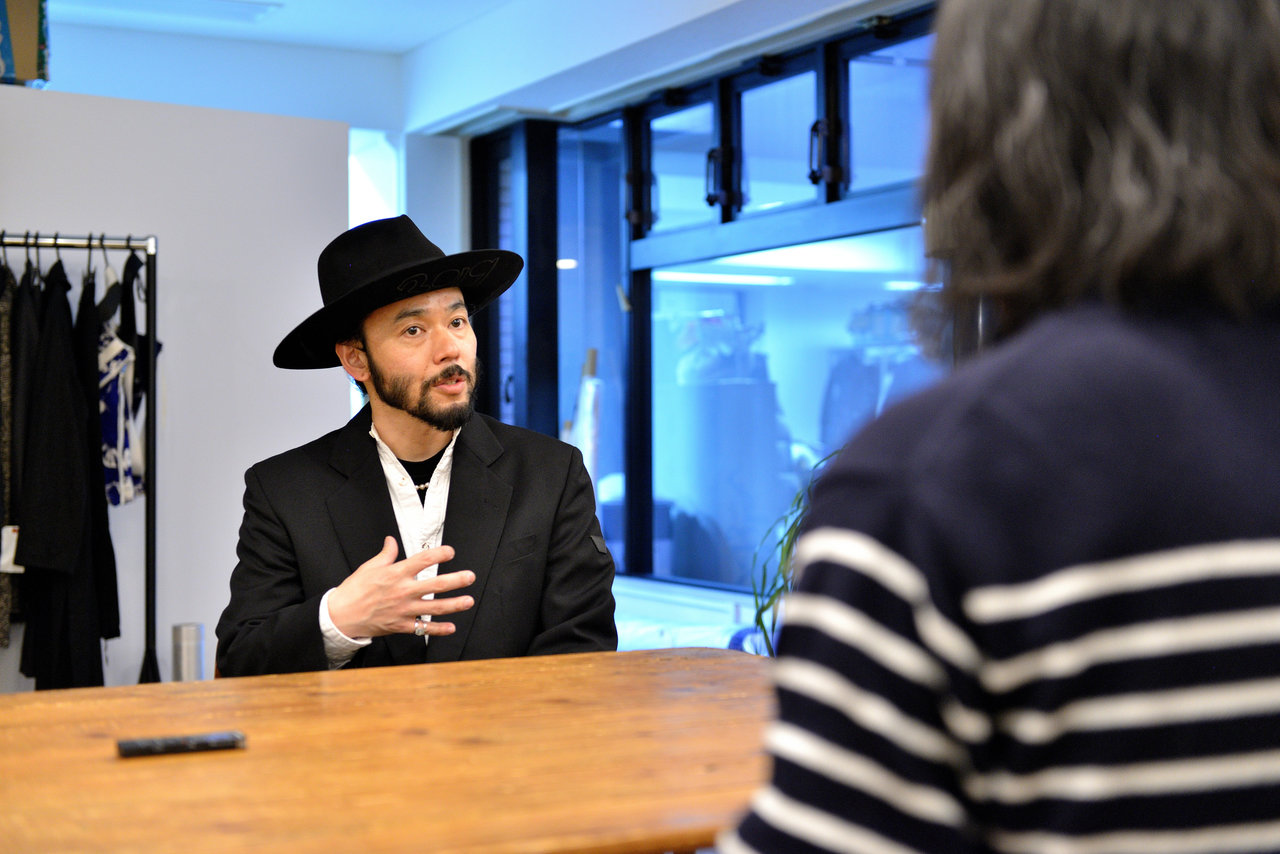
POGGYIt feels like you prioritize timelessness.
GotoYes. What I value most in design is creating pieces that remain appealing regardless of when they are viewed. I wouldn't want to create anything less. Based on that standard, I make decisions like, "Let's omit this" or "Let's abandon this design." I believe in the power of clothing – pieces that can become vintage, that even after 20 or 30 years, when the brand tag is gone and they've passed to someone else, can still be seen as "good clothing." Perhaps that's what timelessness means.
POGGYLooking ahead, if "M A S U" were to properly venture into womenswear, it seems like it could be quite successful.
GotoI've considered that, but I honestly don't understand women's psychology very well (laughs).
POGGYHowever, perhaps it's better not to force it too much.
GotoYou're right. If I tried to create overtly feminine womenswear, I suspect it would be a major failure. But I find the timing for a menswear brand to launch womenswear to be quite challenging.
POGGYPerhaps it would be better to approach it without explicitly announcing it as a womenswear line. For women, beyond price, even if the size isn't perfect, they might buy something they like from a vintage store. Starting with a stance where they can wear it even if the fit isn't exact, if they love it, might be the way to go. Then, if the demand grows, you can expand more formally.
GotoSo, perhaps offering sizes smaller than the usual S, like XS or even smaller?
POGGYNo, initially, don't even worry about the sizes.
GotoLet it expand naturally. It's fine to wait until the demand becomes more vocal, right?
POGGYYes, but be prepared for that possibility. Just be ready.
GotoUnderstood. Thank you for the valuable advice!
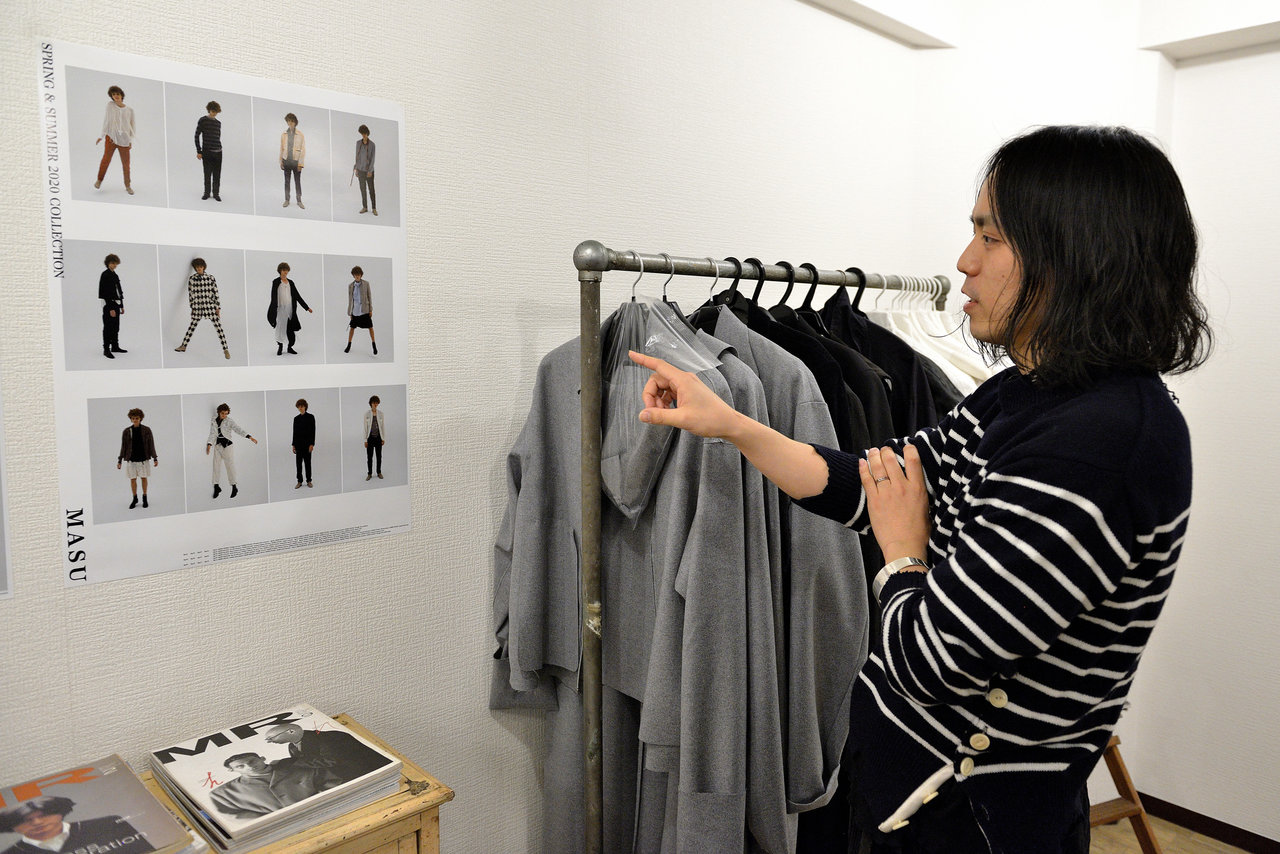
Born in 1992. After graduating from Bunka Fashion College in 2014, he joined LAILA, a renowned vintage shop known for its extensive collection of rare international vintage pieces. He was a founding member of LAILA's in-house brand, SEVEN BY SEVEN, involved in planning and production from Autumn/Winter 2015 to Spring/Summer 2018. He officially launched as the designer for M A S U starting with the Autumn/Winter 2018 collection.