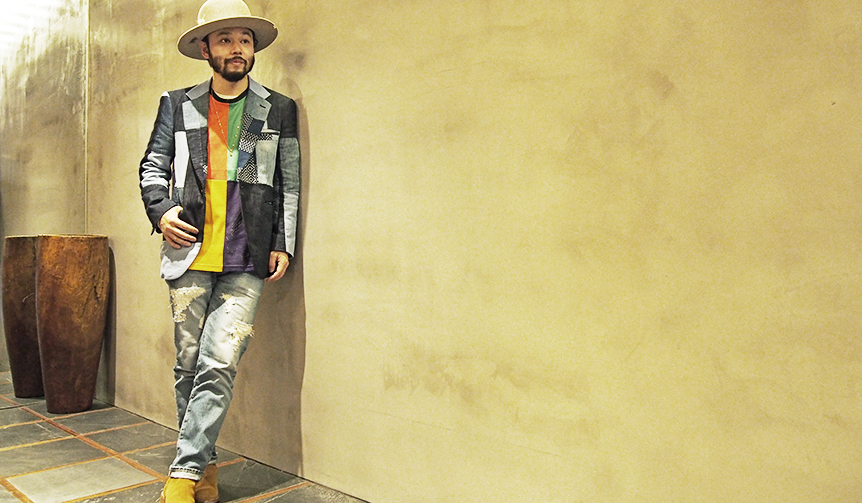
Motofumi "Poggy" Kōki on the Future of Select Shops | UNITED ARROWS & SONS
UNITED ARROWS & SONS
Buyer Motofumi "Poggy" Kōki
Where is the Future of Select Shops Headed? (Part 1)
Motofumi "Poggy" Kōki, who leads UNITED ARROWS & SONS, is now an indispensable figure in the industry. This article delves into the roots of how he became one of the key drivers of Tokyo's fashion scene.
Photograph by OPENERSText by OPENERS
The Path to Becoming a Buyer Takes More Than a Day
Born in 1976, Kōki is turning 40 this year. He is now a renowned buyer, known by everyone in the industry, and can be considered one of the leaders of Tokyo's current fashion scene. His journey to this point has been quite dramatic.
"I'm from Sapporo and became interested in fashion around high school. I admired Hiroshi Fujiwara and NIGO®. I enrolled in a fashion design school aiming to become a designer, but I was terrible with the sewing machine and gave up on design early on. Still, I wanted to work in fashion. By chance, a friend told me there was an opening for a part-time job at UNITED ARROWS' Yurakucho store, so I moved to Tokyo to apply. That was exactly when I was 20 years old."
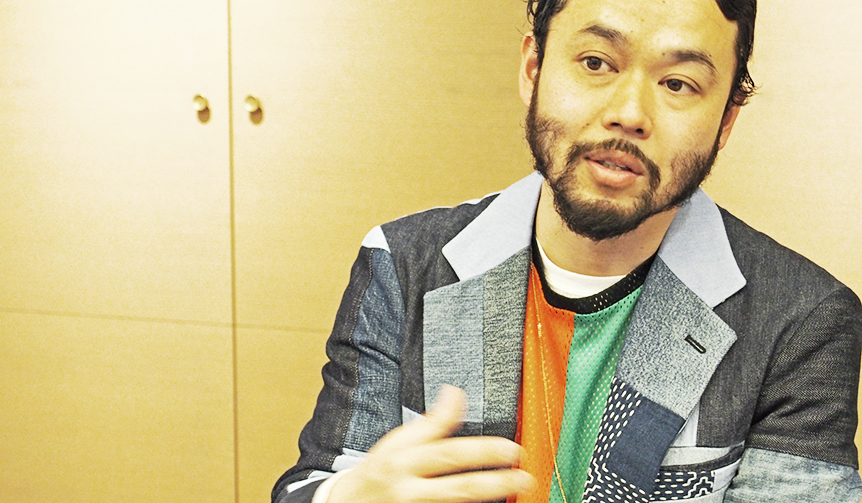
Motofumi "Poggy" Kōki
While he was a genuine fashion enthusiast, Kōki's style at the time was street-oriented. It's surprising that his knowledge of UNITED ARROWS was limited to the fact that they carried Chrome Hearts and Porter.
"I used to get scolded for wearing ripped jeans on the sales floor. Later, I moved from the Yurakucho store to Shinjuku. Around that time, shop staff started appearing in magazines frequently. I even submitted a proposal to Takeshi Sakai, who was in PR then, saying I wanted to be in the magazines too!"
It was an era when select shops were immensely popular.
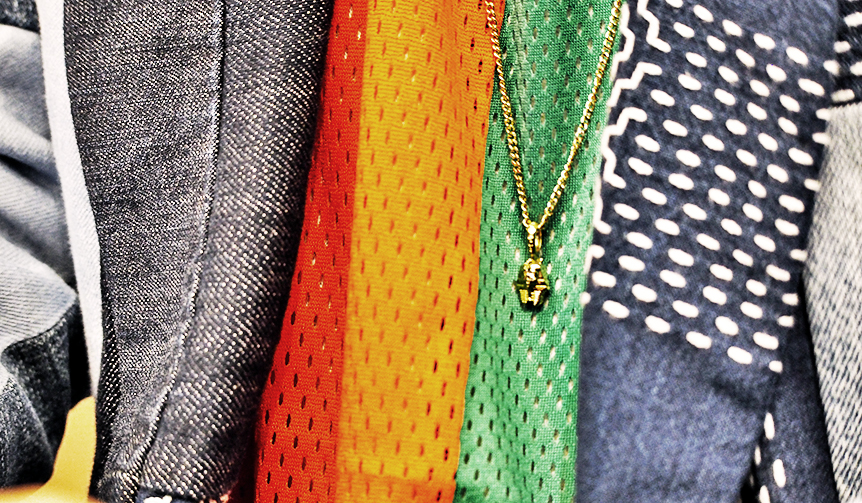
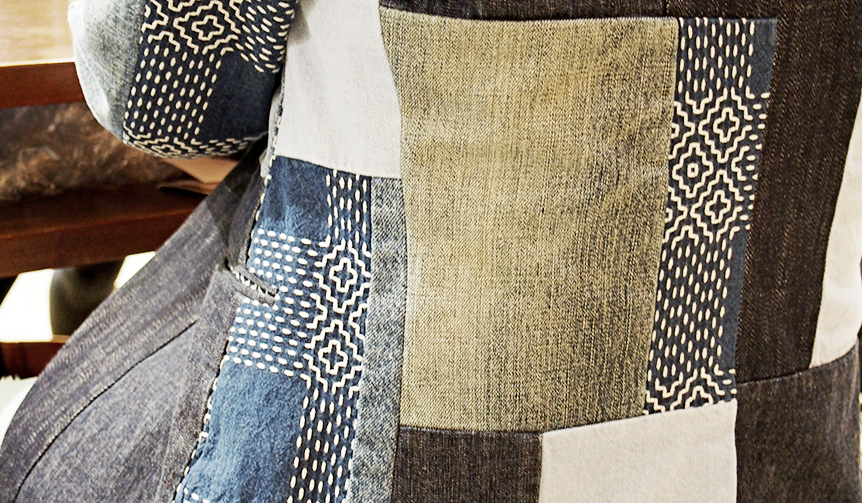
"I was incredibly busy, and after work, I'd go for a drink and keep buying clothes, so naturally, I was always broke. I was living in Akabane back then, and I often missed my stop on the train and ended up walking home for four hours."
Perhaps the recklessness of youth has led to who I am today.
"So, with all that going on (laughs), I started appearing in magazines more often and worked relentlessly. Then, I began thinking about what to do next and consulted with various people about becoming a PR. Later, I transferred to the Blue Label Store in Harajuku, and after a while, Sakai called me to work in PR. At first, I was completely lost, the senior stylists were intimidating, and no one would come to borrow items, which made me anxious."
He navigated his early days with a mix of trepidation about the reality of PR versus his idealized image, but his innate energy propelled him forward. Then, a major turning point arrived.
"I went to New York for the first time when I was 25. Hip-hop was playing everywhere in the city, and I was instantly captivated. Until then, I was strictly into rock, but in New York around that time (early 2000s), artists like Pharrell Williams, OutKast, and Kanye West were starting to wear traditional items in a relaxed way, moving away from the baggy, street-heavy look. It was a bit of a shock. In Japan, street style was confined to street shops, and select shops handled select items, creating a clear division. I started to think that was boring."
Trusting that intuition is likely the source of Kōki's remarkable success. "So, as soon as I returned to Japan, I made an in-house presentation, which was approved, and we opened 'Liquor, woman & tears' (LWT), mixing traditional and Hip-hop styles. My first experience as a director and buyer there became a major turning point."
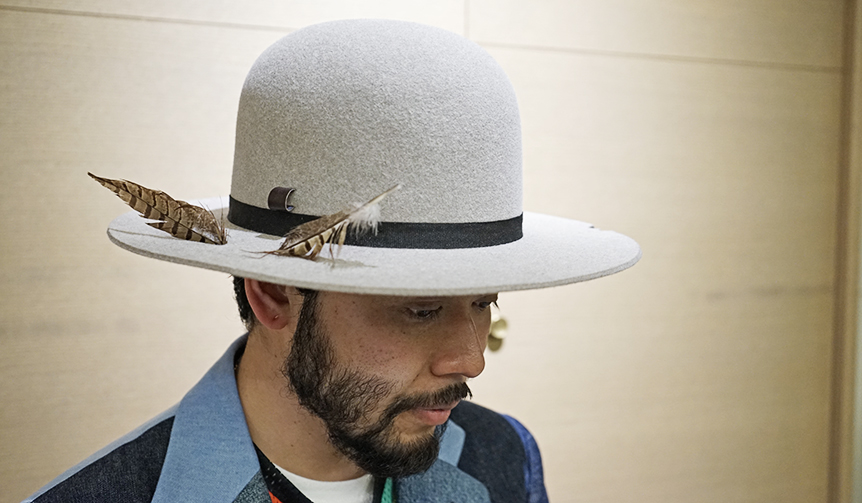
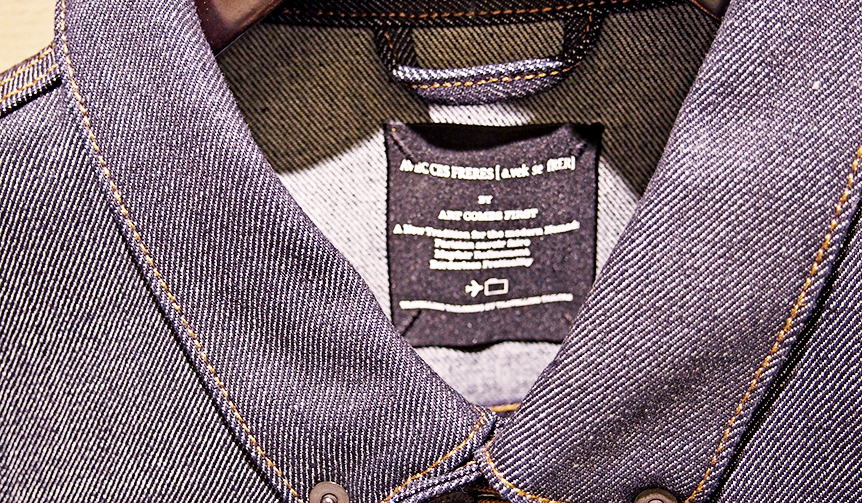
But Kōki's journey didn't stop there; this is what makes him "Poggy." "At the time, when I went to buy at American street style trade shows, nobody knew me, and if they didn't remember me, they wouldn't pay attention. So, my outfits became increasingly bold (laughs). In Japan too, I met many new people in the Hip-hop scene, so I always wore a bow tie when I went to clubs. That way, people would remember me as 'that guy with the bow tie.'"
This unique method of communication, intertwined with his fashion work, allowed him to evolve, a strategy that is difficult to emulate and continues to this day.
As he continued to work diligently, one day, Kanye West unexpectedly appeared at the store and started eating chicken salad inside. Such an event was unimaginable at UNITED ARROWS back then.
In early 2008, while attending shows overseas, he had another encounter with a global fashion icon. "Before the Fendi show in Italy, I was in front of the venue when a stranger asked to take my photo. It turned out to be Scott Schuman of 'The Sartorialist,' arguably the world's most famous fashion photography website. At the time, I was wearing a Thom Browne jacket, a black bow tie, and three rings on my fingers. The comments section said things like 'a disturbing mix of 5th Avenue and Harlem,' but that's when I realized there were different ways of being perceived."
After that, he became a regular in fashion show snapshots, and his recognition soared both domestically and internationally.
However, things weren't always smooth sailing. LWT, which was finally gaining momentum, suffered due to the economic downturn following the Lehman shock around 2009, leading to the brand's suspension. But Kōki remained undeterred.
"Around that time, there was an internal discussion about renovating the Harajuku Main Store Men's Building, so I proposed that I should be the one to do it. They were surprised, but after repeated presentations, the company understood my vision. That's how 'UNITED ARROWS & SONS' was born."
It was then that a desire emerged to properly pass on the value of suits and dresses, which UNITED ARROWS cherishes, to the next generation.
"But wearing a suit normally felt unnatural to me, and it seemed odd even for going to a club at night. So, I tried wearing a baseball shirt as an inner layer. I started styling suits in my own way."
The sensibility of mixing Hip-hop-influenced Black culture, which had taken root within Kōki, with the authenticity of suits gradually solidified.
—And Kōki's adventure continued. (To be continued in Part 2)TOKYOWISEcontinued)
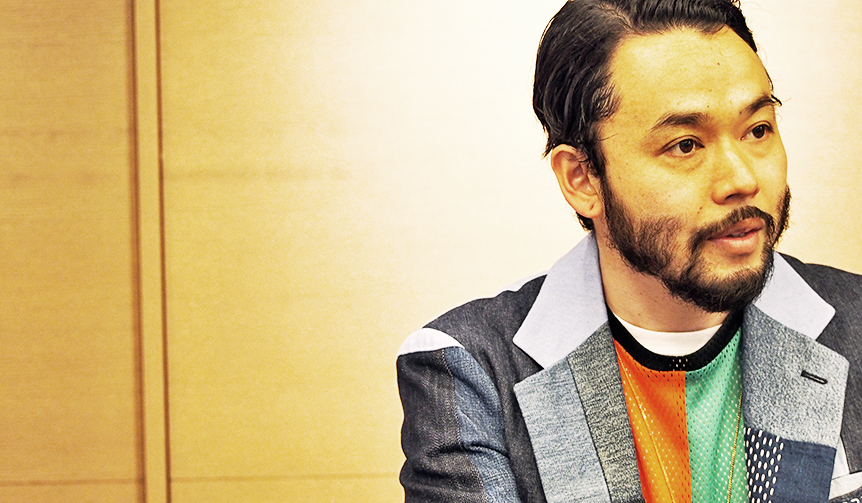
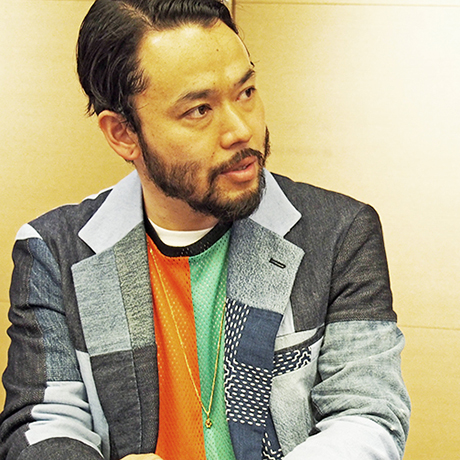
Motofumi "Poggy" Kōki
Director, UNITED ARROWS & SONS
Born in Sapporo in 1976. Began working part-time at UNITED ARROWS Yurakucho store in June 1997.
After stints at the Yurakucho store and Blue Label Store Harajuku (now Beauty & Youth), became a PR for UNITED ARROWS in 2002.
In 2006, launched Liquor, woman & tears through the company's venture system and served as its director. *The shop closed in 2010.
Appointed as a buyer for UNITED ARROWS in 2010. In the same year, launched UNITED ARROWS & SONS, opening a concept floor in the B1F of UNITED ARROWS Harajuku Main Store Men's Building.
Selected as one of the world's 50 most influential people by THA RAKE magazine in 2010.
Selected for the exhibition ARTIST/REBEL/DANDY: MEN OF FASHION at the RISD MUSEUM in 2013.
In 2014, renovated the 1F of UNITED ARROWS Harajuku Main Store Men's Building and expanded UNITED ARROWS & SONS.
In August 2015, POGGY'S WORLD made its debut at the joint trade show "Liberty Fair" held in Las Vegas.
In March 2016, opened a pop-up shop, POGGY'S BOX, at "THE PARK・ING GINZA," a concept store by JUNGLE GROUP.
Currently, he has a large following on social media, and his sense and actions are closely watched by the fashion industry both in Japan and abroad.
Contact
UNITED ARROWS & SONS
Tel. 03-5413-5102
http://www.unitedarrowsandsons.jp