Inden-ya's Yushichi Uehara's New Challenges and Future, Expressed Through a Collaboration with Keith Haring (Part 2)
Interview with Senior Managing Director Isao Uehara (Part 2)
Photos by NORIYO Text by KAWASE Takuro
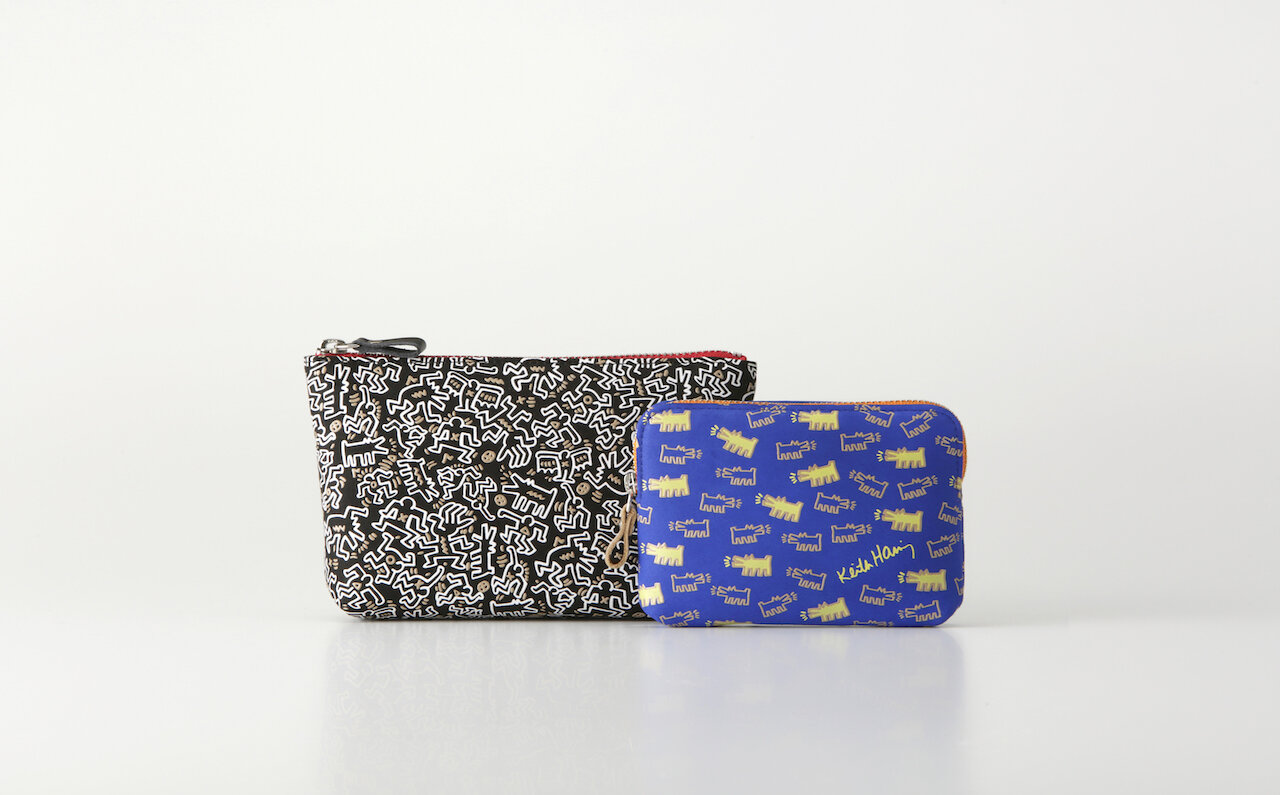
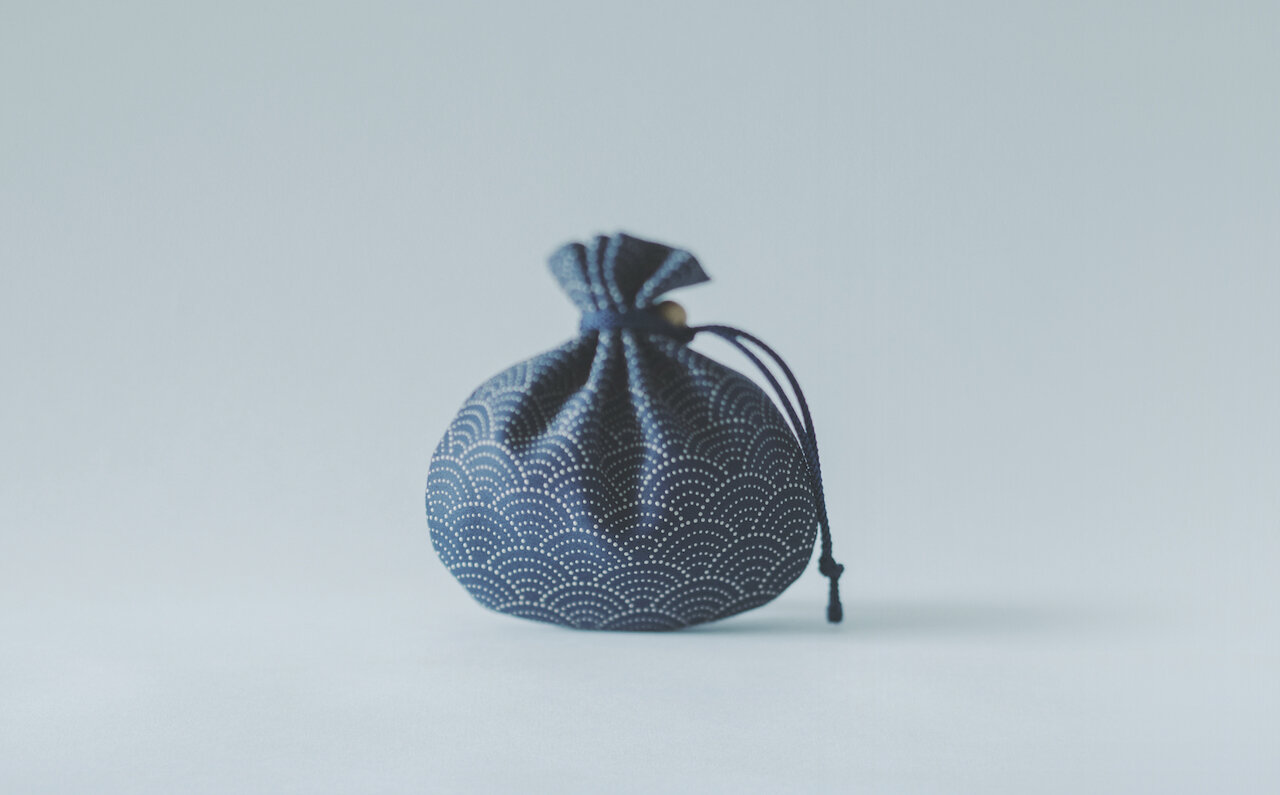
One new discovery was that customers who visited for the first time due to the collaboration with Keith Haring's works also became interested in traditional patterns like dragonflies and Seigaiha waves, and purchased those items as well. I had the impression that traditional patterns were favored by long-time customers and not intended for a younger audience, but I was surprised that people in their teens to thirties were drawn to them for the simple reason that 'they look cool.' I feel that patterns passed down through culture for centuries possess a universal appeal that attracts people, and that if there are opportunities to learn about them through events like this, they can be embraced with affection as their origins and the sentiments behind them are explained.
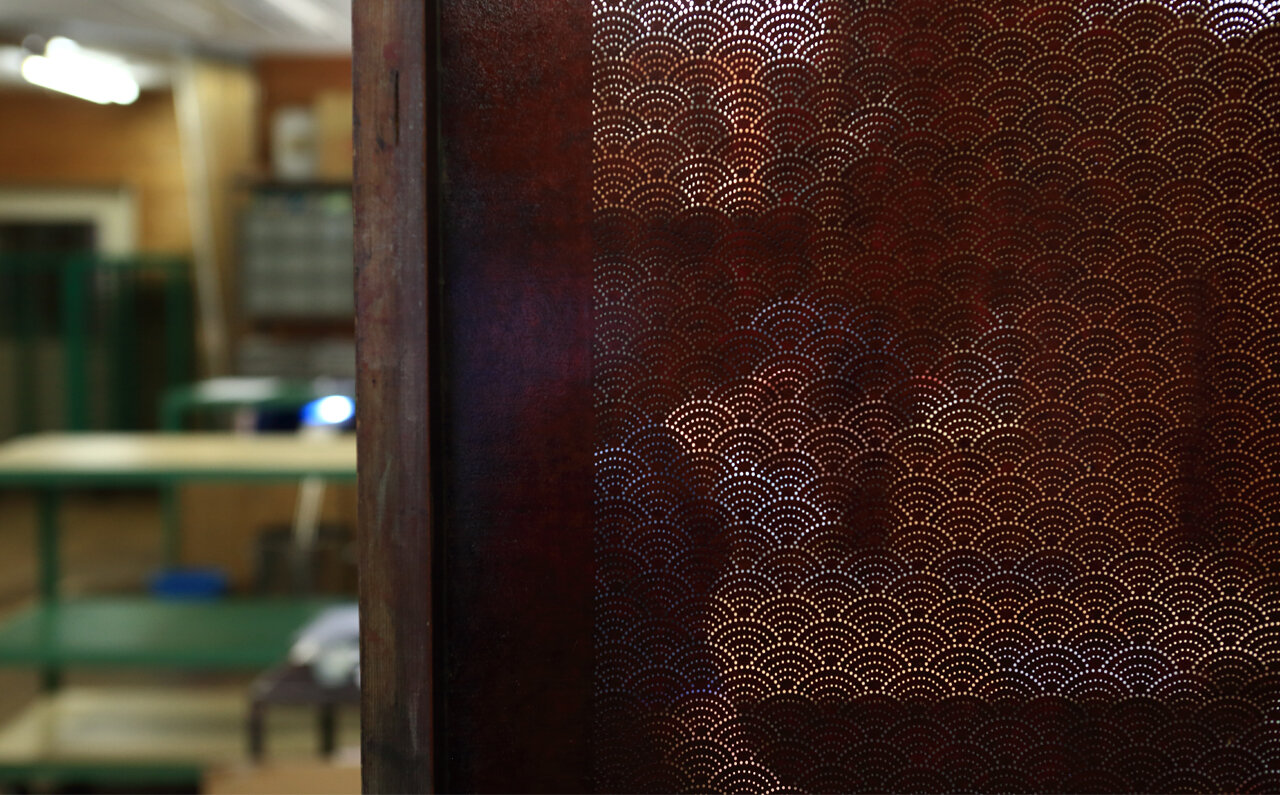
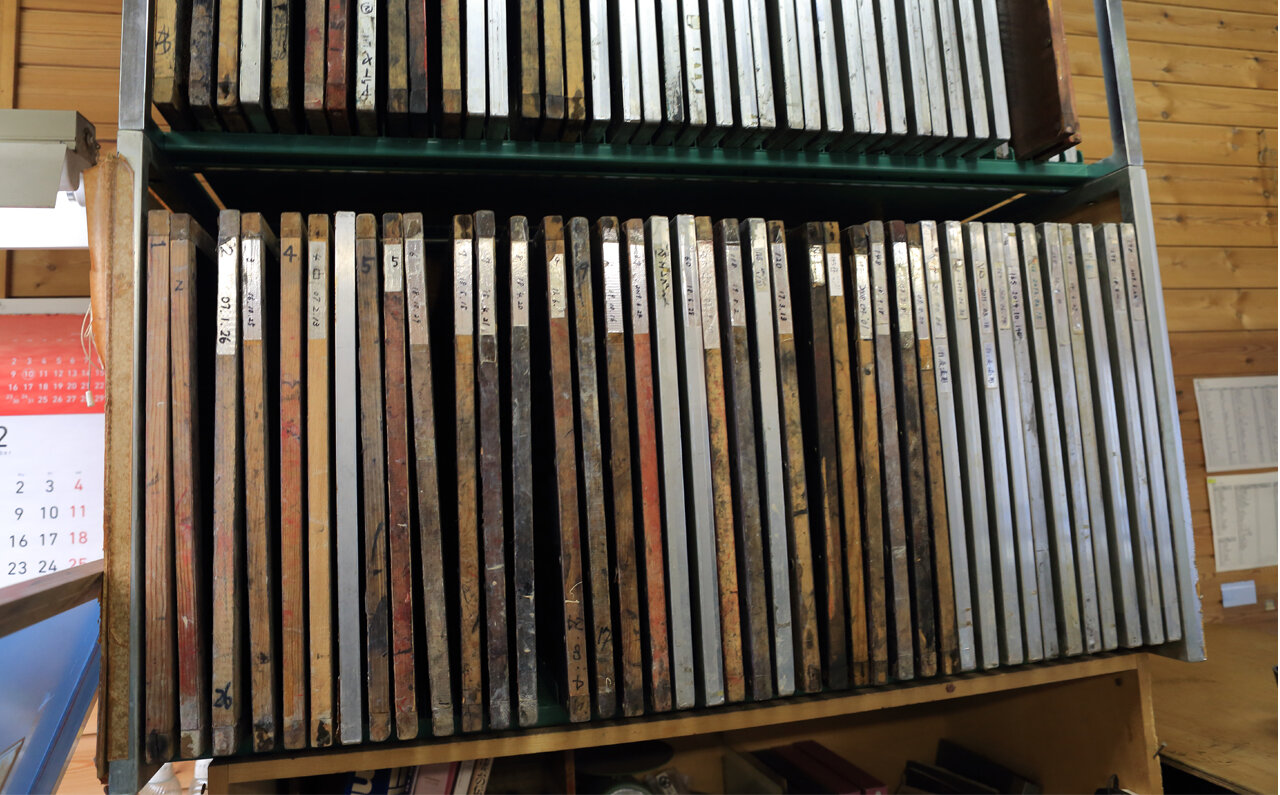
As you mentioned, the utilization of deer captured as pests in Japan is a topic of discussion, but the number of deer captured domestically is far from sufficient for industrial needs. We previously relied on imports from China, but now we have consciously shifted to sourcing from North America and Oceania to ensure a stable supply. In Oceania, deer are raised primarily for meat, similar to cattle and pigs, and deerskin is a stable byproduct. This also eliminates concerns about overhunting for hides. In North America, hunting is prevalent, and the annual number of deer captured is controlled by the government within a scope aimed at maintaining the ecosystem, which is another major reason.
I see, so there have been such changes. From a sustainability standpoint, the proper sourcing of raw materials is indeed important.
To continue as a global brand, strict management of sustainability and traceability is essential. Therefore, the origin of the deerskin, the working conditions of those involved in its processing, and consideration for the natural environment must all be clearly documented. Based on these experiences, we have a strong desire to ensure that the products we sell directly to customers also meet these standards. Consequently, we believe the concept of SDGs can only be realized when the entire cycle, from capture to utilization, is properly established. As Inden-ya, we aim to deliver Inden made from deerskin that can be utilized in an appropriate manner as part of people's life cycles, not just within Japan but from a global perspective.
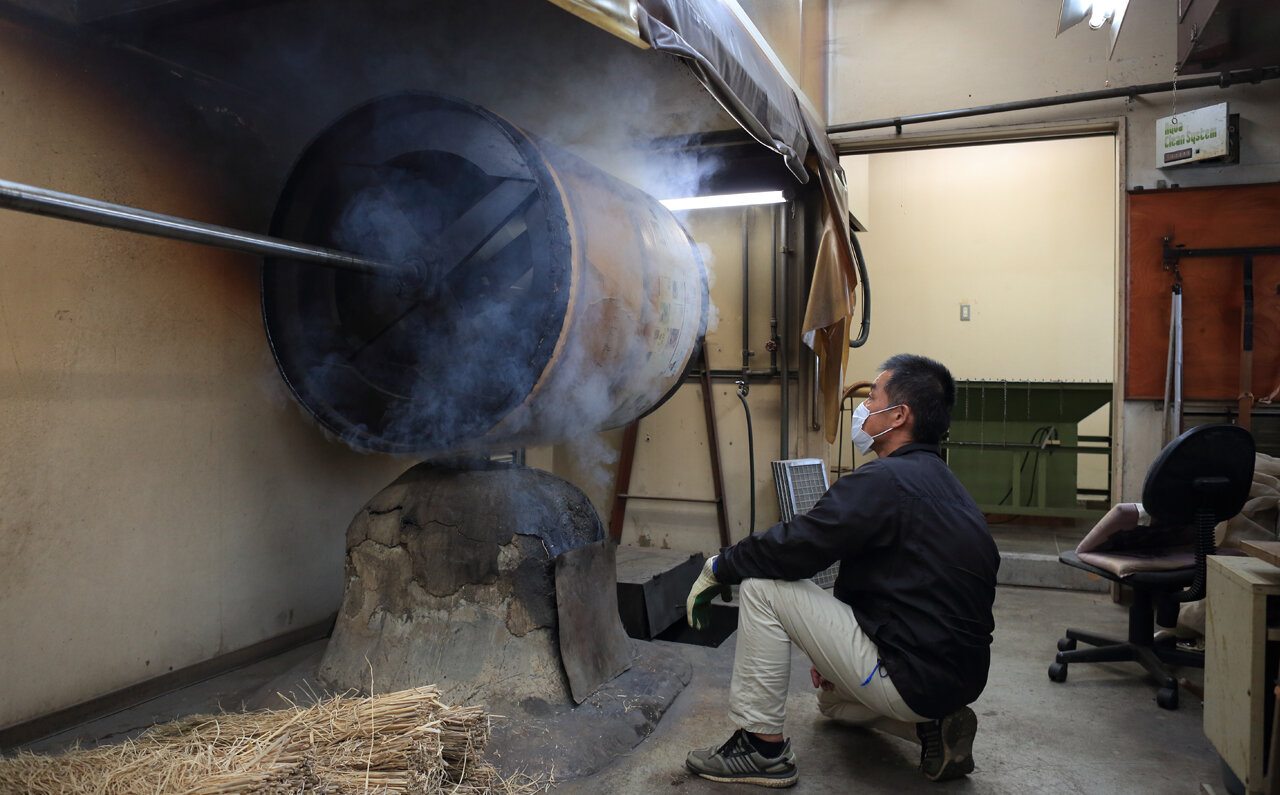
At Inden-ya, we also wish to use domestically produced lacquer, but the Inden industry alone cannot possibly drive sufficient demand. Collecting lacquer, which involves making incisions in the trunk of a sufficiently grown urushi tree and gathering the slowly dripping sap, is a very labor-intensive process. However, in recent years, as domestic industries using lacquer have shrunk, the demand commensurate with this labor has decreased, leading to a declining number of successors in Japan. Currently, expensive domestic lacquer is limited to applications such as the decoration of shrines and temples, and some high-end products. Due to these circumstances, we primarily use lacquer imported from China. While it was once considered slightly inferior to domestic lacquer, through the efforts of companies like ours that handle lacquer, imported lacquer used for Inden and lacquerware has now reached a quality that is almost indistinguishable.
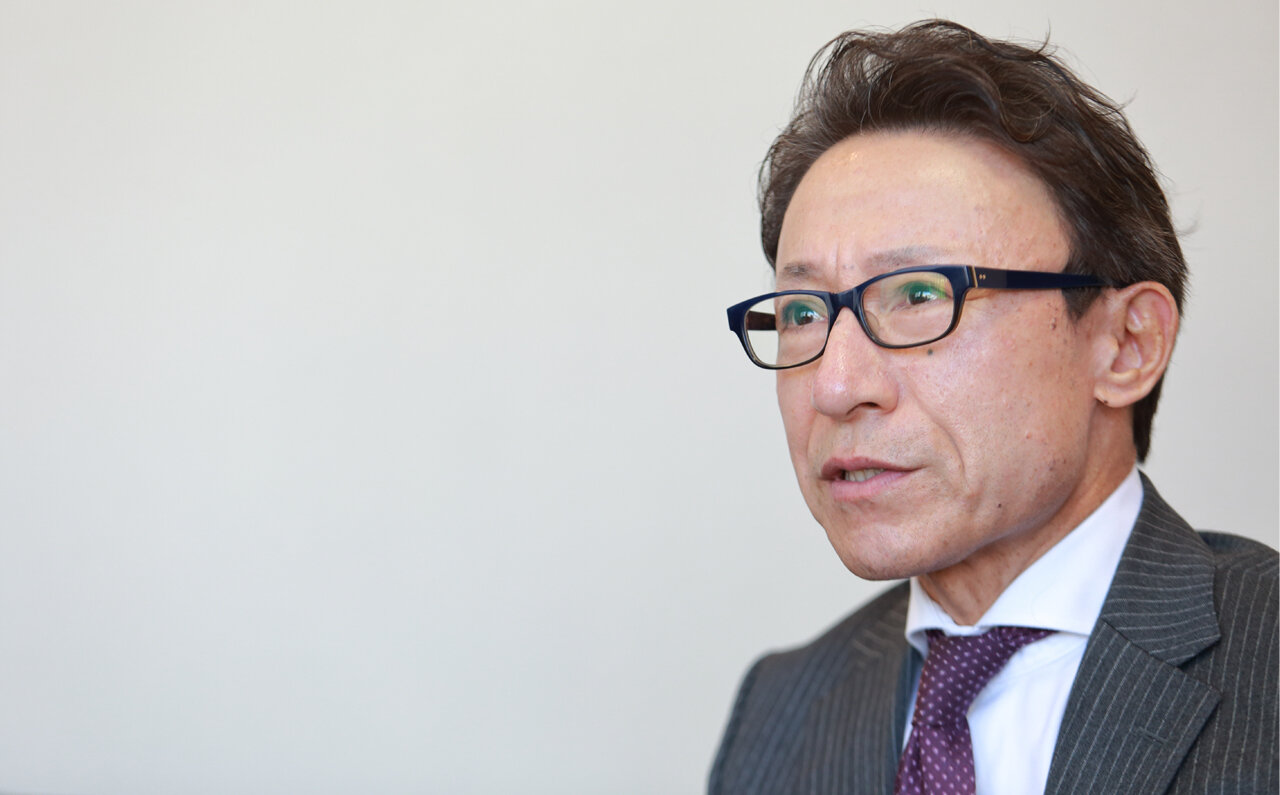
We launched the brand INDEN EST.1582 for overseas markets in 2011 and have participated in trade shows in New York. We have received positive feedback from local buyers, and our business partners are gradually increasing. However, Inden's recognition is still low, making it challenging as a business. We consider gaining recognition for Inden's characteristics—the texture and quality of deerskin and lacquer, and the brand's background—compared to brands in the same price range to be a key issue. While we are confident in our quality, our products can sometimes be perceived as expensive compared to well-known brands.
While the pandemic has had an impact, what are your plans for future overseas expansion?
Just as we were beginning to gain a certain level of traction through overseas exhibitions, the pandemic struck. Perhaps the pandemic is prompting us to re-evaluate our approach to overseas markets, including the considerable exhibition costs. However, it was a happy accident that products developed for overseas markets were accepted by our customers in Japan in a form of reverse import. At the same time, it is encouraging that our efforts as a regional company challenging the global market are recognized and appreciated by many.
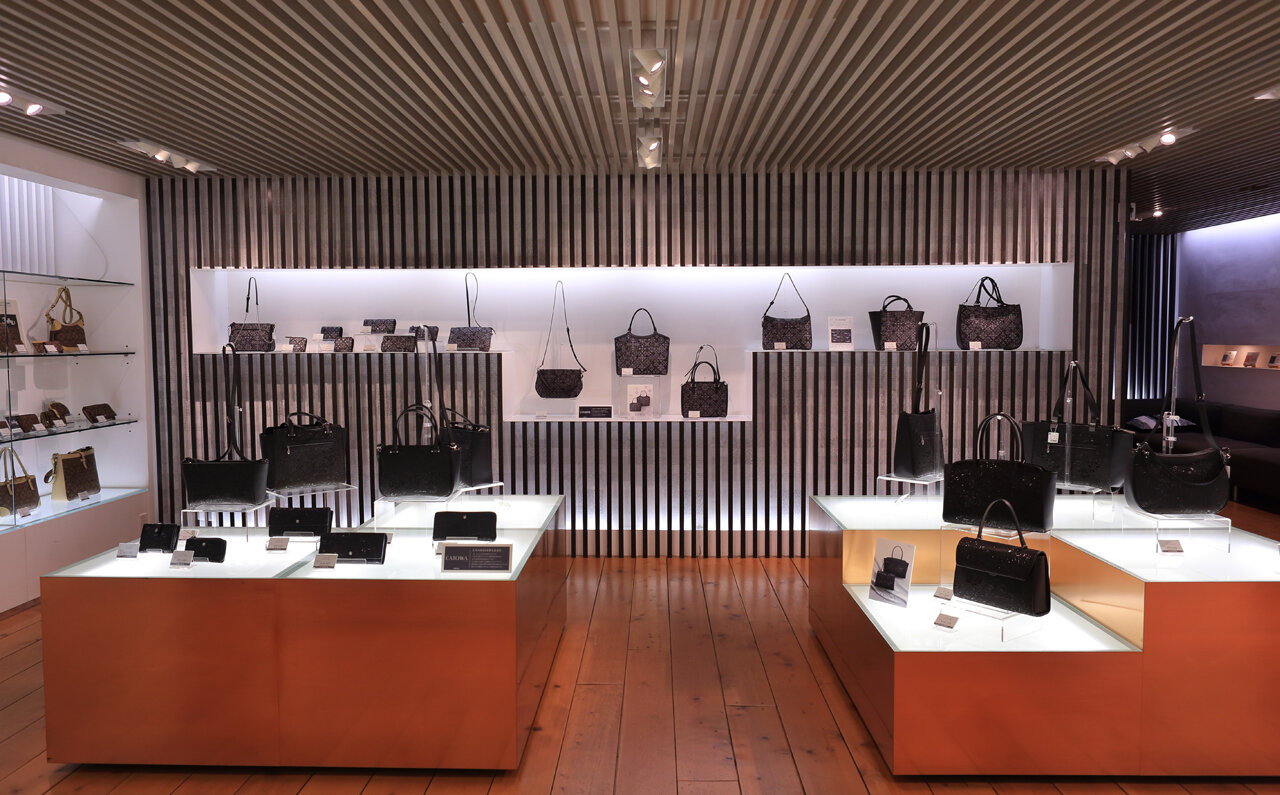
Consumers are becoming increasingly discerning about products. To remain a brand that is chosen in such an era, we believe that steady brand-building activities to enhance corporate value are important, rather than focusing solely on short-term sales. In this context, we are looking at interiors as a new market. With the increased need for home spaces due to the pandemic, we aim to develop a new market by applying Inden to furniture and wallpaper. We aspire to expand beyond small leather goods and become a brand that broadly aligns with lifestyles.
© Keith Haring Foundation. www.haring.com. Licensed by Artestar, New York.