May 11, 2015
HYSTERIC GLAMOUR Designer Nobuhiko Kitamura: The Present (1)
The Current State of HYSTERIC GLAMOUR Designer Nobuhiko Kitamura (Part 1)
The brand 'HYSTERIC GLAMOUR' launched in 1984. This was also a time when the DC (Designer Character) brand boom swept through Japan's youth fashion scene, awakening many young people to the concept of 'brands'.
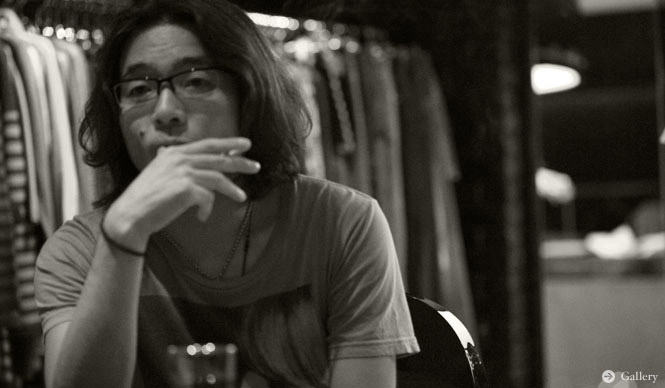
Next year marks its 25th anniversary since its debut. HYSTERIC GLAMOUR and its designer, Nobuhiko Kitamura, have remained untarnished by the passage of time, much like 'a rolling stone gathers no moss,' maintaining a unique position and earning immense support from young people across different eras. In this two-part series, we directly asked Nobuhiko Kitamura about his 'now'.
Compiled by Makoto Kaji (This Magazine)Photo by Jamandfix
Just as music becomes standard, clothing can too.
—Next year marks 25 years since the birth of 'HYSTERIC GLAMOUR.' Why has it managed to retain such a fresh image?
When we started the brand, the image of the so-called DC brands and casual brands of the time was very strong. However, by surviving through the Ura-Harajuku boom of the 90s, the boom of red-character women's magazines, and gal culture, HYSTERIC GLAMOUR has carved out its own unique position. As the distracting elements of time have faded, we've been able to focus on more distinct product creation.
—In the industry, there's talk of a '20-year limit' for brands. How has HYSTERIC GLAMOUR managed to survive?
Brands established in the early 80s had to transform due to corporate thinking, or they changed their names and products when the boom passed. I disliked that.
Of course, there are times when you want to stray. Desires arise from your career, 'I want to try doing this.' But at those moments, the store and staff held me back. By navigating through these times, clothing can achieve a certain standard, much like how music does.
—Do you consider the fashion market and target audience?
The market has certainly changed. When I started HYSTERIC GLAMOUR in '84, our customer base was teenagers to early twenties, and that demographic remained consistent for about ten years.
People who became interested in fashion from the 70s to the early 80s will likely remain engaged with it for life. Those who experienced fashion through the filter of movements like punk and media like 'POPEYE' and 'anan' never lose their interest in fashion, no matter their age.
—What about the current market?
In the men's market, I'd say it's now men in their mid-thirties and older who truly understand and enjoy clothing. For teens and twenties, it's more about a 'gal-o' aesthetic, with J-POP and Johnny's artists becoming charismatic icons for men. In terms of fashion as a trend, I believe youth fashion has been stagnant since the emergence of hip-hop-influenced casual wear.
—Hearing you speak, it feels like 'persistence is strength.'
Yes, the fact that I've persisted has been encouraging, especially the way people around me evaluate the brand. It's also gratifying when the children of customers who once left us now wear HYSTERIC GLAMOUR's children's clothing, or when they return to us.
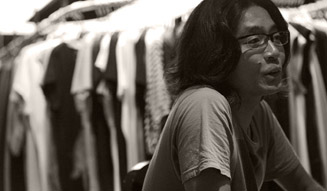
The Desire to Always Maintain a Teen/Twenty-Something Mindset
—To ask directly, what is the reason your creativity hasn't run dry?
Since my student days, I've always disliked the conventional image of a successful businessman—the kind of car they drive, the restaurants they frequent, the clothes they wear... the typical 'president' persona that society expects. I disliked the idea of becoming that.
While I envy those who can become that, I personally cannot accept it.
I want to always hold onto that feeling of my teens and twenties—that fearless, naive, and ambitious time. That's what I aim for.
—How do you look back on the past 25 years?
Next year marks our 25th anniversary. Compared to when I started HYSTERIC GLAMOUR, I have more understanding people around me now. So, I feel I can work with a bit more confidence than I did back then (laughs).
—What do you mean by 'a bit' (laughs)?
There were moments when I felt I was going in a completely different direction, wondering, 'Am I just becoming old-fashioned?' But now, I have people younger than me whom I respect, and through interacting with them, I receive encouragement and support. Ultimately, it comes down to choosing the right people. The reason I've been able to continue for so long is human relationships. Even when doing the same thing, having the right friends and working with the right factories makes a significant difference.
—Next, we'll ask about THEE HYSTERIC XXX.
