Living National Treasure Kunihiko Moriguchi on Enjoying Traditional Crafts | MITSUKOSHI
MITSUKOSHI | Nihonbashi Mitsukoshi Main Store
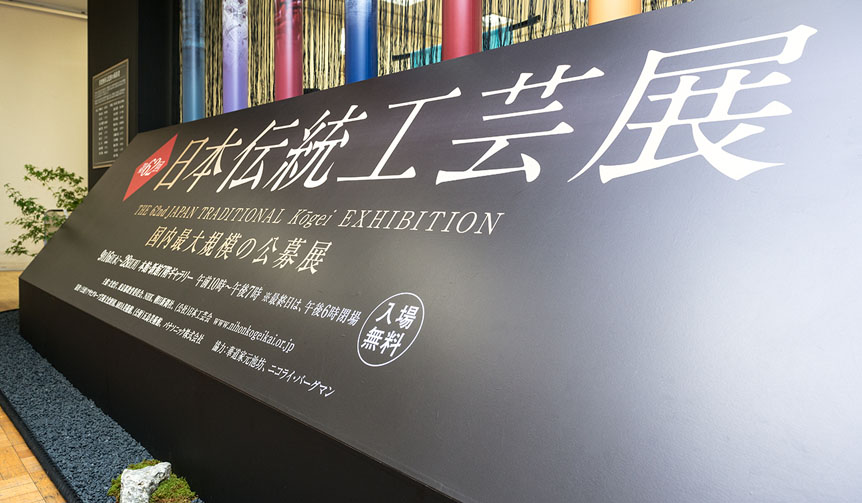
Public Exhibition "The 62nd Japan Traditional Crafts Exhibition" Featuring Over 600 Works Now Open
Kunihiko Moriguchi on Enjoying Traditional Crafts
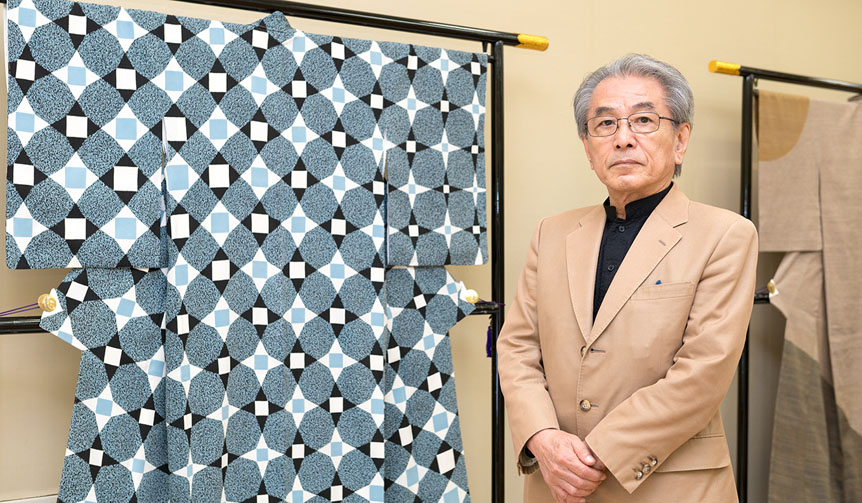
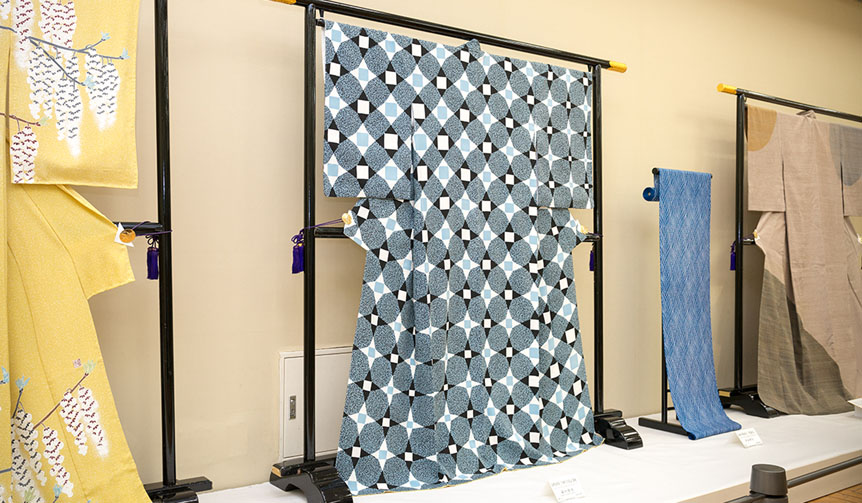
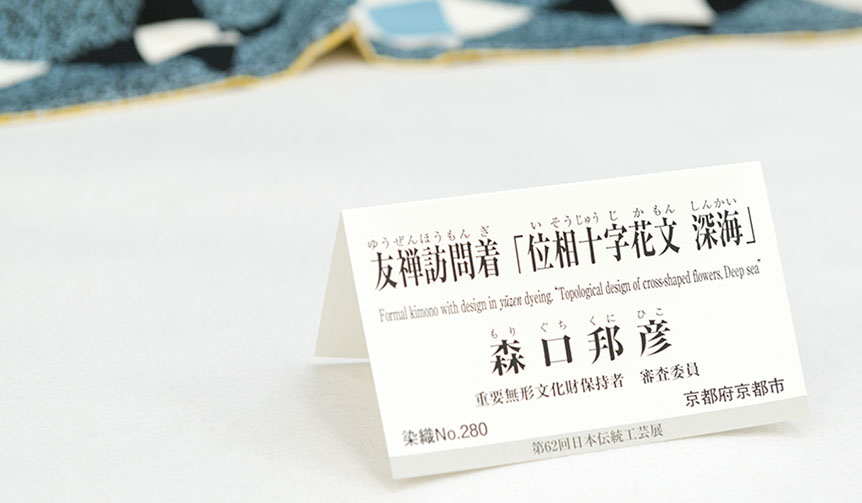
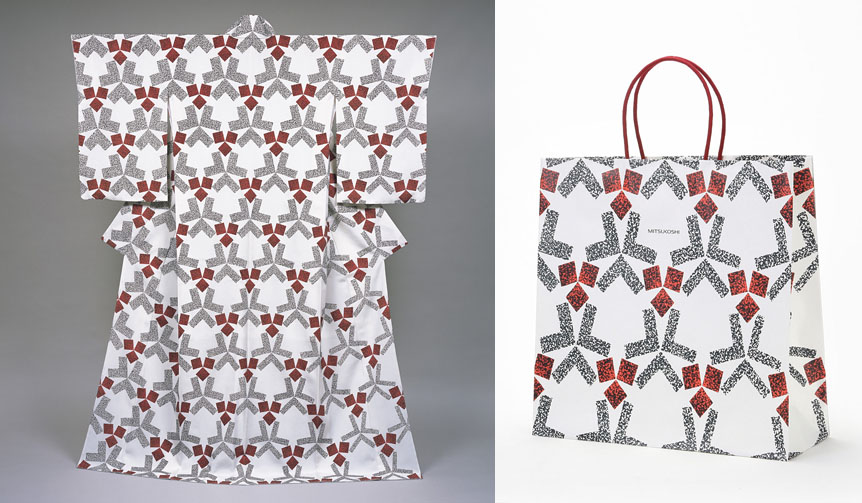
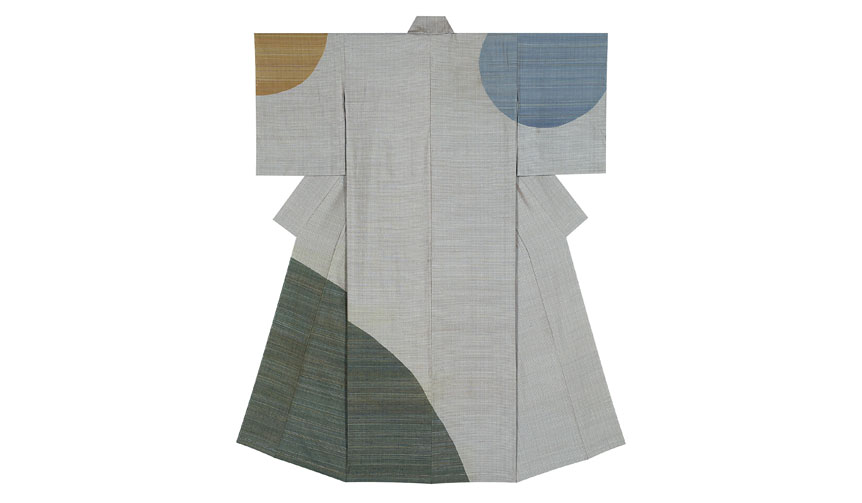
The piece exhibited by Kunihiko Moriguchi, a Living National Treasure and master of Yuzen dyeing, is "Yuzen Houmongi 'Isou Juji Kamon Shinkai'" (Yuzen silk kimono 'Phase Cross Flower Pattern, Deep Sea'). Moriguchi, who has had all 48 of his submissions accepted since the 14th exhibition, states, "All of my submissions have been accepted since the 14th exhibition.".
Photographs by SUZUKI ShimpeiText by KAJII Makoto (OPENERS)
Yuzen: Attire to Transcend the Everyday
"Do you know about Yuzen kimonos? Unlike Kurume Kasuri, which gains value with washing like jeans, or yukata, worn for relaxation at festivals or in daily life, Yuzen is for stepping into a world of the extraordinary and the other-dimensional. It's worn for those rare ceremonial occasions in life. Therefore, I strive to create with the image of the woman wearing this kimono becoming even more beautiful," says Moriguchi.
"Yuzen has a history of over 300 years. Its origins lie in the undergarments worn by samurai during the Sengoku period for protection. Tsujigahana dyeing, where white fabric was dyed freely in various colors and forms, is the root of Yuzen. The fact that 'Yuzen patterns,' depicted by Miyazaki Yuzensai, became extremely popular in Kyoto's pleasure districts like Shimabara around 1685, as written in Ihara Saikaku's 'The Life of an Amorous Man,' serves as proof of Yuzen's existence at that time."
"During the opulent Genroku era of the Edo period, the Shogunate enacted sumptuary laws to curb extravagance. While techniques like Kōshibori (deer-skin pattern tie-dyeing), foil stamping, and embroidery were prohibited due to their high cost, Yuzen, using only paste and dyes, was not subject to these restrictions. It spread explosively across all social strata, including commoners, creating a realm of free expression and becoming a fashion that anticipated its time," he explains, recounting history.
Cultivating Culture Inherited Since the Echigoya Kimono Shop Era
"Furthermore, unlike textiles like Kurume Kasuri and Hakusan Tsumugi, which were developed by feudal lords of the time for regional industrial promotion, Yuzen was an independent culture born in Kyoto. Yuzen has always been avant-garde; new styles emerged every 10 to 15 years during the Edo period, constantly evolving its expression to lead the times."
"The Japan Traditional Crafts Exhibition is being held at the Nihonbashi Mitsukoshi Main Store. Mitsukoshi's predecessor, Echigoya Kimono Shop, was founded around the time Yuzen emerged, and there was a strong ethos of 'cultivating and nurturing culture by trading in culture.' During Tokugawa's isolationist period, culture preceded politics and economics – an ideal era. Sadly, today, economics comes first, then politics, and finally culture follows. Without adequate support for culture, nothing truly excellent can be born," says Moriguchi.
Patterns Born from the Combination of Squares and Crosses
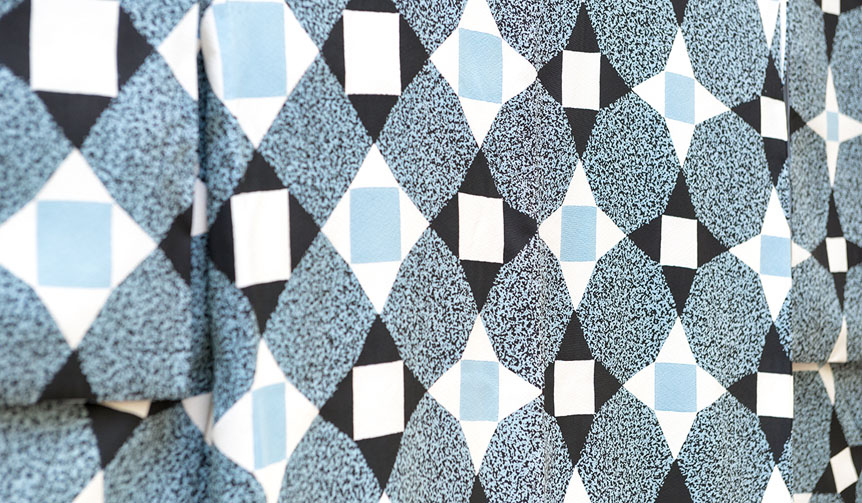
When asked about the inspiration behind the design of his accepted piece, "Yuzen Houmongi 'Isou Juji Kamon Shinkai'", Moriguchi explains, "A friend asked if 'a cross couldn't be a pattern,' which led me to think about a 'non-intersecting three-dimensional cross' as a motif. I worked on it imagining how the pattern would look interesting when worn by a woman, but the development was quite challenging. The combination of squares and crosses is inspired by the idea of diagonal lines wrapping around a woman's body in a spiral. Conceptually, I envisioned wrapping something masculine around the feminine."
Moriguchi also designed Mitsukoshi's shopping bags, basing them on the design of "Yuzen Houmongi 'Shiroji Isou Waritsuke Mon Minori'" (Yuzen silk kimono 'White Ground Phase Allocation Pattern, Harvest'), which was exhibited at the 60th exhibition. This piece, where ripe apples are depicted using a geometric pattern of hexagons and squares, inspired the shopping bag design that has become beloved by many. In 2014, the Mitsukoshi "Minori" paper shopping bag received the Good Design Award.
How to Enjoy the Japan Traditional Crafts Exhibition, According to a Living National Treasure
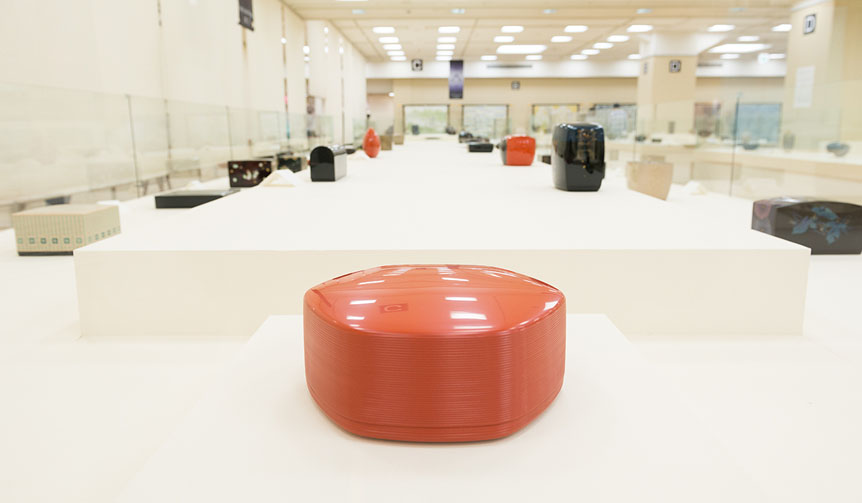
"For those unfamiliar with crafts, I encourage you to first visit the exhibition at Mitsukoshi and simply look at the works. Then, judge them by your own standards – whether you like them or not, if the colors are beautiful, and ask those around you questions. Inquire about what makes each piece excellent. With over 600 works on display, you're bound to find at least one you love. Consider it as if you are awarding your own prize," he advises on how to appreciate the exhibition.
"Alternatively, let your imagination wander: 'What if I paired this kimono with that obi?' or 'What kind of teacup would go well with that kettle?' The exhibition features works from artists around your age to those in their 80s and 90s. This is contemporary 'kōgei' – aiming for the cutting edge while faithfully preserving tradition. It expresses what we desire for society today. I hope you will feel the dignity of 'making things by hand.' Please visit at least once; it's the first step towards understanding."
Page02."Kōgei" Works Presented to the World
MITSUKOSHI | Nihonbashi Mitsukoshi Main Store
Public Exhibition "The 62nd Japan Traditional Crafts Exhibition" Featuring Over 600 Works Now Open
The Free World of "Kōgei" Presented to the World
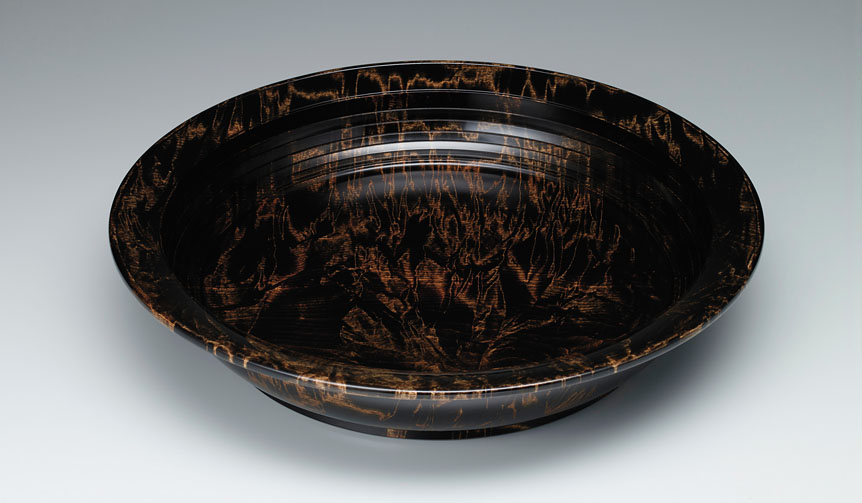
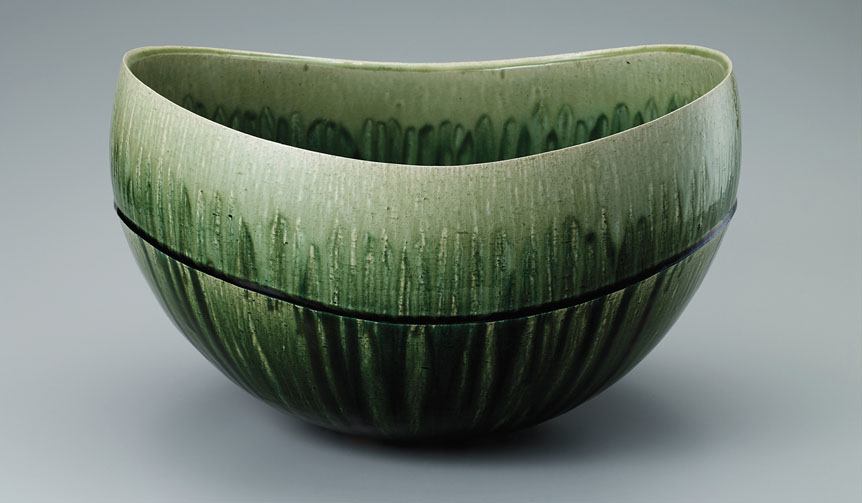
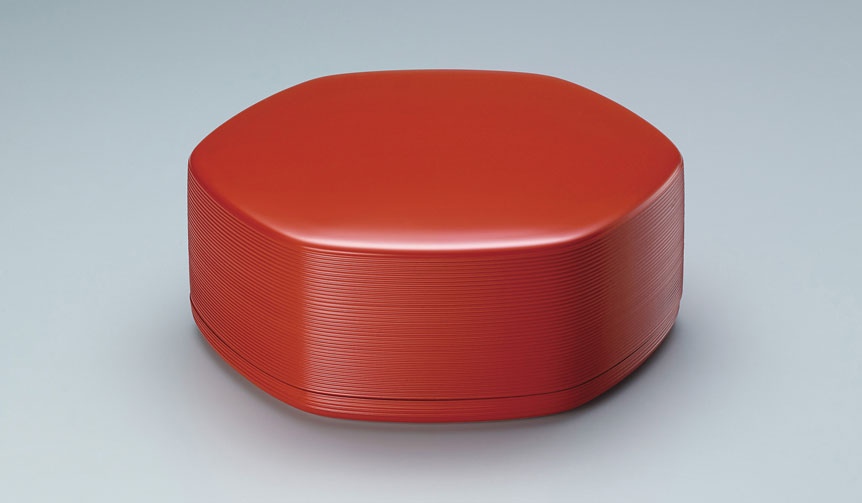
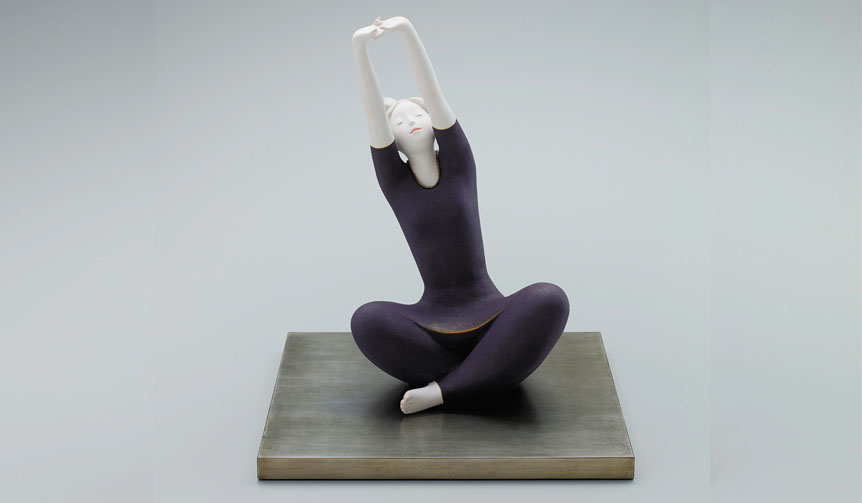
The 62nd Japan Traditional Crafts Exhibition showcases the latest works by Living National Treasures in seven departments – ceramics, dyeing and weaving, lacquerware, metalwork, bamboo and woodwork, dolls, and miscellaneous crafts – alongside approximately 600 selected pieces chosen through a rigorous screening process from public submissions.
Conveying the Fundamental Spirit of the Japanese People
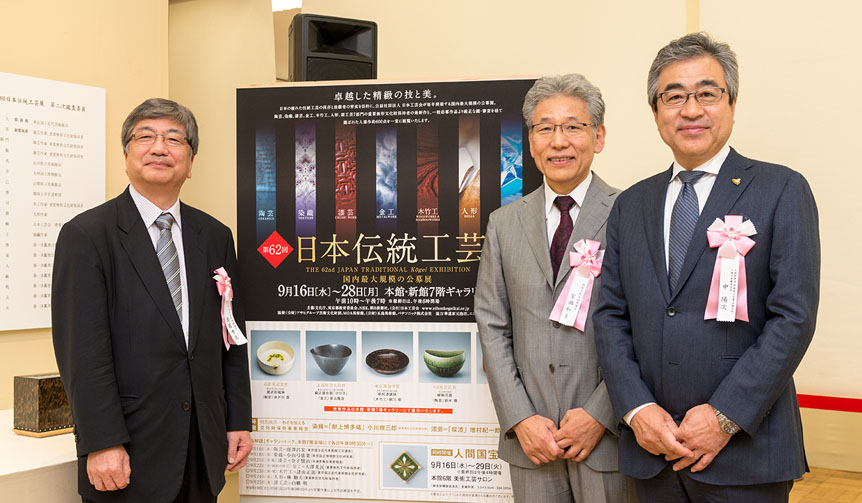
At the opening ceremony preceding the exhibition, Yoichi Naka, Director of Nihonbashi Mitsukoshi Main Store, stated, "We are honored to host the Japan Traditional Crafts Exhibition at Mitsukoshi every year. While luxury brands in fashion and jewelry typically top the product lineup at department stores, I publicly declare that at Nihonbashi Mitsukoshi Main Store, the pinnacle is the crystal of Japanese culture – our arts and crafts. The Japan Traditional Crafts Exhibition in autumn is the event that symbolizes this."
He further elaborated, "If you look up the meaning of 'tradition,' it combines 'to convey' with 'integrate,' signifying the transmission of what is important and fundamental. What we aim to convey through Japanese traditional crafts is the fundamental spirit of Japanese culture. Japanese traditional crafts are the free expressions of artists based on a spirit of peace and respect for nature, and this year's exhibition brings together the coolest works. We are also reaching out to international tourists this time, and we anticipate visitors from various countries during the exhibition period."
Presenting "Kōgei" to the World
Kazumi Murose, Vice Chairman of the Japan Crafts Association and Living National Treasure for "Maki-e" (lacquer decoration), spoke, "The foundation of the works here has a history spanning over 1300 years since the Jomon period, and its unbroken continuation is unparalleled globally. It is truly our pride, the beauty of Japan. We aim to share Japanese crafts with the world – crafts that convey the essence of beauty through intangible techniques, utilizing various materials to express Japan's seasons and nature."
He continued, "Since the Meiji era, education in the arts has been influenced by Western values, focusing on painting and sculpture. However, Japan possessed the magnificent culture of crafts. Unfortunately, translating 'crafts' as 'Craft' led to an association with everyday items. Japanese crafts, however, encompass a wide spectrum, from daily necessities to worlds of exquisite beauty, like those displayed here. Therefore, upon reaching our 60th exhibition, we deliberately removed the term 'Craft' and adopted the designation 'Kōgei.' We are promoting it as 'kōgei' in our catalogs as well. We are striving to disseminate this wonderful craft culture to the world."
Artwork Explanations (Gallery Talk) Held
At the Main Building and New Building 7th Floor venue, daily from 12:30 PM
September 21 (Mon, Holiday): Lacquerware - Kenji Kaneko (Director, Ibaraki Ceramic Art Museum)
September 22 (Tue, Public Holiday): Metalwork - Mitsutami Osawa (Living National Treasure)
September 23 (Wed, Holiday): Bamboo and Woodwork - Masanori Moroyama (Chief Researcher, The National Museum of Modern Art, Tokyo)
September 24 (Thu): Dolls - Komao Hayashi (Living National Treasure)
September 25 (Fri): Miscellaneous Crafts - Akira Shirohata
*On September 19 (Sat) and 20 (Sun), award-winning artists will provide artwork explanations starting at 12:30 PM.
The 62nd Japan Traditional Crafts Exhibition
Dates: Until Monday, September 28, 2015
Hours: 10:00 AM - 7:00 PM (Last day until 6:00 PM)
Venue: Nihonbashi Mitsukoshi Main Store, Main Building & New Building 7F Galleries
1-4-1 Nihonbashi Muromachi, Chuo-ku, Tokyo
Inquiries
Nihonbashi Mitsukoshi Main Store
Tel. 03-3241-3311
http://mitsukoshi.mistore.jp/store/nihombashi/event/dentoukougei/