Washing hands. Connecting lives | SARAYA
SponsoredSARAYA | SARAYA
To prevent the spread of coronavirus infections, everyone needs to wash their hands correctly.
Text & Edit by TSUCHIDA Takashi
Why Handwashing is an Effective Measure for Infection Control
Even if hands do not appear dirty, they may harbor pathogenic viruses and bacteria. That is why washing them thoroughly with soap and running water is the basic and most effective measure for infection control. So, what are the conditions for proper handwashing?
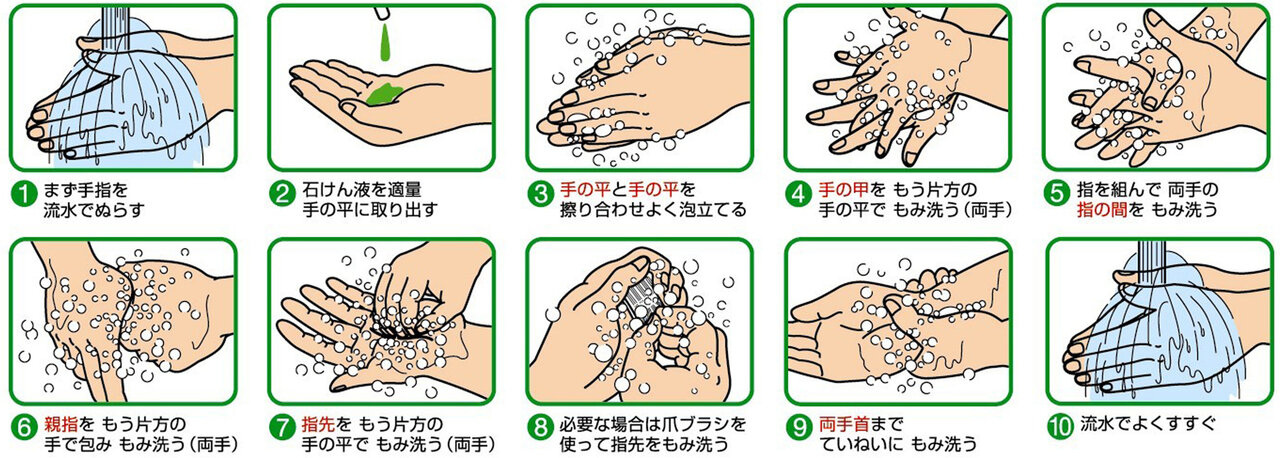
Lather the soap thoroughly.
Wash hands for 30 seconds.
By lathering the soap thoroughly, it spreads over the entire hand, reaching into the wrinkles of the hands and under the nails. Thirty seconds is surprisingly short when you consciously wash the areas that are often neglected during handwashing.
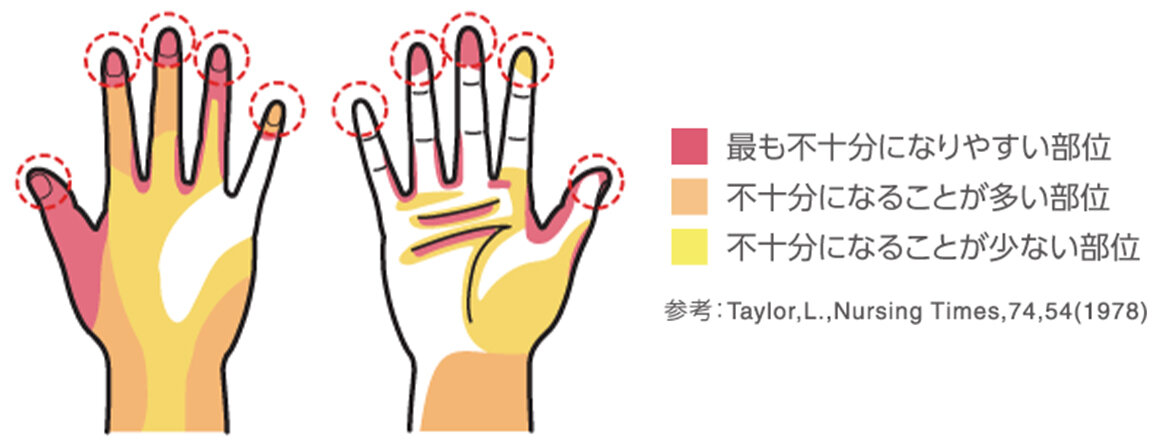
Therefore, let's keep in mind that 'handwashing stops the spread of infection' and meet these two conditions. If you can't wash for 30 seconds, making it a habit to wash twice might be a good idea. Wash with soapy water, rinse, and then start again by lathering with soap. This way, you can achieve the 30-second handwashing time without consciously thinking about it.
It is also effective to use an alcohol-based hand sanitizer in conjunction. After drying your hands with a clean towel, thoroughly apply the sanitizer all over your hands, just like washing them, to remove any remaining viruses or bacteria that were not washed away. When you return home, before meals, after using the restroom, before preparing food. Let's practice 'proper handwashing' diligently in these situations.
The Saraya Brand: Leading Japan's Public Health
Saraya has also actively promoted hygiene awareness through slogans such as 'Wash your hands after using the restroom.' The knowledge about proper handwashing mentioned earlier is based on Saraya's own research and evidence-based information from domestic and international research institutions. The Saraya brand has consistently communicated the importance of handwashing.
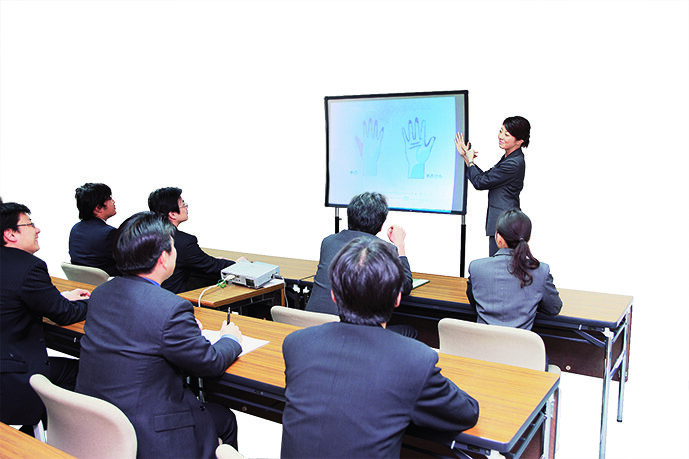
The 1 Million Handwashing Project
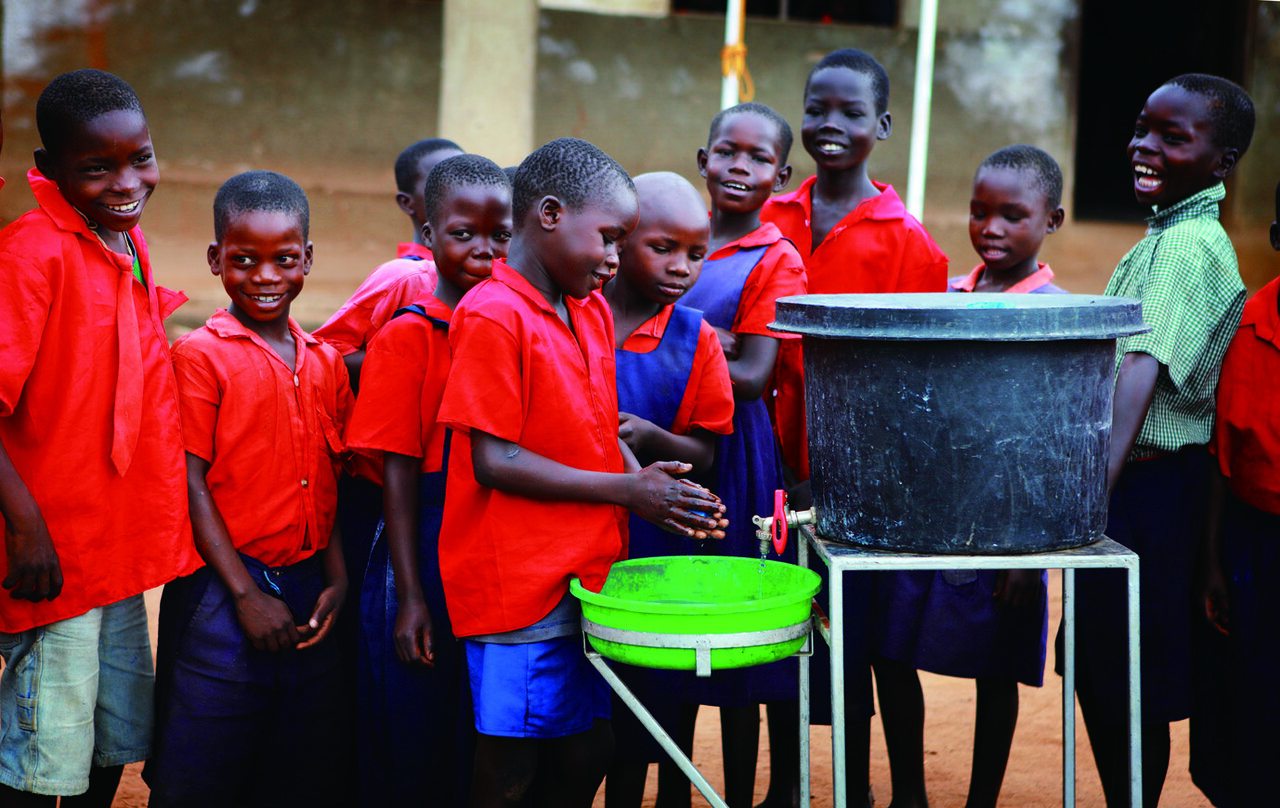
Globally, nearly 16,000 children under the age of five die each day, many from preventable diseases. It is said that simply washing hands properly with soap can prevent diarrheal diseases and pneumonia, saving the lives of one million children.
In response, Saraya launched the '1 Million Handwashing Project' in 2010. They donate 1% of sales from relevant hygiene products to UNICEF to support handwashing promotion activities in Uganda, Africa. Saraya's approach is not just to provide handwashing facilities but also to widely disseminate knowledge about 'why handwashing is important'.
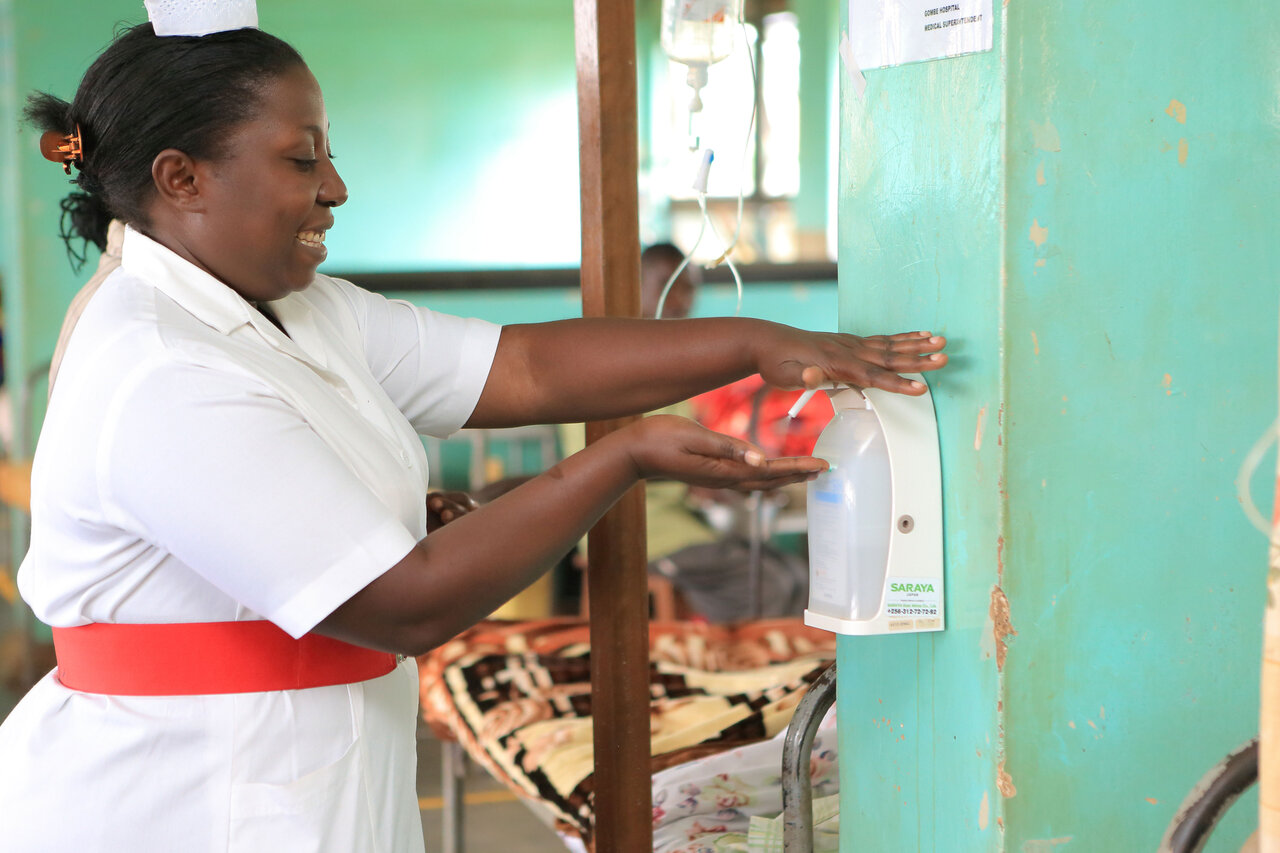
These initiatives, which enhance public health through both facilities and knowledge, have also impacted healthcare facilities in Uganda. As a result of Saraya's efforts through its local subsidiary in Uganda to communicate the importance of hand disinfection and train people on the correct methods, infections in maternity wards have drastically decreased. Saraya is creating local employment while solving social issues in Africa and promoting education for healthcare professionals and the widespread use of disinfection.
Amidst the Spread of Coronavirus Infections
While we hope the situation will continue to improve, history suggests that we must prepare for the possibility of a second or third wave. The fight against infectious diseases requires each individual to make hygienic behavior a habit. Therefore, we want to spend this precious time after the lifting of the state of emergency, while being mindful of the presence of the leading company that has been supporting Japan's public health from behind the scenes.
Saraya
https://www.saraya.com