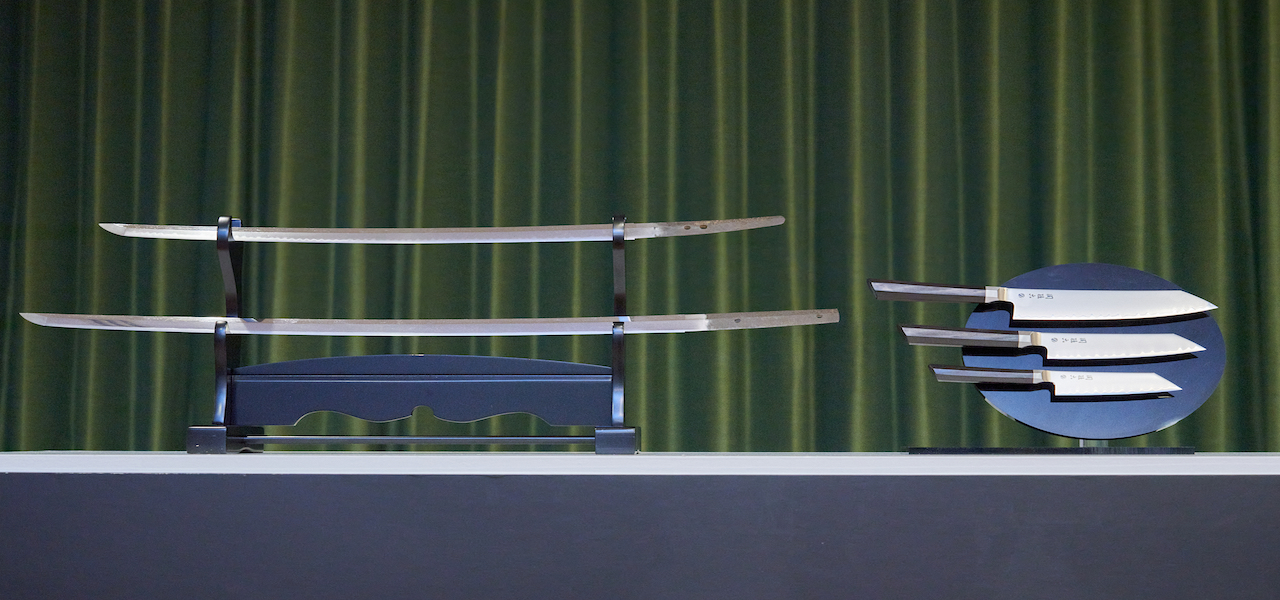
The prowess of the "Seki Magoroku Kaname," a premium knife embodying the aesthetic and functional beauty of Japanese swords.
Seki Magoroku Kaname | The Essence of Seki Magoroku
Kaijirushi's Premium Knife, Boasting the Top Domestic Market Share, Makes a Beautiful Debut
Whether it's men's grooming products, women's beauty care items, or even nail clippers, Kaijirushi products are invariably integrated into our daily lives. The company also boasts the largest domestic market share for household knives, with the "Seki Magoroku" brand being particularly highly regarded. Its top-tier Master Line has now introduced a series called "Kaname." Why does Kaijirushi's Seki Magoroku continue to be a special presence? We delve into its roots and capabilities through a factory visit.
A Century-Old Company That Triumphed with Disposable Razors
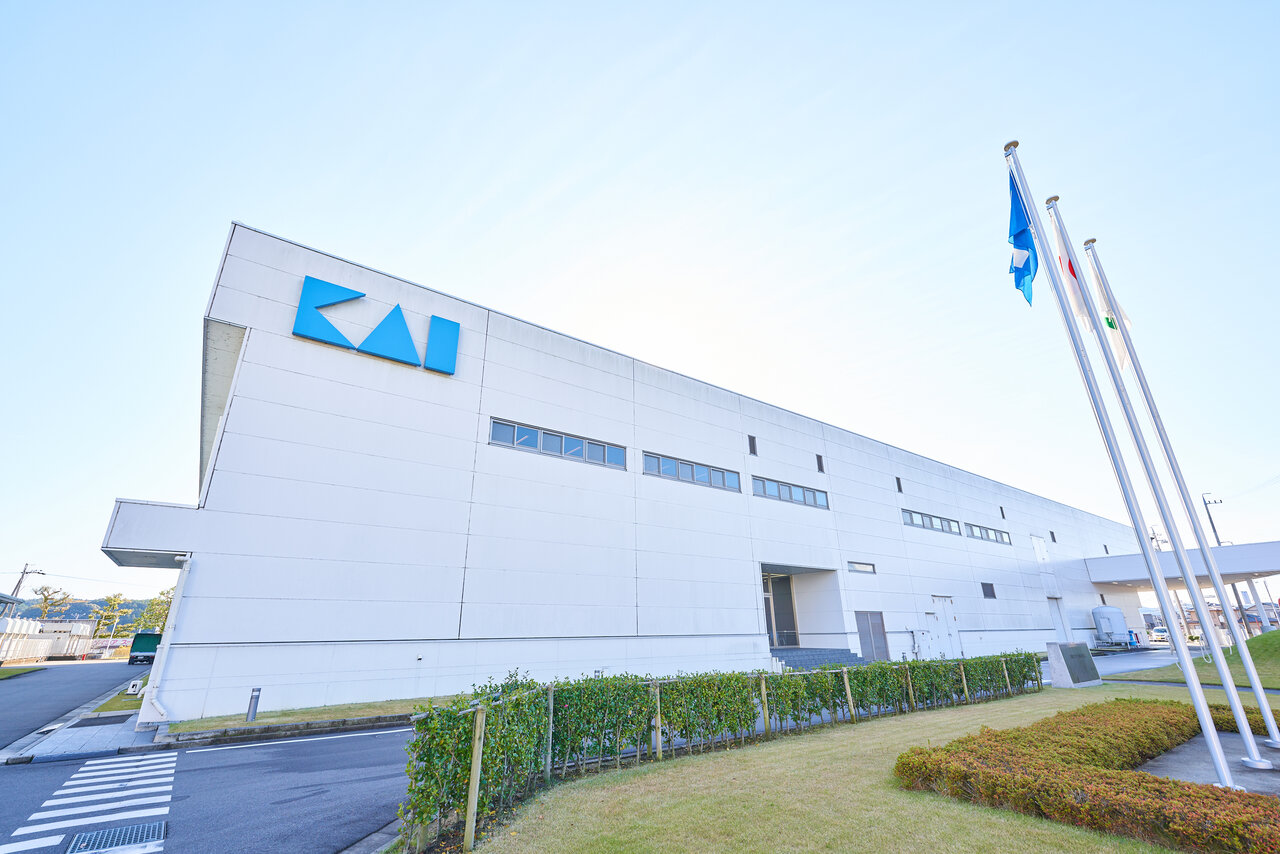
The first factory we visited was the Oyana Factory in Seki City, Gifu Prefecture. Seki City is one of the world's three major cutlery production centers, alongside Solingen in Germany and Sheffield in the UK. This factory handles the production of razor blades and medical instruments, which are among the company's flagship products. In addition to its overwhelming domestic market share, 49% of all product sales are to overseas markets, demonstrating its expansion as a global cutlery brand in recent years.
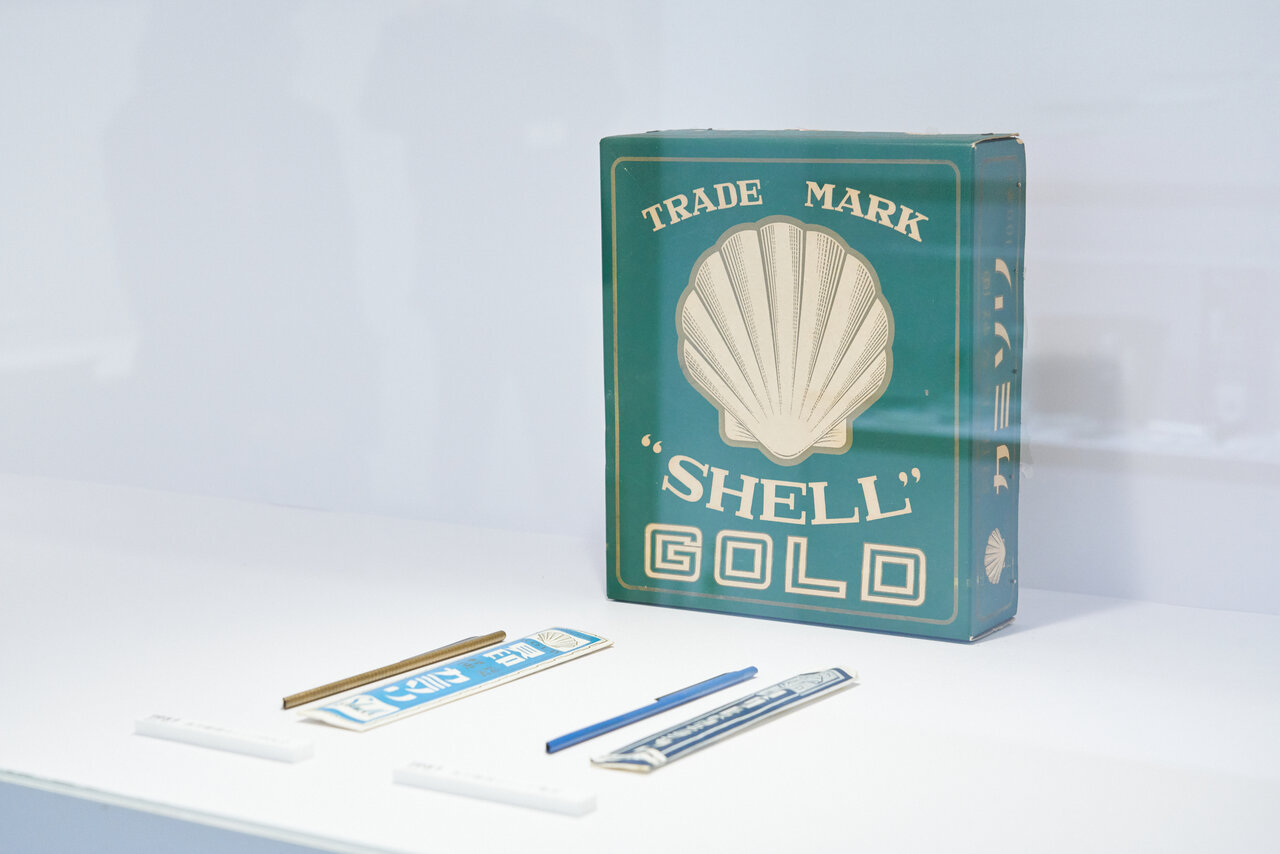
The museum within the factory displays epoch-making Kaijirushi products from throughout its history. Tracing over 110 years of history, the company's origins date back to 1908, when it began manufacturing pocket knives, which were widely loved by the public at the time. A turning point came after the war when the second-generation founder, Seijiro Endo, began producing disposable razors. The company experienced significant growth, establishing numerous new factories in the 1960s during the period of high economic growth and adding household knife production in the 1970s.
The Roots of Seki's Blade Craftsmanship Lie with Swordsmiths 800 Years Ago
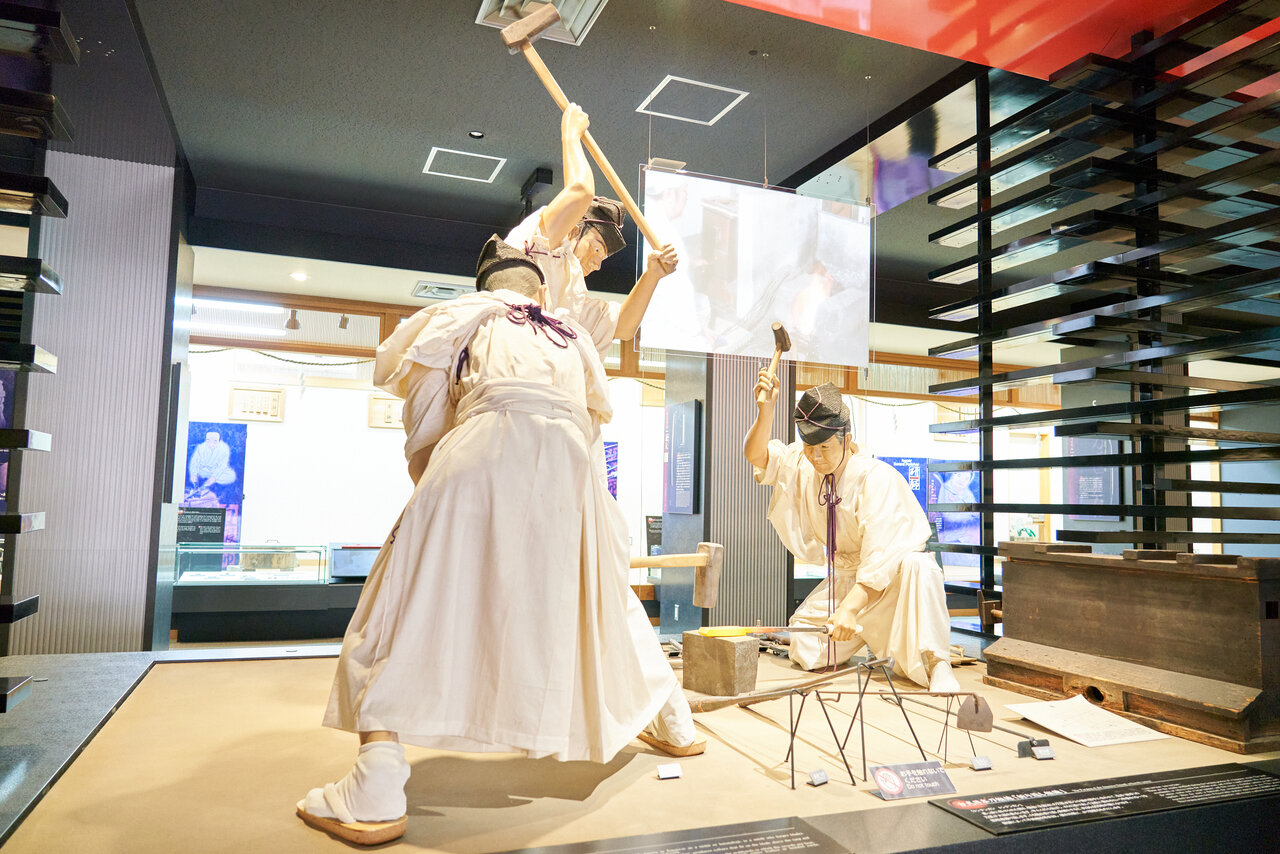
Seki City, the birthplace of Kaijirushi and home to its first large-scale factory, the Oyana Factory, became a cutlery production center due to swordsmiths from the Kamakura and Muromachi periods who moved to this area approximately 800 years ago. Seki offered ideal conditions for sword making, including water with few impurities, high-quality pine charcoal, and suitable clay for tempering – essential natural elements for crafting swords. Thus, blacksmiths with their own forges and anvils competed in their skills, producing many renowned swords.
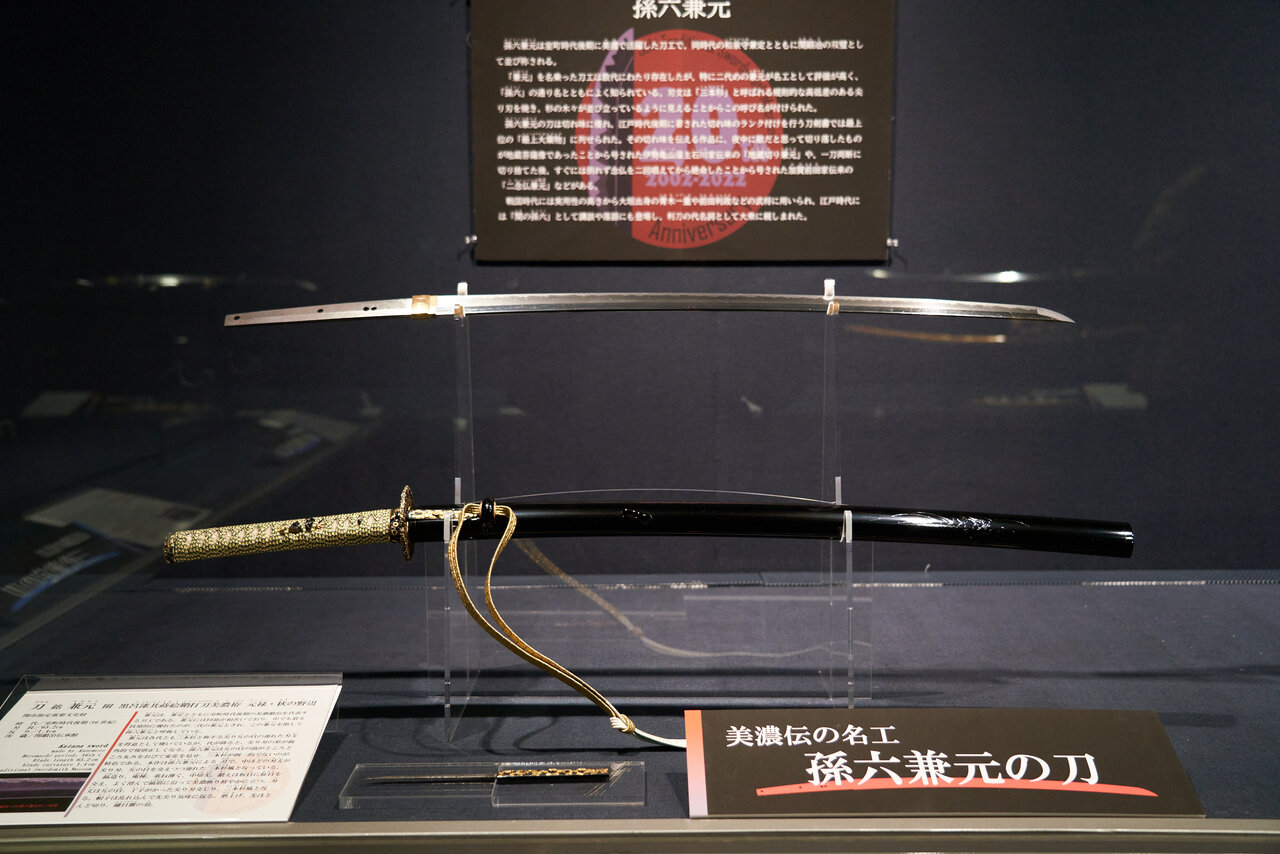
At the Seki Cutlery Tradition Museum, located not far from the Oyana Factory, visitors can witness live demonstrations of Japanese sword forging by contemporary swordsmiths and view various famous swords created in Seki. Kanemoto, a swordsmith whose lineage continues from the Muromachi to the Edo periods and into the present day. Among them, the second-generation Magoroku Kanemoto, active in Seki during the late Muromachi period, is particularly famous. Kaijirushi chose the name "Seki Magoroku" for its knife brand to inherit the blade-making tradition of this region and bring its sharpness and beauty into the modern era.
While Utilizing Latest Technology, the Final Stages are Handled by Artisans
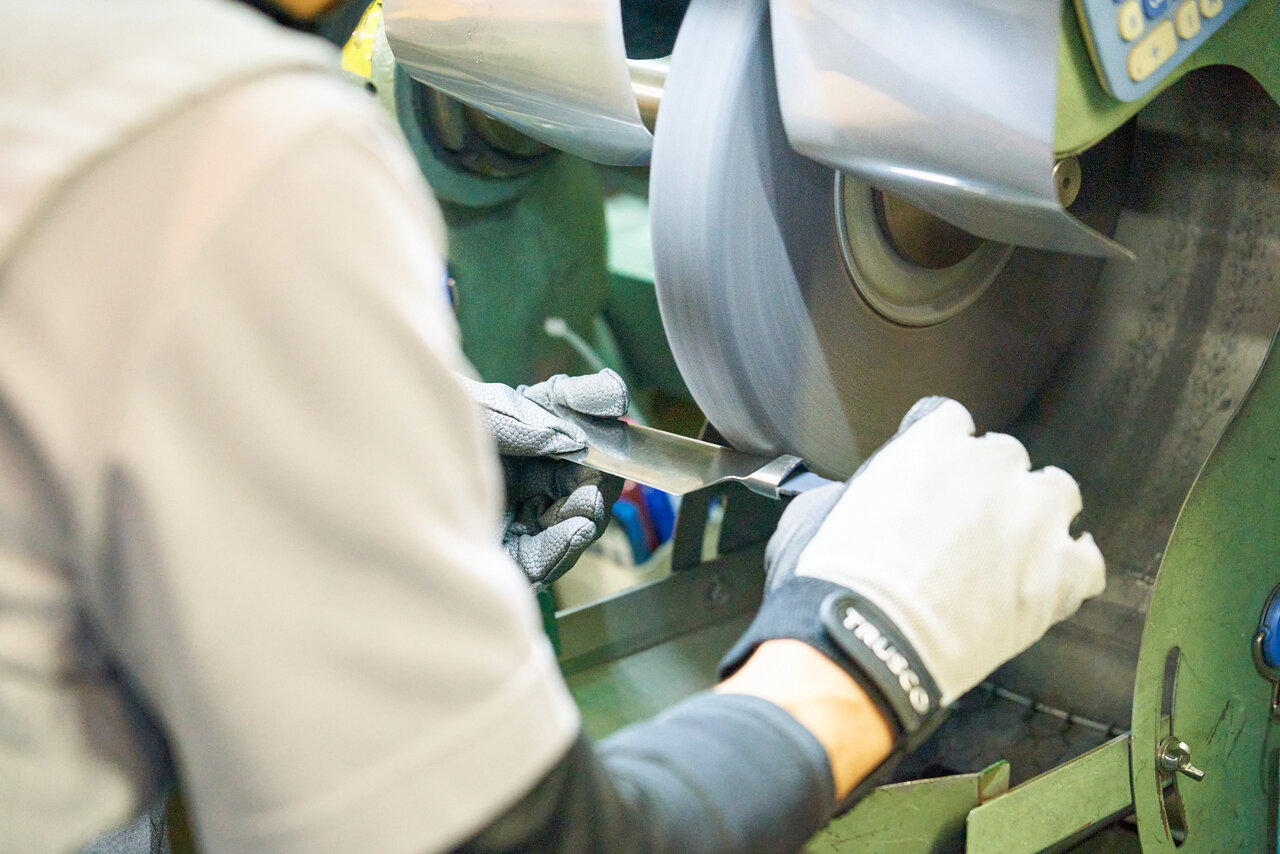
Following the museum, we visited the Yamato Tsurugi Factory in Gujo City, about an hour's drive north of Seki City. This factory is responsible for the production of many household knives, primarily focusing on the polishing and tsukuri (assembly) processes, which involve attaching the handle. The bolster, which connects the blade to the handle, is welded to prevent rust caused by water intrusion, and the polishing is repeated until the seam is virtually invisible. It is a dangerous task, as the blade can fly off in an unintended direction if one loses focus.
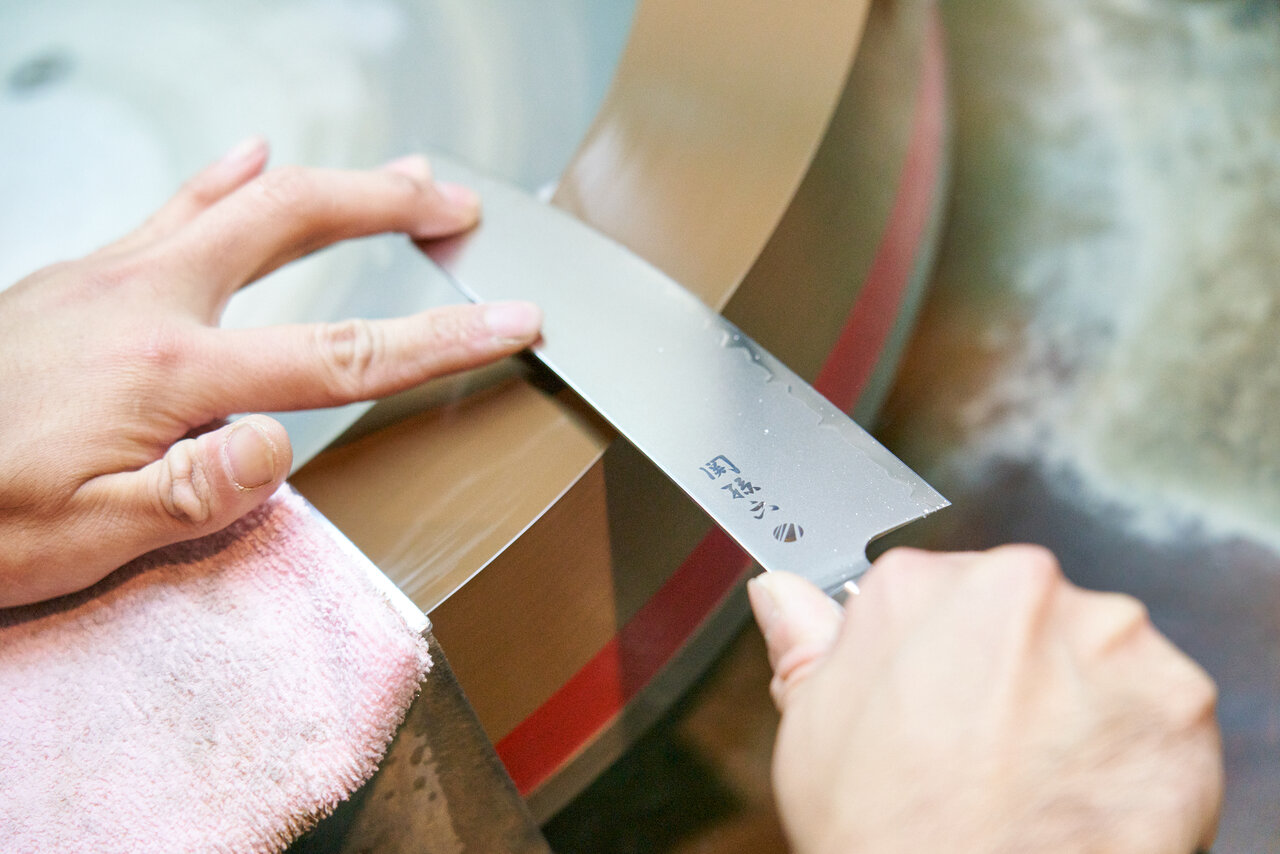
The production of Seki Magoroku knives requires over 30 major steps, and even more when including inspection processes. While the use of computer-controlled advanced processing technologies and specialized machinery in a division of labor system promotes production efficiency and standardization, many of the repeated polishing steps are entrusted to human hands. In particular, the final stage, known as wet sharpening, which significantly influences the sharpness of Seki Magoroku knives, is a special process reserved only for skilled artisans.
Reflecting the Beauty and Strength of Japanese Swords in the Design
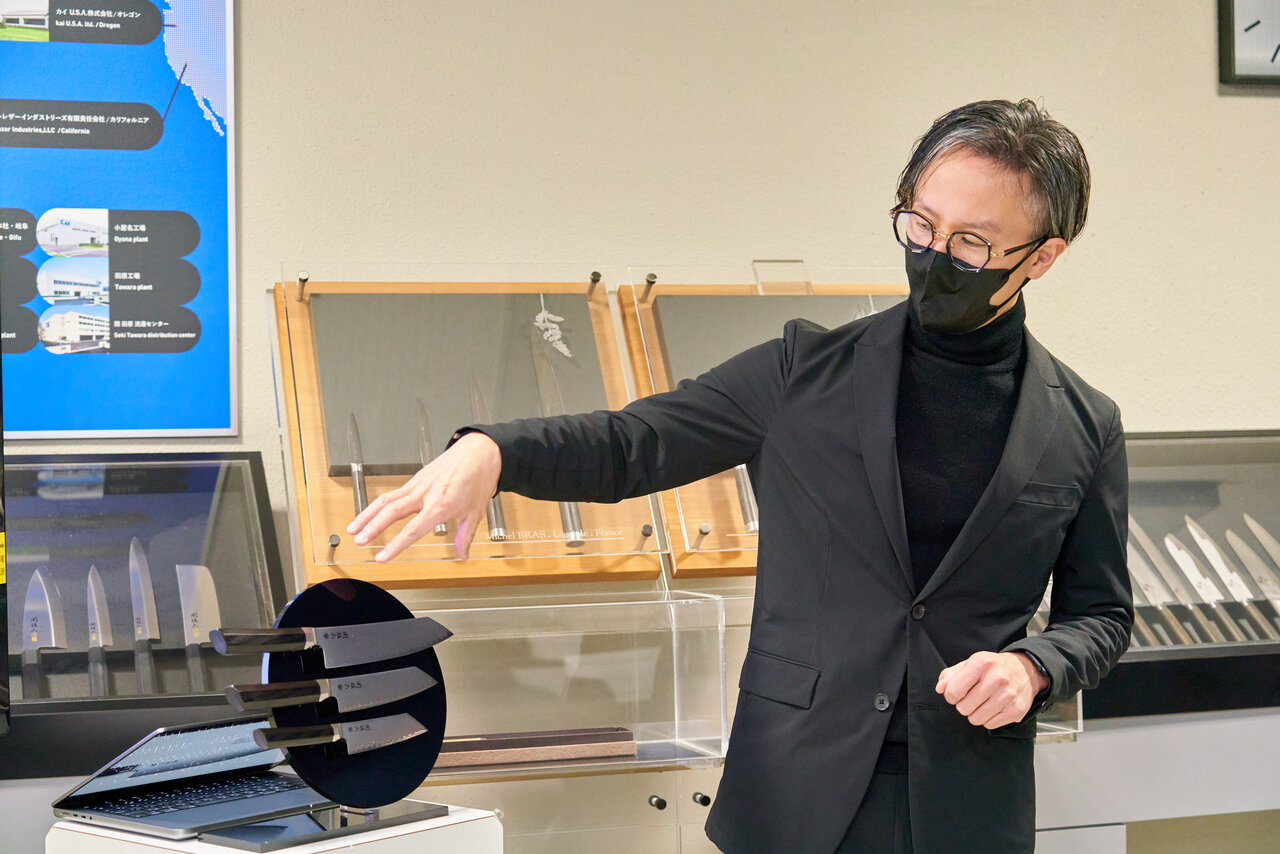
This is how the Seki Magoroku Kaname, from the Master Line, is created through Kaijirushi's cutting-edge technology and the experience of its blade artisans. Regarding the update, which is the first in two years, Mr. Otsuka from the design department explained, "A key feature is the incorporation of a 'curve,' inspired by the shape of Japanese swords that efficiently transfer force to the object. The octagonal handle, tapered at the top and bottom, was also designed to curve beautifully in harmony with the blade."
Faithful to the concept, the gently curved shape is reminiscent of a Japanese sword. The blade is then etched with a 'Sanbon Sugi' (three cedar trees) pattern, inspired by the characteristic mark of the second-generation Magoroku Kanemoto, expressing the beauty of Seki's traditional craftsmanship. The ergonomic handle transfers force to the blade without waste, allowing for effortless slicing of ingredients with its exceptional sharpness. Furthermore, the design of the bolster area, with an inward concavity, encourages a correct grip.
Exceptional Sharpness That Captivates Even Professional Chefs
Finally, we experienced cutting with the Seki Magoroku Kaname. The moment I held the handle, I noticed its natural fit and the absence of any feeling of heaviness. I was astonished as the blade slid effortlessly into a ripe tomato, which is difficult to slice thinly, with almost no resistance. Pushing the blade further down to the cutting board, I was able to make multiple thin slices of uniform 5mm width without deforming the pieces. This knife is sure to impress not only cooking enthusiasts but also men who appreciate fine tools, as the difference in sharpness is truly palpable.
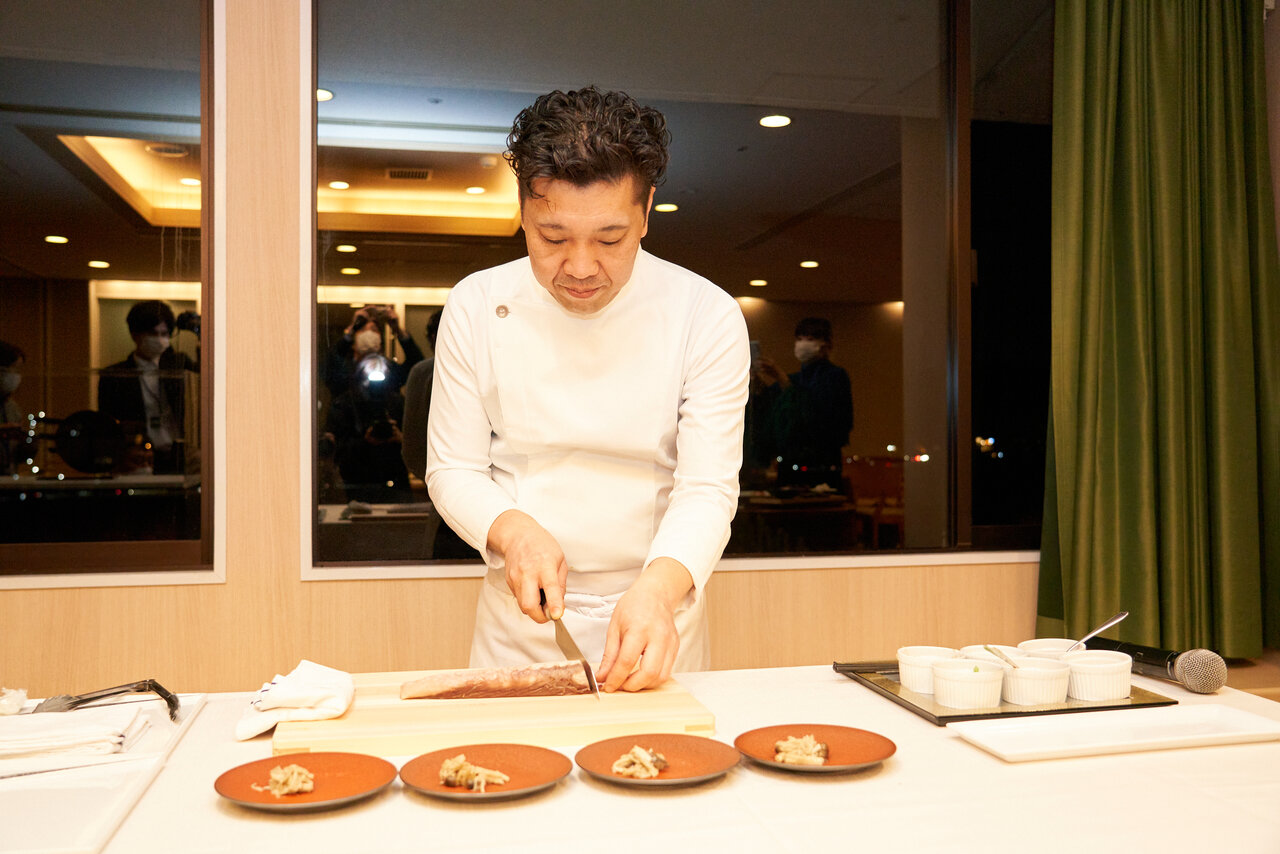
After the factory tour, we had the opportunity to witness impressions from a professional chef. Mr. Komatsu, the head chef at Nagaragawa Seiryu Hotel, which recently underwent renovations, used the Seki Magoroku Kaname and shared his thoughts: "The blade enters smoothly, and the knife feels like it 'glides.' Those who use it at home will surely feel an improvement in their cooking skills. It cuts better than my usual knives, so it's a knife I'd want for myself."
The Luxury of Incorporating the Essence of Japanese Traditional Craftsmanship into Daily Life
The Seki Magoroku Kaname is available in the following three types. The 6.5-inch (195mm) model at ¥27,500, with ample blade length and width, truly shines in elaborate cooking; the 5-inch (150mm) model at ¥24,200, which is versatile for everything from vegetables and fruits to meat and fish; and the 4-inch (120mm) model at ¥22,000, which is nimble for tasks like peeling vegetables and thin slicing, and also useful for preparation. For men who take pride in their cooking, we recommend the 6.5-inch model for preparing meat and fish with its exhilarating sharpness.