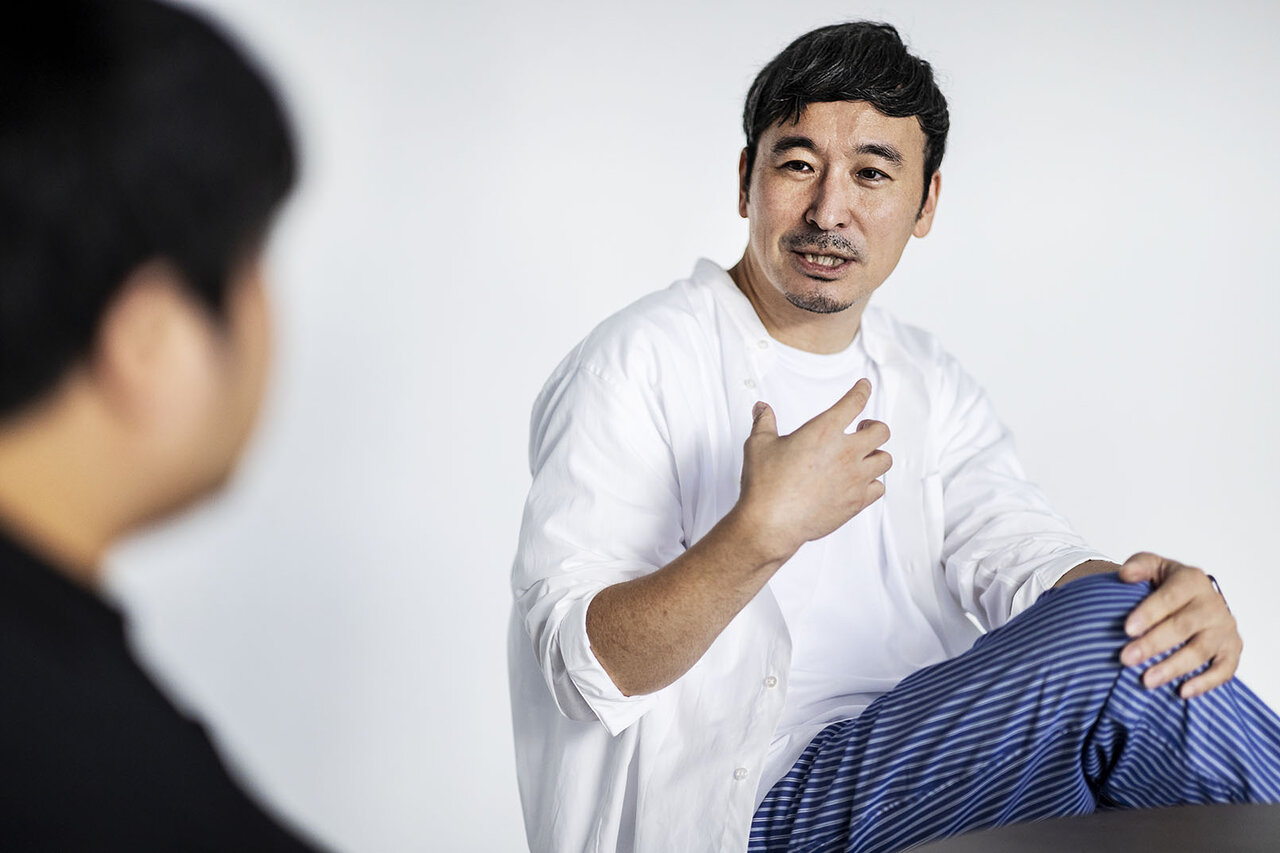
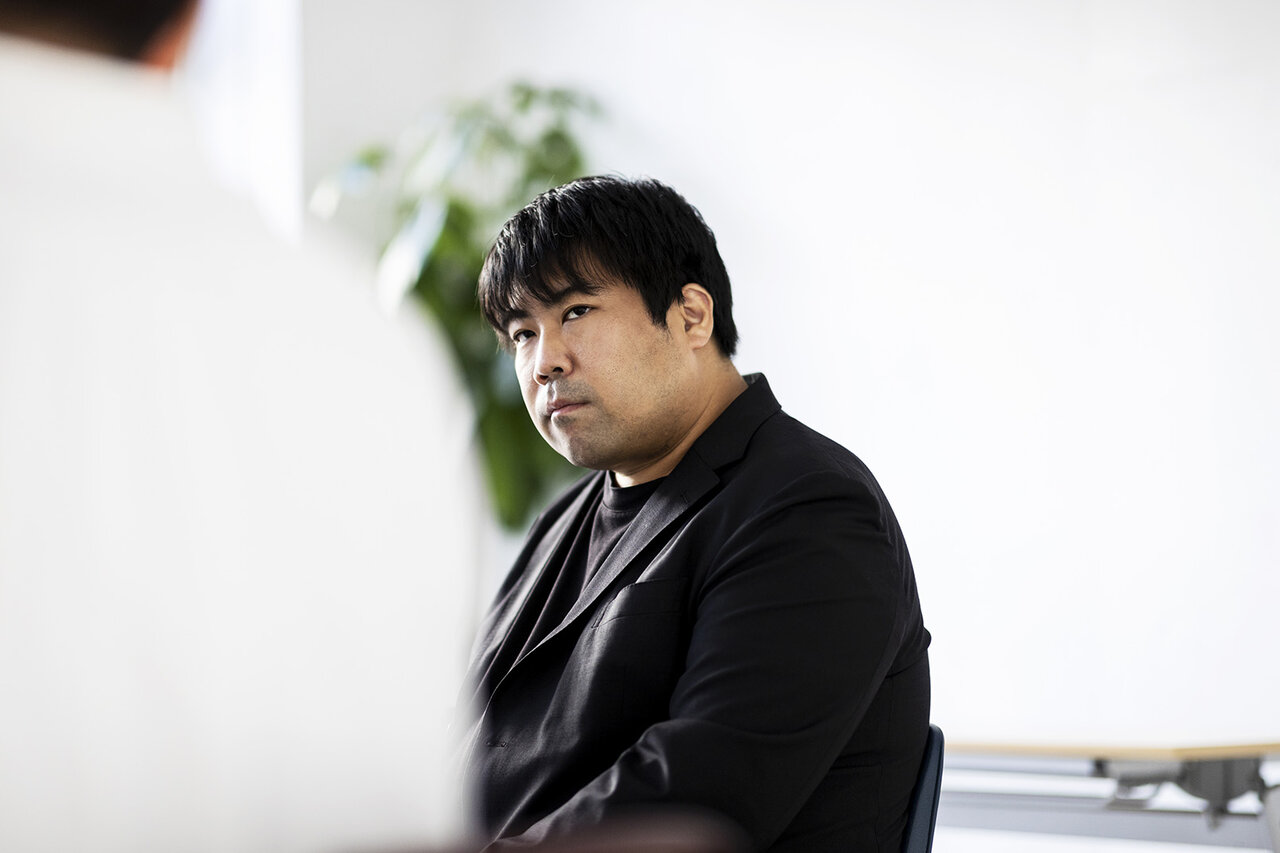
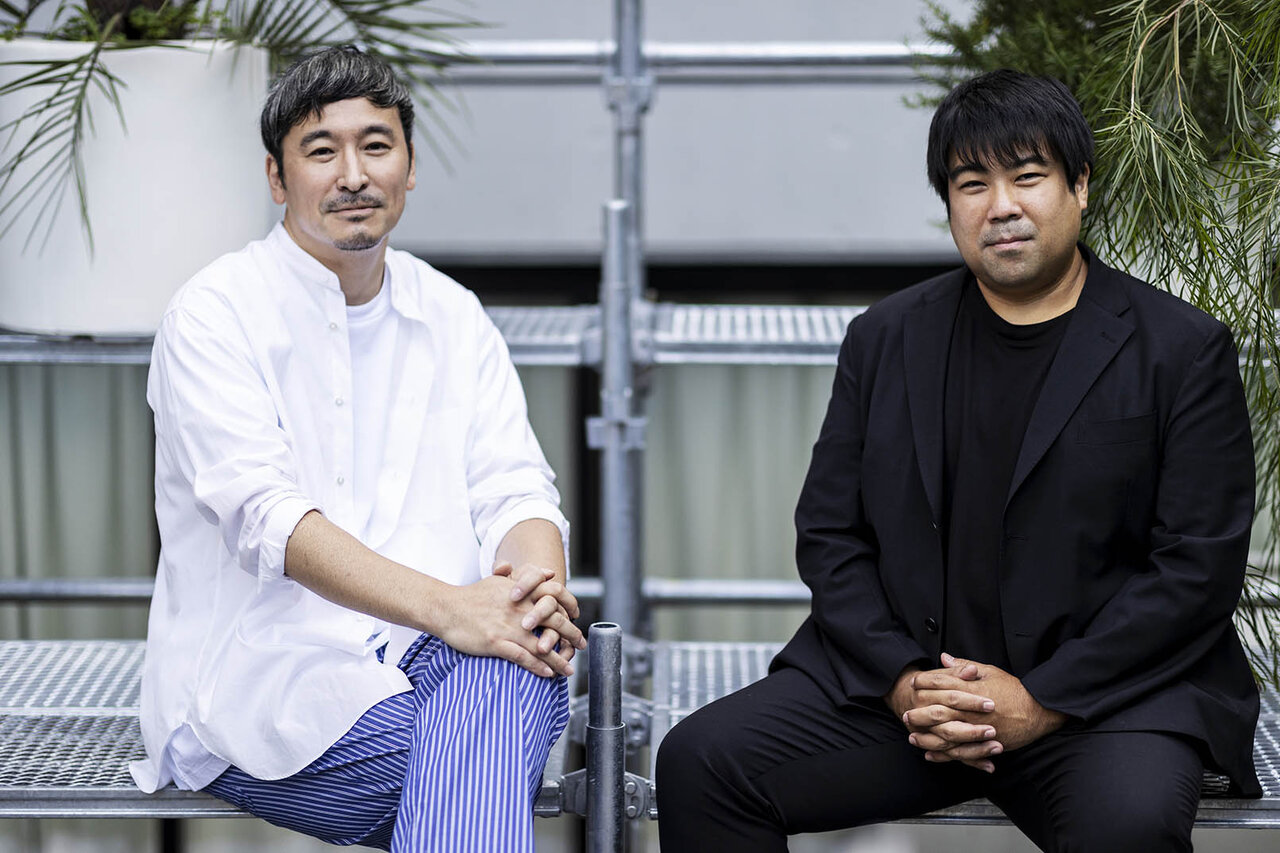
How Japanese creativity can take flight on the global stage. A conversation with Yusuke Nakagawa (ASOBISYSTEM CEO) and Kazuhiko Nakama (KDDI).
au 5G | Shibuya 5G Entertainment Project
What's Missing from Japan's Creative Industry? A Look from Virtual Harajuku
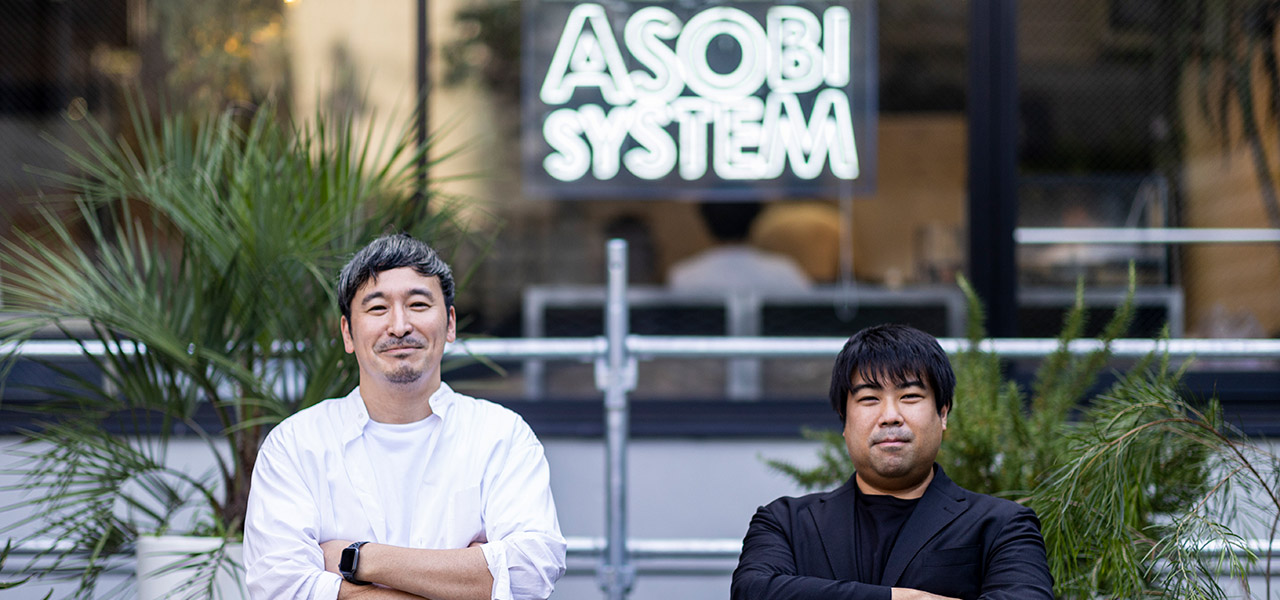
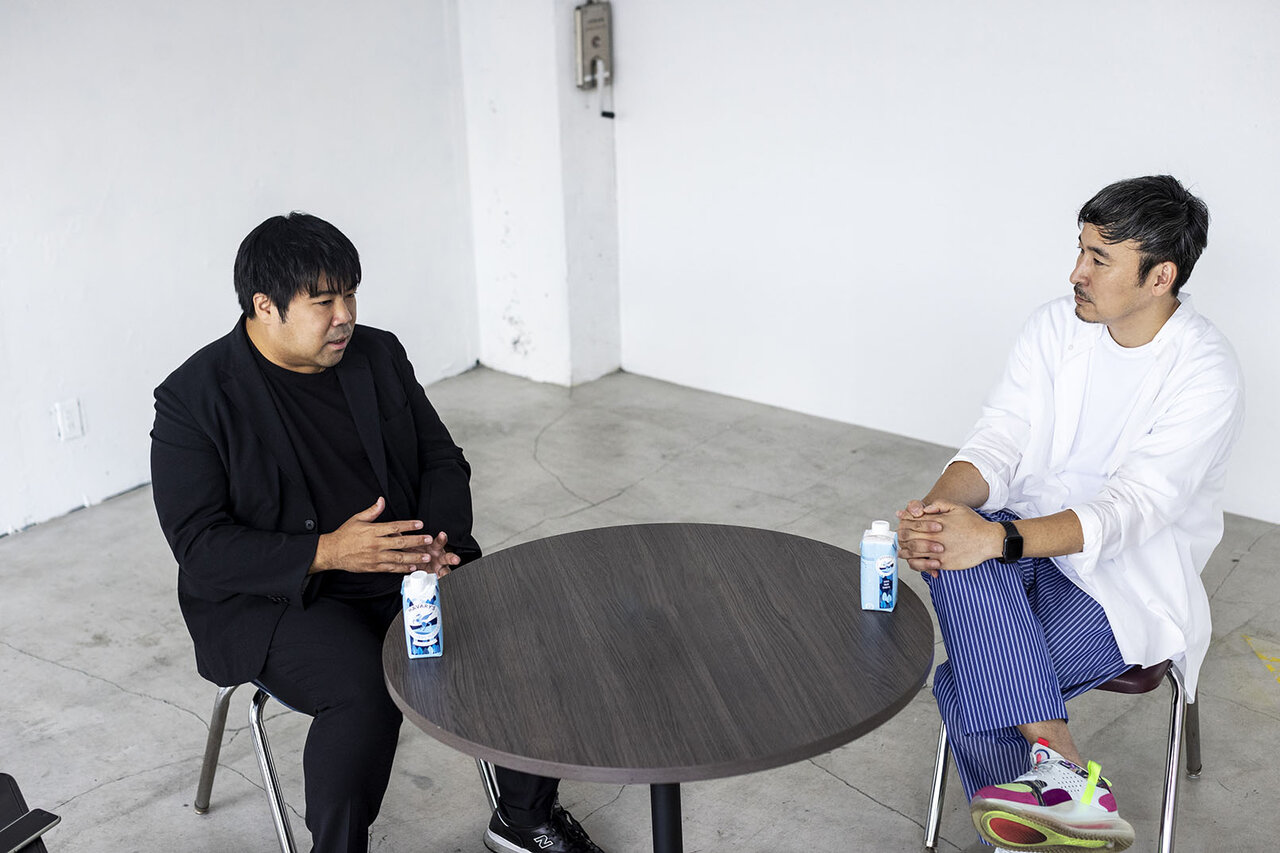
The entertainment industry, particularly live performances, has faced hardship due to the pandemic. However, some see this as an opportunity to embrace and develop new changes. We therefore organized a discussion between Yusuke Nakagawa, President of ASOBISYSTEM, and Kazuhiko Nakama, General Manager of the Business Incubation Promotion Department at KDDI.
How will virtual spaces transform entertainment in the future? This conversation delves into intriguing topics, including how to prevent Japanese creativity from becoming isolated.
Edit & Text by TOMIYAMA Eizaburo | Photo by MAEDA akira
The Pandemic Ushered in a New Era of Entertainment: "Virtual"
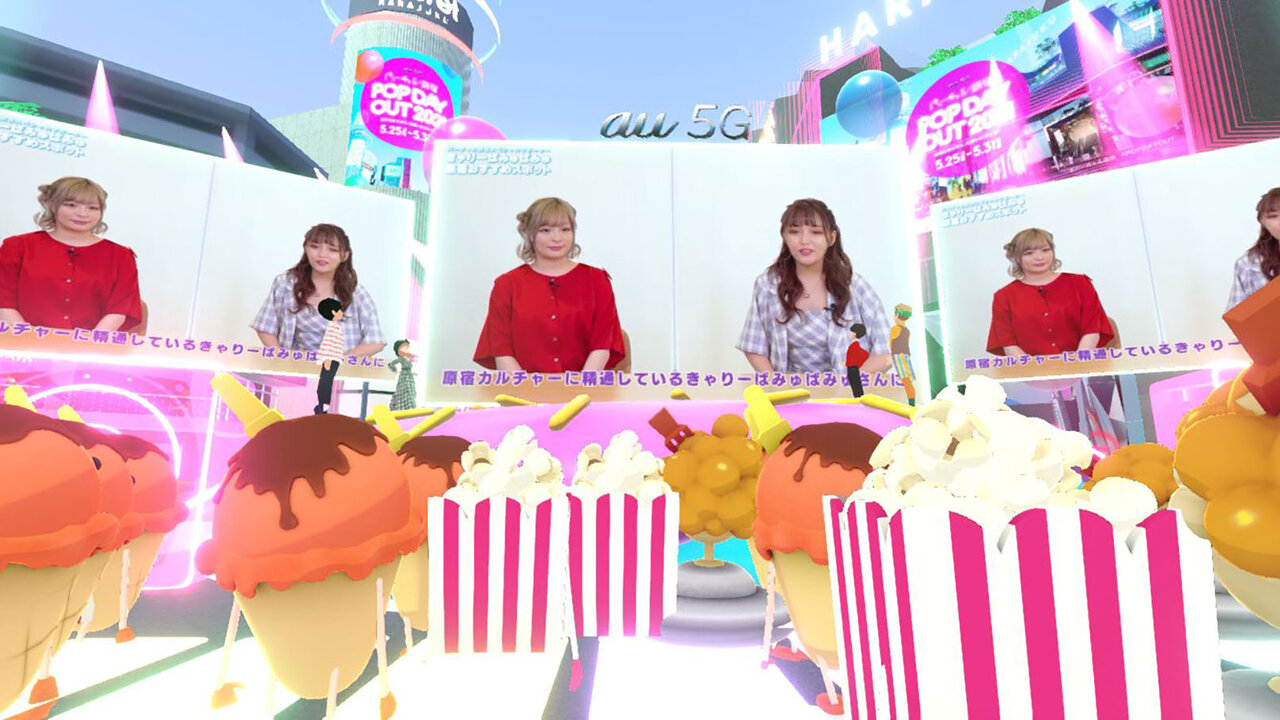
—The "Virtual Shibuya" area has expanded, and the Harajuku area has newly opened. Was your meeting at the "Virtual Harajuku au 5G POP DAY OUT 2021" event (May 25-31, 2021) your first encounter?
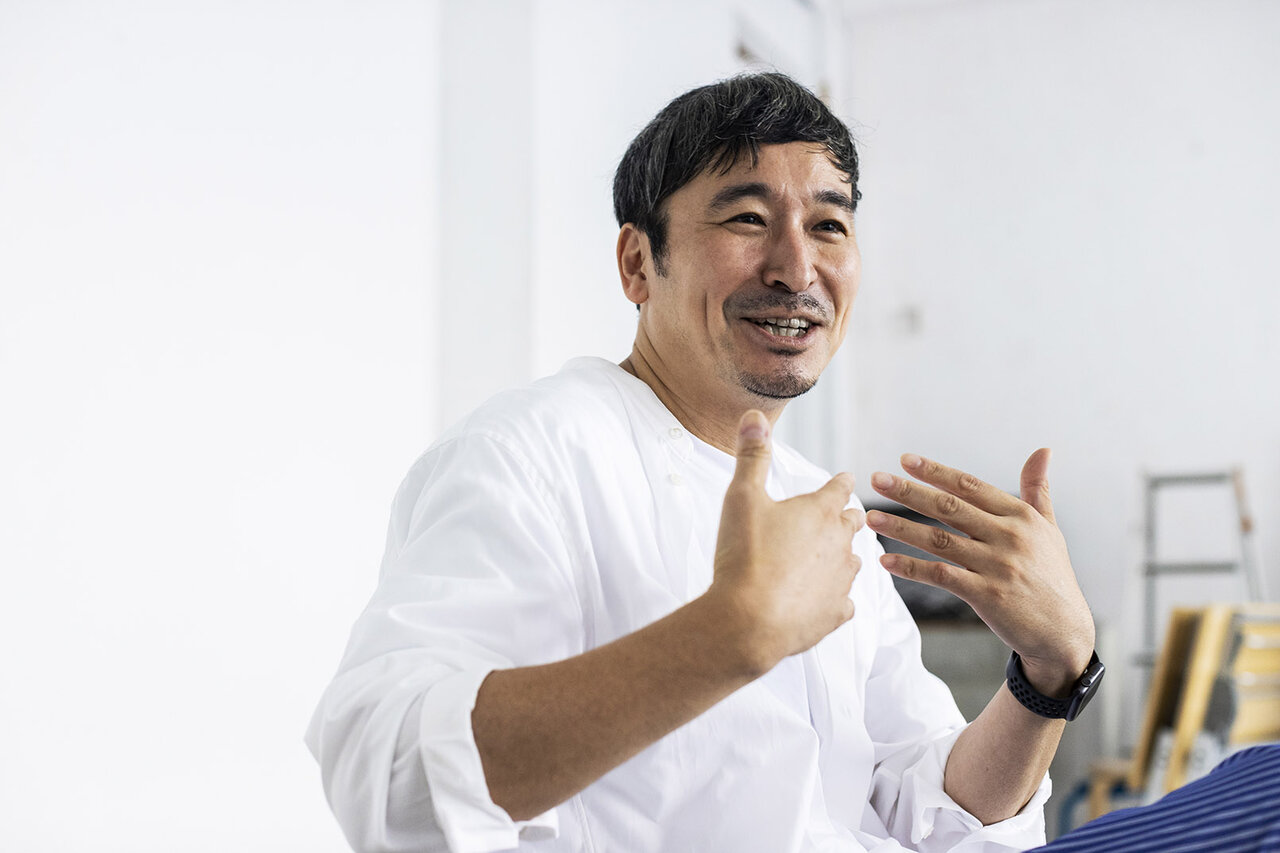
Nakagawa (ASOBISYSTEM President)We had Kyary (Pamyu Pamyu) perform at the "Virtual Shibuya" Halloween festival before that. At the time, live performances were still restricted due to the pandemic, and we had been relying on one-way communication through social media, so it was significant to have an opportunity to interact with fans.
At the recent "Virtual Harajuku" event, watching the talk sessions with Ryucheru and Neo-chan, I felt a new potential. I had thought virtual spaces were only for virtual beings, but I realized that real people like us can participate too.
Nakama (KDDI)Conversely, were there things you felt could have been done better?
NakagawaHmm, I think we could have been a bit more unrestrained.
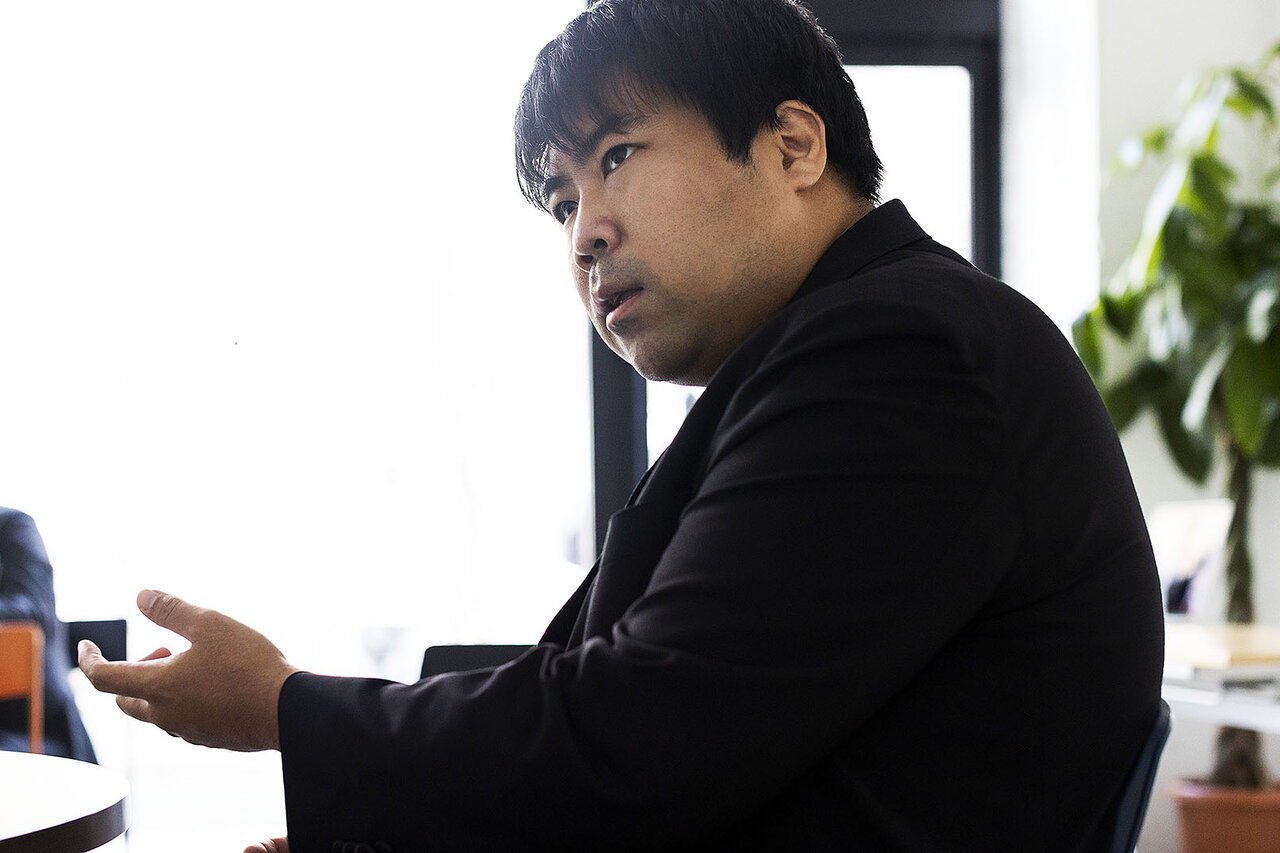
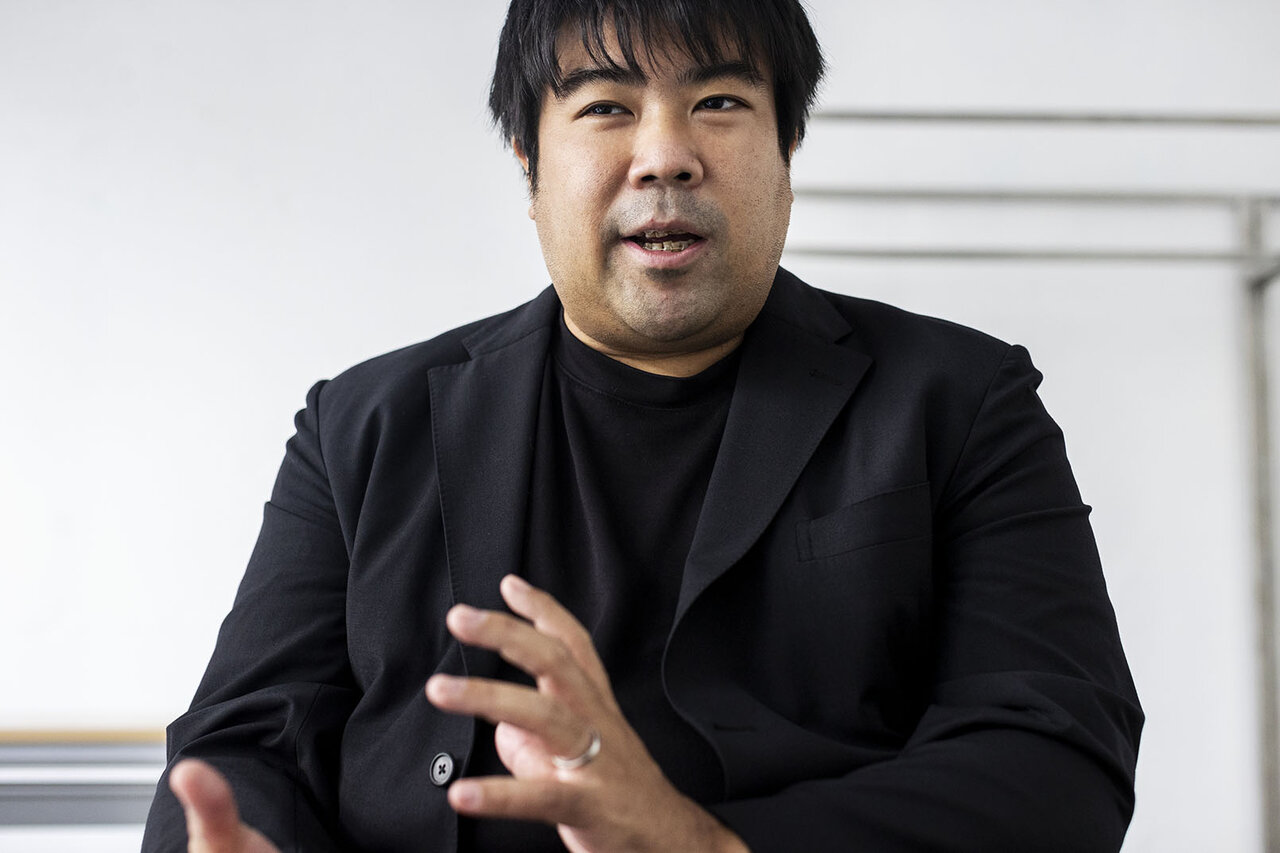
NakamaIn this climate, I believe there's a strong sense of necessity driving virtual events because real ones can't be held. This could dilute their value once things return to normal. I think what's truly important going forward are the things that can *only* be done in virtual spaces.
NakagawaIndeed, initially, we considered virtual as a substitute for the real world. But after experimenting with live streaming and other activities, I feel it's an opportunity to do things beyond conventional ideas. When Kyary went on her world tour in 2013, the idea of having Japanese fans watch her LA performance was nonexistent. But with today's mindset, we can hold live concerts in virtual spaces, or even collaborate with Hatsune Miku or Kizuna AI. That's a very exciting future.
NakamaOnce you experience virtual spaces, you understand how to interact with them. This then leads to new challenges you want to pursue.
NakagawaThe idea that "only the real world matters" is a misconception. We realized that "virtual spaces offer so much more potential!"
NakamaIt might sound cliché, but virtual spaces transcend time and place. Not only can Japanese fans watch Kyary's overseas concerts, but she could even perform with her past self in the same location.
NakagawaExactly. But before the pandemic, it would have been difficult to realize that potential. In that sense, I feel the pandemic has truly launched a new form of entertainment: "virtual."
Why KDDI is Actively Introducing 5G in Entertainment
—You've stated that 5G will change the structure of all industries, including primary industries. Amidst such significant changes, why is KDDI focusing on sports and entertainment?
NakamaSimply put, it's because of the passion involved. Innovative technology can be difficult to grasp and communicate. On the other hand, experiencing a peak, exhilarating moment at a festival—thinking "Wow, this is amazing!"—leaves a lasting impression as a core memory. From there, it gradually integrates into daily life, and people are more receptive when they feel the convenience and it becomes a reality. Therefore, we want to start with areas that have high levels of passion.
NakagawaIn 2013, we held an event (FULL CONTROL TOKYO) using "au 4G LTE" where Kyary performed at Zojo-ji Temple. At the end, she blew out the Tokyo Tower lights as if they were candles. That moment also felt like a connection between the real and imaginary worlds. With "Virtual Harajuku," I felt a glimpse of the future, and it made me believe that entertainment can shape the future.
NakamaThat event was fascinating. Just as high-definition video led to new makeup techniques, technological advancements change stage direction.
Virtual Spaces Exist to Enhance the Real World
NakagawaWe often meet people with new technologies, such as those from startups. Based on that experience, I believe entertainment still has much to offer in expanding the possibilities of technology. As you mentioned, this requires human connection and genuine passion.
NakamaThat's right. Our consistent goal since creating "Virtual Shibuya" has been to enhance the real world. While the current pandemic necessitates a focus on virtual, our ultimate aim is integration with the real world. We haven't been able to fully realize our plans for "Virtual Shibuya" or "Virtual Harajuku" due to the pandemic.
We envision virtual world performances influencing real-world streets and, in turn, conveying the atmosphere of people gathered in reality back to the virtual space. For this to happen, generic virtual cities won't suffice; it's the unique originality of places like Shibuya or Harajuku that will give birth to distinctive virtual worlds.
NakagawaInitially, I also thought of real and virtual as completely separate entities. But after experiencing "Virtual Harajuku," I understood it as the future within "expandability," as you put it. Making the area in front of Laforet a pedestrian paradise or a fashion show runway is difficult in reality. However, in a virtual space, people can gather dressed up without worrying about traffic. This can also spread the city's energy globally, ultimately fostering a desire to visit the real place.
I feel the potential for interaction between virtual and real is limitless. It can amplify and strengthen the energy of the real world within the virtual space.
NakamaInformation about the real-time situation in the physical world isn't readily available through internet searches. For instance, you might want to know if a club you're planning to go to is currently lively. While some establishments might intentionally keep this information private, it should ideally be visible. In the online world, people naturally gravitate towards where the buzz is. This localized phenomenon also occurs in real-world cities, but I believe there's room for more dynamism.
Fortunately, with 5G, various aspects of the city can be visualized. Beyond live camera feeds, we can see crowd density, the level of excitement, or emerging hotspots. When this information is accessible in the virtual realm, it can create resonance with the real world. As analog cities become visible in real-time, I believe the next wave of culture will emerge in forms we haven't seen before.
Harajuku is Ready to Redefine "One-of-a-Kind"
—On the other hand, with an increasing number of vacant properties in real-life Shibuya and Harajuku, it feels a bit desolate. What do you think the future holds for real-world cities in the post-COVID era?
NakagawaI spent the entire state of emergency period in Harajuku, and in April-May of last year, there were virtually no people. Even now, the number of "for rent" signs continues to grow. Looking ahead to the post-COVID era, I'm hoping to create reasons for people to visit, perhaps by integrating with Virtual Harajuku. Harajuku has always been a district that evolves with the times, so I'm also excited to see how it will change next.
NakamaDwelling on nostalgia will never lead to success. Therefore, I believe we must not go back. The crucial factor is whether we possess the vitality to change when a significant transformation is inevitable.
Harajuku is a place that attracts people seeking uniqueness, so perhaps it's time to redefine that uniqueness. By digitally expressing the atmosphere that draws people to Harajuku and Ura-Harajuku, I feel that Gen MZ will resonate more deeply.
NakagawaWe are currently actively engaging with regional areas as well. This is because, as an entertainment agency, we need a different narrative than before. The traditional story involved coming to Tokyo from the regions, debuting in Tokyo, and achieving success. However, since our goal is to reach a global audience, there's no need to come to Tokyo at all. I'm from Tokyo, so I don't have a particular longing for it; Tokyo is merely a hub.
Regions are Essential for Global Business
—Historically, Japan's appeal to the world has stemmed from a certain kind of "Galapagos" creativity that surprised people globally. Moving forward, what is crucial for doing business globally while effectively utilizing technology?
NakamaThe internet world already transcends national borders. The key is how we structure things from the outset, keeping that in mind. There are indeed strategies for launching initiatives, and it's crucial whether we intentionally target specific regions or cities.
NakagawaFor the past six to seven years, I've been a member of the "Cool Japan" platform. I believe the Japanese are inherently creative. Historically, it was electronics and automobiles, and more recently, food and anime. Also, aren't Japanese hairdressers in London and New York incredibly popular? As technology complements this sensitivity and skill, the opportunities to expand globally are increasing. This applies to music as well. Furthermore, many individuals in Gen Z speak English or Chinese, and their sensibilities are evolving.
NakamaHowever, HYBE (a South Korean entertainment agency) has a market capitalization of around 1 trillion yen, while UUUM (a Japanese YouTube-related production company) is valued at tens of billions. That's a difference of more than tenfold. Studio Dragon (a South Korean drama production company) and JTBC (a TV broadcaster affiliated with JoongAng Ilbo) are producing content funded by Netflix's global capital. Japan's contributions are limited to anime and "The Naked Director," aren't they? It's a bit concerning.
—Considering this, shouldn't we actively pursue global expansion rather than waiting for opportunities?
NakamaI believe so. For example, with K-pop artists, it's common for virtual characters and their real-life counterparts to debut simultaneously, or sometimes the virtual character debuts first, followed by the real person. This is the norm, yet it's still uncommon domestically in Japan.
NakagawaIt is. The Japanese entertainment industry is indeed very Galapagos-like, with a tendency to be self-sufficient domestically. This leads to overly strong systems. While there are benefits to this, we must approach the global market with the understanding that it is "special." The pandemic has made this abundantly clear.
More Young People are Sensing Global Potential
—In terms of looking towards the global stage, what is the mindset of the young artists affiliated with ASOBISYSTEM?
NakagawaLast December, a group called "Atarashii Gakko!" debuted under "88rising" (a US-based media platform that promotes Asian culture). This led to their TikTok followers increasing from 1.8 million to 2.8 million, and such events make them realize their global potential. Once one person experiences this, it spreads rapidly. This phenomenon tends to happen more quickly among younger individuals.
However, the key is to continue creating high-quality content. I believe that's the fastest path to success. To achieve this, collaboration with various entities, including those in the technology sector, is essential.
—As creators of platforms and creators of content, what kind of relationship do you consider ideal?
NakamaWhen I was young, I used to hang out at clubs in Fukuoka. That's where I met Mihara Yasuhiro. Even then, he was truly remarkable, with exceptional creative talent. Witnessing that made me decide to give up on being a creator myself and instead become someone who supports talented individuals.
Therefore, I always hold creators in high regard. Objectively, my position as a corporate investor might carry influence, but I never adopt a condescending attitude. I aspire to be a major player that doesn't forget its indie spirit. In that sense, I believe platform creators must respect content and culture.
The Importance of Skilled Business Professionals like CFOs
NakagawaFrom our perspective, having people like you, Mr. Nakama, signifies a bright future. When we were preparing for "Virtual Harajuku," I was quite nervous about meeting KDDI executives. I expected to see people in formal suits, but you came dressed casually today (laughs). It shows you understand the culture, and people who value content are rare in Japan.
Overseas, there are individuals who engage with entertainment, incorporate quality content, and strive to create dynamic platforms. At events, investors stand alongside artists, and celebrities mingle with startup founders. In Japan, the business, startup, and entertainment worlds operate in separate silos. They need to be much more interconnected.
NakamaJapan has too few business professionals in the entertainment industry. This can lead to a creator-centric approach. Ideally, business professionals should provide balance. Overseas, this division of roles is clearly defined.
NakamaOverseas, producers are overwhelmingly more influential than creators. The structure isn't set up that way.
NakagawaJapanese creators often end up as the heads of their own small operations, whether in talent agencies, fashion, or other fields. They fail to scale up into larger businesses or department stores. Once they achieve a certain level of success, creators tend to become complacent, wanting to maintain their freedom to pursue their interests, which ultimately leads to struggles. However, overseas, they have established methods for moving beyond that stage. The difference is significant.
—Finally, could you share your future outlook?
NakagawaWith initiatives like "Virtual Harajuku," I believe it's important to collaborate from the outset whenever new possibilities arise. The traditional entertainment industry, I think, involved observing the situation and then preparing to jump in all at once. But there's no time to wait anymore; we have to dive in. That's how I've come to feel recently.
Yusuke Nakagawa
President and CEO, ASOBISYSTEM
Born in Tokyo in 1981. Founded ASOBISYSTEM in 2007, an agency representing artists active worldwide, including Kyary Pamyu Pamyu. He is the originator of the "blue-character" culture and has been disseminating fashion, music, and lifestyle globally from Harajuku. He serves as a member of the "Cool Japan Public-Private Partnership Platform" under the Cabinet Secretariat and an advisory board member of the "Parliamentary League for the Nighttime Economy." He is also actively involved in inbound promotion initiatives and new business development within Japan.
Kazuhiko Nakama
General Manager, Business Incubation Promotion Department, Business Creation Division / Head of KDDI∞Labo, KDDI Corporation
Oversees the venture support program KDDI∞Labo and the venture investment fund KDDI Open Innovation Fund.
Member of the J-Startup Recommendation Committee, Ministry of Economy, Trade and Industry | Mentor, Shido Next Innovator | Advisory Board, ILS | Outside Director, Cluster Inc. | Outside Director, Okage Inc. | Committee Member, Sports Industry Promotion Committee