2013 Milan Salone Latest Report | Akio Aoki Explains "Milan Salone"
Feature: Milan Salone 2013 Report
A Comprehensive Review of Milan Salone 2013
Akio Aoki's "Salone Viewing"
TREND (1): Coloring That Redefines Concepts
This year marked the 52nd edition of the world's largest furniture fair, the "Milan Salone," where designers and manufacturers from around the globe unveil new furniture and interior products.Milan SaloneThe event, held in April, featured a report by Akio Aoki, a creative director active in the interior industry, who shared his unique perspective on the current state of design and its future direction based on his observations.Akio AokiThis report delves into what is happening now, where design is headed, and his personal insights from the 2013 Salone.
Text by AOKI Akio (MIRU DESIGN)
ABOUT: Milan Salone
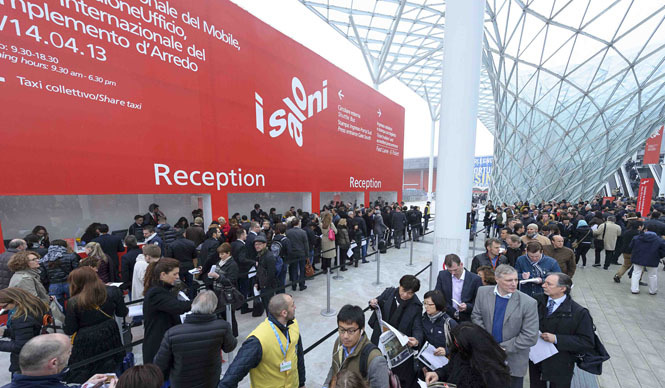
While commonly known as "Milan Salone" in Japan, its official name is "Salone Internazionale del Mobile." Established in 1961 by the Italian furniture cooperative "Cosmit" to promote furniture during the post-war reconstruction, it has now reached its 52nd year. The main venue, "Fiera," is akin to Tokyo's Big Sight, but with an exhibition area of approximately 210,000 square meters, nearly three times the size of Big Sight's 80,000 square meters. It attracts 320,000 to 330,000 visitors annually. In contrast, the approximately 800 exhibitions held throughout Milan city are collectively known as "Fuori Salone." Compared to international fairs in other countries, the sheer number of city-based exhibitions is overwhelming, making it a globally influential design week renowned for fostering creative expression beyond just furniture.
COLOR: A World Reimagined Through Color
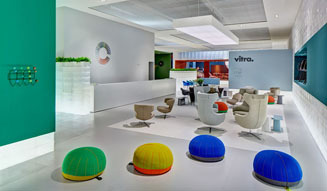
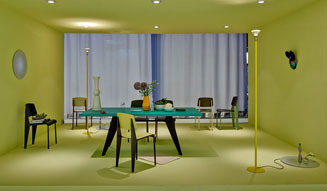
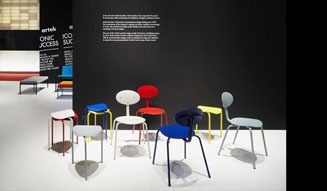
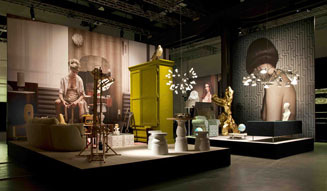
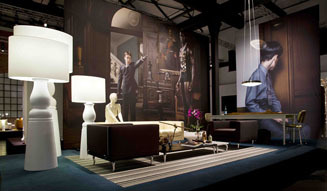
Manufacturers known for their bold new releases have, in recent years, shifted focus. This year, a notable trend was the reduction in the number of new products, coupled with a renewed emphasis on timeless design reinterpreted through diverse color palettes. A prime example of this was showcased at the Fiera venue byVitra. Dutch designerHella Jongeriuslaunched the "Vitra Colour and Surface Library" in collaboration with Vitra, integrating a sophisticated color scheme into their products and exhibition design. While selecting colors might seem less challenging than architectural or product design, it is a crucial element that profoundly impacts a product's visual appeal. Vitra, a manufacturer renowned for producing iconic mid-century designs by
VitraCharles and Ray Eames, Jean Prouvé, and George Nelson, has redefined the perception of these classic pieces through this new color approach, moving them beyond their historical context.
SPECIAL REPORT: A Comprehensive Review of Milan Salone 2013
Akio Aoki's "Salone Viewing"
TREND (2): New Perspectives Through Curation
CURATION: The Growing Influence of Curation
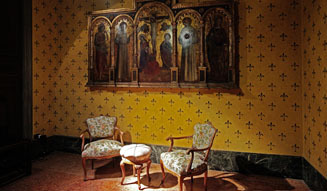
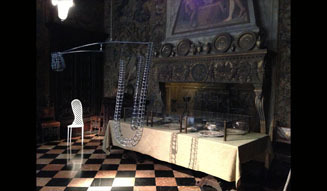
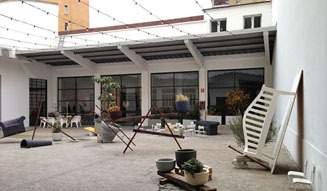
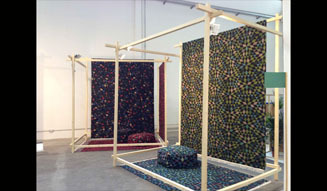
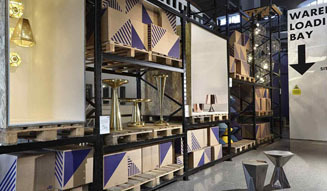
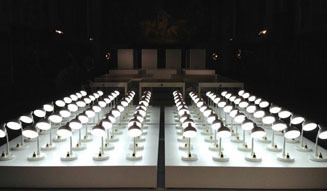
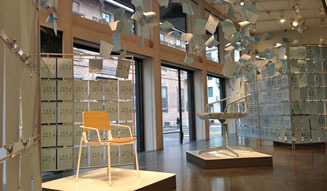
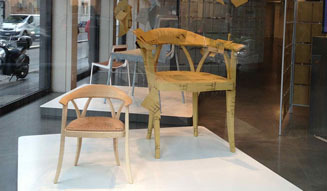
Rossana Orlandiand Li Edelkoort, among other trendsetting curators, are actively promoting emerging designers by presenting their works within unique contexts, elevating them to new levels of value. While the focus was previously on individual designers, this year saw a notable increase in highlighting curators. This approach allows emerging designers' works to be evaluated not just individually but as part of a cohesive collection, creating more opportunities for them. The most striking exhibition was "Museo Bagatti Valsecchi 2.0 EXHIBITION," curated by Rossana Orlandi at the Bagatti Valsecchi Museum. This museum houses Renaissance-era (15th-16th century) paintings, sculptures, glass, weaponry, and armor. Displayed amidst such historical artifacts, the exhibited pieces needed to possess significant presence. Nacho Carbonell,Frederik Moller, Front, and Yukiko Nagai showcased works that exuded a powerful vitality, holding their own within this distinguished setting.
SPECIAL REPORT: A Comprehensive Review of Milan Salone 2013
Akio Aoki's "Salone Viewing"
TREND (3): New Directions in Craftsmanship
CRAFT: Enhanced Sophistication in Craftsmanship
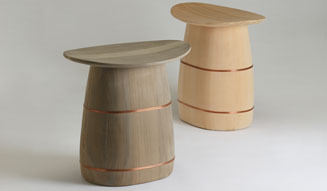
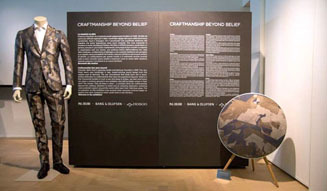
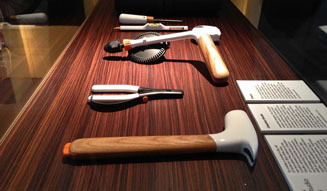
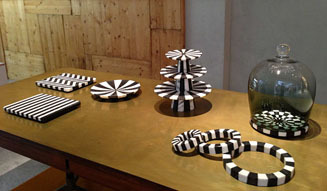
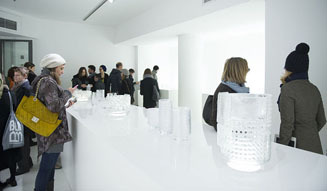
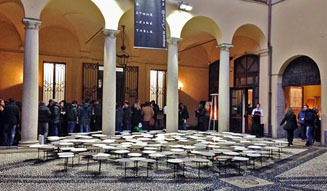
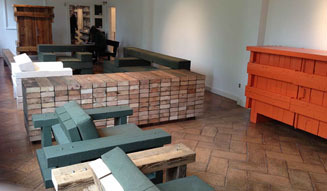
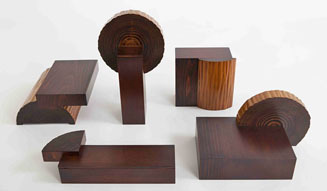
While the craft trend of recent years often highlighted the naive charm of handmade items, this year's offerings were notably more refined. This shift can be attributed to the decline of traditional crafts worldwide, which are often more expensive, necessitating added value through design and storytelling. As this approach became saturated, the focus moved towards designs that are uniquely achievable through specific regions, materials, and manufacturers, leading to an increase in sophisticated products. This trend is not limited to Japan. "Japan Handmade," featuring new works presented at the aforementioned MOST exhibition, showcased the compelling presence of "GO ON." GO ON is a creative unit comprising six heirs from long-established Japanese businesses, including Nishijin-ori textile manufacturerHosoo, Kana Tsuji, and Nakagawa Mokkougei. With Thomas Lick, former art director ofWallpaper* Magazine, serving as the creative director for Japan Handmade, they successfully introduced challenging new works by incorporating fresh perspectives into Japanese craftsmanship.
SPECIAL REPORT: A Comprehensive Review of Milan Salone 2013
Akio Aoki's "Salone Viewing"
TREND (4): What Defines Brand Policy?
HONEST: Unwavering Commitment to Craftsmanship
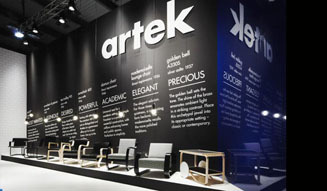
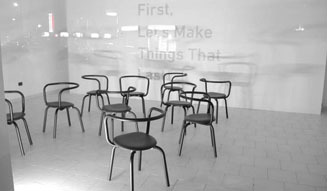
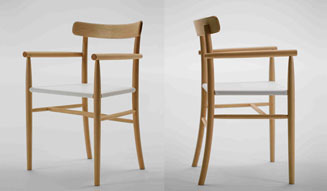
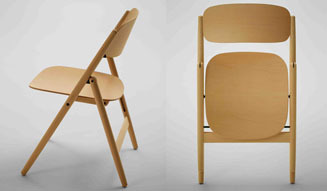
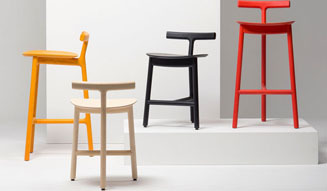
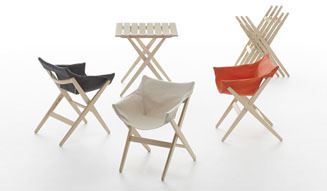
Amidst the hundreds of exhibitions at Milan Salone, one observation stands out: while trends are undeniable and important for marketing, excessive adherence can obscure a brand's core identity. Therefore, I wish to highlight three manufacturers who remain steadfast in their brand policies, unswayed by fleeting trends.Konstantin Grcic's latest chair for "EMECO" exemplifies this. It's a highly rational aluminum chair designed to minimize manual labor in its production process. This focus on the manufacturing process, not just the aesthetic design, is a crucial element.

SPECIAL REPORT: A Comprehensive Review of Milan Salone 2013
Akio Aoki's "Salone Viewing"
TREND (5): Notable Installations
INSTALLATION: Creative Spatial Expressions
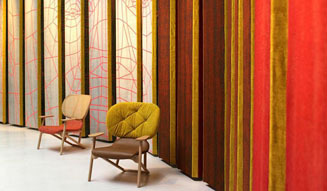
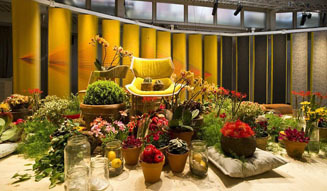
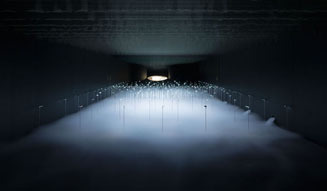
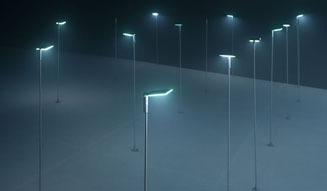
The creations seen at Milan Salone extend beyond new furniture designs; installation, or spatial design, plays a crucial role in enhancing these products. The space created by the Italian furniture brand "Moroso" at the Fiera venue was filled with ingenuity and vibrancy. Inspired by tangrams, a Chinese puzzle, they used colorful industrial belts threaded through ordinary wire mesh fences, commonly seen in urban environments, to craft an exciting and dynamic space.
SPECIAL REPORT: A Comprehensive Review of Milan Salone 2013
Akio Aoki's "Salone Viewing"
TREND (6): Who Are the Emerging Designers?
Remarkable: Emerging Designers Not to Miss
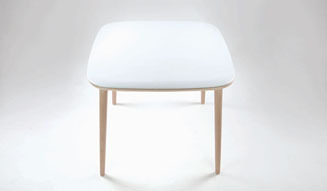
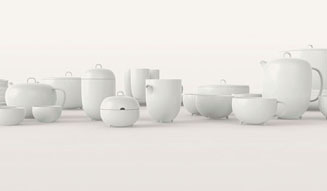
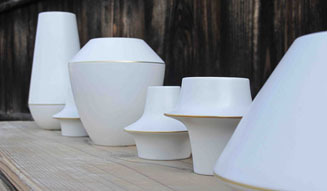
To conclude, I would like to introduce emerging designers with the potential to become stars in the near future: the China-based design studio PINWU, Canadian designer Philipp Malouin who gained experience at Tom Dixon, and Mexican designer Laura Noriega. First, PINWU, a multinational trio from China, Germany, and Serbia, formed their unit after attending Milan Salone in 2010. They thoroughly researched the capabilities of Chinese artisans, whose technical skills are rapidly advancing, and developed an innovative concept using porcelain for tabletops.

Akio Aoki
Creative Director. Born in Tokyo in 1978. After serving as director for the design event "DESIGNTIDE TOKYO" from 2005 to 2009, he launched MIRU DESIGN in 2009. Leveraging a network of designers across various fields including product, interior, architecture, and graphics, he plans and produces exhibitions and product development. He has been involved in numerous high-profile projects, such as product direction for "more trees" (founded by musician Ryuichi Sakamoto), creative direction for the Interior Lifestyle Exhibition, and production of the Coca-Cola Bottleware project.
Contact
info@miru-design.com