A Style That Could Be Called the SUV Version of the Golf – Test Drive of the Volkswagen T-Roc | Volkswagen
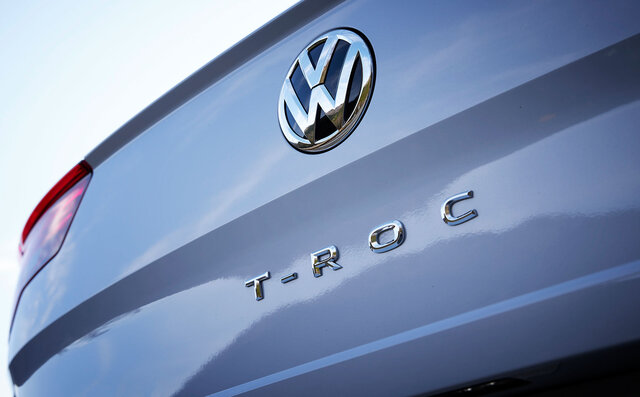
Volkswagen T-Roc | Volkswagen T-Roc
Recommended for those seeking a car that's easy to live with for the long haul.
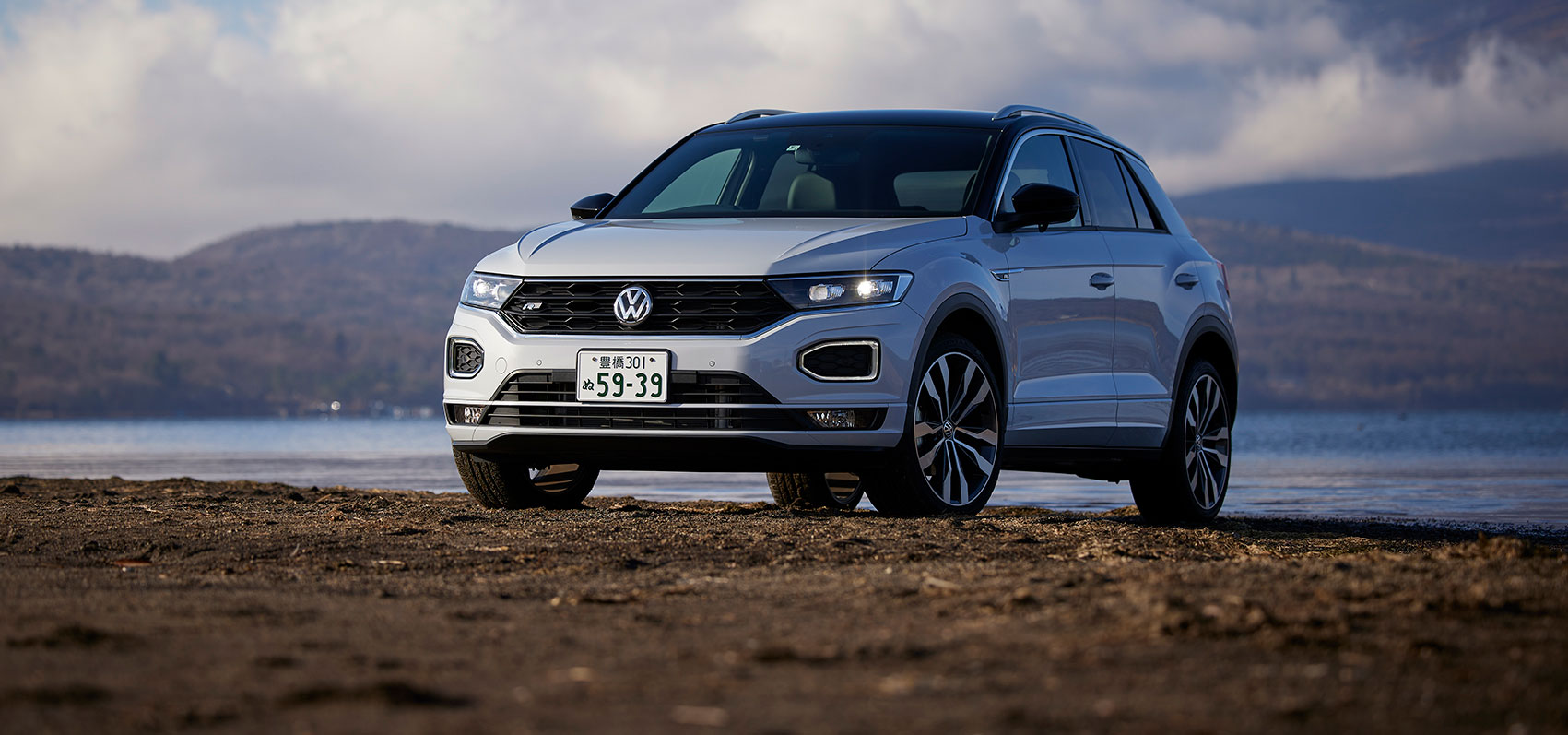
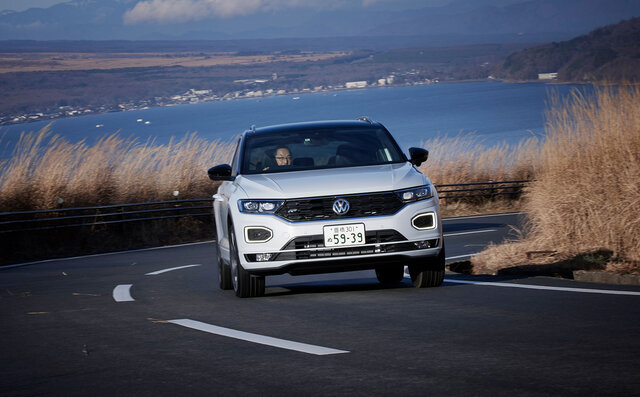
Launched in July 2020, the "T-Roc" is a compact SUV positioned between the "Tiguan" and "T-Cross" in Volkswagen's SUV lineup. We test drove this model, which captivates with its "Golf-like" SUV styling and agile driving.
Text by OGAWA Fumio | Photographs by MOCHIZUKI Hirohiko
If the budget allows, I'd choose the TDI R-Line.
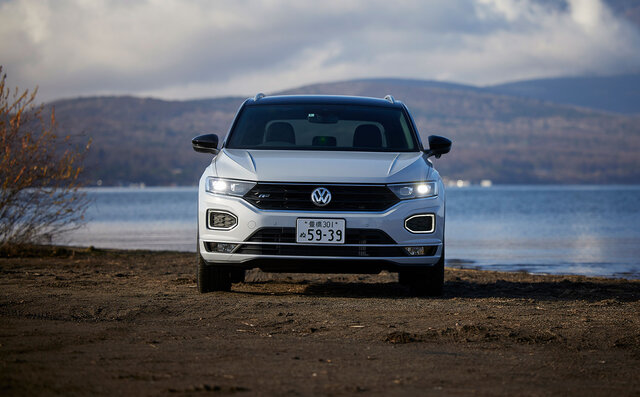
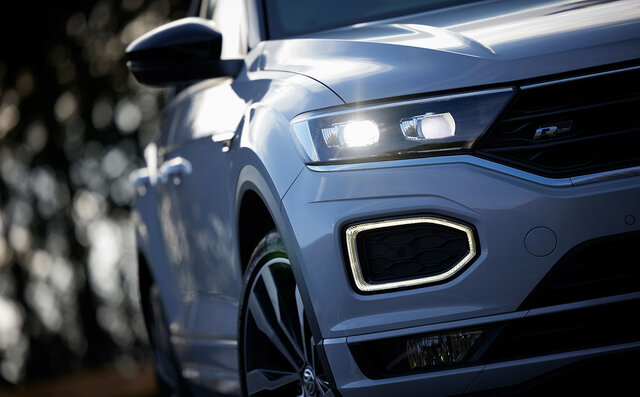
Volkswagen's crossover, the "T-Roc," is appealing for its style, which can be described as the SUV version of the Golf. It comes with a diesel engine only and a manageable compact size, just over 4.2 meters in length. It's recommended for those seeking a car that's easy to drive, yet can be a companion for many years.
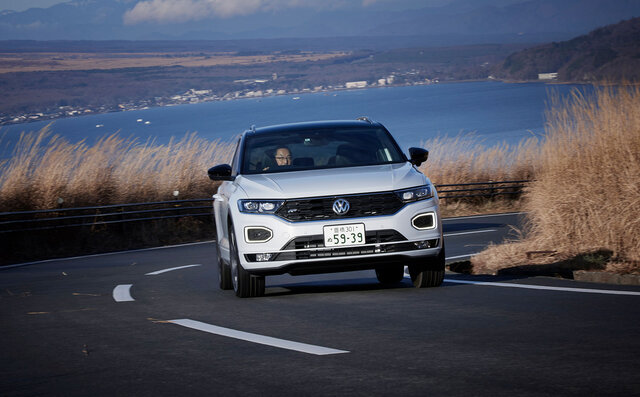
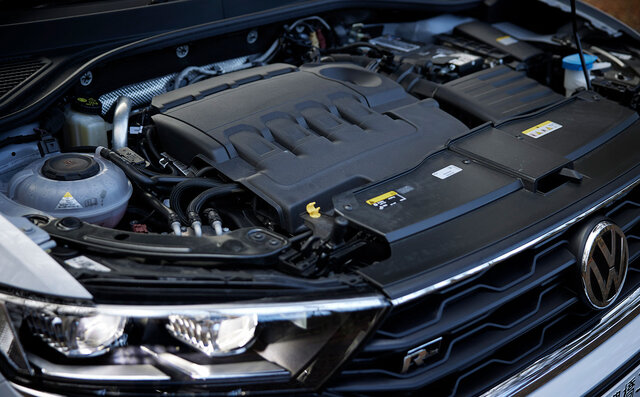
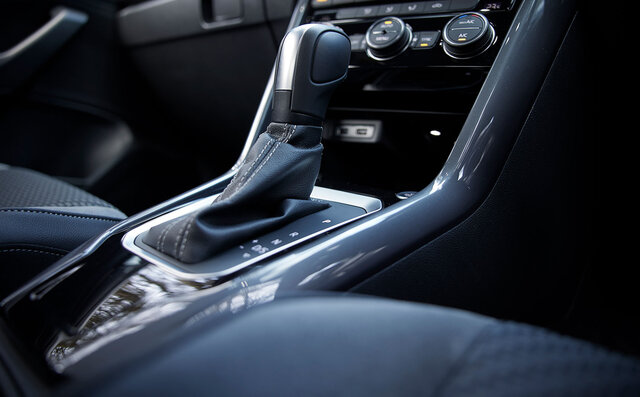
Although it looks like an SUV, the T-Roc is actually front-wheel drive. This makes the car lighter, and it handles curves with surprising agility. The 2.0-liter 4-cylinder diesel engine produces a maximum output of 110 kW (150 PS) and a maximum torque of 350 Nm. From around 2,500 rpm, you can experience quite powerful acceleration.
While its appearance might suggest off-road capability, it truly shines when driven with the engine revving enthusiastically, as described above. That's where the fun lies.
It's true that the engine feels a bit rough at low RPMs, and the characteristic diesel clatter is somewhat noticeable. However, as the speed increases, its character completely transforms. This change also significantly enhances our appreciation for the car.
When cornering, the body doesn't lean excessively, the steering wheel feels solid, and if you keep the engine revs slightly higher, the acceleration response to throttle input is good, making for a rather enjoyable drive.
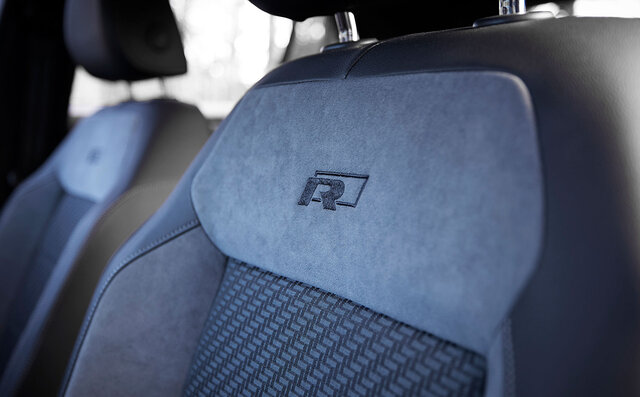
The model we tested was the top-of-the-line "TDI R-Line" specification, equipped with "Adaptive Chassis Control," which includes electronically controlled dampers. Given the impressive suspension, if the budget allows, this specification would be my recommendation.
As the speed increases, its appeal grows. This is something that truly feels German. Whether for daily commutes, or for longer trips involving golf, water sports, or camping, the T-Roc could be an excellent partner.
"We Connect" Offers Significant User Benefits
The fuel economy is 18.6 km/L (WLTC), showcasing the true value of the diesel unit. On the highway, this improves to 21 km/L. As some say German cars are excellent "tools," using it daily would likely reveal various unique benefits. Fuel efficiency is just one example.
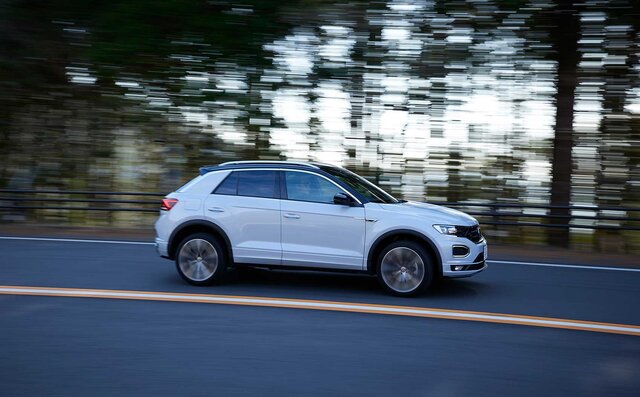
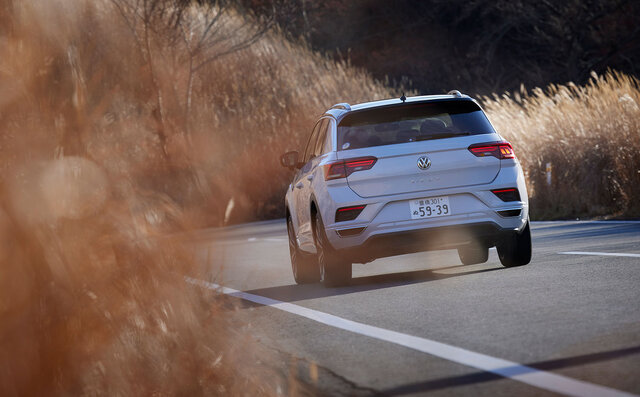
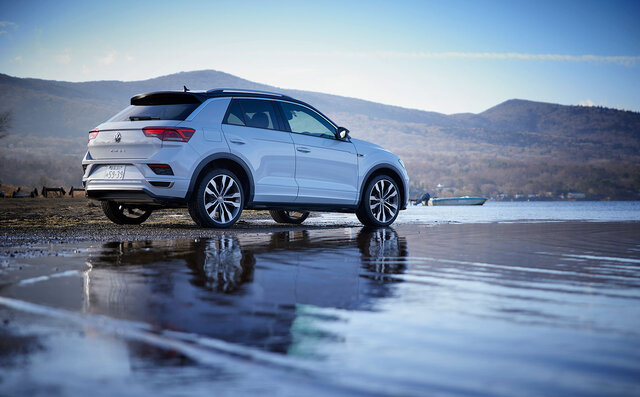
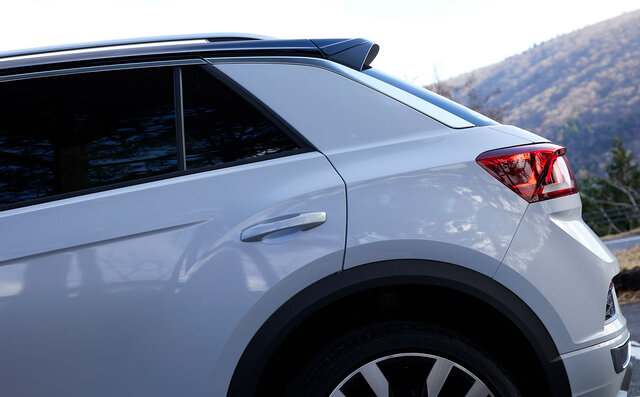
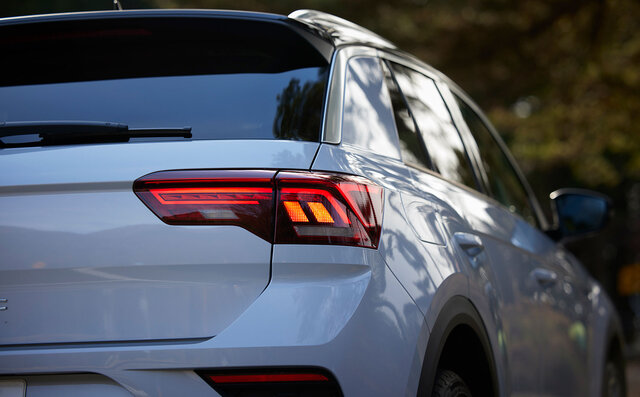
The body design, similar to the Audi Q2 on which it is based, features a thick rear quarter pillar. However, while the Q2 emphasizes its design with sharp, acute angles like crystal glass that could cut your hand, the T-Roc's surfaces possess an organic strength, as if pushed out from within.
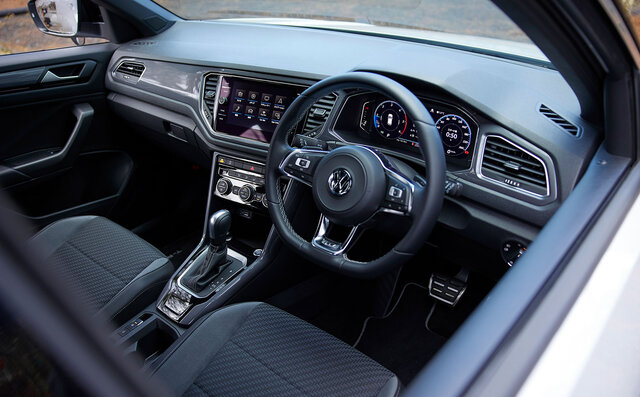
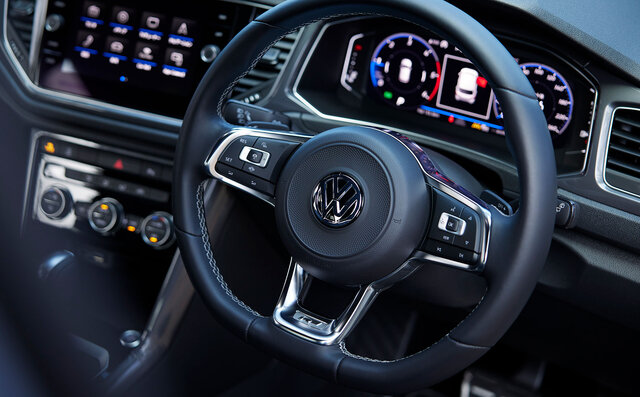
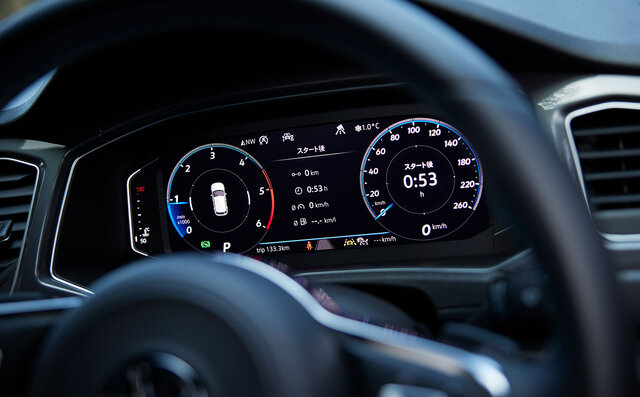
The adaptive cruise control with traffic jam assist includes a function that automatically stops and restarts in traffic. Additionally, safety features are abundant, including lane keeping assist and systems that detect vehicles and pedestrians ahead.
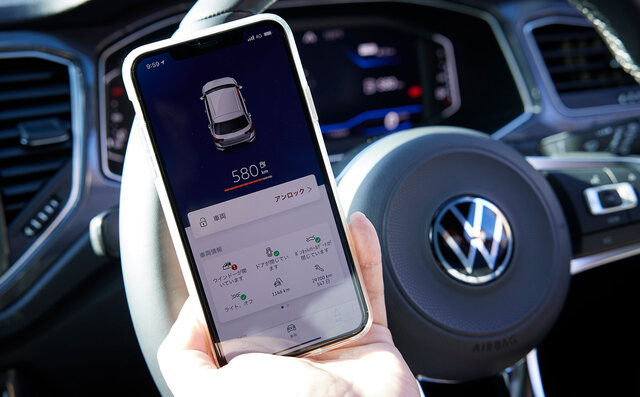
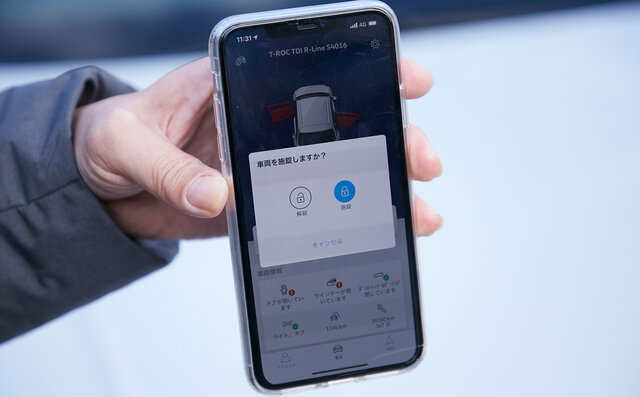
Simultaneously, the introduction of Volkswagen's proprietary "We Connect" system, which links with smart media, is another significant user benefit, I believe.
With smart media, you can check the car's status remotely. This means you can verify the lock status of doors, whether windows are open or closed, and check lights, all from your smartphone screen even when you're away. Although unrelated to We Connect, automatic updates for navigation data can also be performed via smart media.
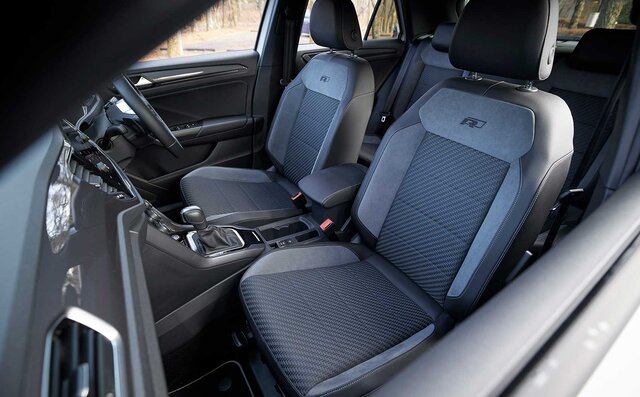
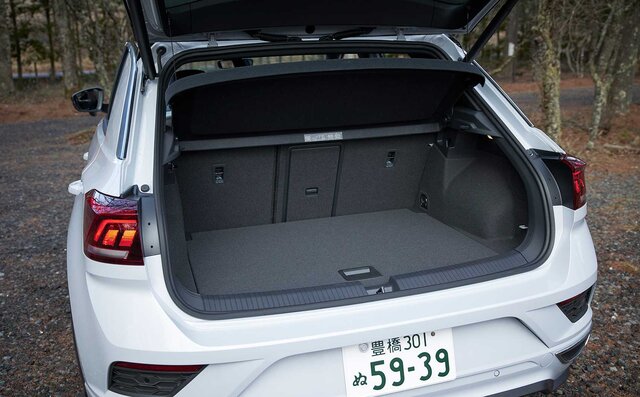
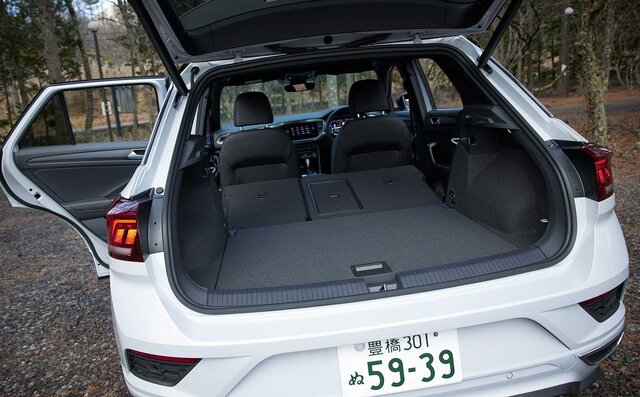
With dimensions of 4,250 (4,240 for non-R-Line) mm in length, 1,825 mm in width, and 1,590 mm in height, the body is wider and taller relative to its length. The wheelbase is a relatively compact 2,590 mm, yet even adults can sit in the rear without feeling cramped.
Prices range from 3,849,000 yen for the basic "TDI Style" to 4,539,000 yen for the top model, the "TDI R-line." Looking for imported rivals based on its class and size, one might consider the Mercedes-Benz GLA 200d 4MATIC (5.08 million yen), BMW X1 sDrive 1.8i (from 4.4 million yen), Audi Q2 (from 3.12 million yen), and Peugeot 2008 (from 2.99 million yen). Among Japanese cars, there are also the Toyota Yaris Cross (from 1.798 million yen) and Mazda CX-30 (from 2.3925 million yen). This is a segment that offers the pleasure of choice.
Spec
Volkswagen T-Roc R-Line
- • Body size | Length 4,250 x Width 1,825 x Height 1,590 mm
- • Wheelbase | 2,590 mm
- • Vehicle weight | 1,430 kg
- • Engine | 1,968cc Inline 4-cylinder DOHC Turbo
- • Maximum output | 110 kW (150 PS) / 3,500-4,000 rpm
- • Maximum torque | 340 Nm (34.7 kgm) / 1,750-3,000 rpm
- • Transmission | 7-speed AT
- • Fuel consumption (JC08 mode) | 19.5 km/L
- • Drivetrain | FF
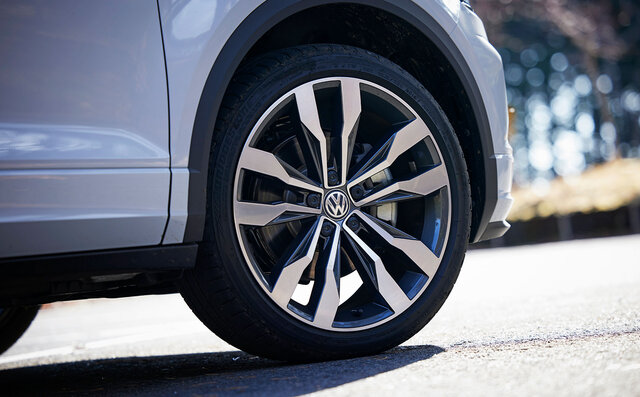
- • Tires | Front 215/50 R18
- • Price | 4,529,000 yen